Spectacular Sydney

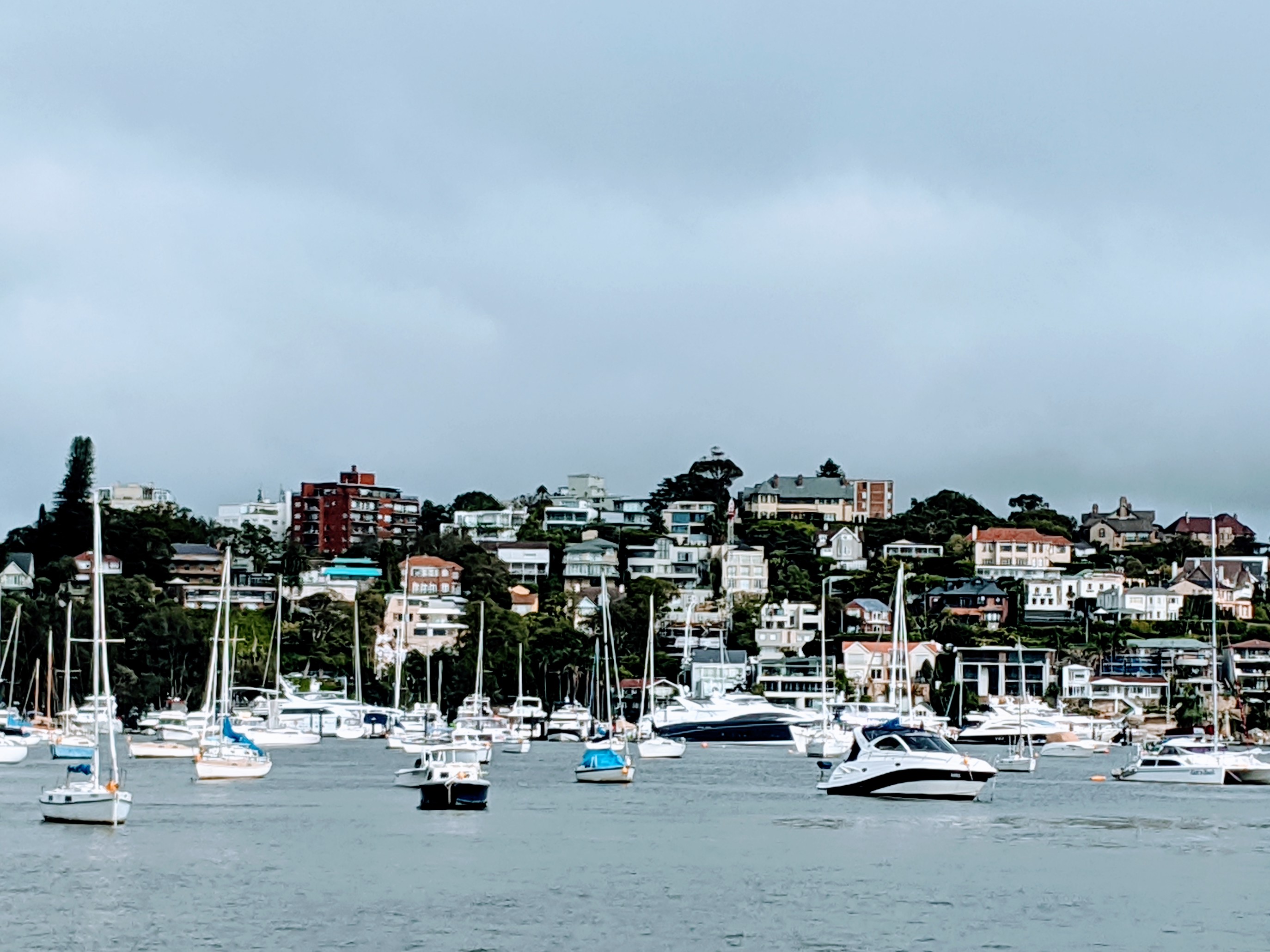
Sydney, capital of New South Wales, is home to the world’s largest (and in our opinion, most spectacular!) natural harbor. Founded as a penal colony in 1788, Sydney is probably best known for its crown jewel…the iconic Sydney Opera House. Ironically, we learned that Jorn Utzon’s design for the opera house was the result of a competition, and his design was initially discarded! Today it is a UNESCO World Heritage Site, and its distinctive sail-like design is a signature landmark for the city. There’s so much to see and do in Sydney, so we split up for part of our three-day visit to pursue our own interests.

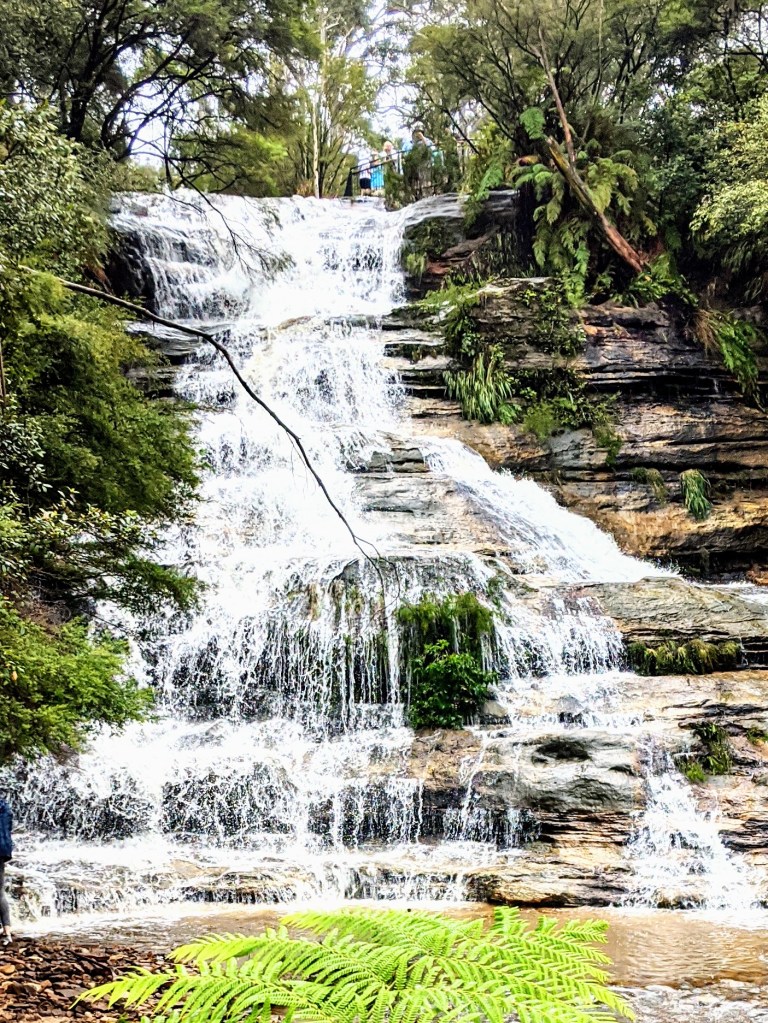
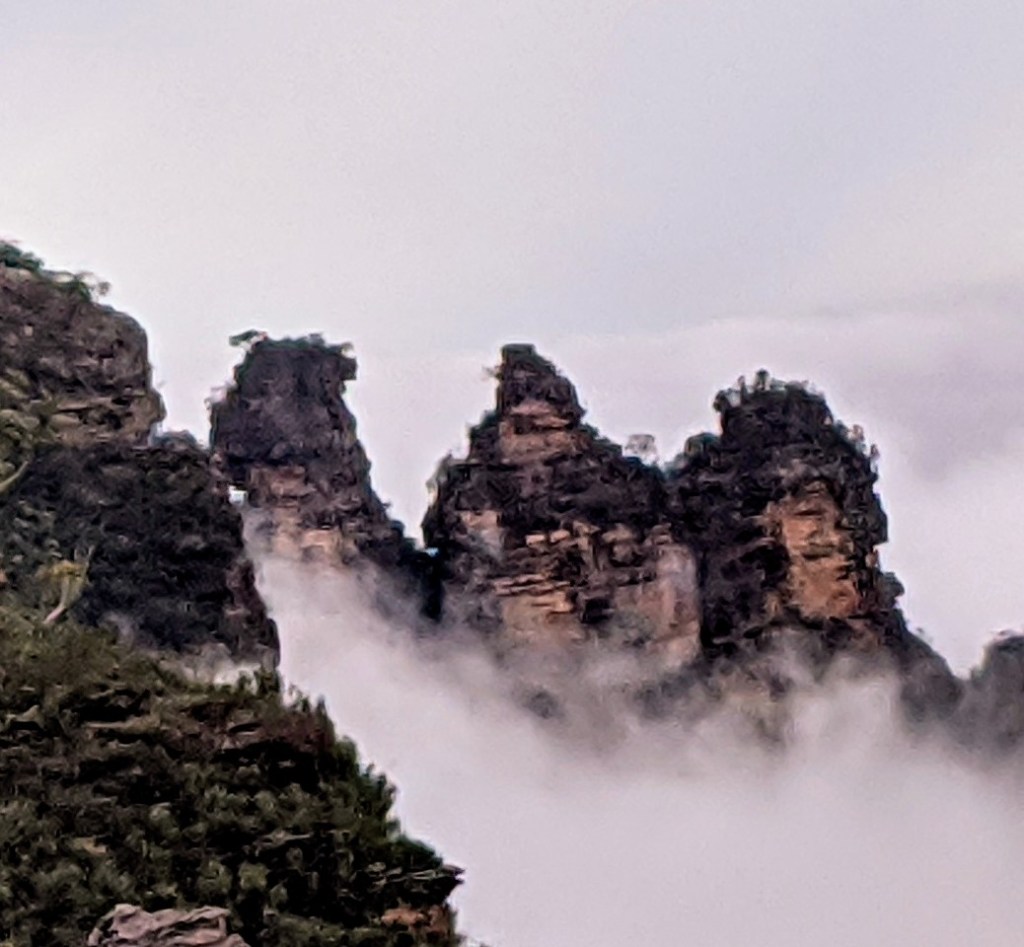
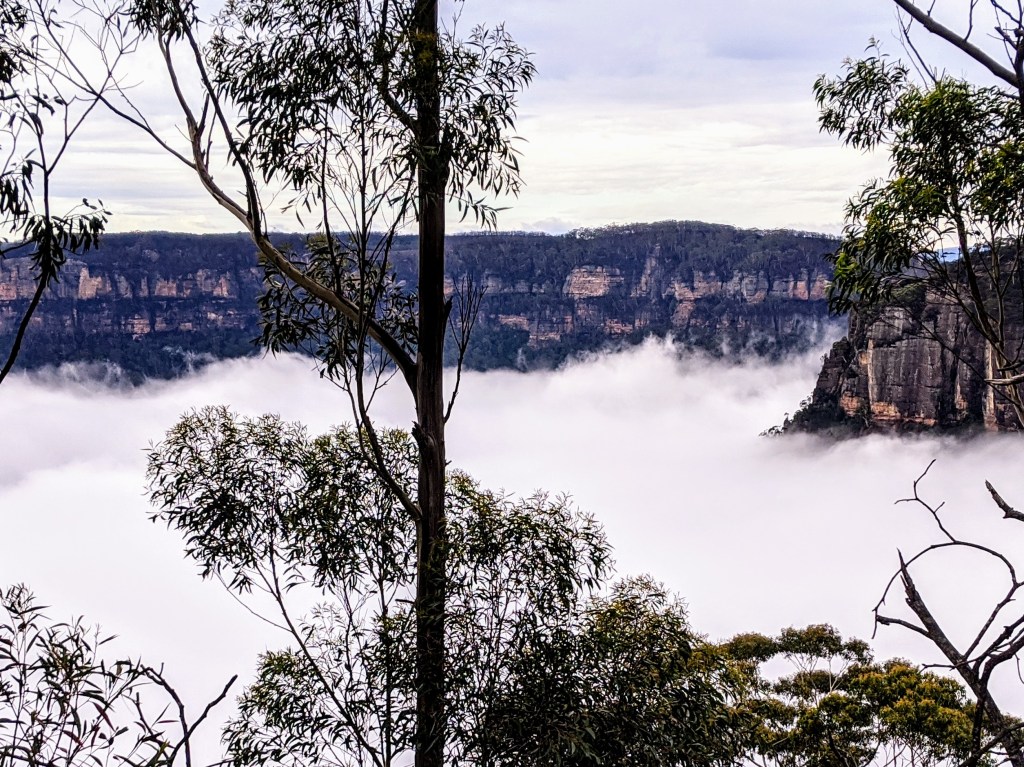
Doug spent almost an entire day experiencing the majestic Blue Mountains, another UNESCO World Heritage Site. As a result of a two day torrential rainstorm (which we sailed through to get here!), the Katoomba Falls were raging, and the bush fires that had threatened much of the Jamison Valley were extinguished. From Echo Point, he was able to take in some magnificent views of the valley from high above the clouds. He also captured an etherial shot of the famous Three Sisters before making his way to Scenic World where he experienced the thrills of traveling the world’s steepest scenic passenger train at a 52 degree incline; gliding between cliff tops in the glass-bottomed scenic skyway, Australia’s highest cable car; and descending 545 metres into the Jamison Valley in the scenic cableway. He learned that this area was named Blue Mountain because of the blue hue created by the evaporation from the eucalyptus trees, which are very prevalent throughout the lush area.
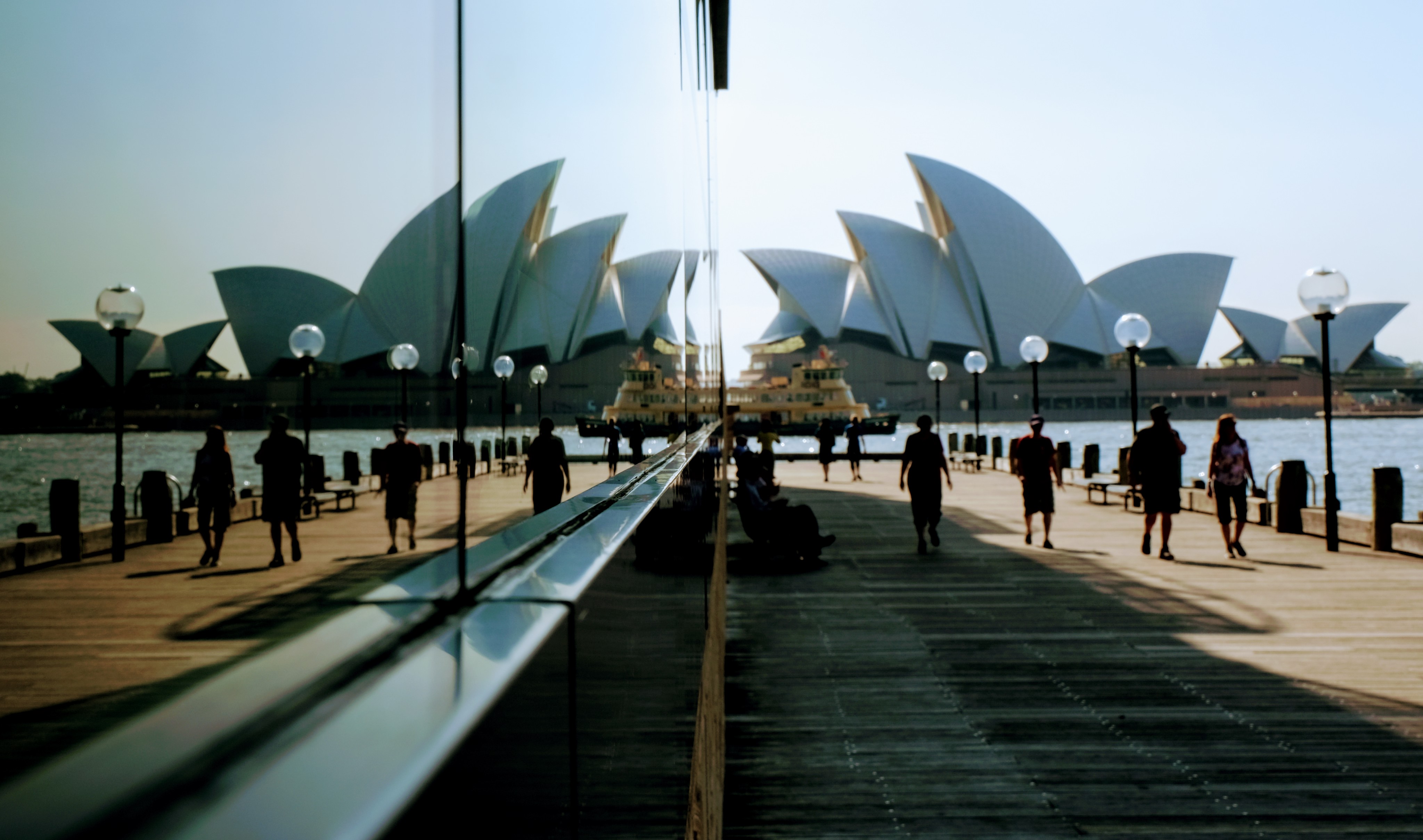
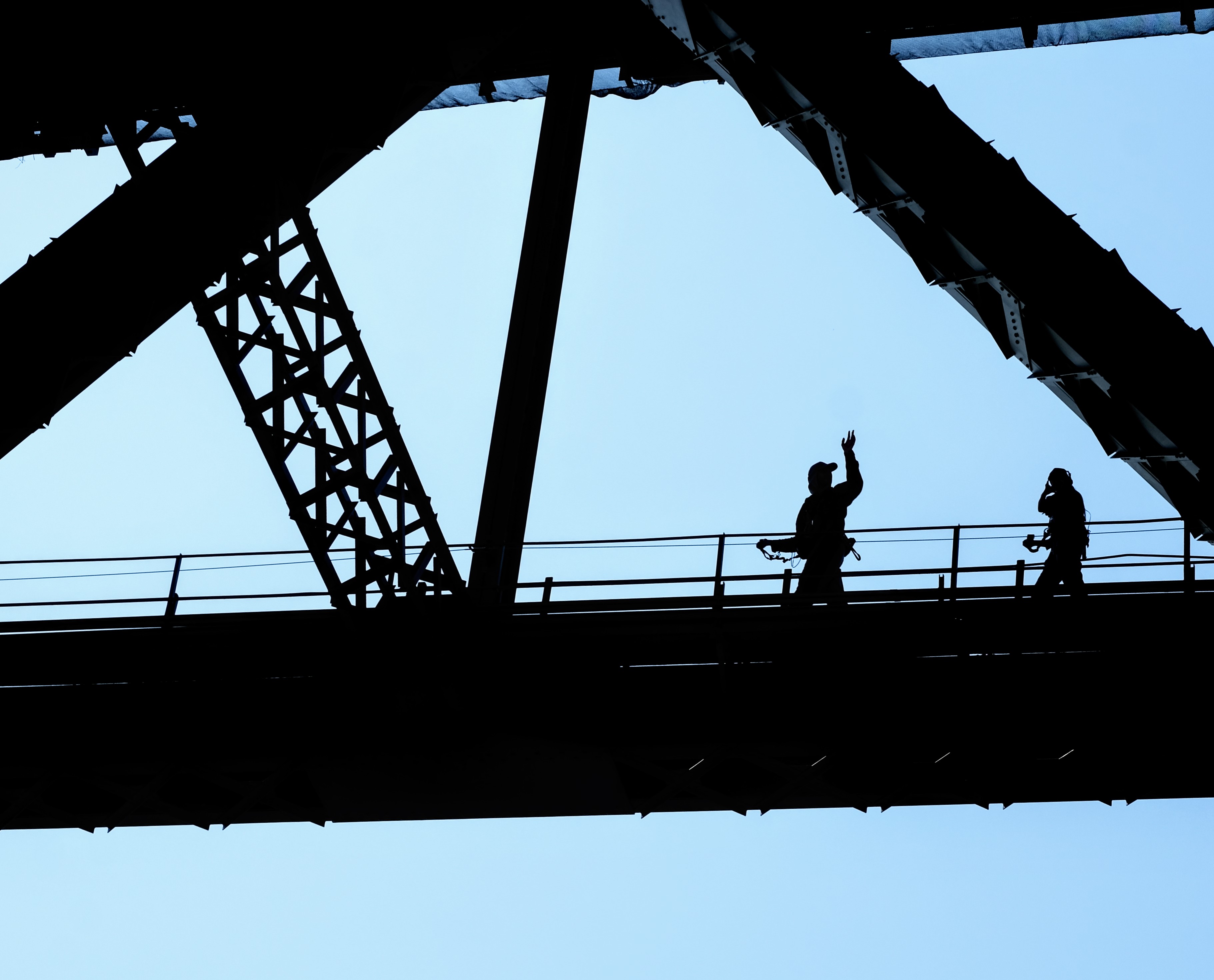
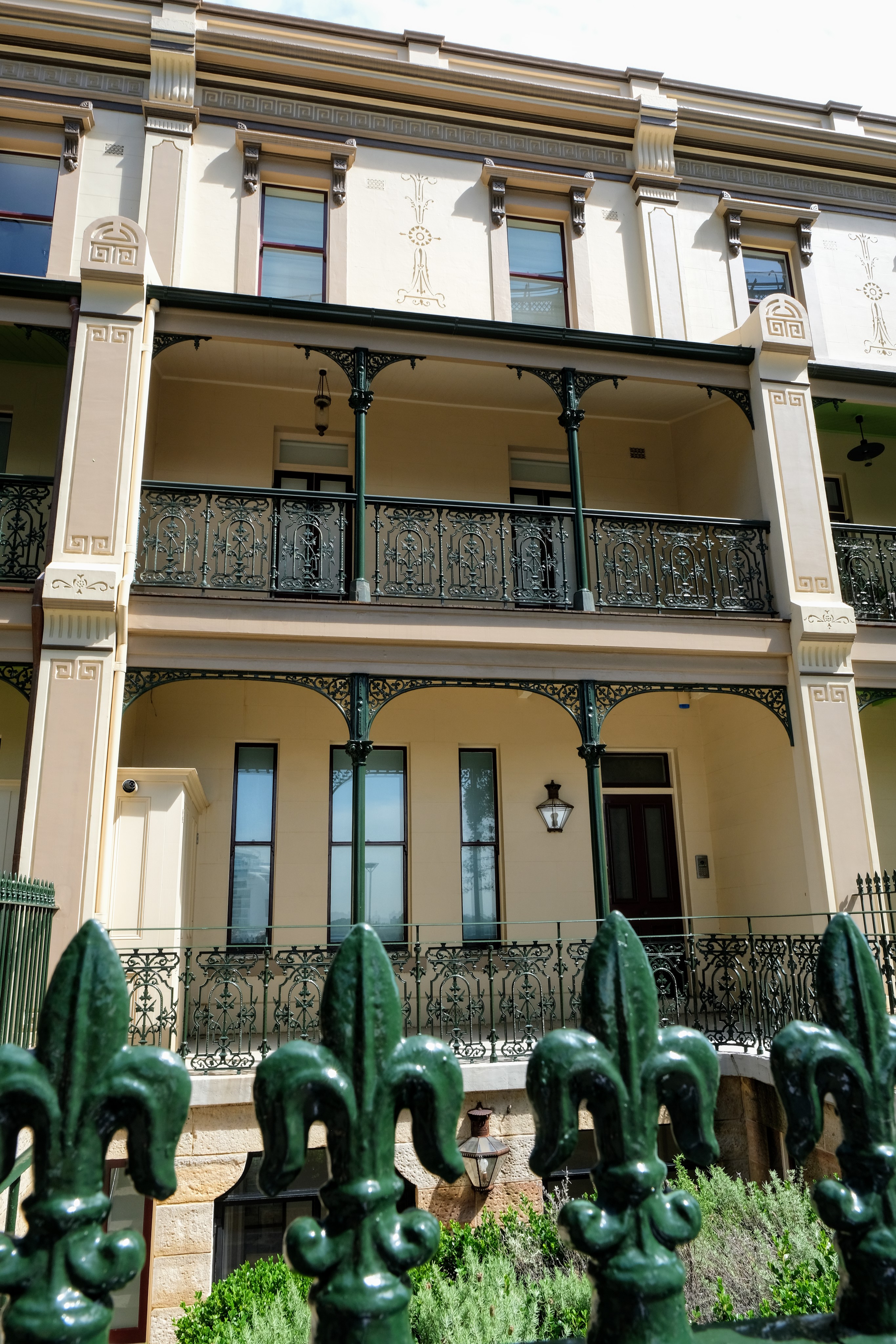
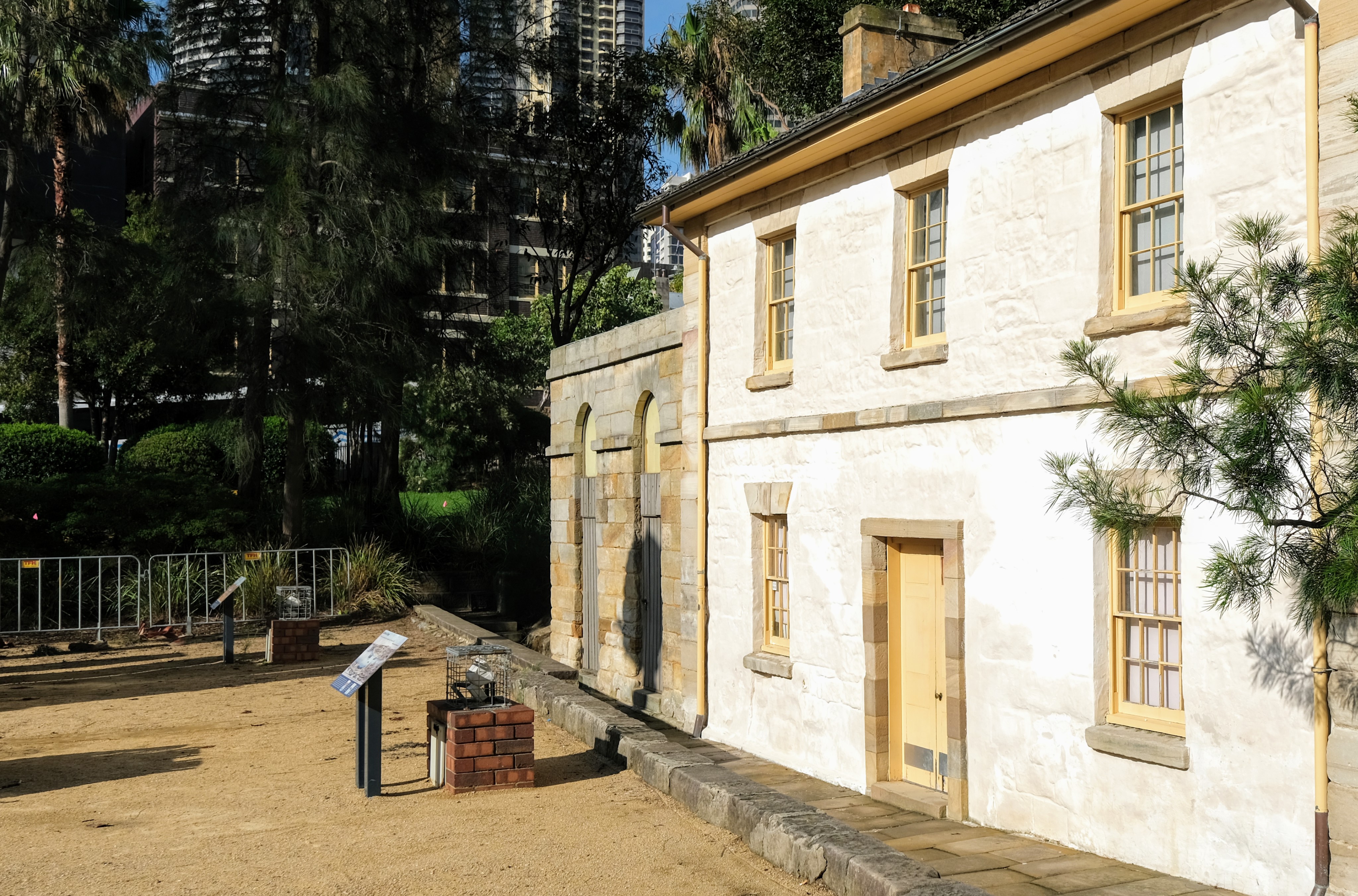
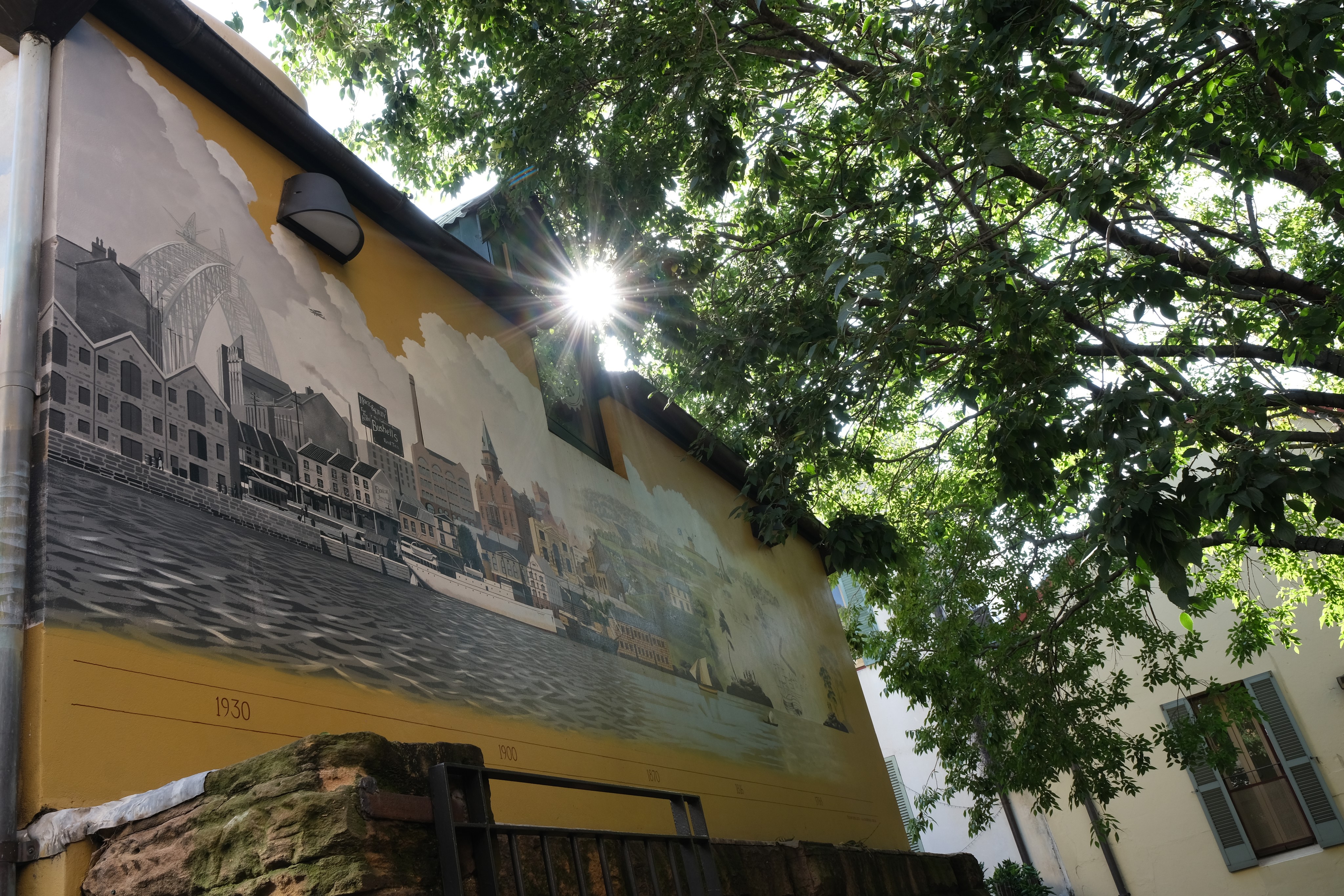
While Doug was enjoying the mountains outside the city, Denise took a photographic walking workshop with professional travel photographer Alfonso Calero, owner of Alfonso’s Photo Tours http://www.alfonso.com.au Alfonso led us on a 3-hour walk around Sydney, and freely shared his expertise about camera settings, composition, lighting, and creative camera angles (full disclosure…the image above is my work, but his idea!) We started off in The Rocks – Sydney’s oldest village named for the sandstone from which its original buildings were made, where we played around with angles and leading lines. This area, once home to drunken sailors and ex-convicts, now hosts harbor side boutiques, craft shops, cafes, and interesting markets. We moved on to the Sydney Opera House, one of the most photographed points of interest in the city. We were inspired by the Sydney Harbor Bridge, where we experimented with light and angles, and we were lucky to capture some walkers high atop the bridge. Alfonso gave us some “cheat sheets” to help us tell our travel stories more vividly, and we celebrated our new knowledge over an authentic lunch of meat pies with mashed potatoes and peas and beer at the Lord Nelson Brewery Hotel, Sydney’s oldest continually licensed pub. There’s much debate about which pub is oldest, but the Lord Nelson is a favorite with locals, and definitely has yummy food and delicious beer.
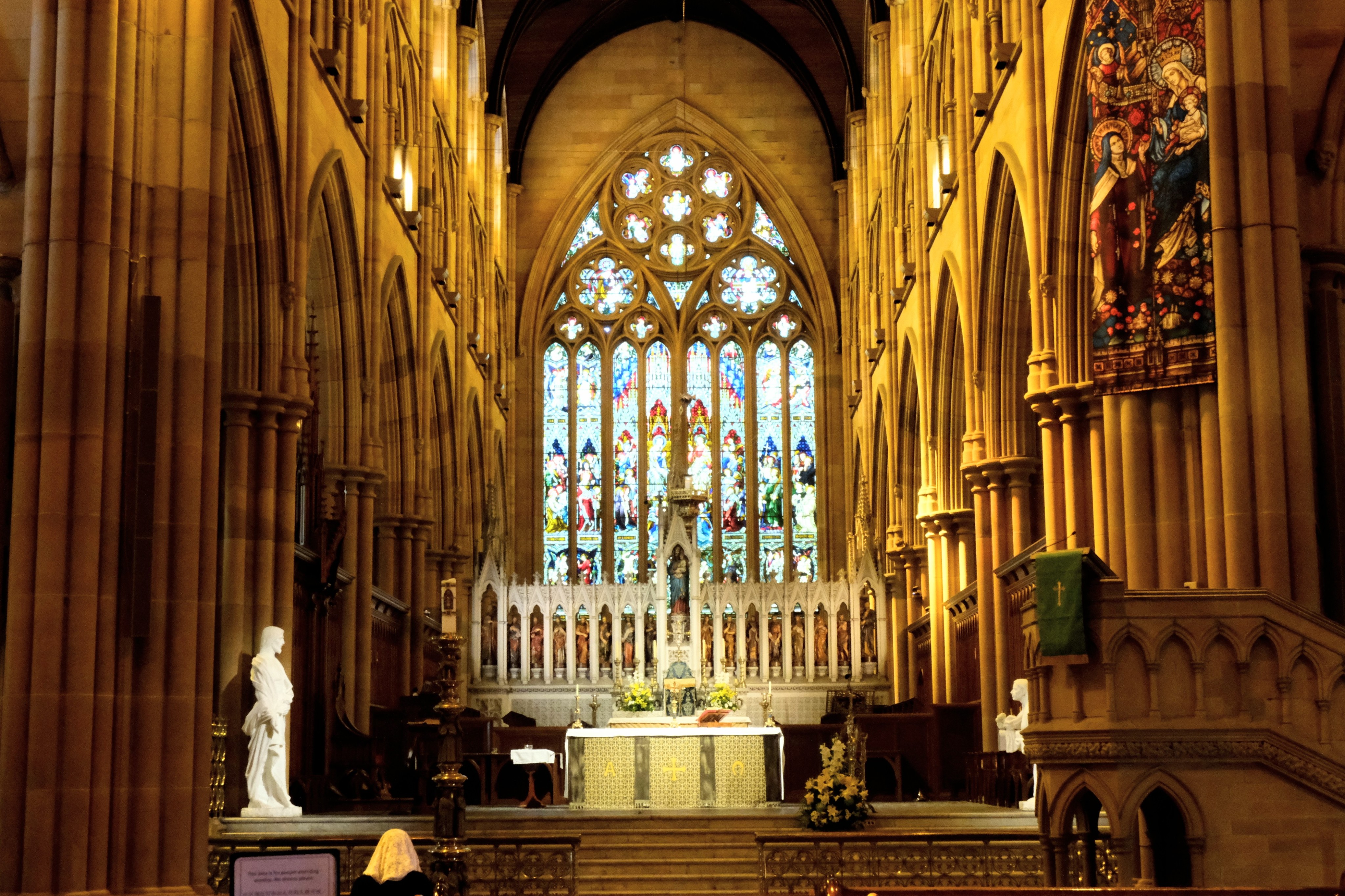
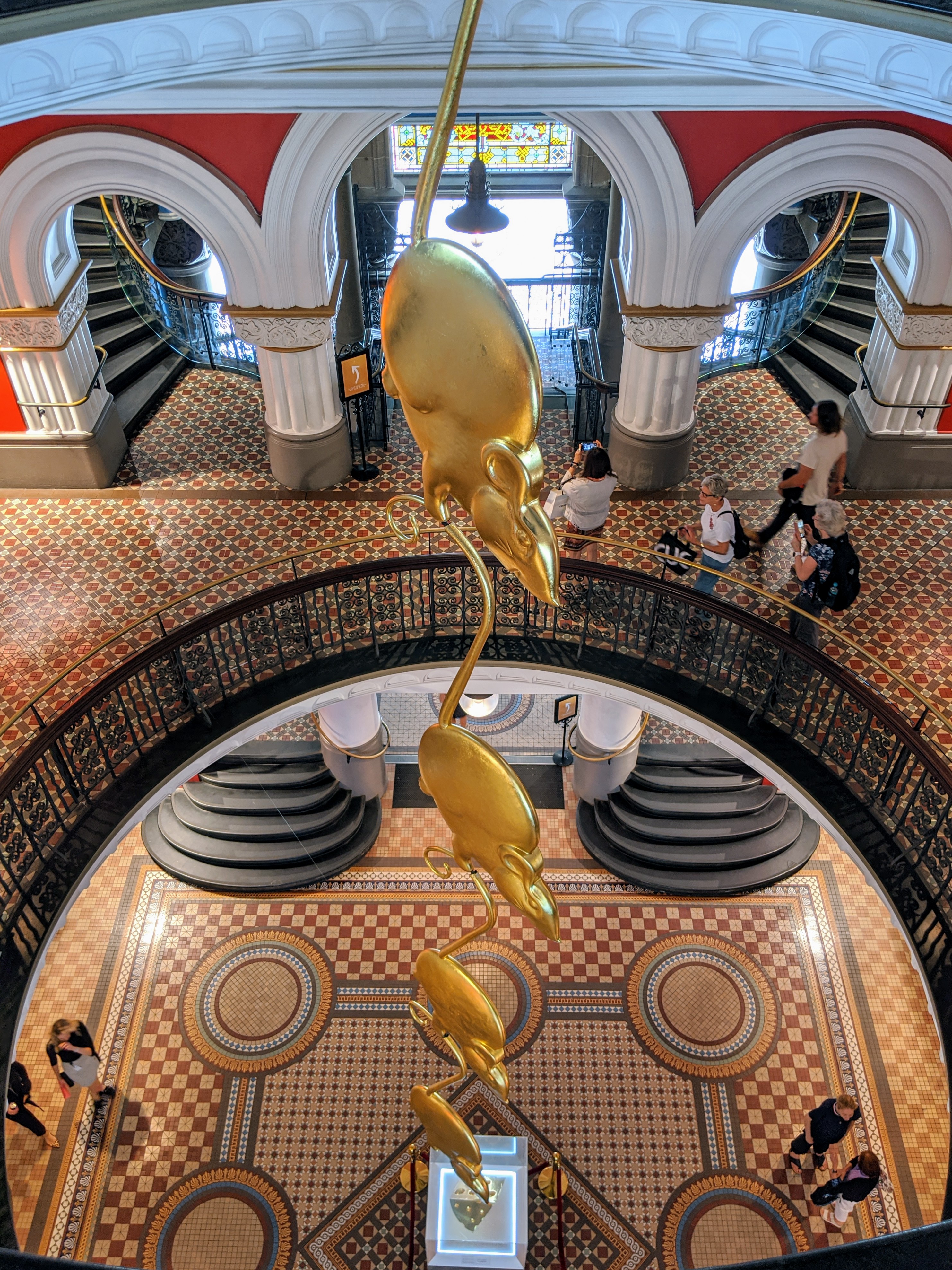
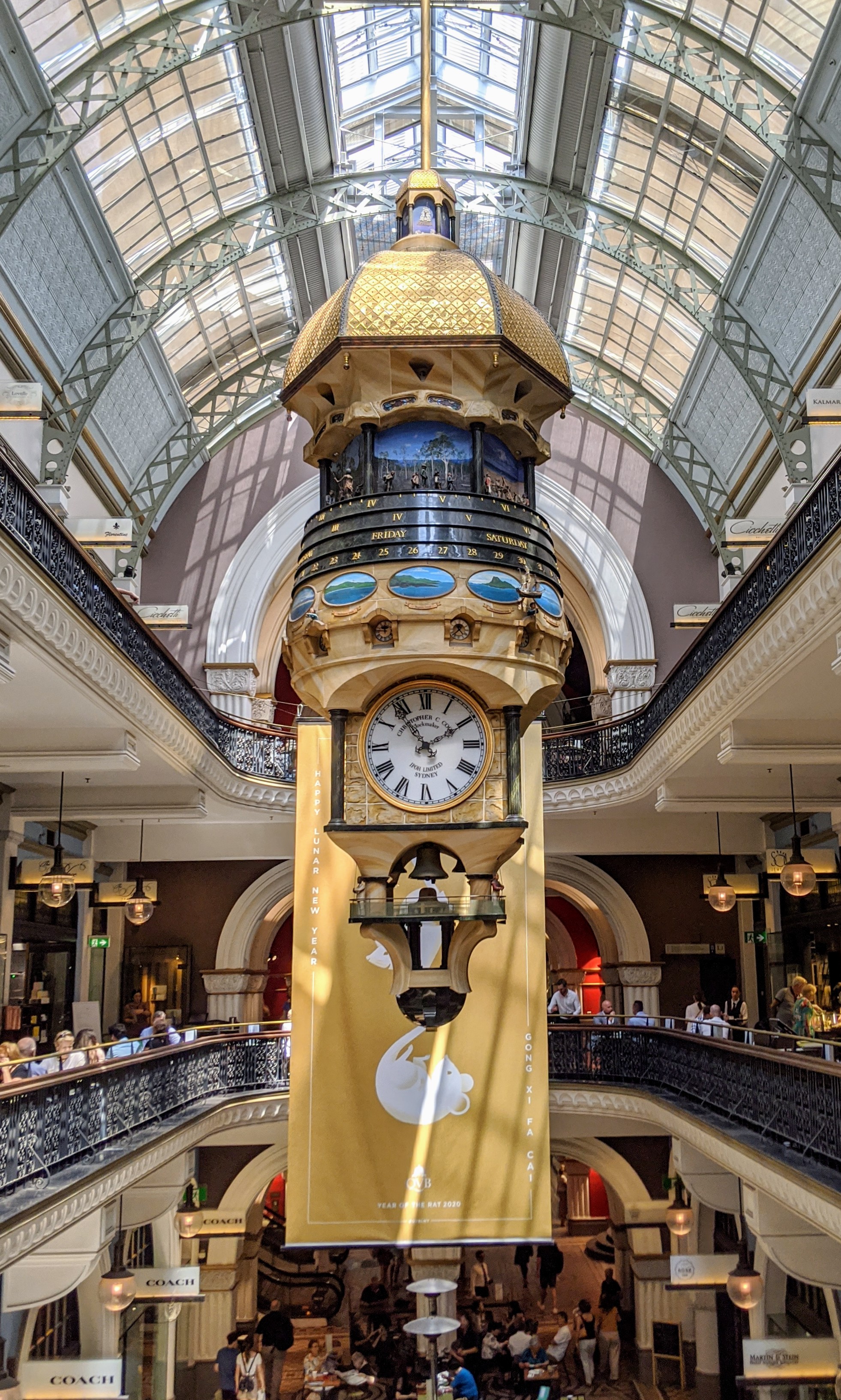
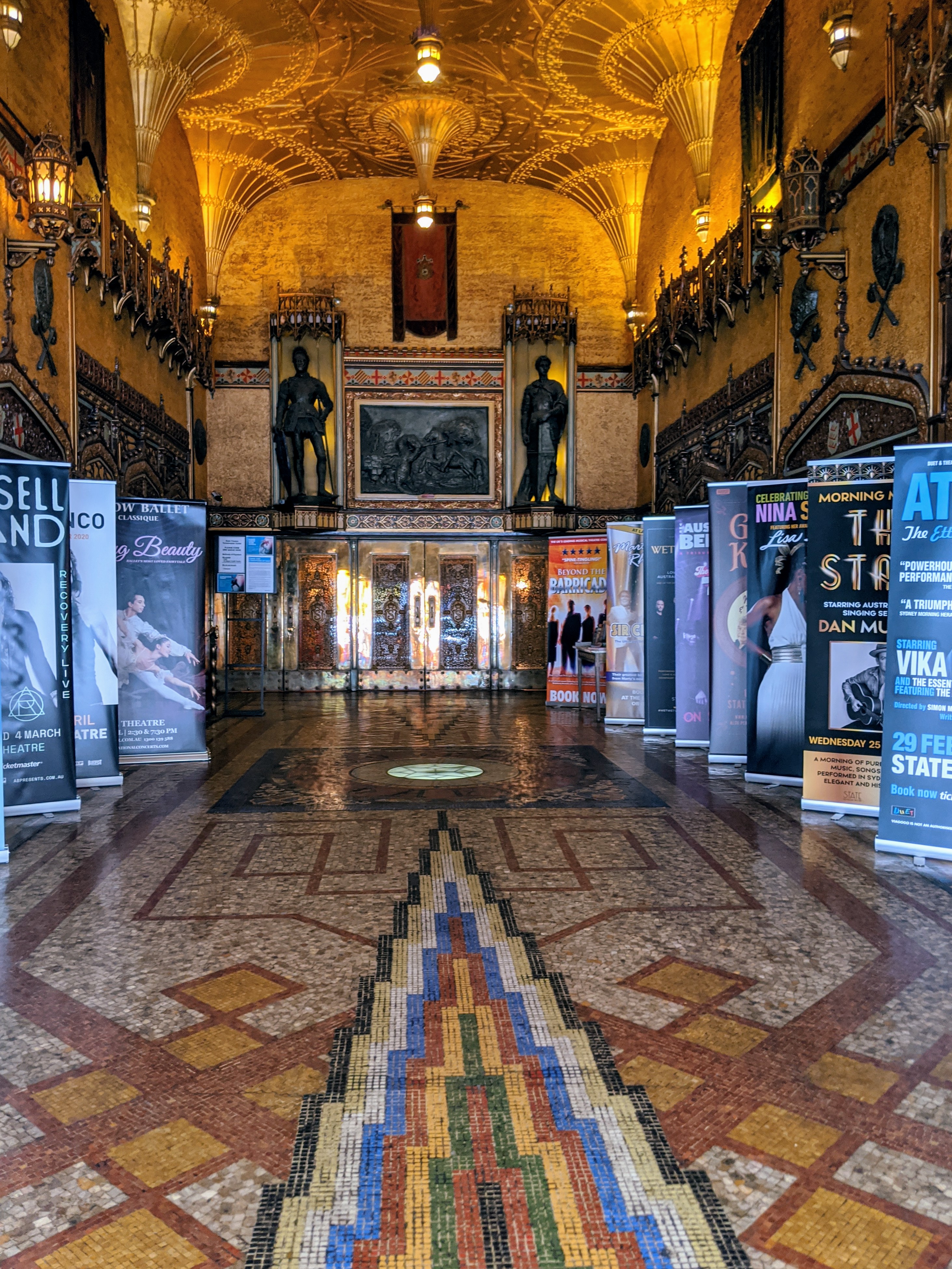
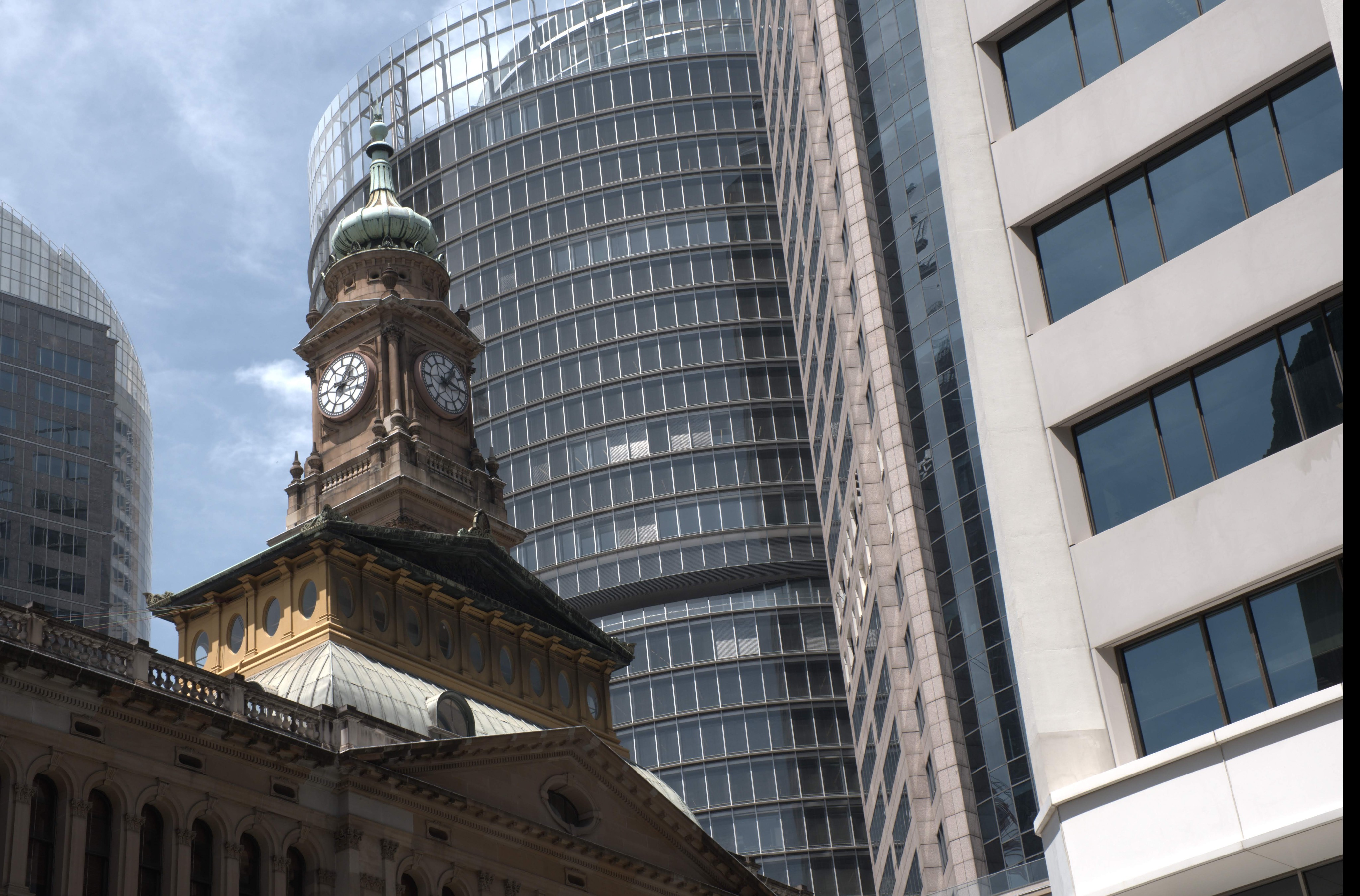
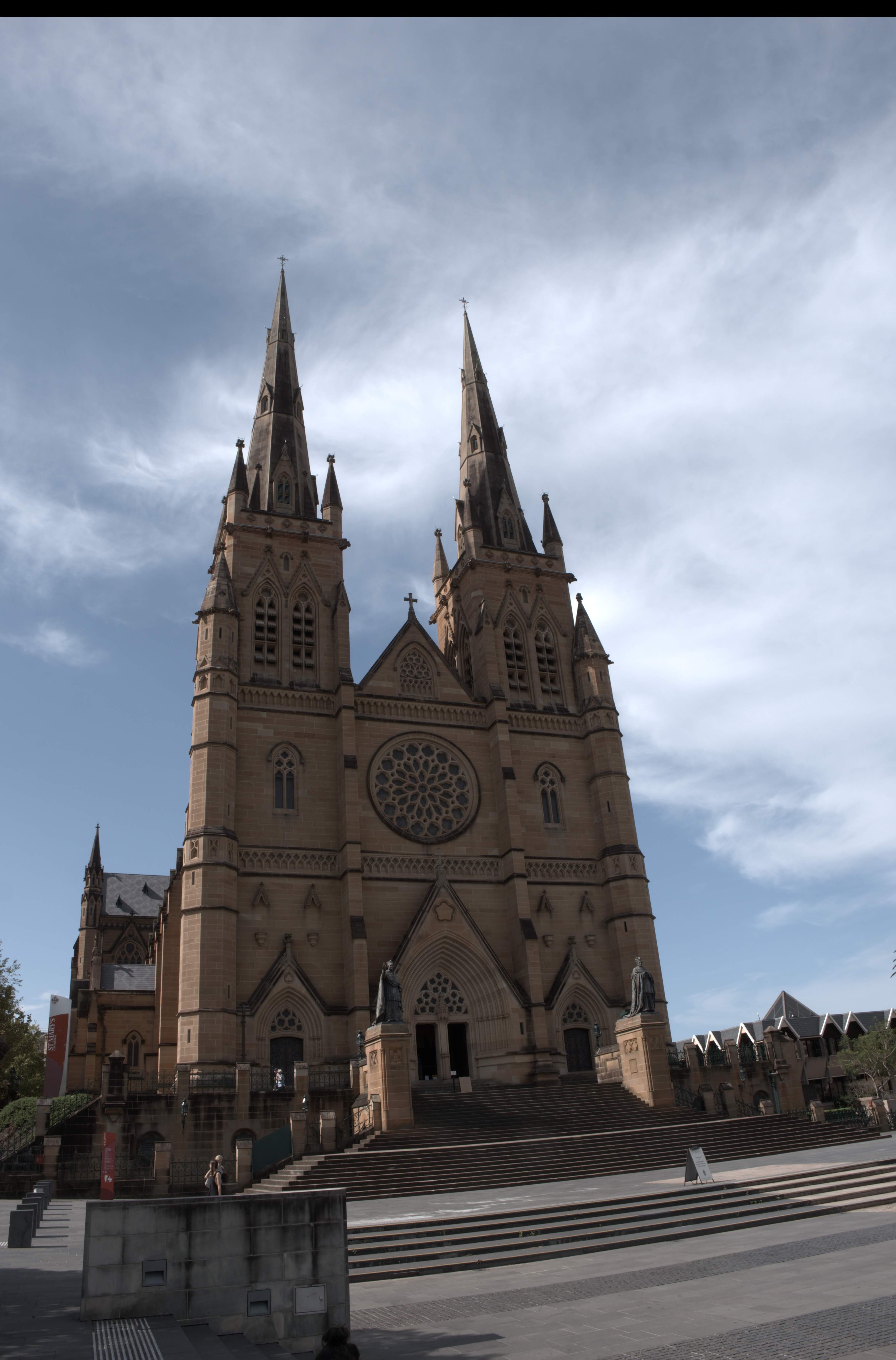
After lunch, Denise continued on her own walking tour of this beautiful city, where she got lost no fewer than 10 times! Along the way, she logged in over 20,000 steps and visited St. Mary’s Cathedral; the QVB – Queen Victoria Building (an incredible indoor shopping mall built in 1893); the Sydney Tower Eye Observation Deck (Sydney’s tallest structure and the second tallest observation tower in the Southern Hemisphere); and the opulent State Theater and adjacent QT Boutique Hotel which is housed in the State and Gowings Buildings. It’s really wonderful how sleek, modern skyscrapers have been incorporated into the skyline alongside historic, beautiful sandstone structures from Sydney’s earliest days.
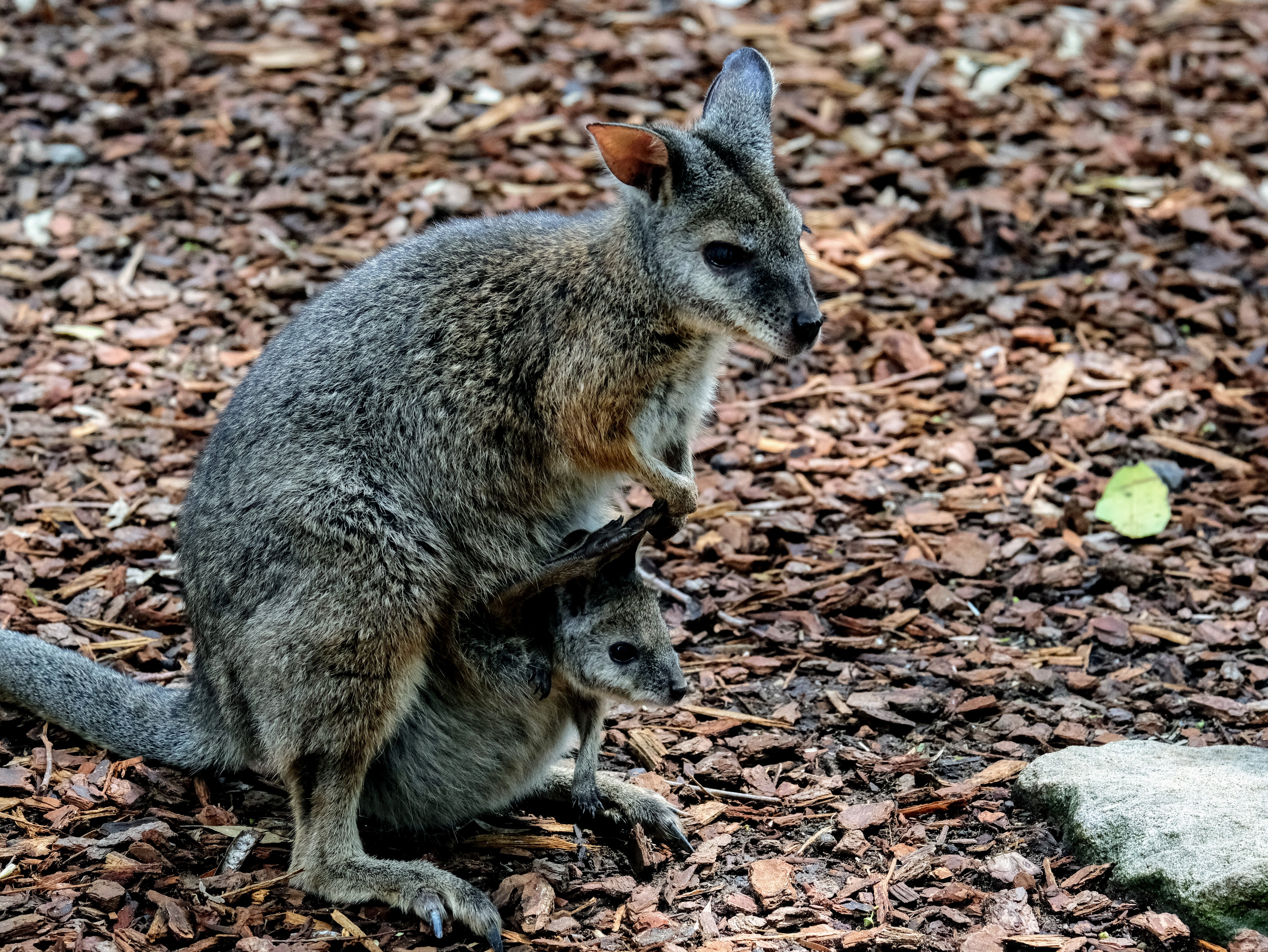
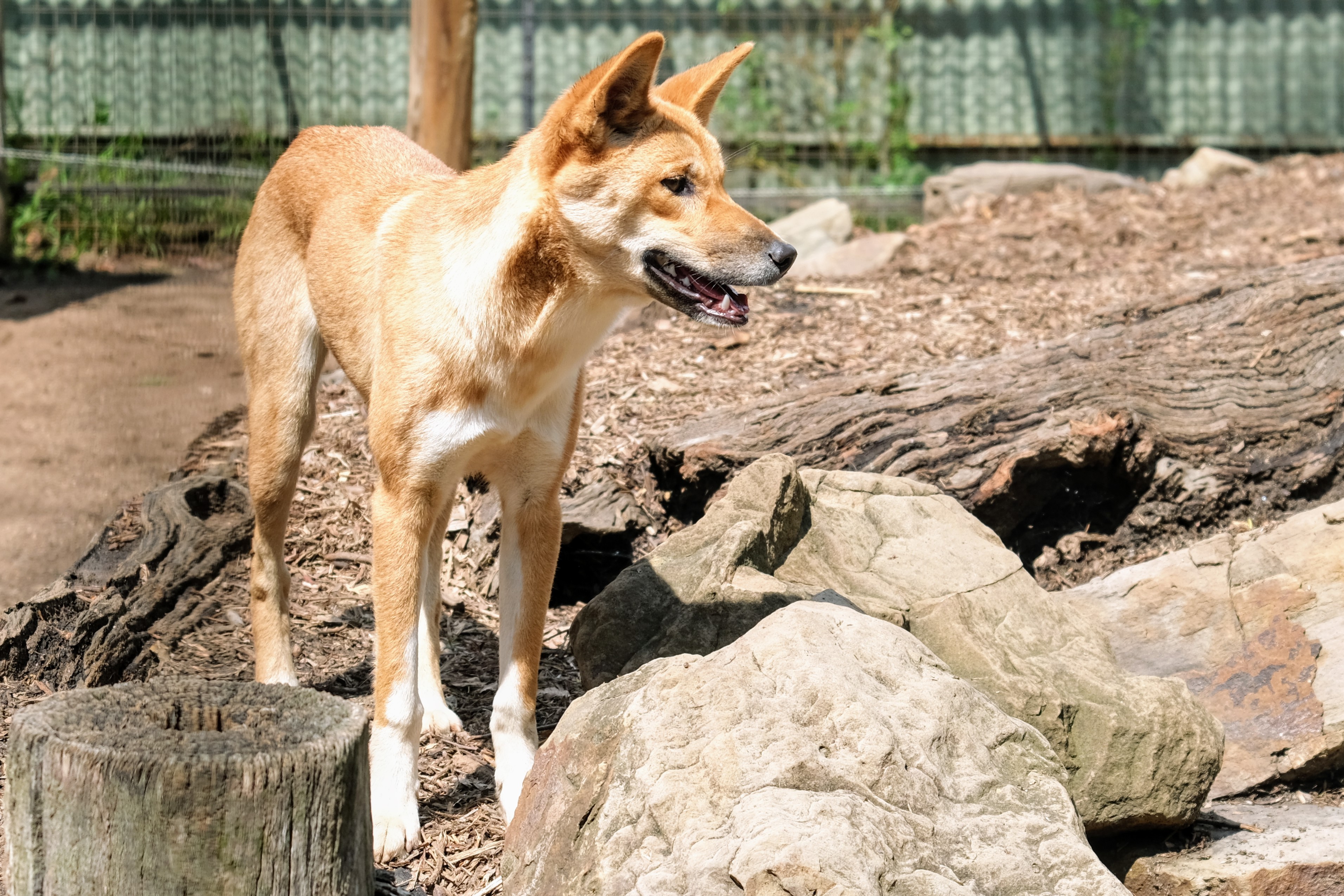
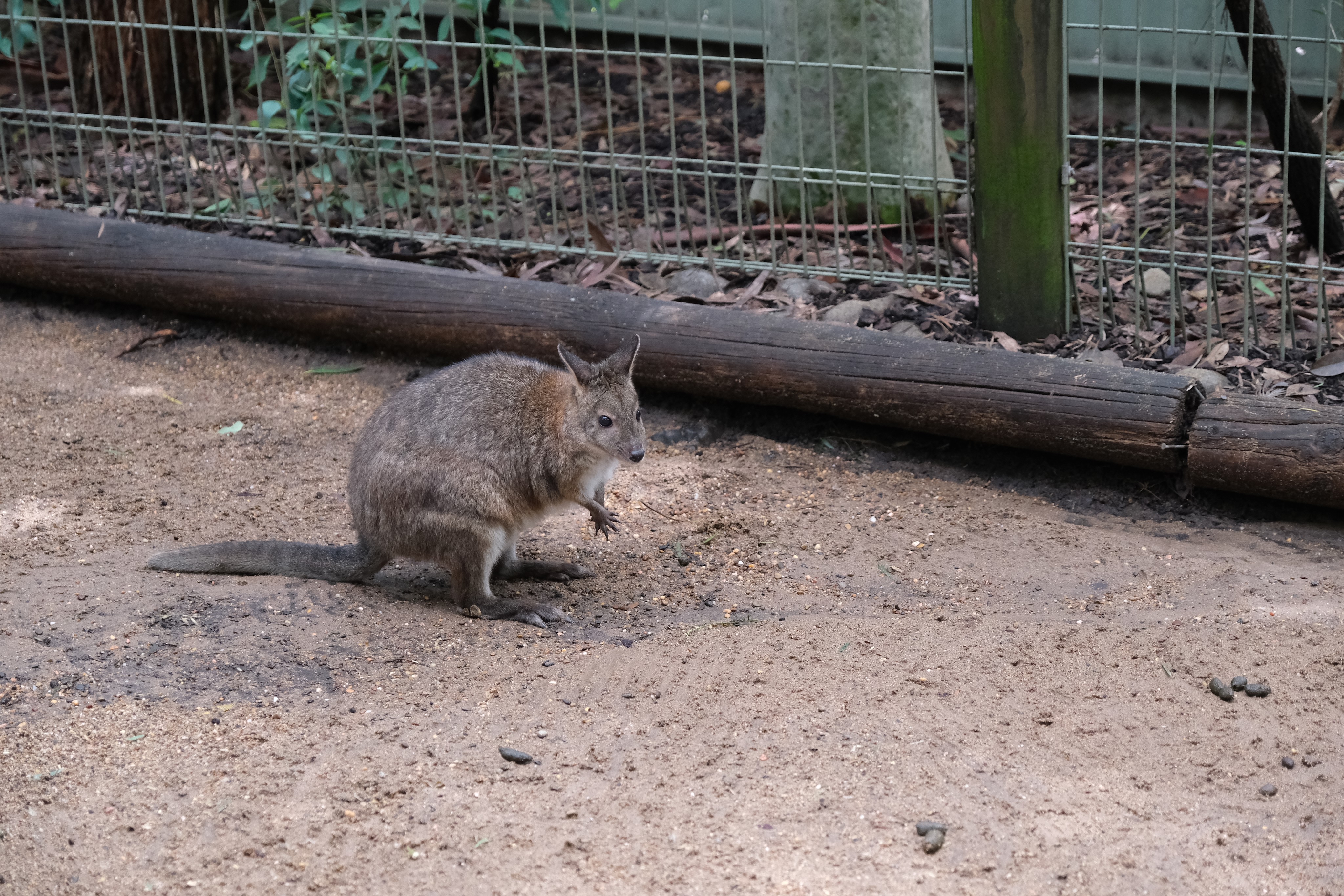
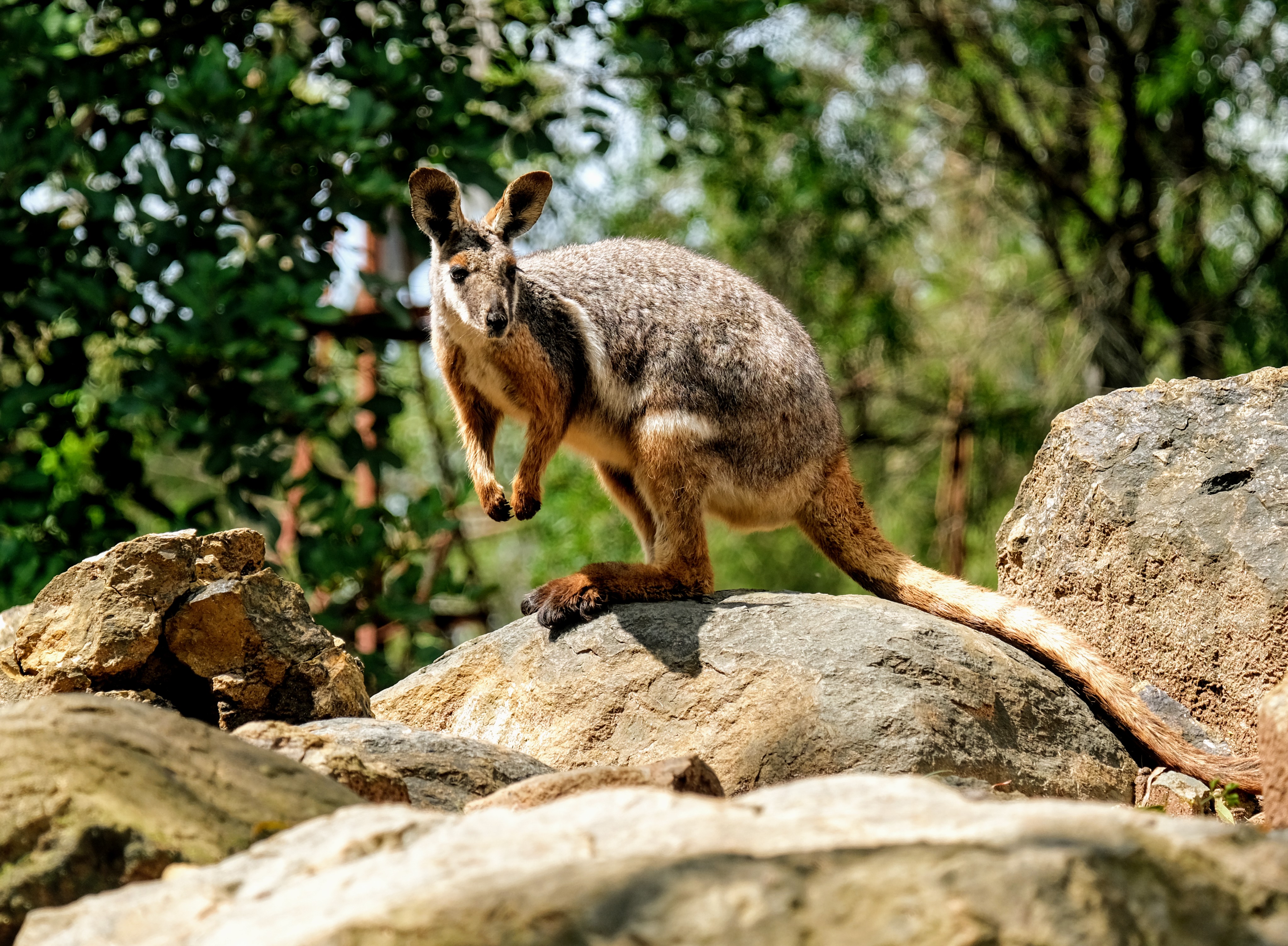
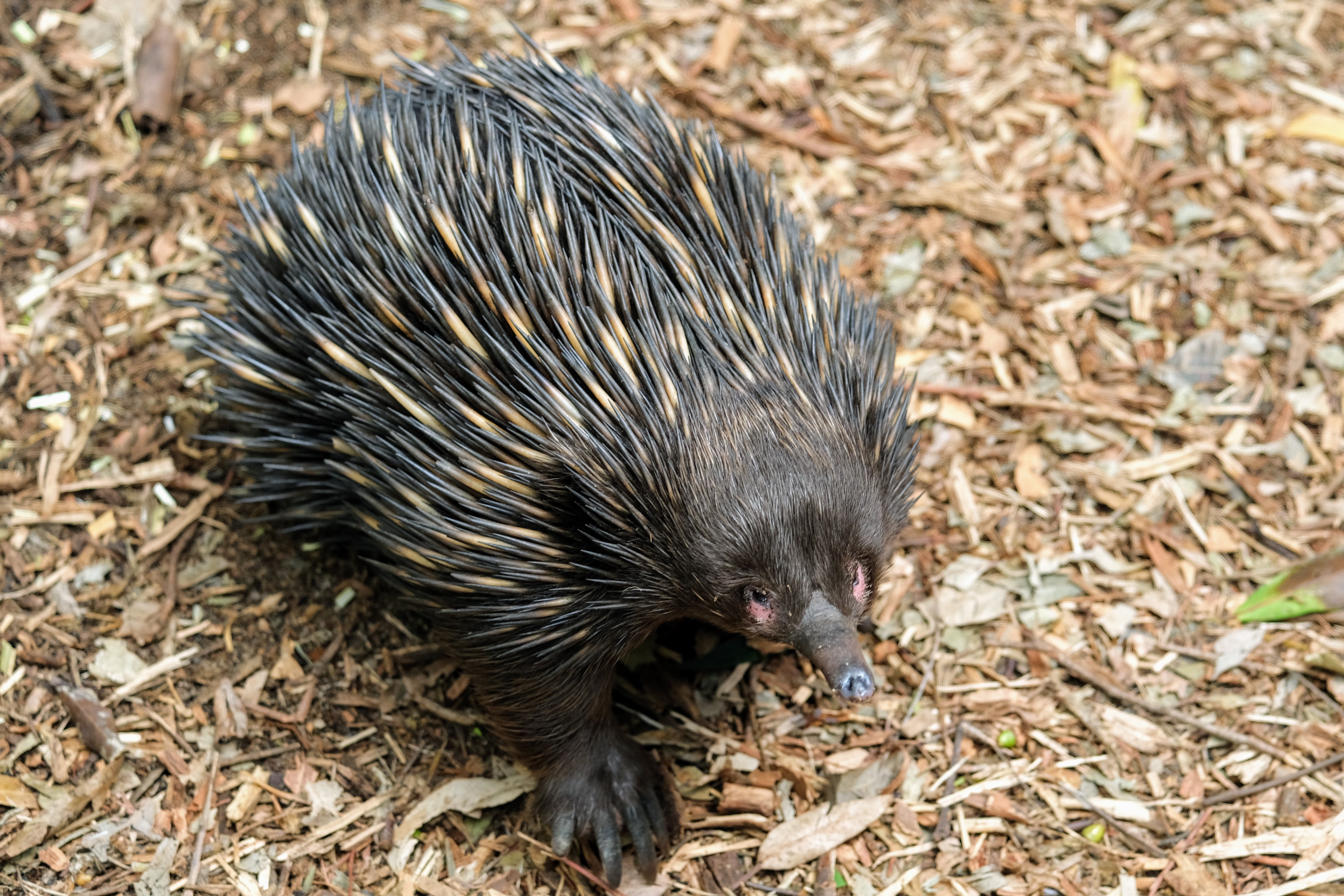
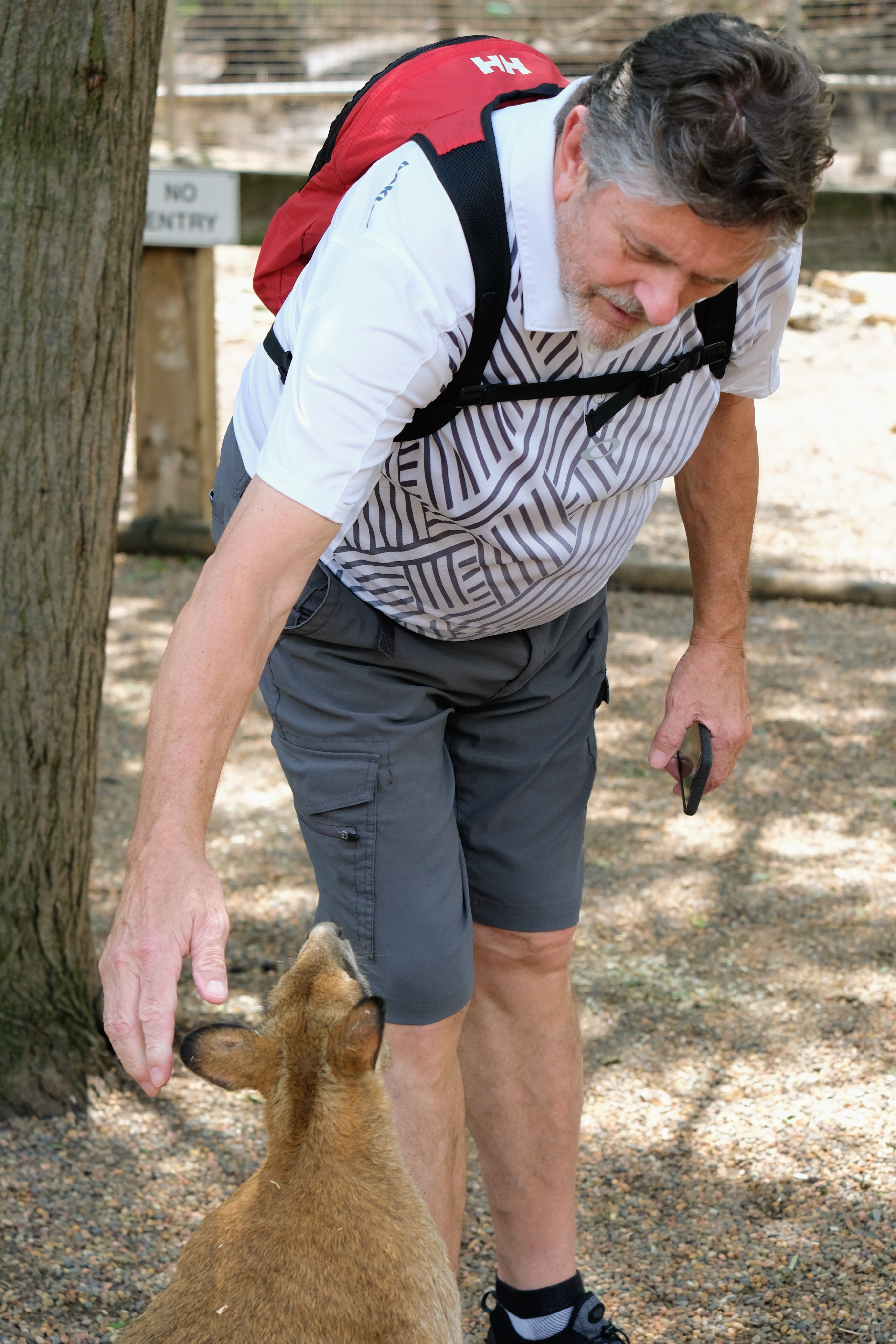
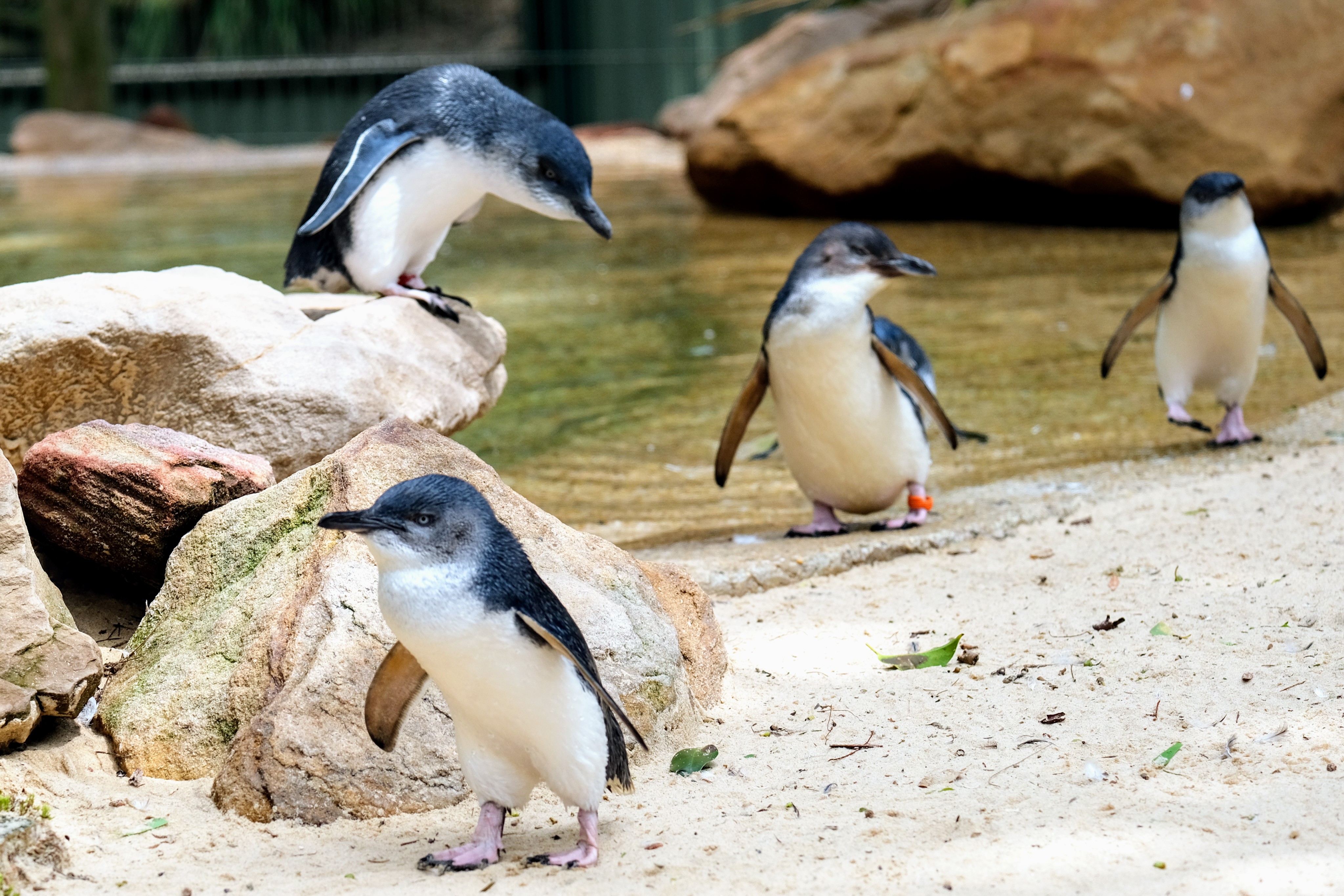
We both enjoyed a visit to the Featherdale Wildlife Park, where the highlight of our day was holding a baby koala! We also saw kangaroos (some moms with joeys in their pouches, and one adorable albino joey nursing with its mom), sassy pelicans, wombats, fairy penguins, echidnas, a brahminy kite, and dingos, to name a few.

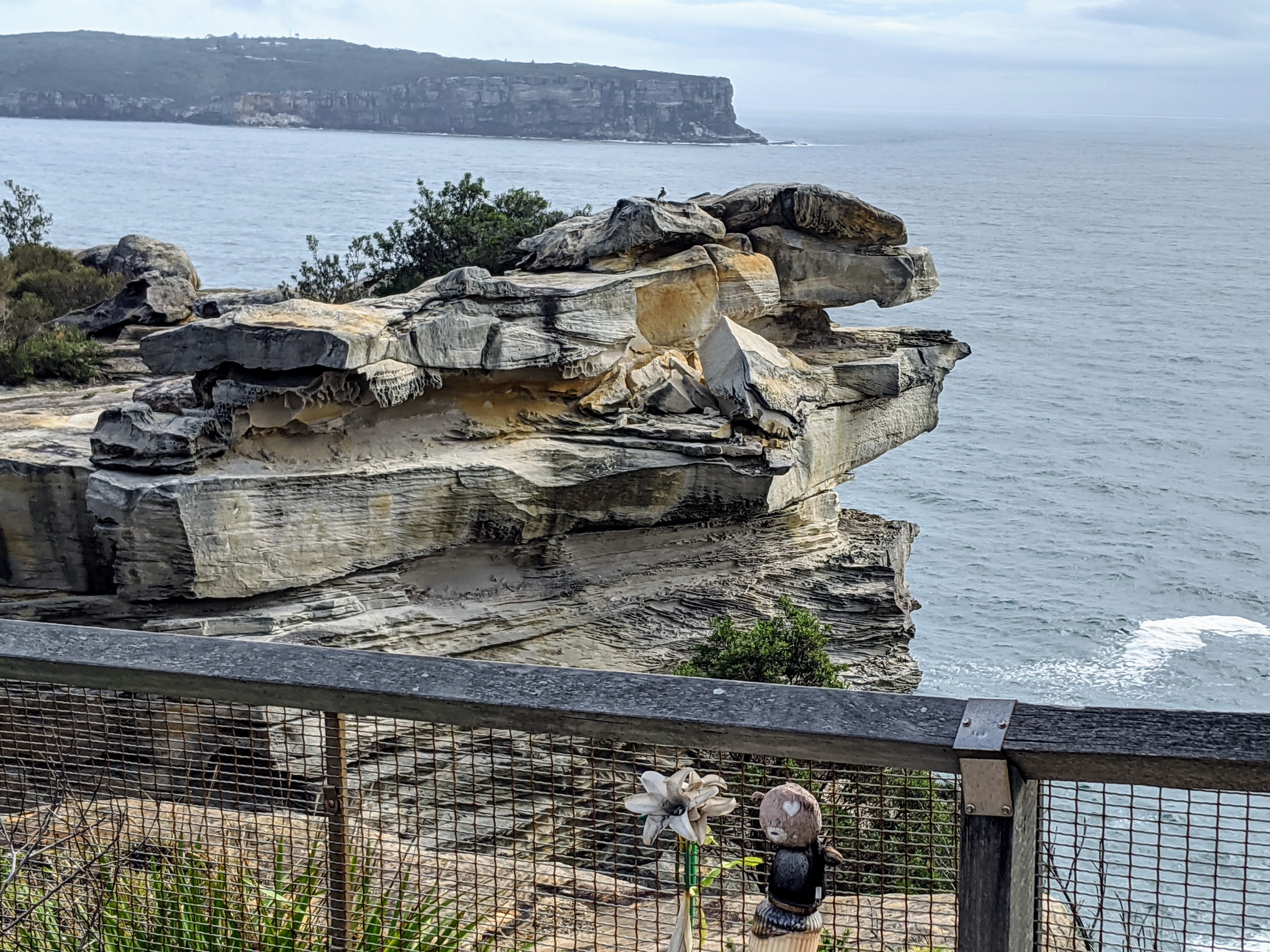
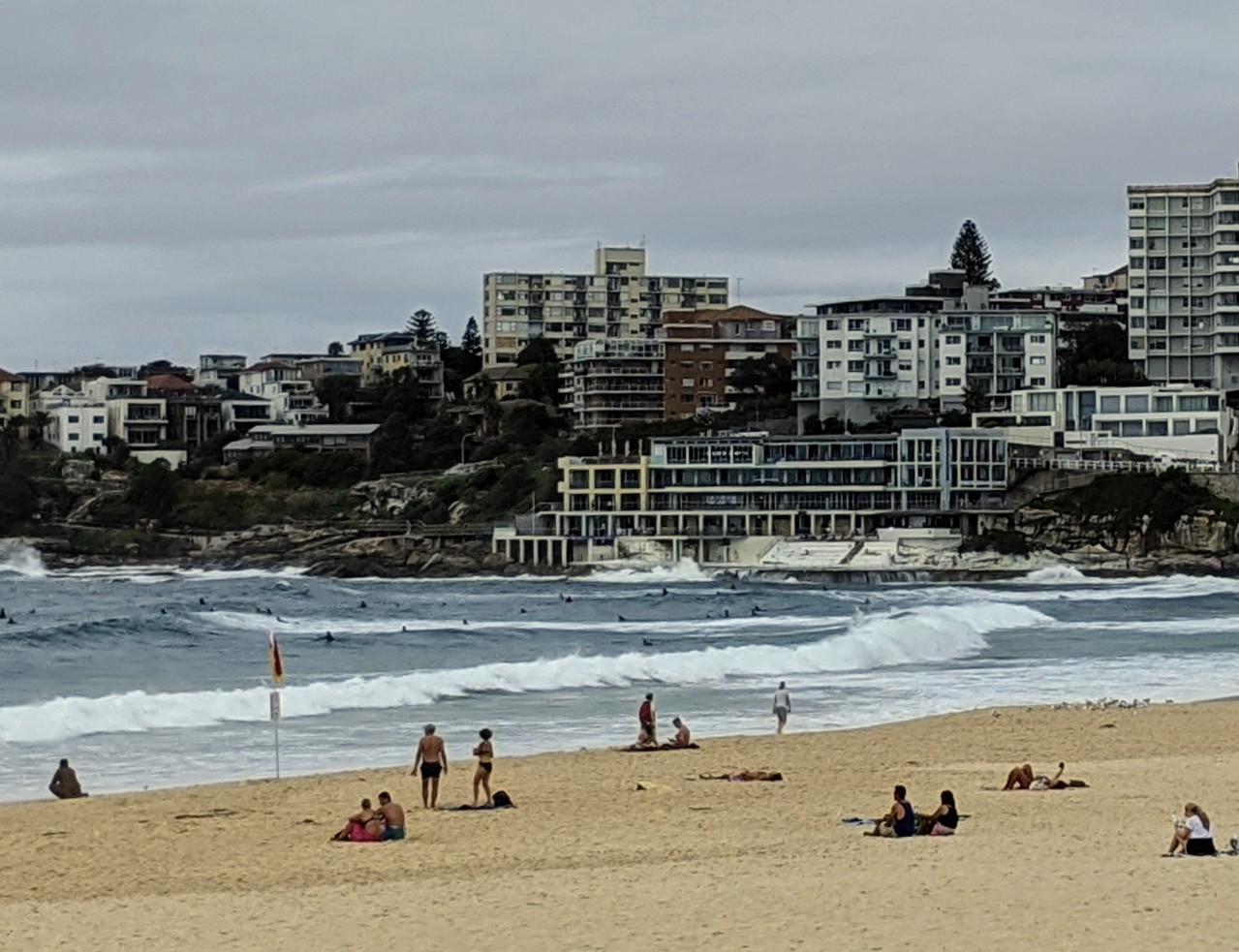
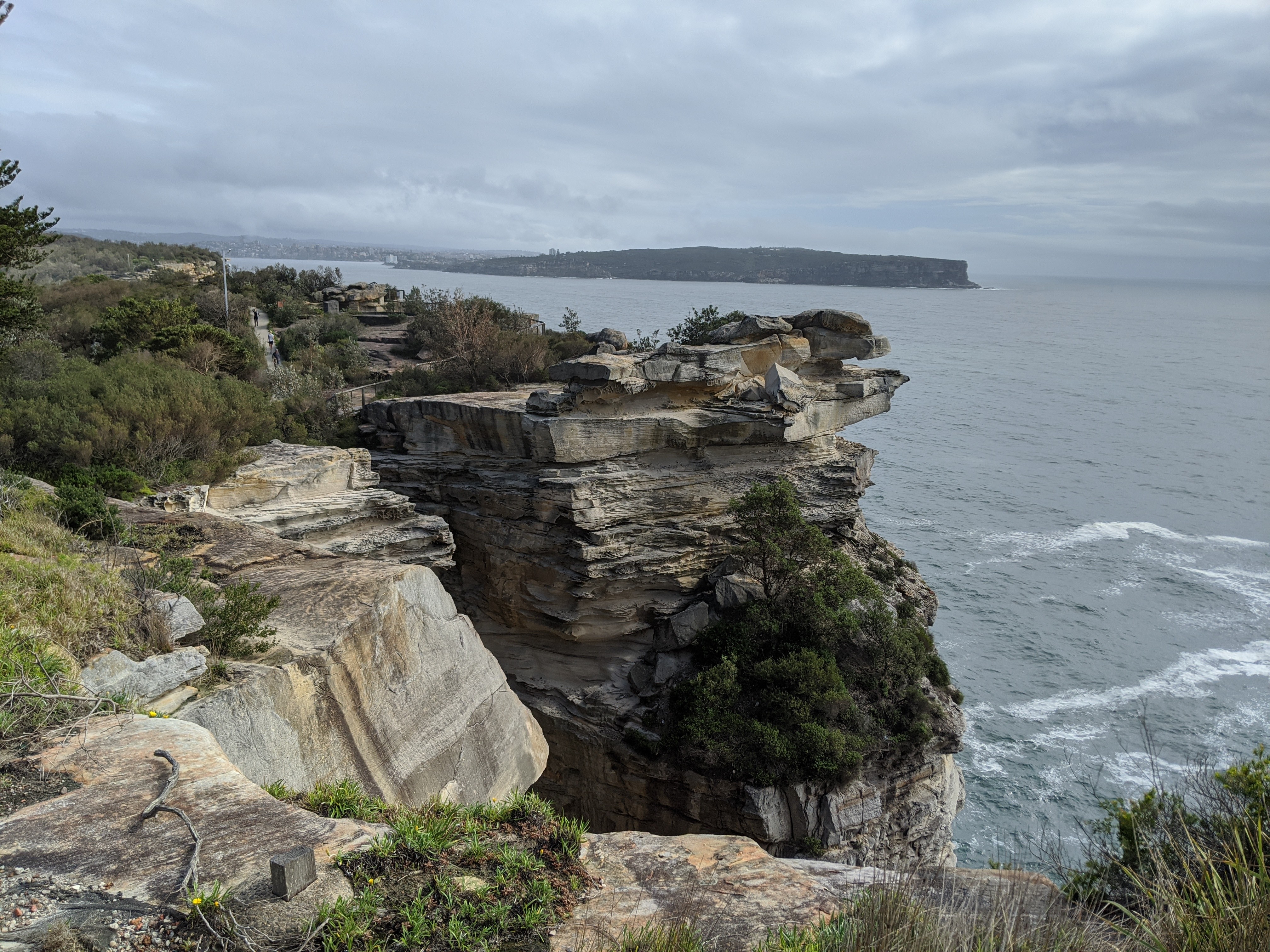
On our third and final day in Sydney, realizing that we were NEVER going to see everything we wanted to see, we took a guided half day panoramic tour and saw and learned so much! Our lovely guide Hayley shared fascinating stories about Sydney’s past and present, and introduced us to some of its historic and colorful characters. We traveled to Circular Quay above Sydney’s picturesque harbor on a peninsula that juts out over the sea. From there we enjoyed great views of many of Sydney’s top attractions. We found historic Mrs. Macquarie’s Chair and Denise took a seat. Formed of exposed sandstone that was hand-carved into a bench by convicts in 1810, it was built for Governor Macquarie’s wife, Elizabeth. According to legend, she spent a lot of time sitting on the rocks and gazing out to sea, spotting ships that were sailing from Great Britain (her home) into the harbor. From her timeless chair, you can cast your eye over the skyline, the opera house, the harbor bridge, and the rising mountains in the distance. You can also admire Pinchgut Island and the Navy dockyards at Wooloomooloo (which means place of the baby kangaroos in Aboriginal.) From there we headed to the cliffs of Sydney Heads with its own breathtaking views, and learned that the cliffs often lured people in search of their final few moments of life. It is said that a gentleman living nearby kept watch on the Head, and invited some of these people in for tea, thereby saving many lives by his selfless acts of kindness. From there we traveled to the sweeping white sand of Bondi Beach, where young and old were enjoying a beautiful summer day on the sand, in the water, on the walking paths, and on two, three, and four-wheeled vehicles. We also learned about the often treacherous currents that can be deadly to surfers unfamiliar with the area. To address this issue, Waverley Council employs a corps of elite paid lifeguards to protect beach visitors. The professional lifeguards wear blue uniforms and work 365 days a year. In addition to the professionals, Bondi is also home to a dedicated corps of volunteer lifesavers who wear red and yellow uniforms and assist the lifeguards on the beach on weekends and public holidays during the summer. The volunteer members of the Bondi Surf Bathers’ Life Saving Club and the North Bondi Surf Life Saving Club have been saving lives since the early 1900s. Bondi Rescue, an Australian TV program also available on Netflix, follows the daily lives and routines of the lifeguards at Bondi Beach.

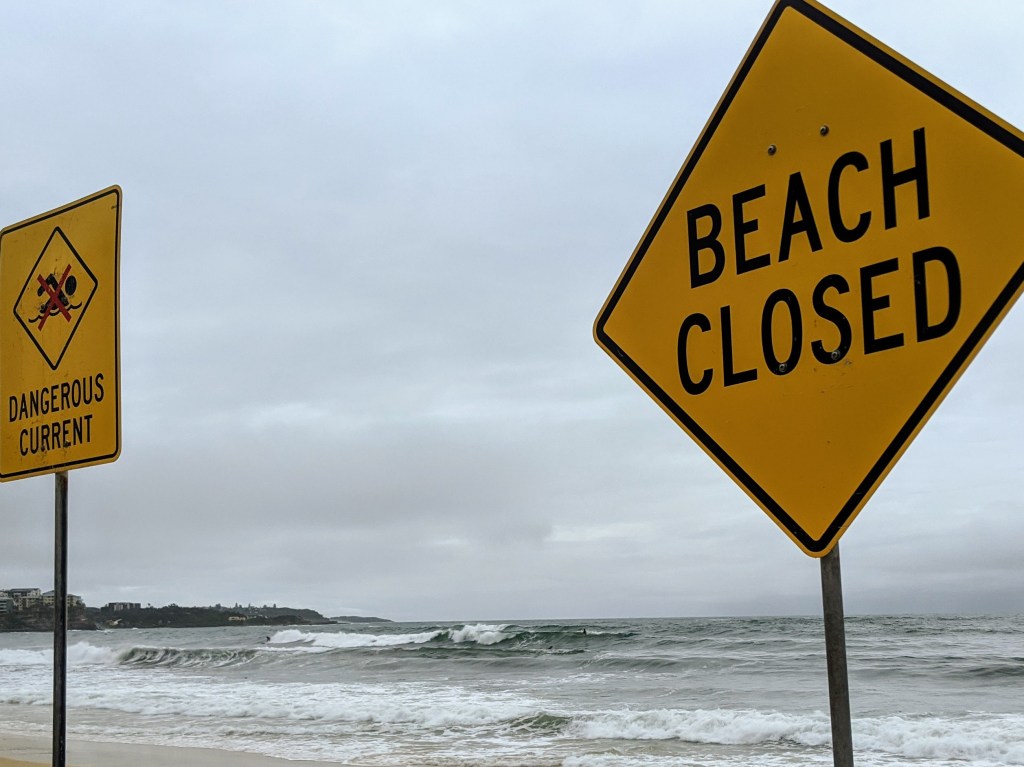
Later that day, we took a ferry across the Sydney Harbour to Manly. Sandy, tree-fringed Manly Beach is one of the city’s famed surf spots, and there are broad coastal views on the oceanfront walk to sheltered Shelly Beach. Although signs posted that the beach was closed, we spotted several surfers out there practicing their sport. The Corso on Manly is a buzzing pedestrian strip lined with laid-back pubs and family-friendly eateries, where we sat across from the beach and enjoyed a delicious lunch of fresh oysters and fish&chips at the Manly Grill. We also picked up a few mementos of three beautiful days in Sydney before heading back to the Viking Sun.
We can’t say enough good things about our visit to Sydney. The sights, sounds, and the warm hospitality left us wanting to stay a bit longer, but that’s just one more reason to add “return to Sydney” to our bucket lists!
A Taste of Tasmania

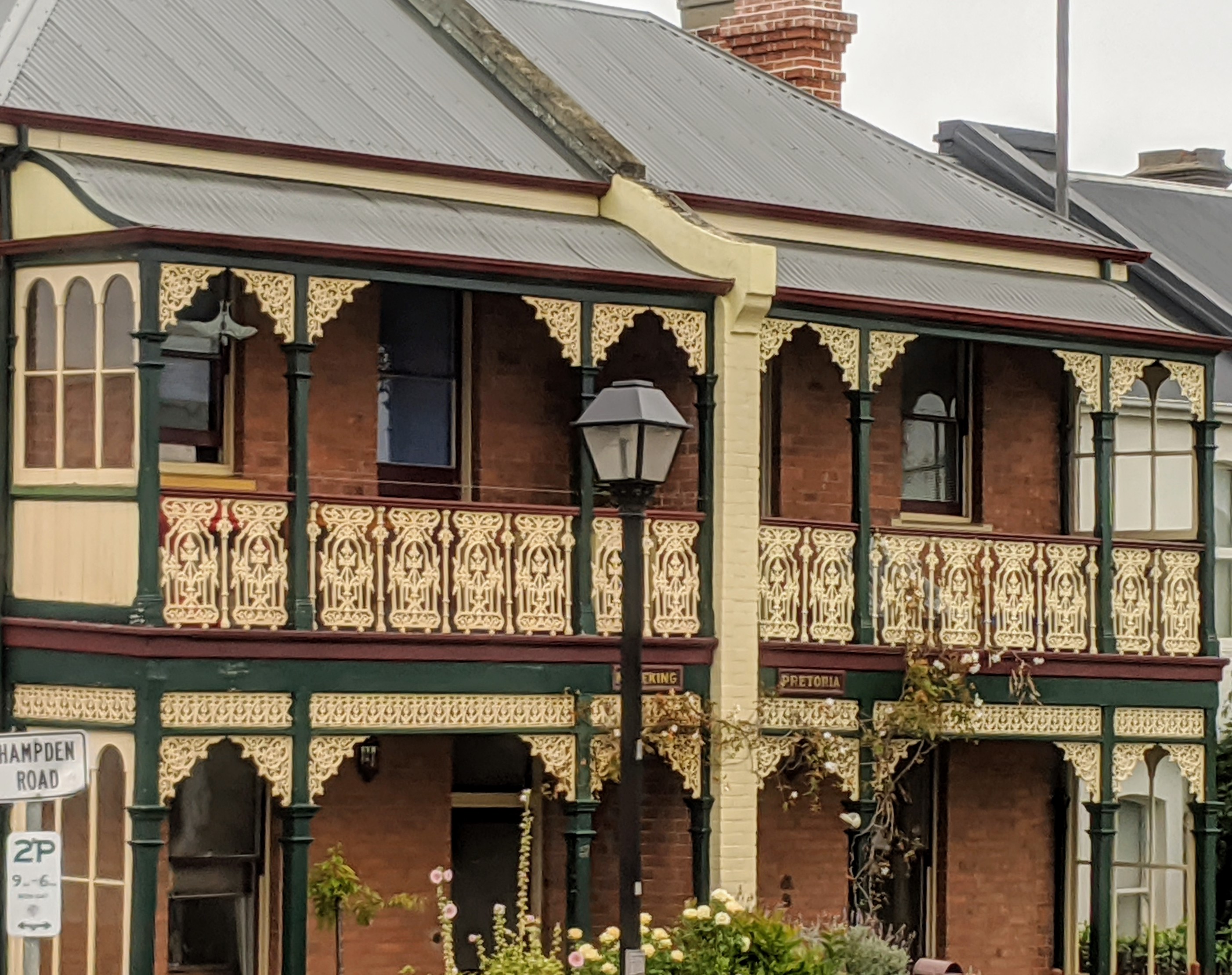
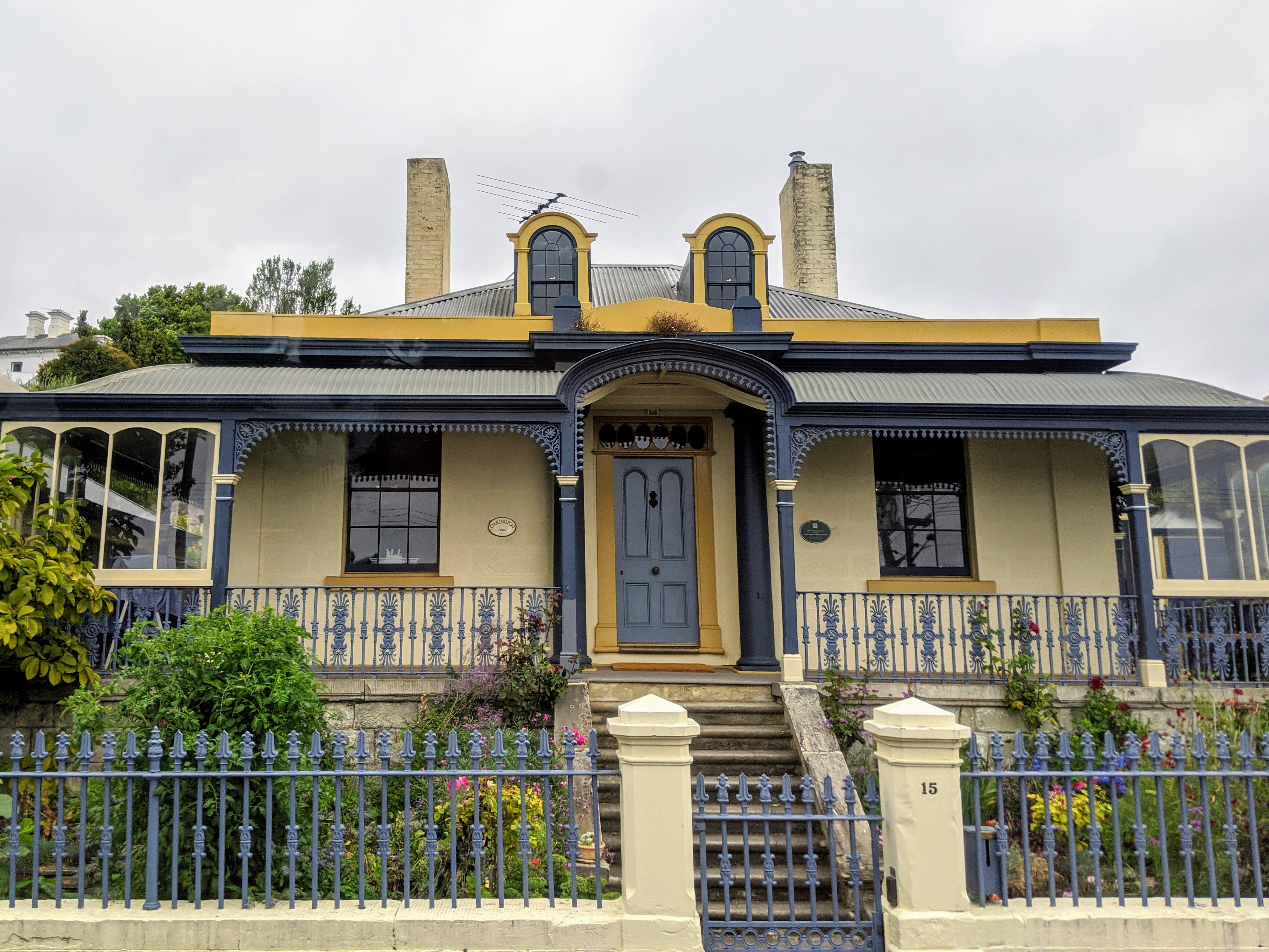
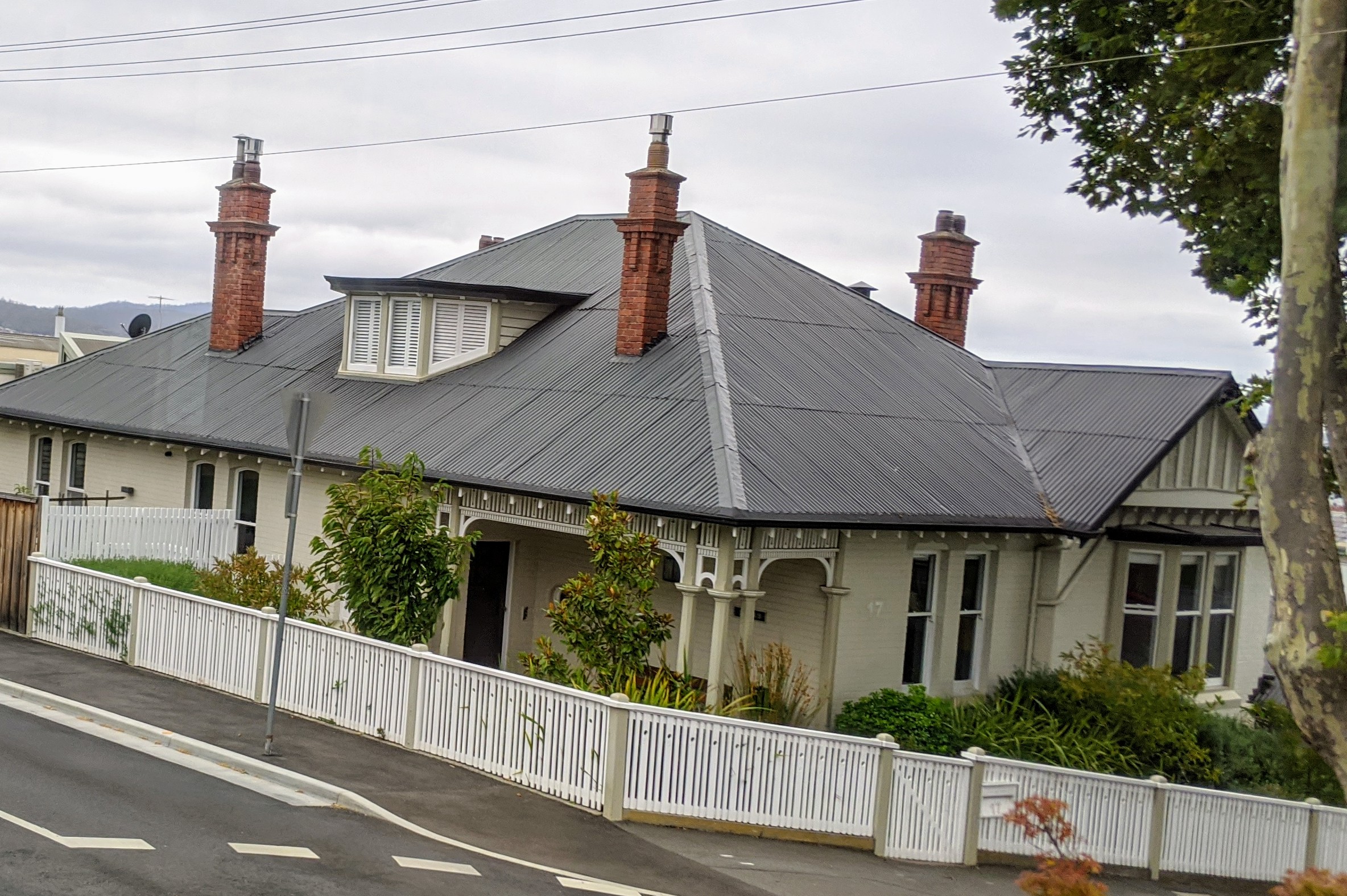
Tasmania, Australia’s smallest state, was named after Dutch explorer Abel Tasman. Its capital city, Hobart, was founded as a penal colony for hundreds of convicts who were relocated here by the British Empire in the 18th and 19th centuries. Today, residents of Hobart celebrate the many hardships these people endured to give their community a strong start. Our guide expressed a sense of pride and gratitude for the solid foundation these earliest settlers established for what is a charming city today. It touched us that people still recognize and truly appreciate the role these marginalized citizens played in their history. In fact, our guide shared that through years of genealogical research, her son finally discovered their “ancestral convict.” It happens that she was a 12 year old girl who was found guilty of stealing hair ribbons. For this, she was sentenced to 7 years and relocated from her home and family to this strange new land. While her story had a happy ending (she married the son of the people with whom she lived) some of the convicts ended up incarcerated in a penal colony in nearby Port Arthur. Today this is a UNESCO World Heritage Site, an open air museum chronicling this dark time in history.

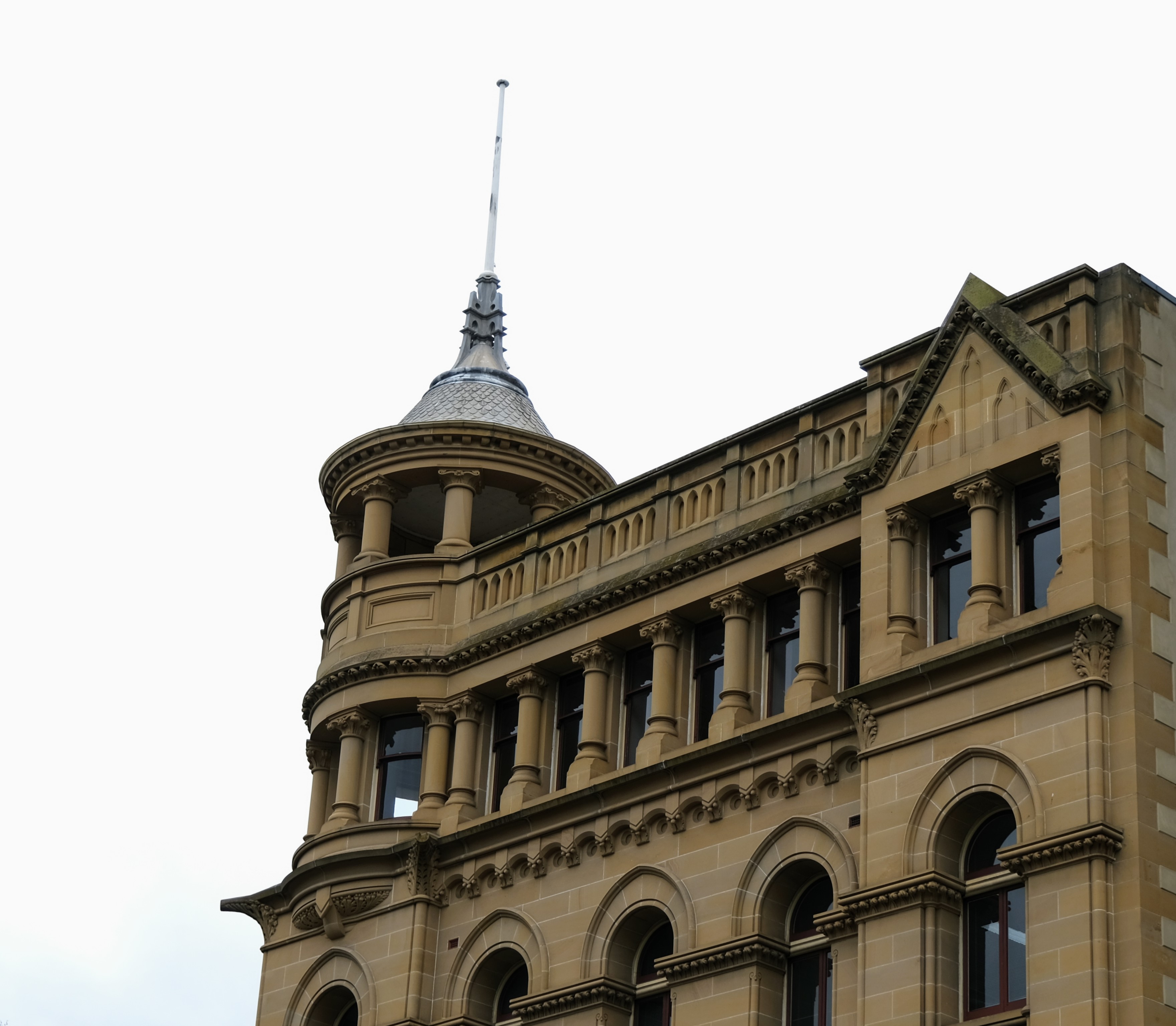
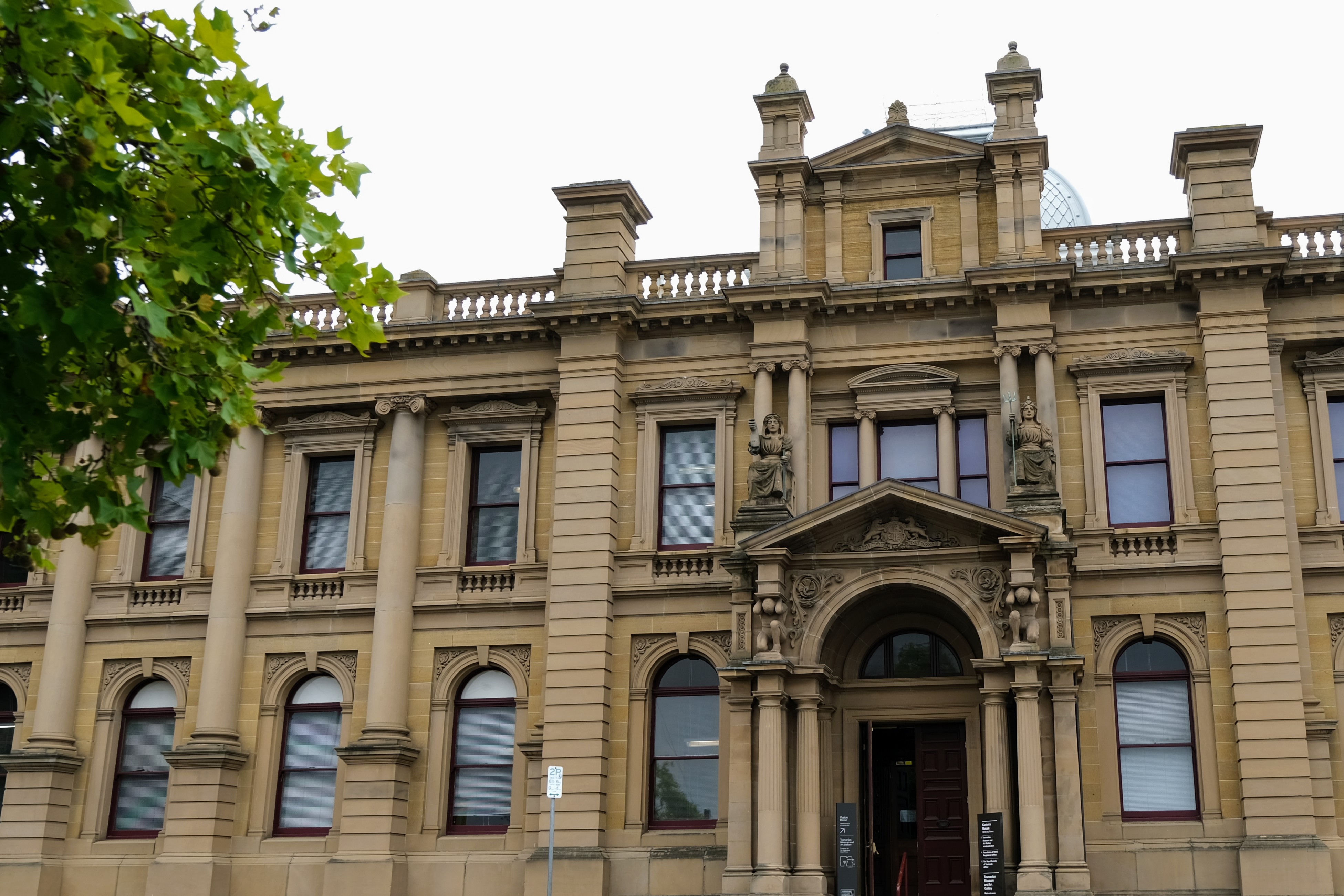
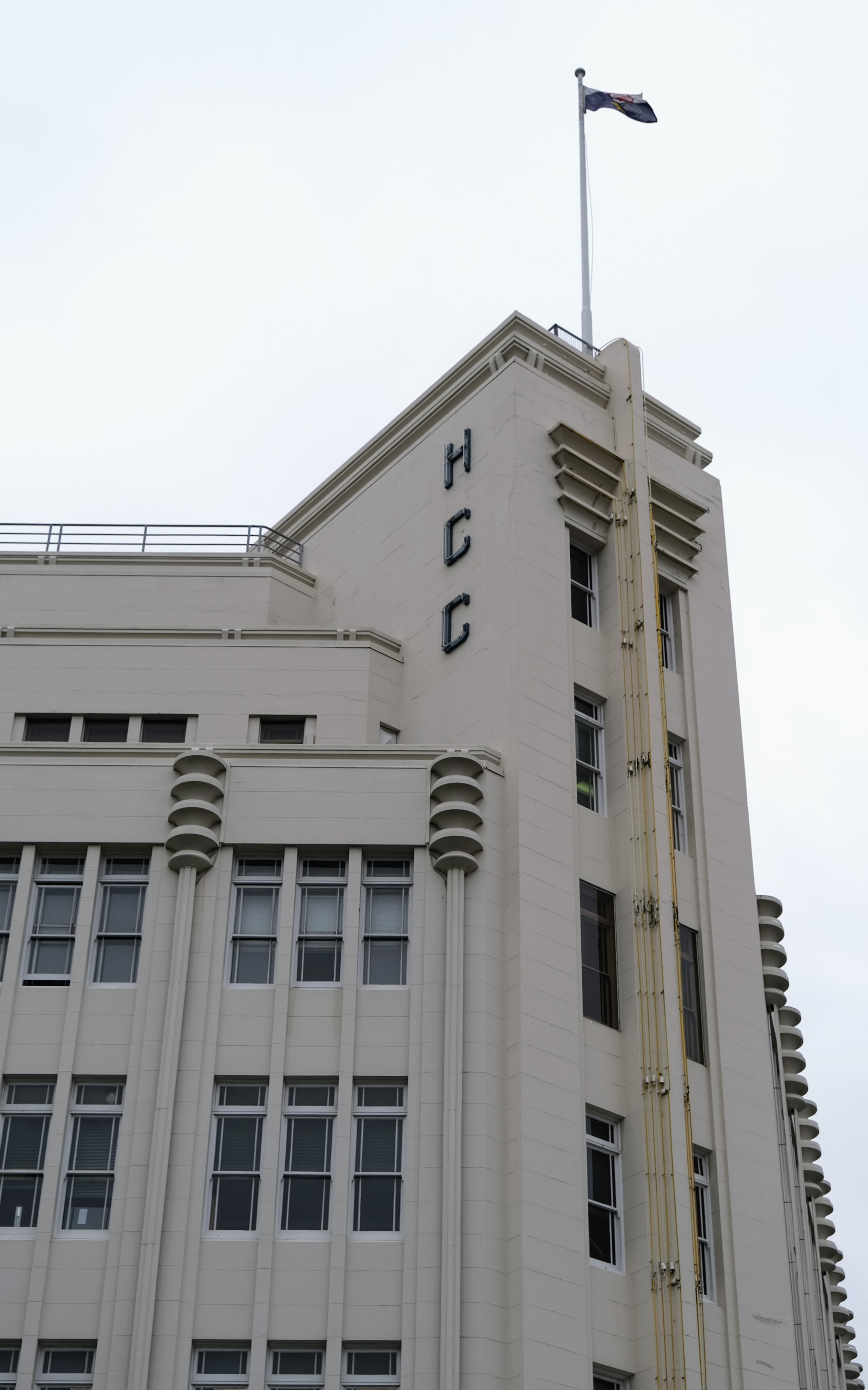
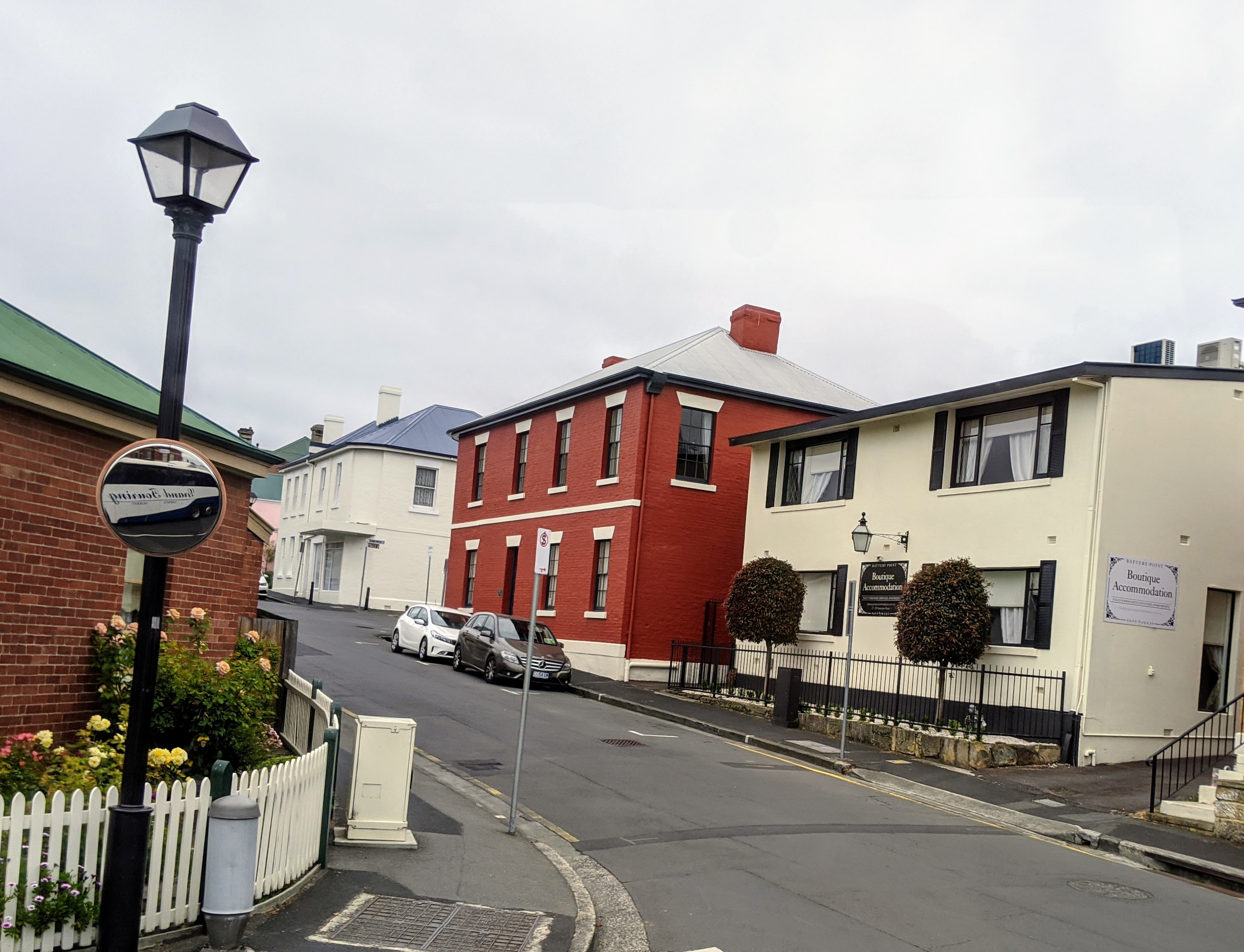
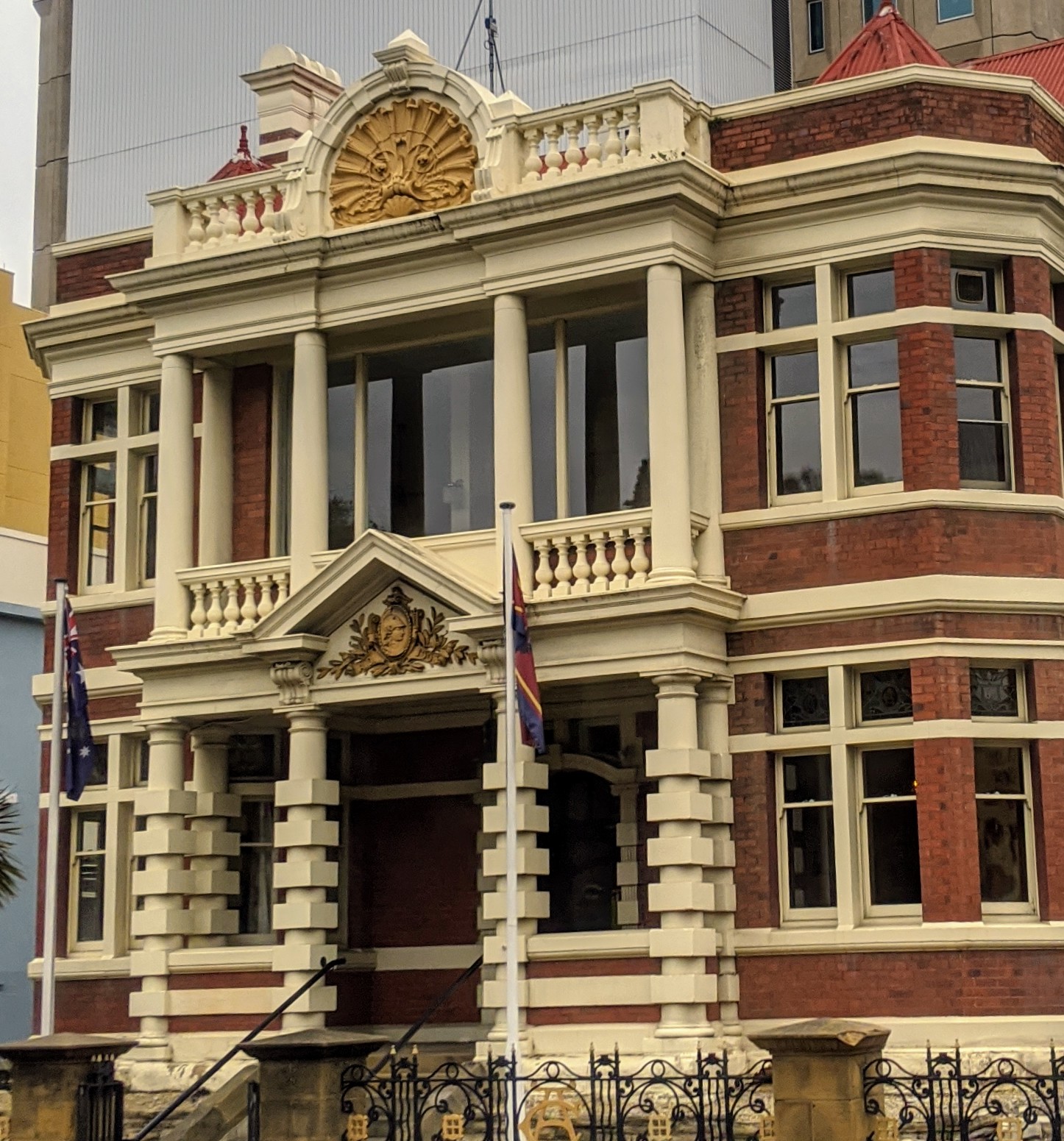
We started our day with a map and walking shoes, and ended up logging in over 20,000 steps! The City of Hobart has a remarkable blend of well-preserved architecture ranging from charming neighborhood cottages to imposing Art Deco, Georgian, and Victorian public buildings. And everywhere the people were warm and inviting, offering to provide directions, historical details, and recommendations.

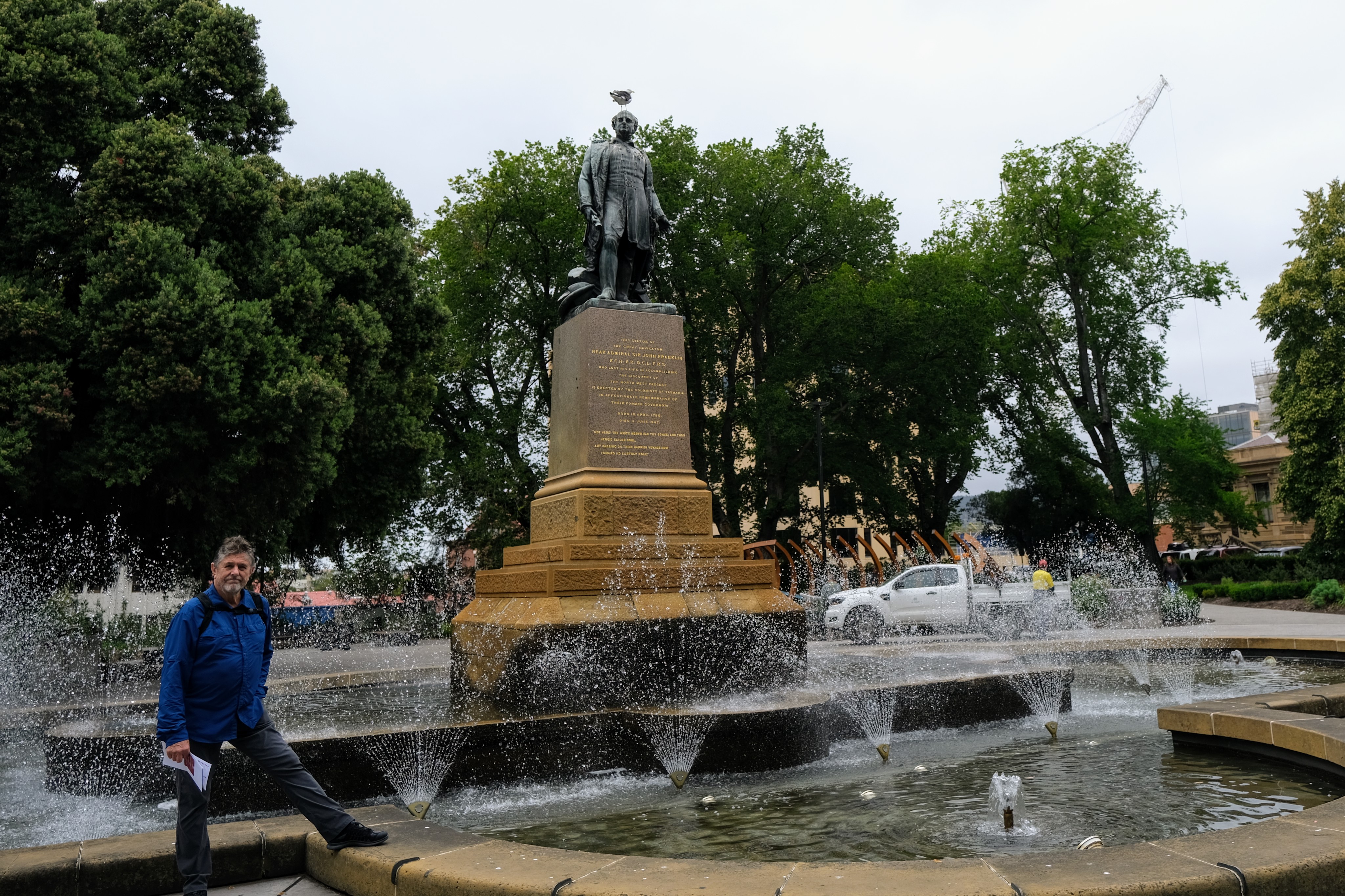
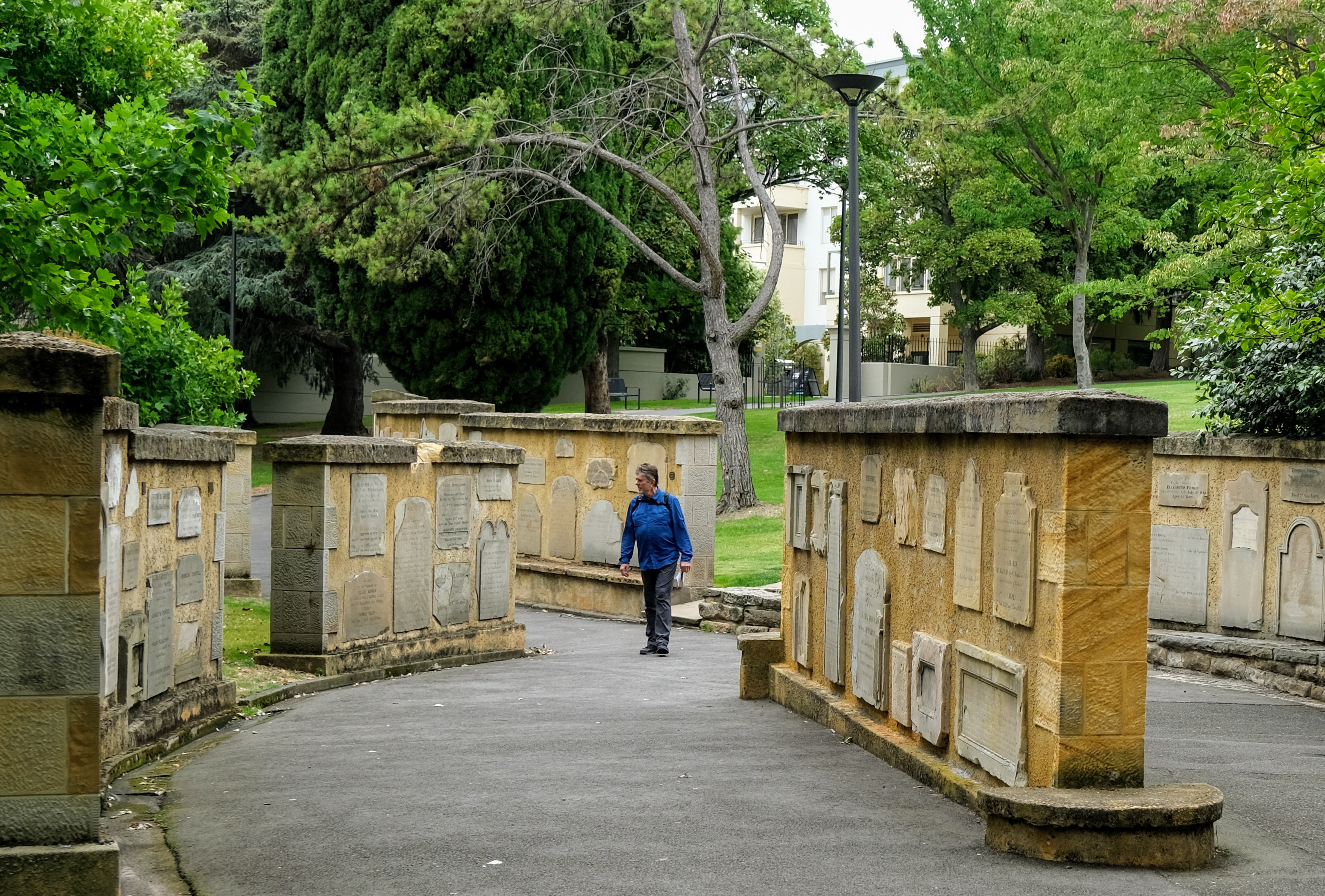
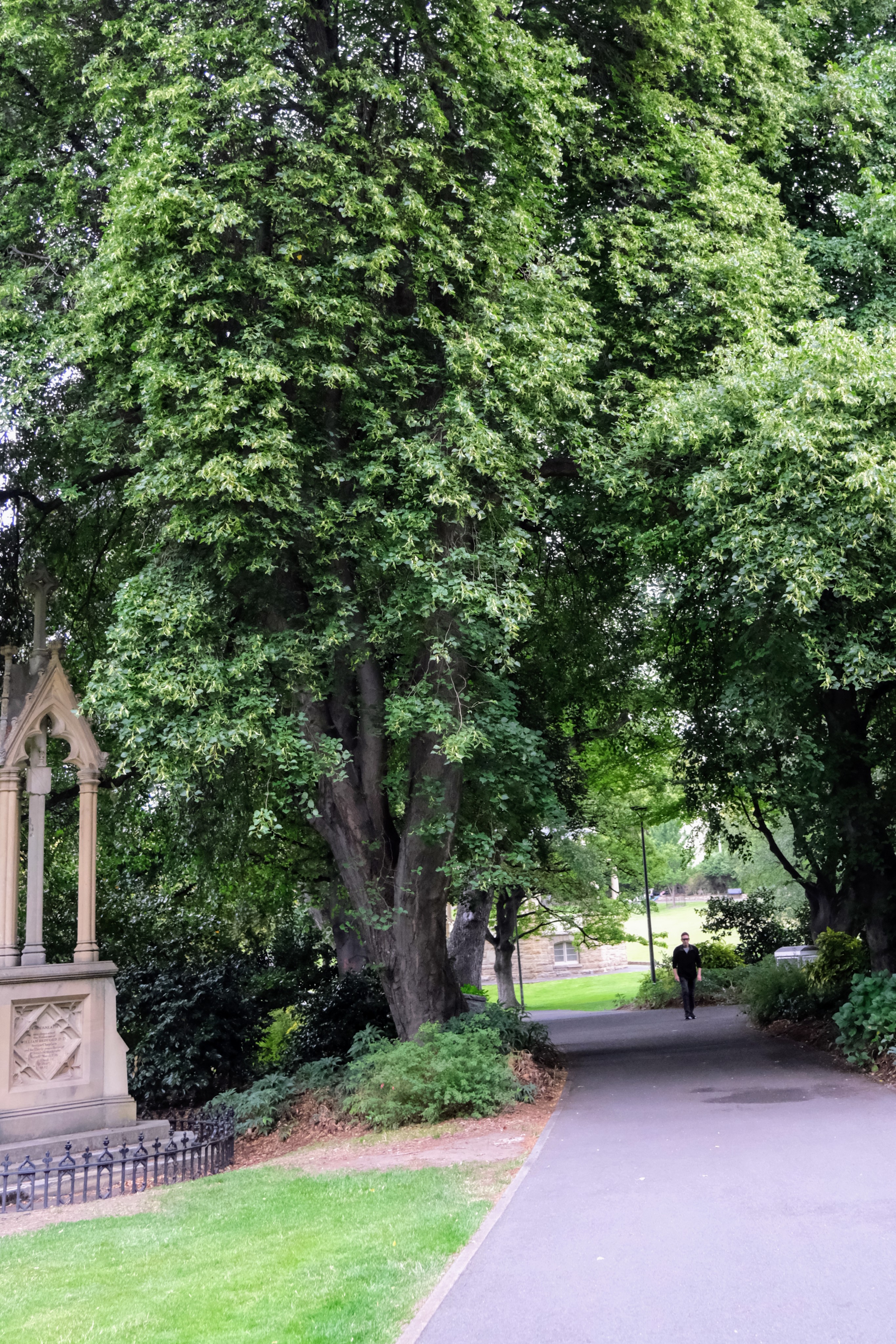
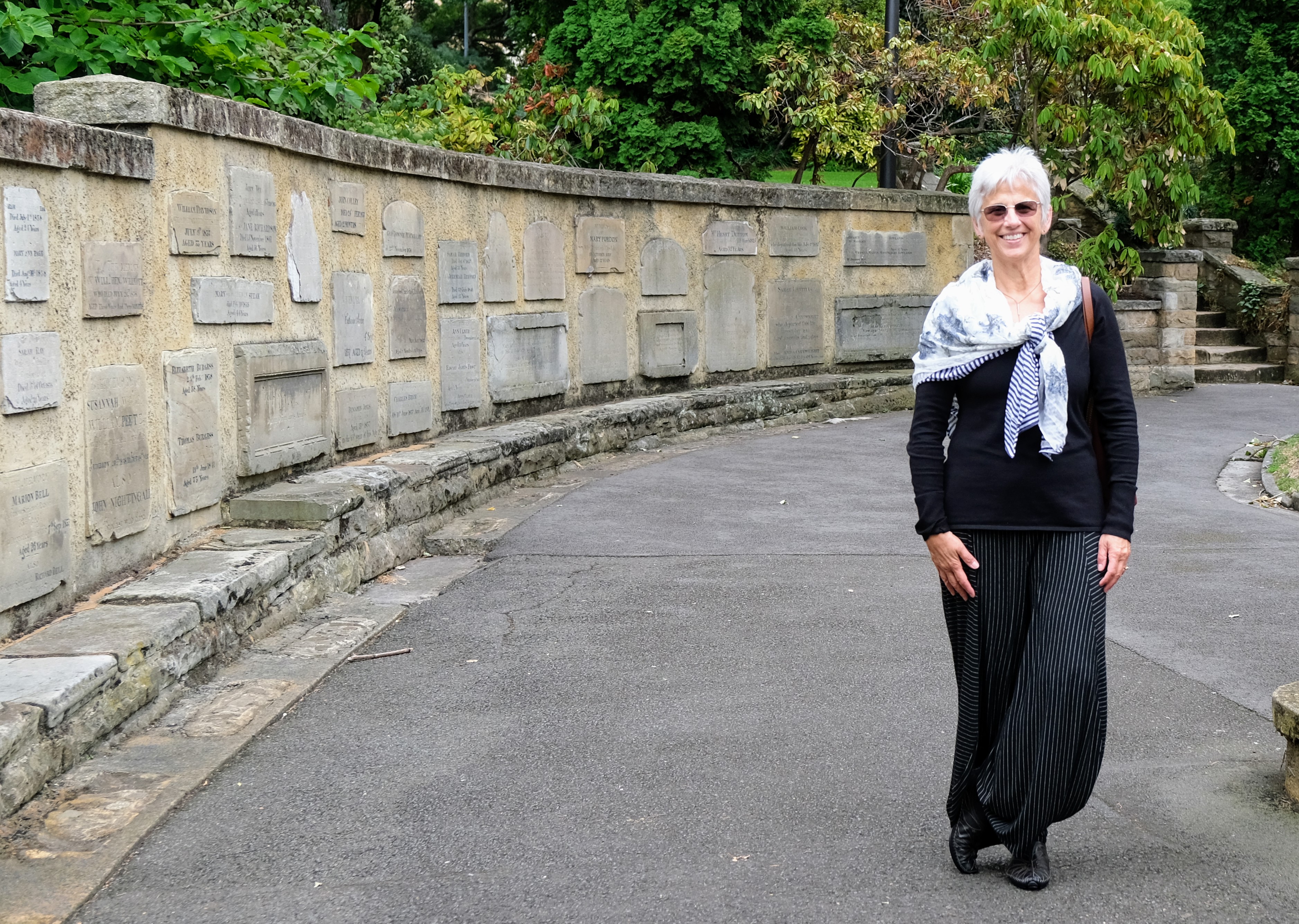
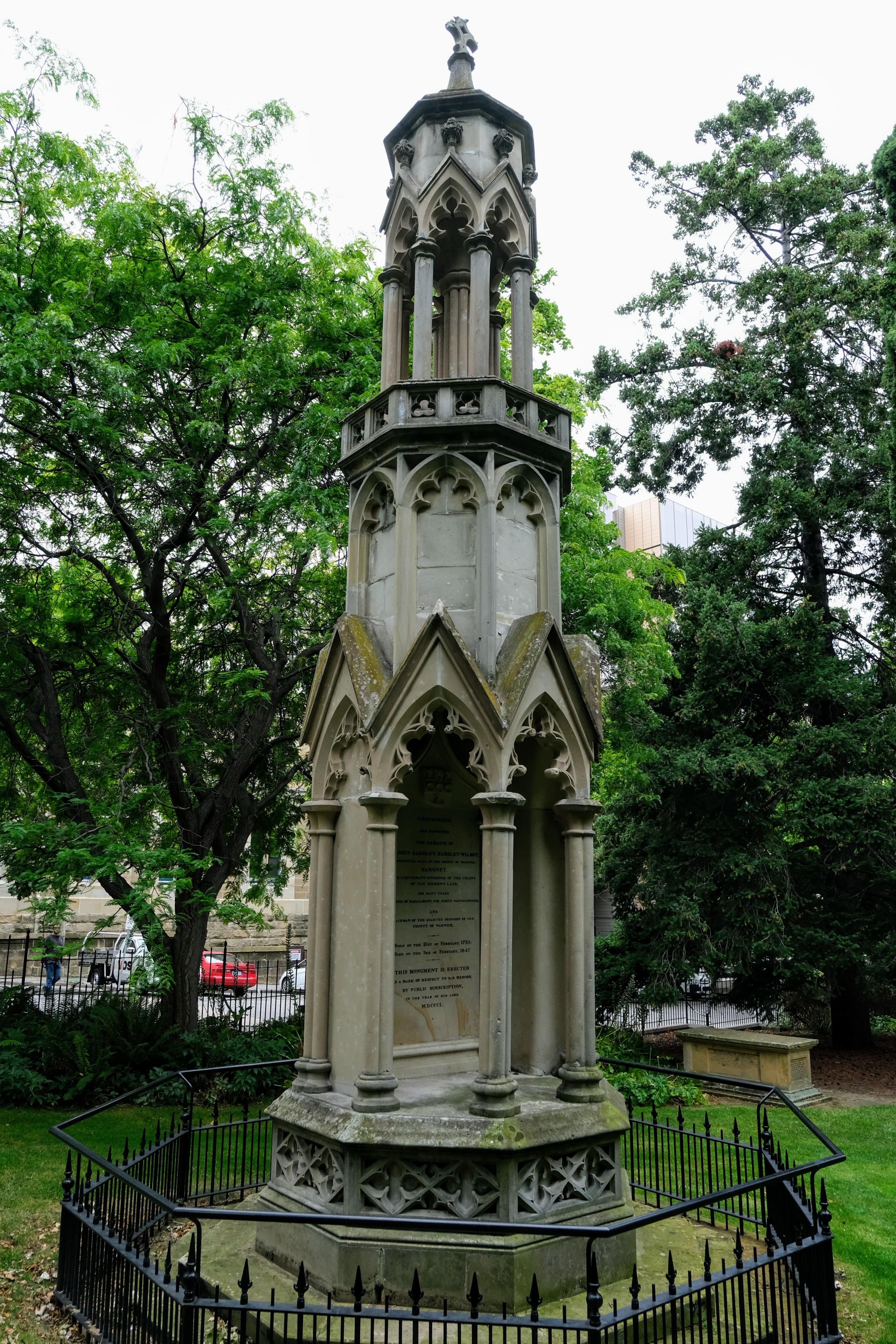
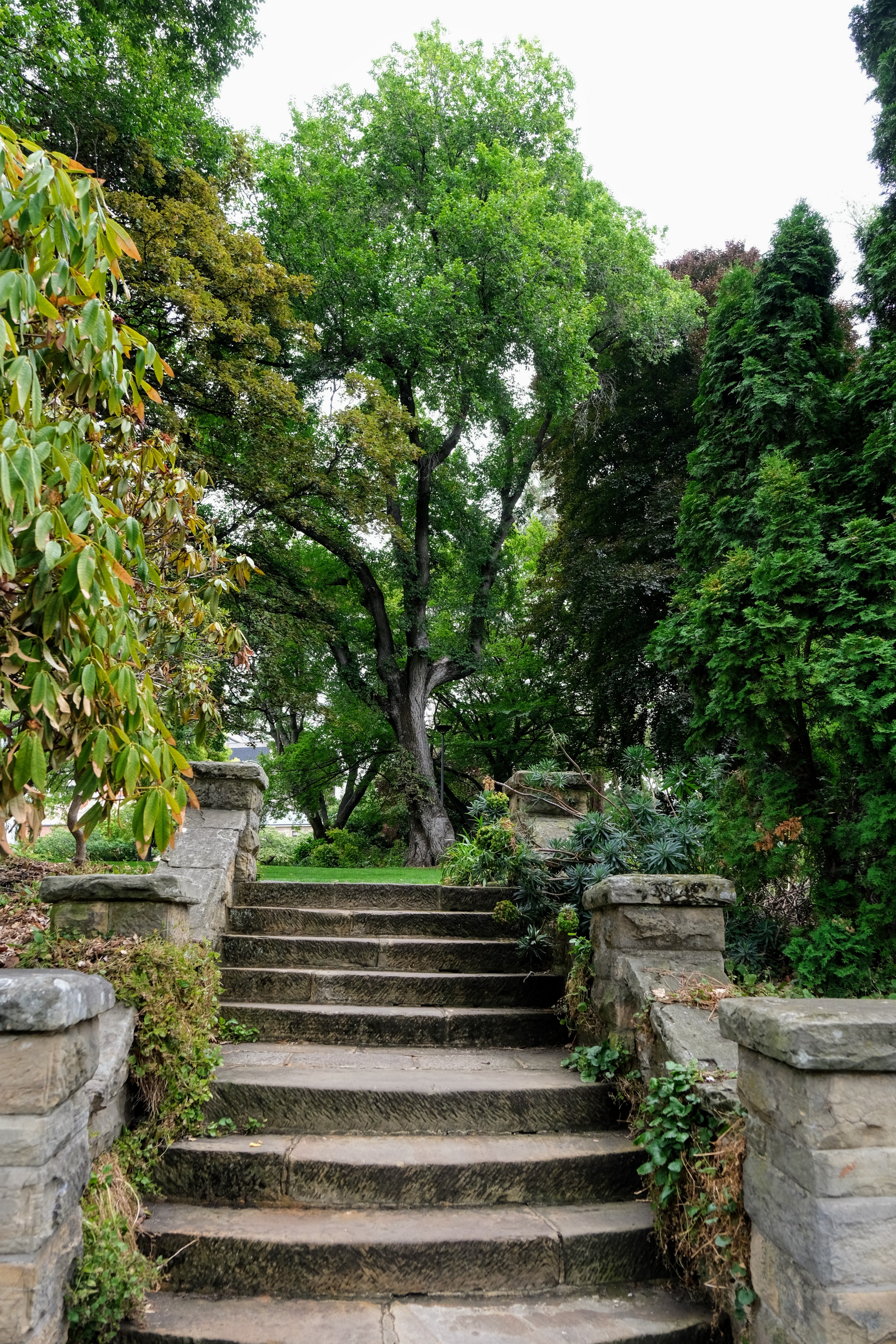
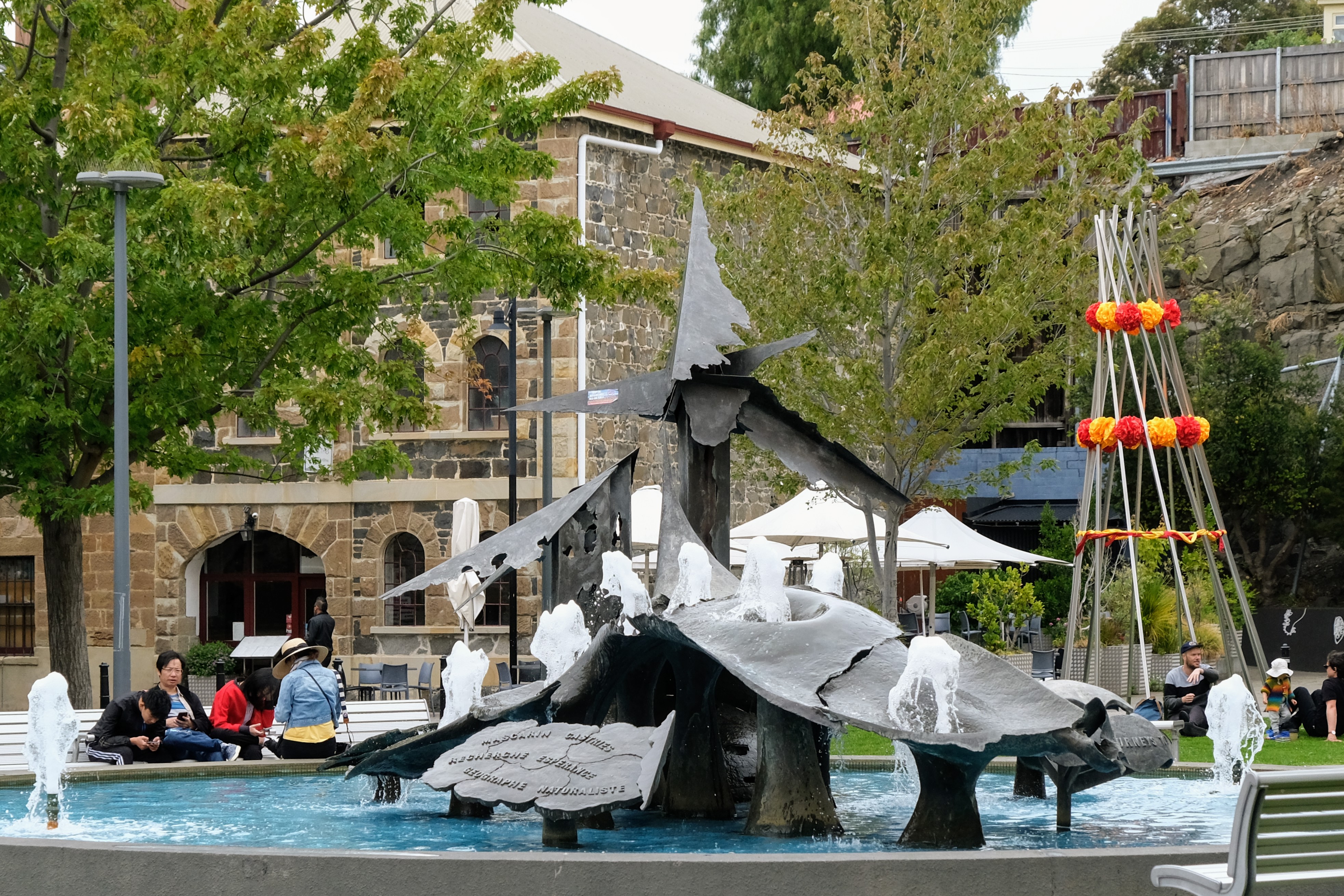
Lots of public parks are tucked in among the buildings, offering plenty of green space and more history. Princes Park with its beautiful fountains sits across from the imposing Treasury Building. We were particularly enchanted by St. David’s Park, where we spent considerable time enjoying the lush grounds and beautiful monuments. Built in 1802 as Tasmania’s first cemetery, it was closed in 1872. In 1926, it was re-opened as a public park, and most of the old headstones were fashioned into rows of walls and terraces.

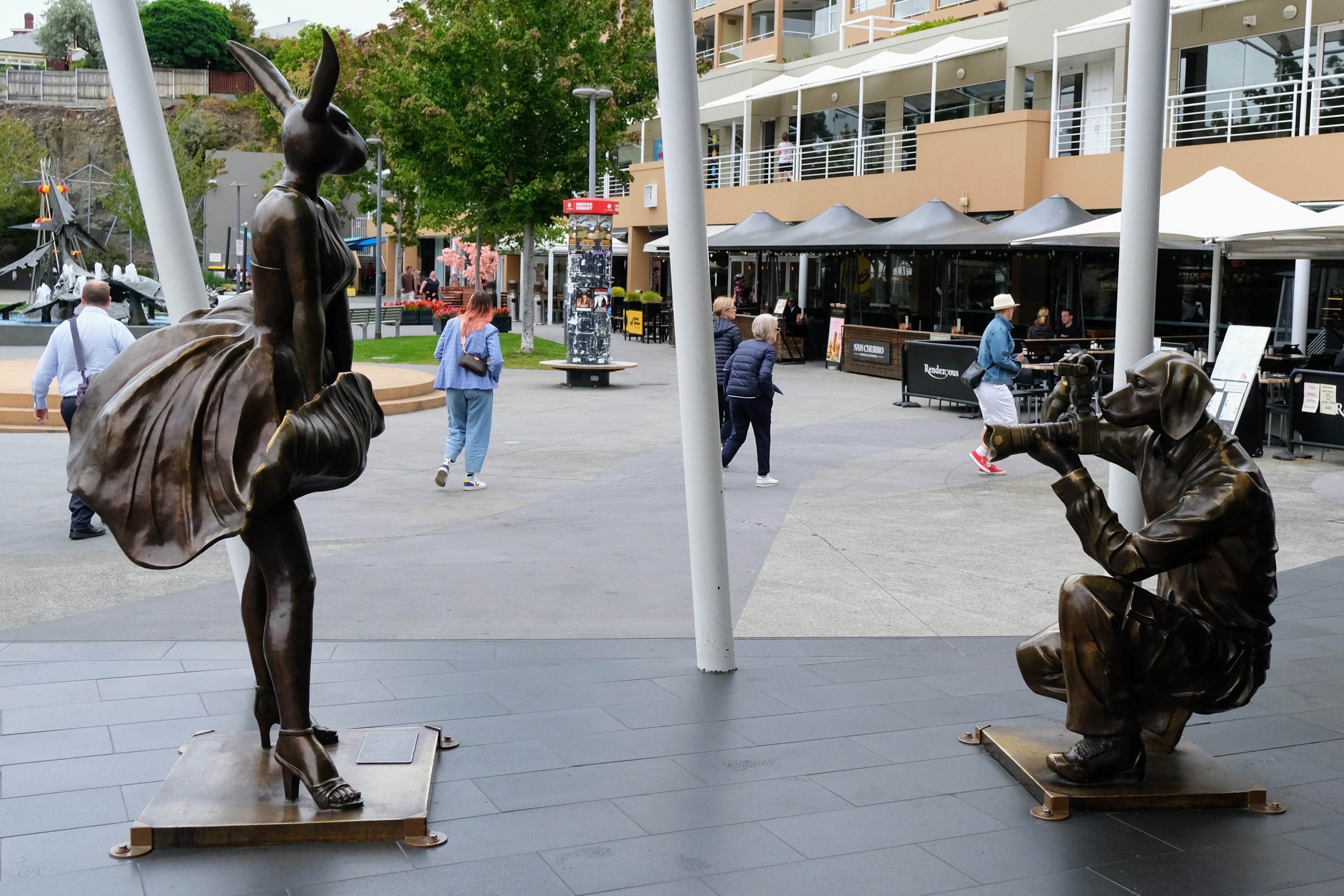
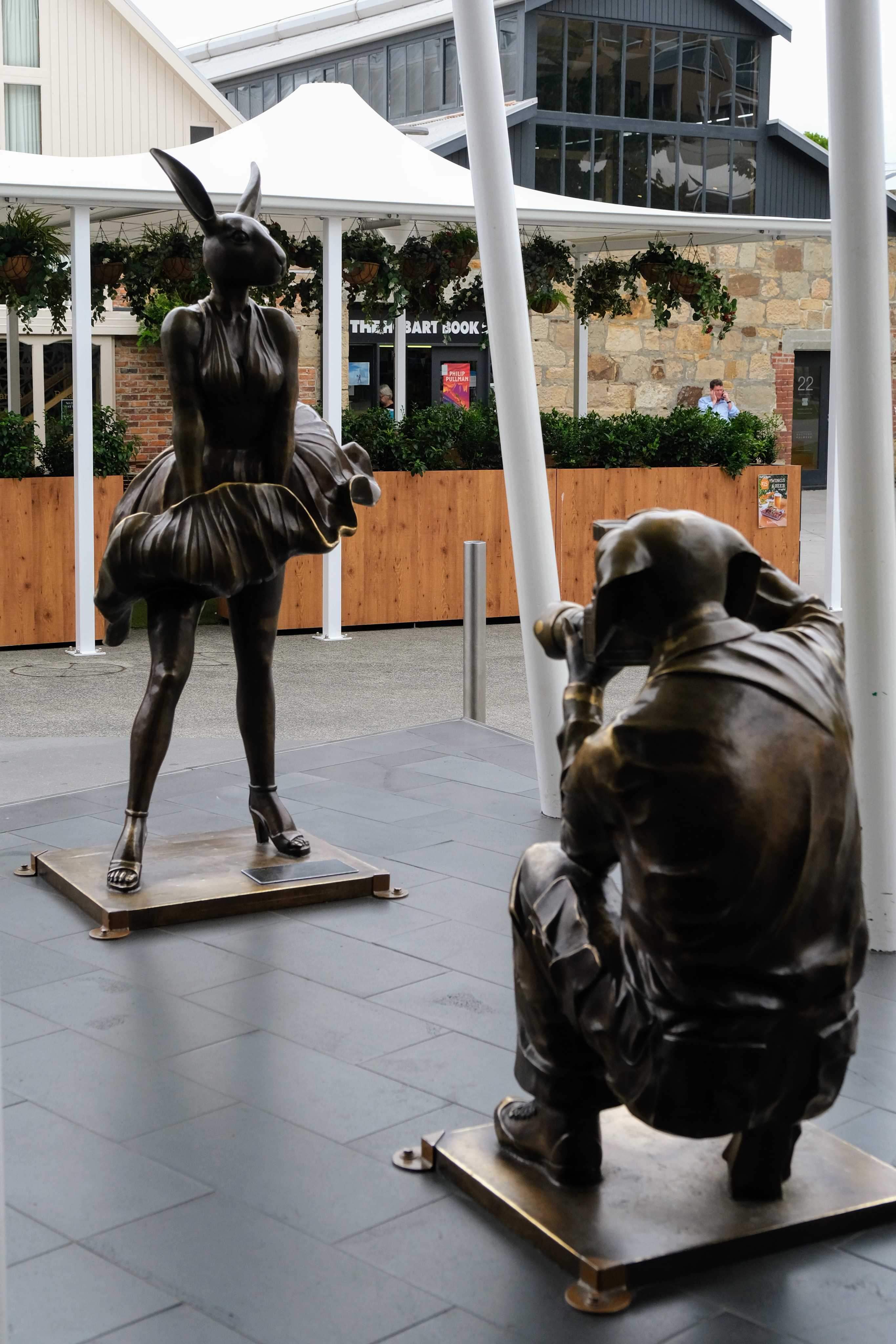
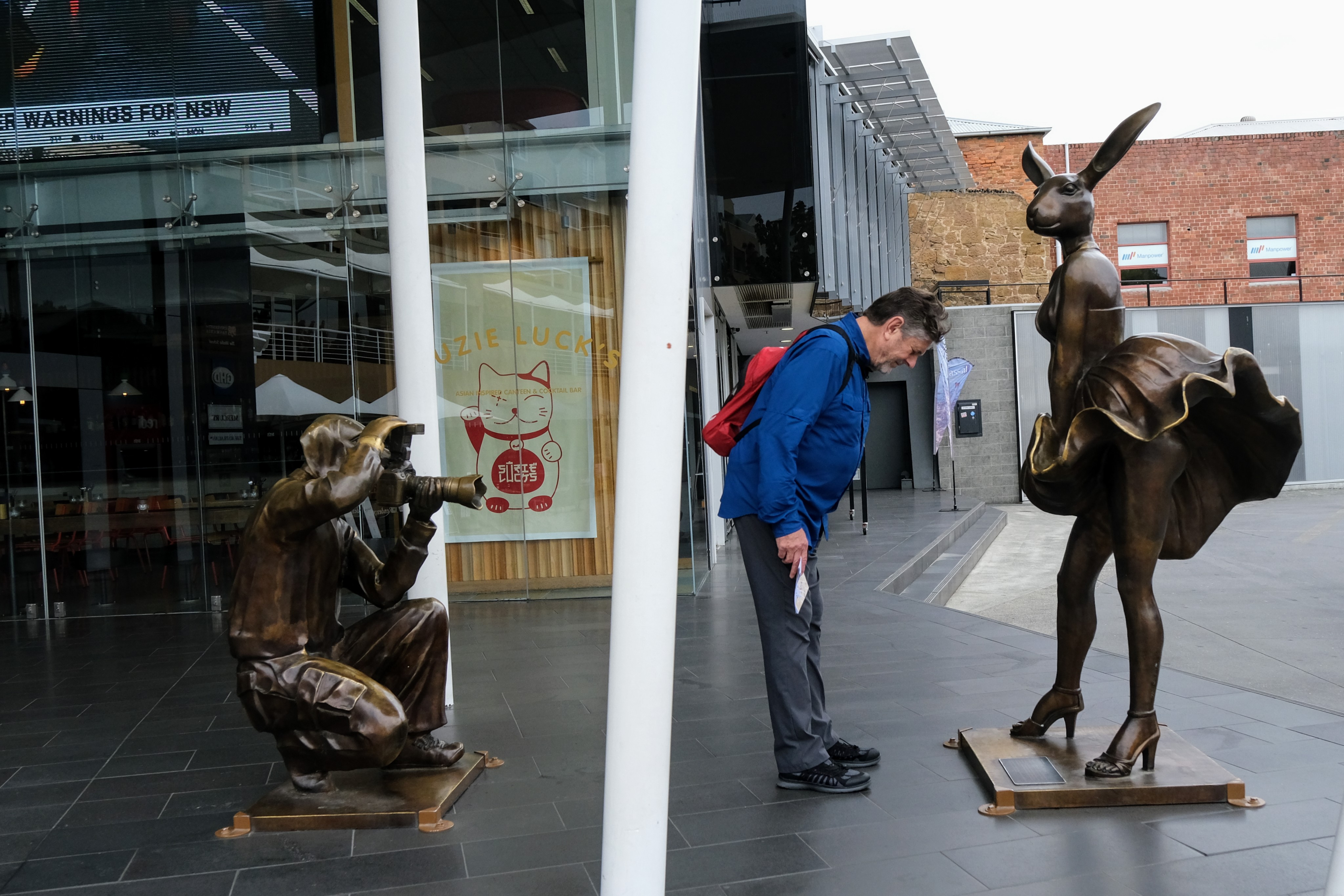
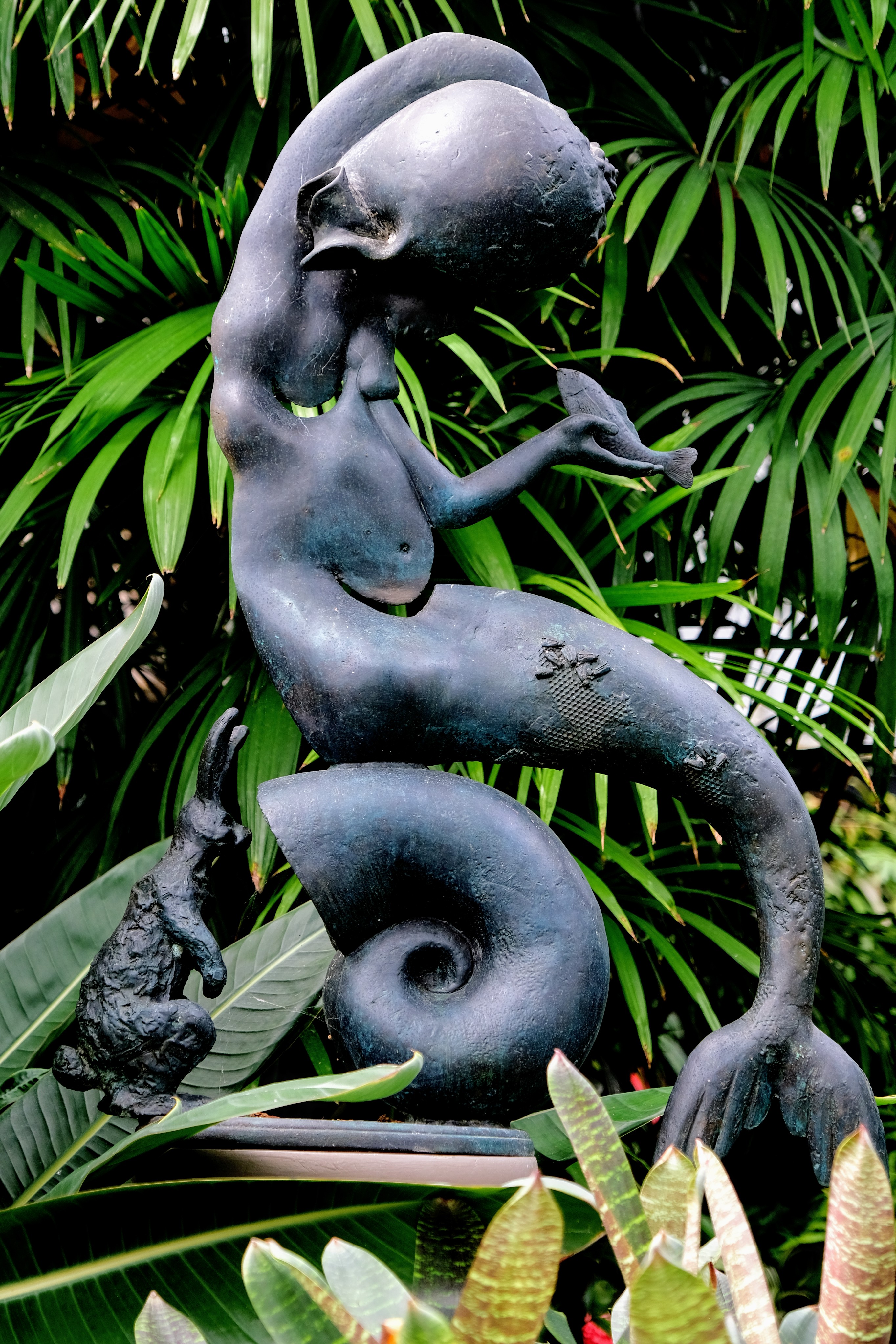
After all that walking, it was time for a break. We made our way to Salamanca Place for a snack. The historic sandstone buildings, formerly warehouses for the port of Hobart, have been converted into an outdoor collection of trendy boutiques, galleries, public art, and cafes. In the mid 1990s, a public square was added with a centerpiece fountain and playgrounds, making it a popular meeting place for young and old. Here we had our first taste of Australia’s famous Vegemite. A popular sandwich ingredient among Aussies, it is a thick dark brown vegan food spread made from leftover brewers’ yeast extract with various vegetable and spice additives. Yummy?! We opted for a Vegemite scroll, which we enjoyed, but the tune of the Men at Work song “Down Under,” with its reference to a Vegemite sandwich, kept going through Denise’s head for the rest of the day. The bronze statues of “Paparazzi Dog and Marilyn Rabbit” caught our eye. We learned that they are the work of global public artists Gillie and Marc, whose website states “Through collaboration with both individuals and organizations, we work to create art that makes a difference and affects change. Whether it be for humans, animals or the environment, our art evokes the need for love and protection of all. We call on everyone to join us in this effort to create meaningful change.” We think they’ve succeeded here!

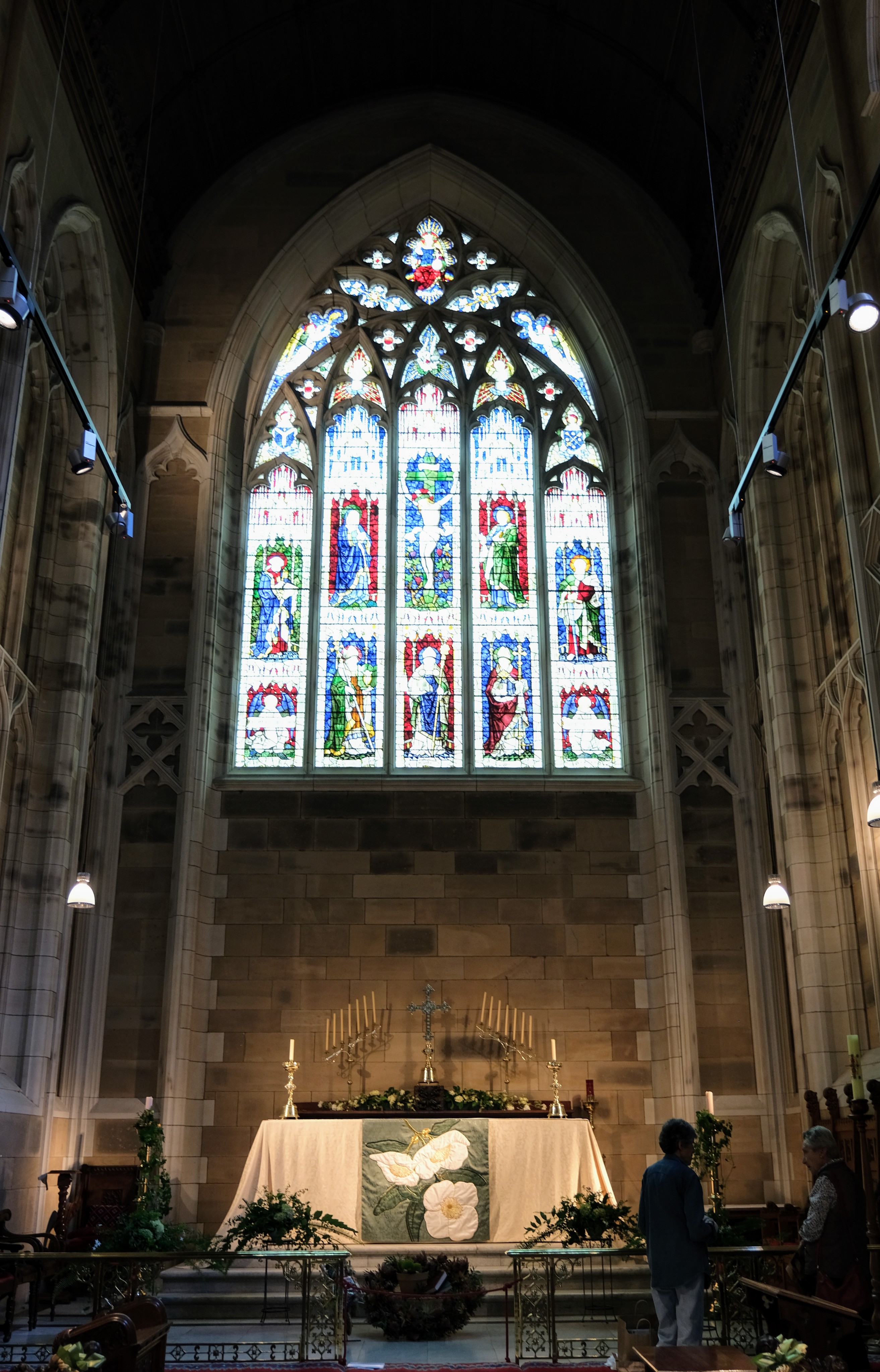
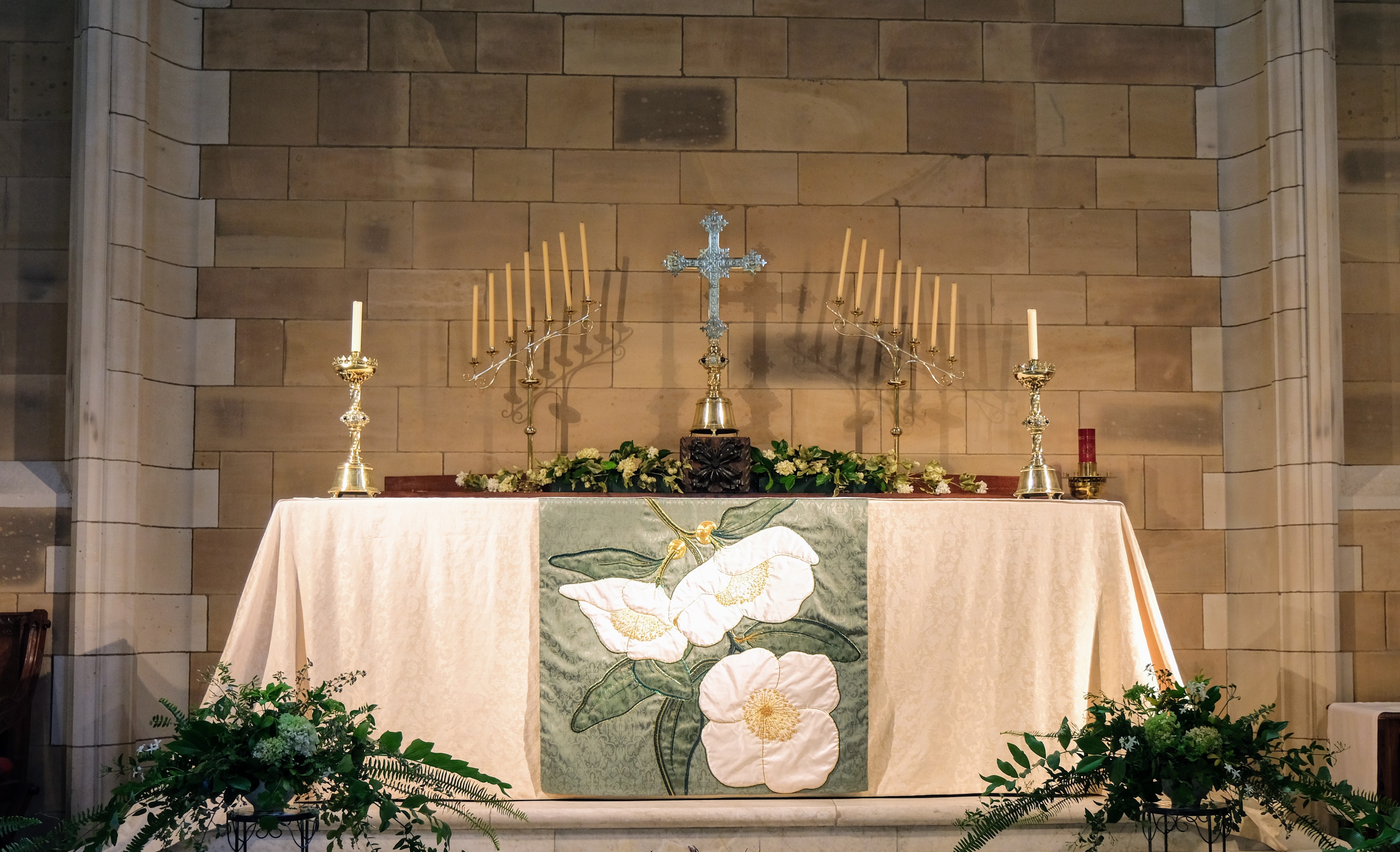
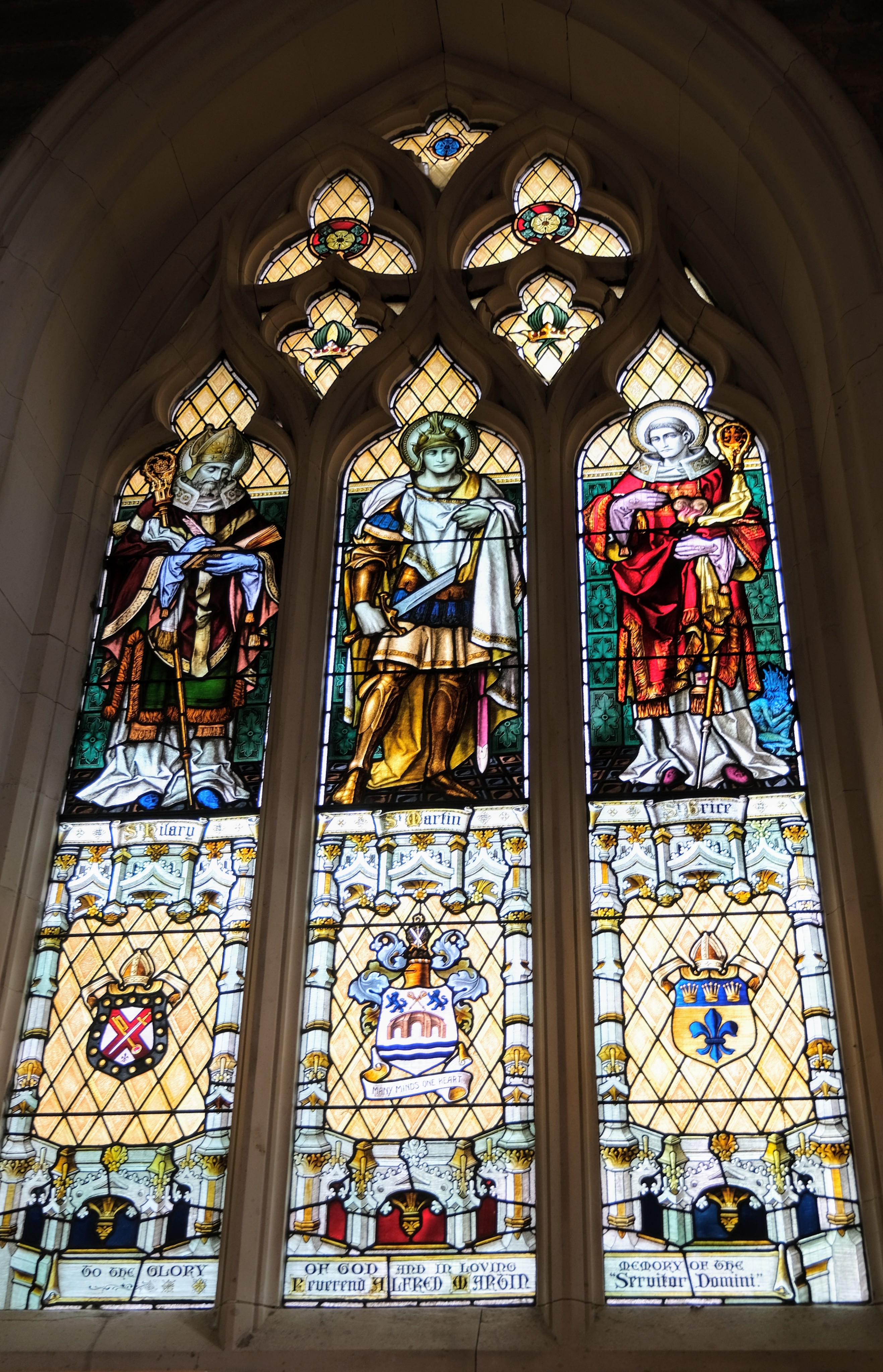
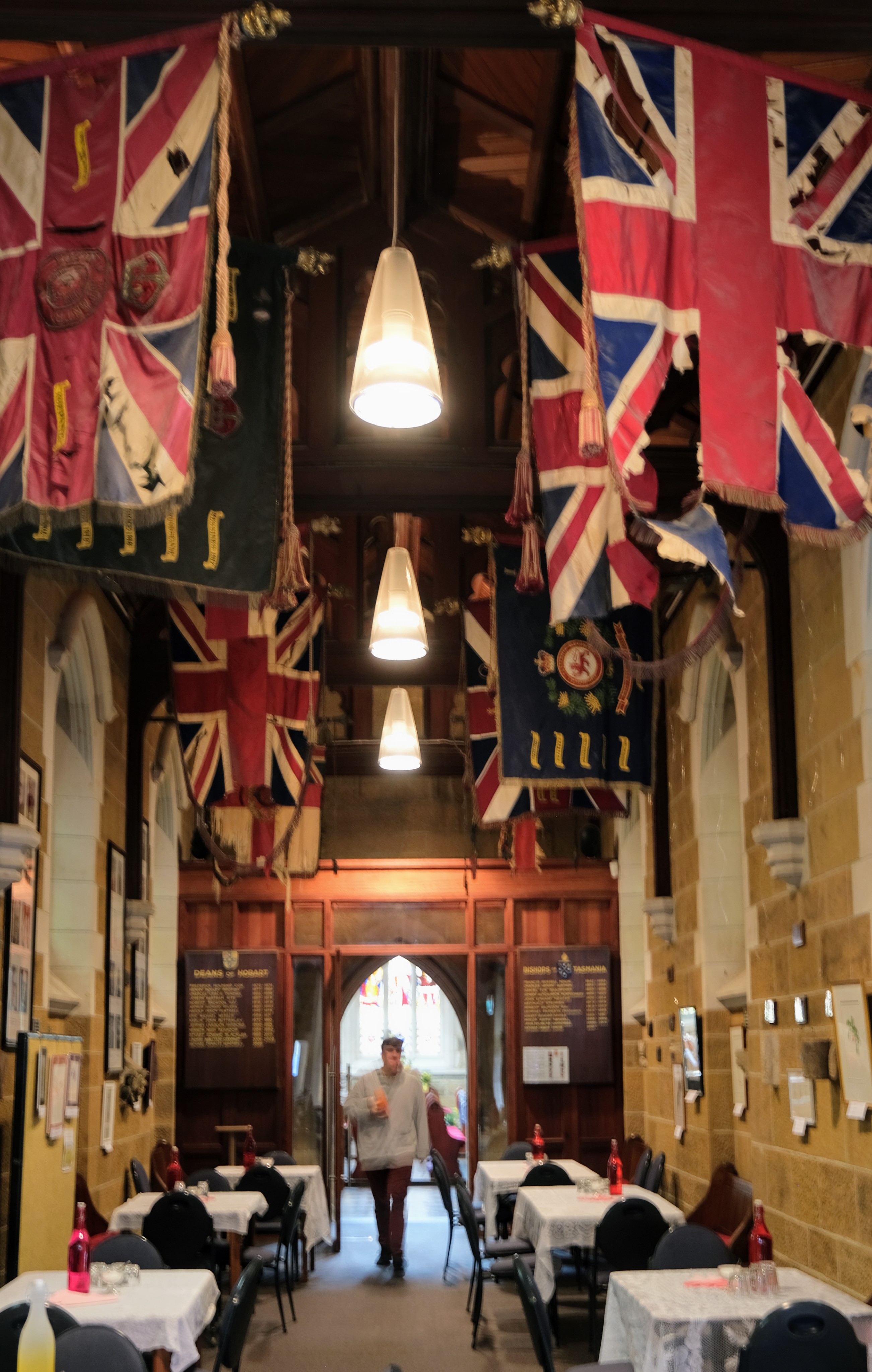
Next stop was St. David’s Cathedral, a place of Anglican worship for over 200 years. Our timing was perfect, as today starts their annual Bloomfest, where every part of the cathedral is decorated with beautiful floral displays. The cathedral’s stained glass windows are truly spectacular.

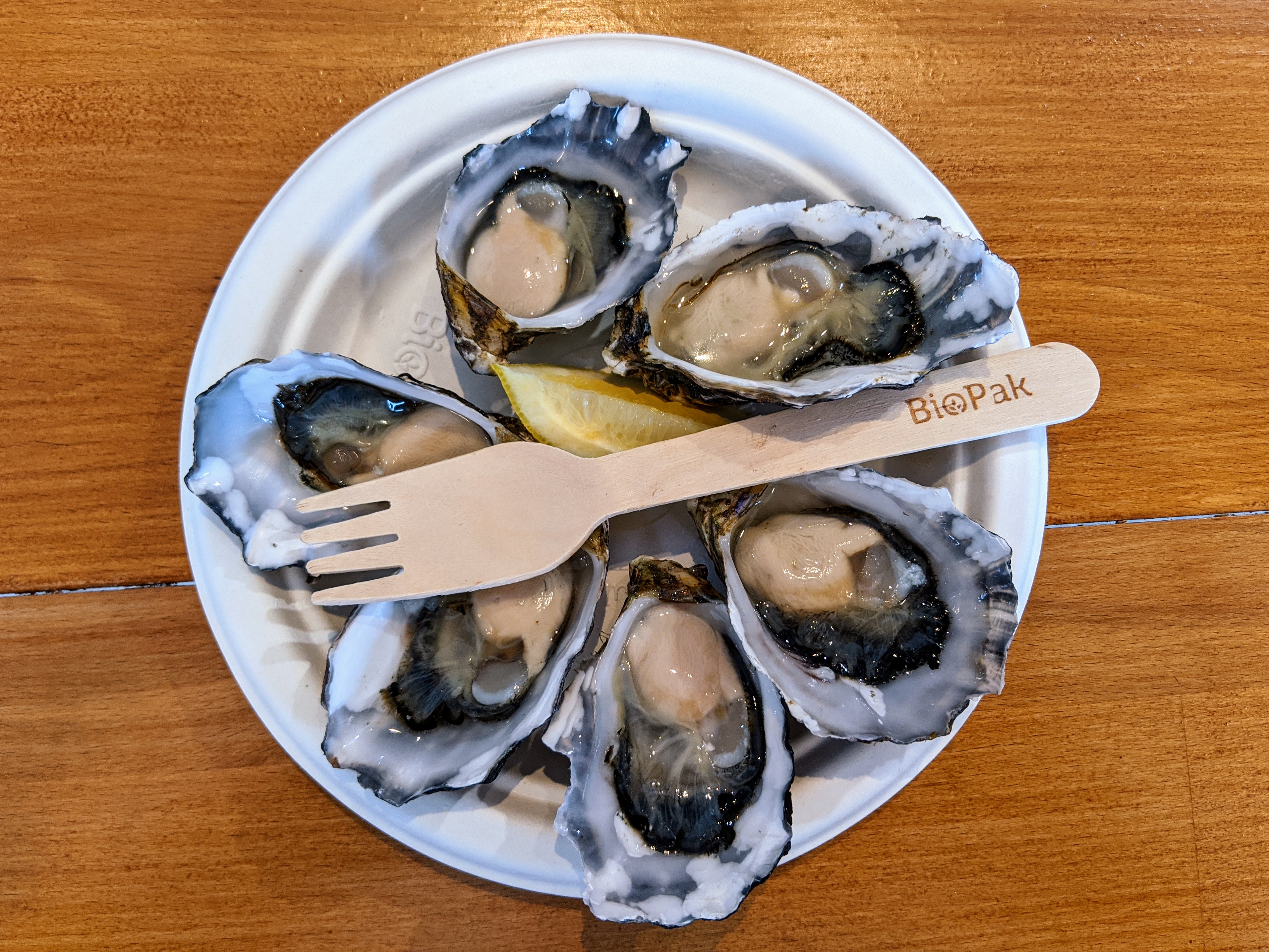
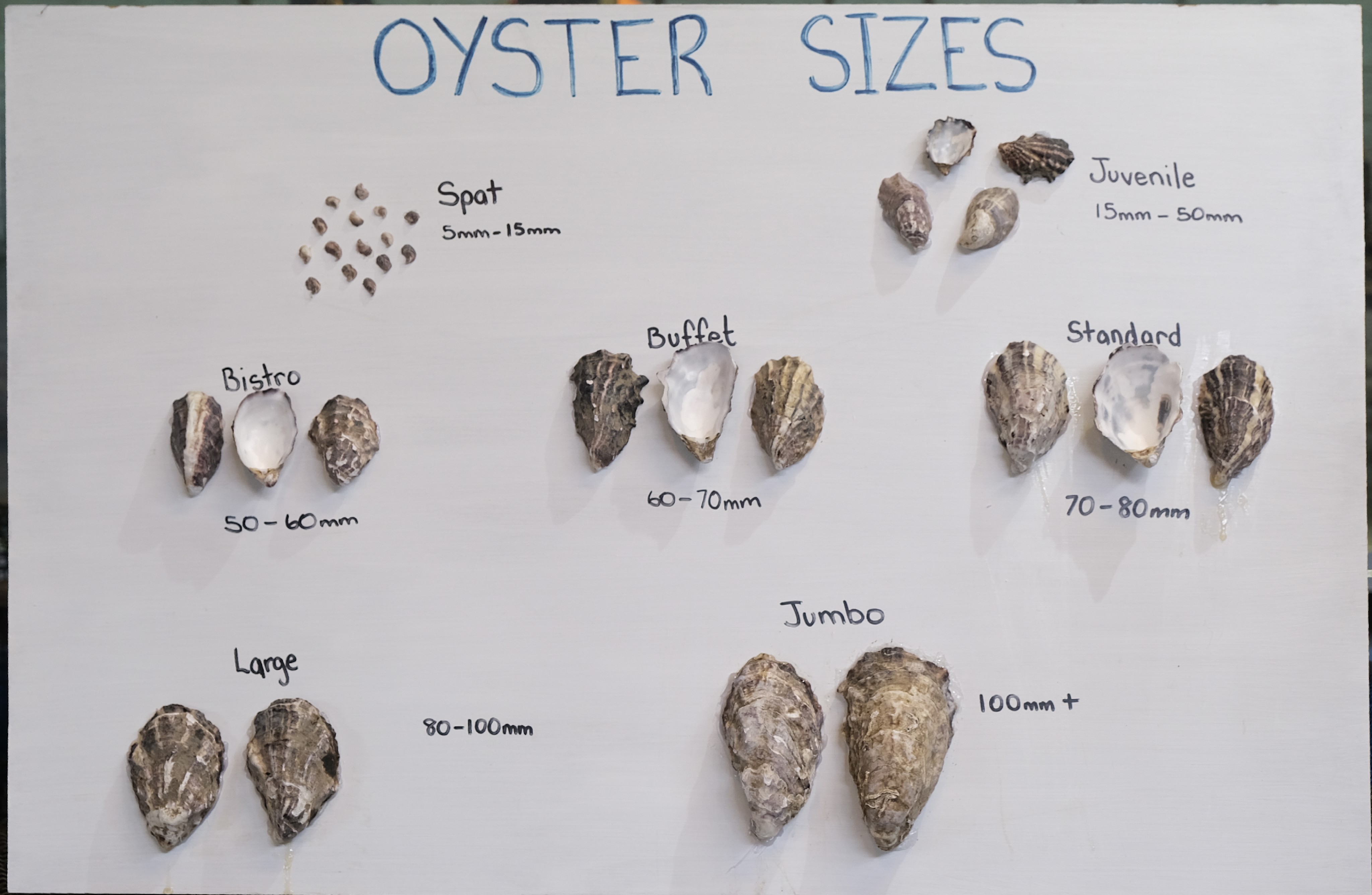
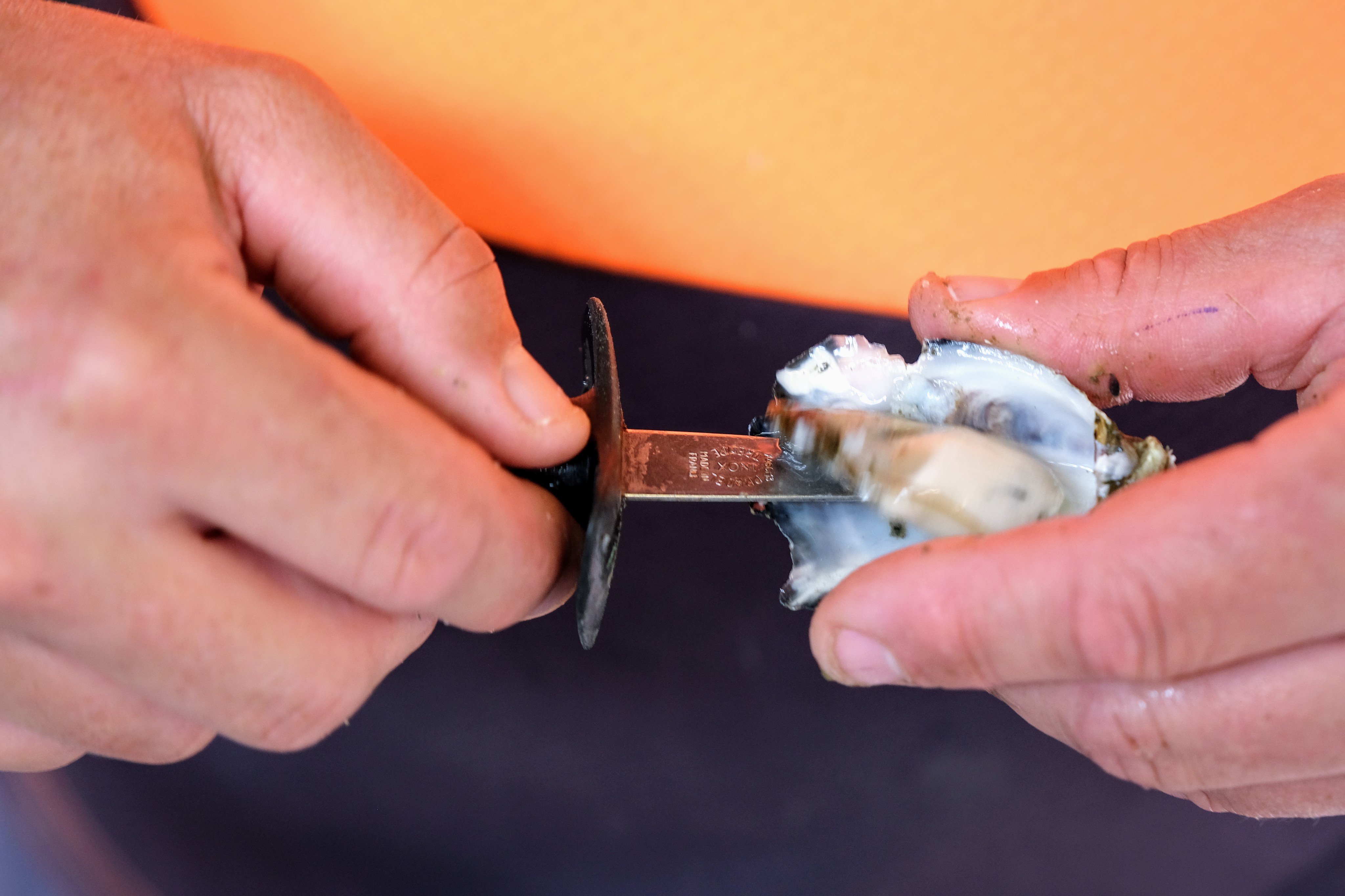
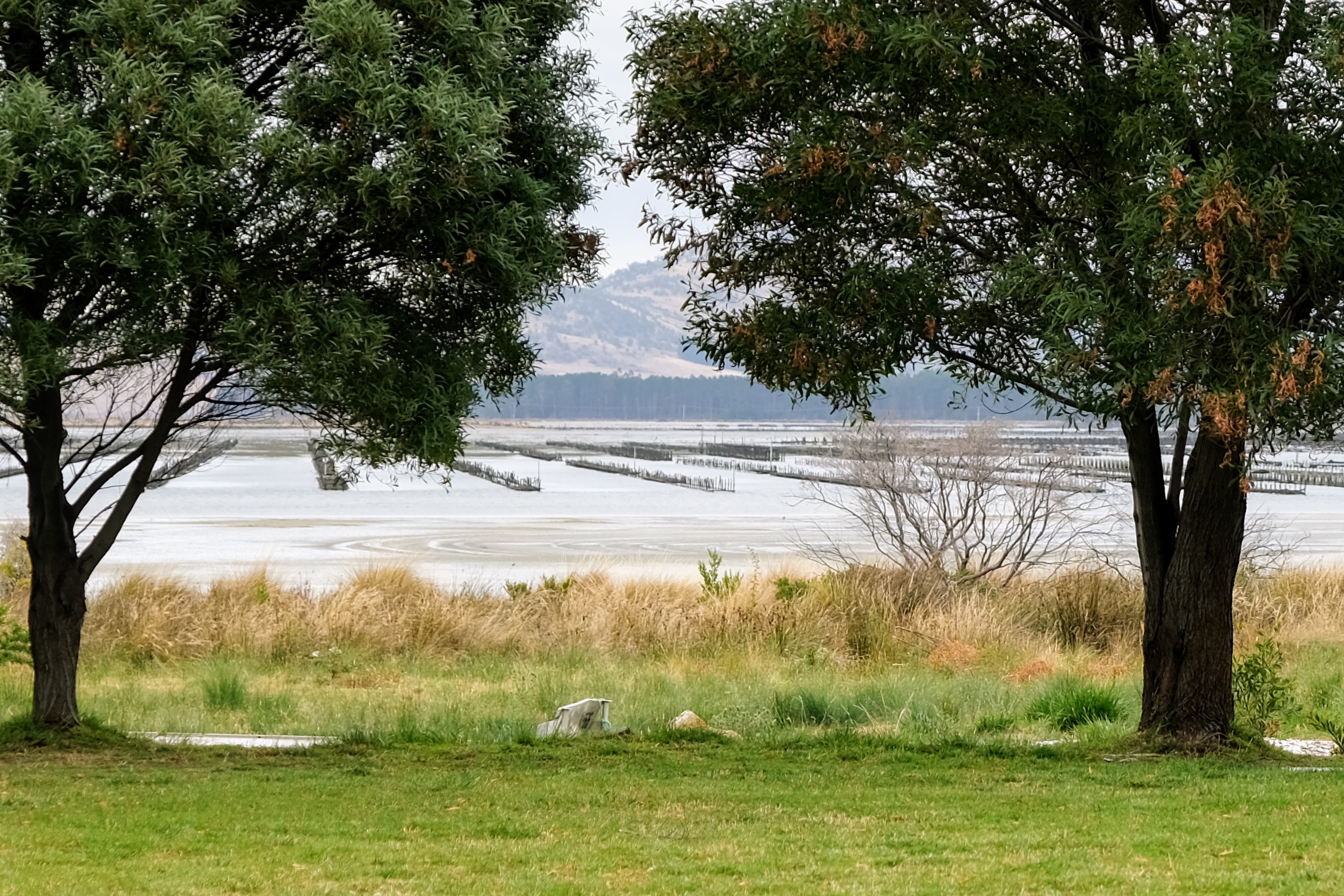
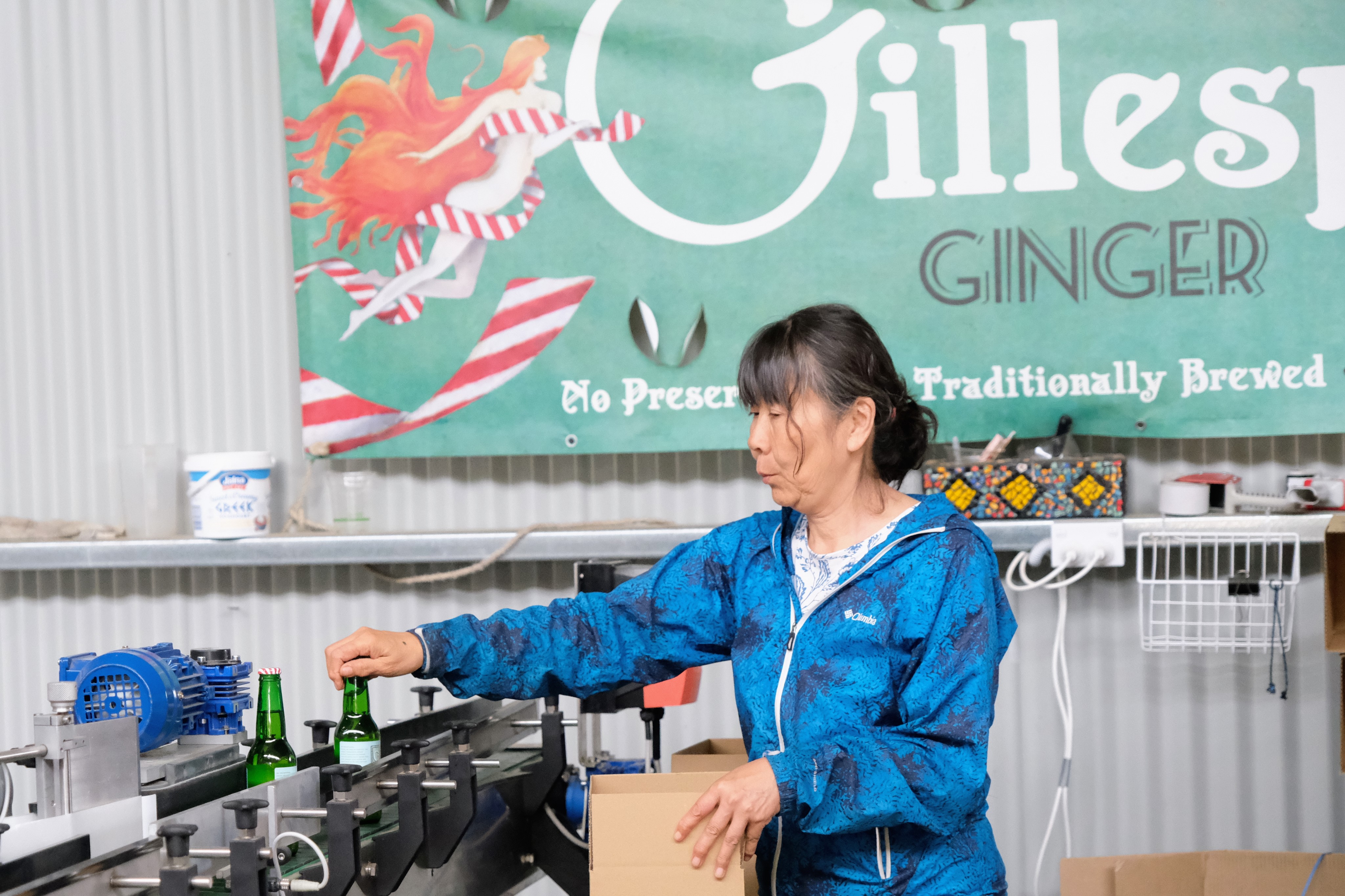
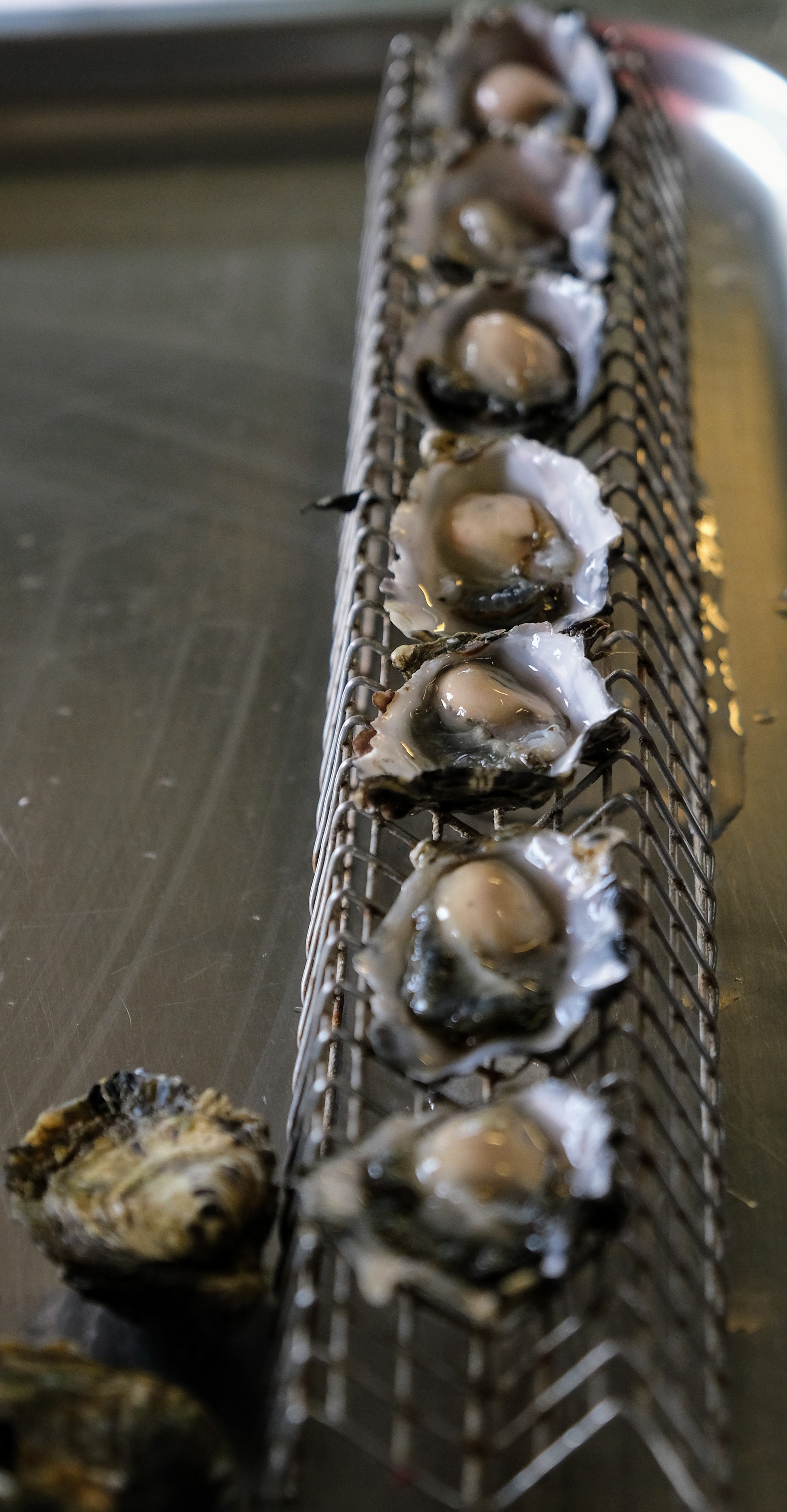
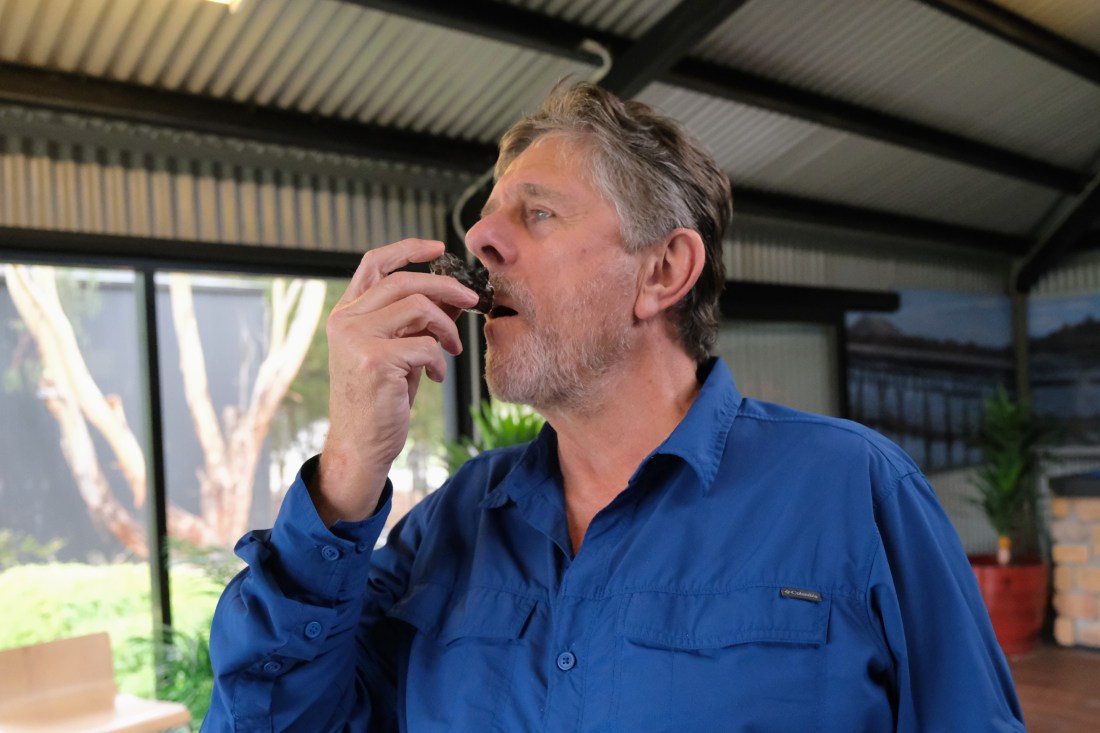
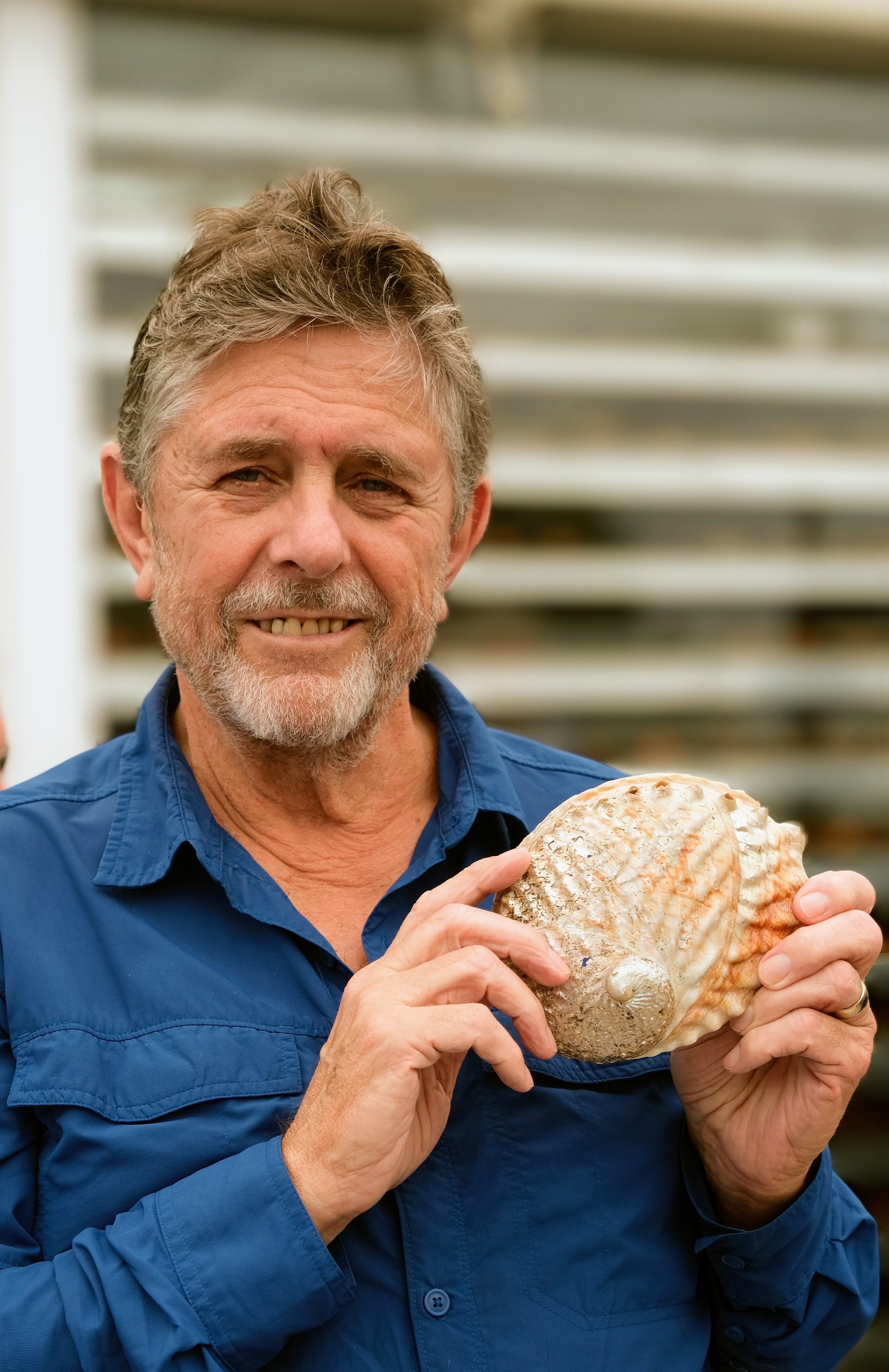
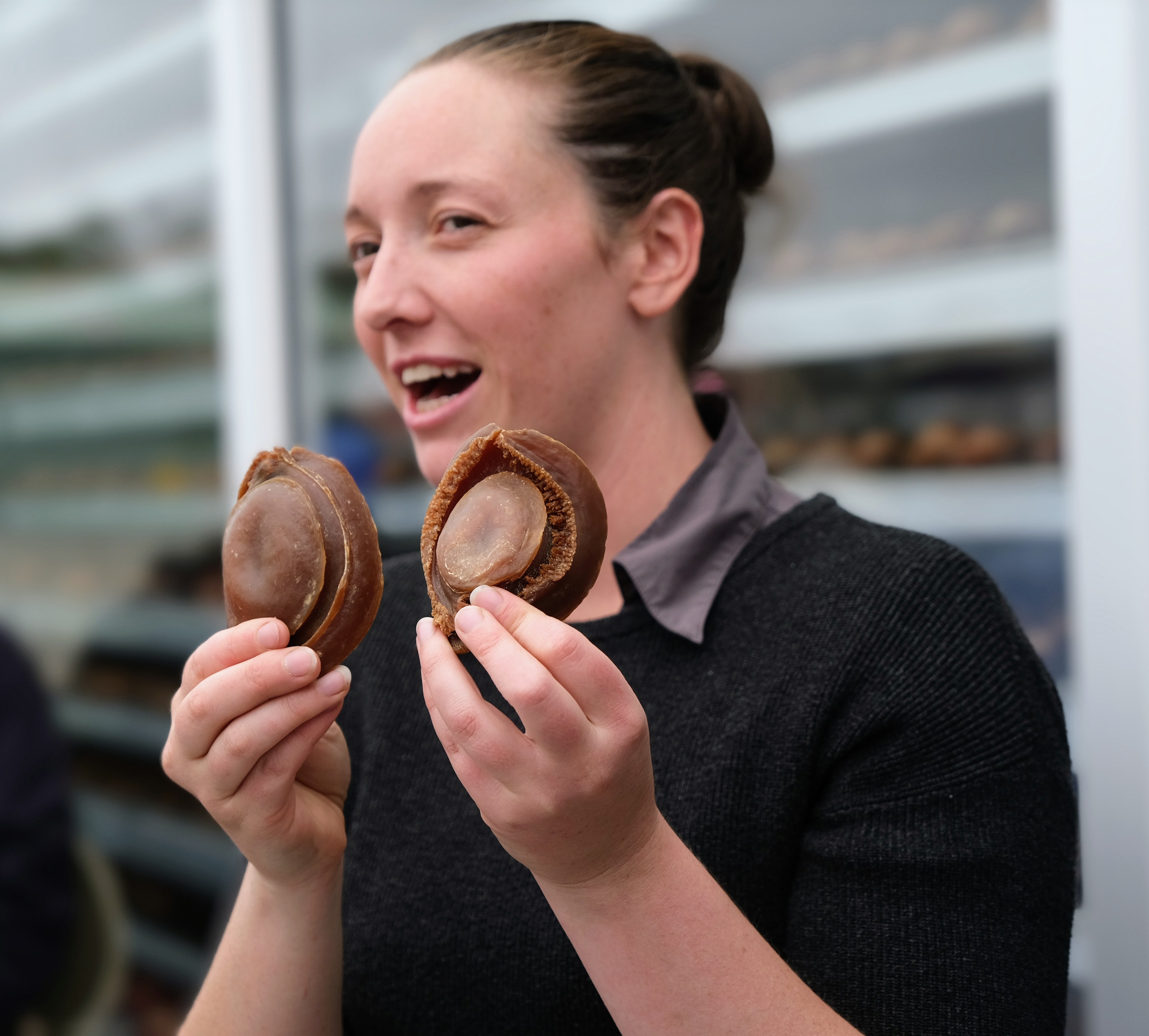
Later in the day we made our way through the Tasmanian countryside to Cambridge and the Barilla Bay Oyster Farm. Here new methods of growing these tasty mollusks have been developed in the bay’s cold, clean tidal waters. We viewed the oyster beds, and learned about how they’re grown from tiny spats into various sizes of oysters. Our affable guide then demonstrated the fine points of shucking. Also on site is Gillespie’s Ginger Beer factory, which makes traditionally brewed ginger beer using a secret family recipe handed down from three generations. Finally, we got to sample some delicious oysters, and washed them down with the ginger beer…a great combination! Barilla Bay is also home to Candy Abalone, and we learned all about how this delicacy is caught, dried, and packaged.

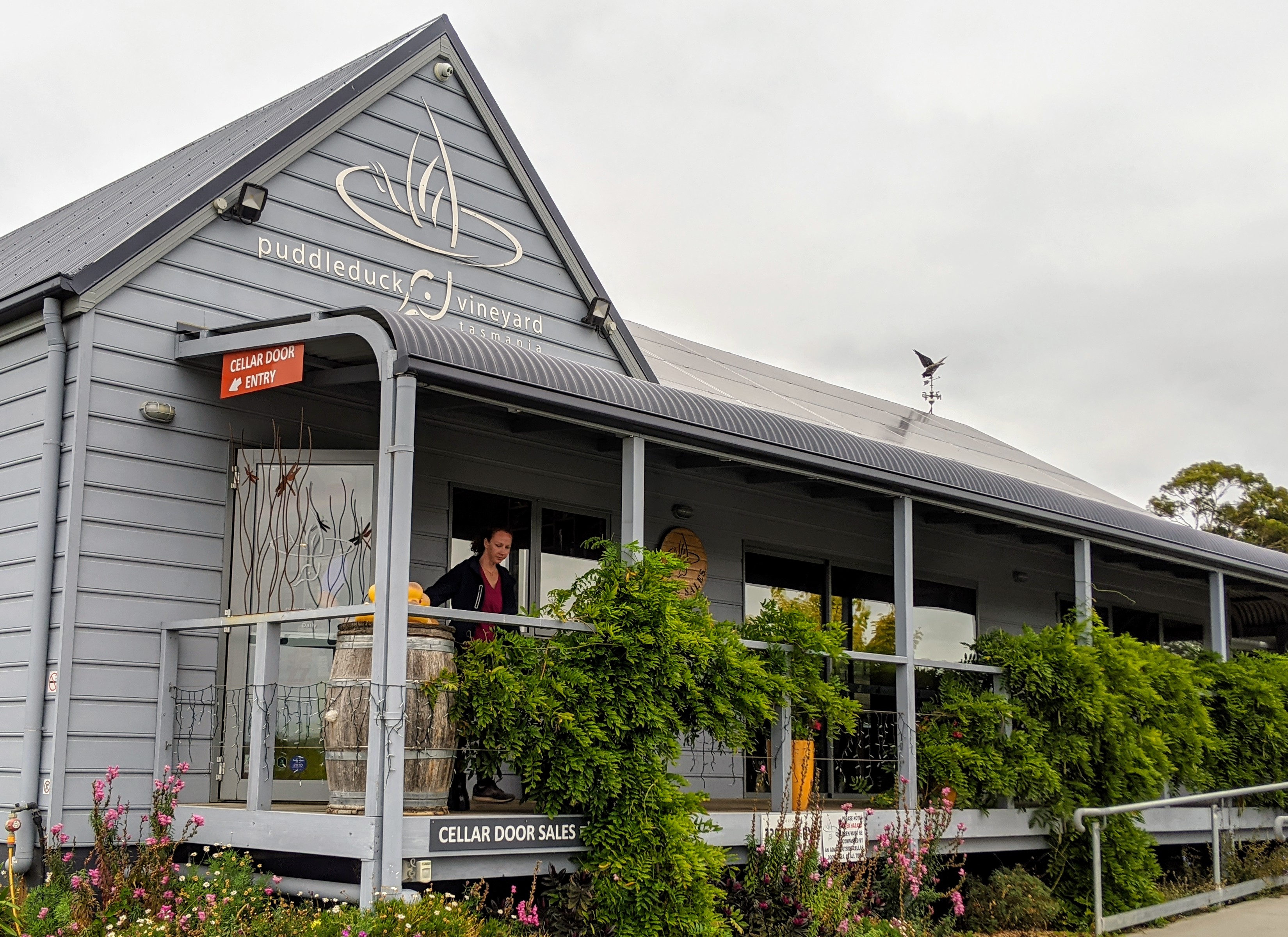
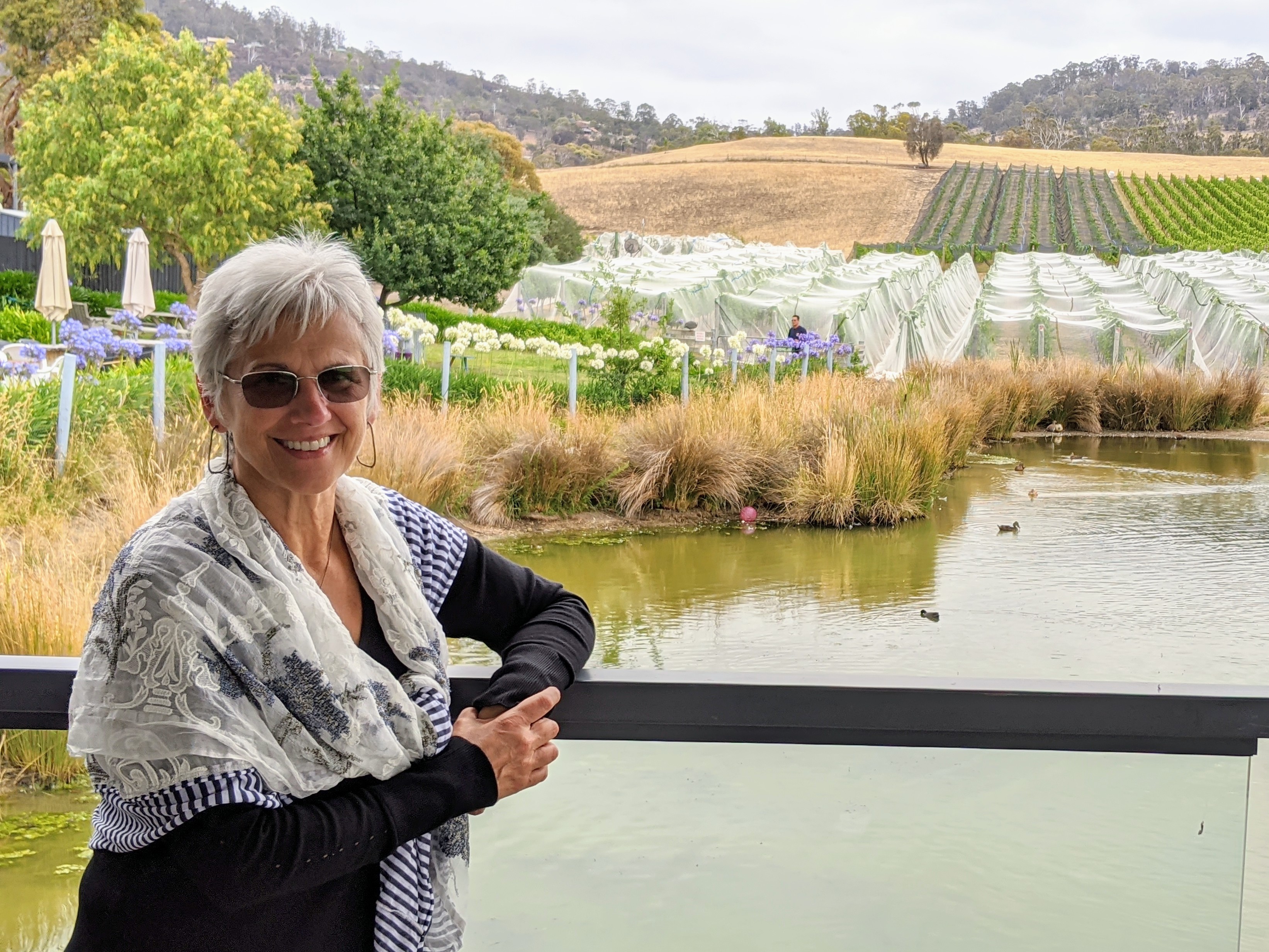
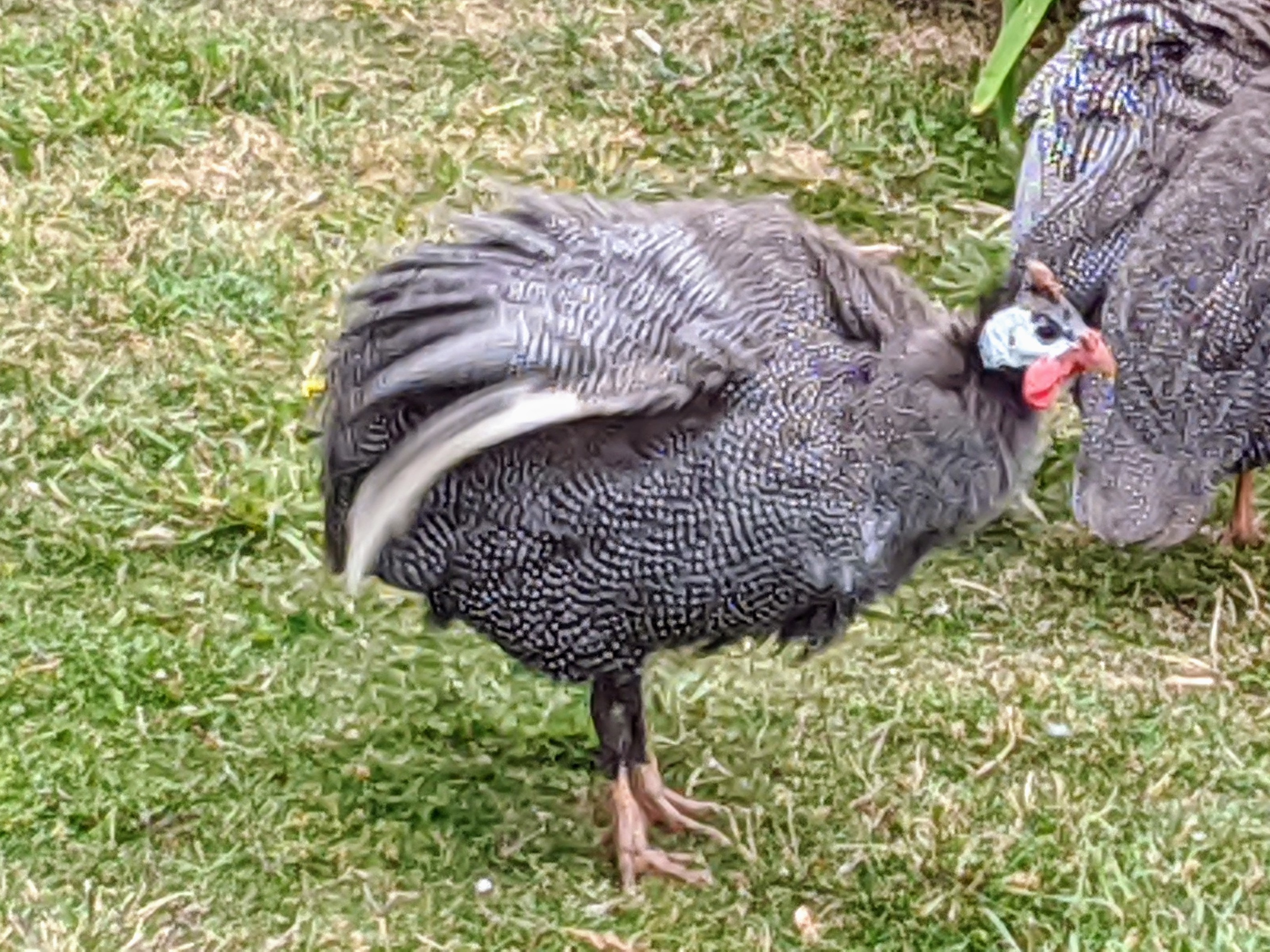
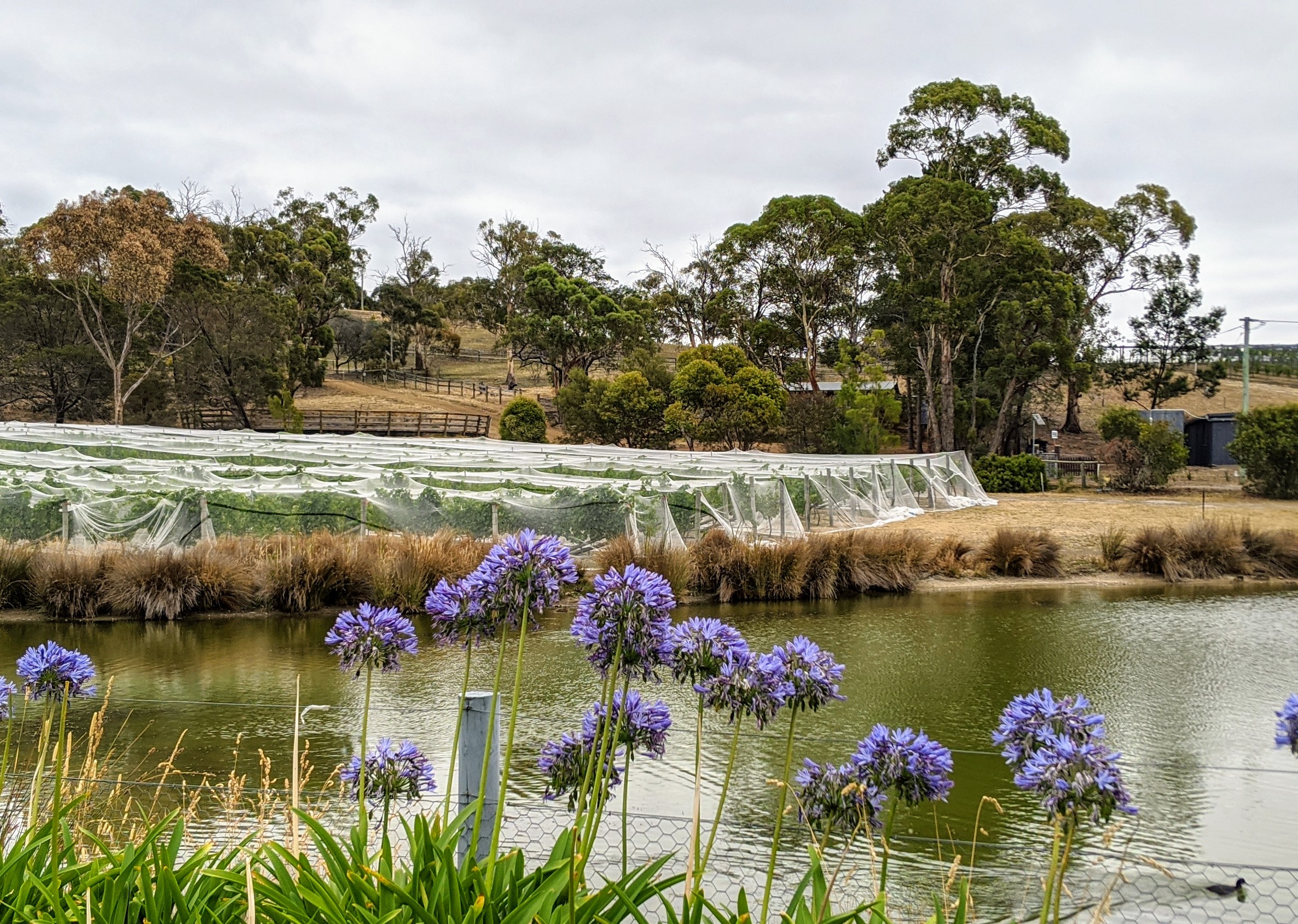
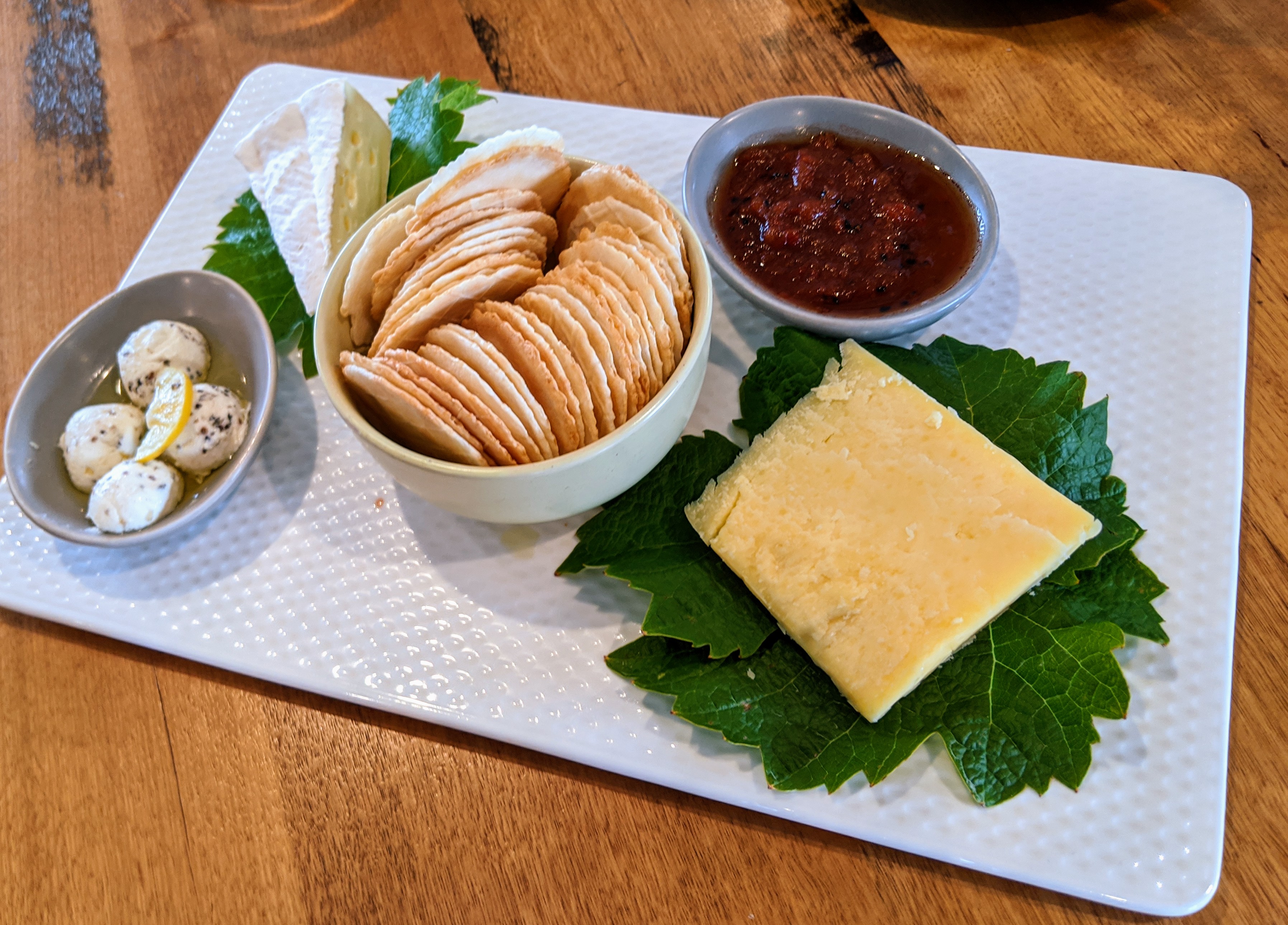
Tasmania is also home to a vibrant wine industry, so on we went to the family-owned Puddleduck Winery in the Coal River Valley. This boutique family owned and operated vineyard was established in 1997, and produces premium Tasmanian wines from  grapes grown at their single site vineyard. All of their wines are processed within an hour of picking in the energy neutral, organic winery. Guiena fowl are the only method of pest control, and they added to our entertainment as we watched them patrol the vineyard chattering away all the time. Apparently, they’re great at controlling ticks, insects, small snakes, and rodents (useful knowledge for future reference!) We sampled 5 of their delicious wines along with some tasty local cheese, and then had some time to stroll around the beautiful grounds. What a lovely way to end our day in Tasmania!

Fiordland National Park

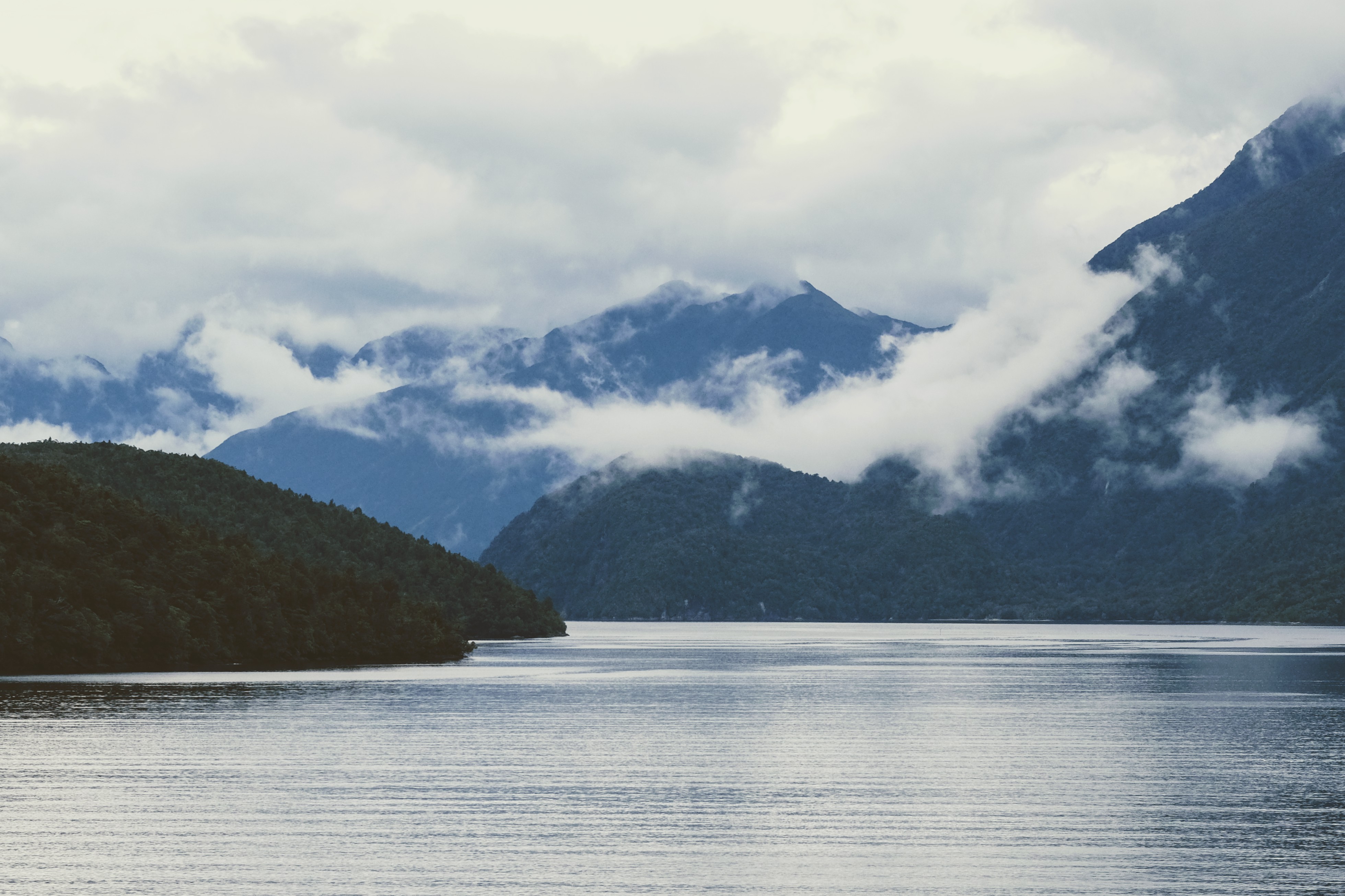
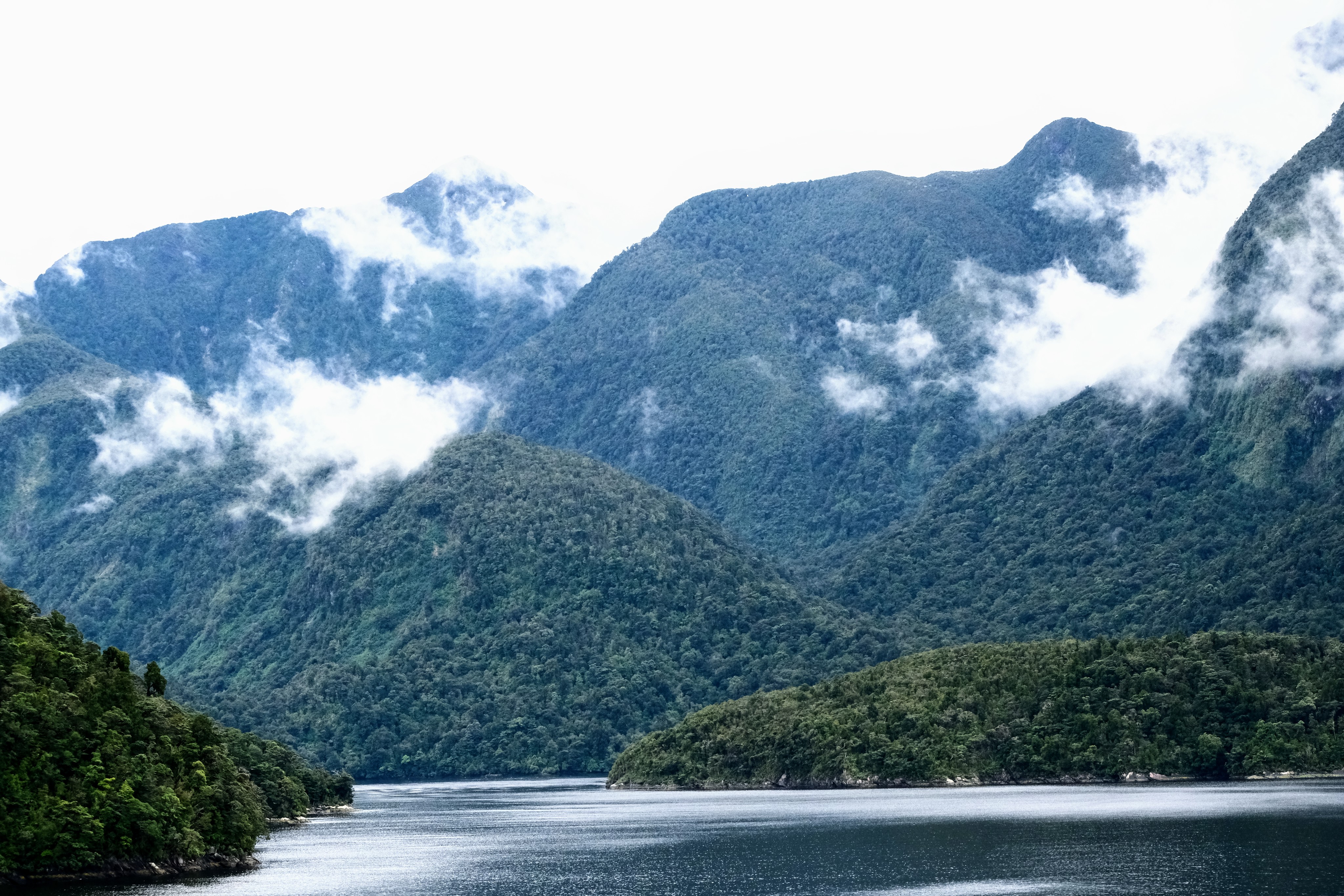
Sailing around and through New Zealand’s Fiordland National Park on a rainy, cloudy, overcast day is an almost surreal experience. Although we were scheduled to visit three of these astonishing fjords, several days of torrential rains in the Milford Sound area prevented us from seeing that one. Mudslides, road closures, and rising rivers resulted in close to 500 people (195 tourists and 300 staff) being stranded at lodges and on tour boats until they could be safely evacuated by helicopter. The government declared a state of emergency, and the Viking Sun was denied access to Milford Sound.

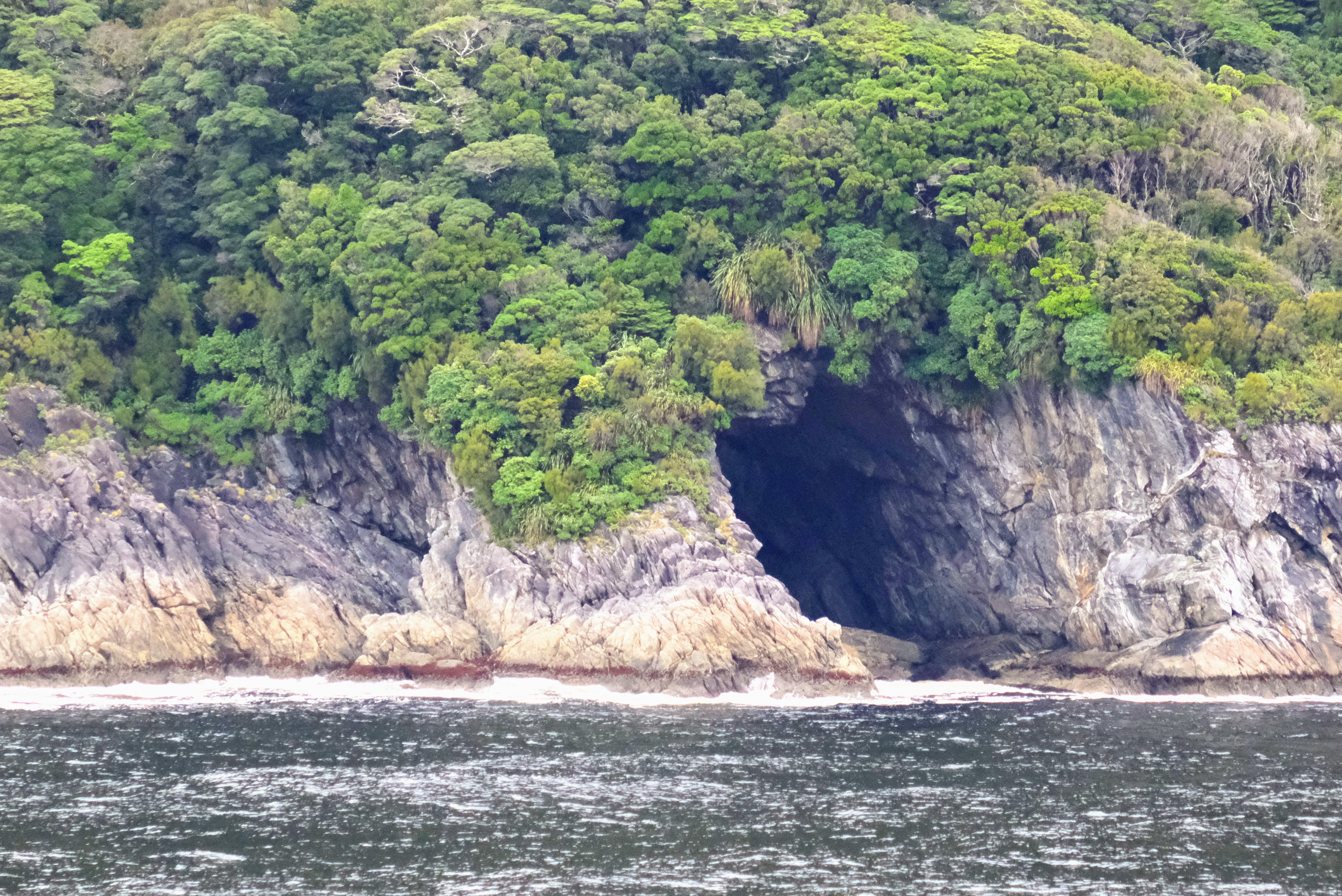
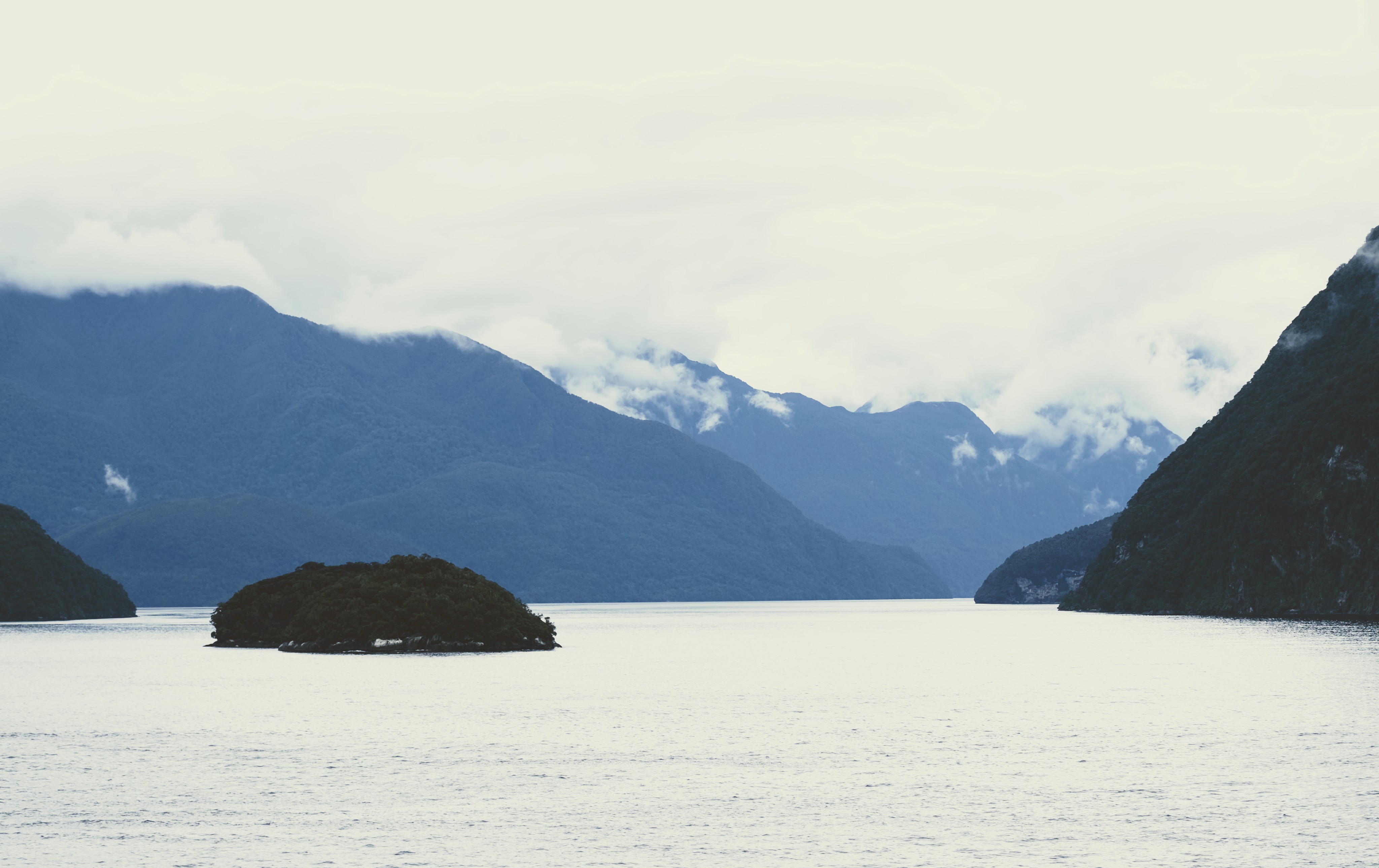
Nonetheless, our visit to the Dusky Sound was pretty spectacular. Named by Captain Cook when he sailed by at dusk on his first voyage in 1770, this spot holds one of the area’s largest, most intricate fjords, at almost 25 miles long. Because of the recent rain, we saw lots of waterfalls cascading down from the verdant green hills into the dark deep waters. As we sailed through, we were delighted by incredible views of diverse terrain and Resolution Island. Although some of these shots look like black and white, this was the actual color we saw until the sun peaked through the clouds, revealing the tree-covered hills.

By the time we arrived at the Doubtful Sound (also named by Captain Cook who, when he encountered its maze of rocks and cliffs wasn’t sure he would be able to navigate through it) the weather had taken a turn from bad to worse. The resulting waterfalls cascading through crevices and valleys provided the silver lining we needed to get through this visit. The views on both sides of the ship were absolutely breathtaking, and it was well worth braving the elements to experience this astonishing place.

As we left the fjords and headed out to the Tasman Sea (named for Dutchman Abel Janszoon Tasman, first European to set foot on New Zealand and the island of Tasmania in the 1640s) we didn’t realize that we were in for a pretty wild ride! Adverse weather conditions continue, and we’re experiencing huge swells as we write this post. As a result, we’re forced to just go with the flow (easier for Doug than Denise!) as we “cross the ditch” (the term Kiwis and Aussies use for the Tasman Sea voyage between their countries) and trust Captain Lars and his crew to navigate these rough waters safely and securely.

“All Aboard” the Taieri Gorge Railway!

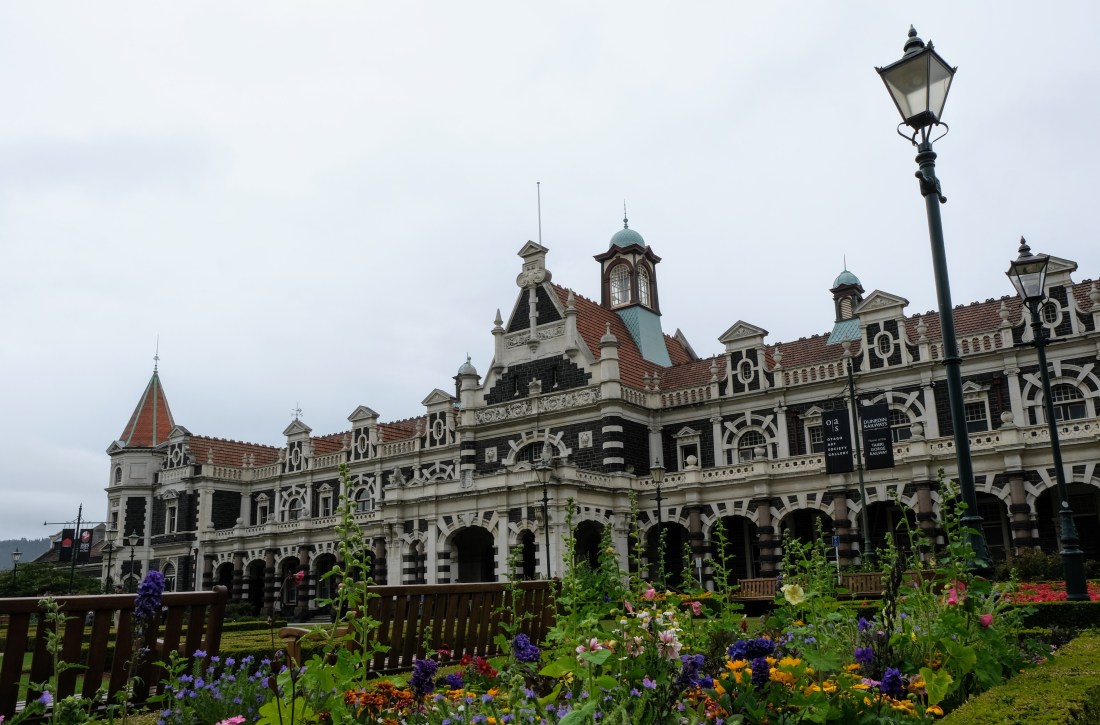
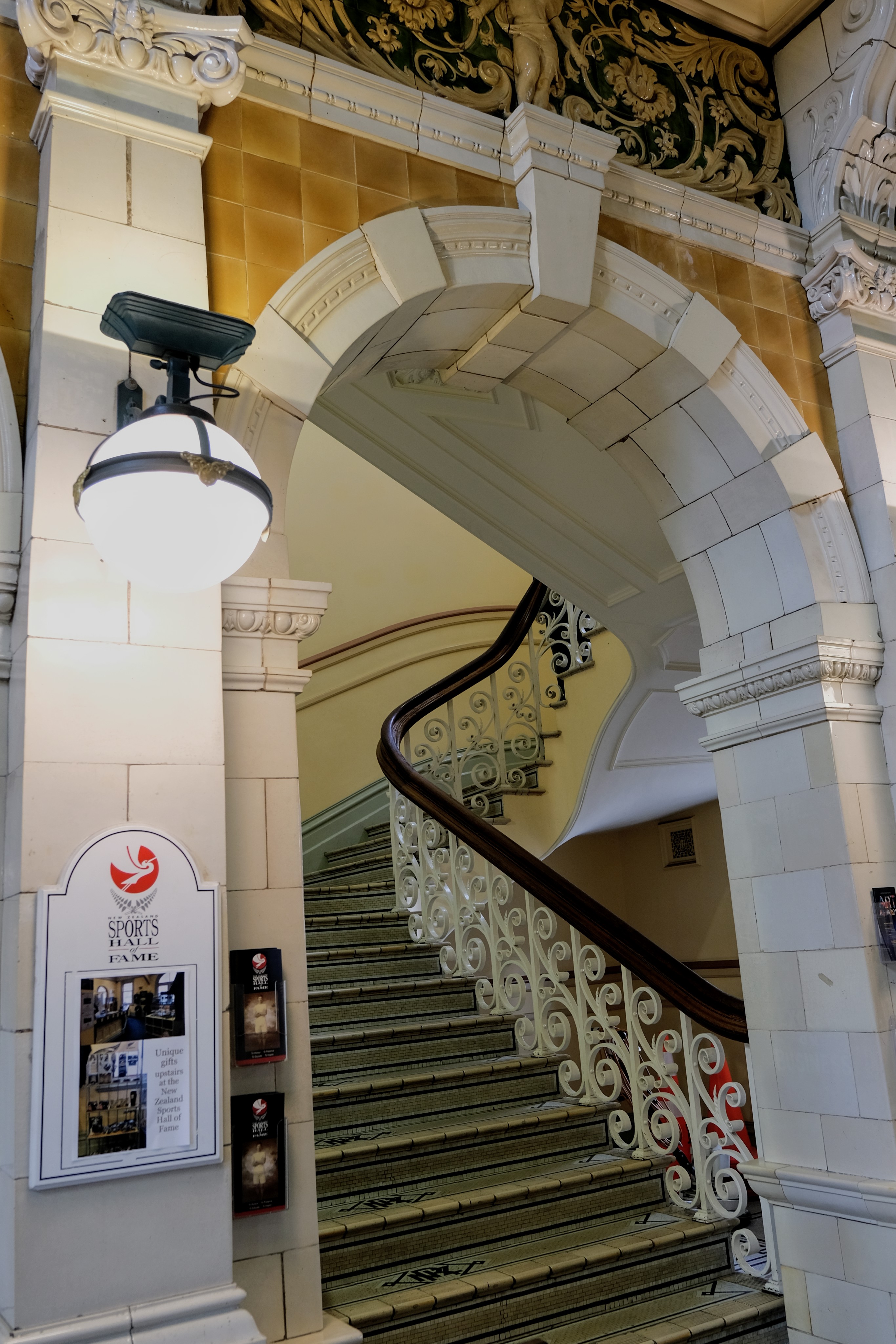
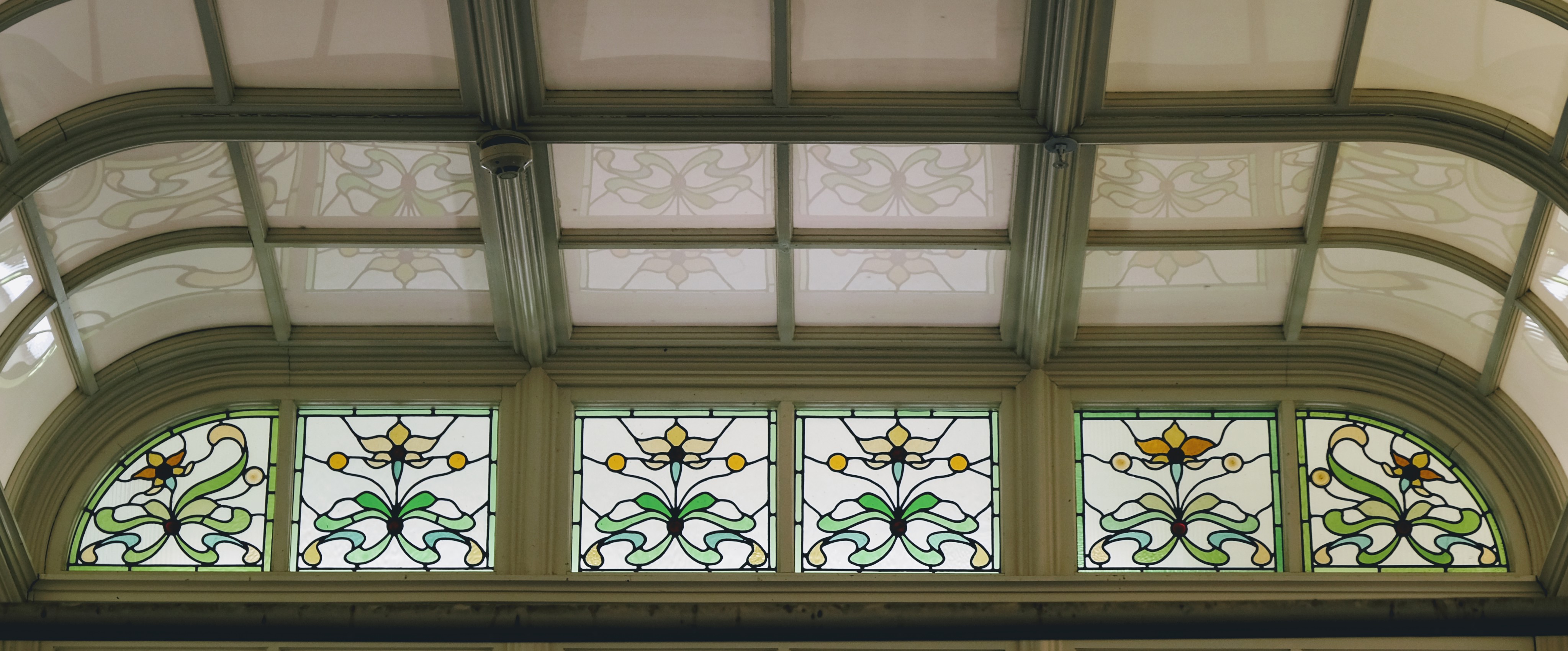
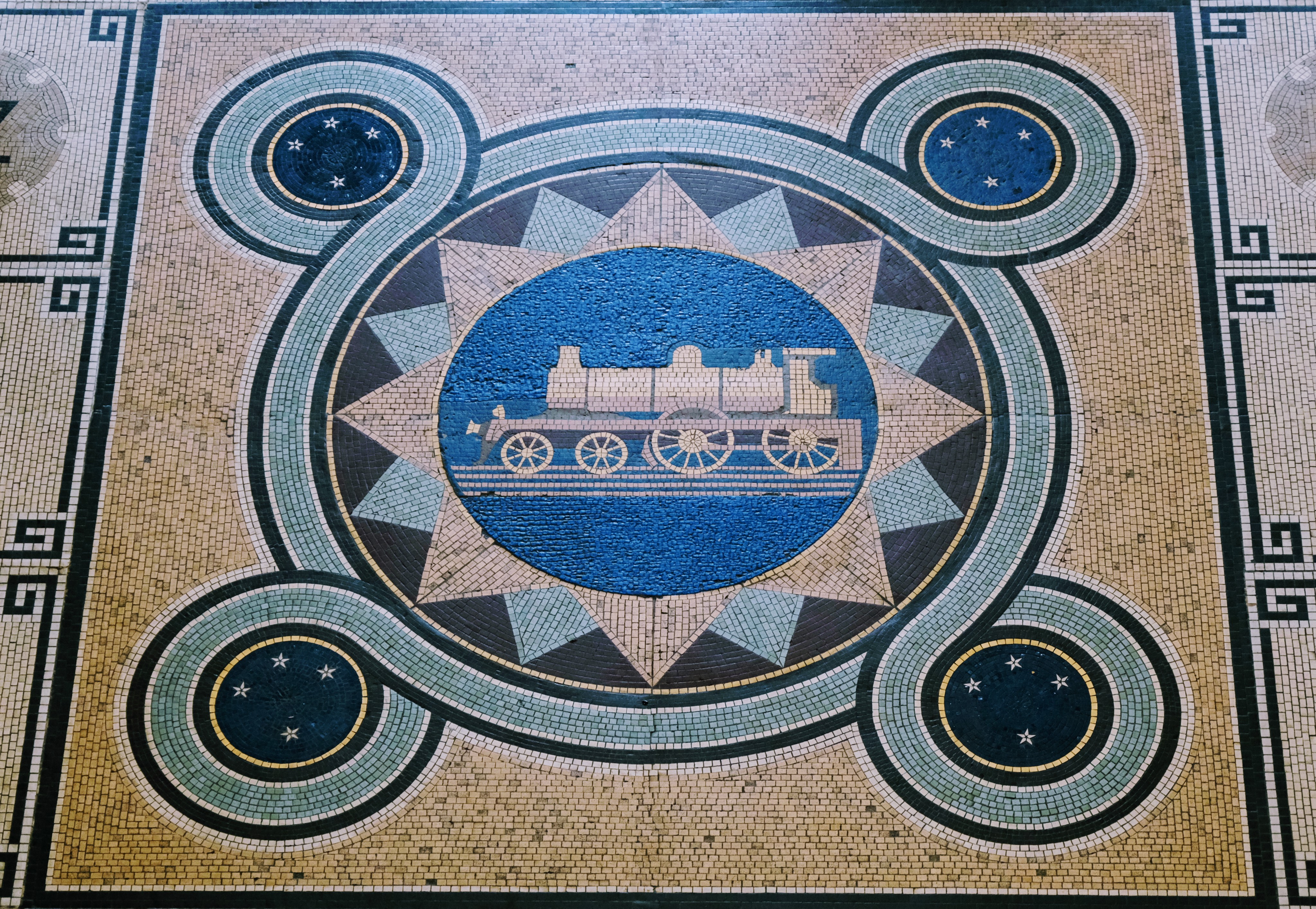
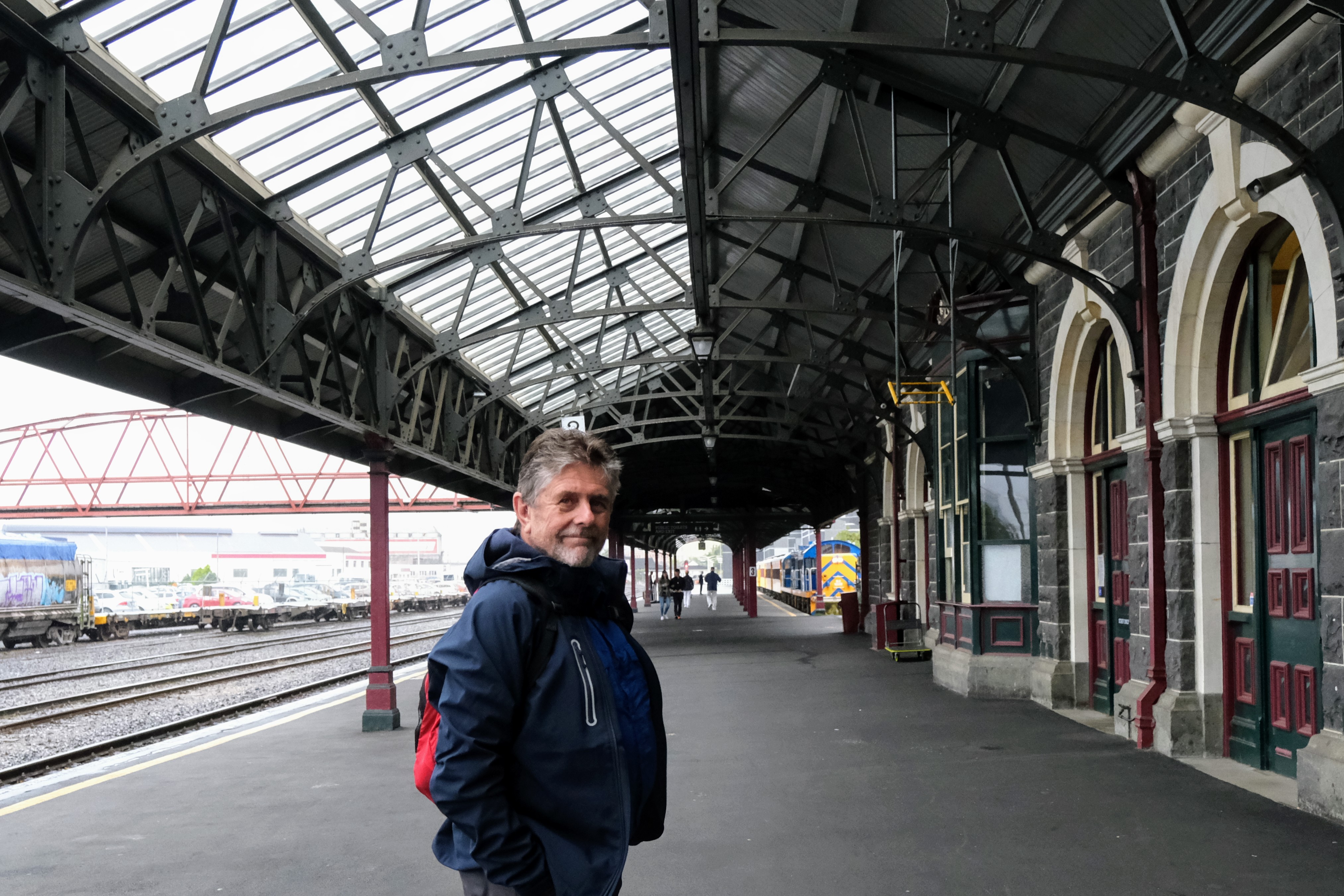
Dunedin, New Zealand was founded in 1848 by Scottish settlers who named it after the Gaelic term for “Little Edinburgh.” The Scottish influence can be seen in the beautifully preserved Victorian and Edwardian buildings, with spires, gables, and gargoyles everywhere! But the jewel in Dunedin’s architectural crown is the magnificent Dunedin Railway Station, said to be the most photographed building in New Zealand. Designed by architect George Troup in 1904, the station’s elaborate Flemish renaissance style earned Troup the nickname “Gingerbread George.” When it opened in 1906, the station was the busiest in the country. Today it has only two railway platforms, but the building and surrounding Anzac Gardens continue to attract locals and tourists alike. The station has intricate stained glass windows, ornate tile floors, and a Royal Doulton porcelain frieze that runs all the way around the balcony . Some areas of the station have been re-purposed for railway and sports museums, a cafe, and a large area that is home to the Otago Art Society, with studios and galleries featuring original work by local artists. We browsed the galleries, chatted with several artists, and even managed to purchase a souvenir or two.

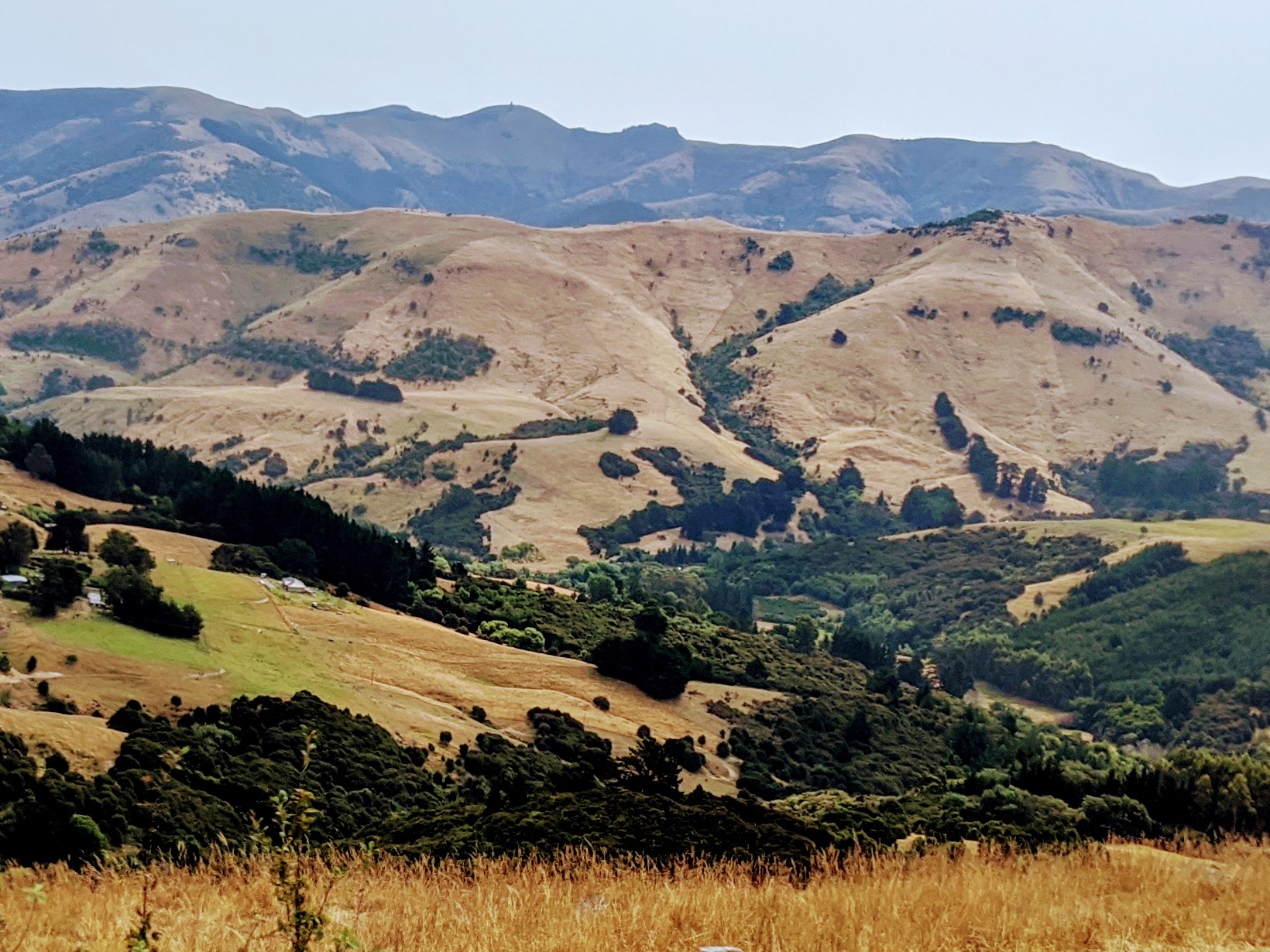
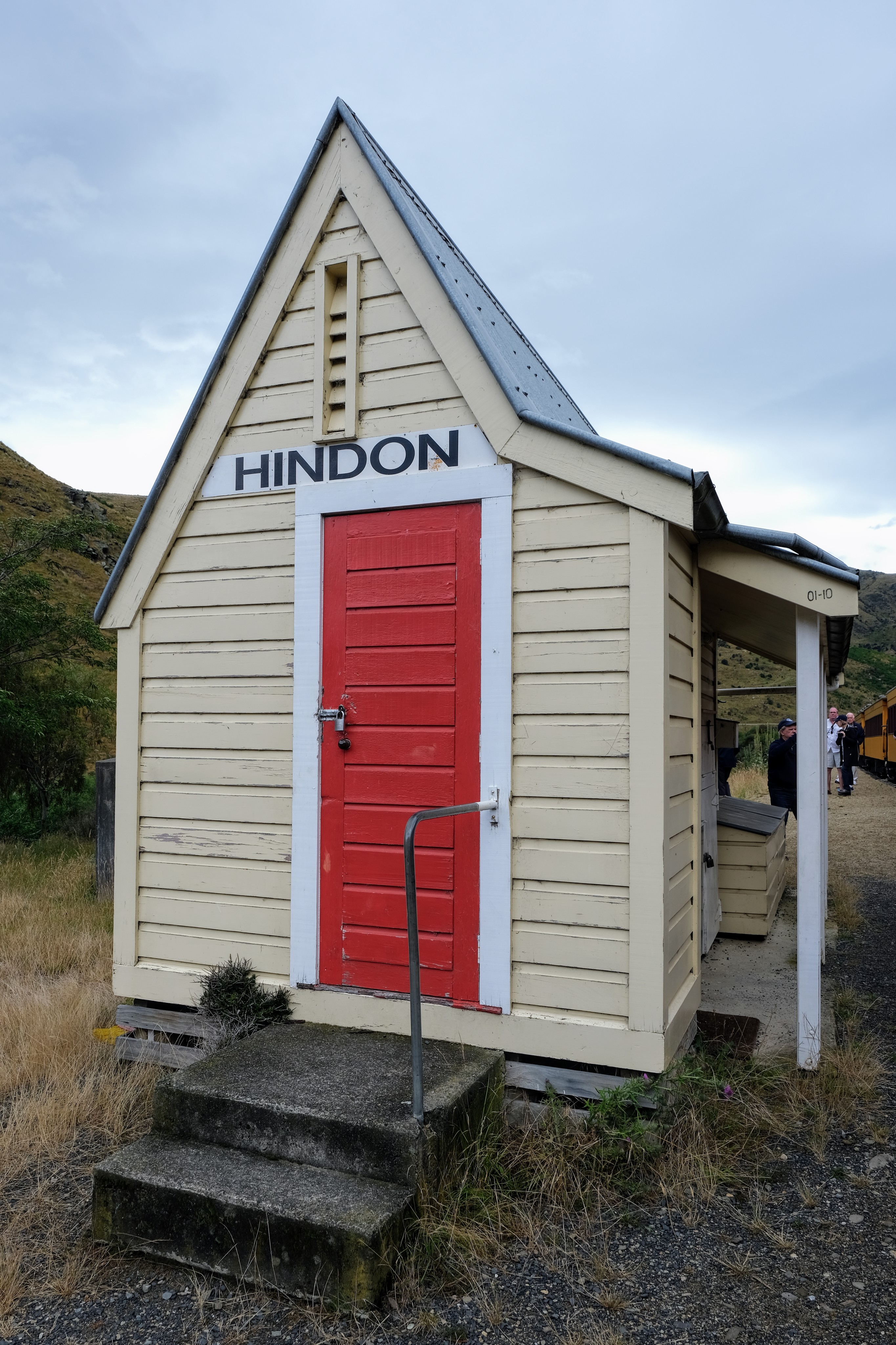
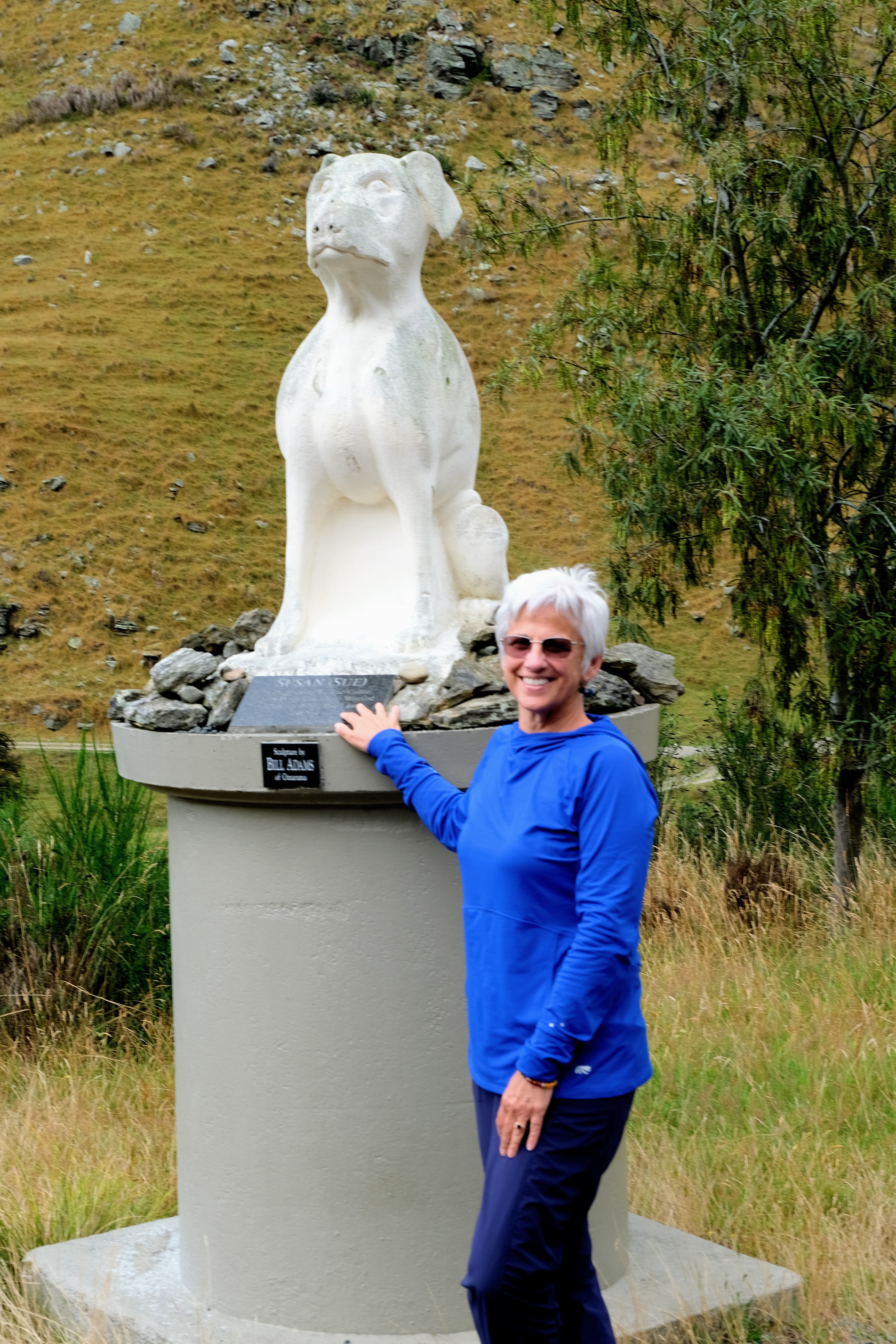
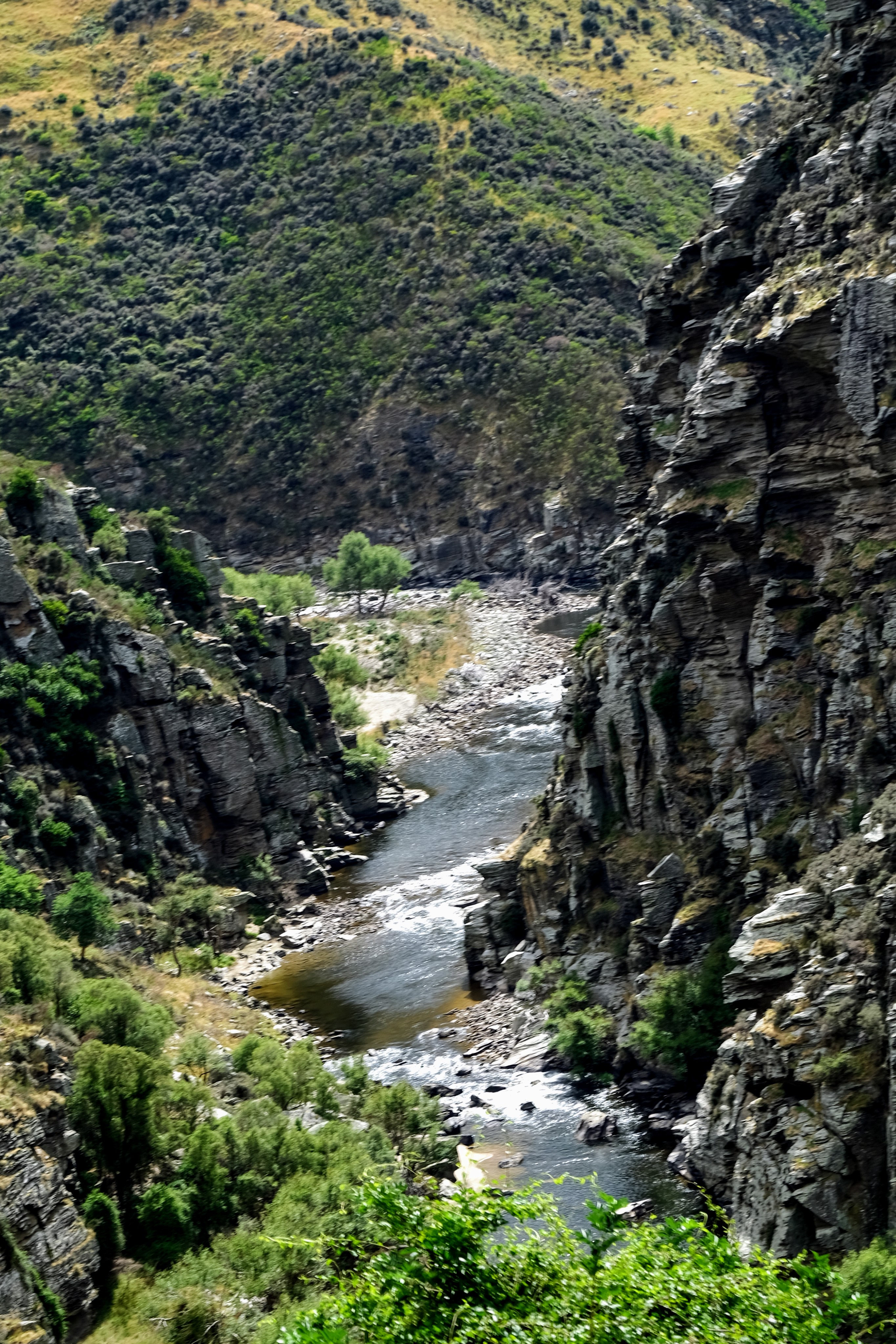
Then it was time for “all aboard” the historic Taieri Gorge Railway for a delightful 5 hour journey to the magnificent gorge and historic viaducts. Along the way, knowledgeable volunteer hosts provided fascinating commentary with stories about the fascinating surroundings and the early pioneers who built the historic rail line. The Otago landscape changes pretty quickly from city to farmland, forest, and lush wilderness. After the first 13 km from Dunedin to Wingatui Junction, the historic railway continues for 64 km from North Taieri onward to Middlemarch. We enjoyed breathtaking views of the Taieri Gorge from the open platform near the rear of the train. We passed through several small towns, hand-hewn tunnels, a race horse breeding farm with its own track, and even a tiny cabin once home to railroad workers. At the halfway point, we stopped to pay our respects to Sue, a monument to all of the sheepdogs who have been working the sheep farms of the area for over 150 years. And our cordial hosts provided gracious hospitality with fresh New Zealand delicacies. For morning tea we enjoyed Dunedin’s very own iconic Bell Tea, made in Dunedin since 1894. Lunch included delicious vegetable rolls and salad, freshly baked raspberry almond friands, locally produced artisan Whitestone brie, and a choice of local wines, beers, and natural spring water. All of this made for a delightful way to experience some of the Dunedin countryside and learn more about this beautiful part of New Zealand’s South Island and its rich history.

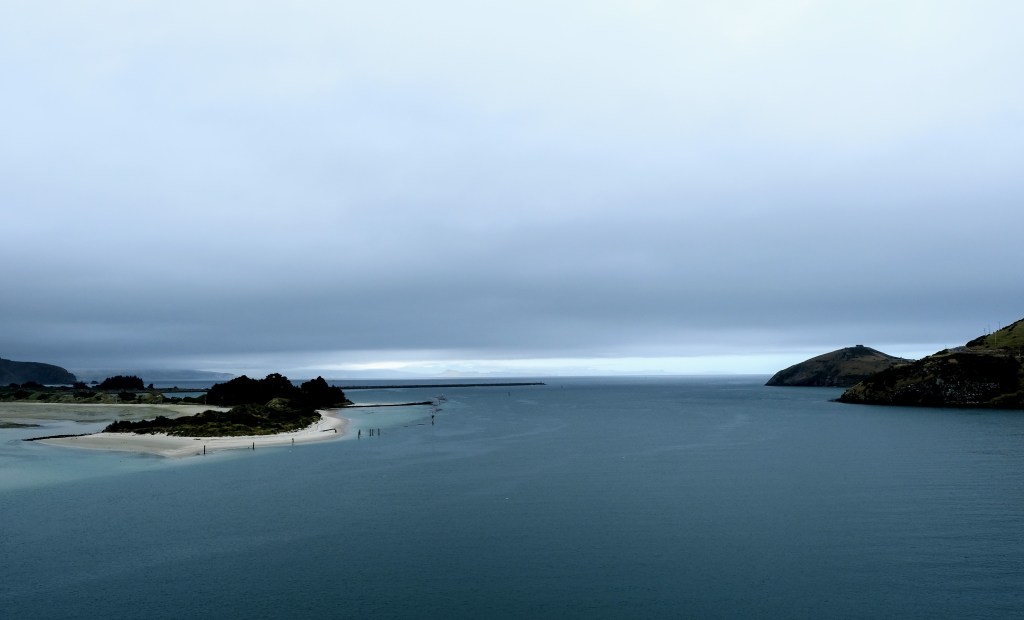
As we sailed away from Port Chalmers, we reflected back on the last 8 days in New Zealand. Starting in the Bay of Islands, we visited Auckland and Rotorua on the North Island. Due to unfavorable weather conditions, we missed the Art Deco city of Napier and sailed on to the capital city of Wellington. Arakoa, the gateway to Christchurch, was a delightful surprise, and our last NZ port of Dunedin is described above. All that remains for our time in New Zealand is a cruise through the Doubtful Sound, but that’s a story for tomorrow. For now, all we can is that we thoroughly enjoyed New Zealand, and look forward to coming back one day.

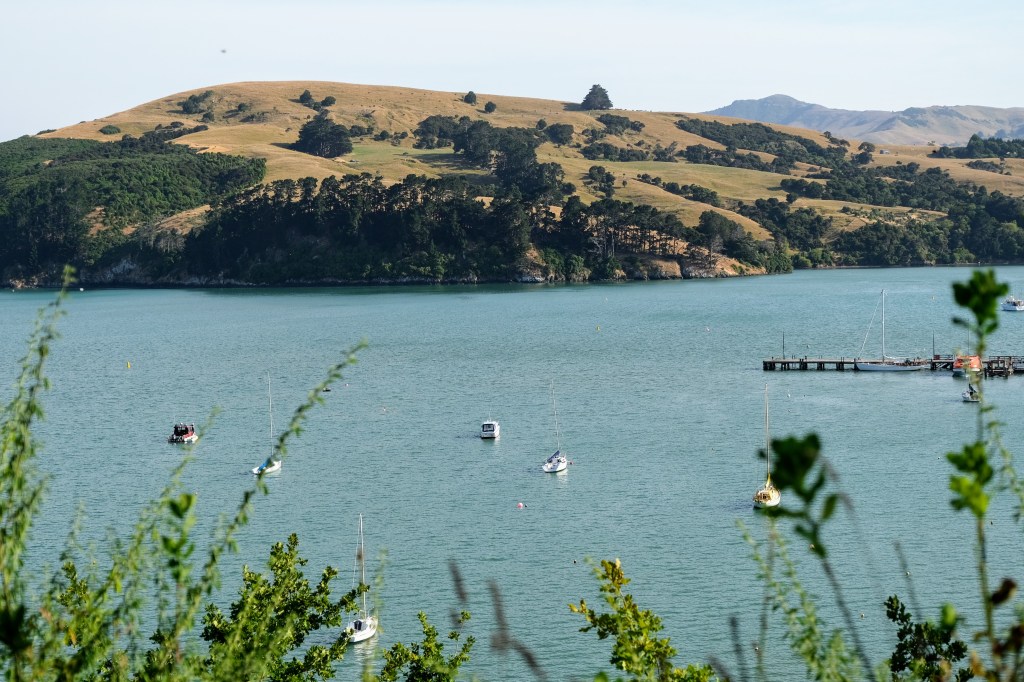
Akaroa…Tres Jolie!

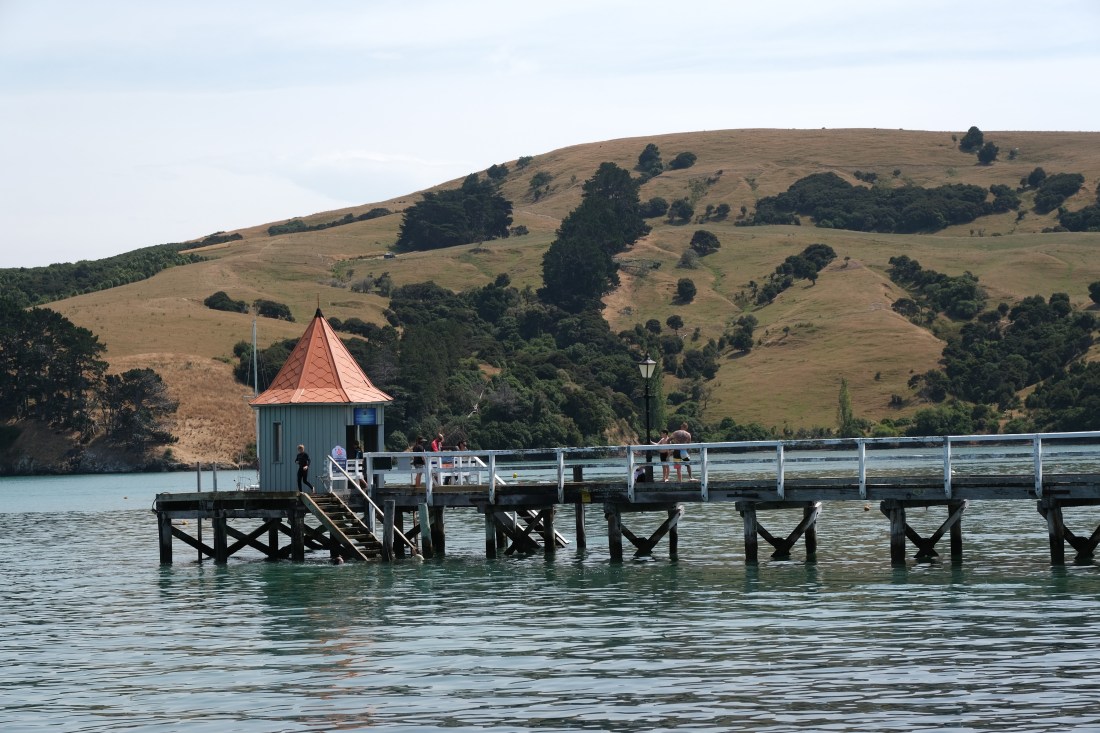
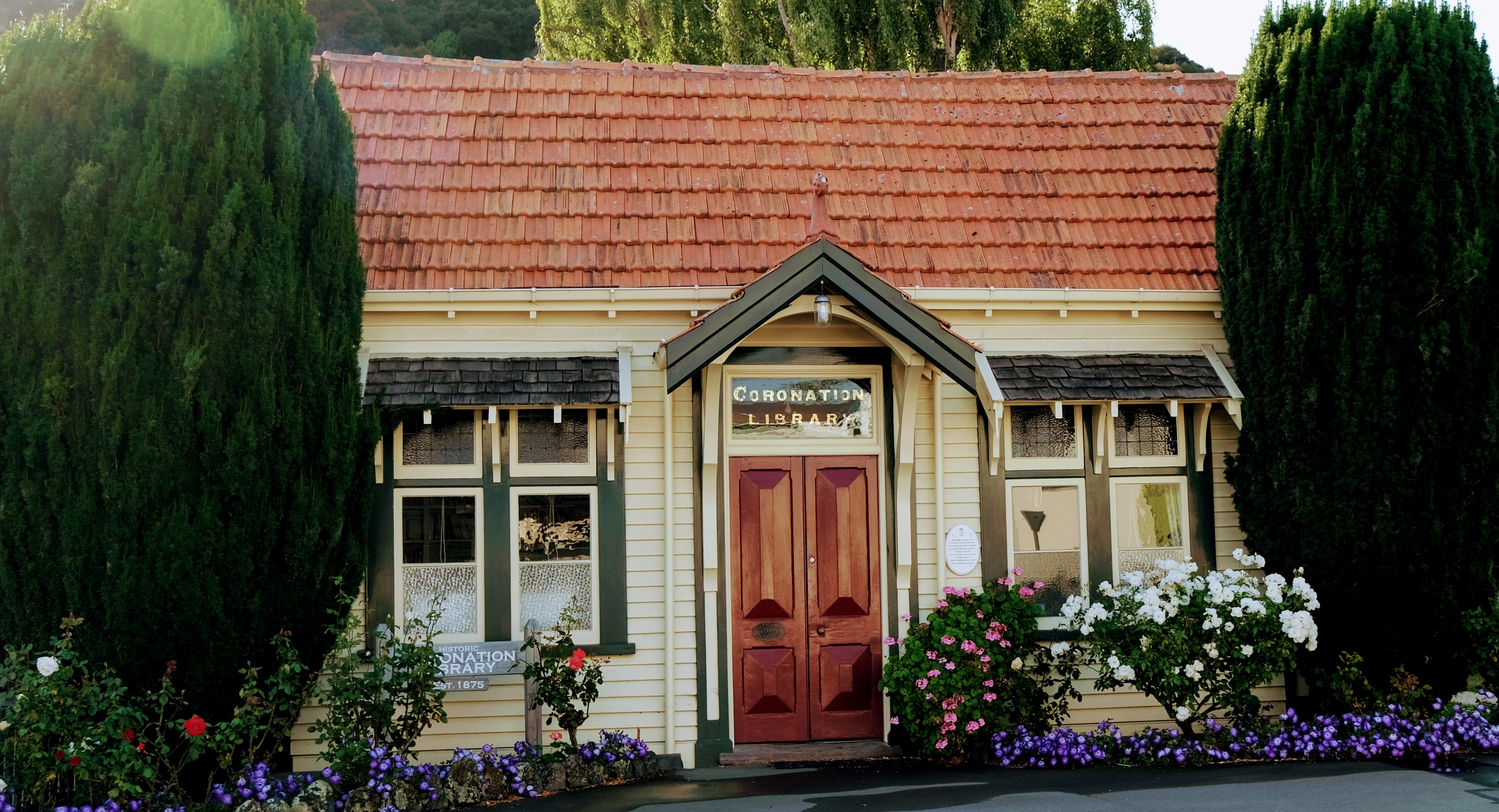
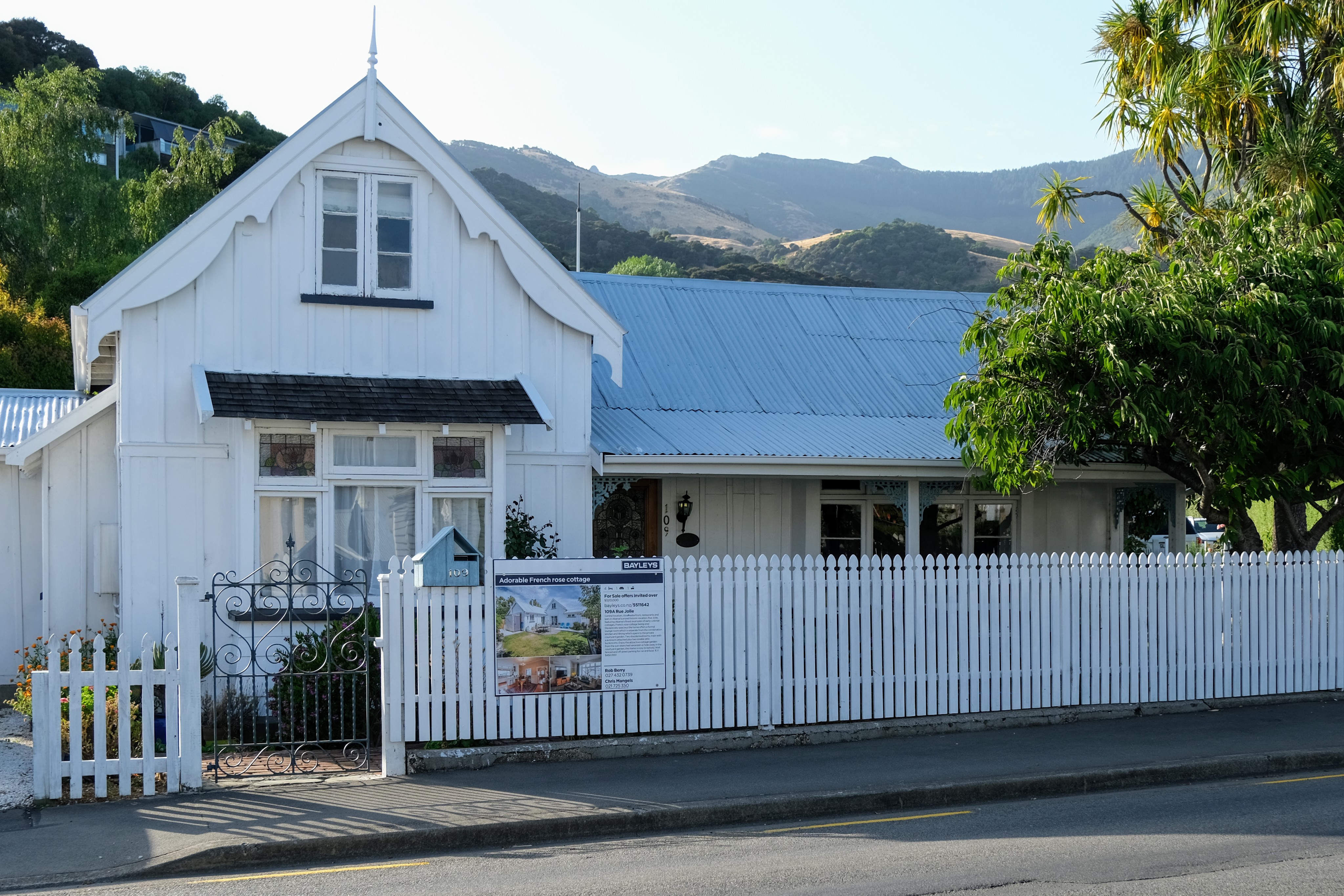
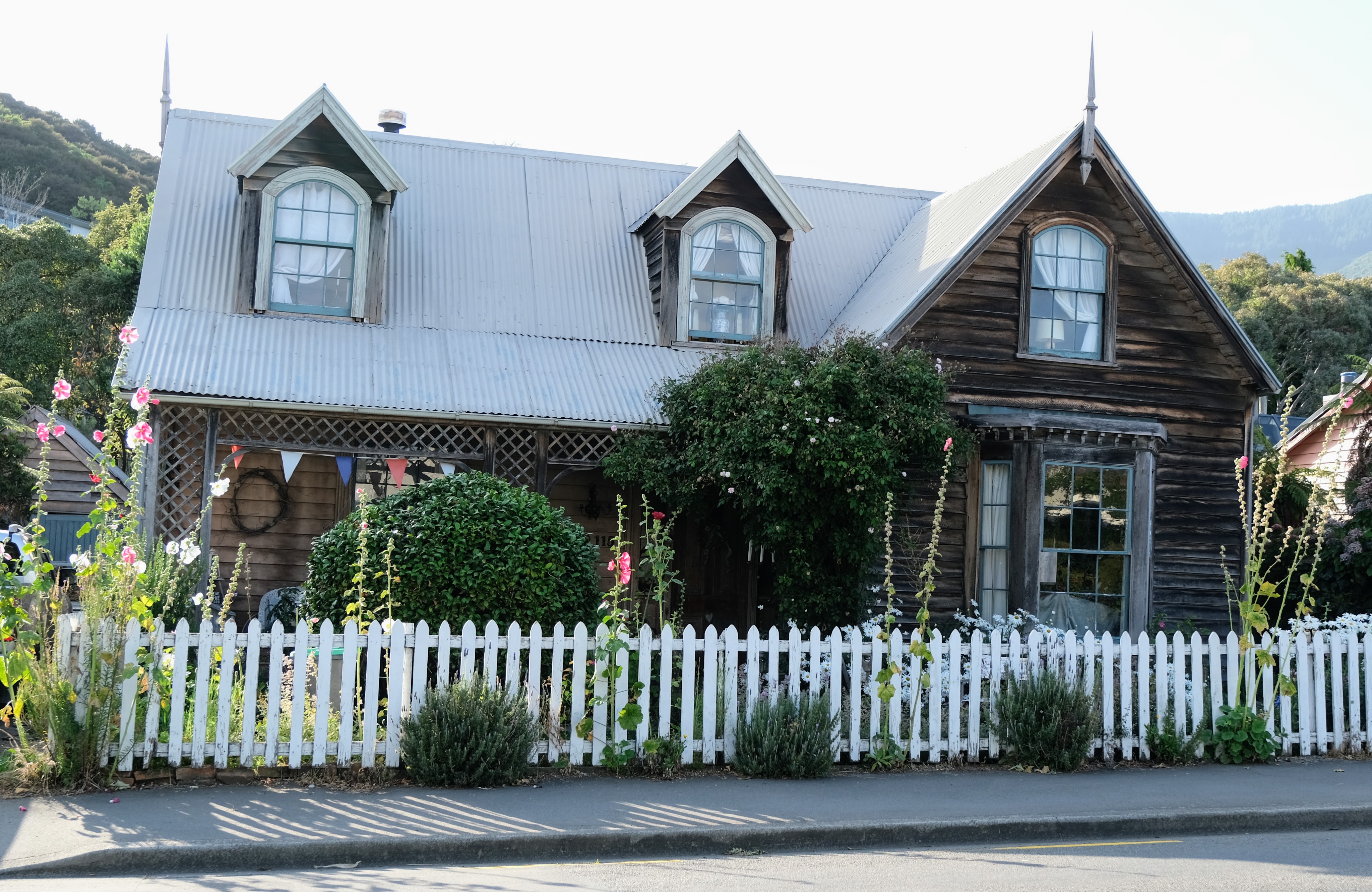
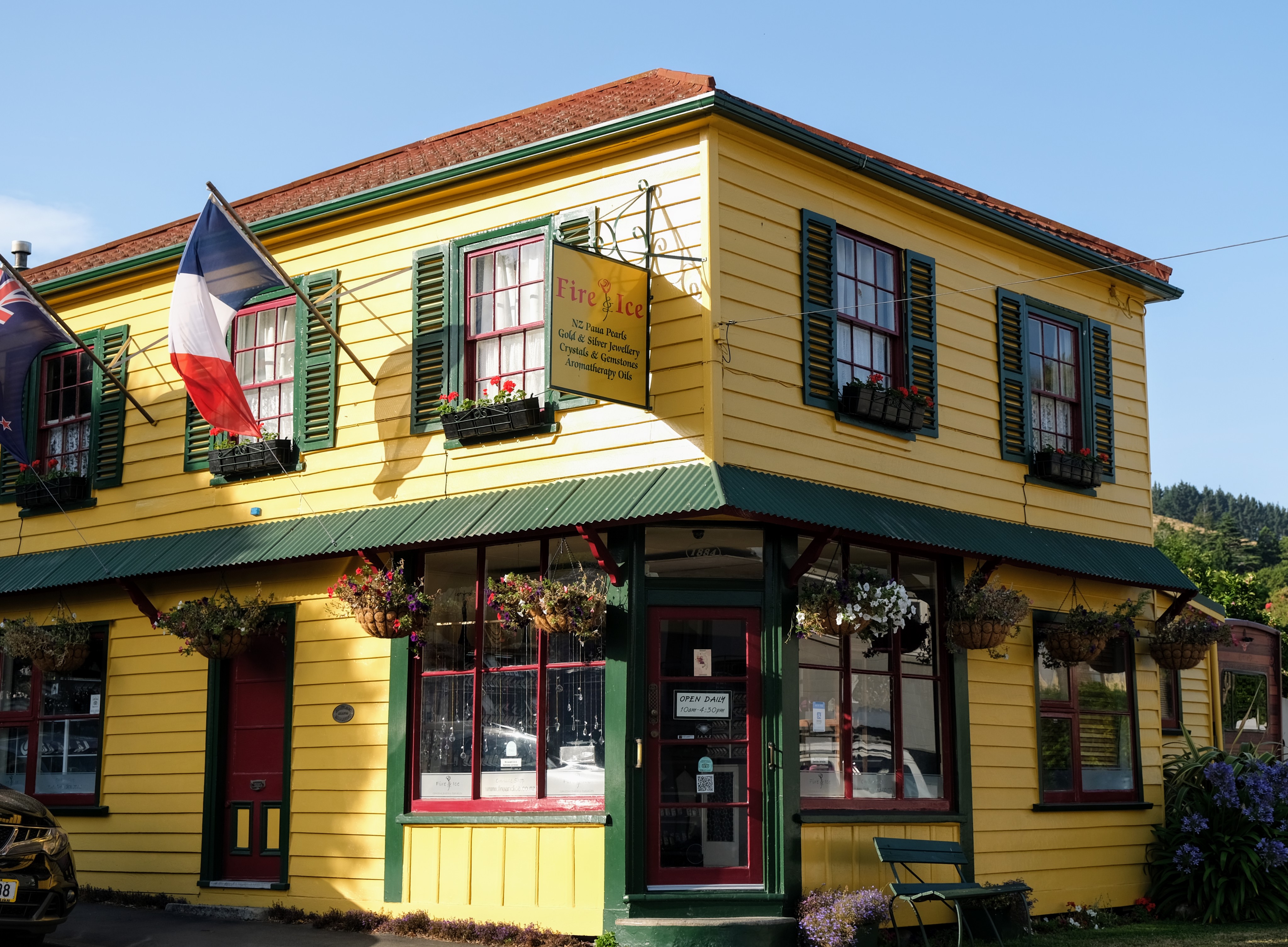
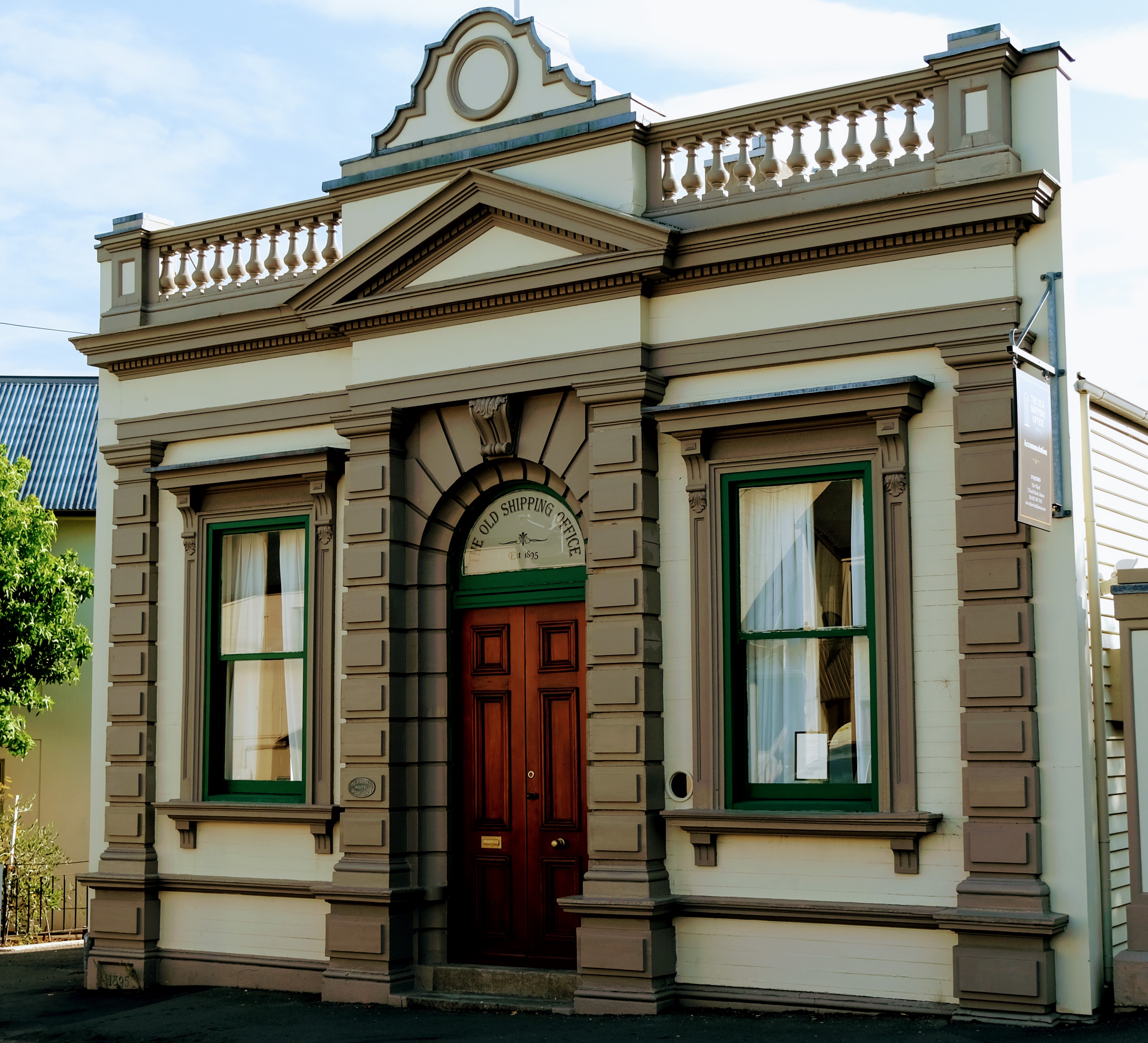
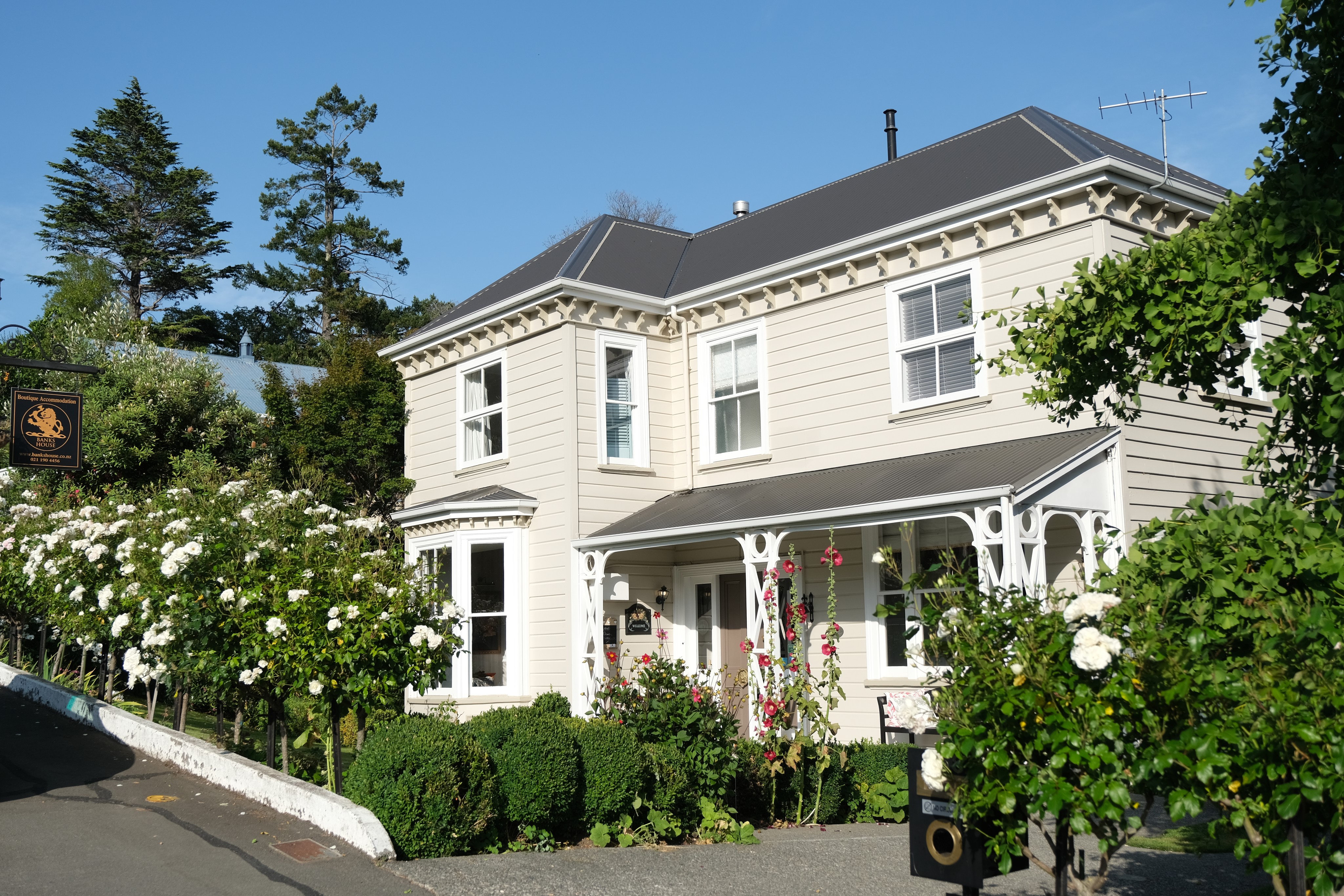
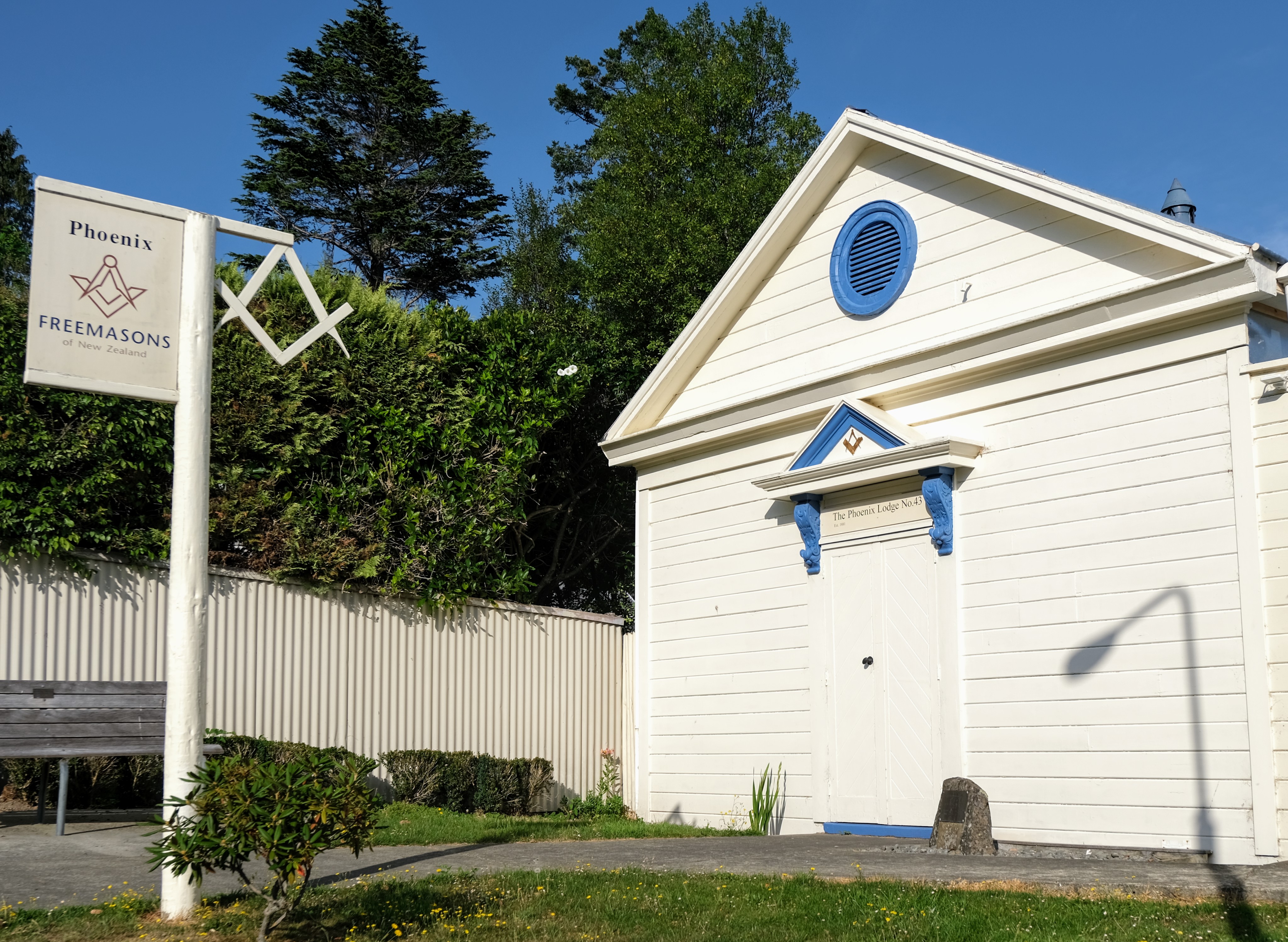
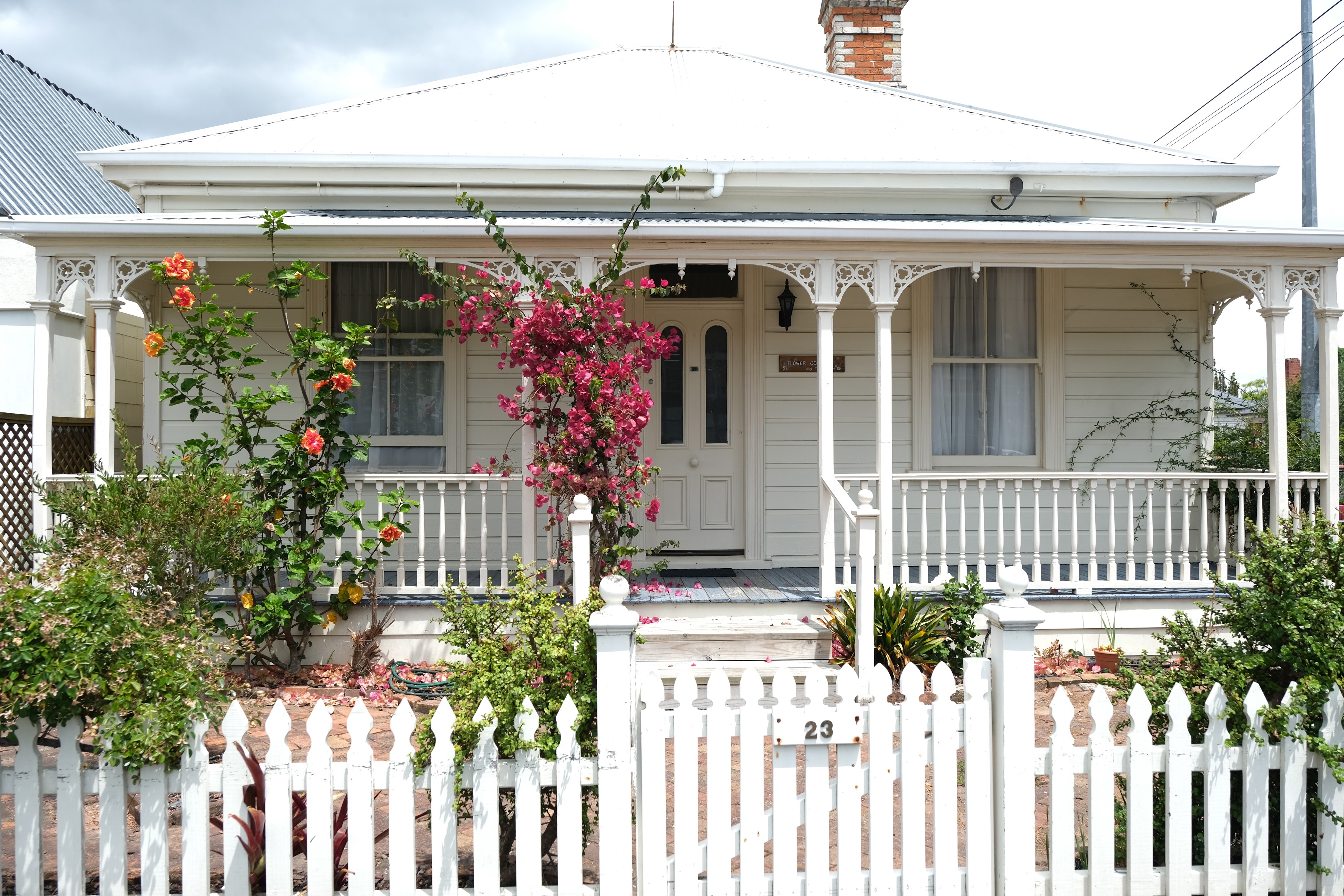
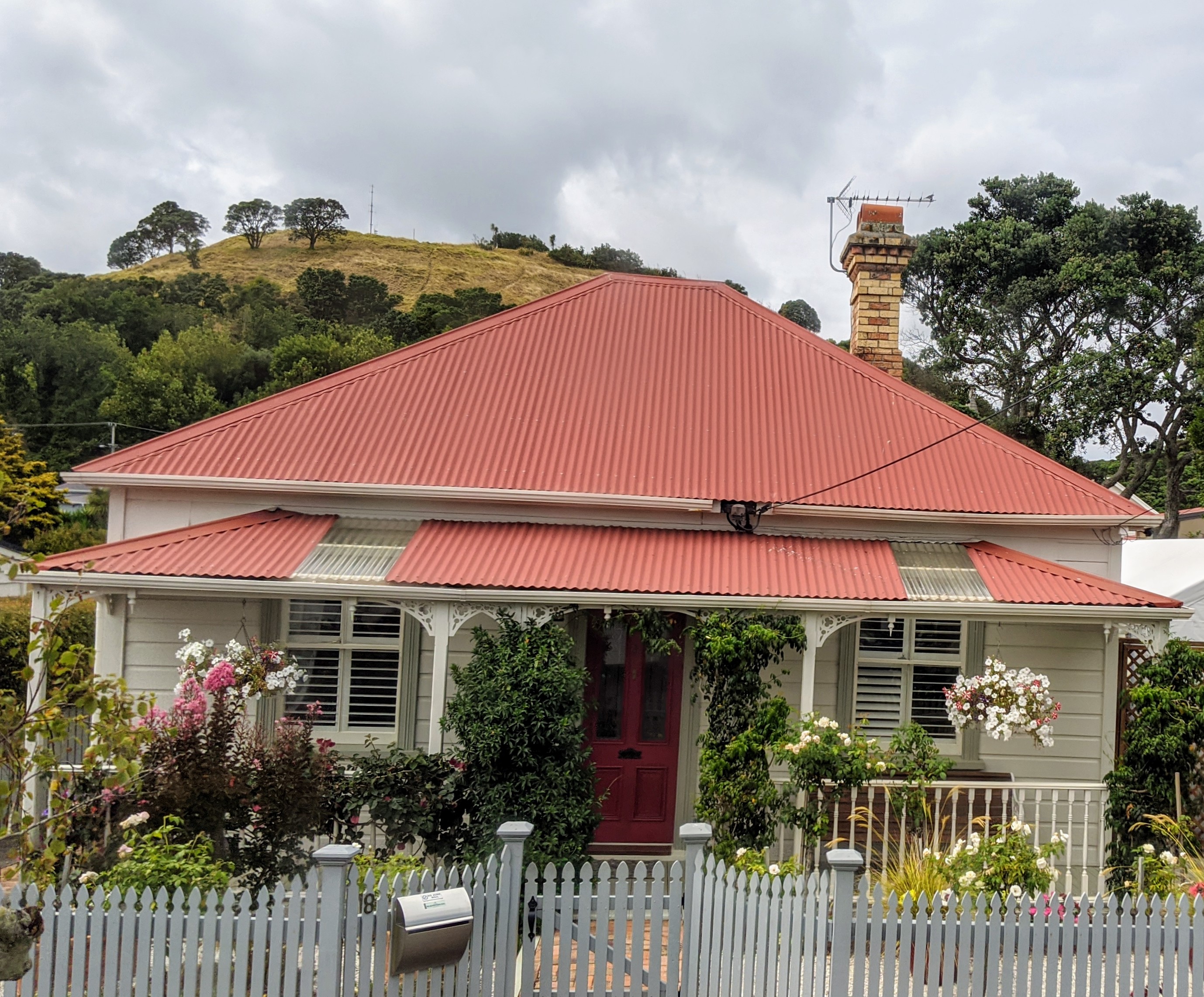
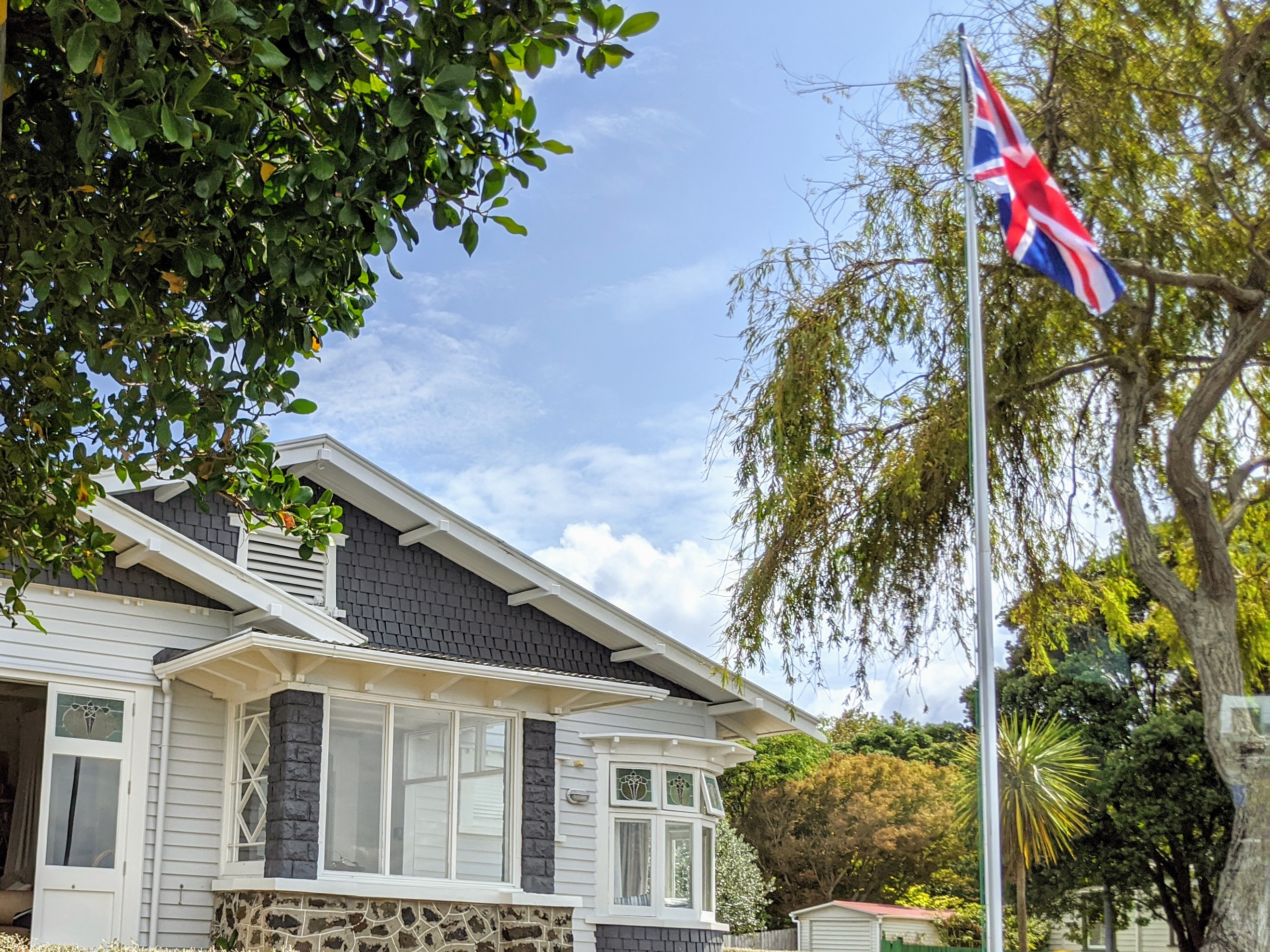
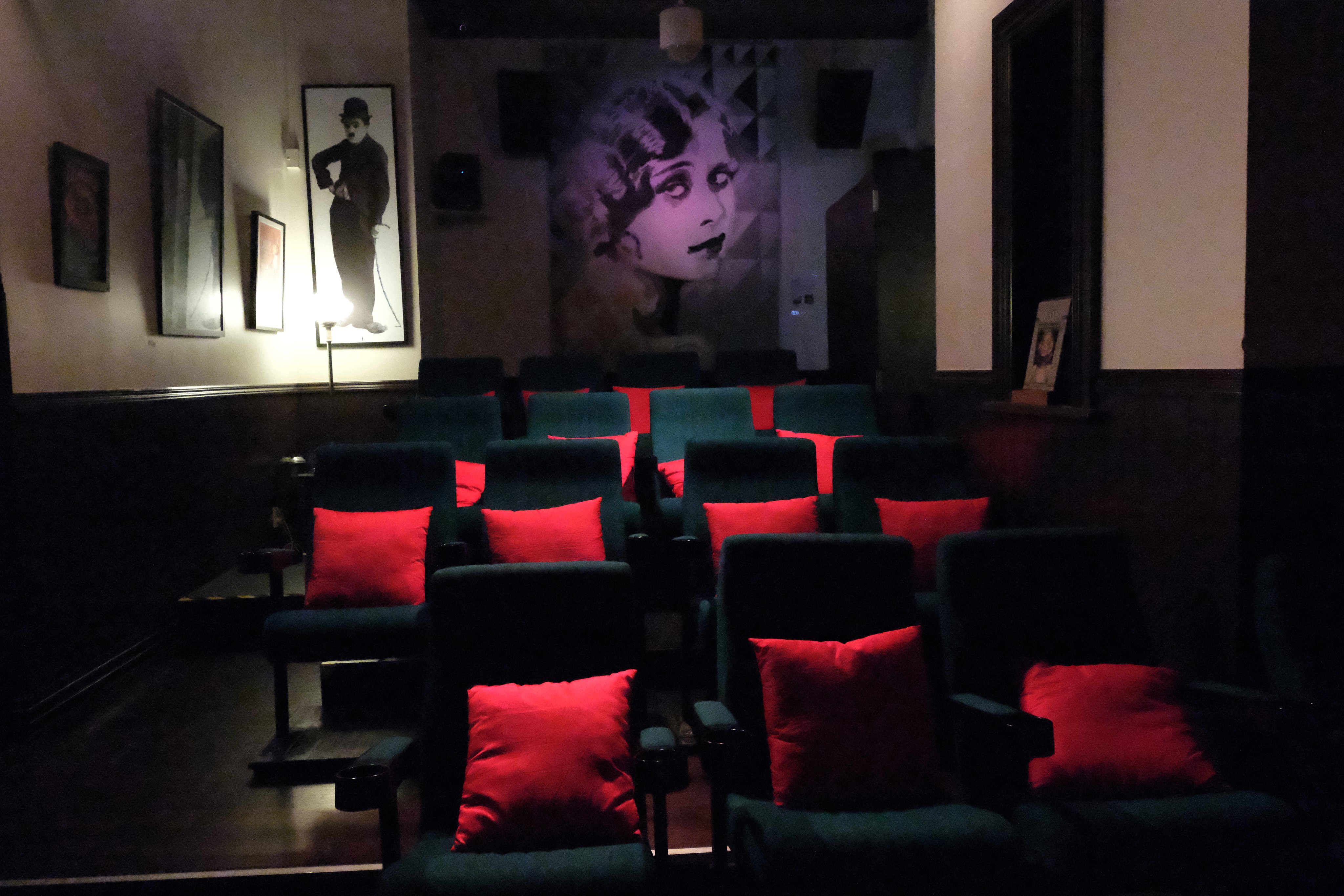
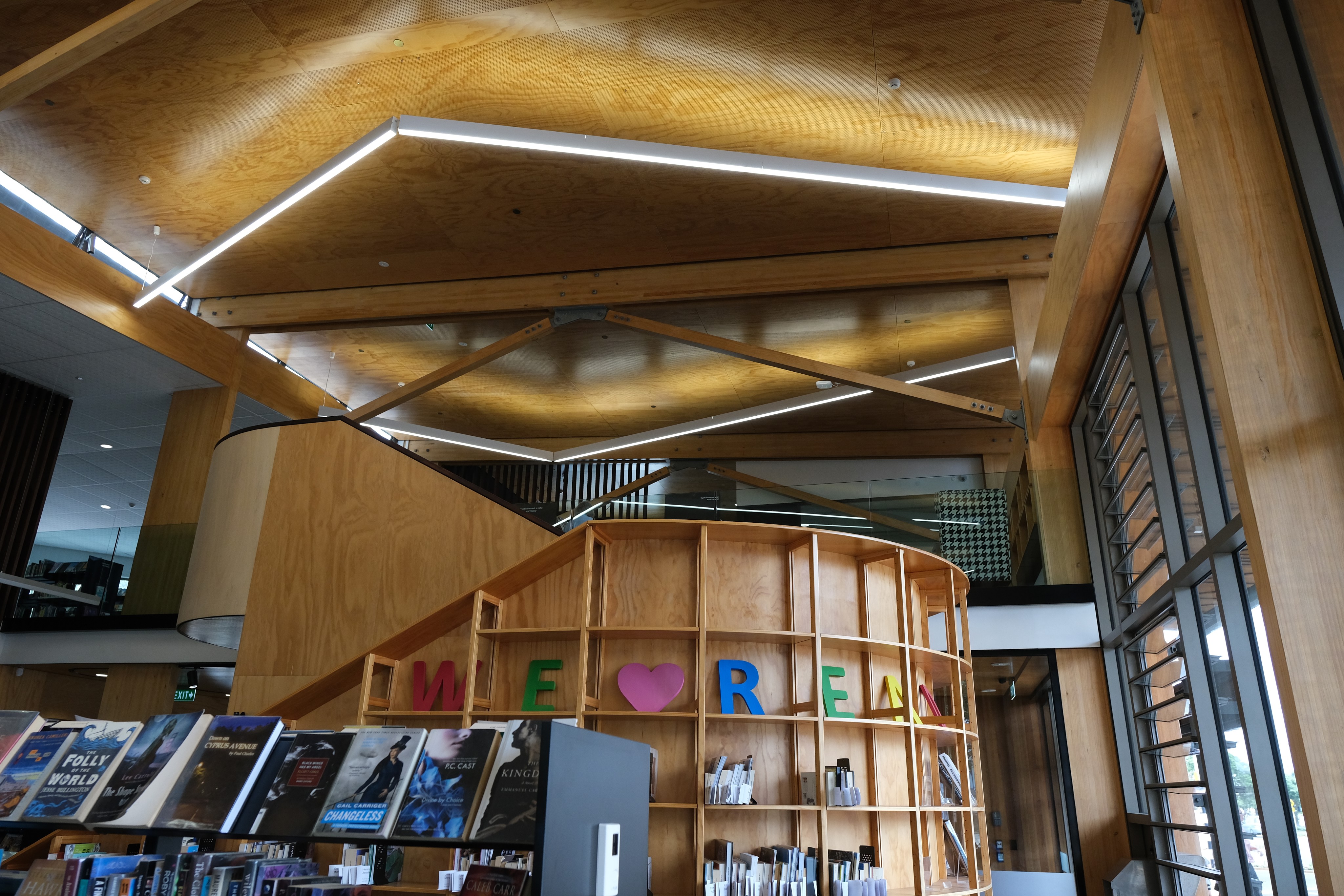
The Viking Sun anchored off the shore of Akaroa on the Banks Peninsula, South Island, New Zealand very early Sunday morning. Without a clear itinerary, Denise couldn’t resist exploring this tiny historic town from one end to the other. One of the first things she noticed is the number of buildings flying the flags of both New Zealand and France. It seems that this area was settled by both the British and the French in the 1830’s, and the influence of both countries is woven into the native Maori traditions to create a lovely blended culture with a definite French flair. Just off the main beach road is the sweet Rue Jolie, where the buildings could not be more charming. There’s an historic library, theater, private homes, B&Bs, shops, restaurants, a Masonic Lodge, and lots and lots of flowers.

We also encountered Doug…not Doug the timeless-traveler, but a large wooden bear on display on the front lawn of a private residence. Doug’s sign reads “My name is DOUGLAS W. I’m carved from a 135 year old redwood tree I’m 3 m tall and 250 kg. I love to have my photo taken but please stay off the property unless you ask permission. When posting your picture, #douglaswakaroa. We love to see where he ends up.”

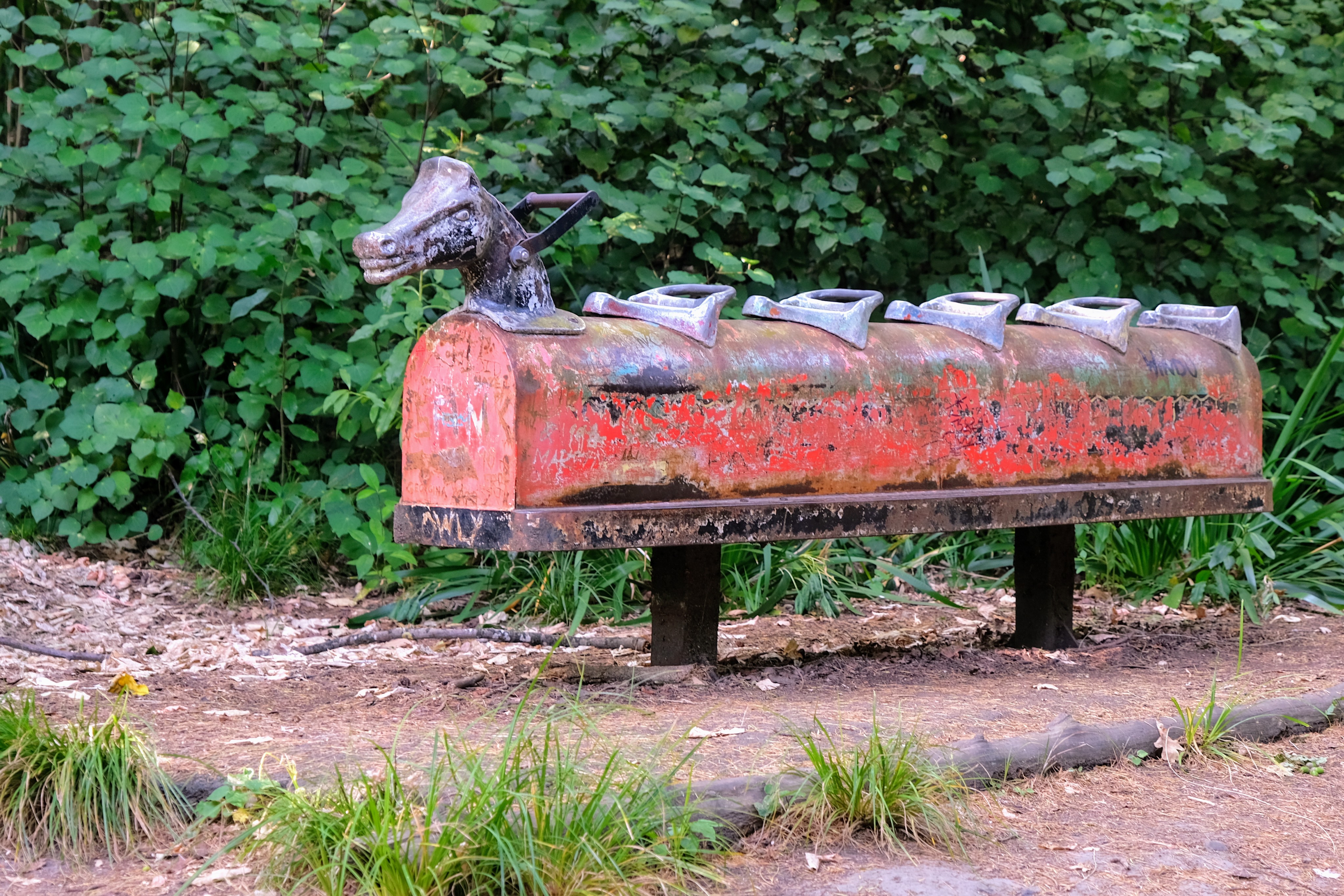
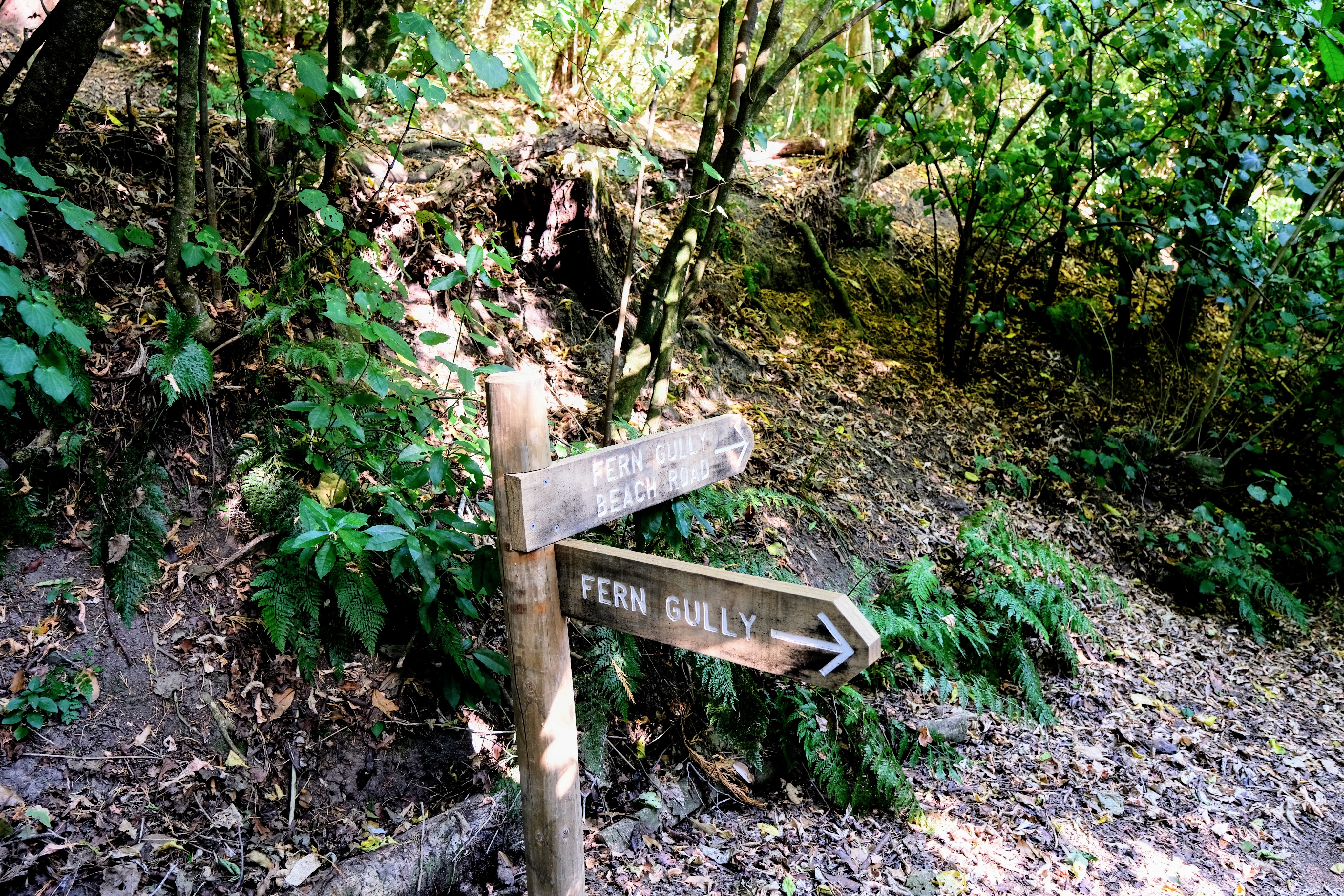
Rue Jolie dead-ends at an iron gate which reads “Garden of Tane.” Although closed to vehicular traffic, the gate is open to walkers, and it looked very beautiful and inviting. According to a plaque at the entrance, the Garden of Tane Scenic Reserve started in July 1874. Over the years, many exotic trees were planted, creating a veritable arboretum, but after World War I the garden fell into disrepair. In 1964, farmer and environmentalist Arthur Ericson retired to Akaroa and over 25 years made significant improvements including planting over 200 species of native plants to complement the mature exotic tree specimens within the park. He also built a children’s playground including the “iron rocking horse” pictured below. Today the garden continues to benefit from the efforts of countless volunteers. It’s a “place of peace and shade, birdsong and mystery where lucky visitors are treated to a variety of hiking paths, the song of native birds, vistas of the harbour, a playground, and this beautiful bush reserve in the midst of Akaroa.” It was definitely a highlight of Denise’s morning, as she stopped and sat in the shade on one of the park benches to rest and finish a book. If you ever get to Akaroa, make some time for the Garden of Tane.

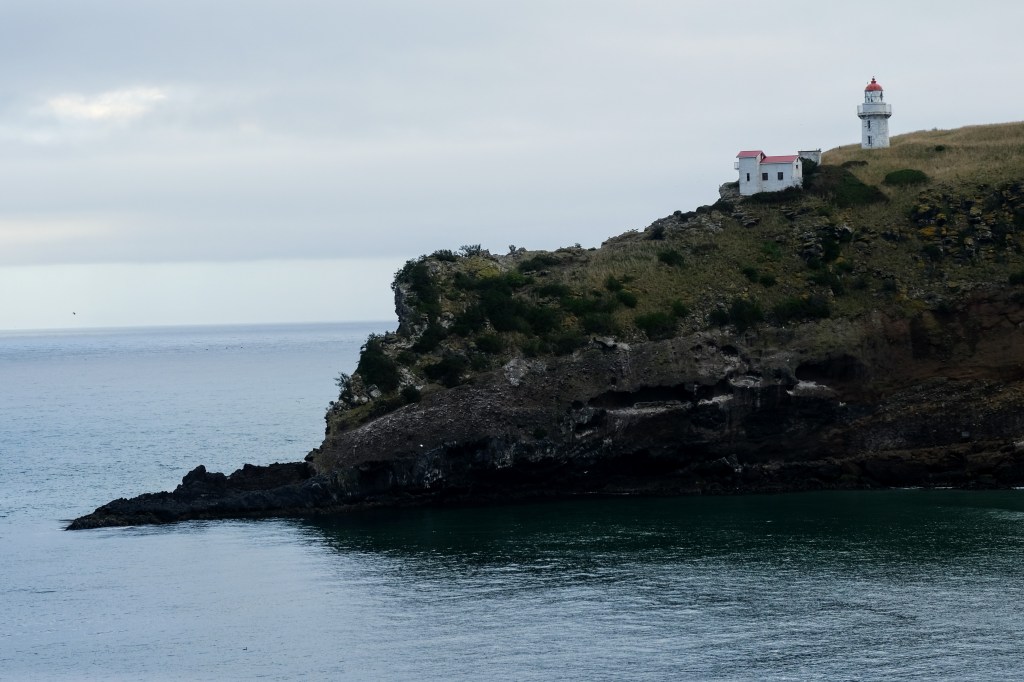
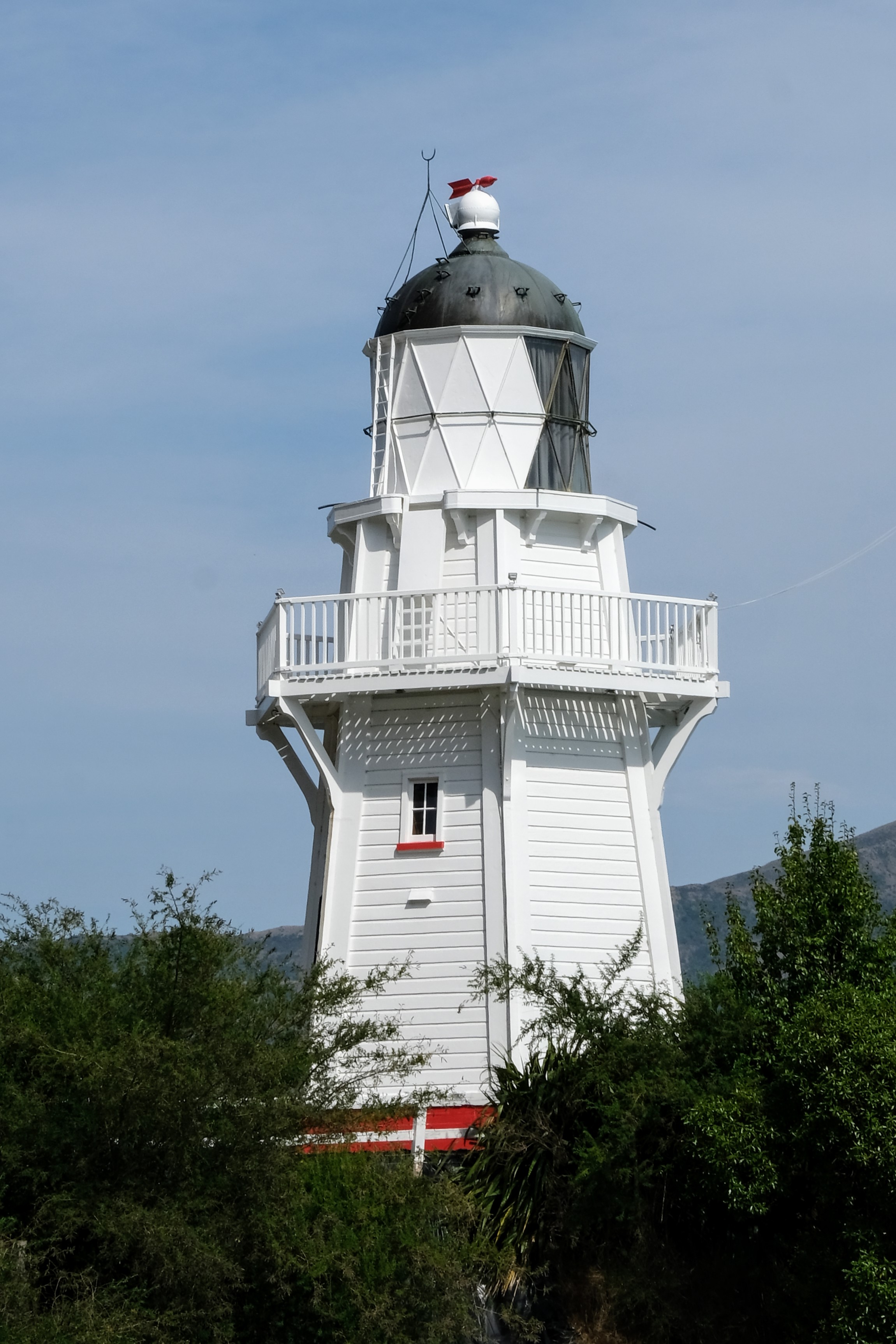
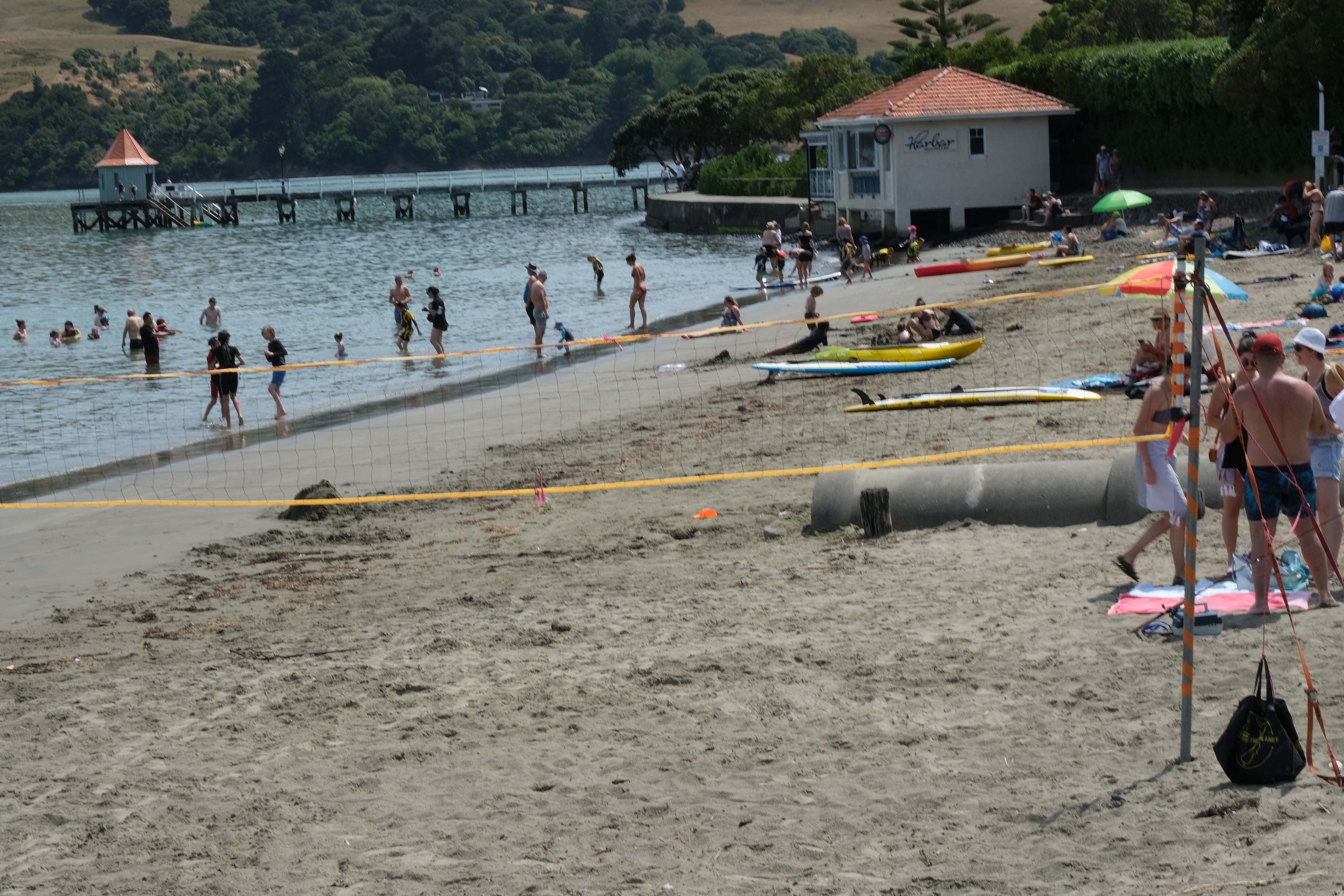
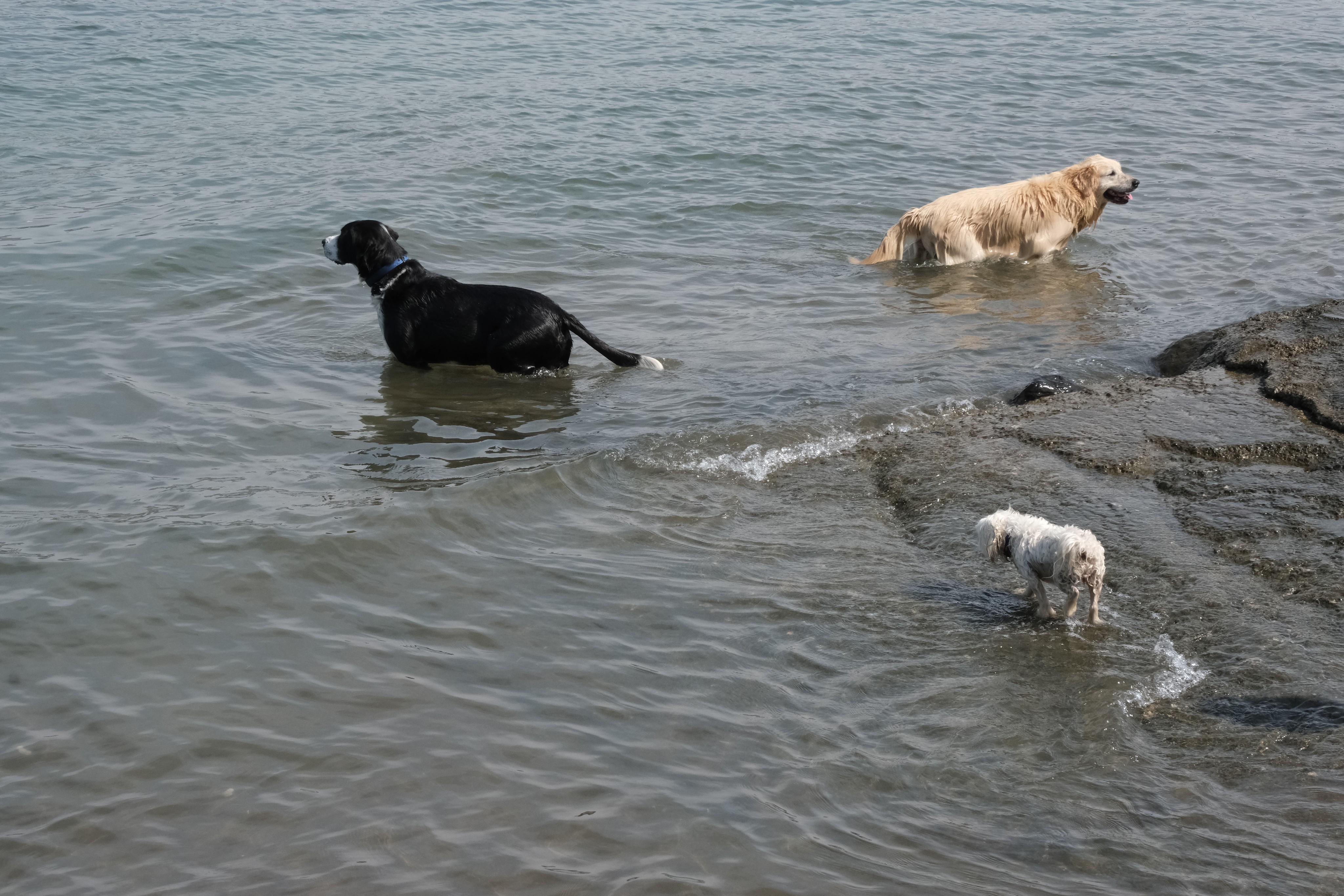
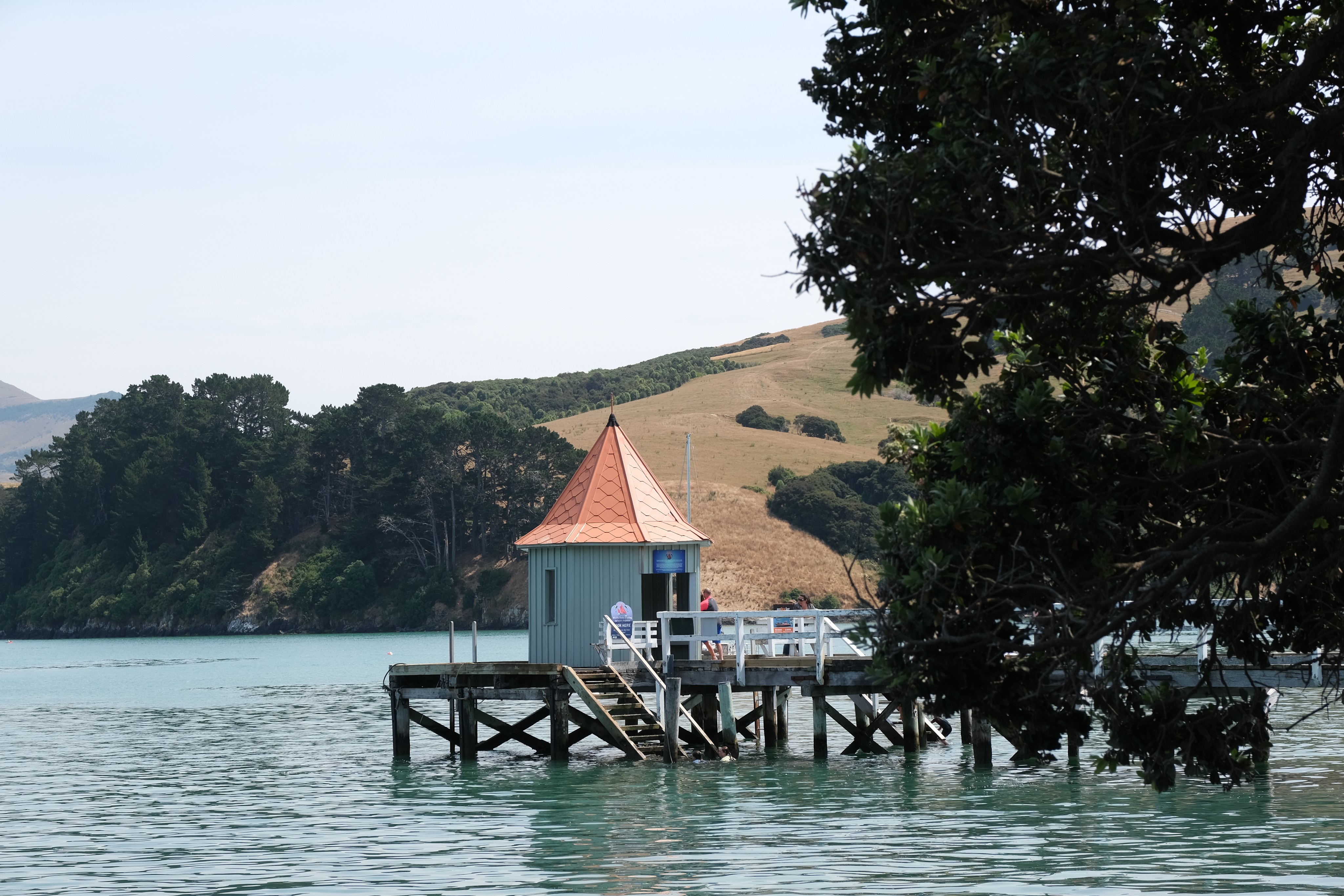
The temperature rose throughout the day, reaching a high of 97 degrees, but the gentle breeze along the harbor provided some welcome relief. A wooden lighthouse, built in 1800, lights the west end of the harbor, and a War Memorial stands tall at the east end to commemorate the New Zealand soldiers who made the ultimate sacrifice. In between, people (and dogs!) could be seen enjoying a variety of water sports from the beach and wharf.

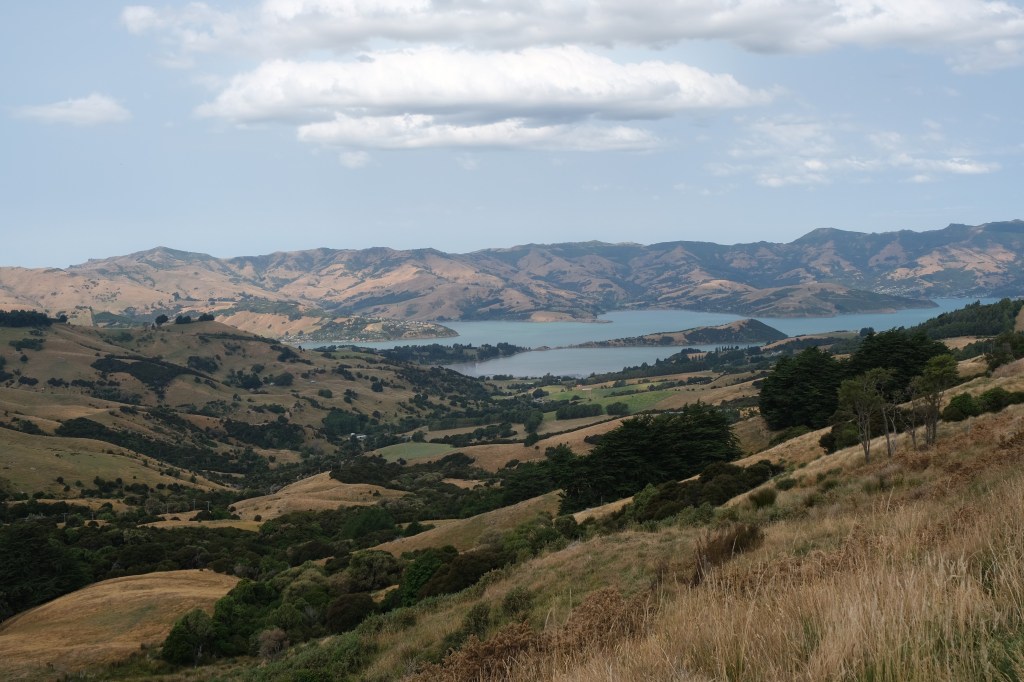
Before we set sail from Akaroa, we got to take a scenic drive along the rest of the Banks Peninsula and the scenic Takamuta, Robinsons, and Duvachelle Bays. The breathtaking views will be beautiful reminders of a really lovely day in Akaroa, New Zealand.

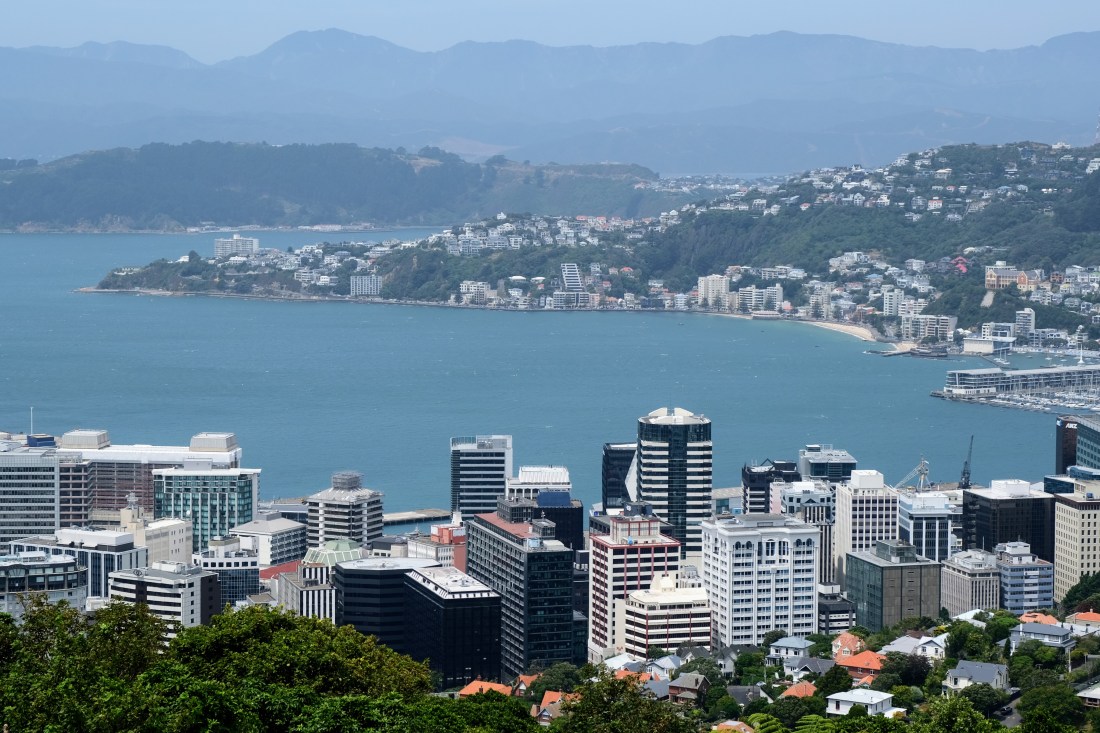
Windy Wellington

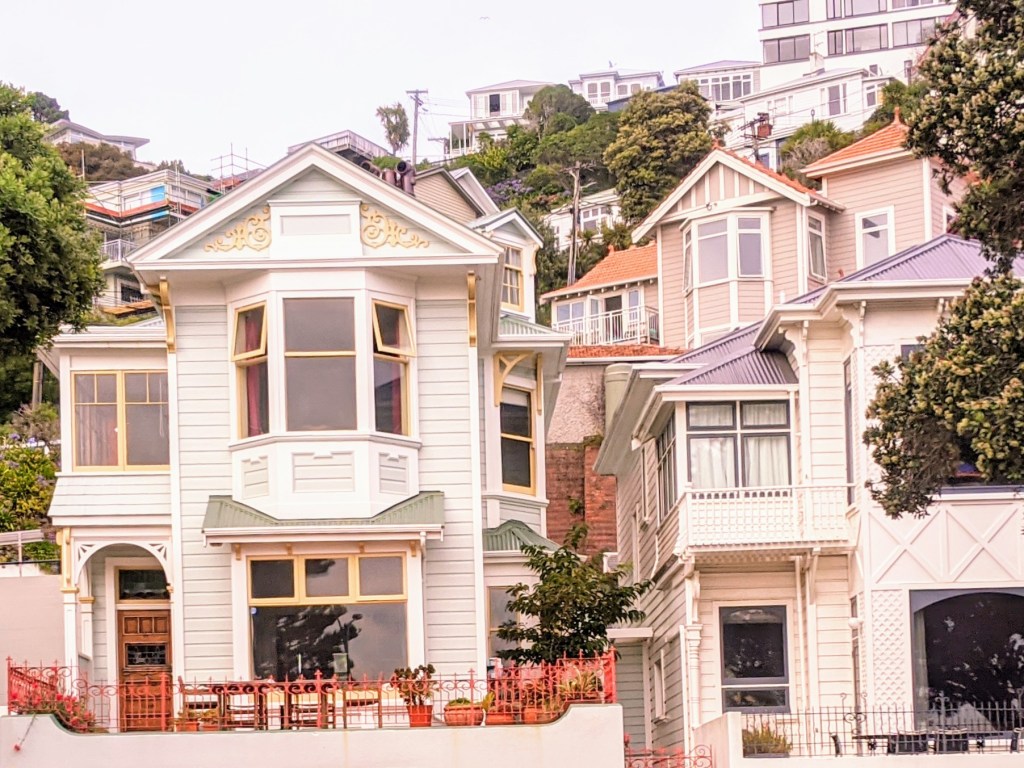
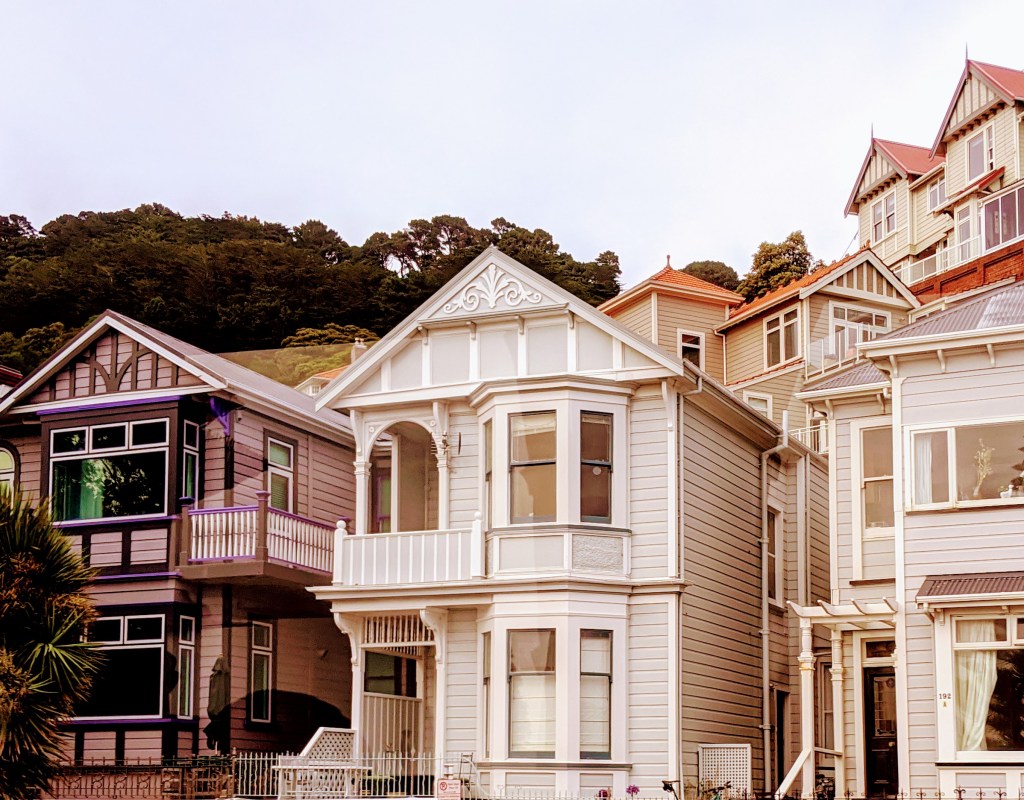
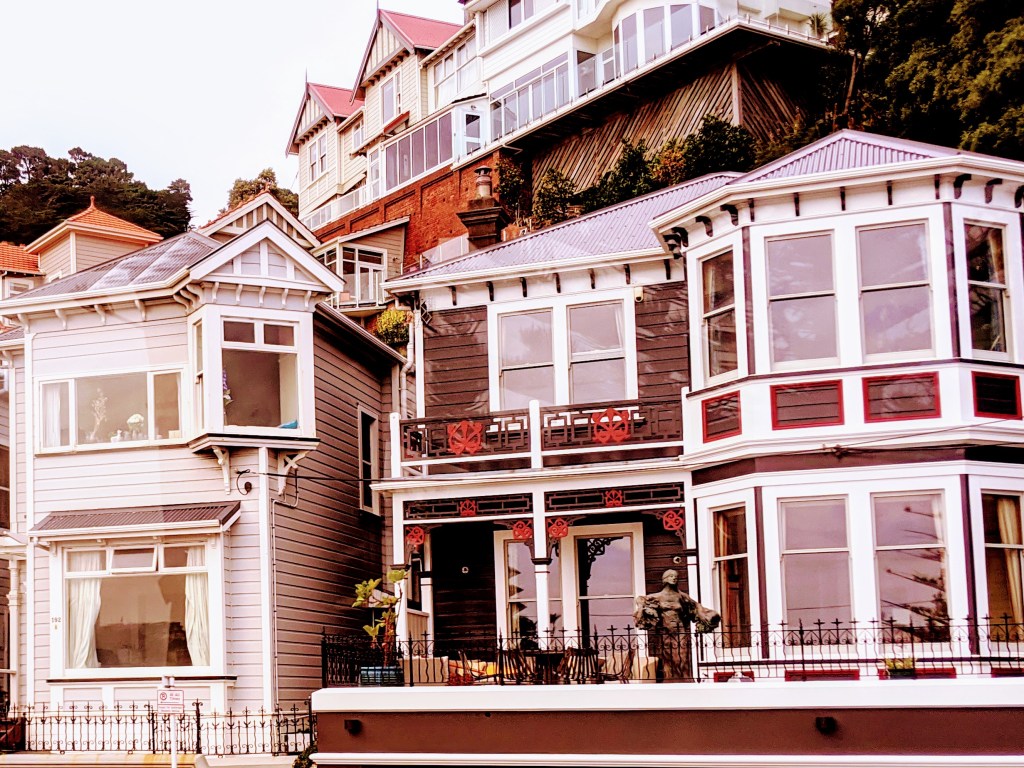
With its waterfront promenade, chic residents, colorful cable cars, iconic landmarks, fascinating history, beautiful botanical gardens. sandy beaches, hilly streets, strenuous hiking paths, working harbor, world class museums, colorful Victorian houses, and spectacular views of the Cook Strait and Rimukata Range, Wellington, the capital of New Zealand, reminds us of San Francisco, a city we have always loved. A noticeable haze, created by the recent wildfires in Australia, brings to mind the fog that often engulfs San Francisco. Wellington sits near the North Island’s southernmost point on the Cook Strait. Strong winds through the Cook Strait give it the nickname “Windy Wellington.” We started our day with a guided tour that allowed us to explore the rich architectural history and cultural heritage of this wonderful city. Winding our way through the bustling port and metropolitan area, we were struck by the attention Wellingtonians have given to creating an architecturally rich city. Wellington’s “Seven Sisters” are a beautiful example of a New Zealand interpretation of San Franciscan terrace housing. These houses were all designed by Joshua Charlesworth, a prominent local architect. They are highly visible from Oriental Parade, and contribute significantly to the streetscape. The varied designs contribute significantly to the value, character, and sense of place on Oriental Parade.

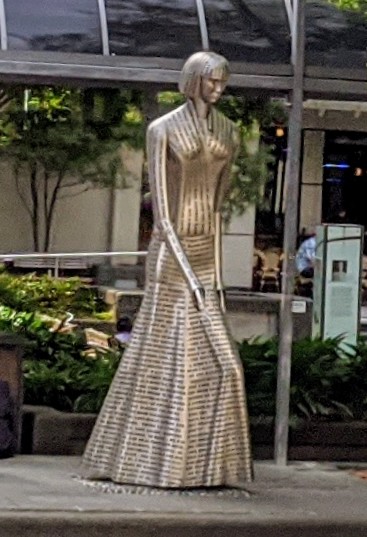
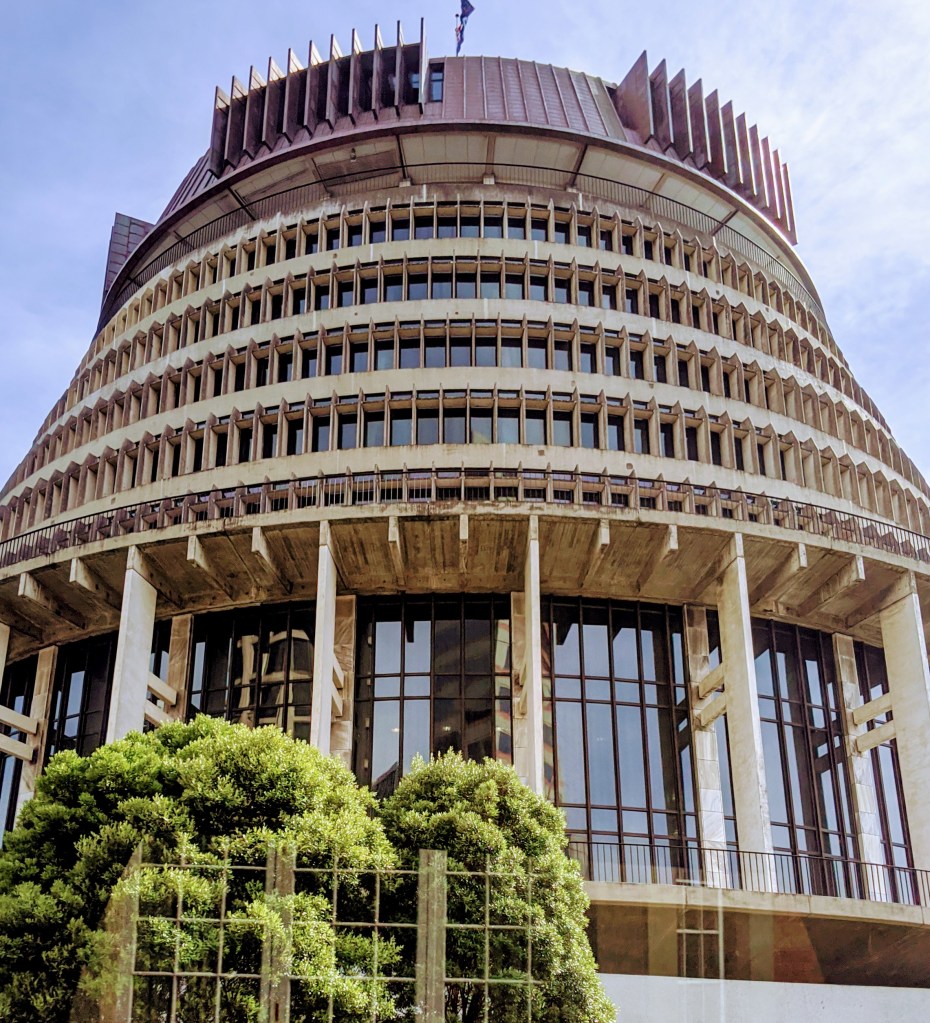
New Zealand’s Parliament has several impressive buildings, including Parliament’s Executive Wing known as the “Beehive” due to its shape. Wellington also has many small, interesting urban parks. A fairly recent addition to Midland Park (2016) is “Woman of Words,” which celebrates the life and work of renowned New Zealand writer Katherine Mansfield. The stainless steel figurative work is entirely laser cut with quotations from Mansfield’s journals and short stories. During the day the sculpture reflects the color, movement and ambiance of the surrounding area. At night, illuminated from within, the work becomes a lantern of silhouetted words. Many of Wellington’s beautiful historic buildings have been re-purposed for more modern use.

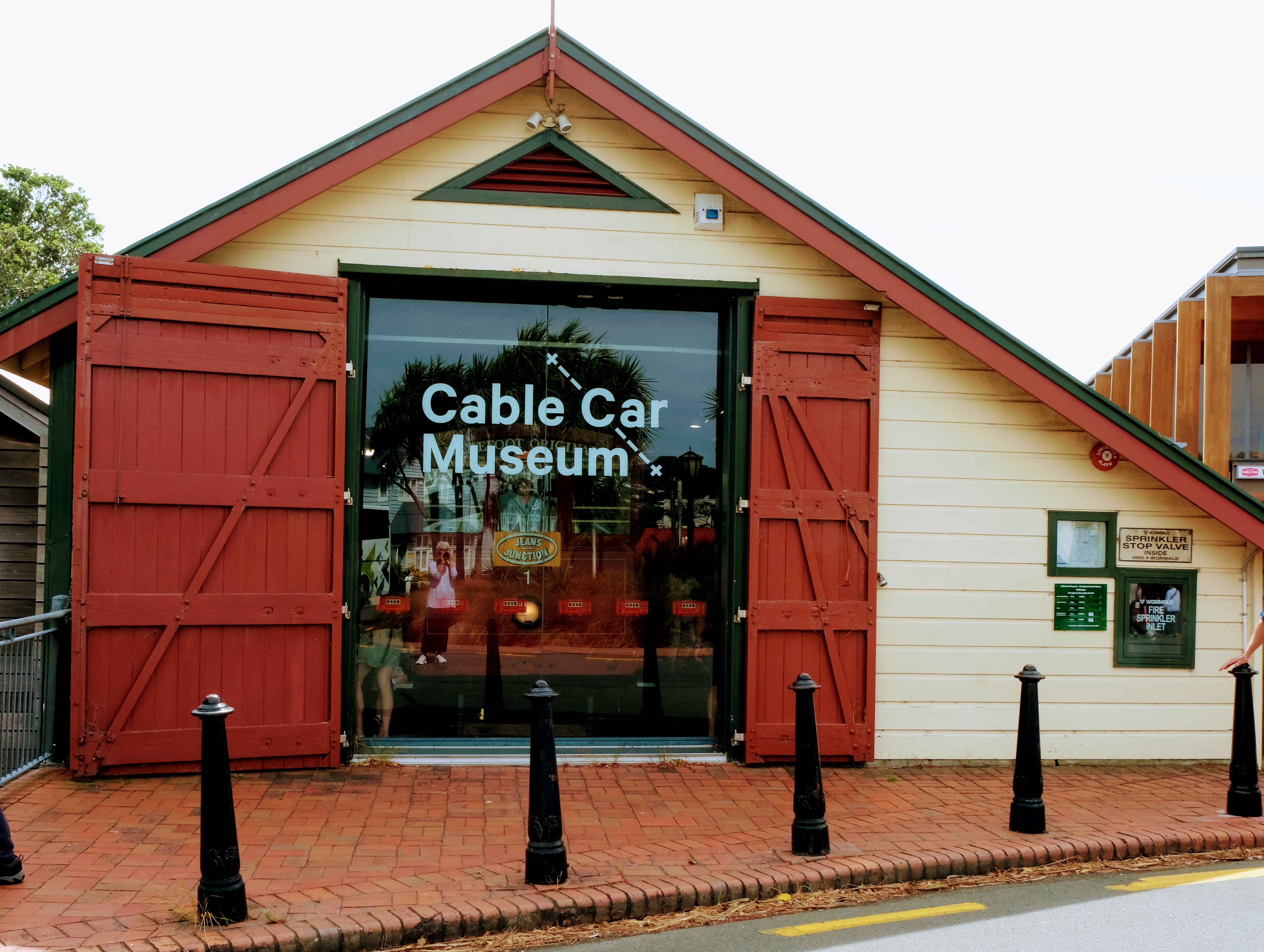
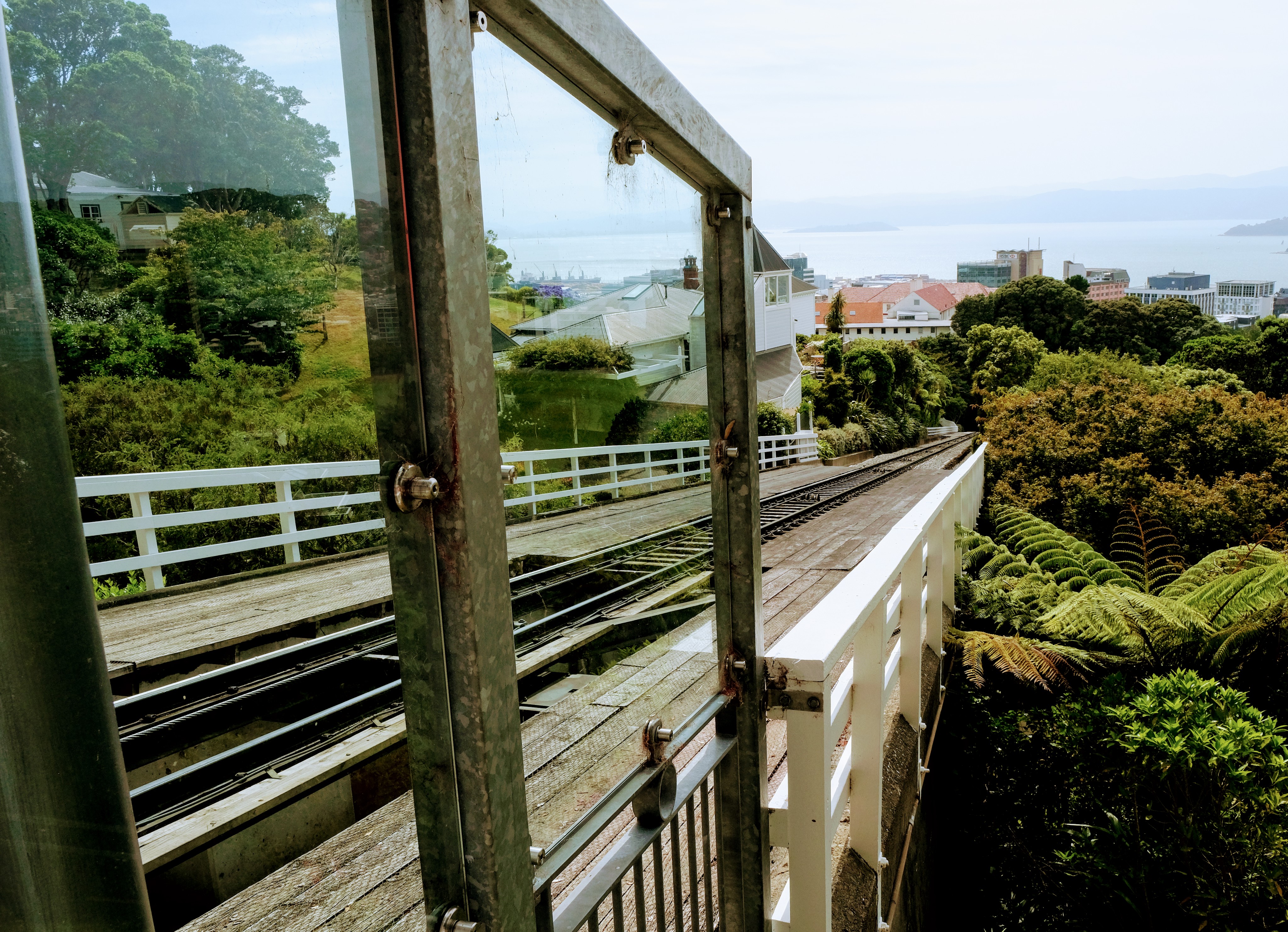
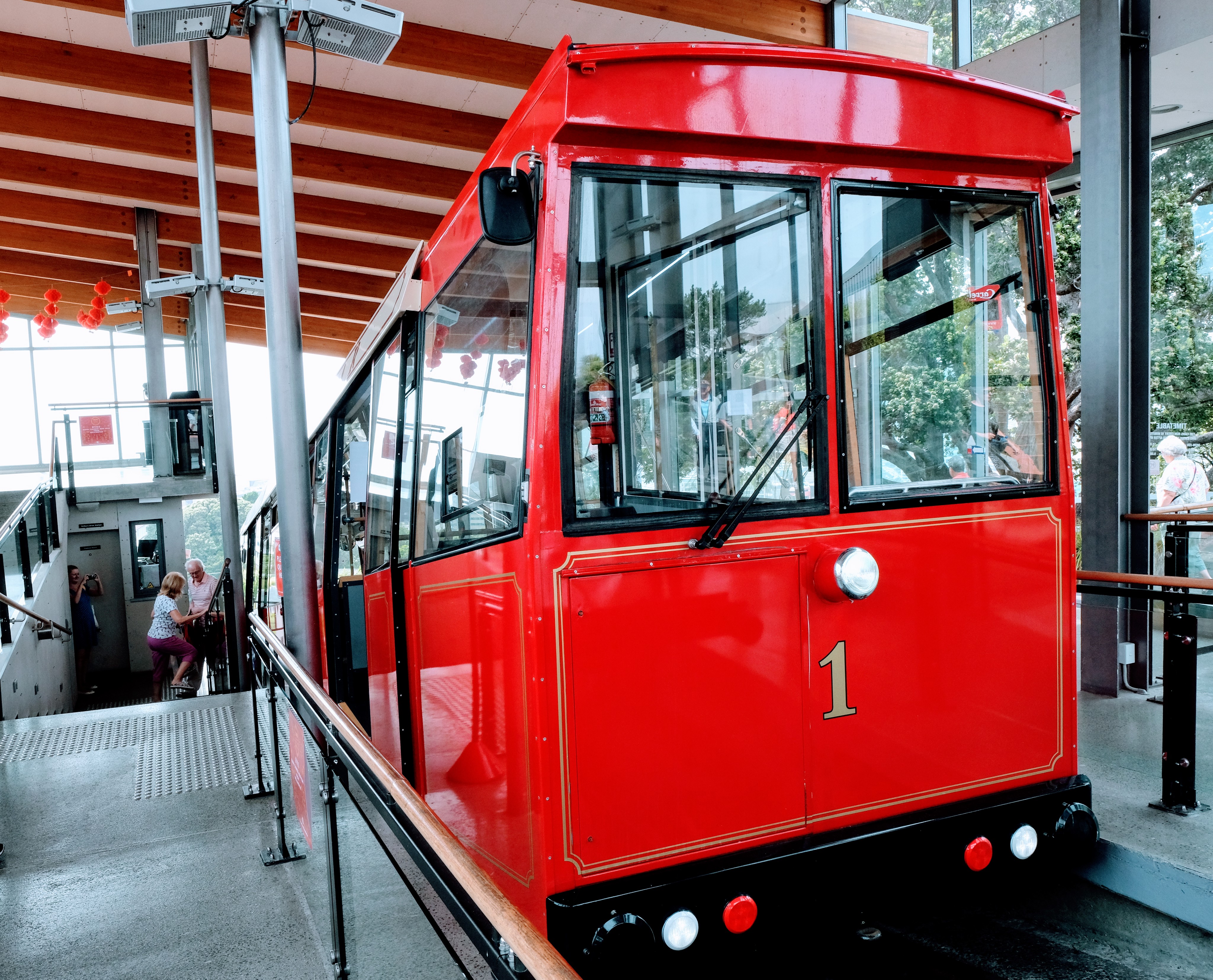
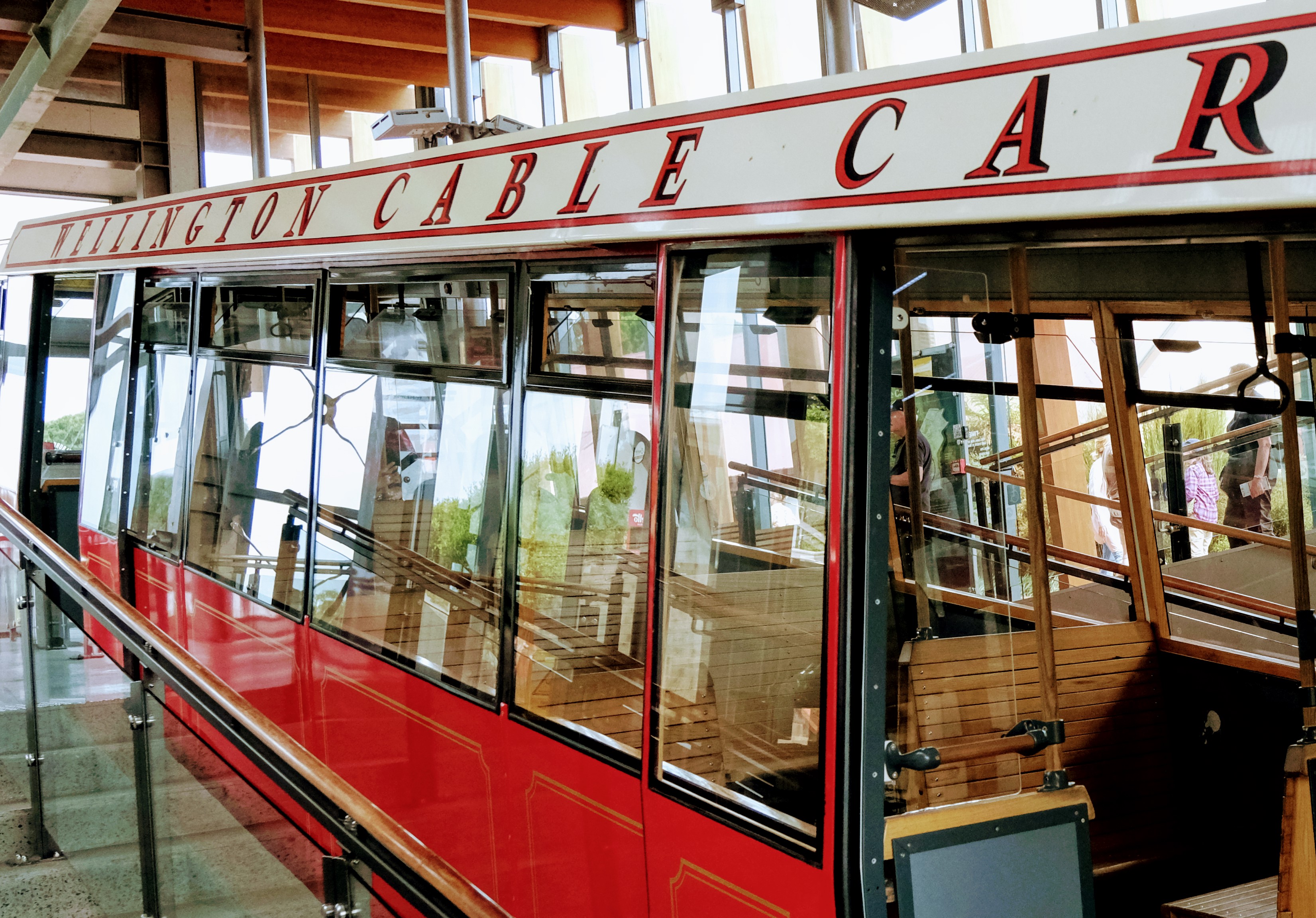
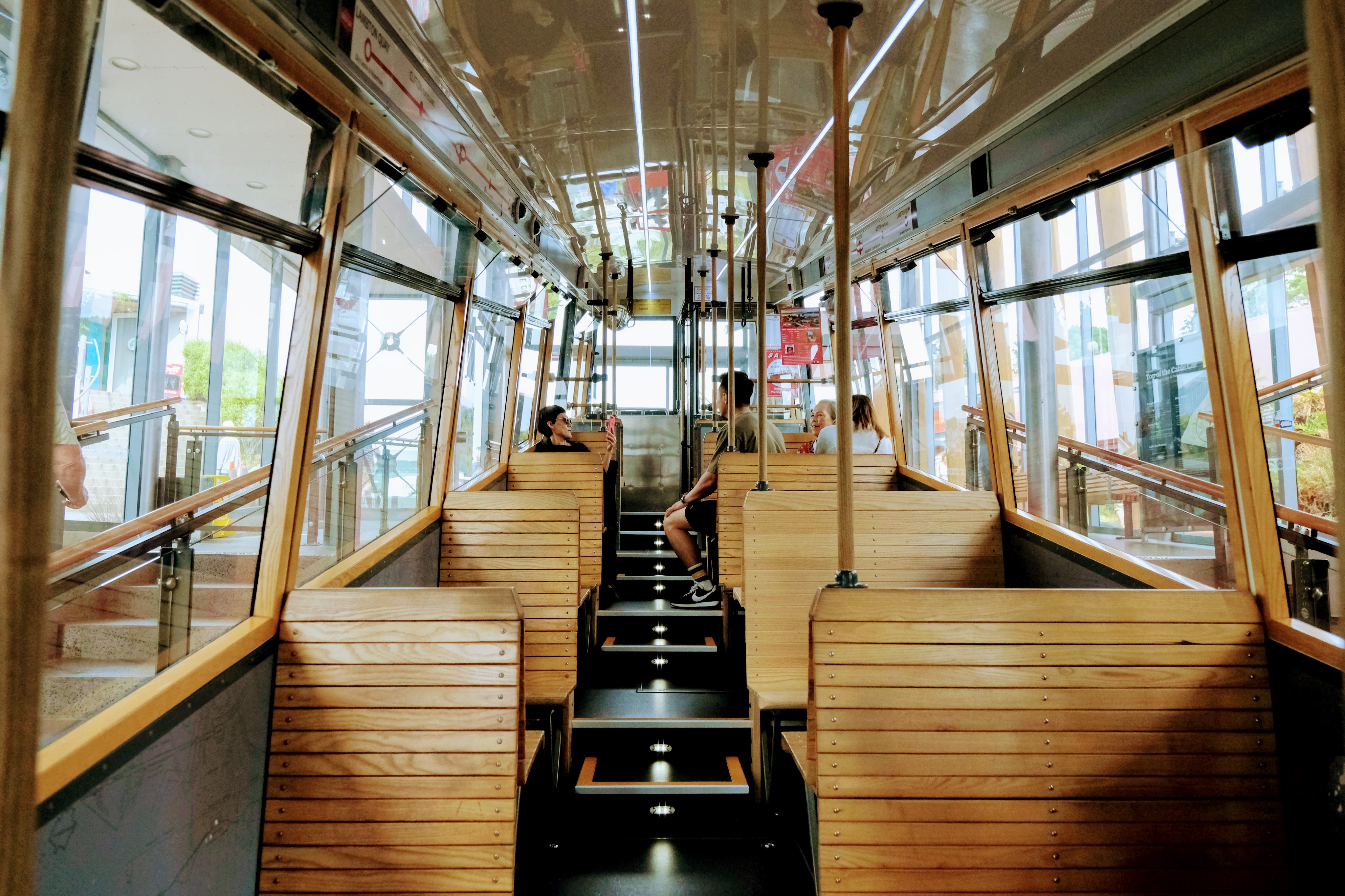
Another Wellington icon is its Cable Car. The Wellington Cable Car is a funicular railway in that connects Lambton Quay, the main shopping street, and Kelburn, a suburb in the hills overlooking the central city. The one way trip takes approximately five minutes. 

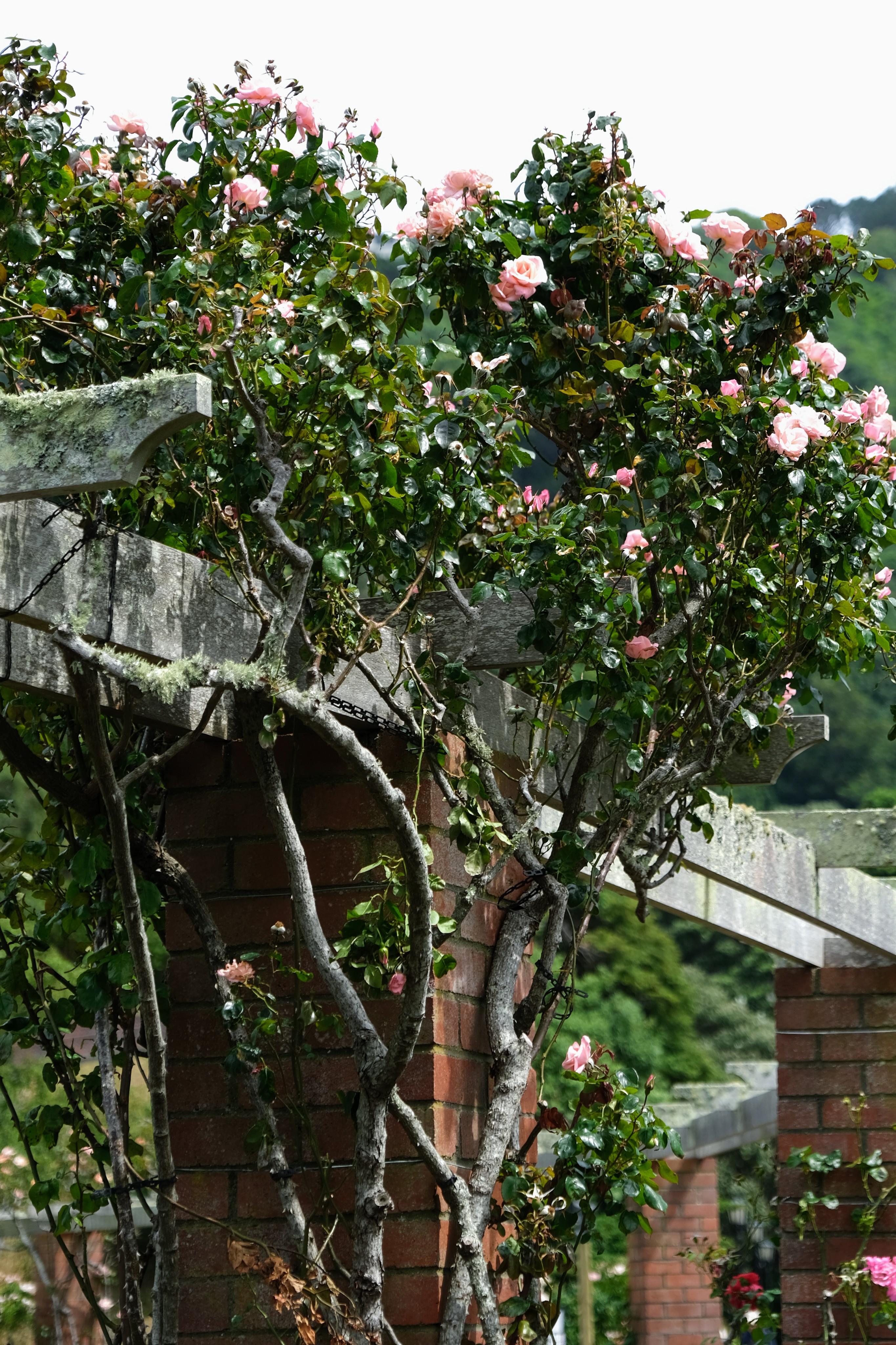
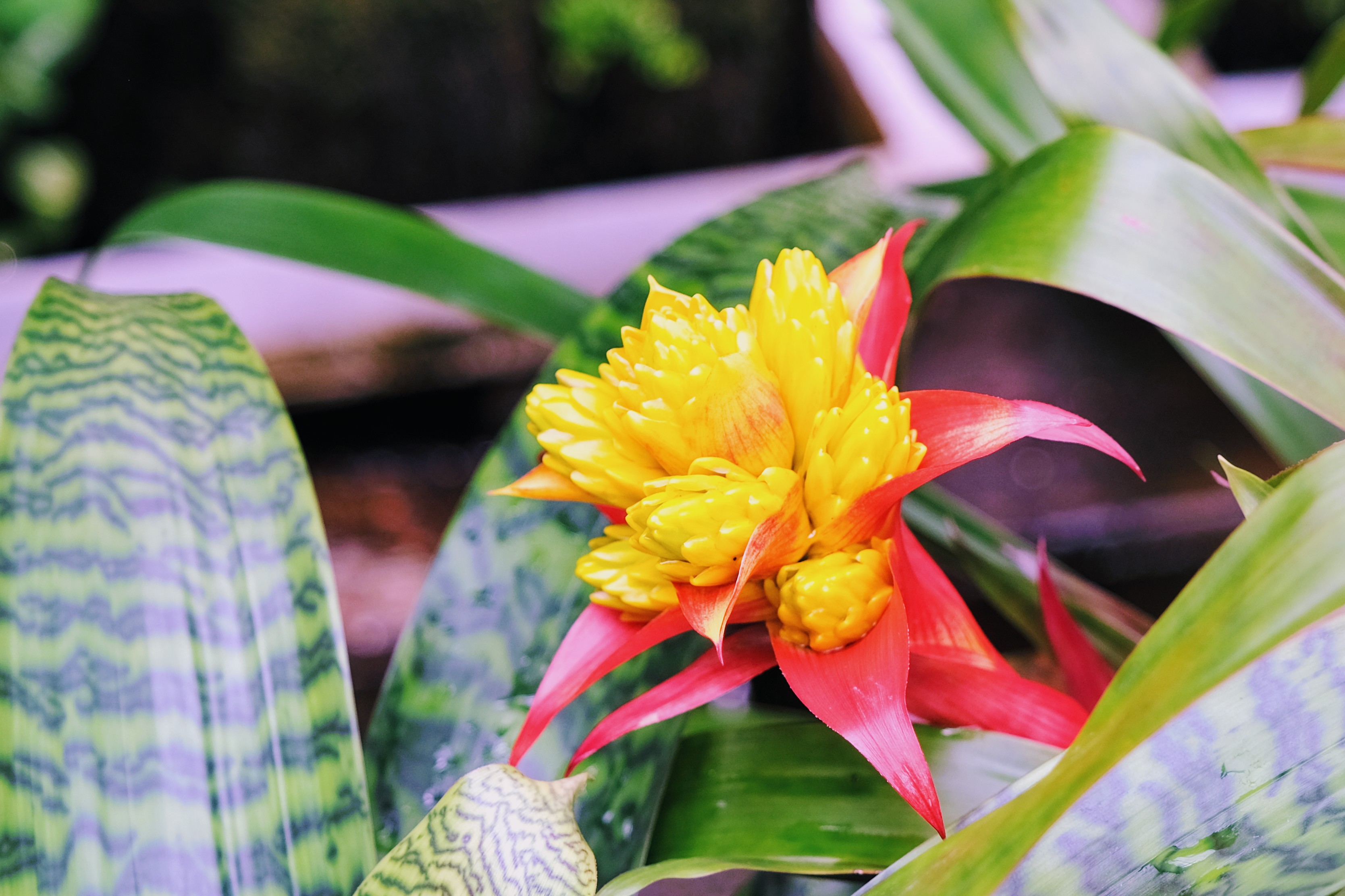
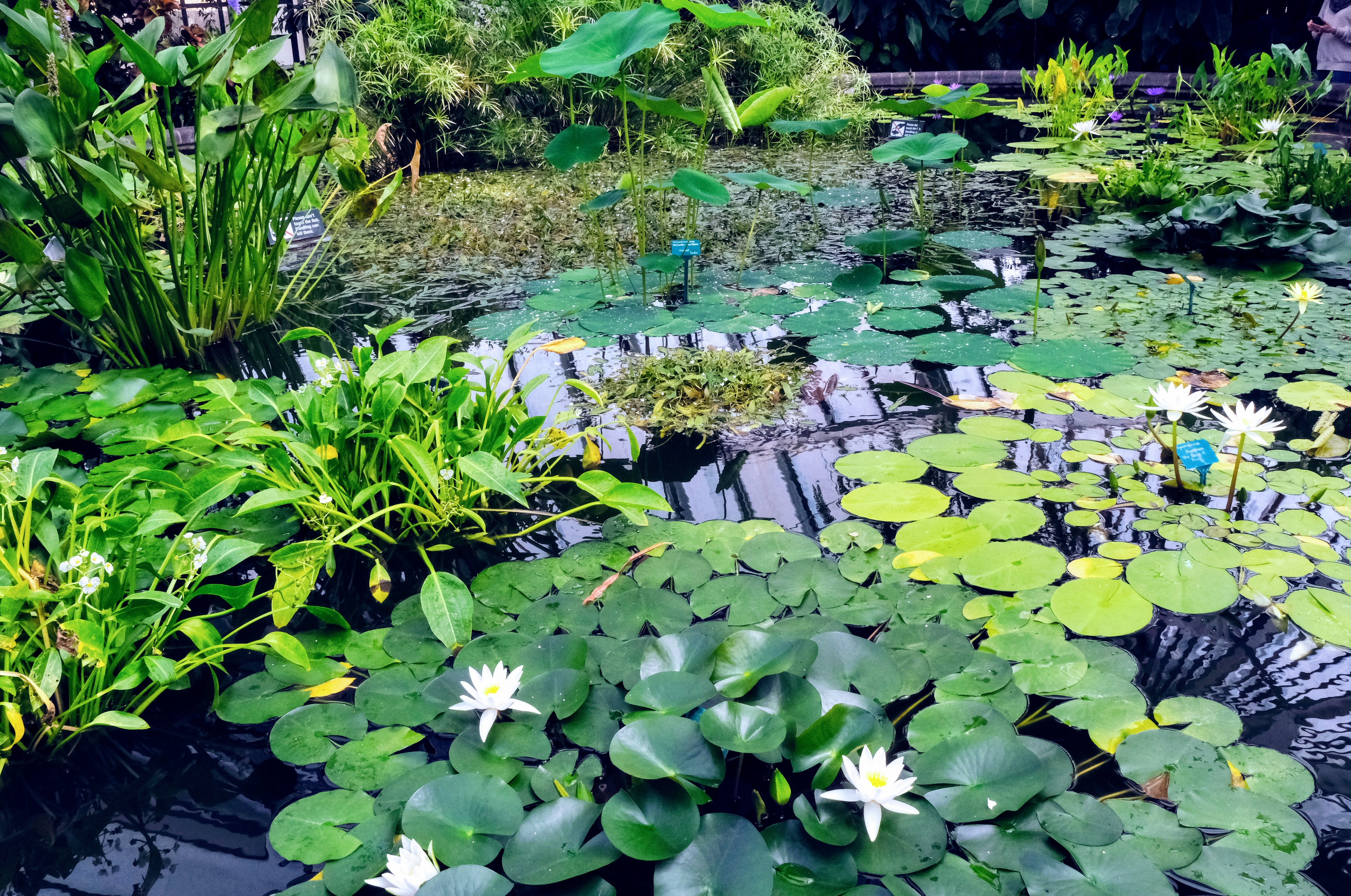
We enjoyed a leisurely lunch at the idyllic Botanic Garden. The garden features protected native forests, conifers, lily ponds, plant collections, sculpture, a rose garden, begonia house, and seasonal displays, but the breathtaking flowers are truly the main attraction.

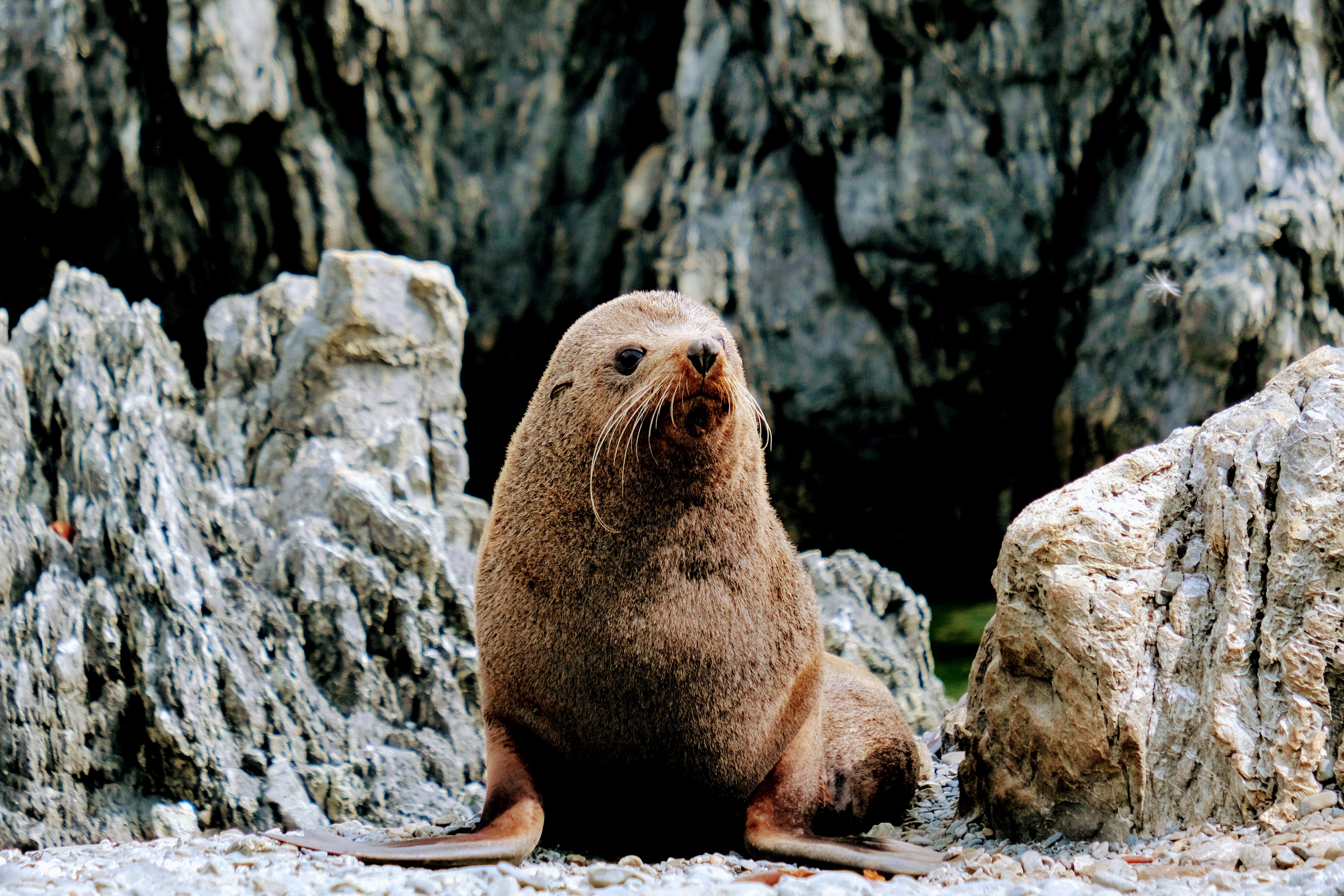
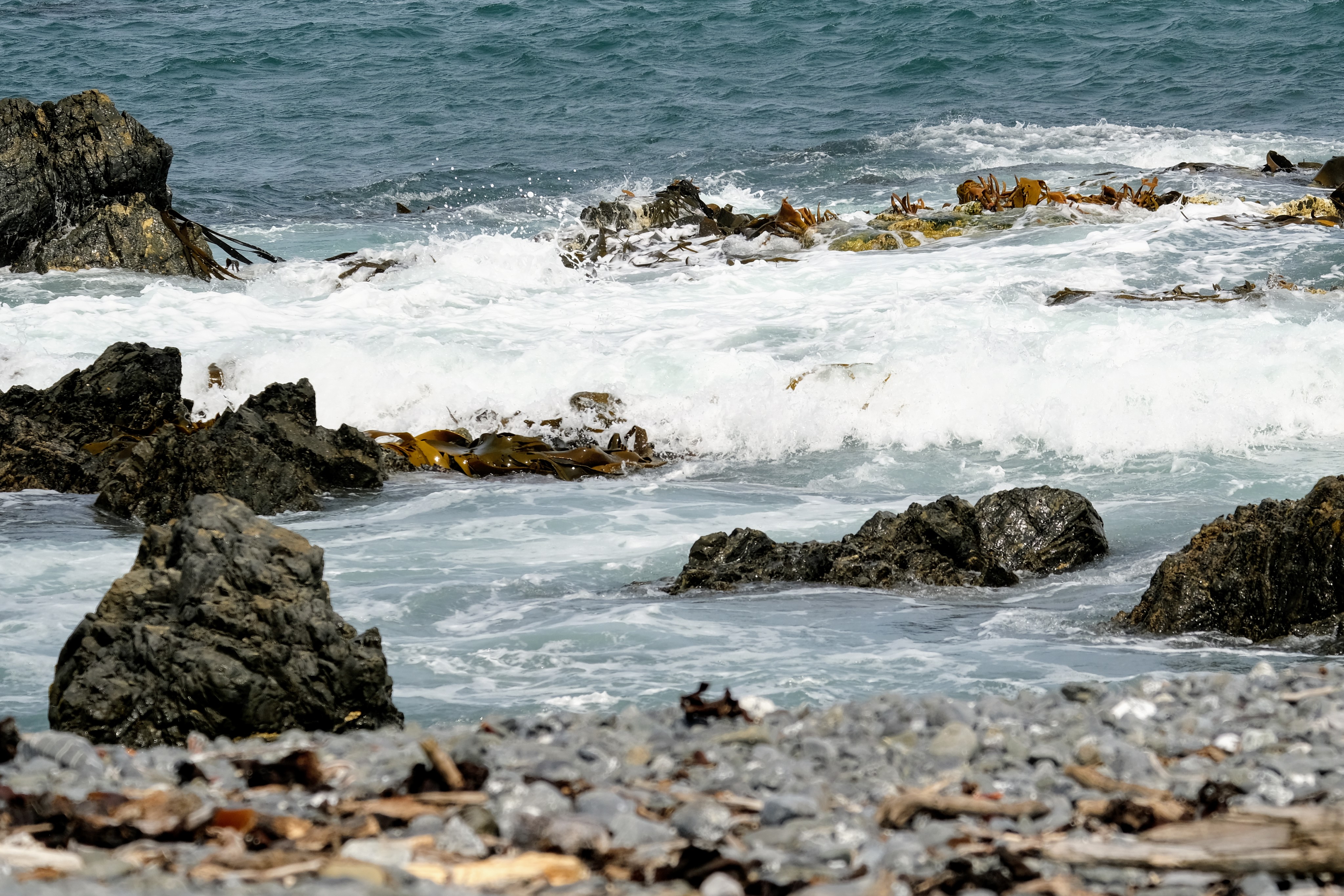
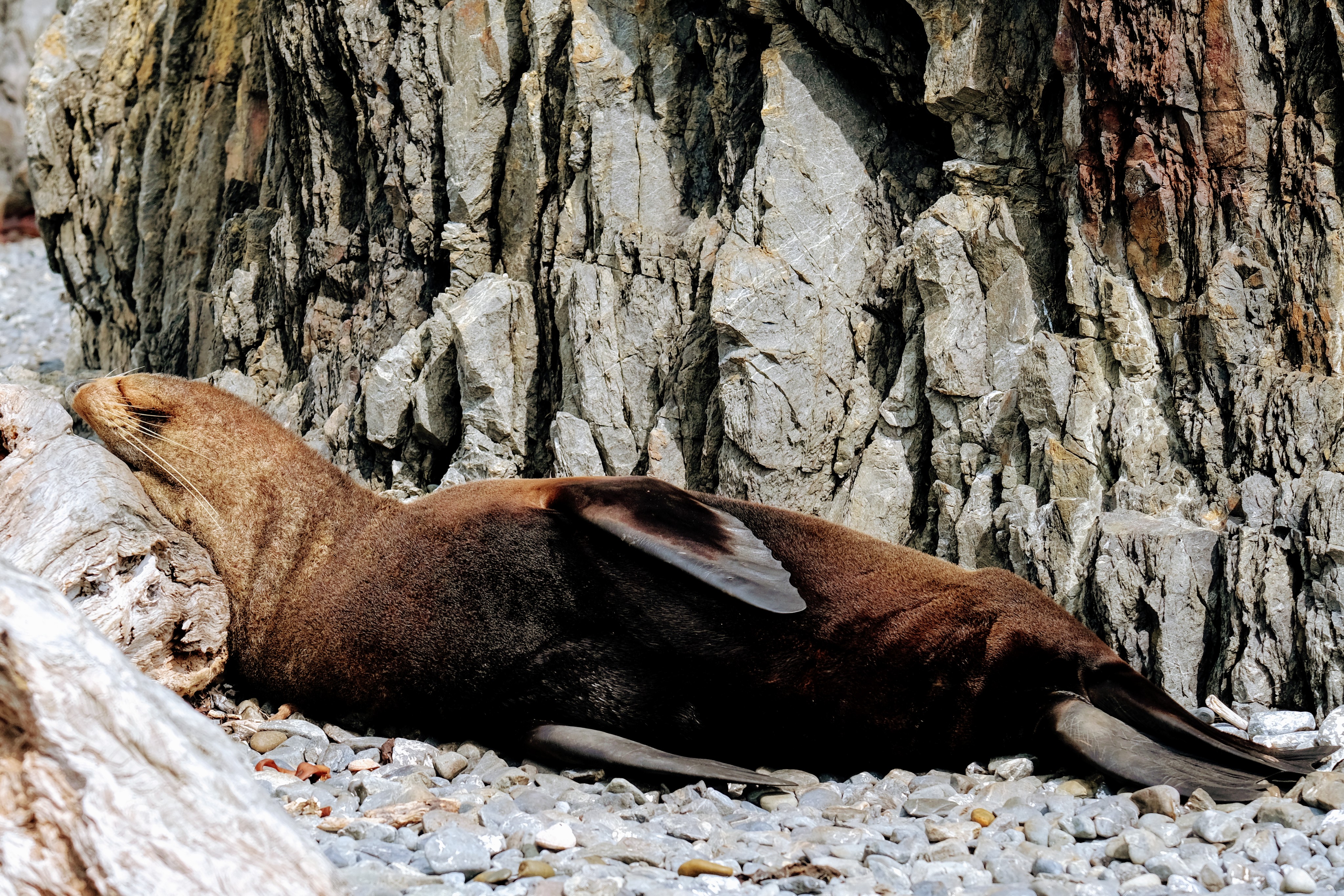
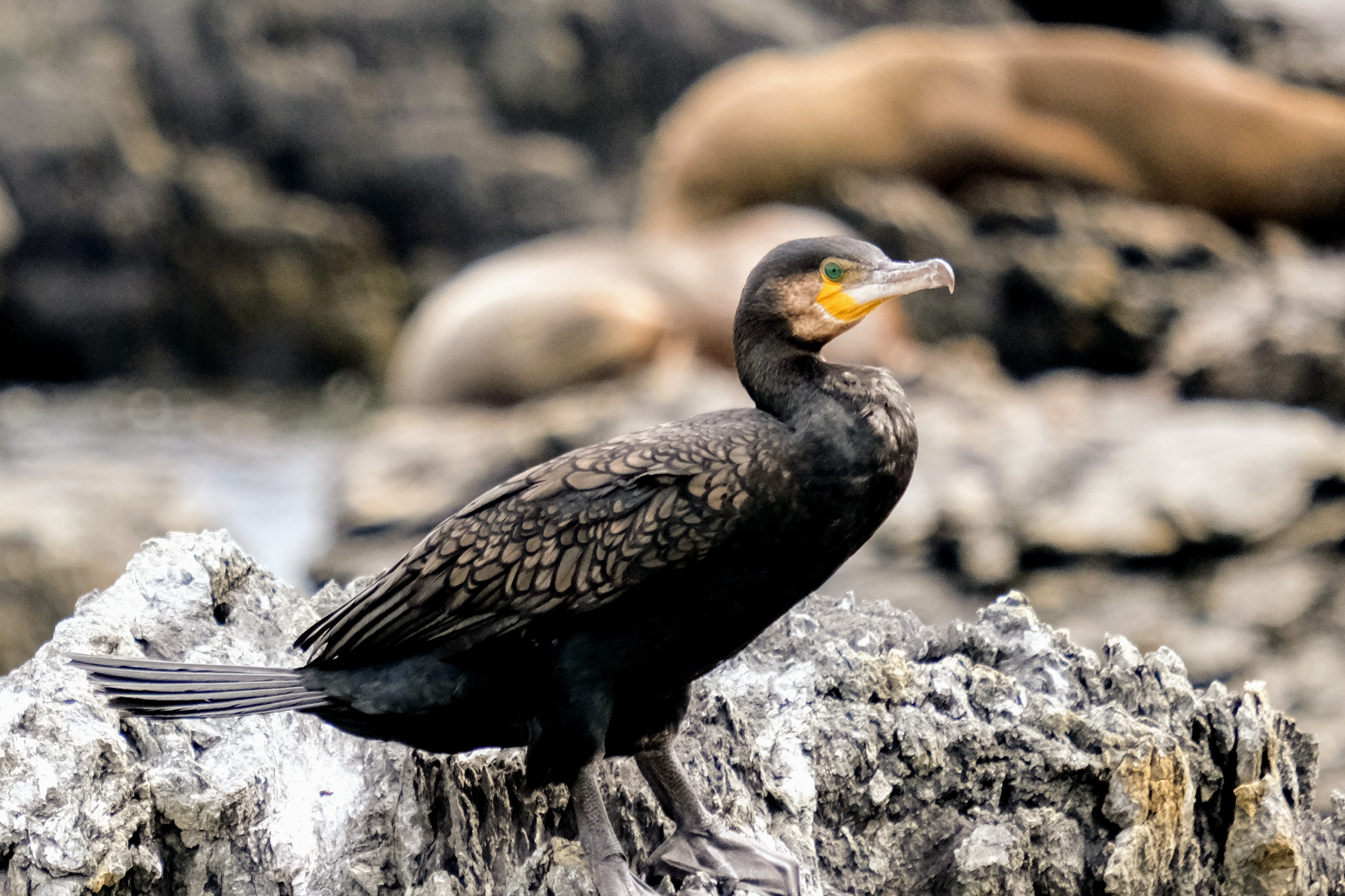
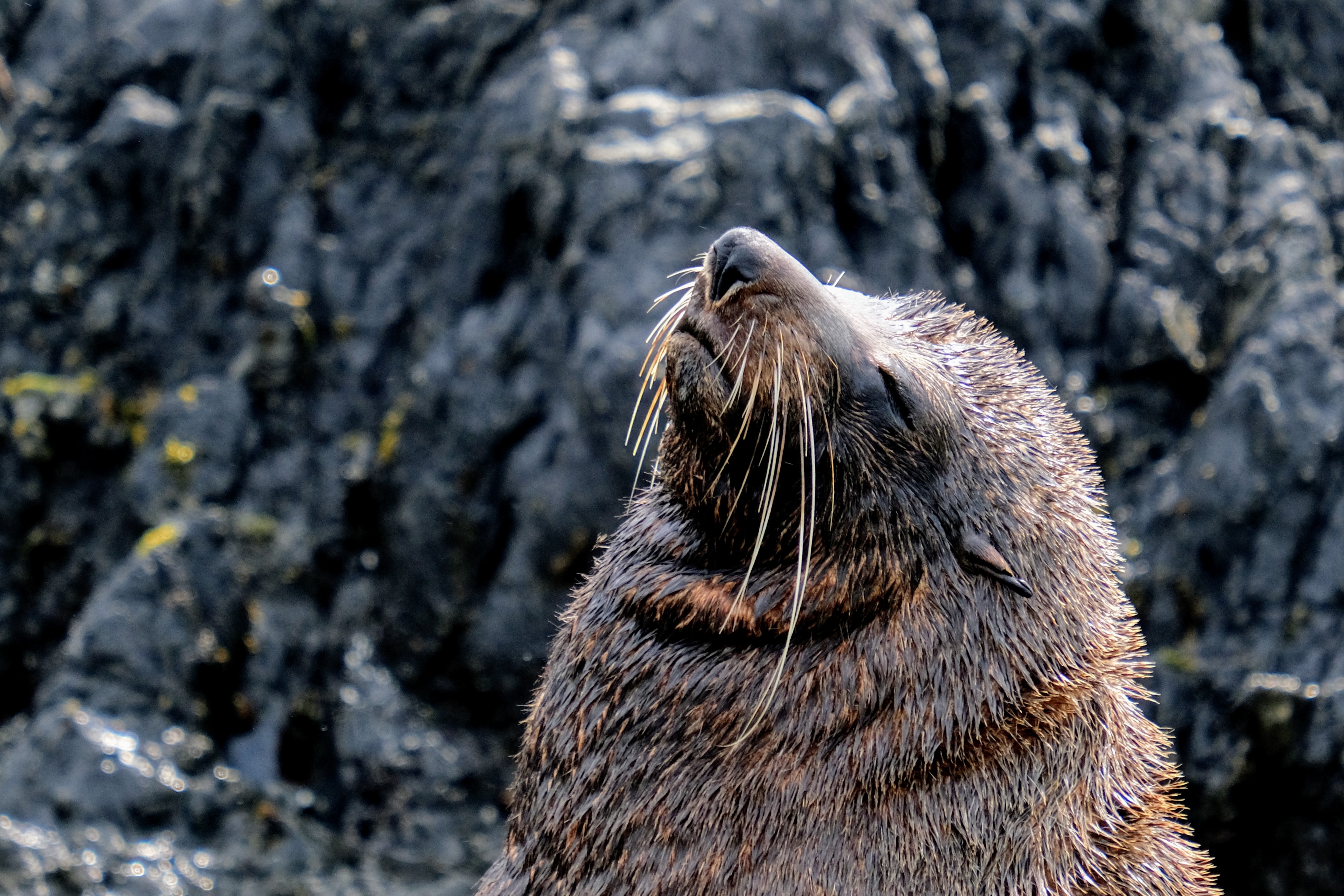
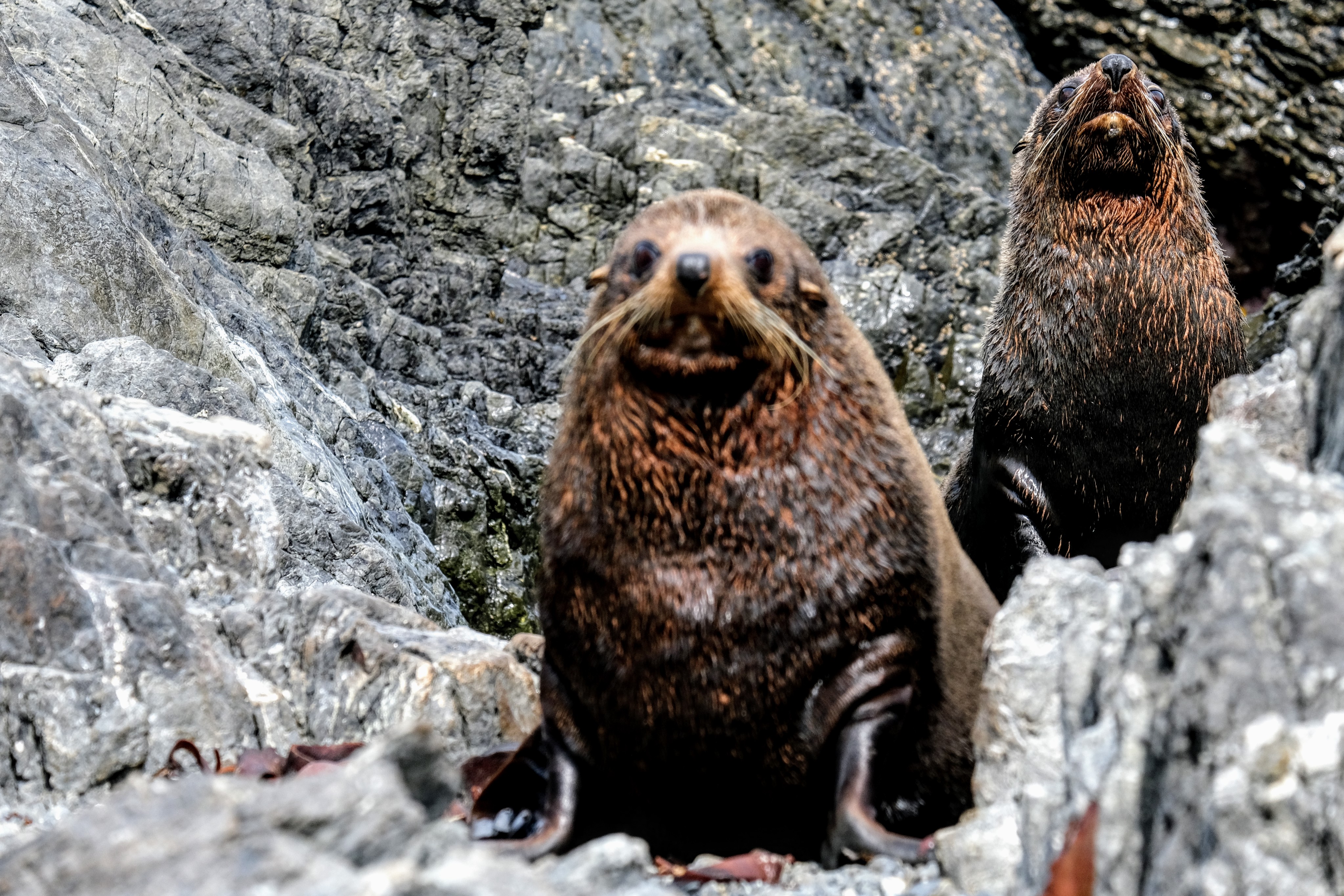
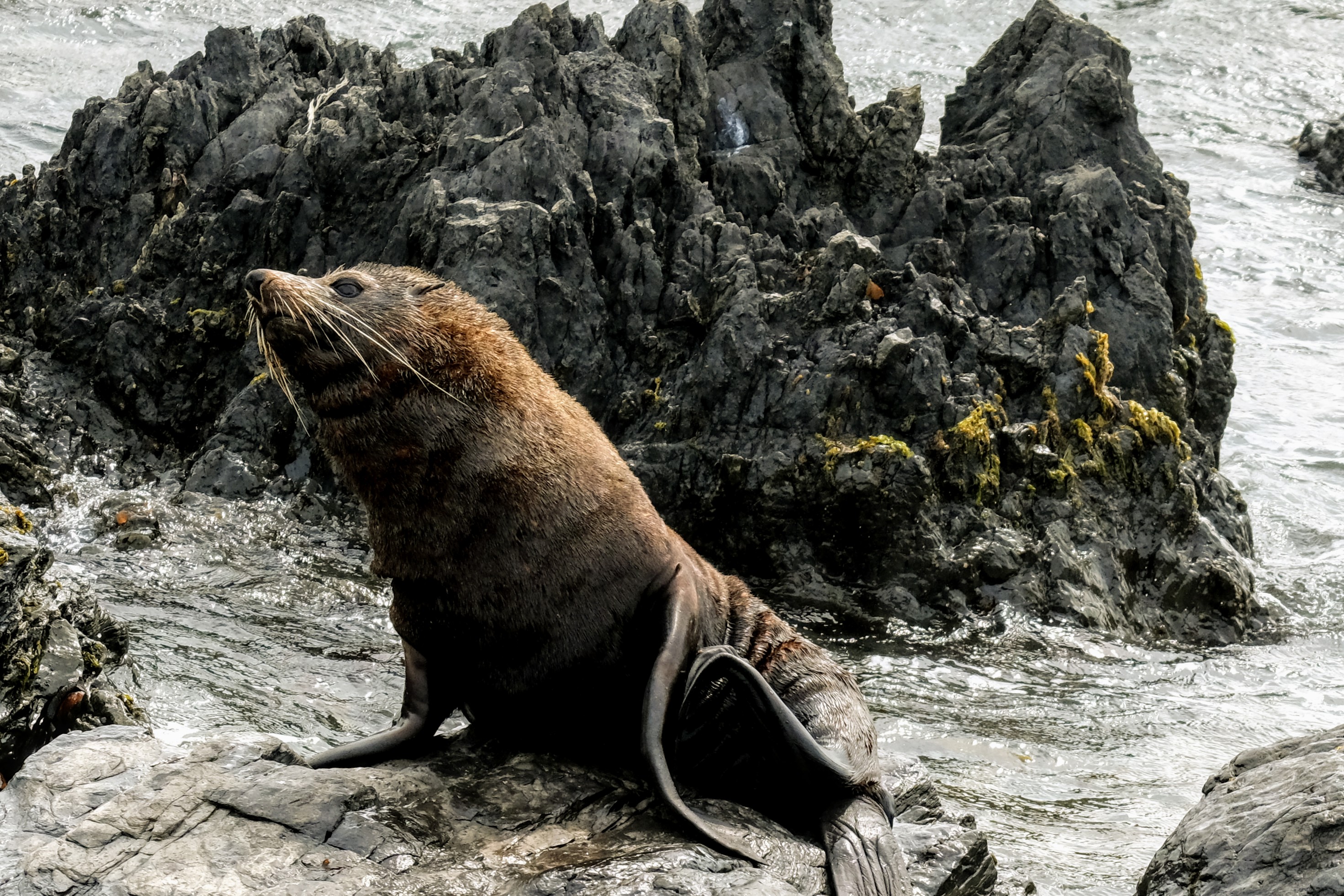
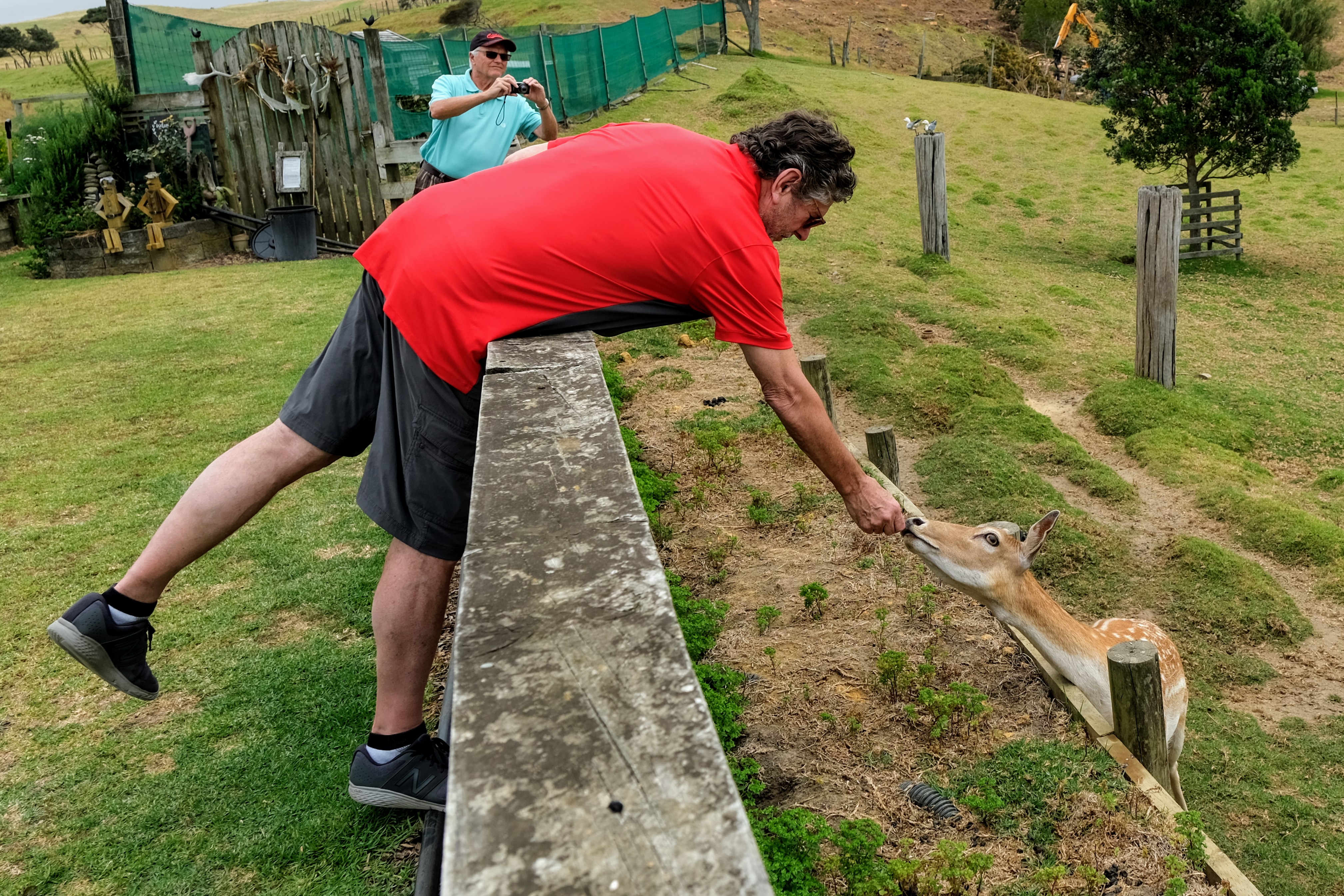
Later in the afternoon, we traveled to Tongue Point to view fur seals and other wildlife. Along the way, we viewed lots of wild goats (who were too fast for our photo lens!), horses, sheep. deer, and cattle. We also saw the famous Leaning Lighthouse, but here the main attraction is the seals. On the beach at Tongue Point, we watched singles, pairs, and groups of seals bask in the sun, and slither into the water for a swim. Various birds of New Zealand share the beach with the seals, and seem oblivious to their carrying-on.

Wellington is an incredibly diverse, interesting, and fun city. Nature is just a short distance away, making it a very vibrant, livable nation’s capital.

A Lazy Day in Tauranga

Nestled on the Bay of Plenty, the port of Tauranga is a lovely harborside city on New Zealand’s North Island. It hosts some historic buildings like the Elms Mission Station, an 1847 Georgian-style home, and is one of the fastest-growing cities in the country. A bridge over the harbor connects Tauranga to Mount Maunganui, a beach town with hot saltwater pools and an extinct namesake volcano with winding walking paths. Maunganui towers over the city, and is a great attraction for hikers, campers, and outdoor enthusiasts. Offshore is the active volcano White Island, which most recently erupted on December 9, 2019 claiming the lives of 21 people. We obviously didn’t visit White Island.

This area , with its rolling hills, lush green pastures, sandy white beaches, as well as a sense of Maori magic, got the attention of Sir Peter Jackson’s scouting team who came here in 1998 to find the perfect location to film the movies based on J.R.R. Tolkein’s classic fantasy trilogy. Some of our fellow travelers enjoyed the world of The Lord of the Rings at the nearby Hobbiton movie set where Bilbo Baggins lived and where the quest for the Ring began. But after two very busy days in Auckland, we opted for a lazy day of simply enjoying the sparkling harbor and taking a stroll to a nearby beach. Unfortunately, we no sooner got settled on our beach towels when there was a cloud burst, sending everyone for cover.

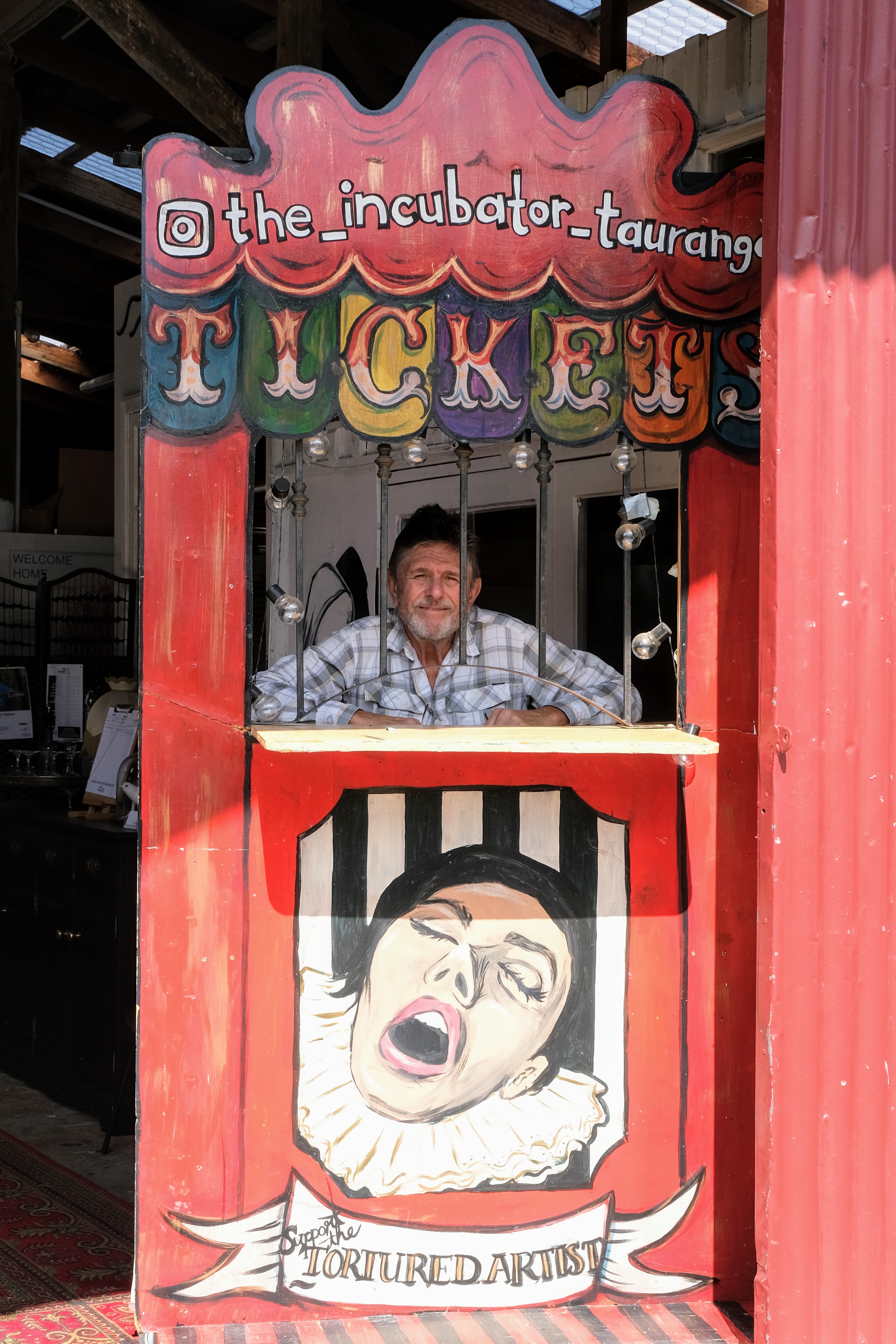
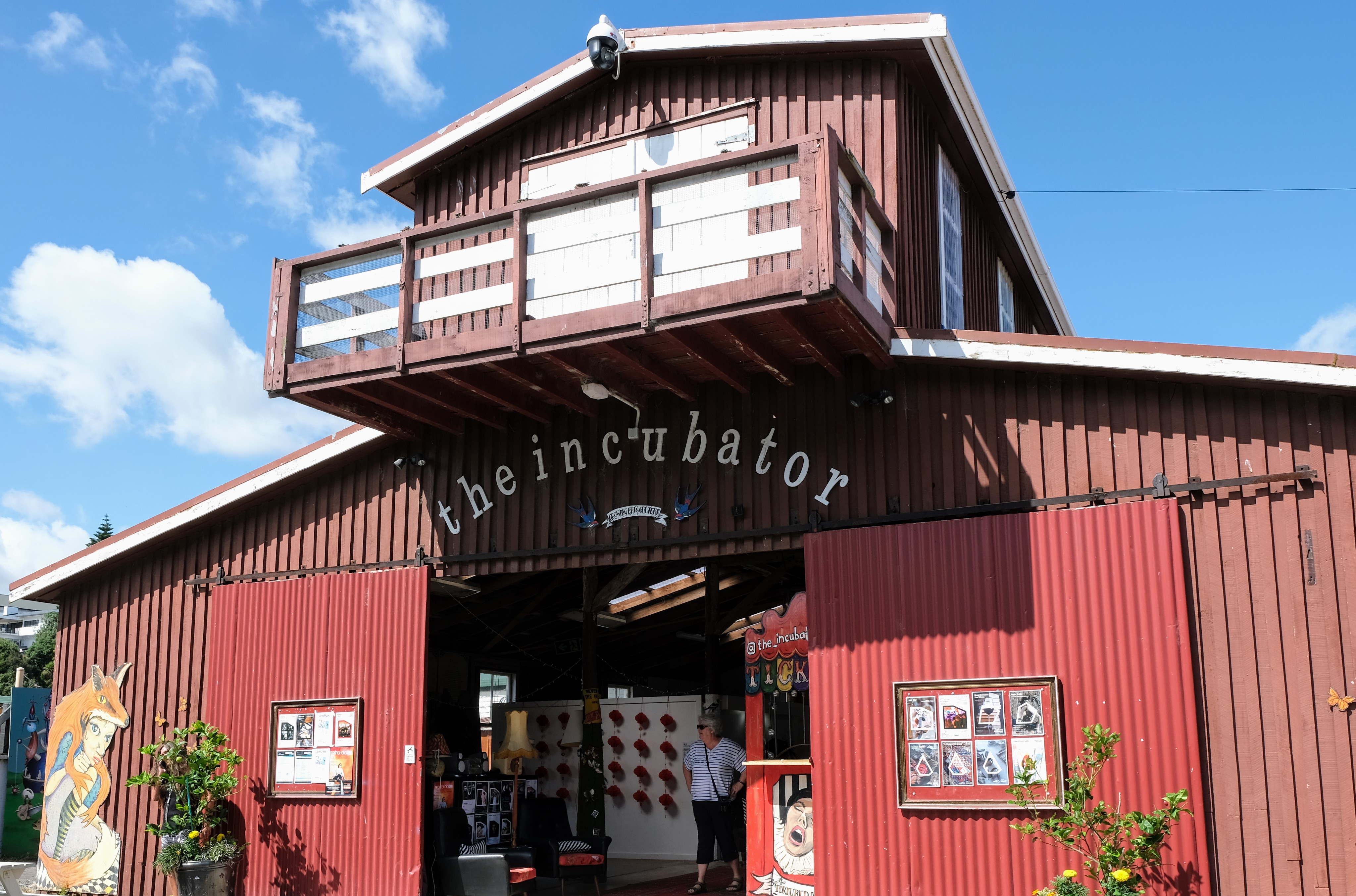
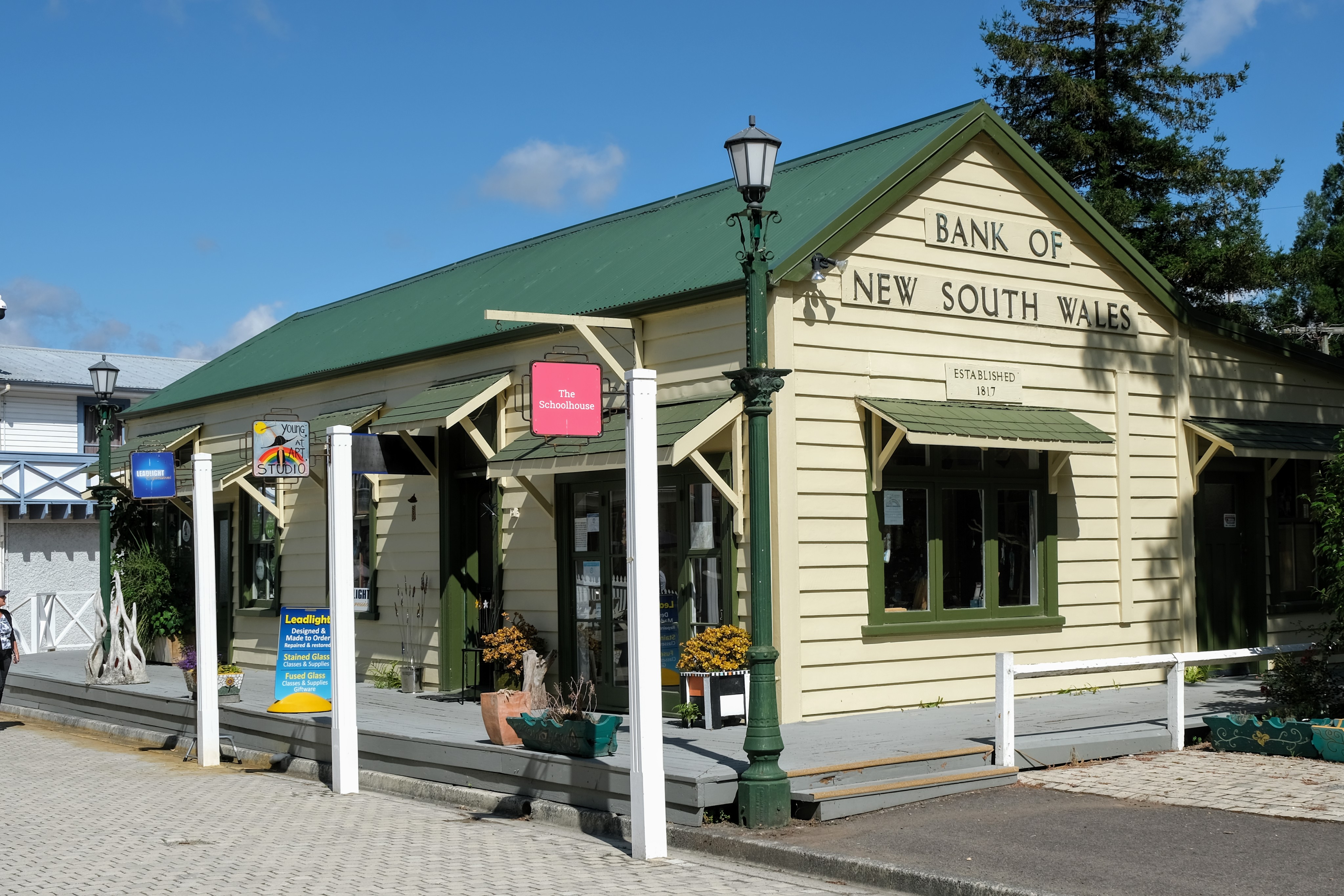
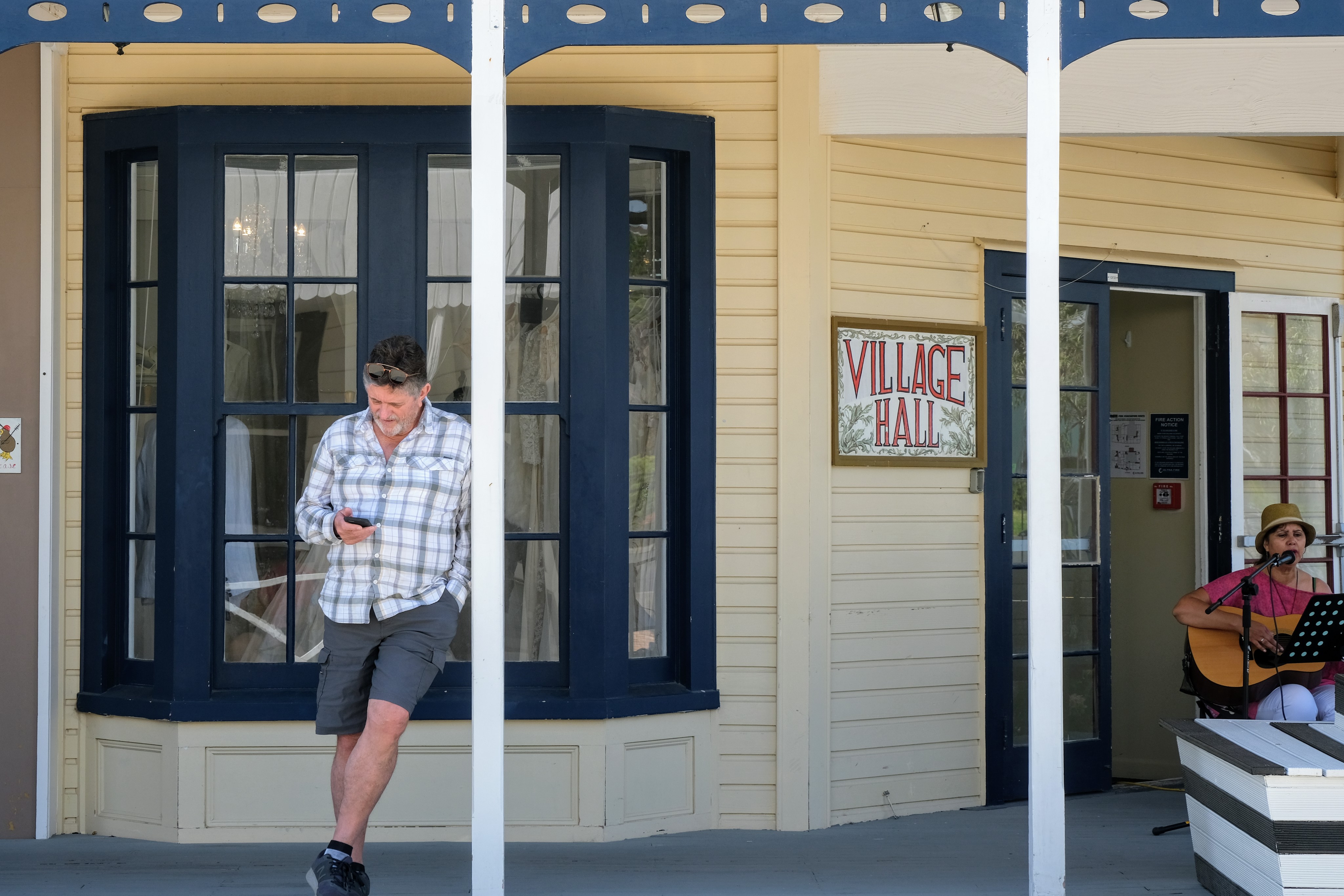
We also visited the Historic Village, a collection of original and replica buildings from the city’s early days that have become home to cafes, art collectives, boutiques, galleries, and shops of local artists who offer their artwork, classes, and workshops. Some of the buildings are home to local community organizations and businesses.

Auckland: City of Sails…and So Much More!

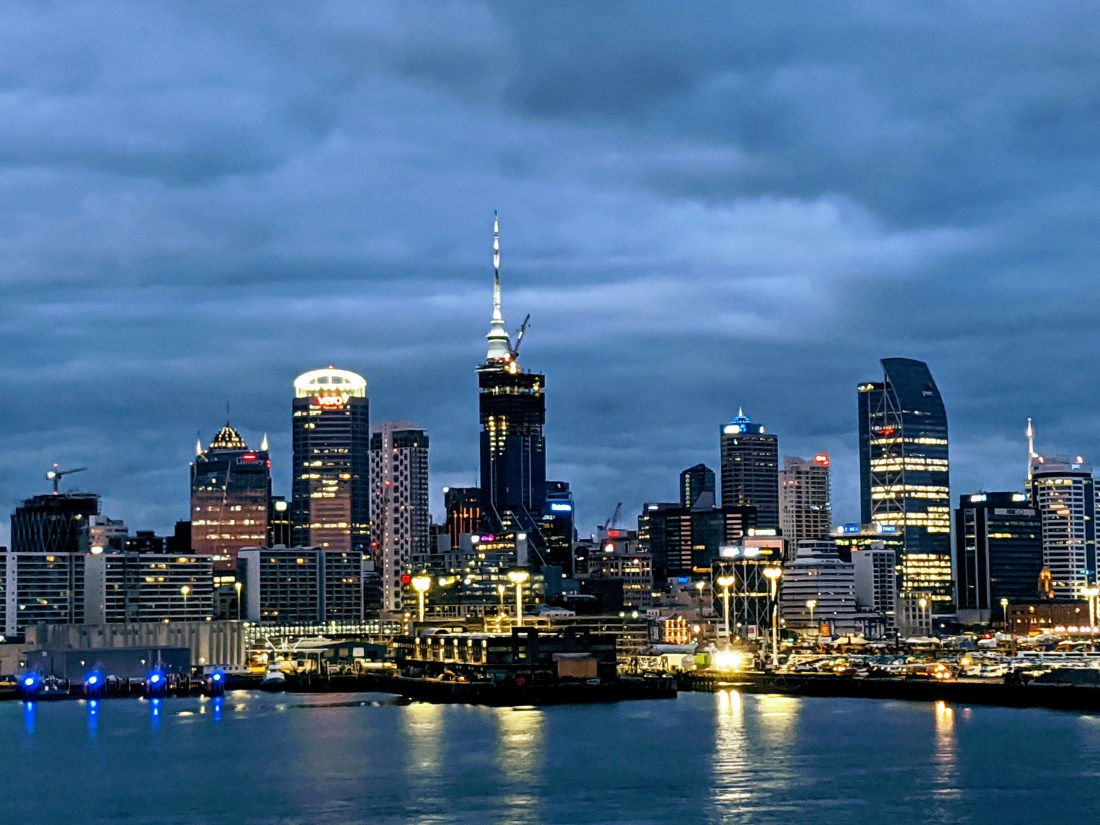
Auckland is truly a place where cosmopolitan style and spectacular landscapes go hand in hand. Breathtaking scenery, beautiful beaches, natural habitats, great shopping, exciting nightlife, and deep history are all a part of the Auckland experience, and we had the opportunity to see and do so much in two glorious days. New Zealand Maori called this area Tamaki Makaurau (maiden desired by 100 lovers), while today’s residents refer to it as the City of Sails because of the number of luxury boats per capita. The seafaring city has hosted two America’s Cup challenges and its marinas are brimming with world-class yachts. And the Mercer Quality of Living Survey consistently ranks Auckland near the top of the world’s most livable cities, and except for the cost of living, we agree!

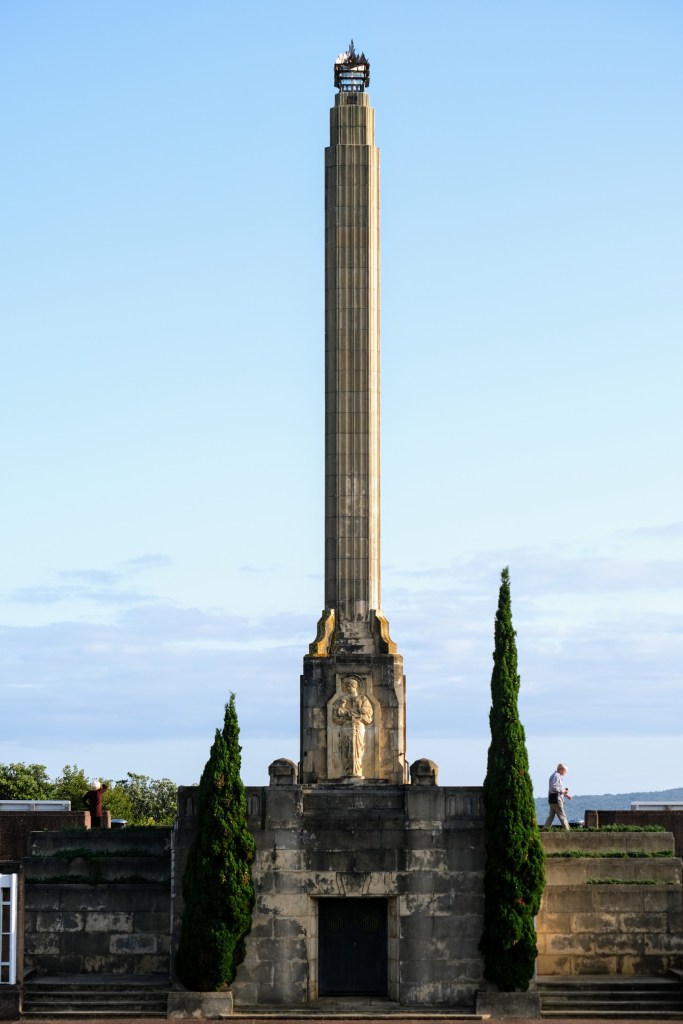
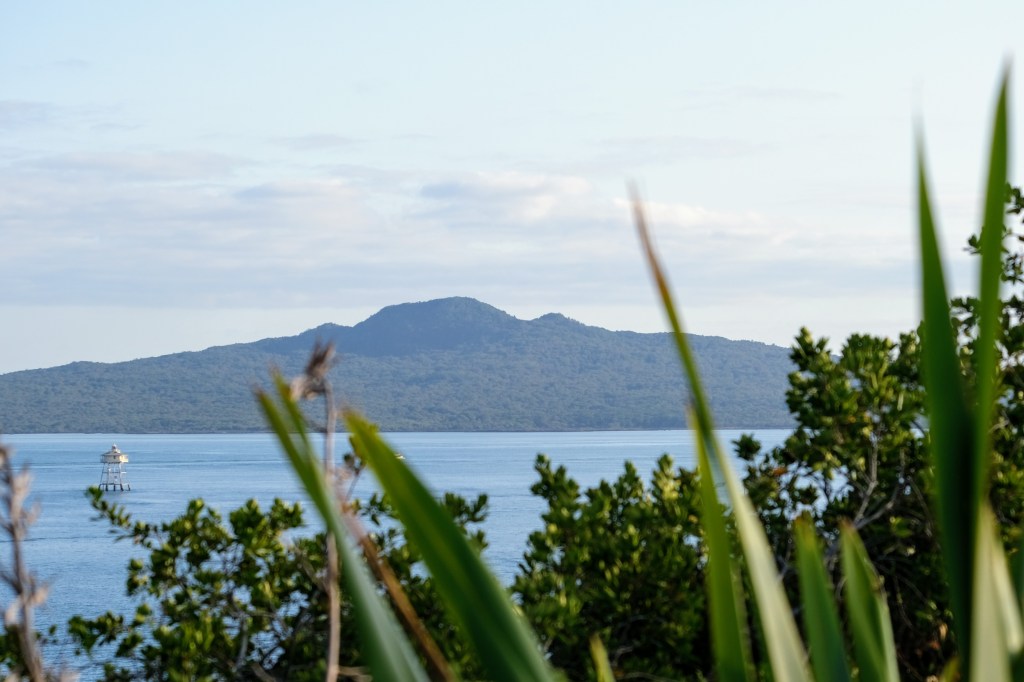
We started our visit to Auckland with a panoramic city tour. Situated between two stunning harbors, Auckland boasts spectacular waterfronts and bays just brimming with unique shops, quirky cafes, and interesting boutiques, some new and some in restored Victorian buildings. One of our more interesting stops was the Michael J. Savage Memorial, with panoramic views of the Waitemata Harbour and Rangitoto volcano, lush gardens, and imposing monument. Located at Auckland’s Bastion Point, the memorial to Michael Joseph Savage celebrates the contributions made by New Zealand’s first Labour prime minister. Although he only served from 1935-1940, Savage is credited for instituting many of the social programs in education, healthcare, housing, fair labor practices, and other programs that enhance the quality of life for all New Zealanders to this day. 

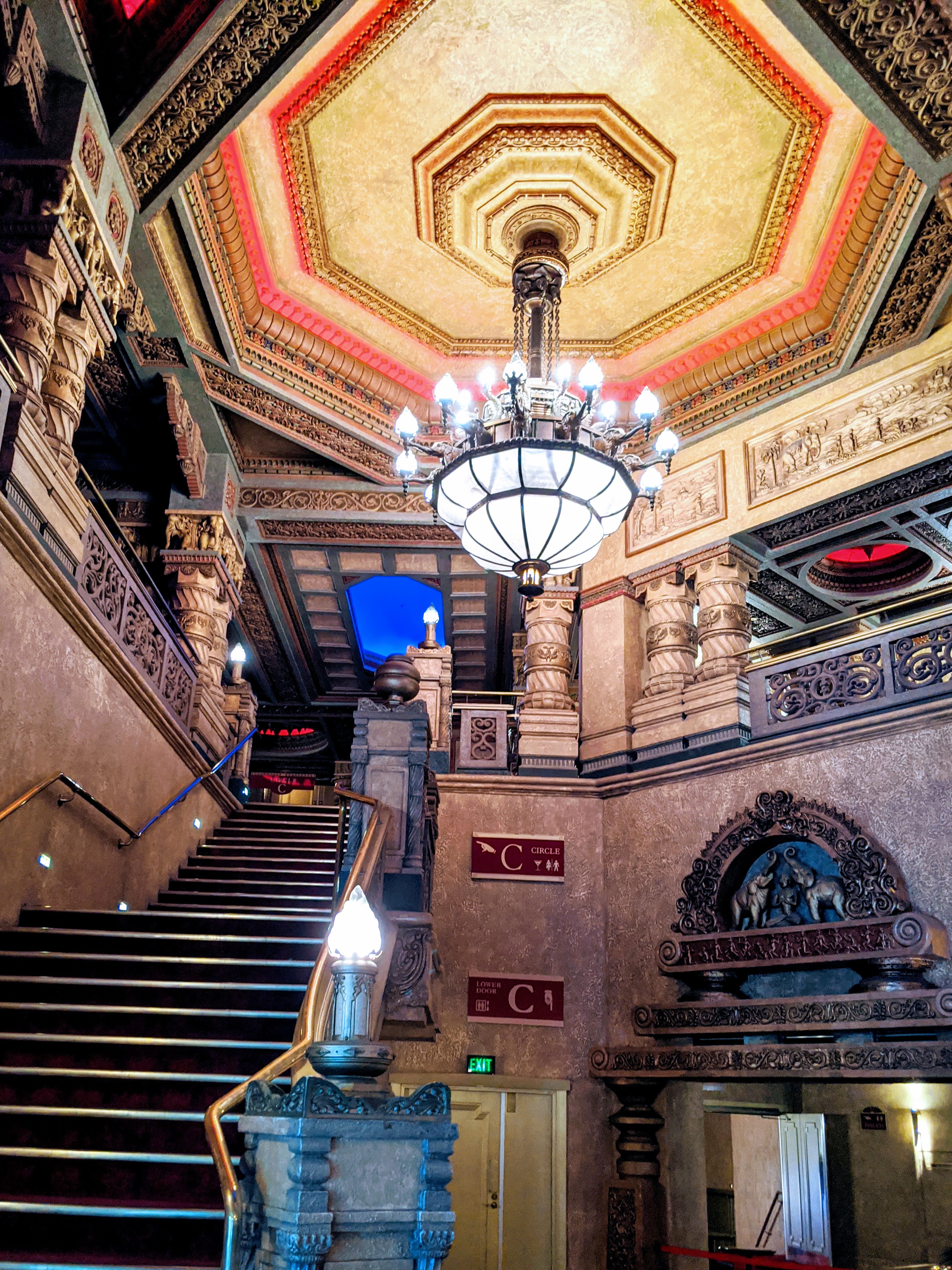
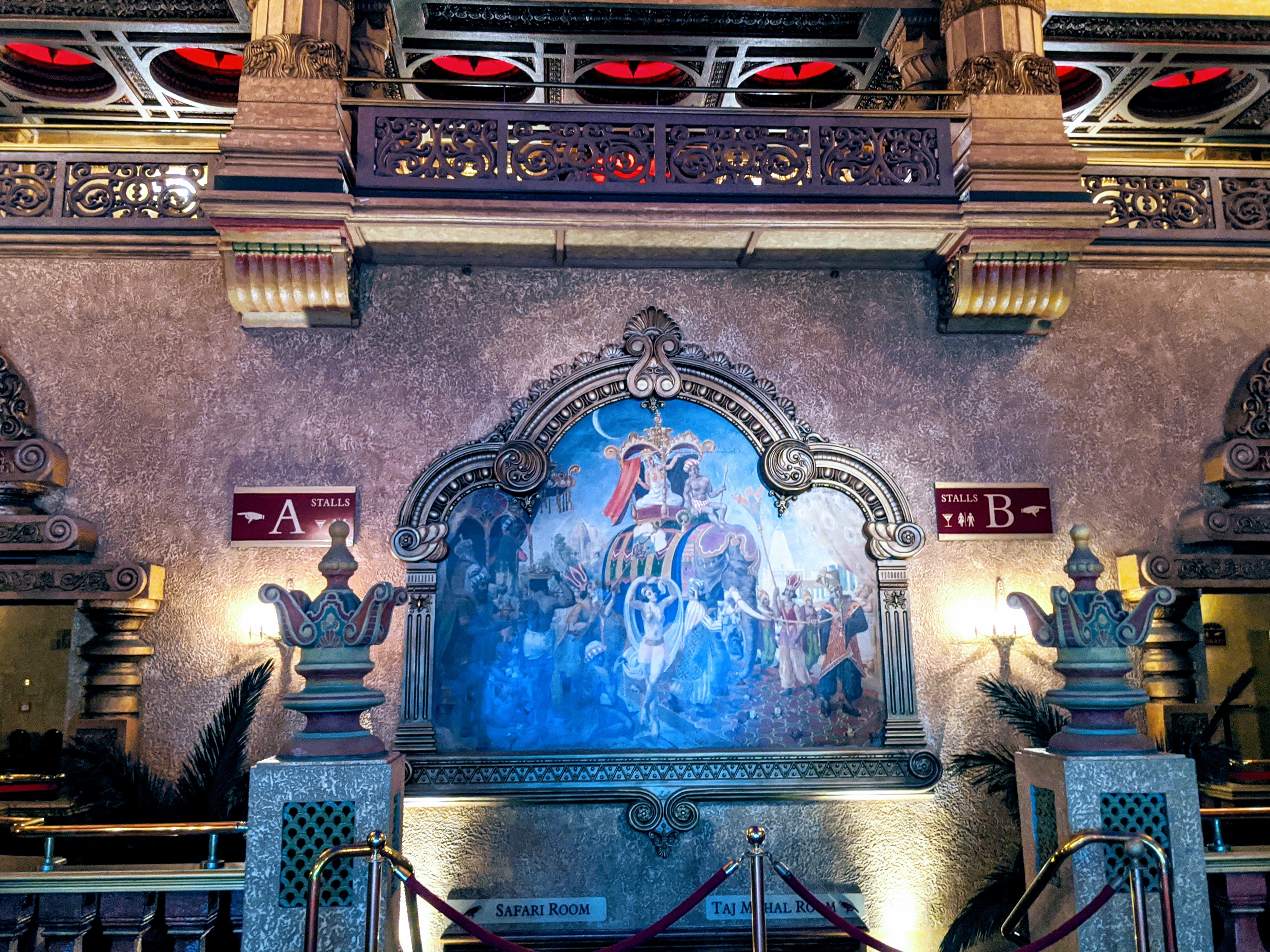
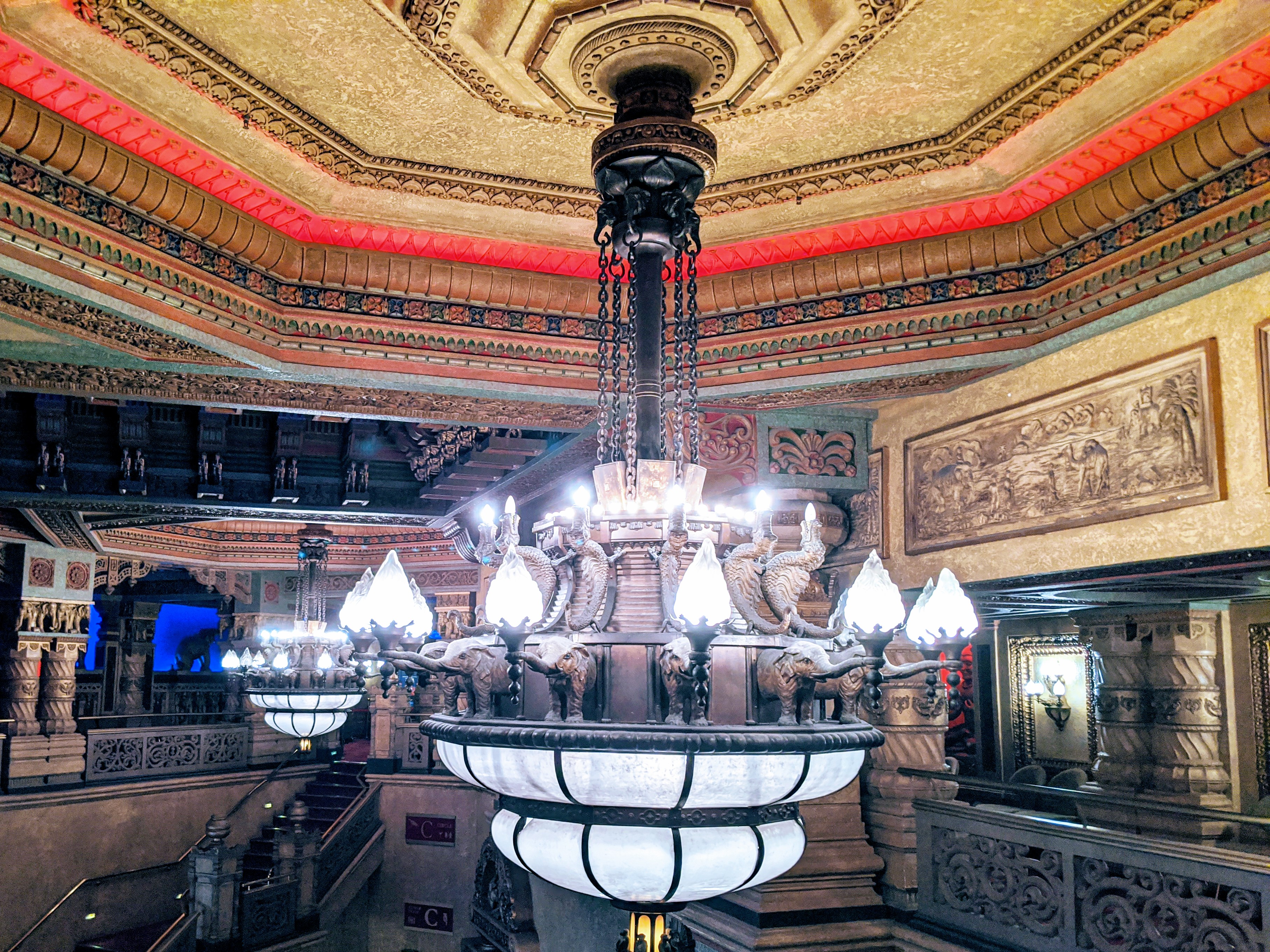
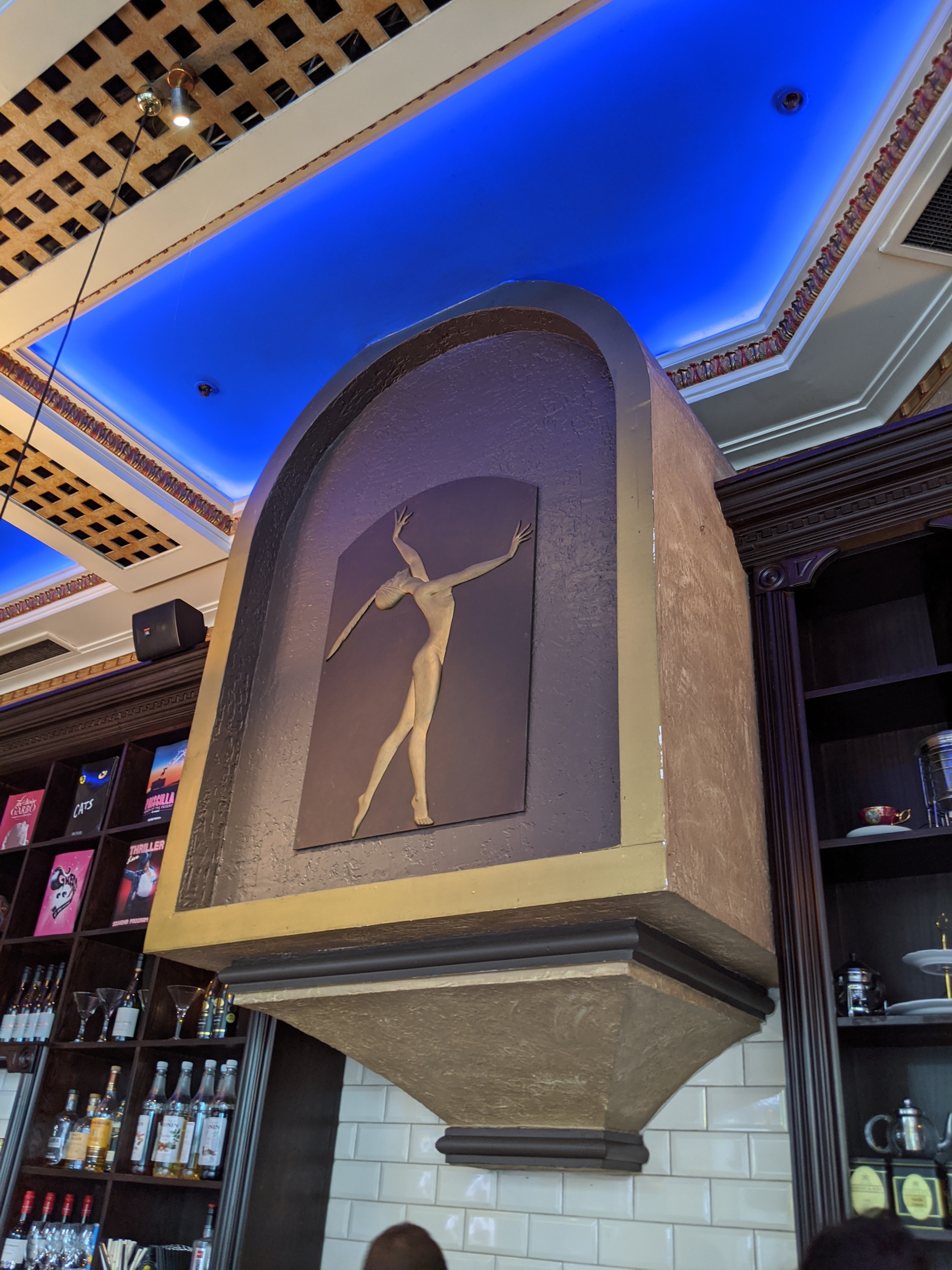
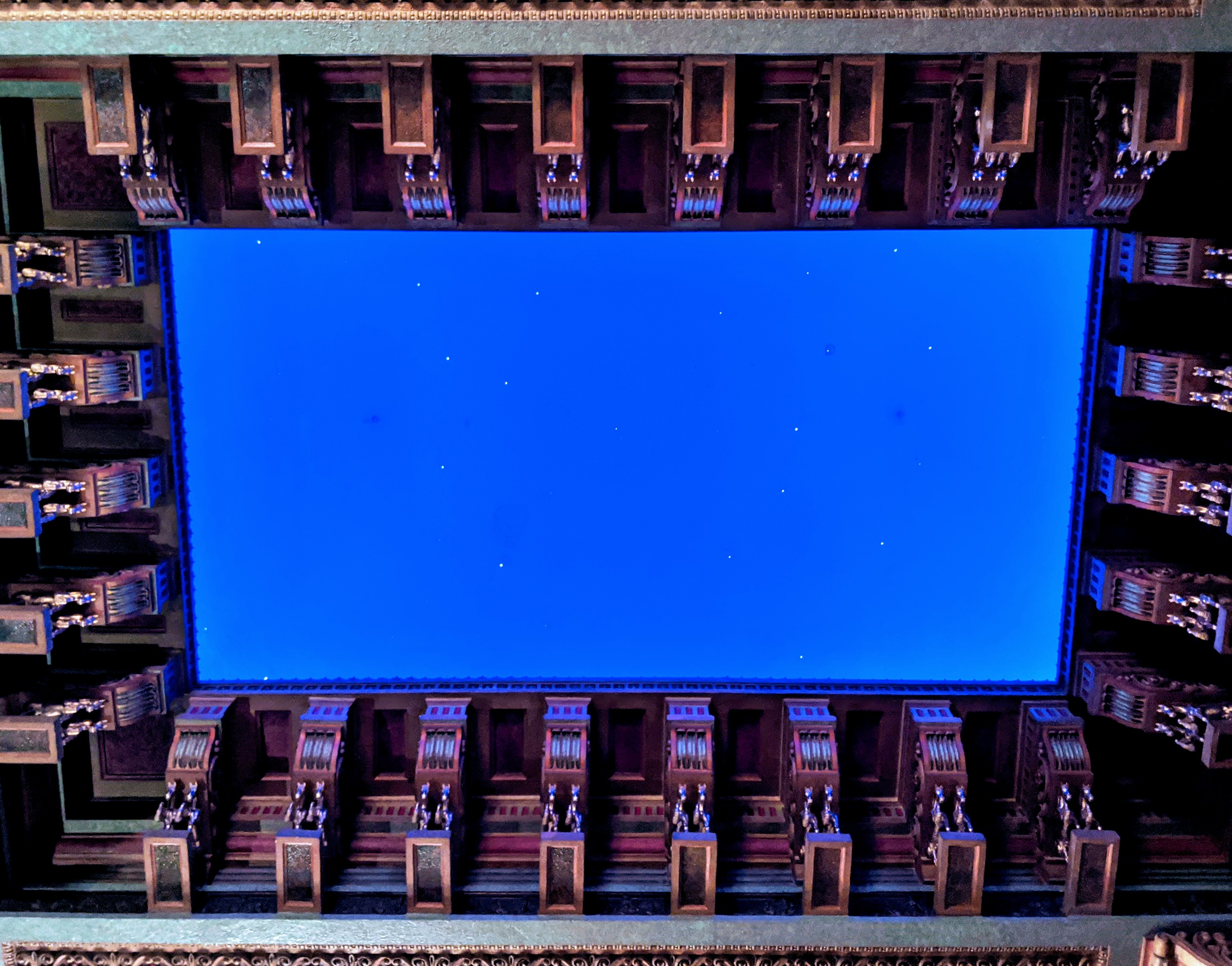
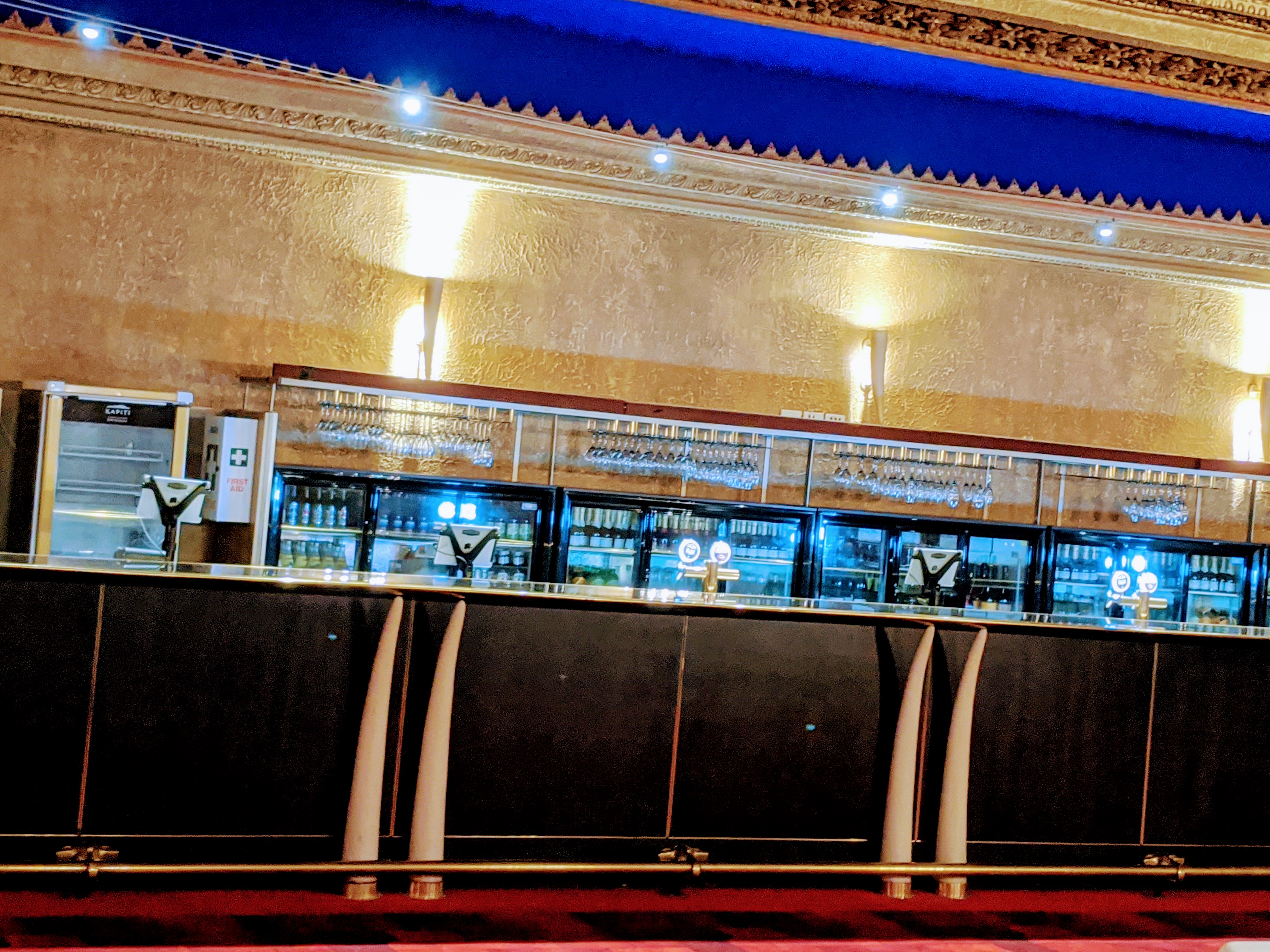
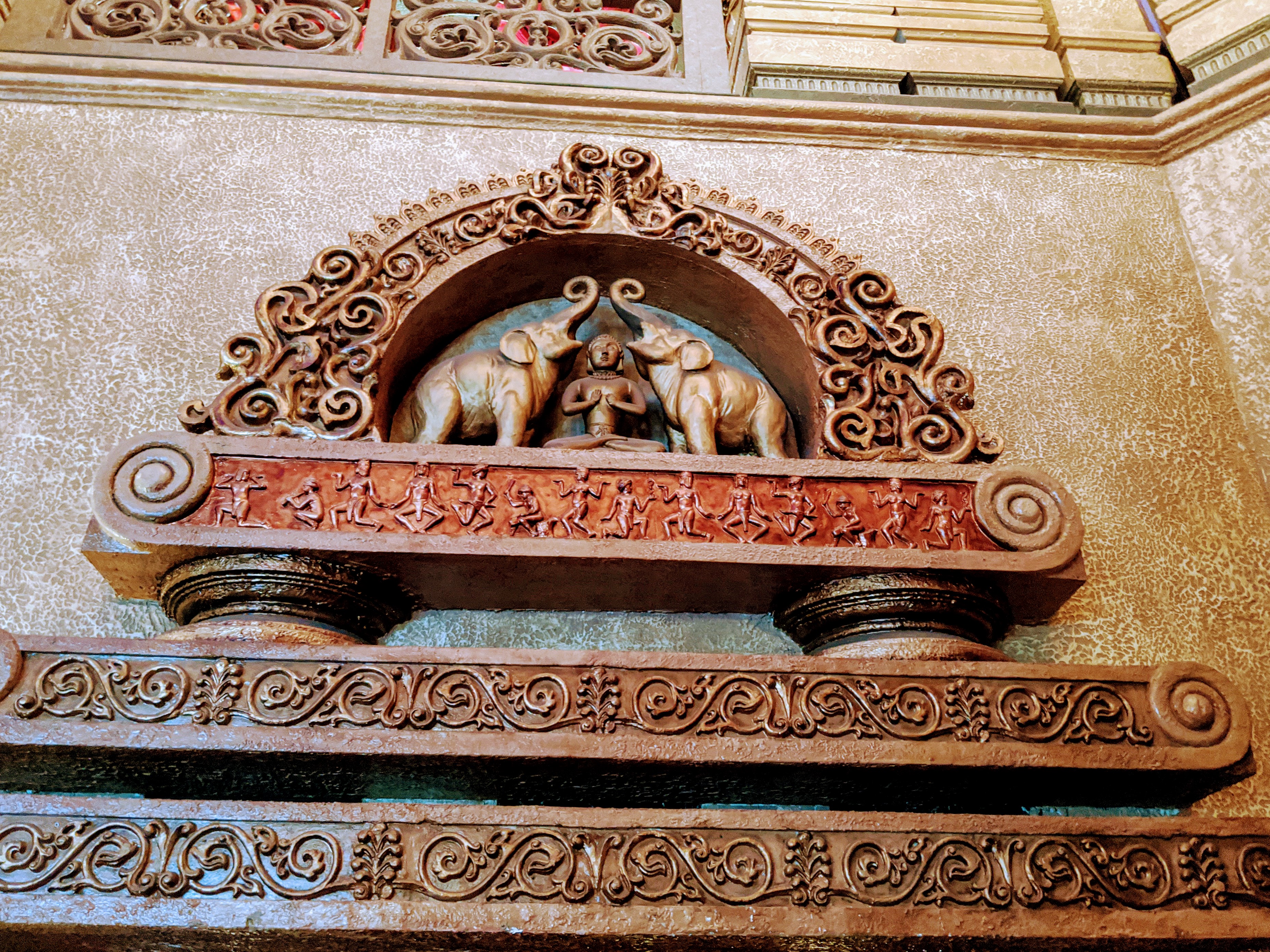
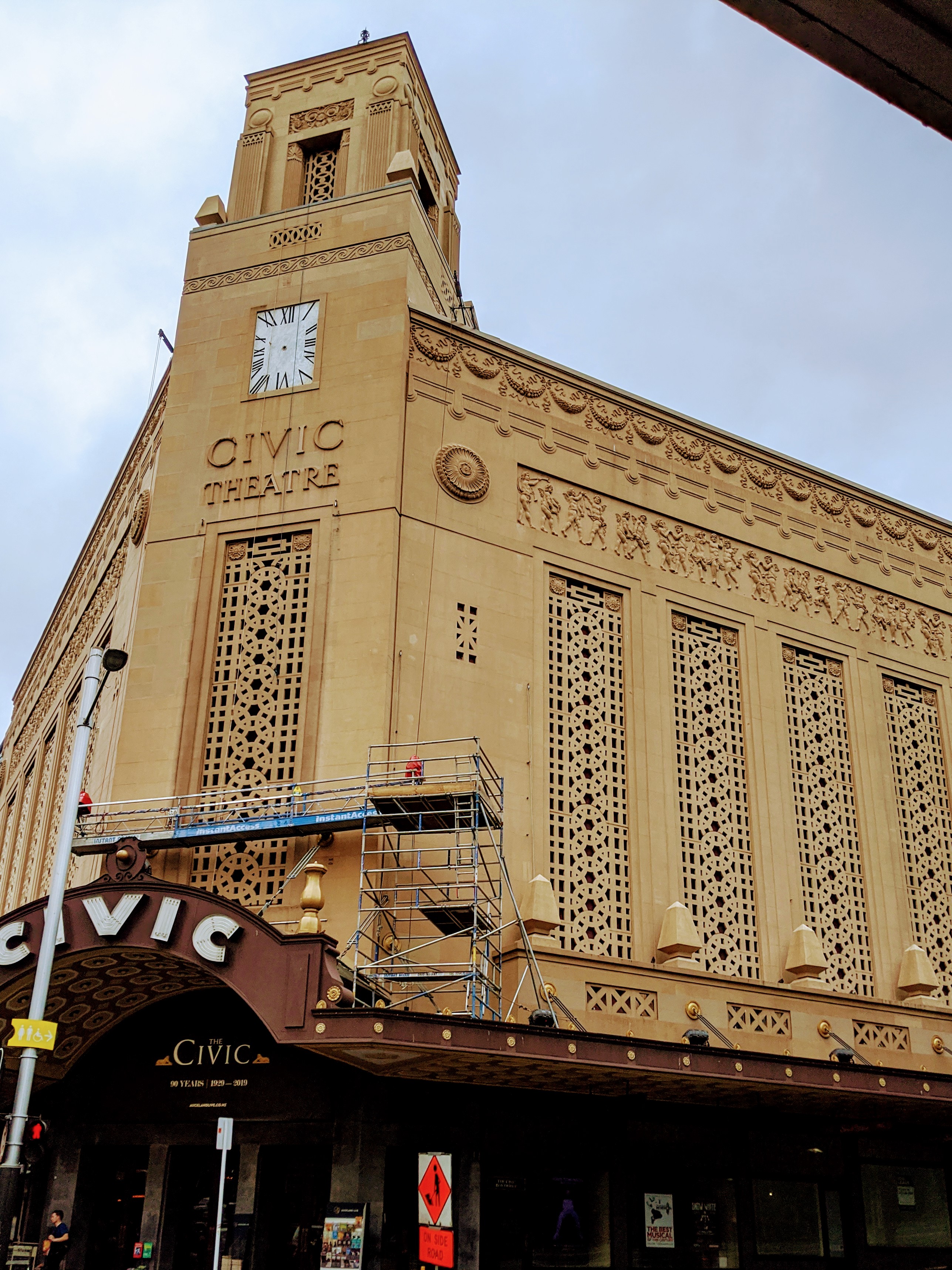
Back in the central business district, we walked along Queen Street, with its exciting blend of new and old architecture. Of particular interest to us was the historic Civic Theater. The Civic opened in 1929 as a “picture palace” to usher in the era of the talkies. It was the creation of Thomas O’Brien, who declared at its opening “It is with supreme confidence in the future of Auckland, and with gratitude to those who have toiled with me in this great endeavour, that I present to my fellow citizens the consummation of an ideal – the creating of a place of entertainment symbolising the progressive spirit of our beautiful city.” O’Brien chose an Eastern theme, with Indian-inspired motifs in the public foyer including seated Buddhas, lavish twisted columns, and domed ceilings. The main auditorium features Spanish courtyard turrets, minarets, spires, tiled roofs, Abyssinian panther statues, and a soft-top ceiling that looks like a domed sky with twinkling stars and floating clouds. Every year in July, the Civic becomes an iconic destination for the New Zealand International Film Festival.

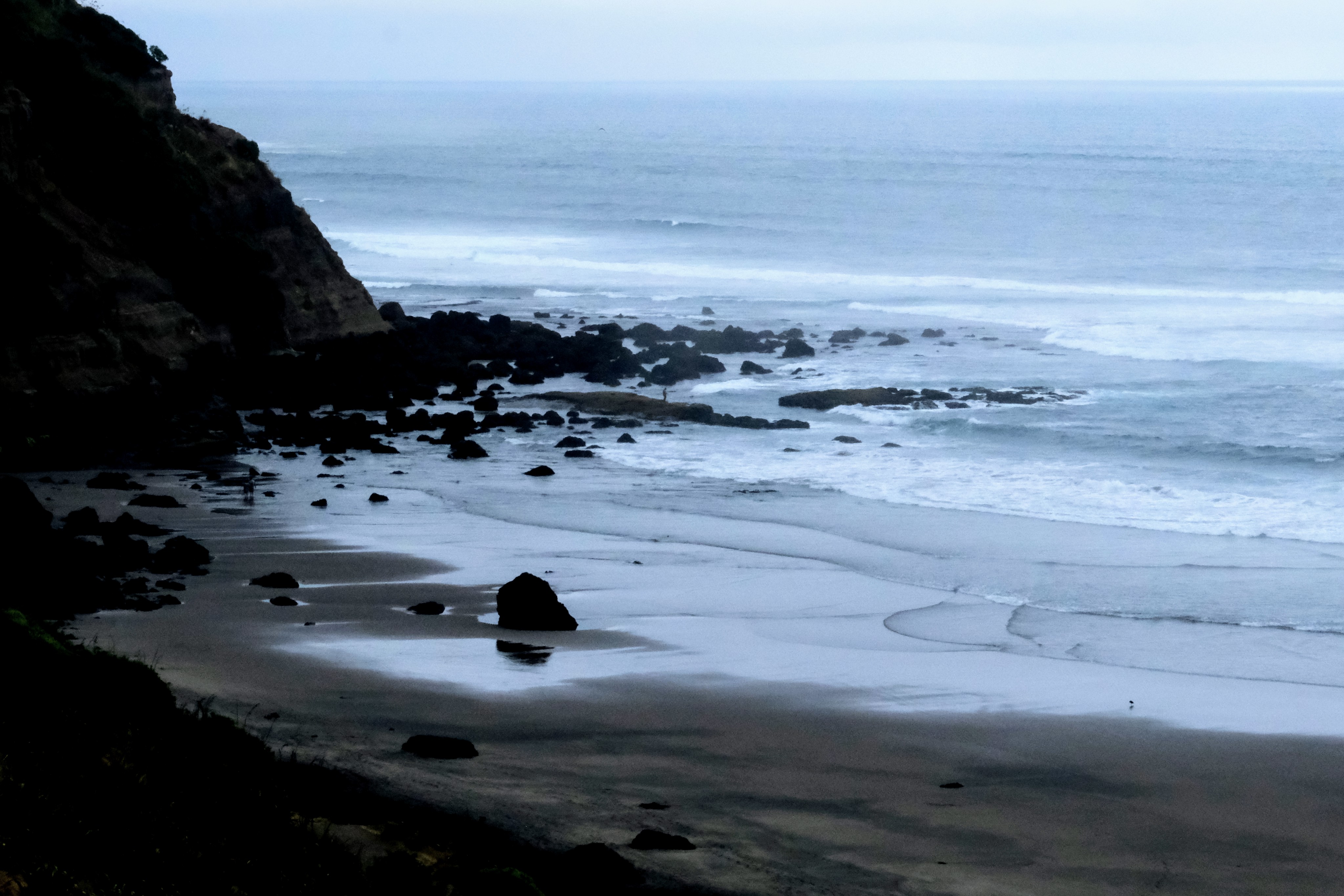
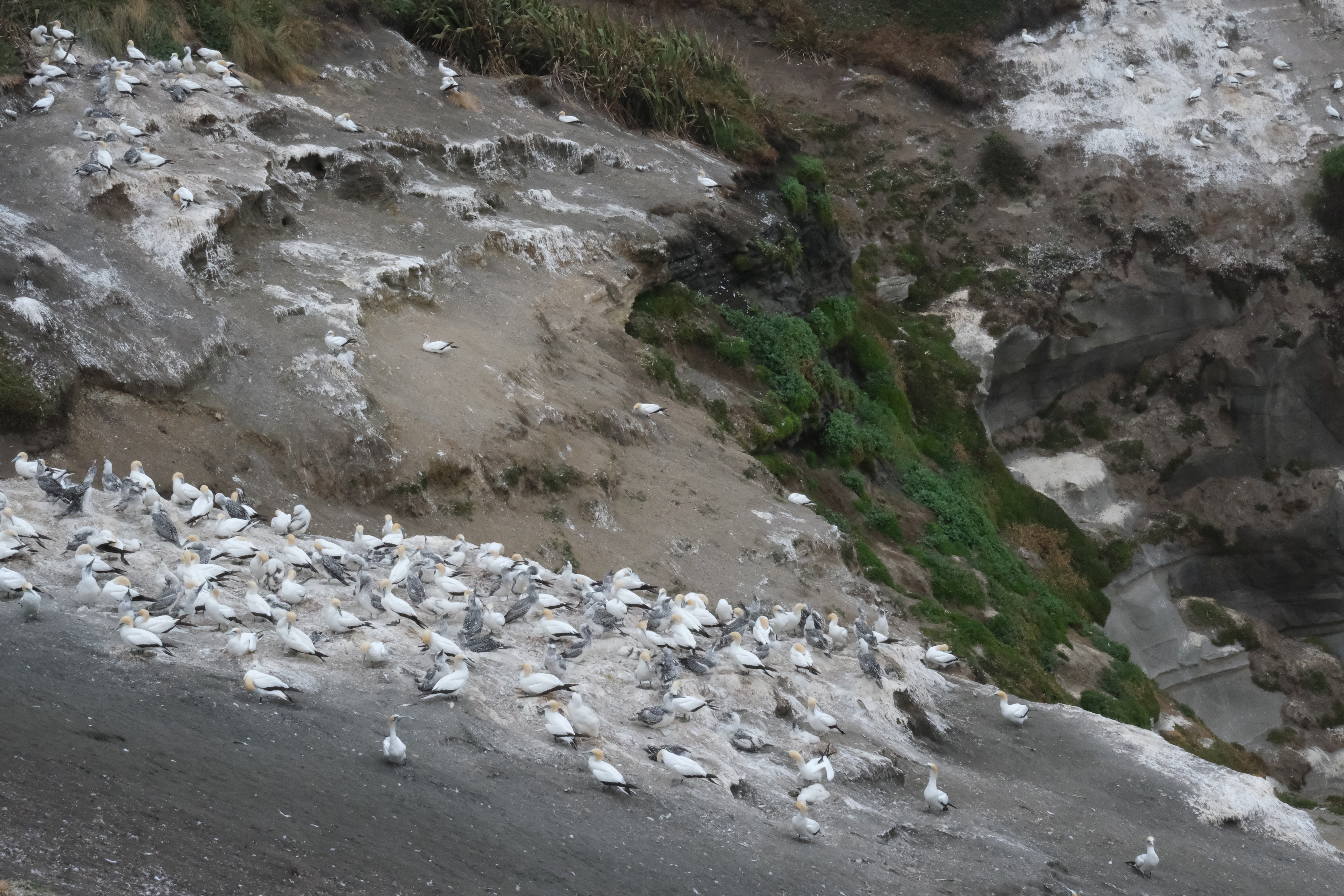
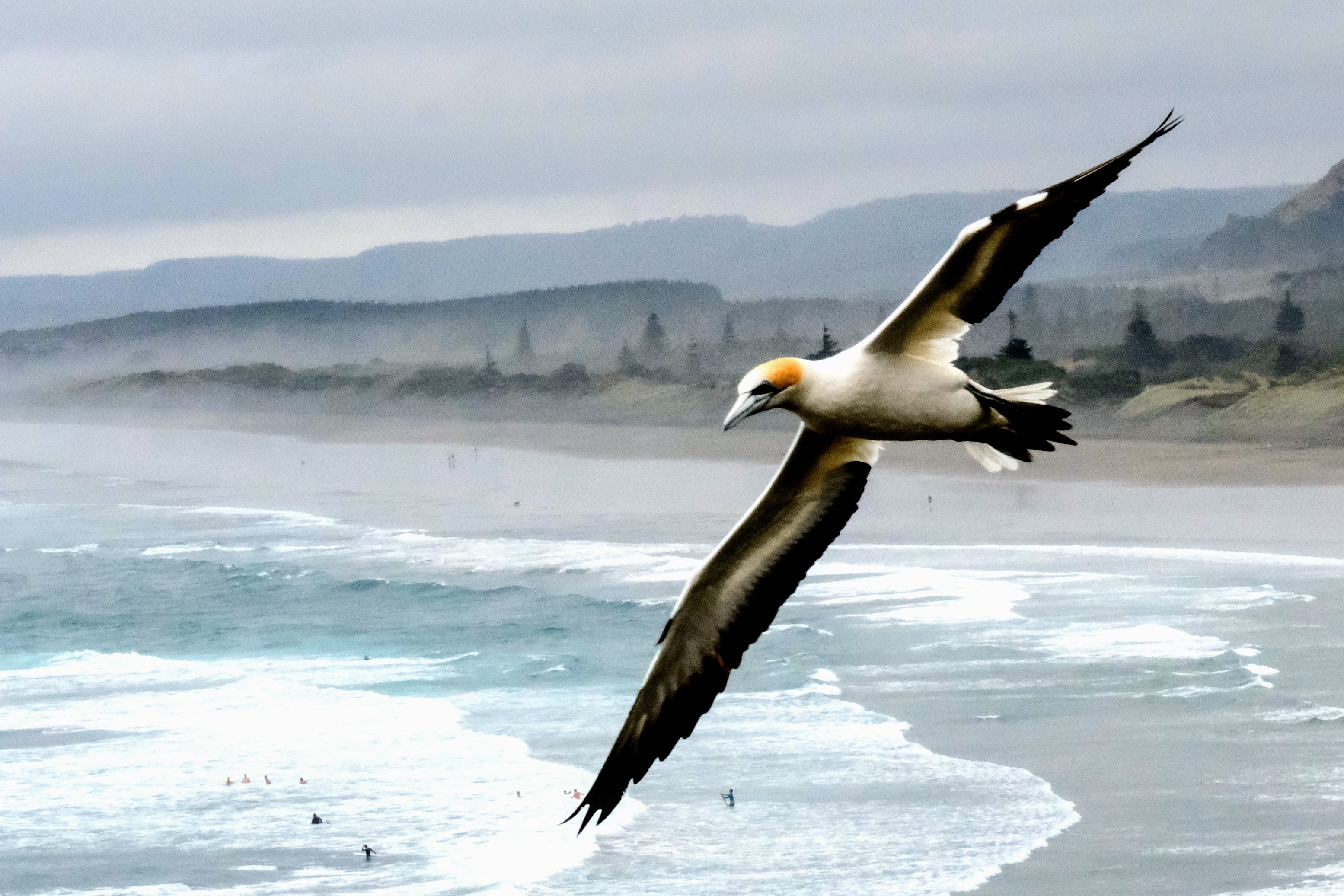
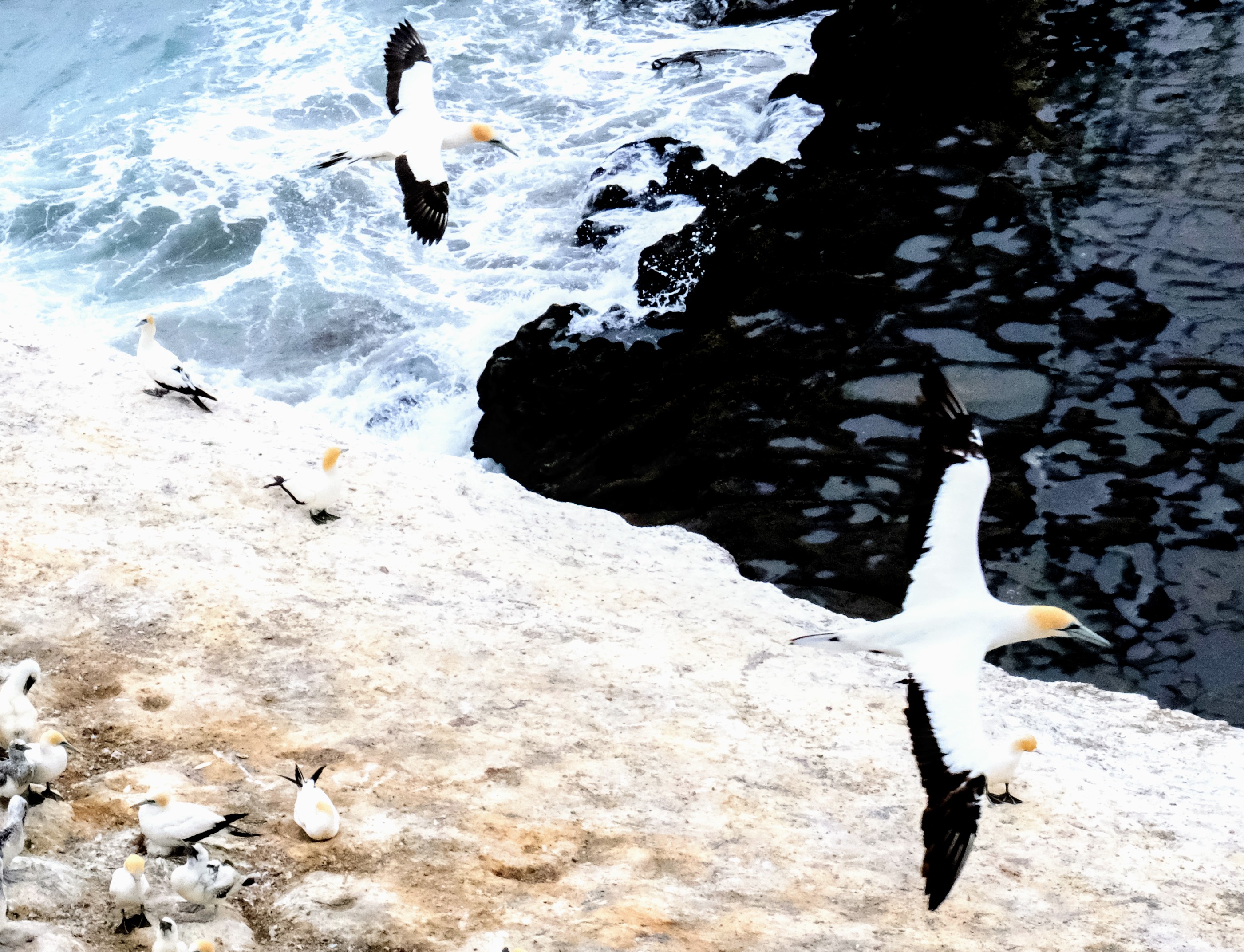
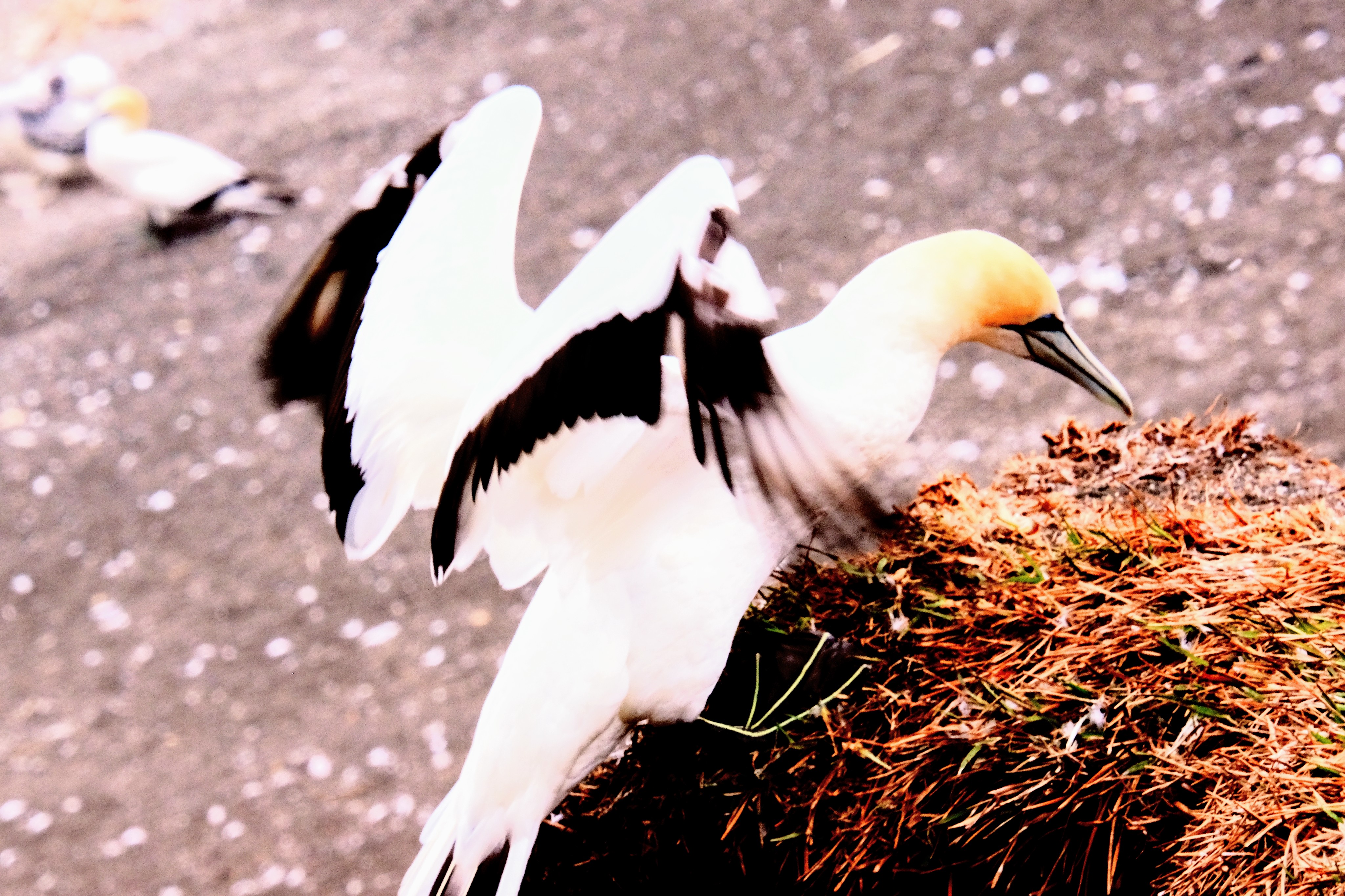
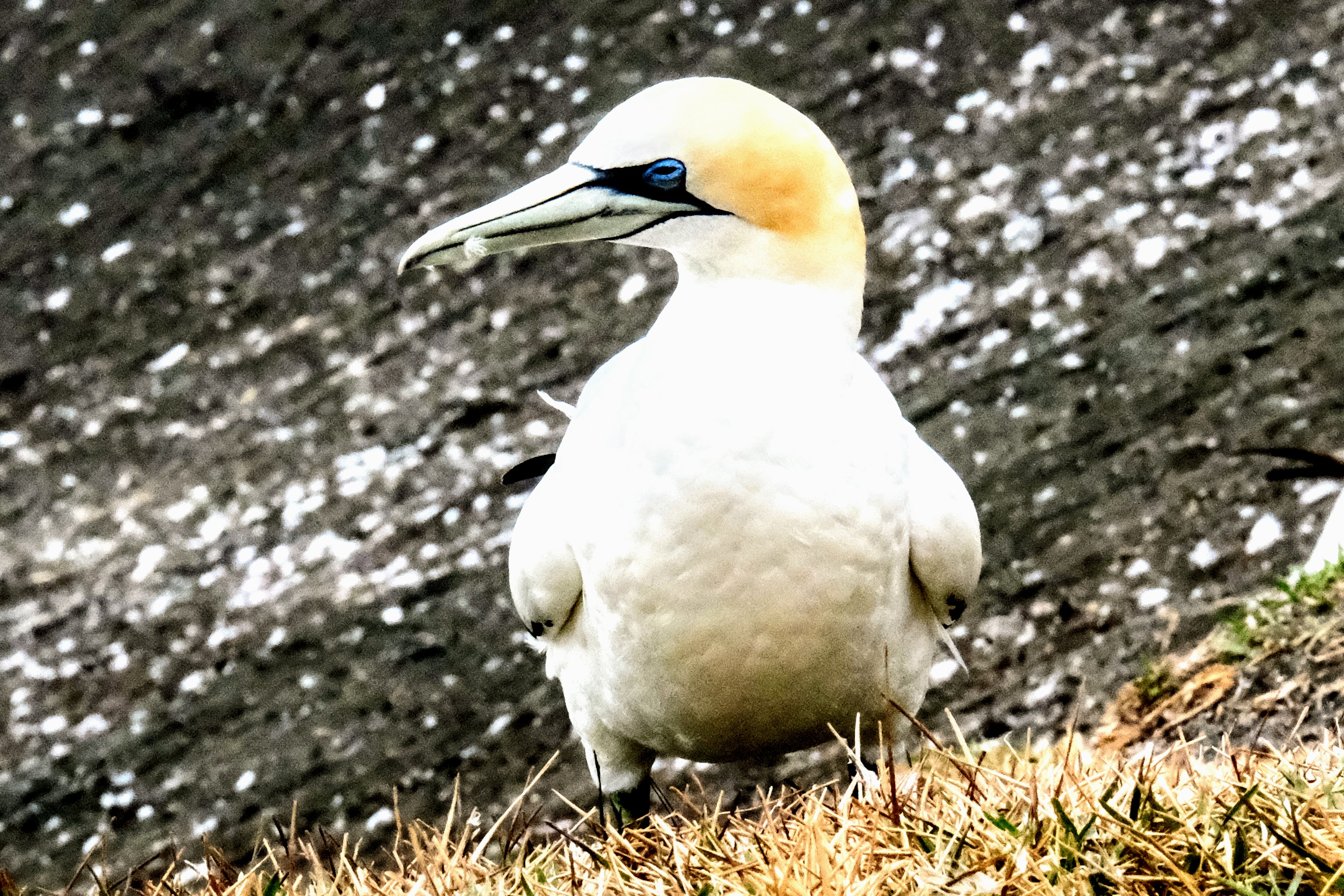
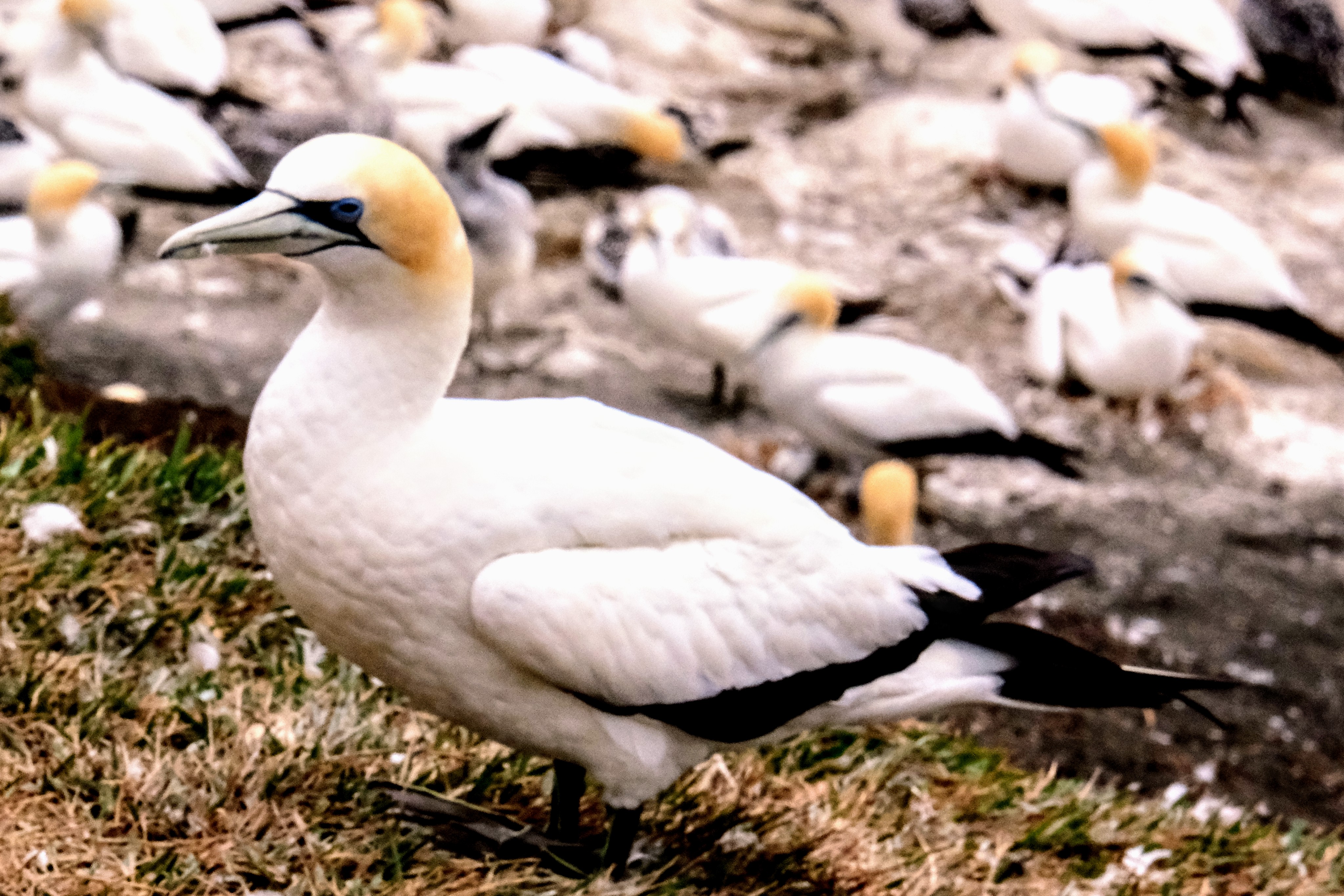
We also spent a delightful afternoon in the kiwi countryside, where we took in the North Island’s splendid beauty during an excursion to the West Coast. Traveling through the wine regions of Kumeu and Huapai, we made our way to Muriwai Beach. We enjoyed a short hike through this unspoiled area of black sand, rugged terrain, and pounding surf to the cliffs overlooking the beach. We took in spectacular views of the Tasman Sea and its rocky coastline, but the real reward was the colony of gannets that greeted us at the top. This seabird colony is one of only three in the country, and was a highlight of our tour.

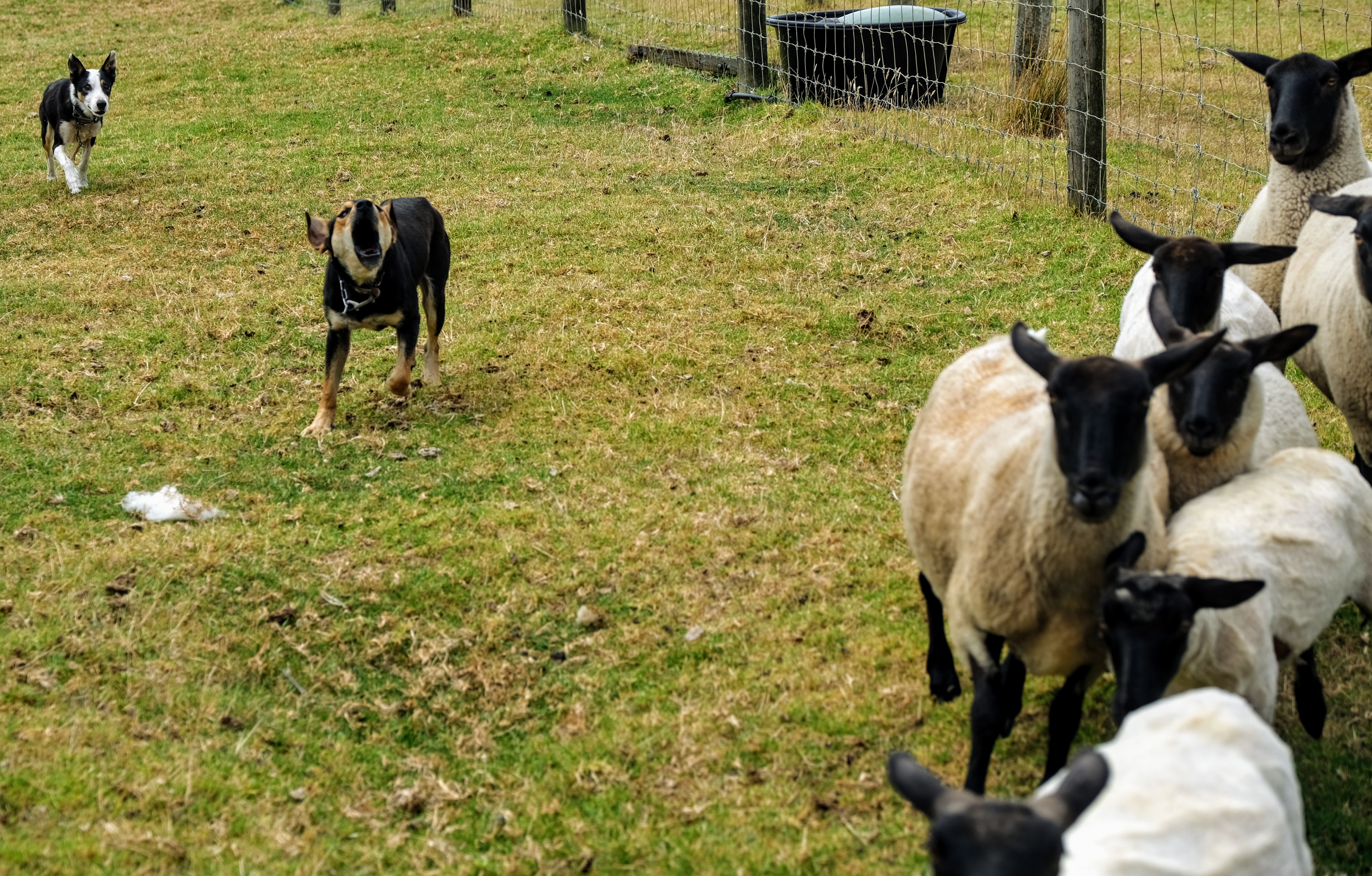
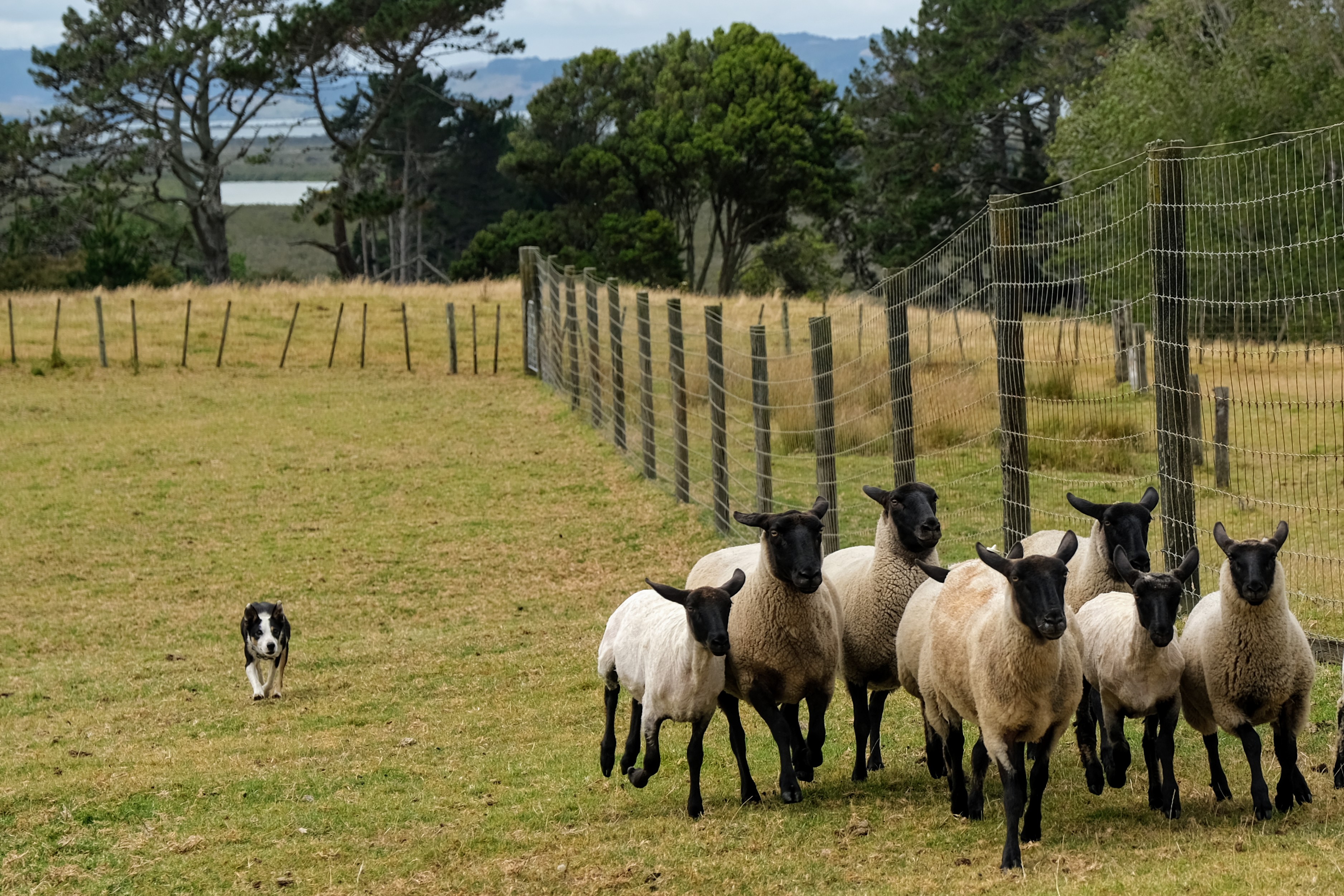
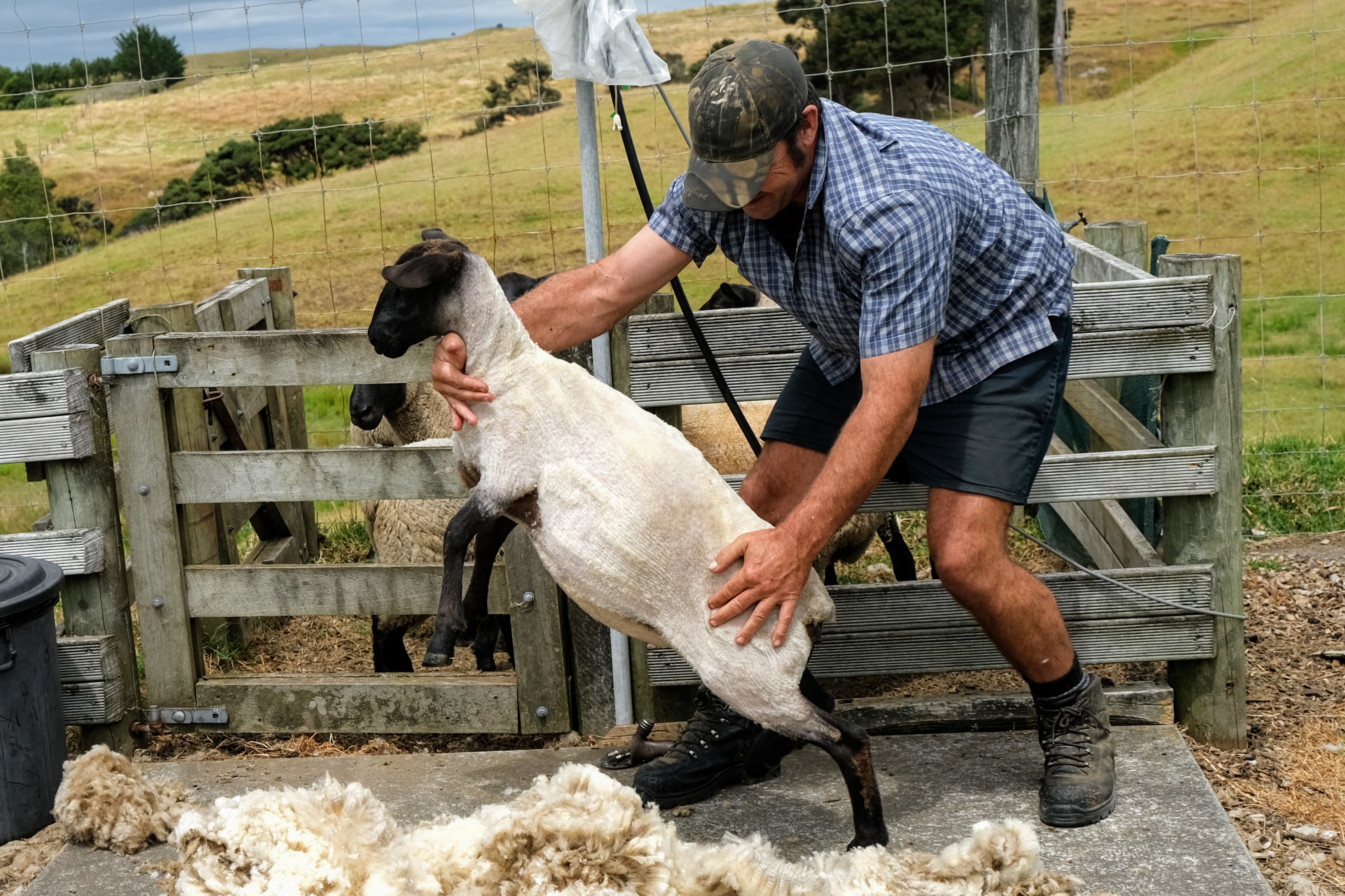
We continued on to the family-run Haumoana sheep farm. While taking in the peaceful ambiance of their rolling 300 acre property, we enjoyed refreshing afternoon tea and some delicious home-made treats. Then, their two sheepdogs rounded up several sheep for an interesting sheep-shearing demonstration. One of their good boys silently organizes the sheep with “the look” while the other barks them into the paddock to await their turn for shearing.

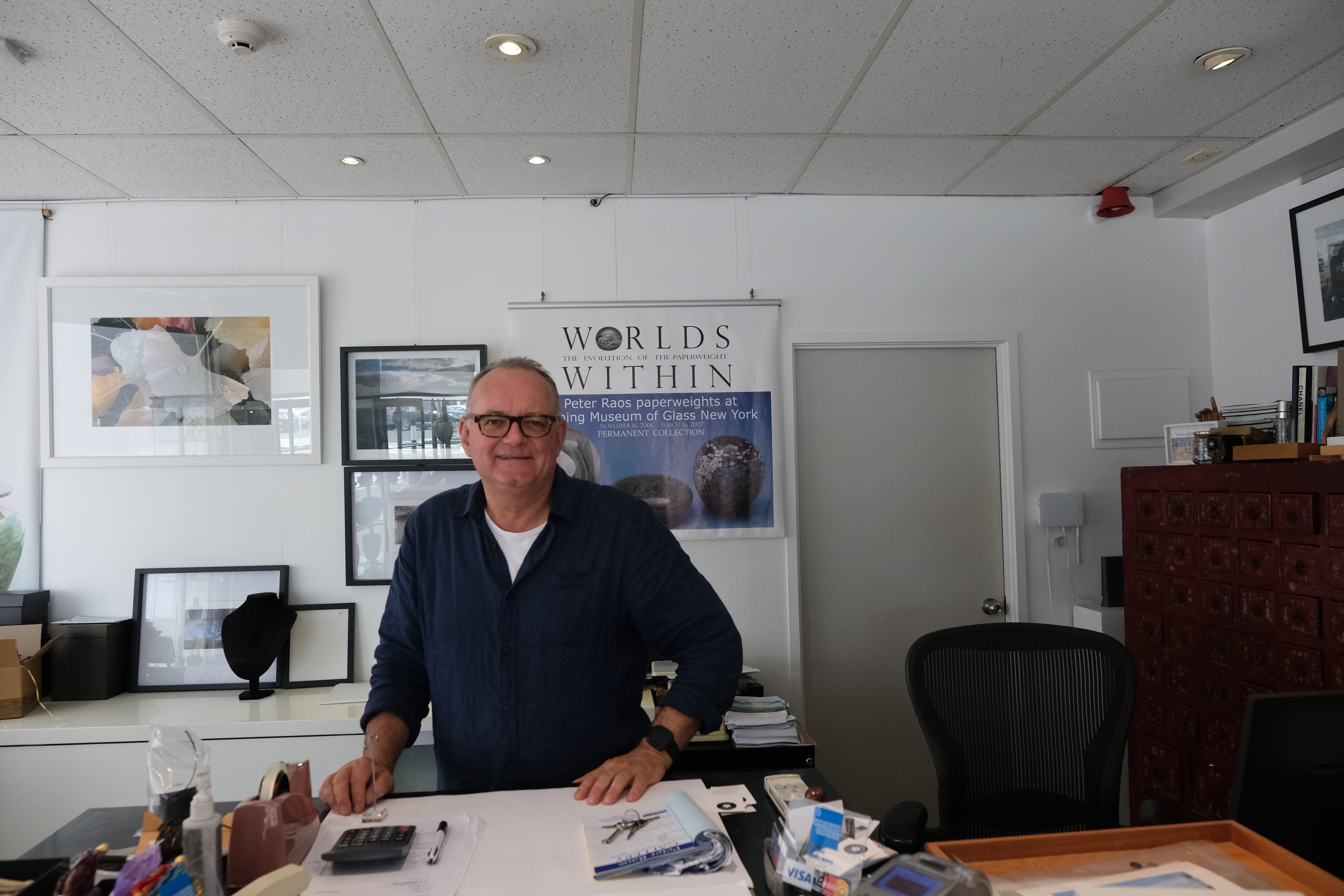
Our next adventure took us to Auckland’s North Shore and Devonport Village (sorry, Devin…they use the British spelling for your name!) This picturesque peninsula village boasts a colorful array of lovely homes and cottages ranging from Victorian to modern. Its main street has a wonderful array of specialty shops and cafes, and we were delighted to visit Peter Raos’ fine glass art gallery, where we met Peter and learned that several of his exquisite hand made pieces are in the permanent collection at the Corning Glass Museum in New York, one of our favorites. We might have even made a small purchase or two! Devonport also has its own historic theater (The Old Vic), and the modern, inviting library provides a welcoming place for young and old. Inspired by yesterday’s sheep-shearing, Doug went under the expert shearing of the lovely Mira and was none the worse for the experience!

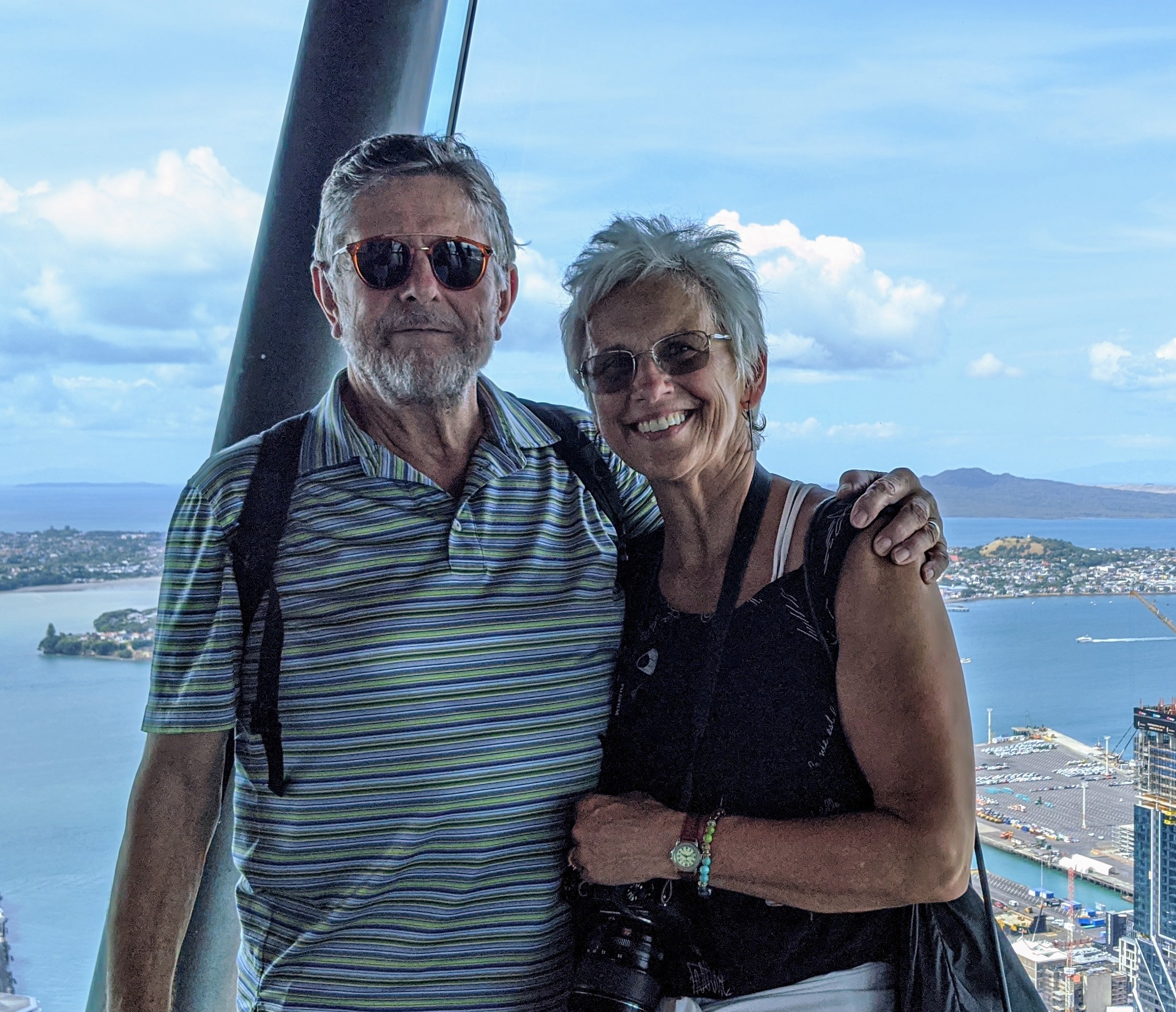
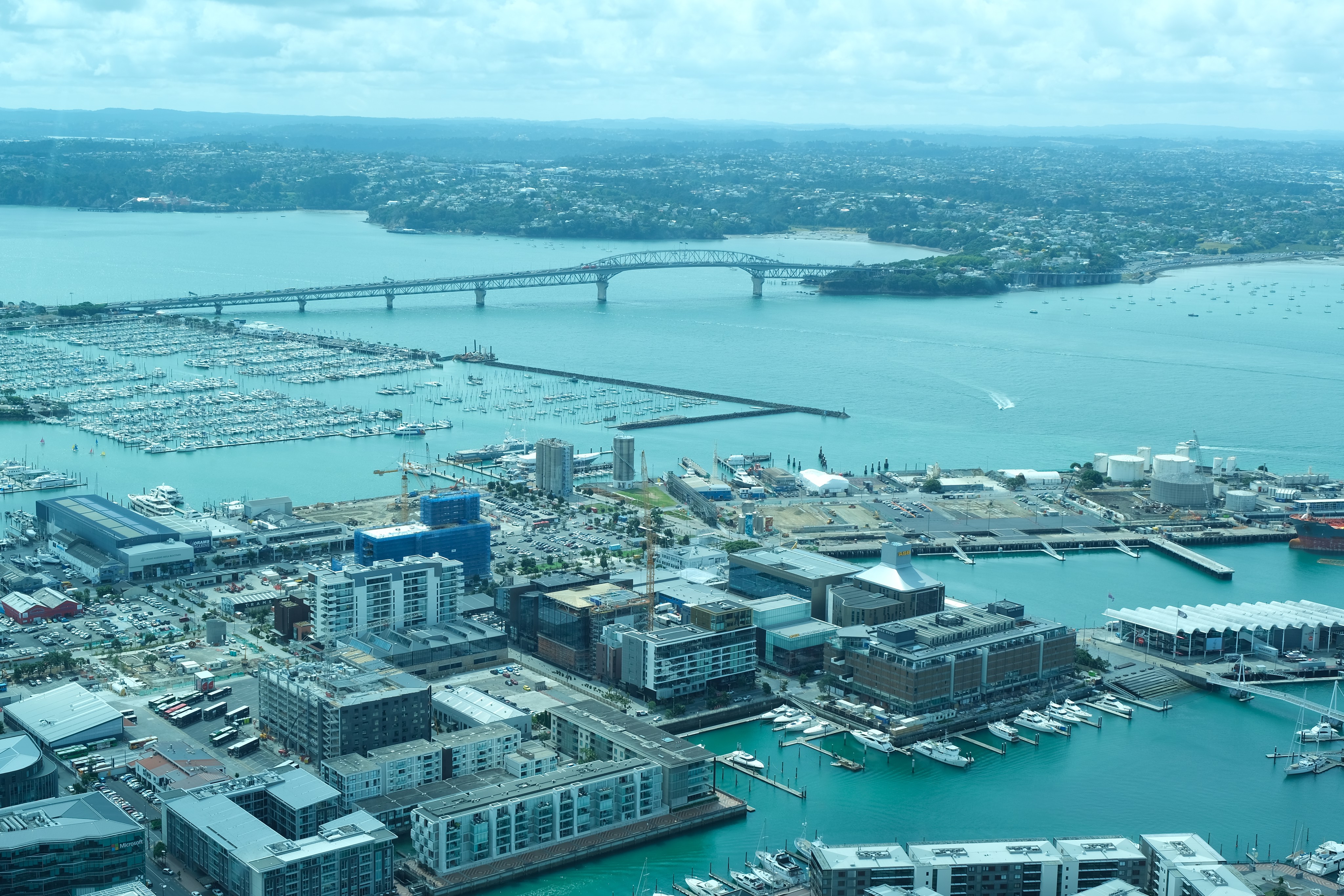
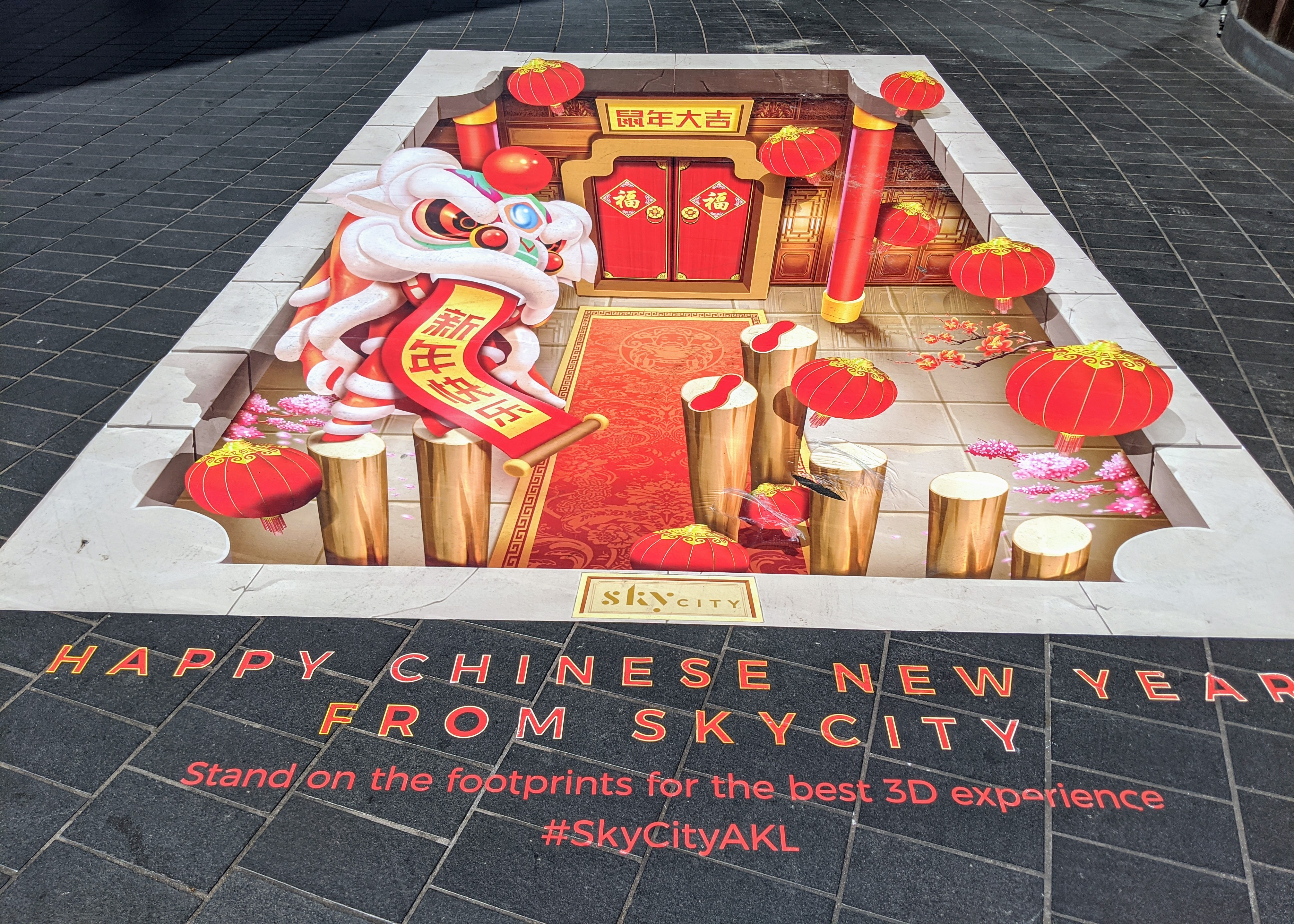
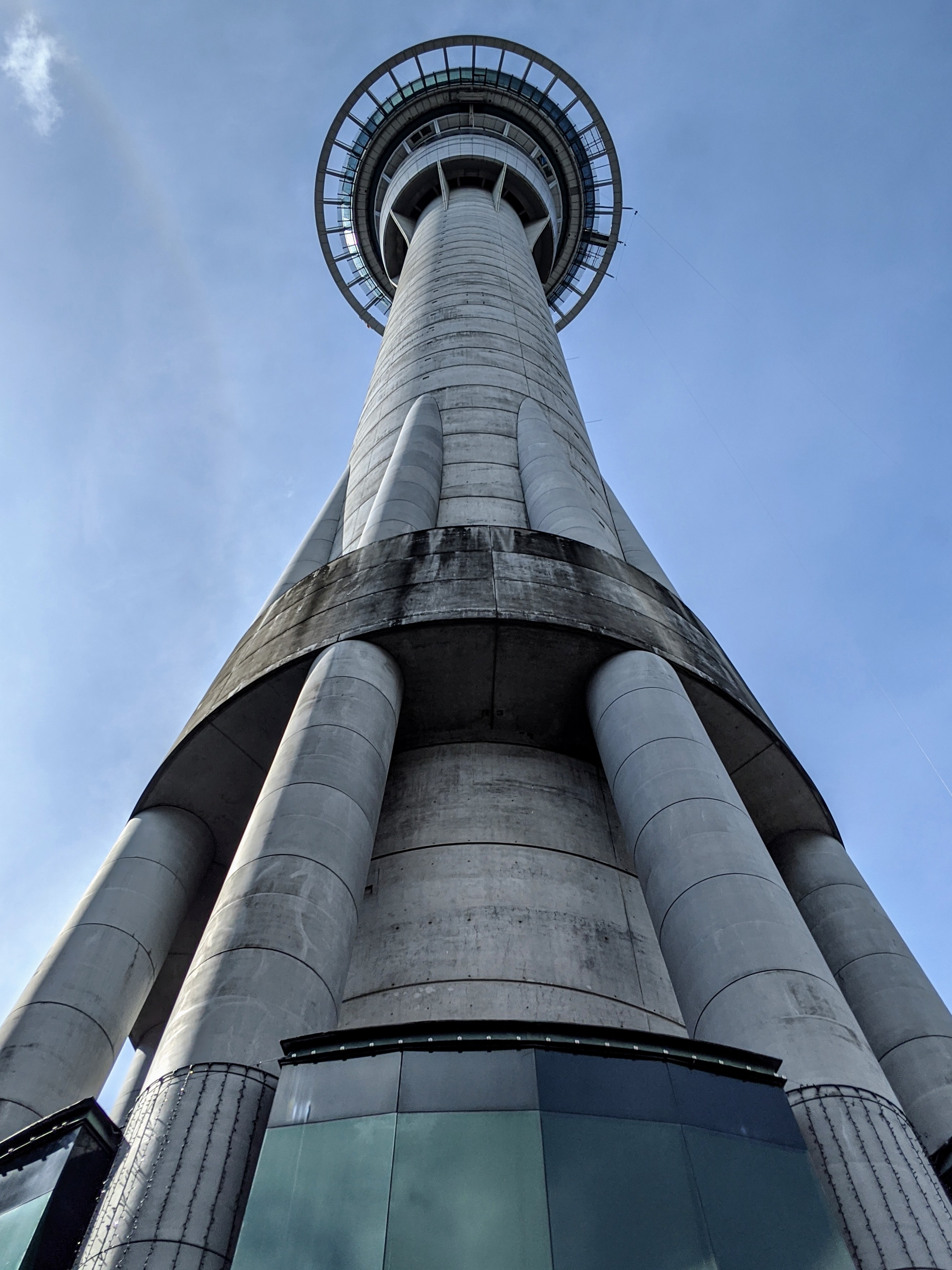
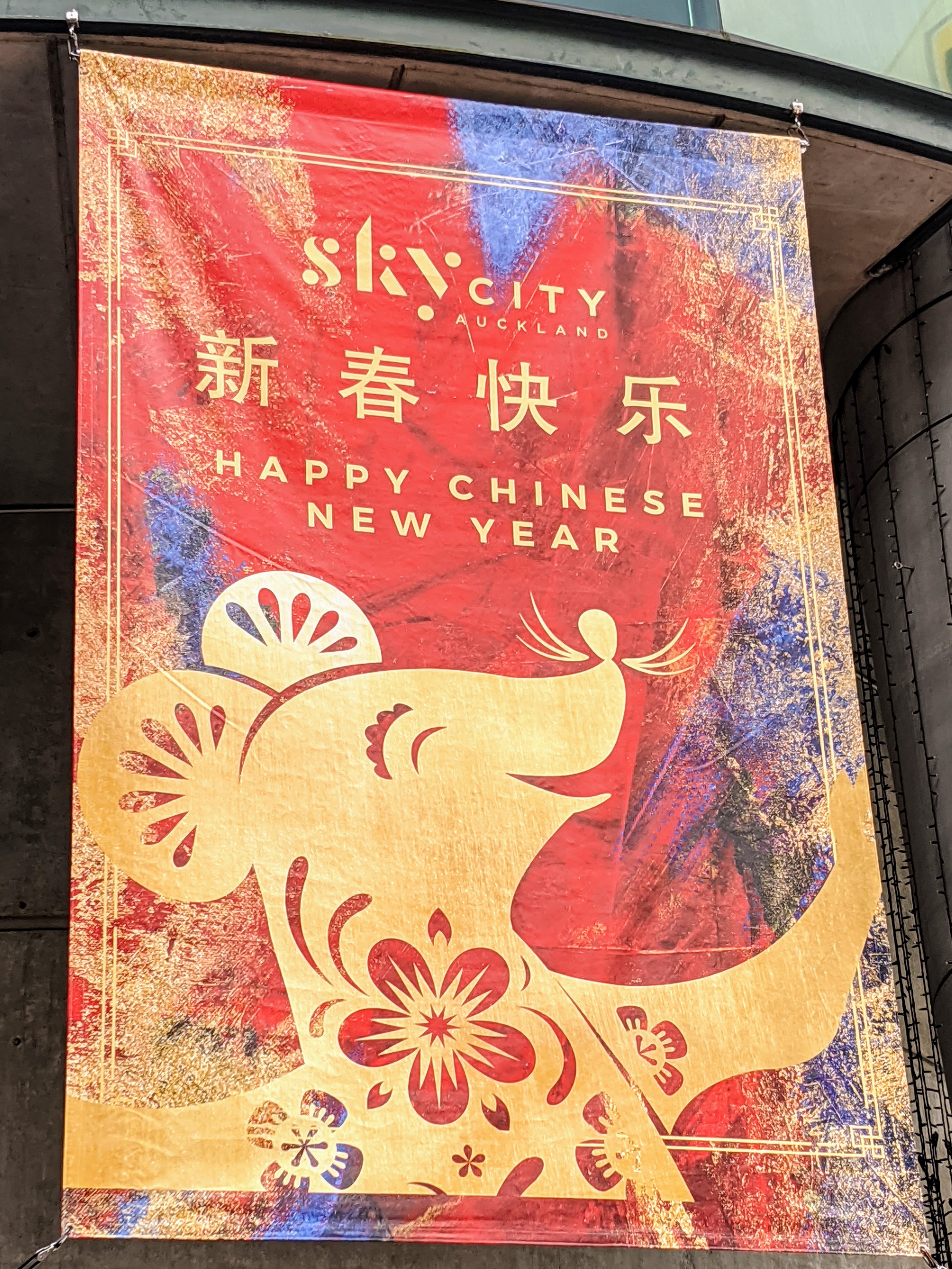
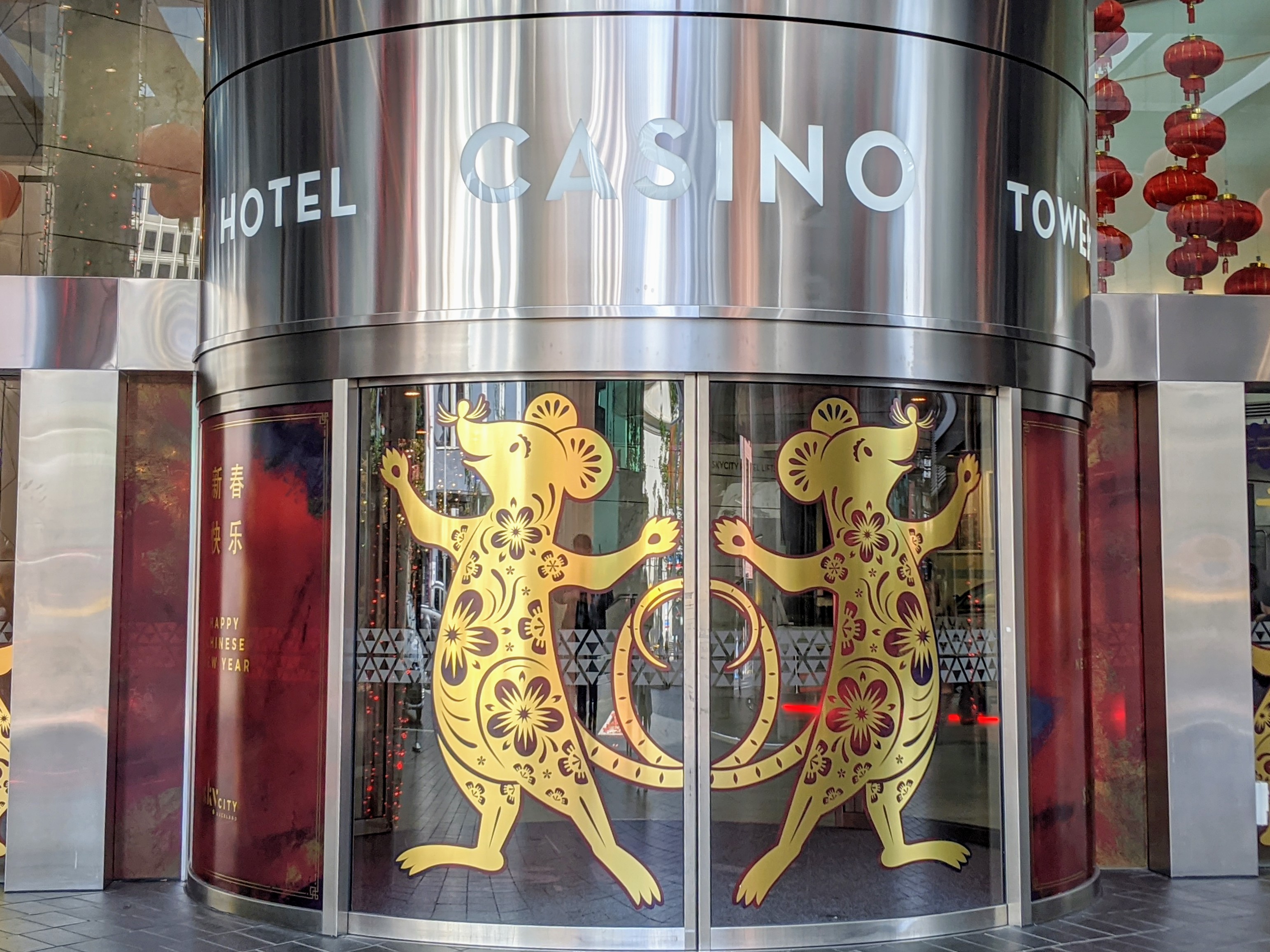
And no visit to Auckland would be complete without a visit to the iconic Sky Tower. Located at the corner of Victoria and Federal Streets within the city’s central business district, it is 328 metres (1,076 ft) tall, as measured from ground level to the top of the mast, making it the tallest freestanding structure in the Southern Hemisphere and the 25th tallest tower in the world. We DID NOT do the tower jump, but we did ride to the sky deck for some of the most spectacular views of this wonderful city! At the base of the tower, SkyCity Auckland, a casino and event center, was celebrating Chinese New Year and the Year of the Rat.

Bay of Islands, New Zealand

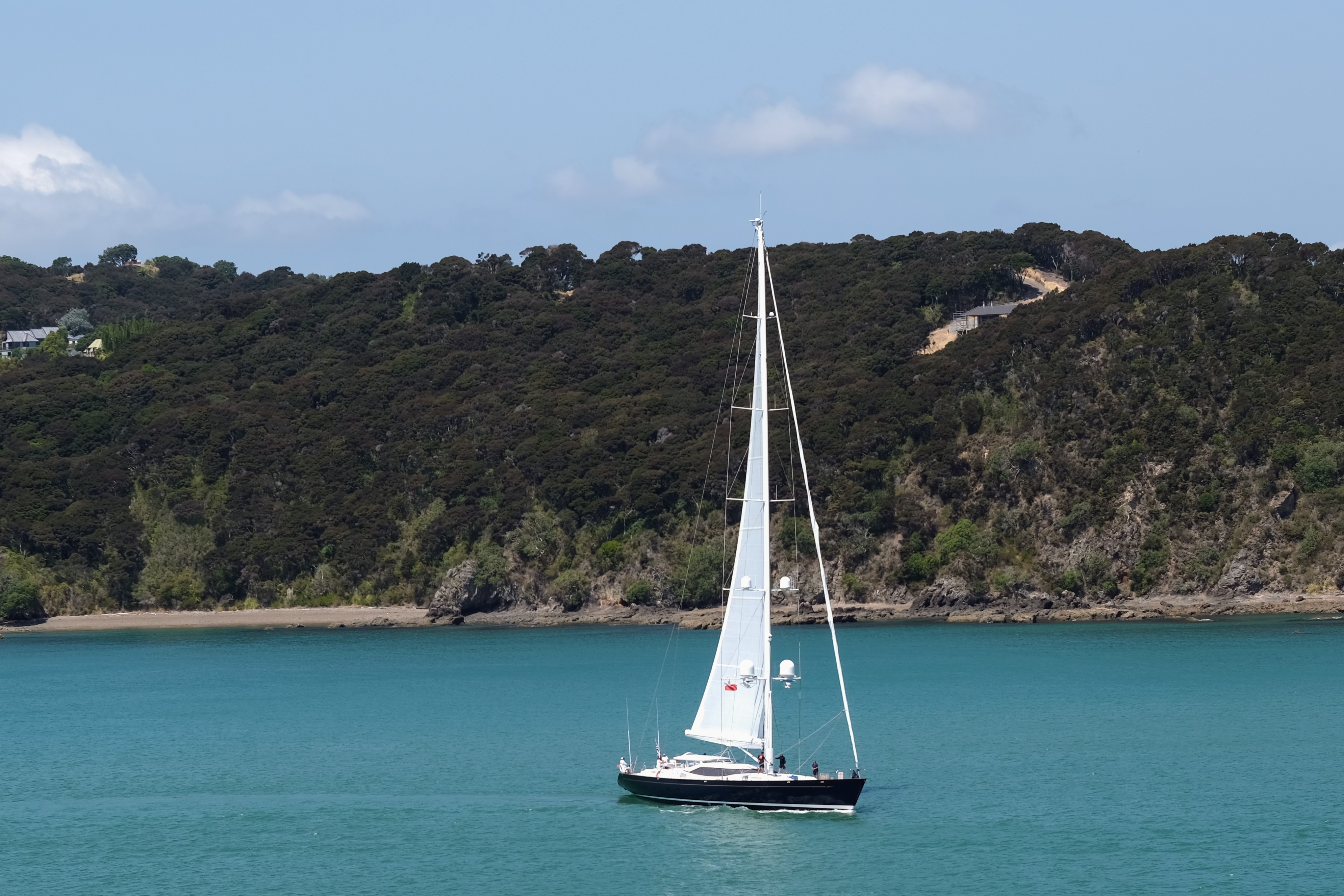
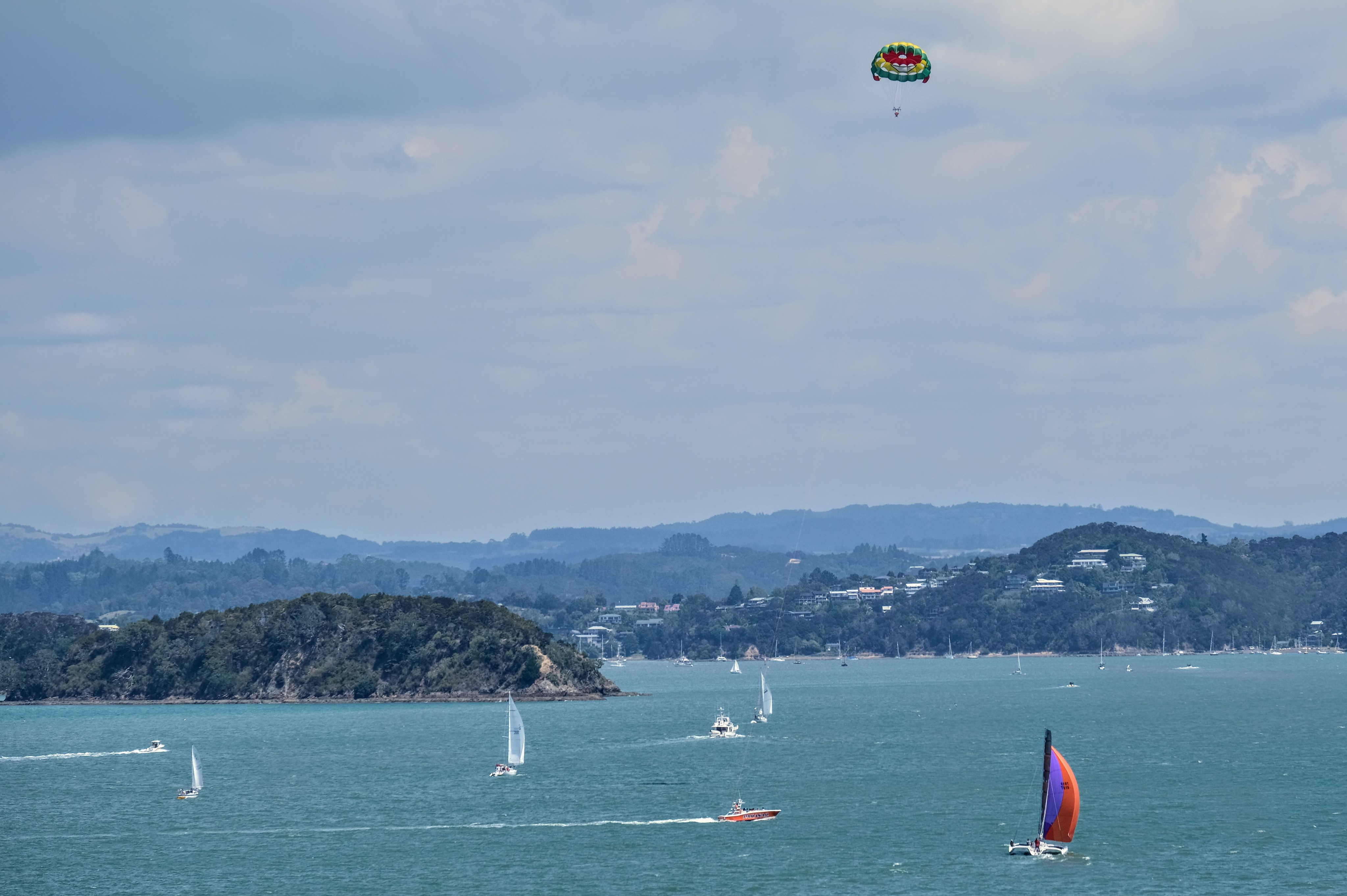
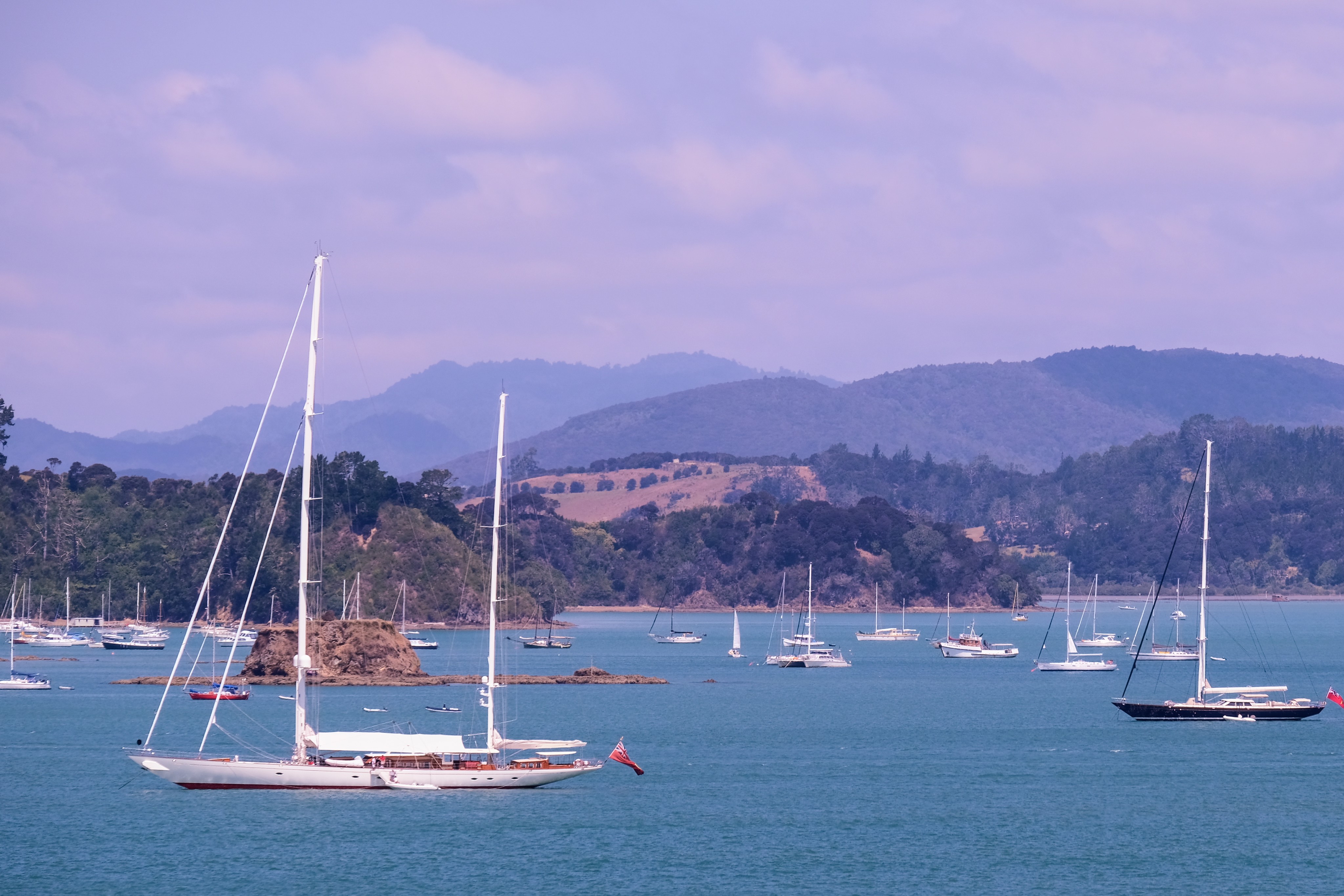
As the sun rose on the Bay of Islands (Waitangi), the Viking Sun anchored near the port town of Paihia, an ideal place to start our next nine days in New Zealand. As we made our way to shore, we learned that Waitangi holds a central role in the history of New Zealand. In 1840, the Treaty of Waitangi was signed here by British officers and Maori chiefs, bestowing sovereignty over the growing nation on Queen Victoria. Today, the 140 sub-tropical Waitangi islands are a fascinating blend of Maori and colonial culture. Paihia provides a gateway to some interesting history, sandy beaches, and diving sites throughout the islands. Sail boats, jet skis, kayaks, parasails, and other recreational watercraft dot the shoreline, all pointing to a beautiful first day in this scenic part of the world.

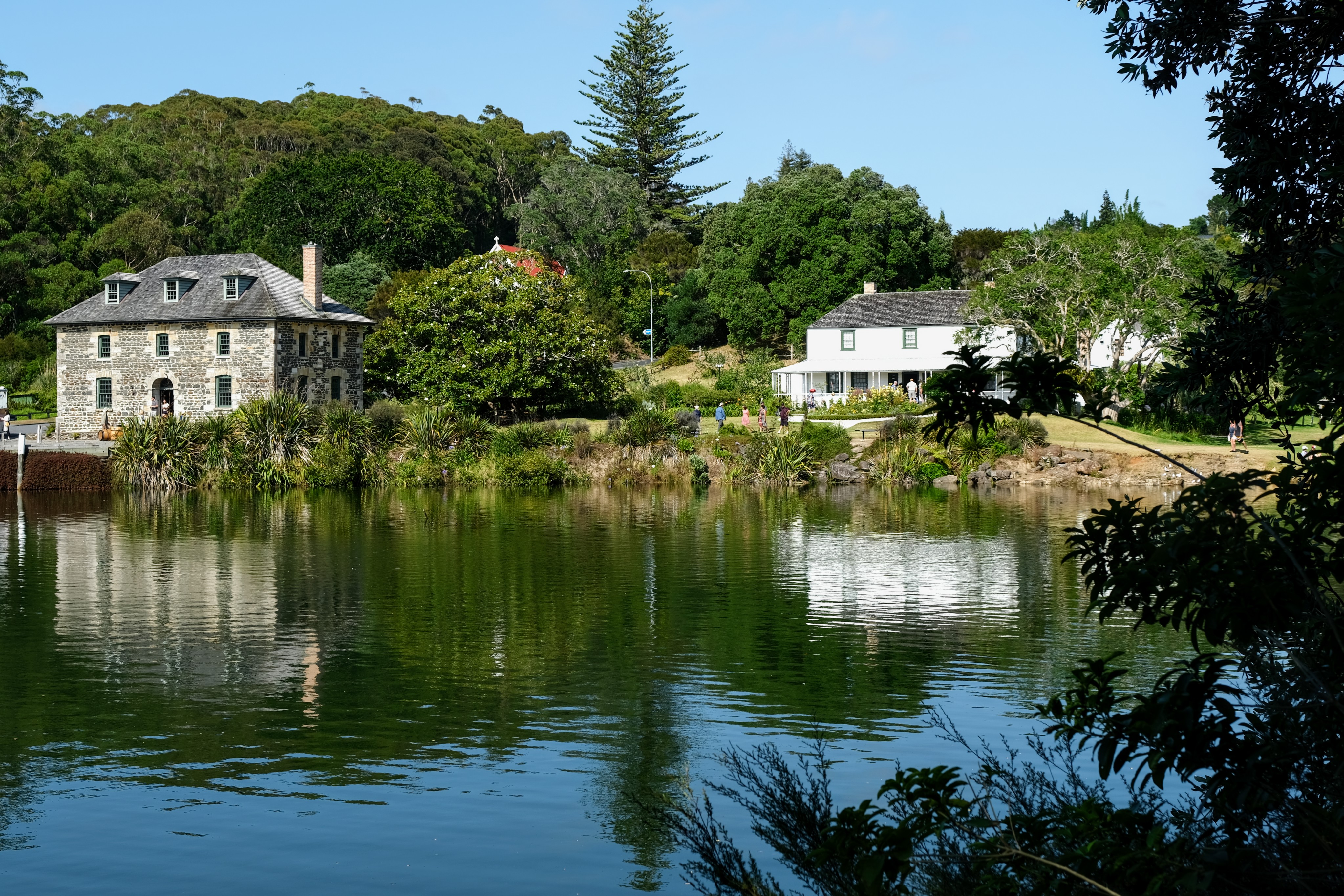
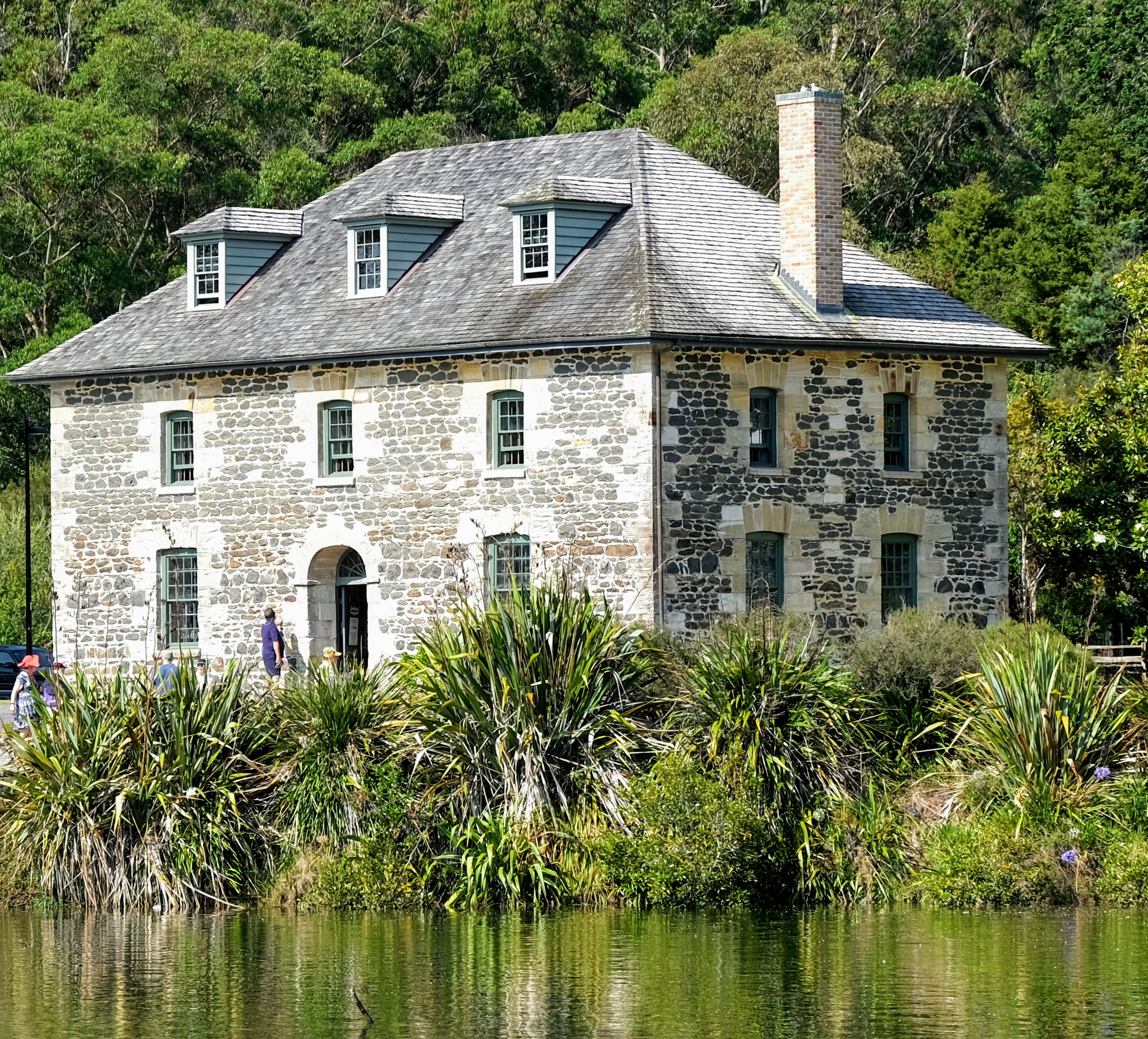
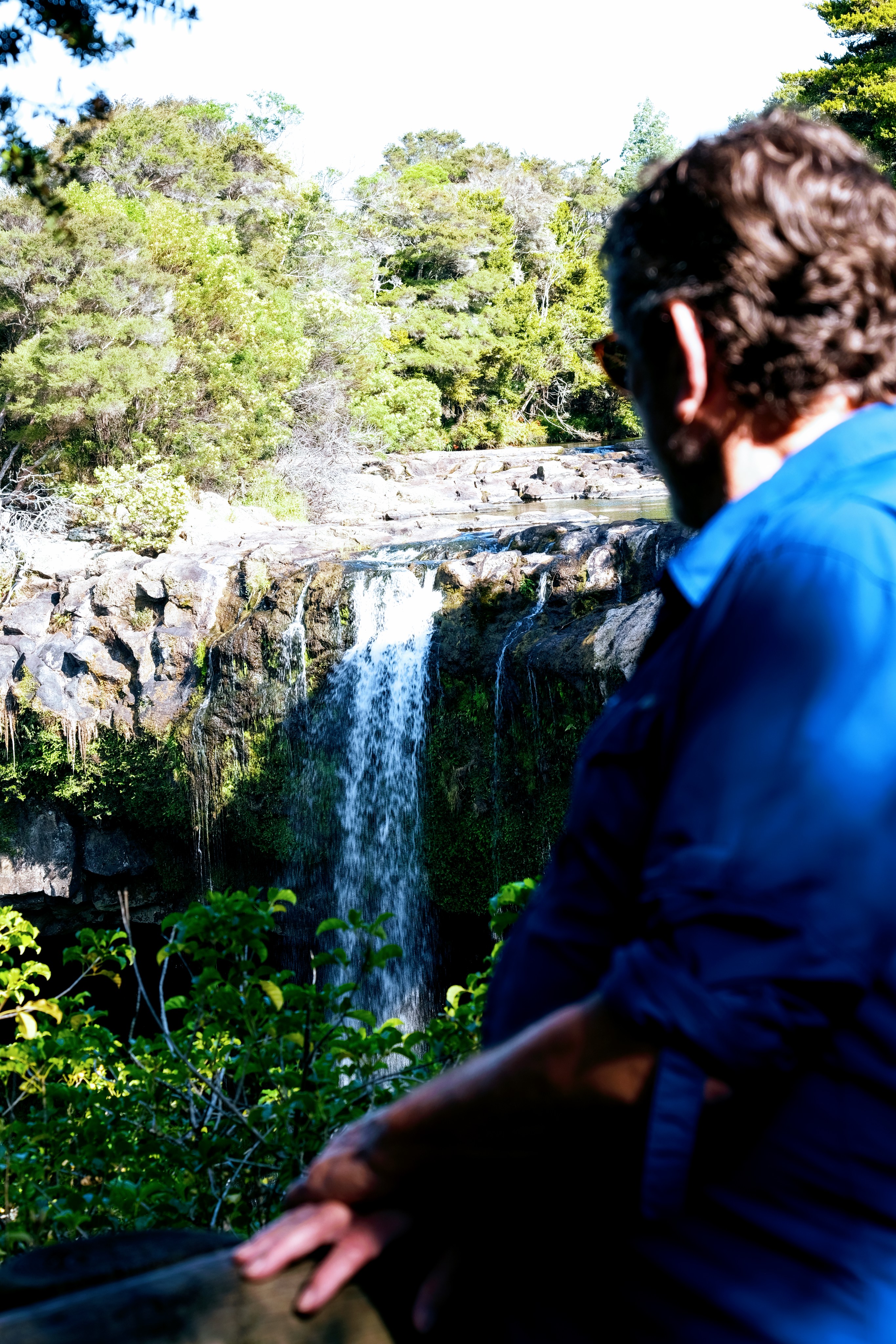
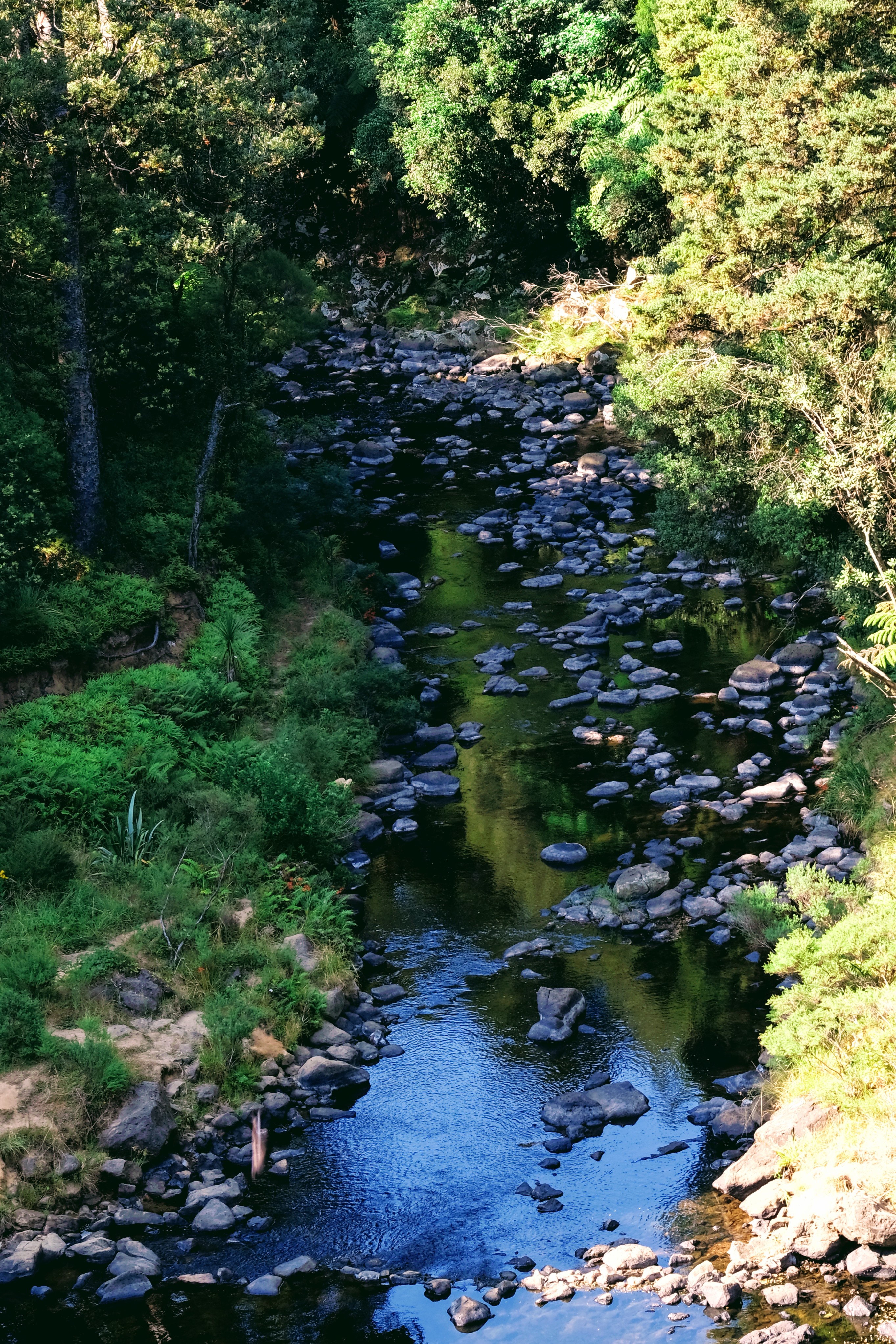
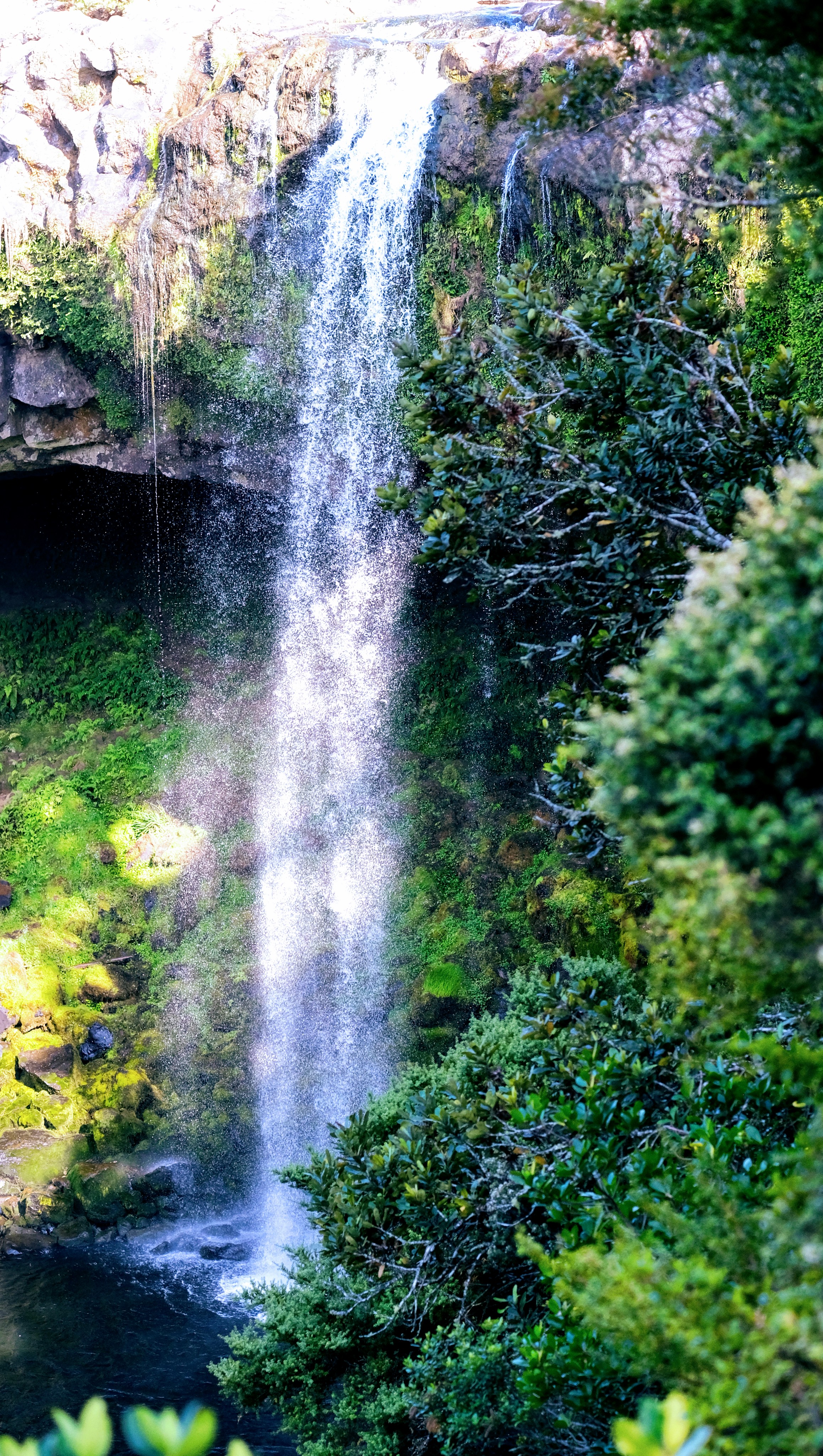
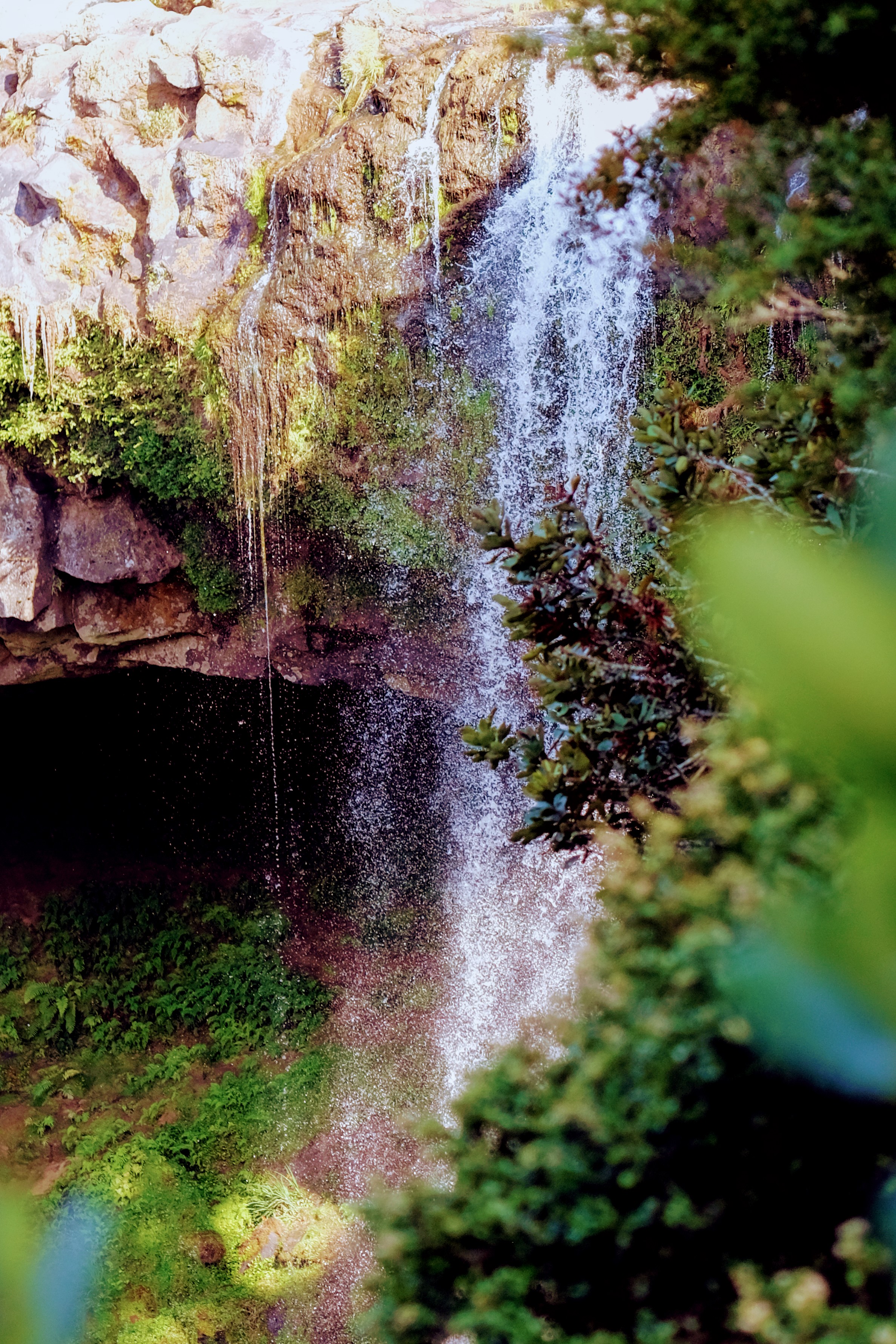
A short drive through the countryside brought us to the Kerikeri Basin, one of New Zealand’s most historic sites. The Kerikeri Mission Station was founded in 1819. It is the oldest surviving European settlement in New Zealand. The Kemp House, built in 1822, is New Zealand’s oldest surviving building, and the Stone Store, built in 1836, is New Zealand’s oldest stone building and the oldest trading building. The two stand close together and dominate the former wharf frontage to the river. The Kerikeri River meanders through the basin, and Rainbow Falls is one of the outstanding natural features of this area.

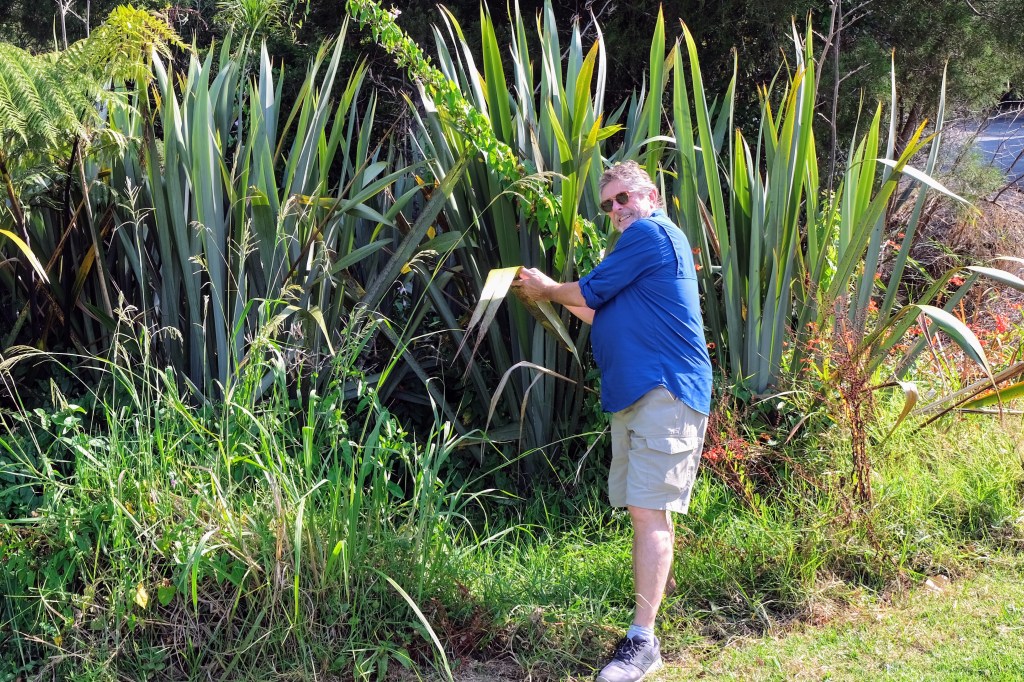
New Zealanders take full advantage of the health benefits of their native plants, many of which have their origins in traditional Maori herbal medicine. One example is honey made from the blossoms of the manuka plant, which has been recognized for its medicinal properties and is added to lotions, oils, and balms for export throughout the world. In addition to honey, manuka seeds are said to aid digestion, and the leaves can be steeped into a delicious, soothing tea. Kawakawa, one of New Zealand’s most distinctive plants, has also been an important healing herb in traditional Maori herbal medicine, and is still in use today. Kawakawa plants can be found throughout the countryside, and we had the opportunity to sample some during our visit. And harabeke leaves (a type of flax) contain a sticky sap that is said to have antiseptic properties.

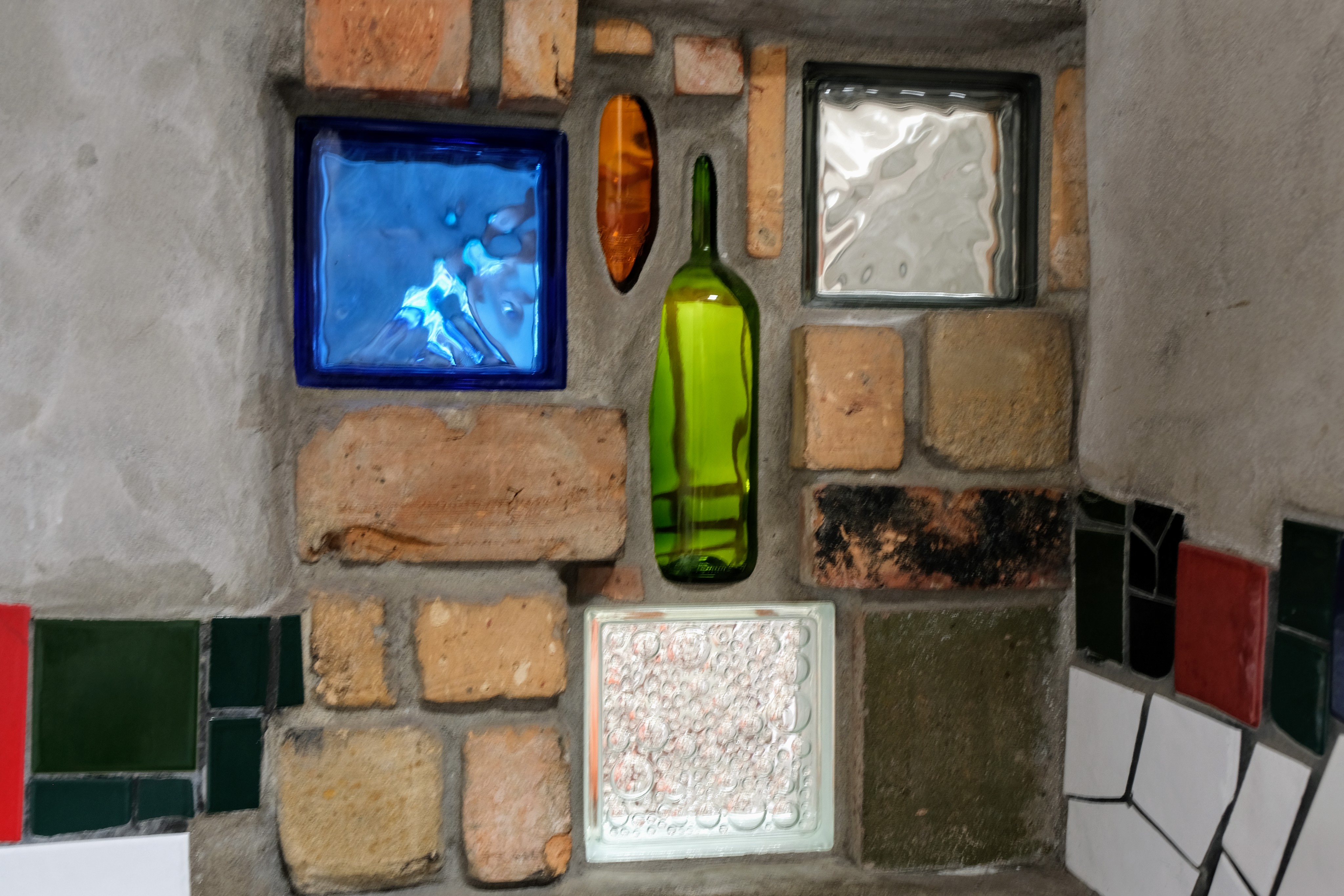
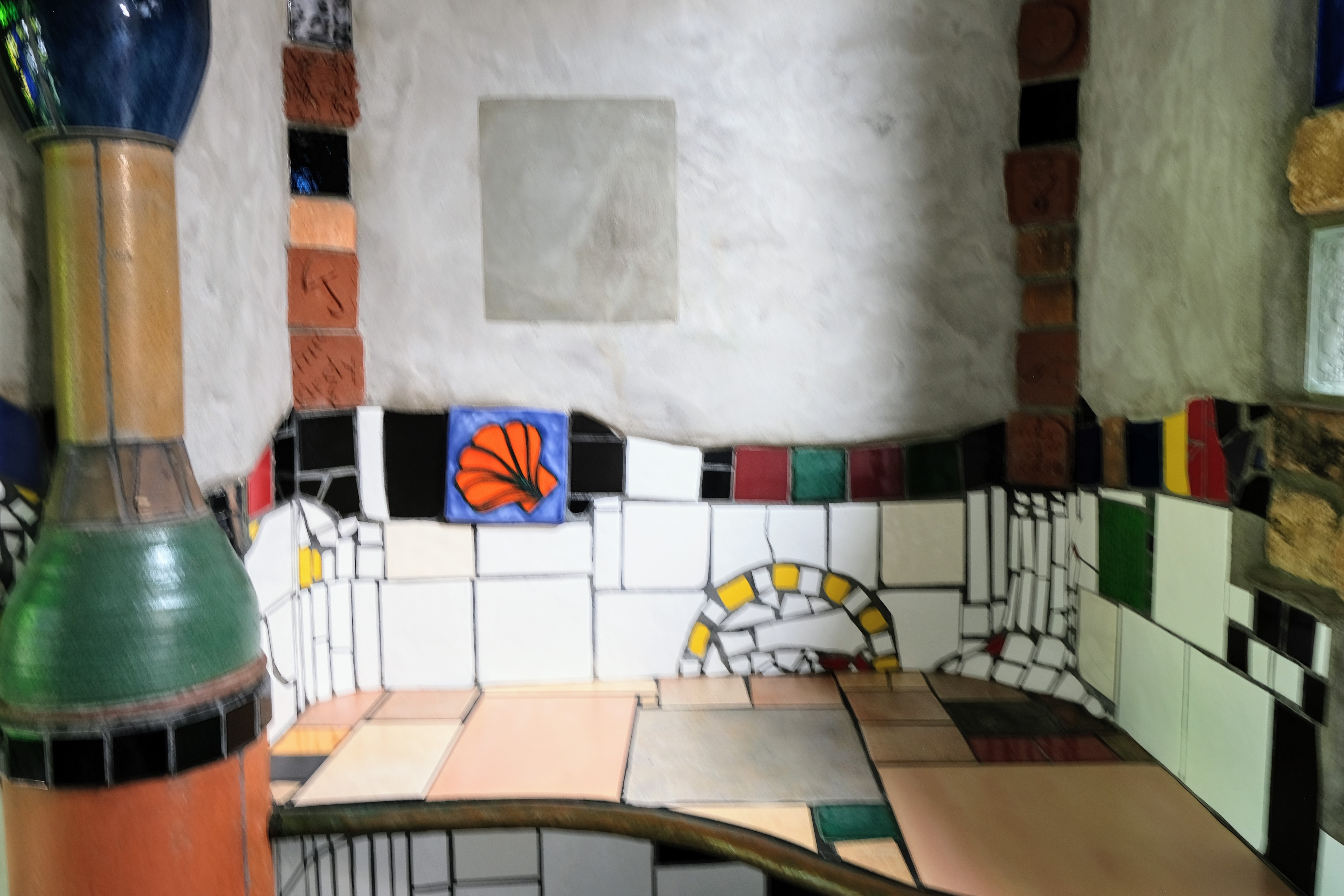
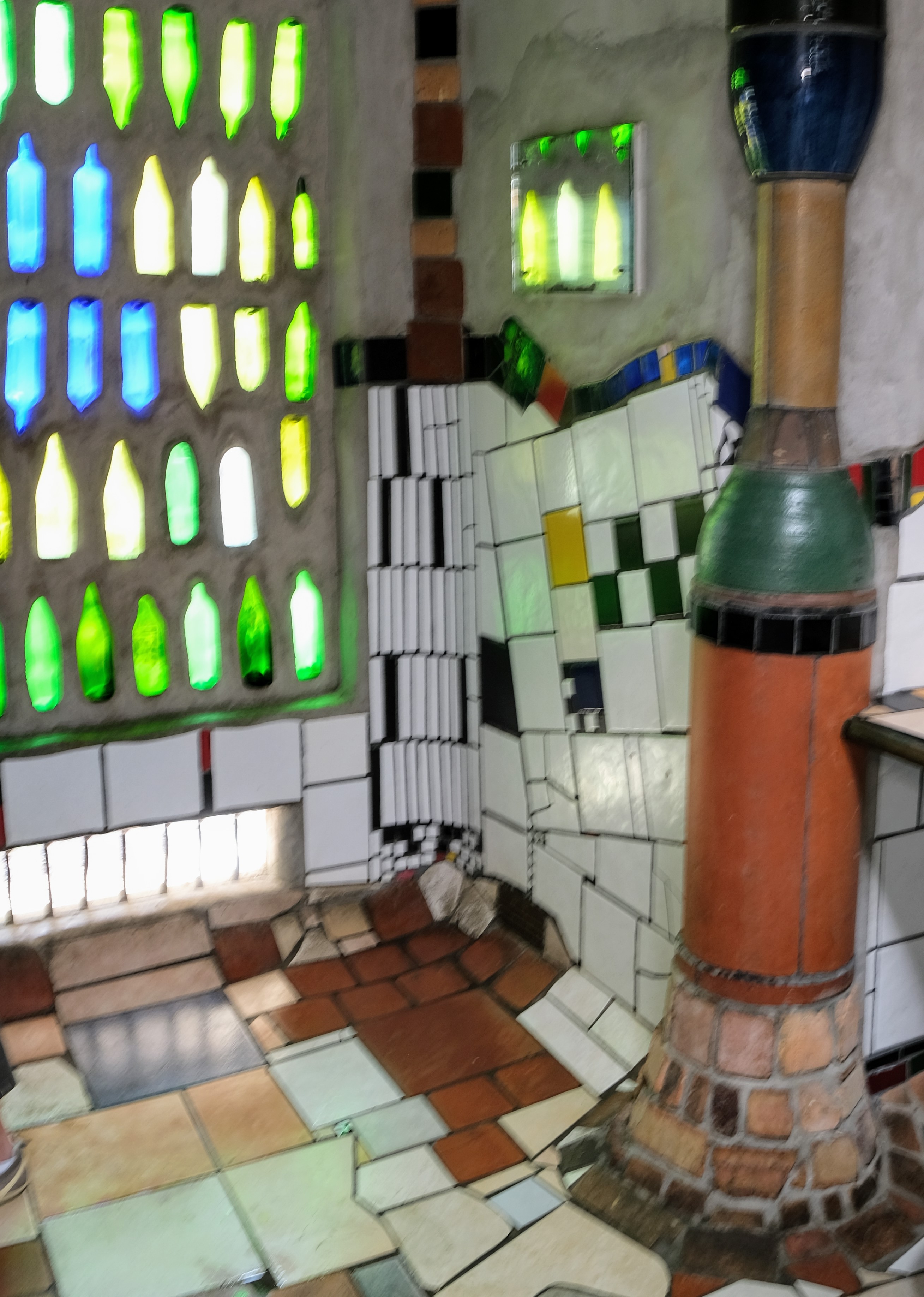
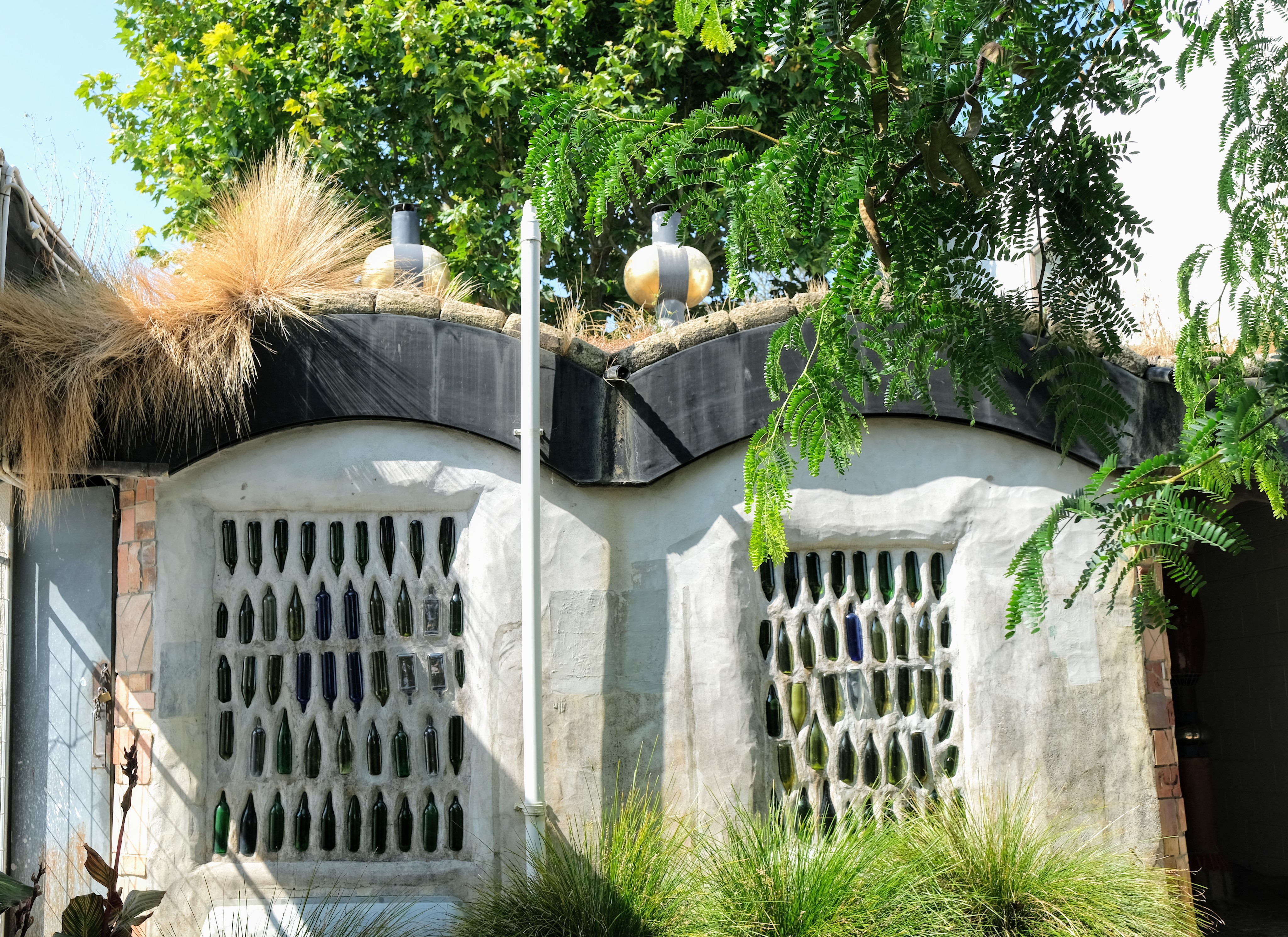
Kawakawa is also the name of a quaint town that was literally put on the map by the world-famous Bohemian architect/designer Frederick Hundertwasser for his design of public restrooms, described by Atlas Obscura as “possibly the world’s most architecturally important public bathrooms!” Hundertwasser spent his whole career championing the curve of organic nature against the straight line. From the mid 70s, all of his imaginative buildings – such as Hundertwasser House in Vienna (1985) and the hot springs village of Blumau in Styria (1990-97) – were ergonomically curved and ecologically integrated with rooftop gardens. In consultation with the Bay of Islands College, students prepared ceramic tiles which were used throughout the building. The bricks came from a former Bank of New Zealand building, and both young and old from the local community volunteered their services to the construction process. The finished product is a work of art, from the grass roof, to gold balls, ceramic tiles, bottle glass windows, mosaic tiling, copper handwork, cobblestone flooring, individual sculptures, and a living tree integrated into the design structure.

It’s going to be hard to top the bathroom story, but if our first day in New Zealand is any indication, we’re in for a pretty spectacular visit!

“Hey, Mr. Tambourine Man…”

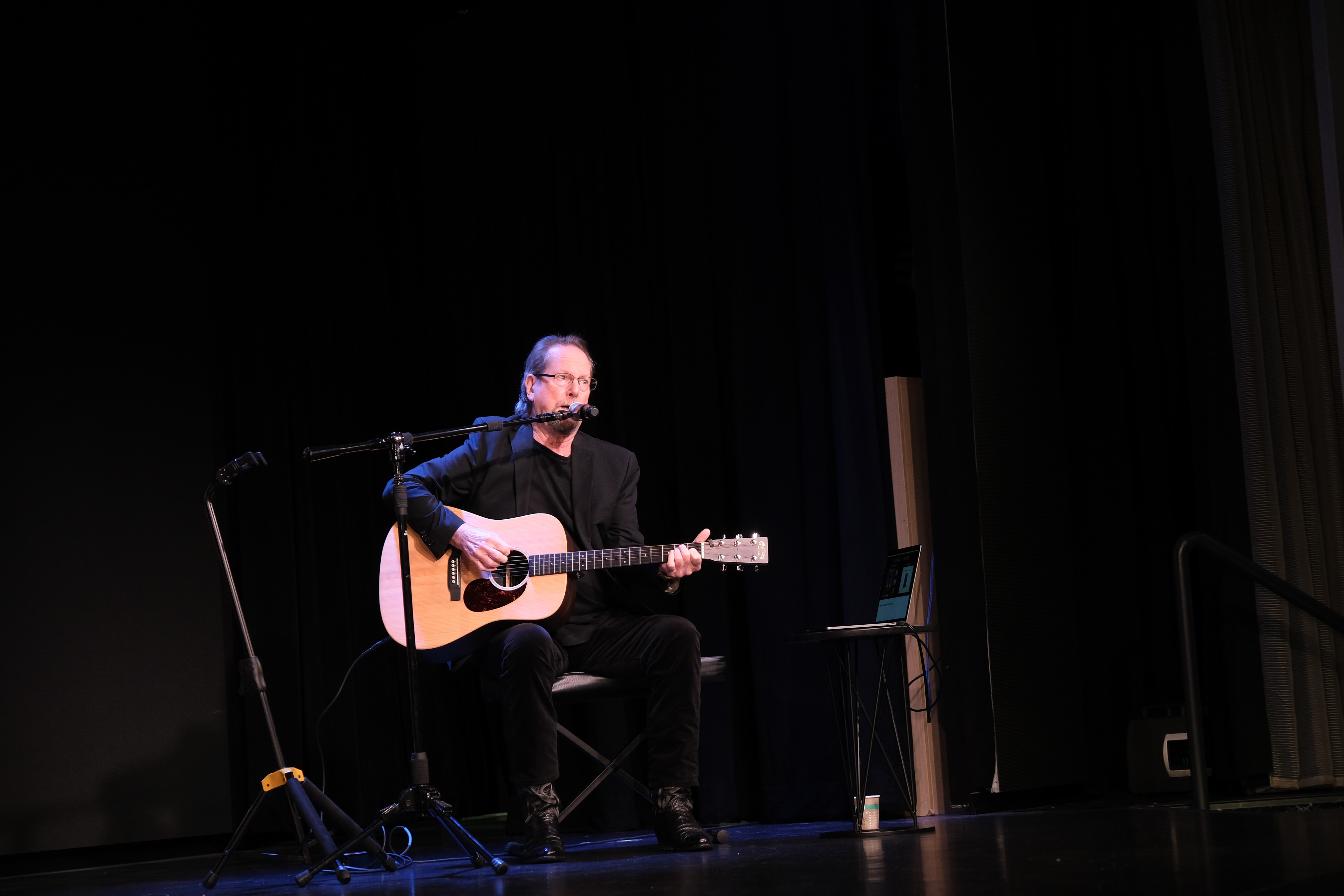
The entertainment on-board the Viking Sun is first class and designed to appeal to a variety of tastes, and we promise to share more highlights about the shows and performers later in our voyage. But we just can’t wait to provide you with the most exciting entertainment we’ve seen anywhere on the high seas! For this first leg of our trip (Los Angeles to Auckland) we’ve been joined by a REAL ROCK STAR! When we first saw the notice in the Viking Daily, we thought it was some kind of “tribute band,” but we were delighted to learn that our first Celebrity Guest Lecturer was, indeed, Roger McGuinn himself! Roger and his lovely wife, Camilla, are guests on the Sun from Los Angeles to Auckland. He presented four lectures/concerts/Q&A sessions to enthusiastic, packed theaters, and we were front and center for all of them!

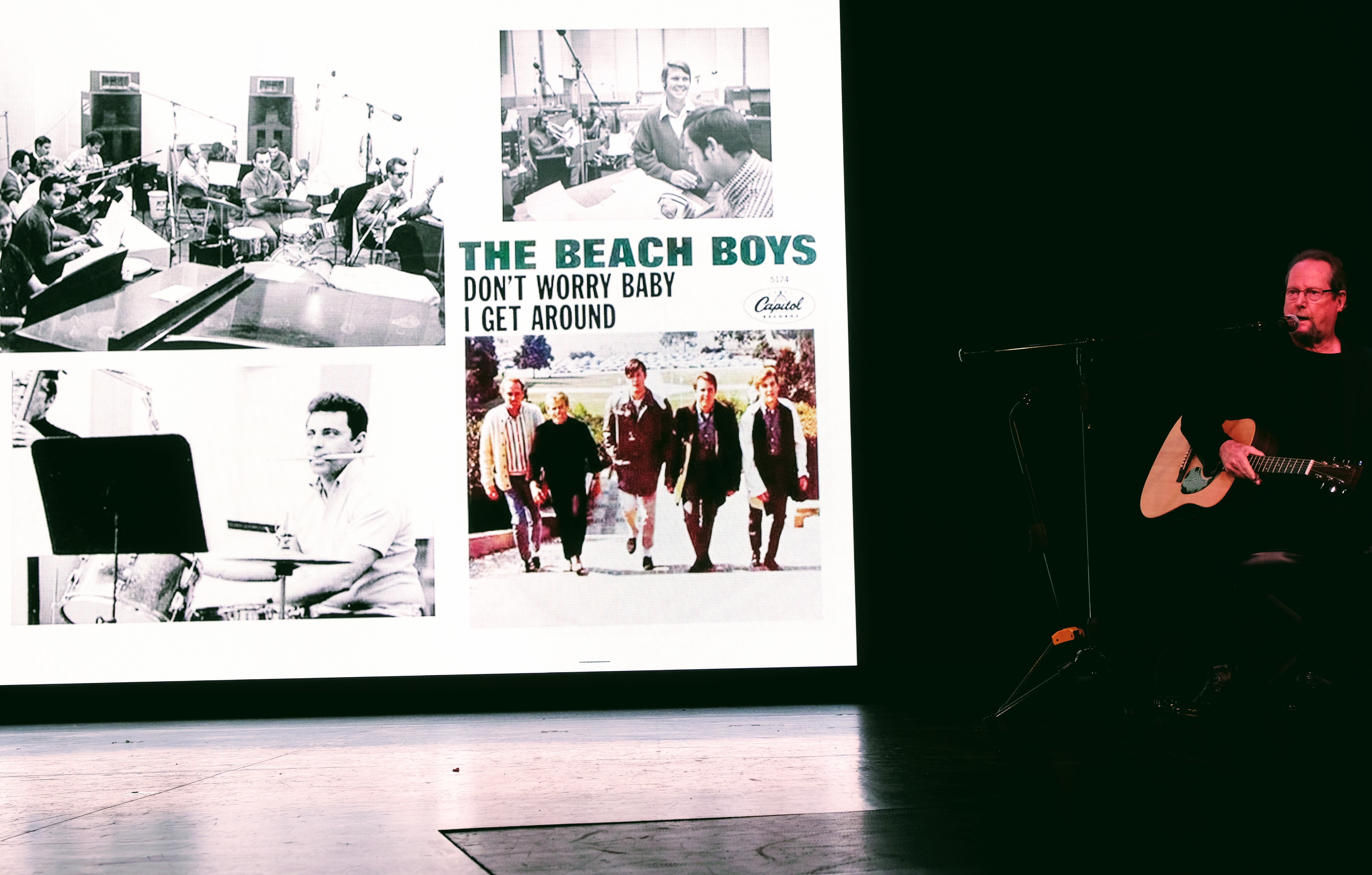
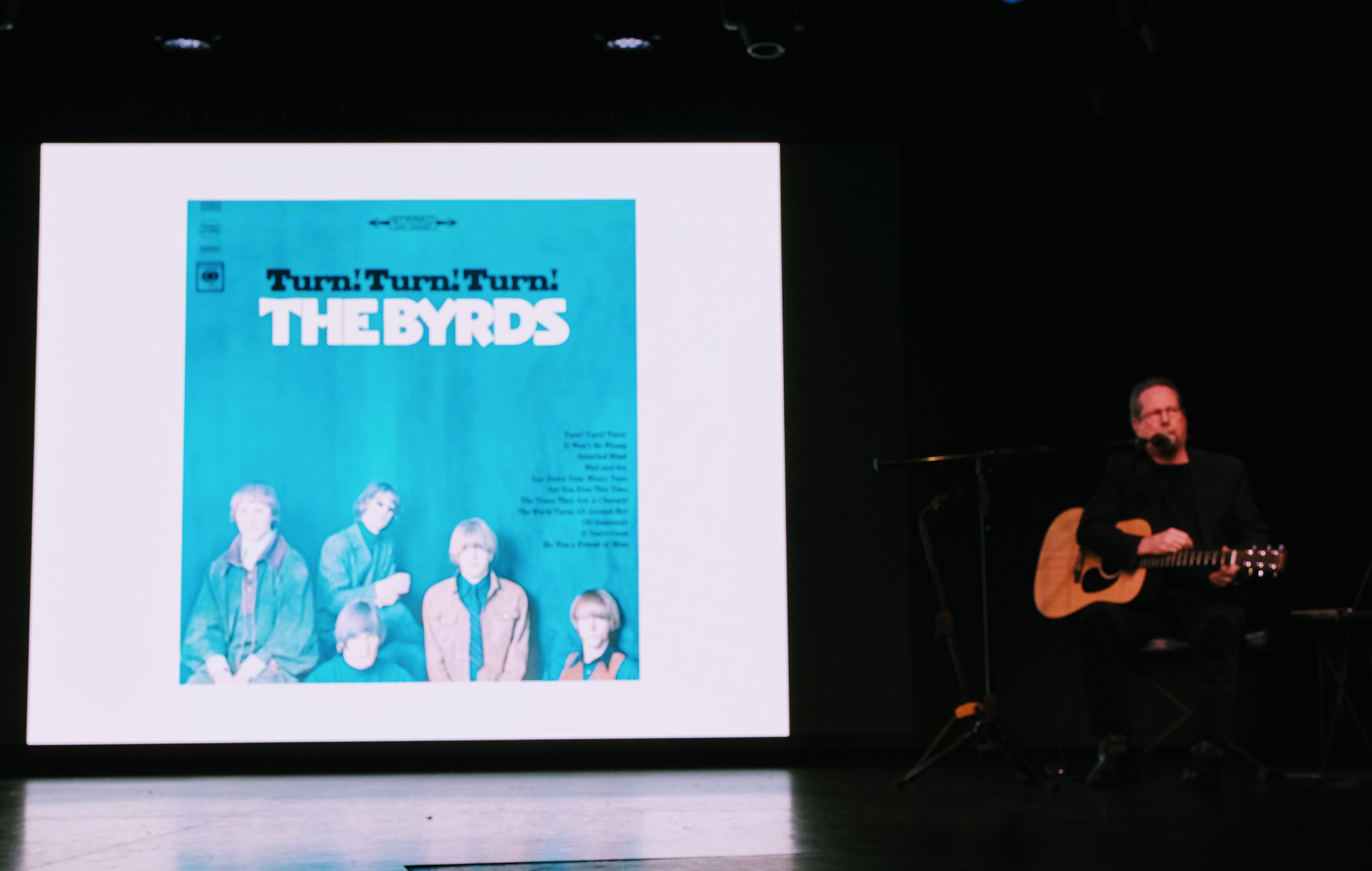
His first session took us on a musical journey from the folk scene of Chicago to the Rock and Roll Hall of Fame. Jim McGuinn, later known as Roger, was inspired to learn guitar by Elvis. He studied at the Old Town School of Folk Music in his home town of Chicago, and toured and performed folk music with the Limeliters, Chad Mitchell Trio, and Bobby Darin as a guitarist and banjo player. After touring with Bobby Darin, he moved to New York to work as a songwriter for Darin’s publishing company. In 1963 he and Frank Gari co-wrote the song “Beach Ball,” and performed it with Darin as the City Surfers. It was there that he heard the Beatles and began playing folk songs to a rock beat in the coffee houses of Greenwich Village, but the folk purists didn’t buy it. He moved to Los Angeles to work at the Troubadour, and it was after an opening set for Hoyt Axton that Gene Clark approached Roger with praise for his new musical blend. They started writing songs together in the folk den of the Troubadour, and it wasn’t long before David Crosby joined them, adding his unique approach to harmony. They recruited conga player Michael Clarke to join them because he looked like two of the Rolling Stones, and soon mandolin player Chris Hillman joined them to play bass guitar. During one Thanksgiving dinner the band was contemplating various names, and settled on the name “Byrds,” using what they thought was an English spelling. And in 1965 they recorded their first number one hit “Mr. Tambourine Man.” In 1968 McGuinn and Hillman hired Gram Parsons and headed to Nashville where they recorded the critically acclaimed “Sweetheart of the Rodeo.” McGuinn disbanded the Byrds in 1973 to pursue his dream of a solo career. He re-joined Clark and Hillman in 1978 for three albums, and in 1981 he decided it was time to return to his folk roots and began touring solo acoustic. Arista records released “Back from Rio” in 1991, a rock album that included his friends Tom Petty and the Heartbreakers, Elvis Costello, Chris Hillman, David Crosby, Michael Penn, and John Jorgensen. And also in 1991, he was inducted into the Rock and Roll Hall of Fame with the Byrds. Since 1995, McGuinn returned to his folk music roots and began recording and uploading a series of traditional folk songs to his website, where they are available for free.

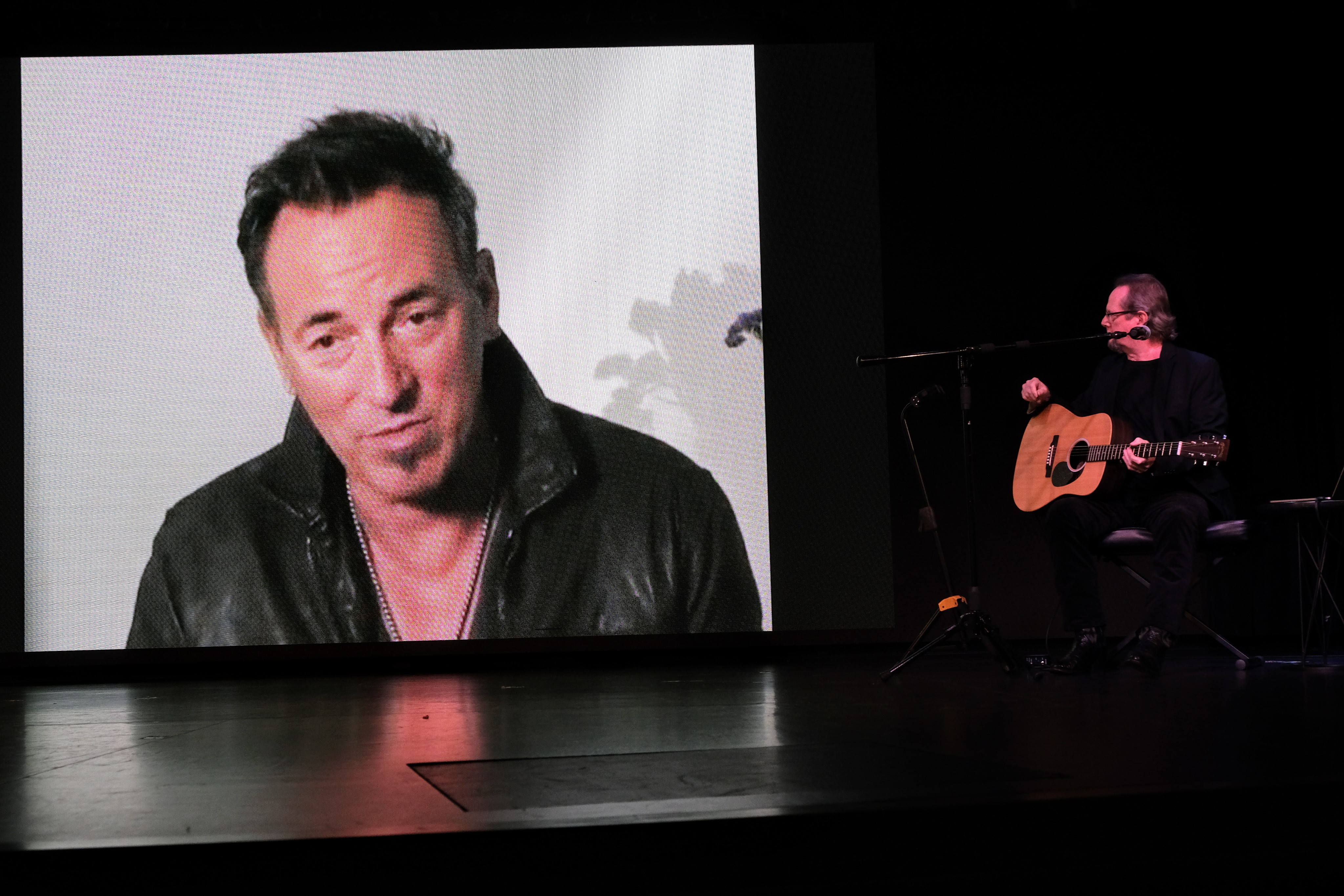
His presentation was engaging, fun, and sprinkled with video clips, images, and songs. His voice is still the same as we remember, and his musical talent is off the charts! And he graciously waited around after the session to autograph CDs for very enthusiastic fans.
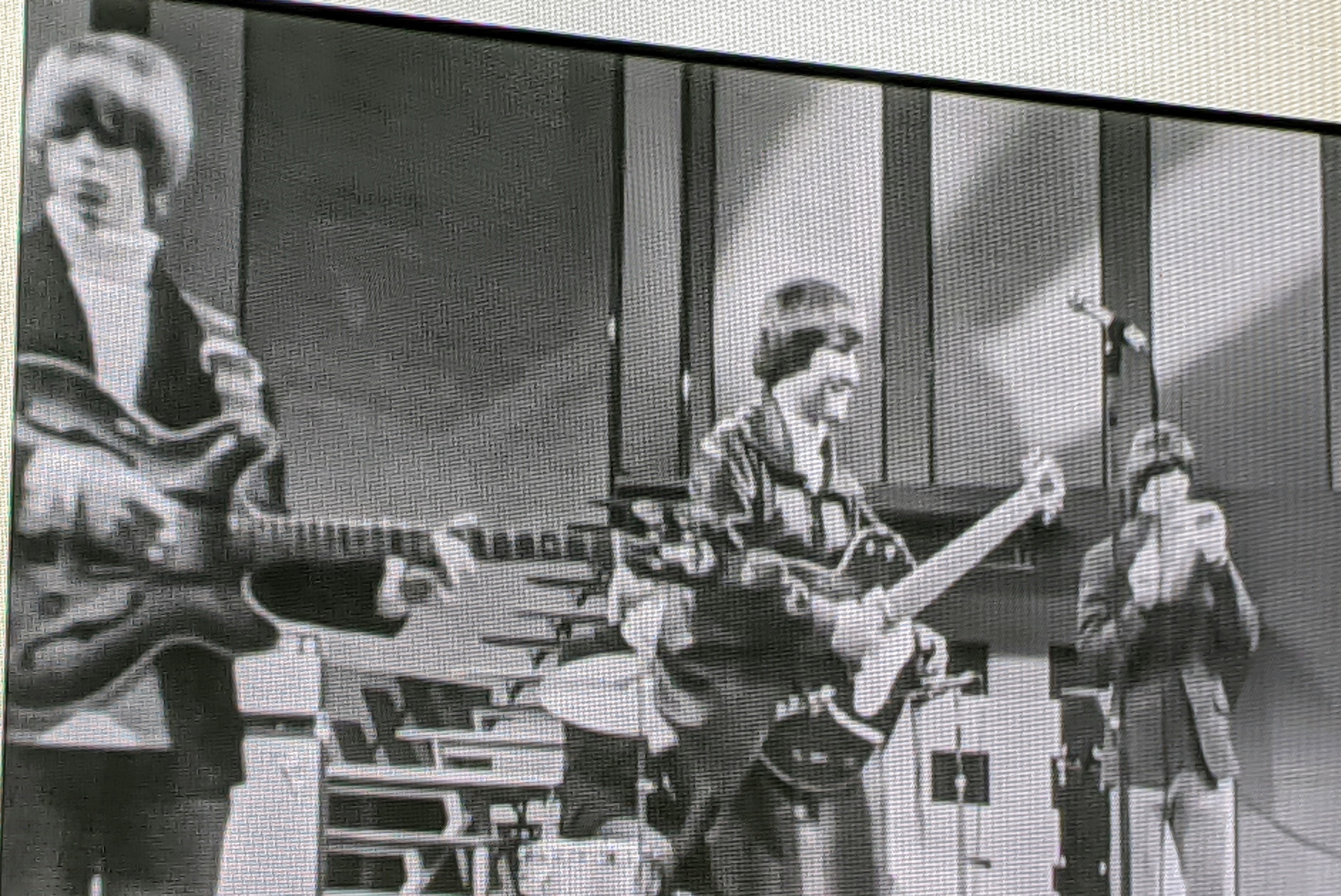
His second lecture took a “deep dive” into the history of the Byrds, discussing their journey to stardom and the various artists and generes they influenced. He noted that during their first “live” appearance on the Ed Sullivan Show, they lip synched and most viewers didn’t notice that the instruments weren’t plugged in and they didn’t have microphones. Throughout it all, he was very genuine and humble, always recognizing those who influenced him, as well as those they impacted. This presentation included video clips of many fellow Rock & Roll Hall of Fame inductees as well as songs that were featured in TV and film, ending with “Jesus is Just Alright” in The Ballad of Easy Rider.

The third presentation was very special. McGuinn took an hour of Q&A from the audience, patiently answering every question, some twice! A sample of questions follows:

Q: Who is the funniest person you ever performed with? A: Dave Barry

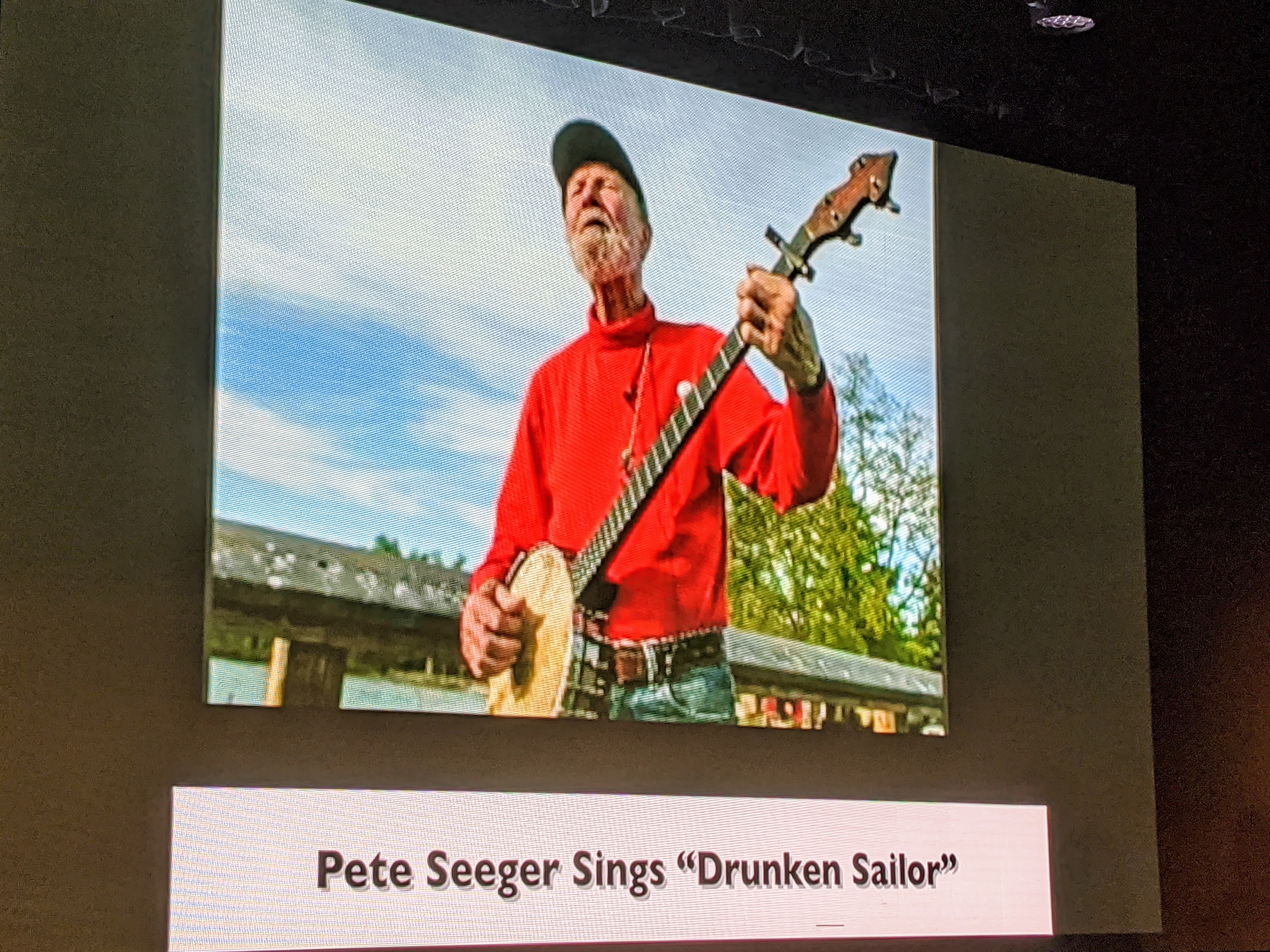
Q: Who were your biggest influencers: A: Elvis Presley (the reason I learned guitar) and Pete Seeger

Q: Were you friends with Bob Dylan? A: Yes, we used to shoot hoops at my house in Malibu

Q: What advice would you give to a young, aspiring musician? A: Take control of your own publishing

Q: Who were the nicest musicians? A: George Harrison, Tom Petty, Clarence White, Pete Seeger

Q: Did you ever meet Elvis? A: No, I came close once. I was visiting with the Beatles and they were going to go meet Elvis. I asked if I could come along, but they didn’t think it would be appropriate to bring a surprise guest

Q: Who was your best friend in the business? A: Clarence White

Q: What was the best time of your career? A: Now is the time I’m happiest. We’ve whittled it down to what we enjoy, and we enjoy doing this! (And he showed a video of the modest van they use to travel back roads throughout the USA)
He ended this session with a lovely tune he wrote one day when he was thinking about his friend, Tom Petty.

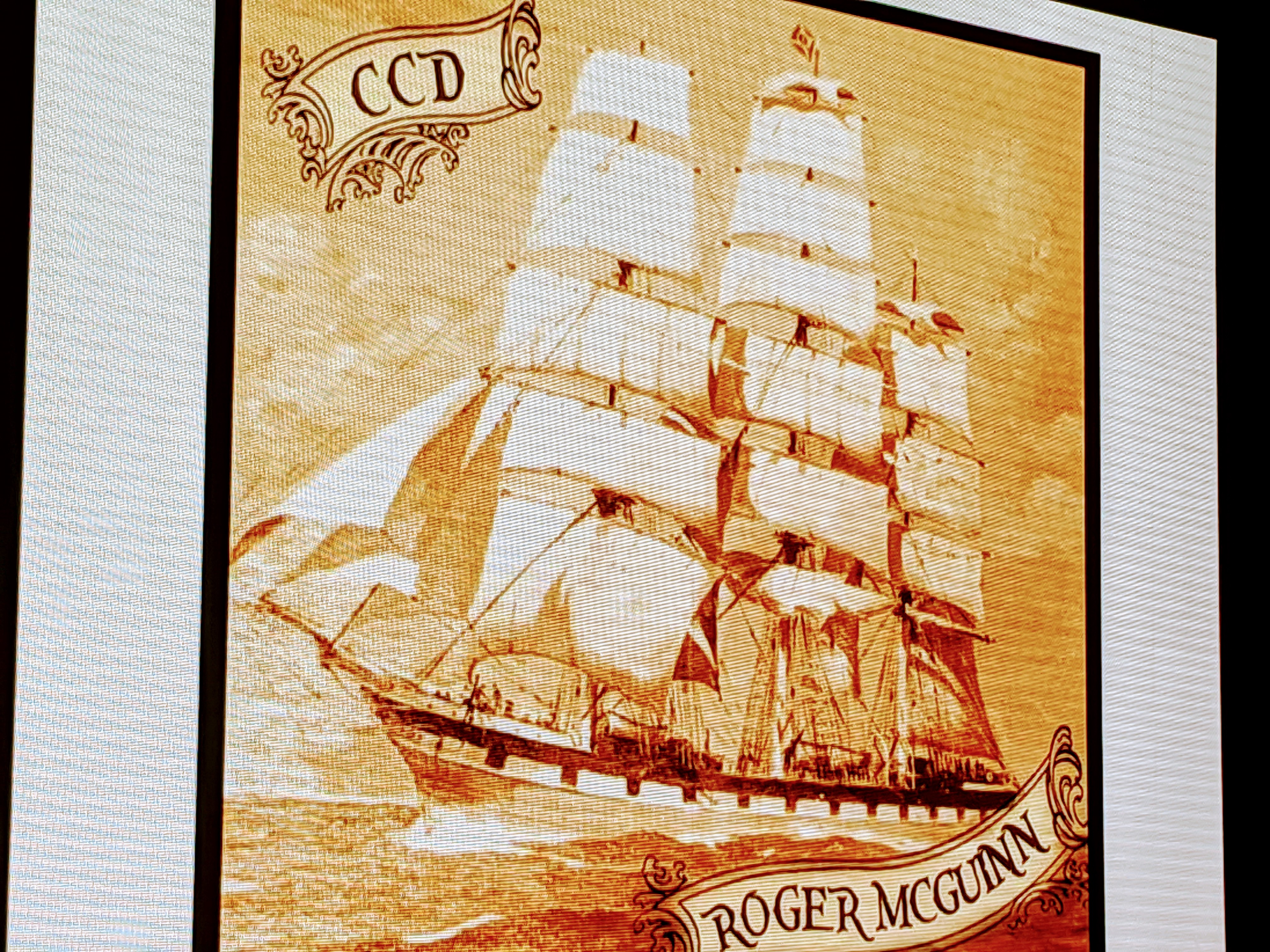
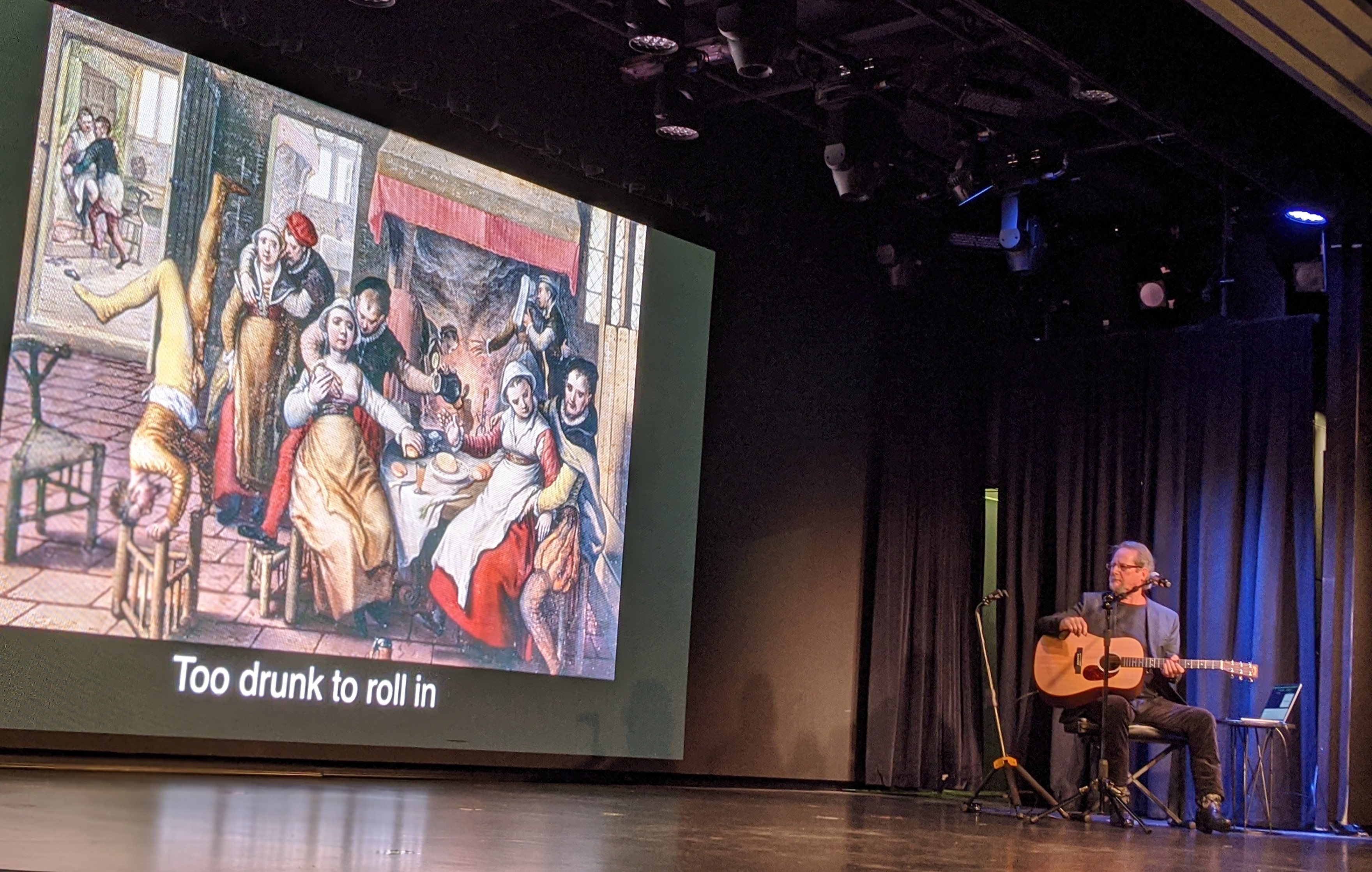
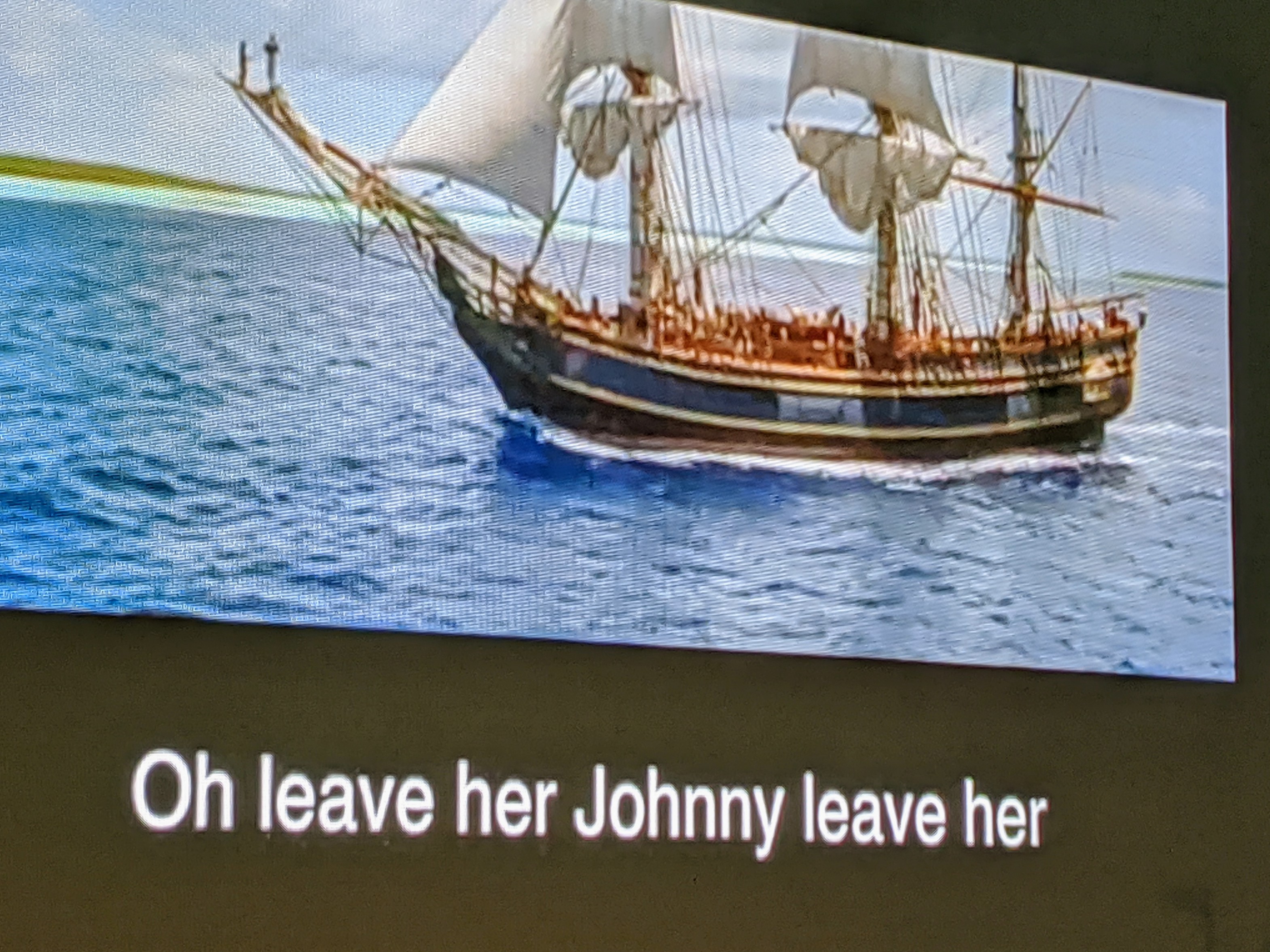
The fourth and final session was titled “Songs of the Sea – A Tribute to the Golden Age of Sail.” It was a lovely exploration of the history of 19th-century sailing songs with video, stories, and music. It was a fun way to end his lecture series, and the audience enthusiastically sang along.

So of course we’re saving the best for last! Whenever we would see Roger and Camilla on board or on shore, they were open, friendly, and totally approachable. So one afternoon (it happened to be Denise’s birthday) we saw them relaxing at the Living Room Bar. Denise told him it was her birthday, and he graciously agreed to a quick picture…adding a sincere “Happy Birthday!” Swoon!