

This post covers the river boat sailing segment of our 2024 European Christmas Markets trip. See separate posts for Warsaw, Krakow and Prague before this post and Berlin to follow.
The tradition of Christmas Markets began in Dresden, Germany in 1434. Cozy craft stalls, delicious regional treats, amusement park rides for kids of all ages, performances, and overall revelry reflecting local heritage and culture blend to create a festive and welcoming atmosphere. Germany is also credited with starting the traditions of Christmas trees and wreaths. Historically, German Christians trimmed evergreen trees into triangles to represent the Trinity-Father, Son and Holy Spirit as one being. Instead of wasting the cut branches, Germans wove them into wreaths which were used for decoration. The elaborate Advent Wreath below has large candles for Sundays and votives for each day leading up to Christmas.

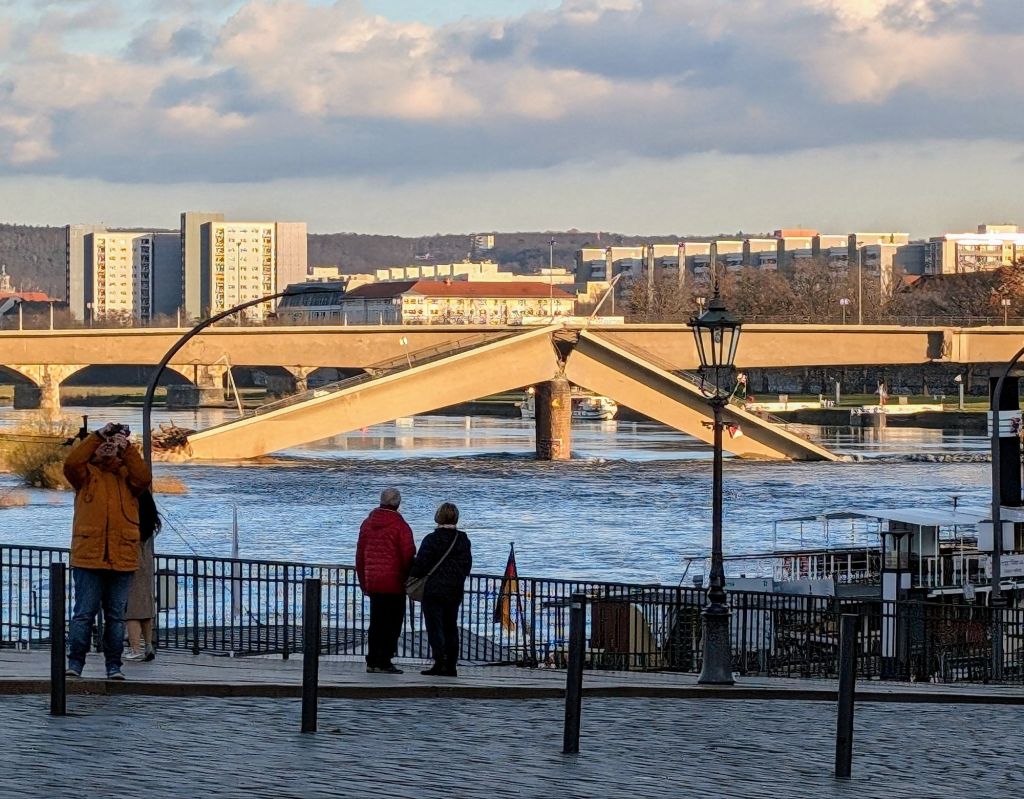
We arrived in Decin, Czech Republic where we were warmly welcomed by the crew of the Viking Bayla. The ship is a “baby longship” with only 93 passengers. Due to a collapsed bridge, we only spent the first two nights on the Bayla, after which we transferred to her identical sister Astrild.
The 10-mile stretch along the Elbe River between Decin and Bad Schandau is commonly known as “Saxon Switzerland.” It has been designated a UNESCO World Heritage Site due to its unusually beautiful terrain. The morning fog and mist added to its mystery and gave it an almost magical feeling.
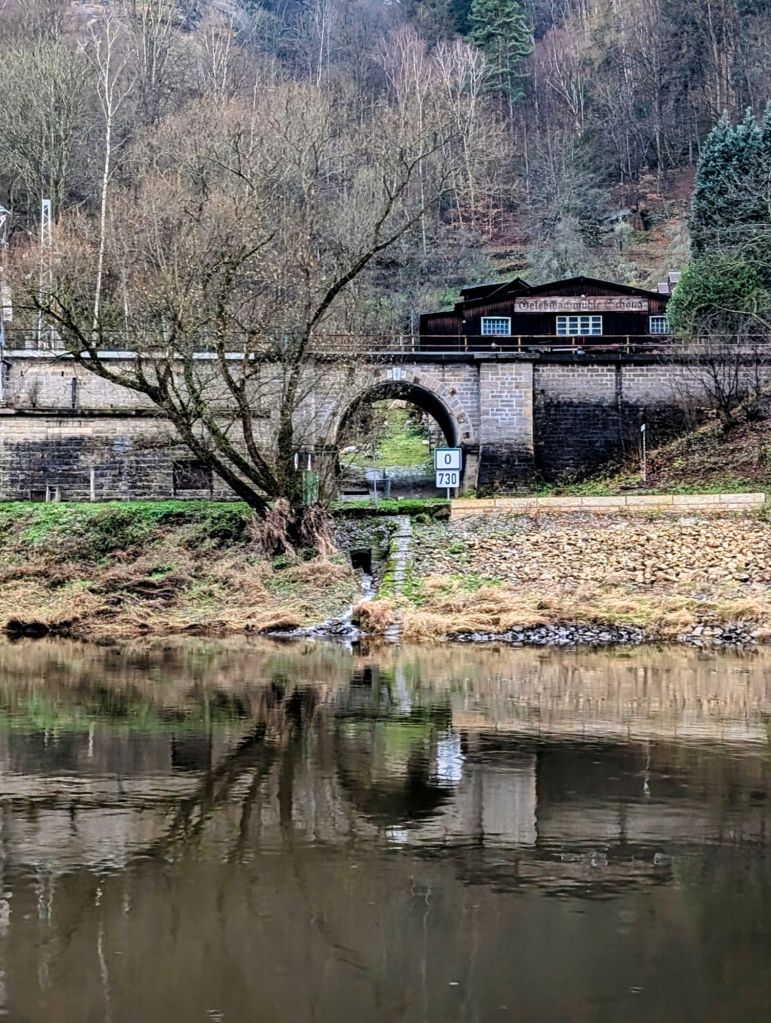


BAD SCHANDAU
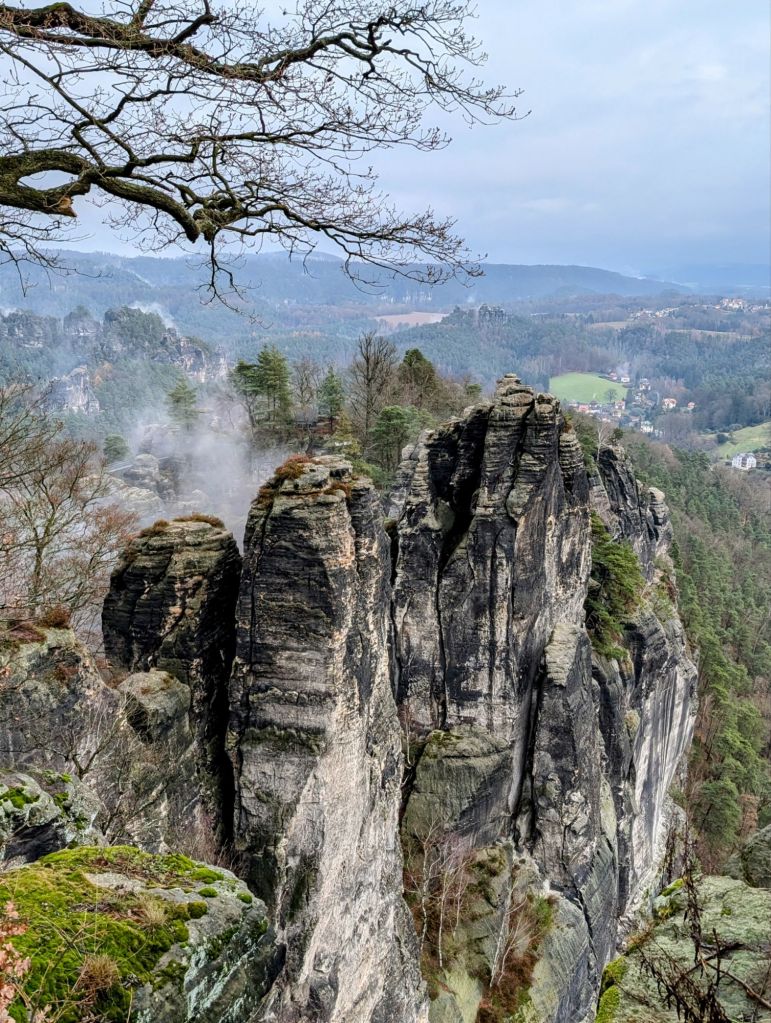
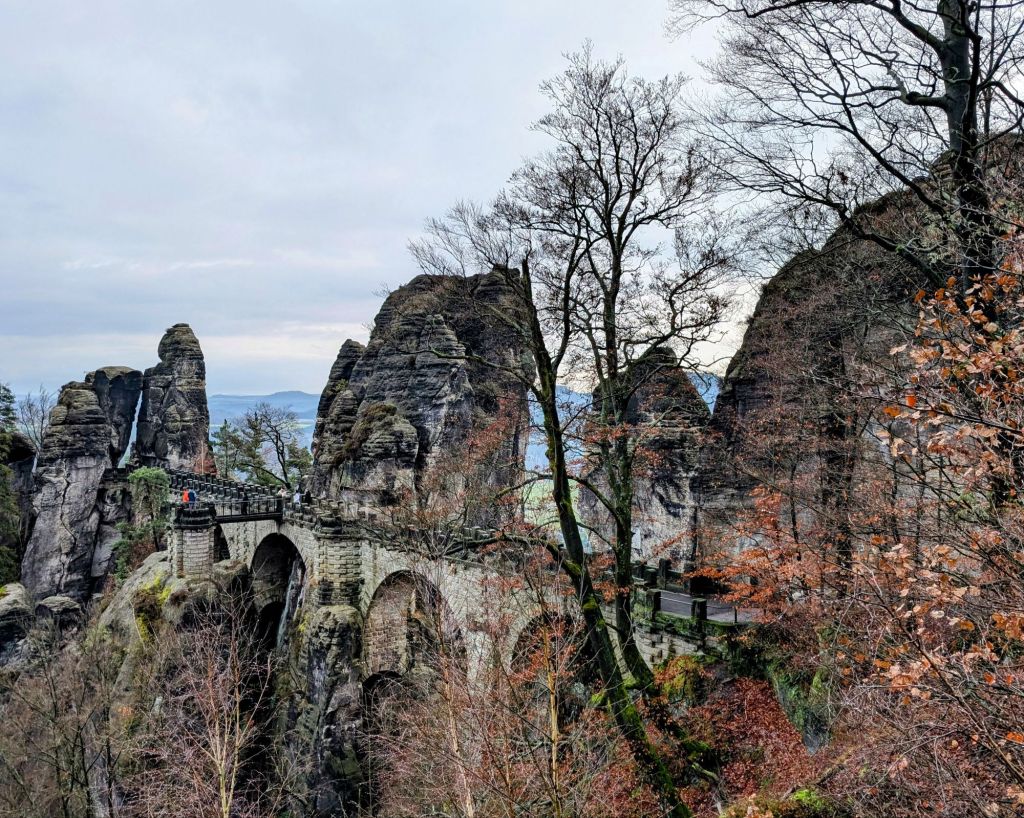
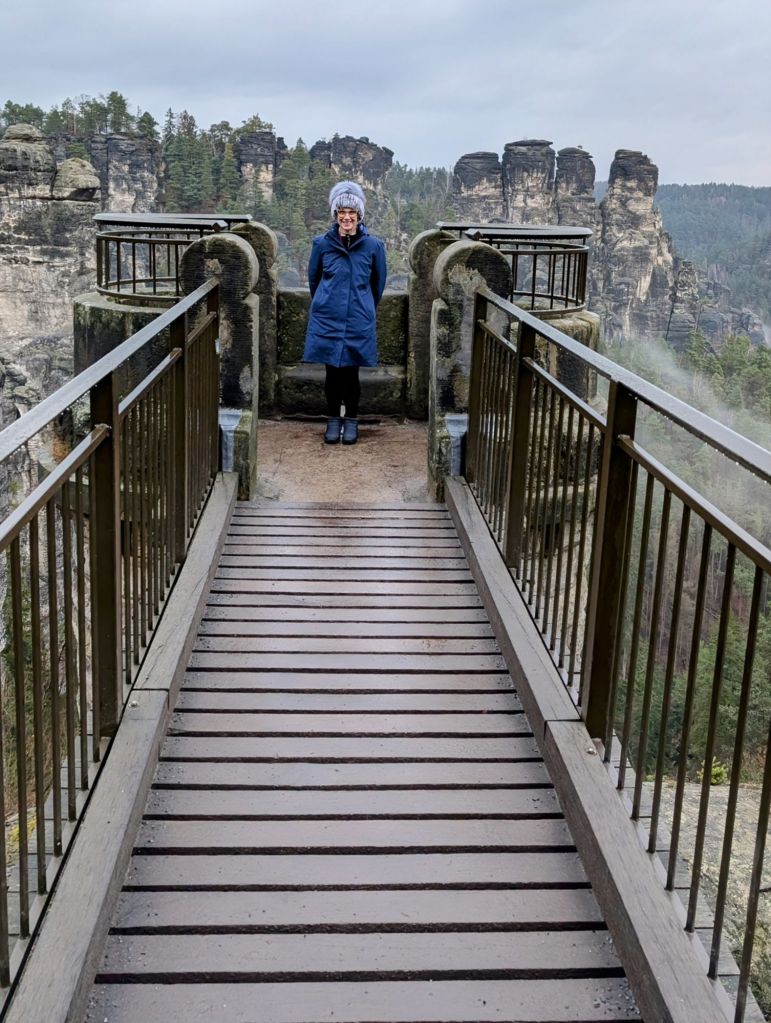
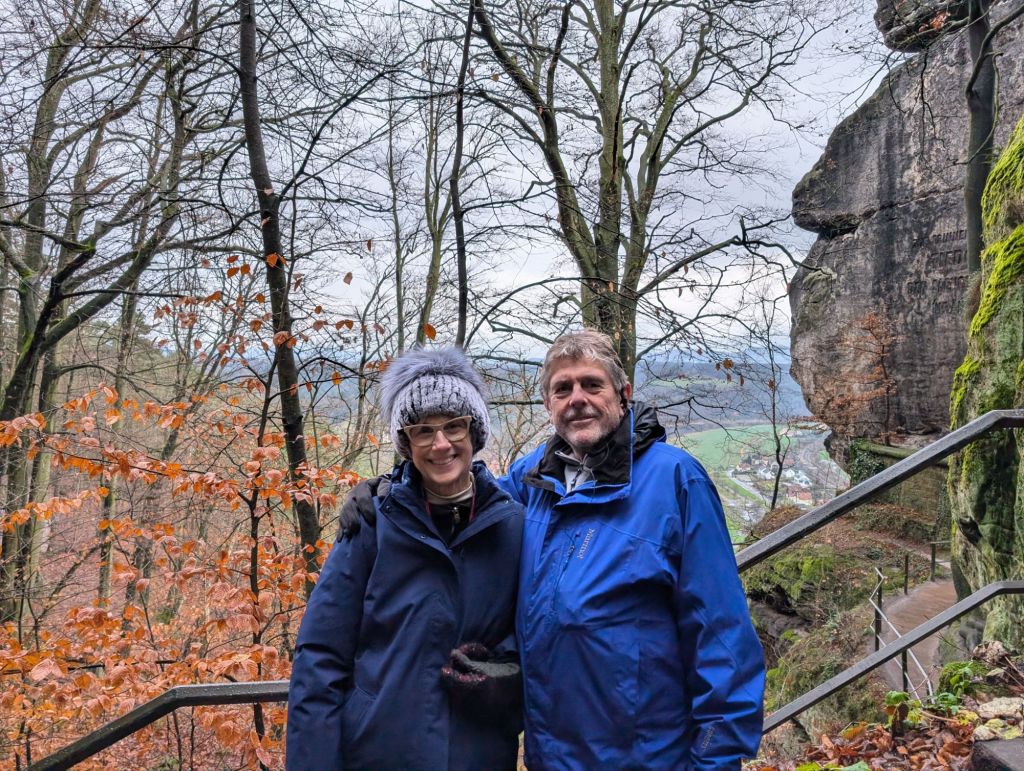
Our first stop along the Elbe was Bad Schandau, an area known for its hiking and spas. Saxon Switzerland National Park is home to the Bastei, a rock formation that has been rising over 600′ above the river for over one million years.


DRESDEN
Our next stop was Dresden, where the first Christmas Market was held on 1434. Today there are numerous smaller markets scattered around town in addition to the original Striezelmarkt.
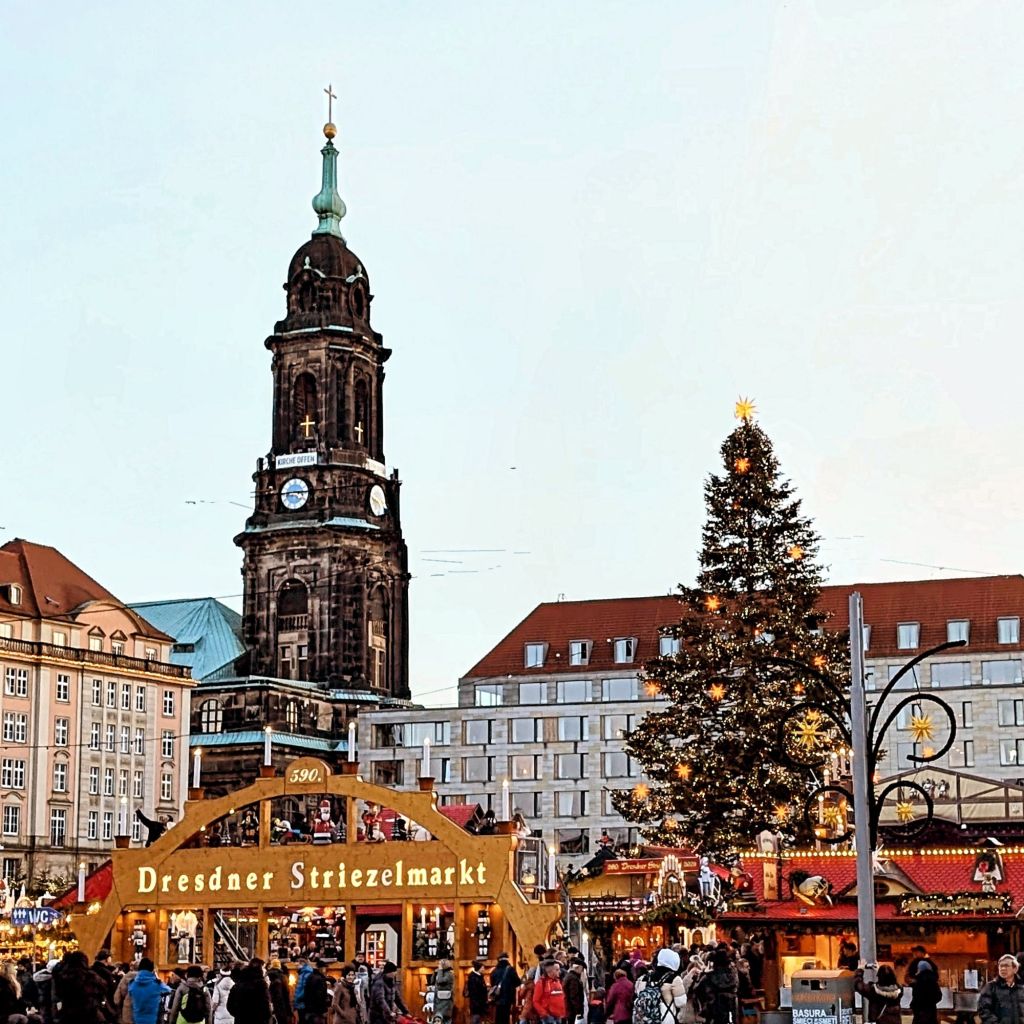
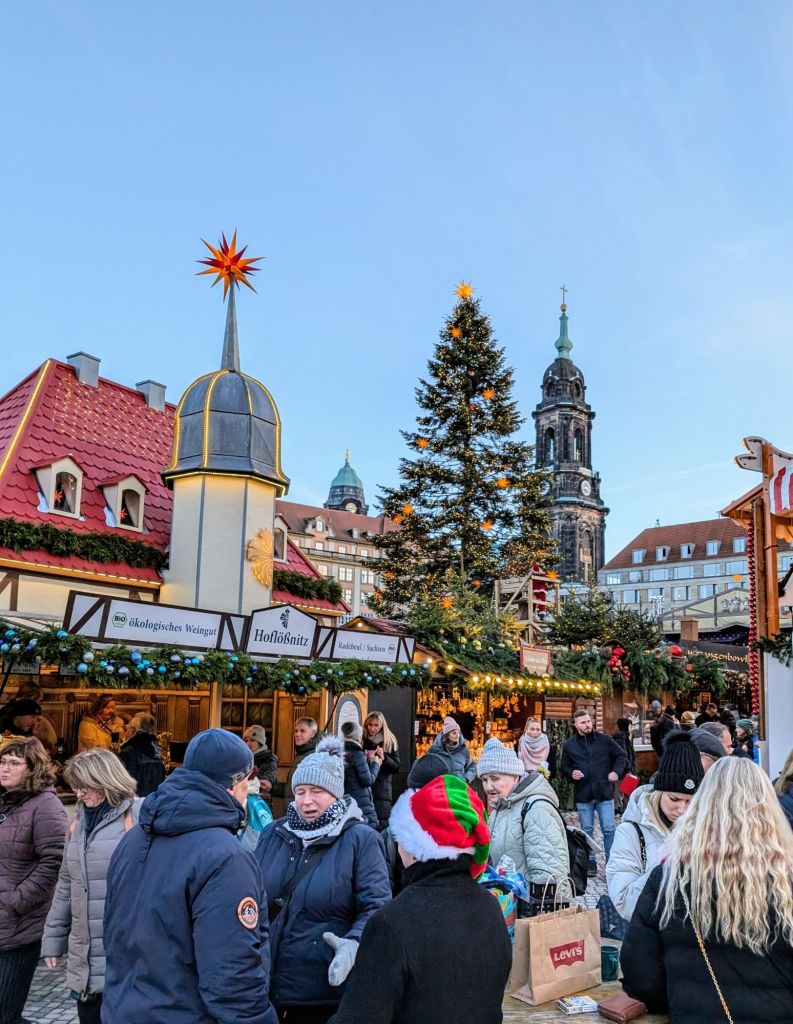


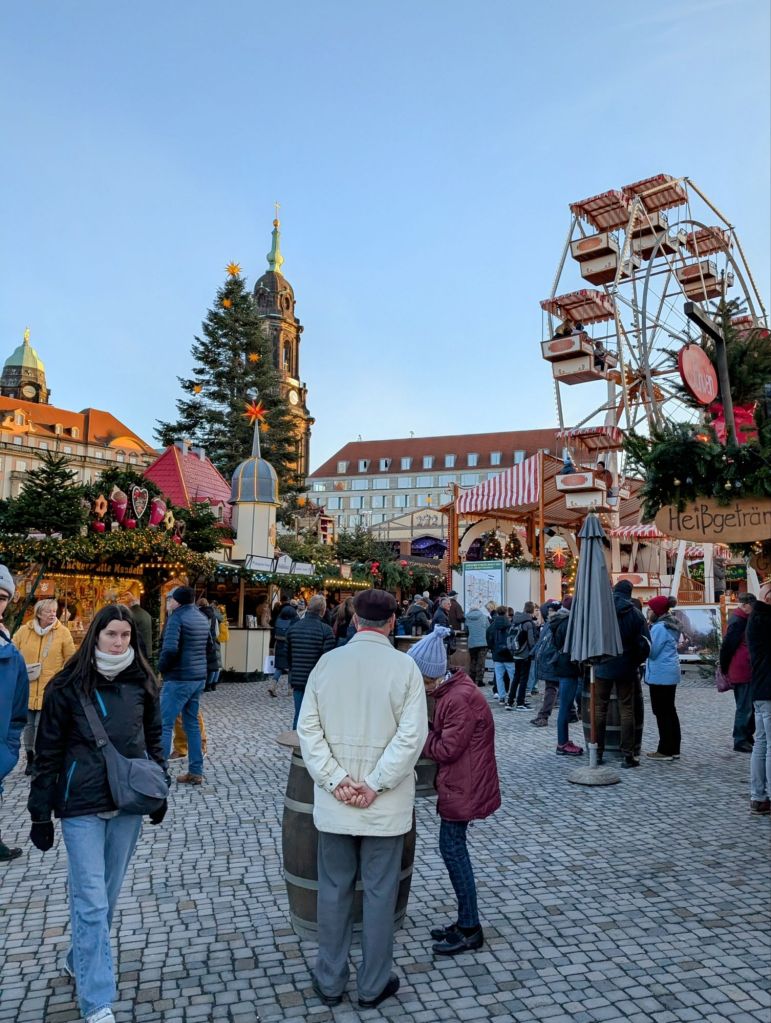
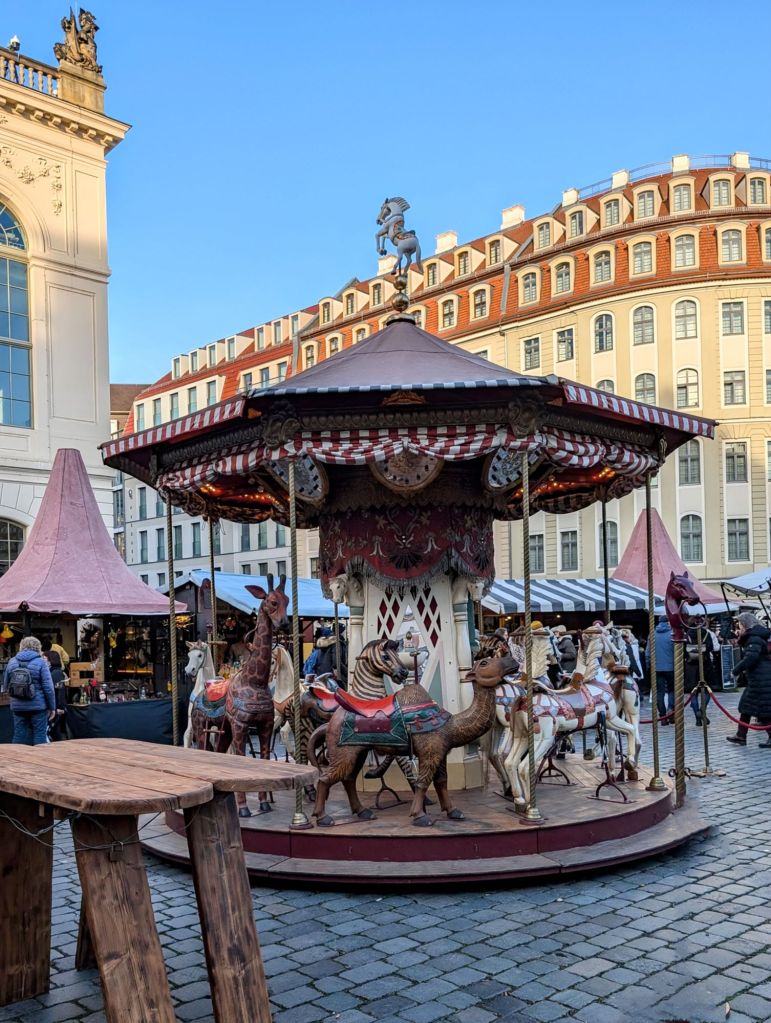
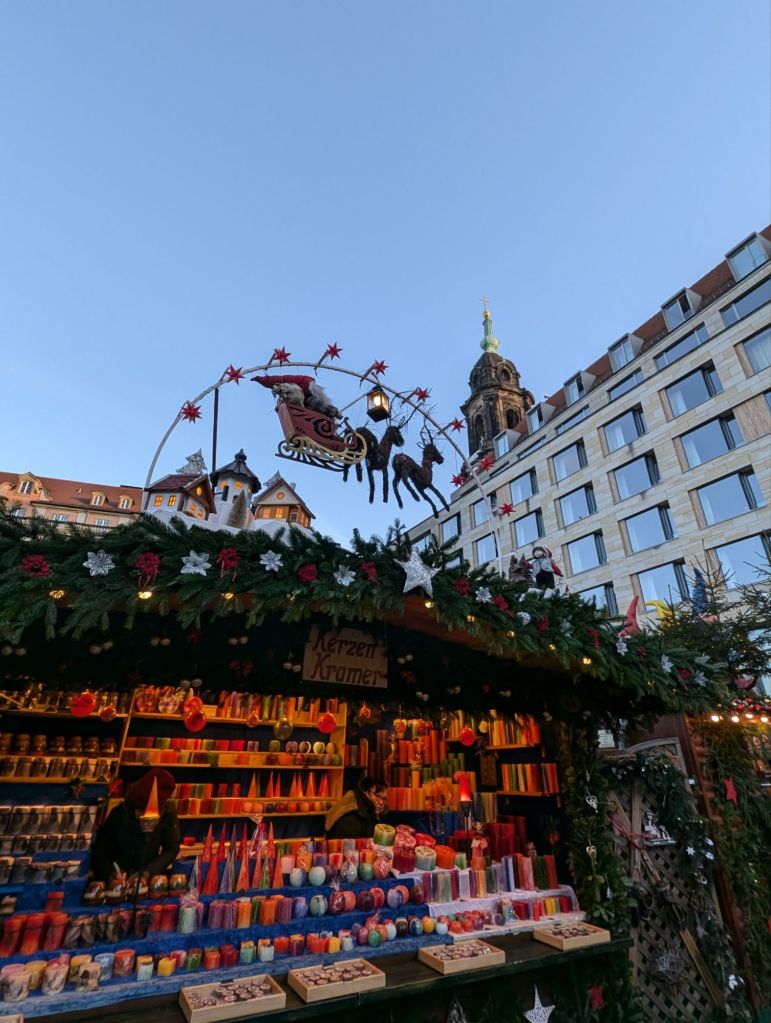
Dresden, known as the “Florence of the Elbe,” was almost completely obliterated by US and British troops over a two-day period in 1945. Most of the vast museum collections were confiscated by the Soviets who ruled there after the war. In a gesture of “friendship,” nearly all of the treasures were later returned completely intact. Today they are displayed in the New Green Vault.


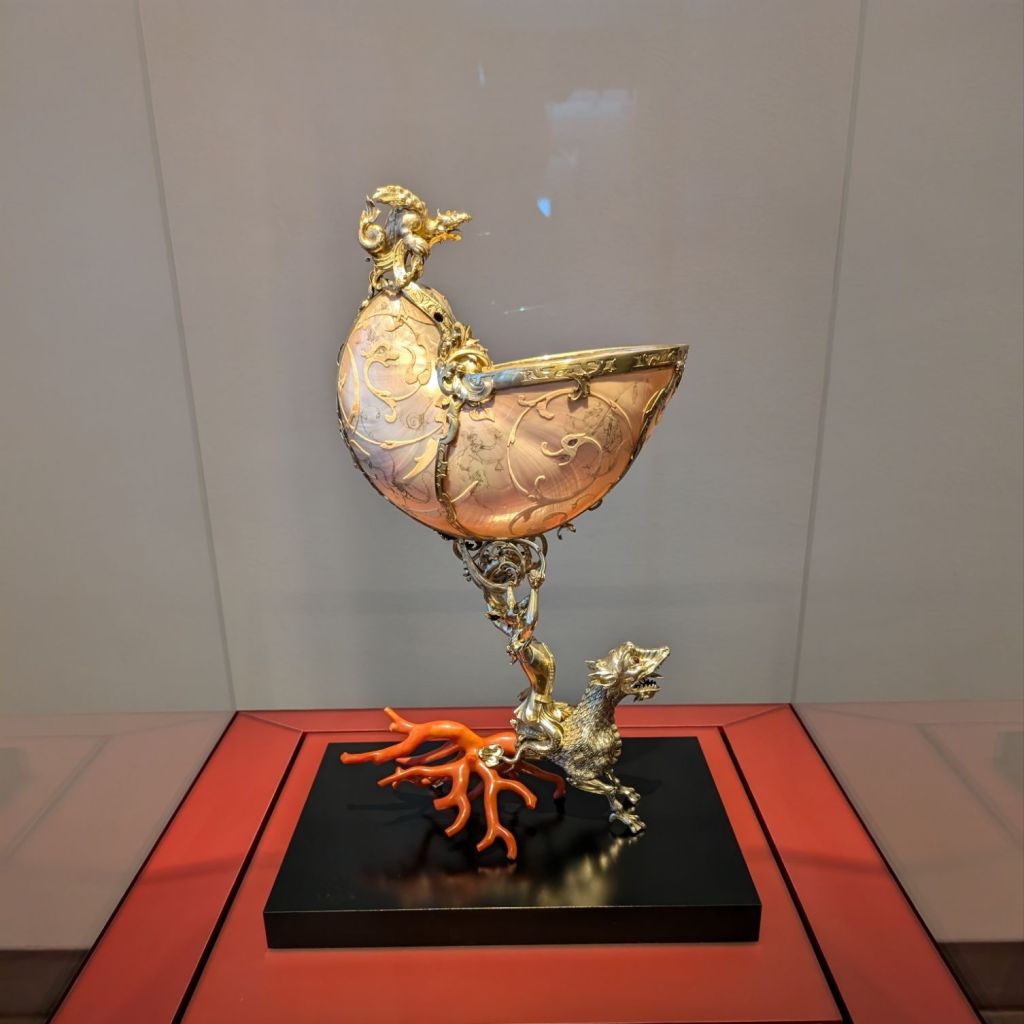


In the early 1950s, renovation and reconstruction began on the city’s historic buildings. Today Dresden boasts an enviable skyline of beautiful spires, towers and stately buildings which provide a lovely backdrop for the festive markets.

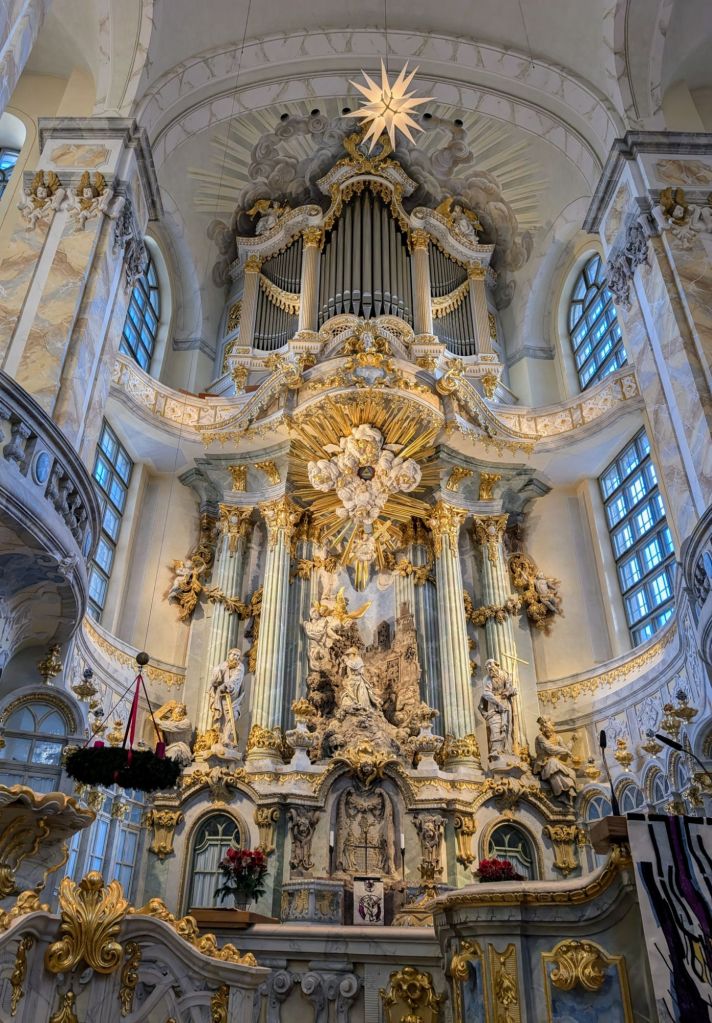
(Church of Our Lady)
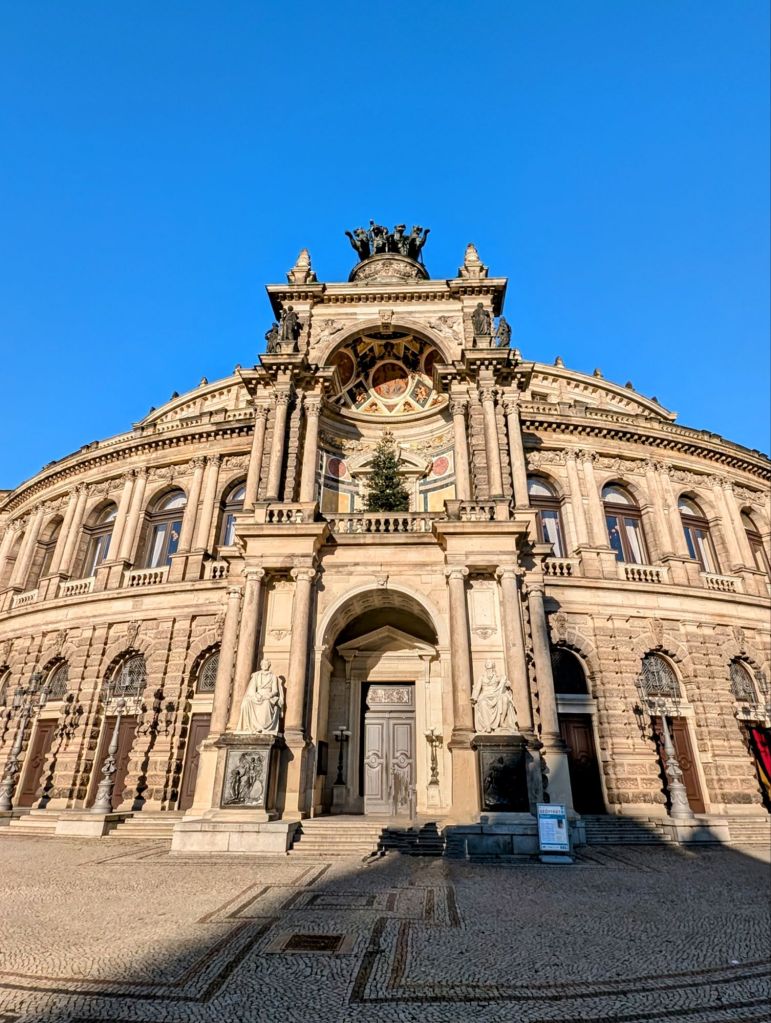

MEISSEN
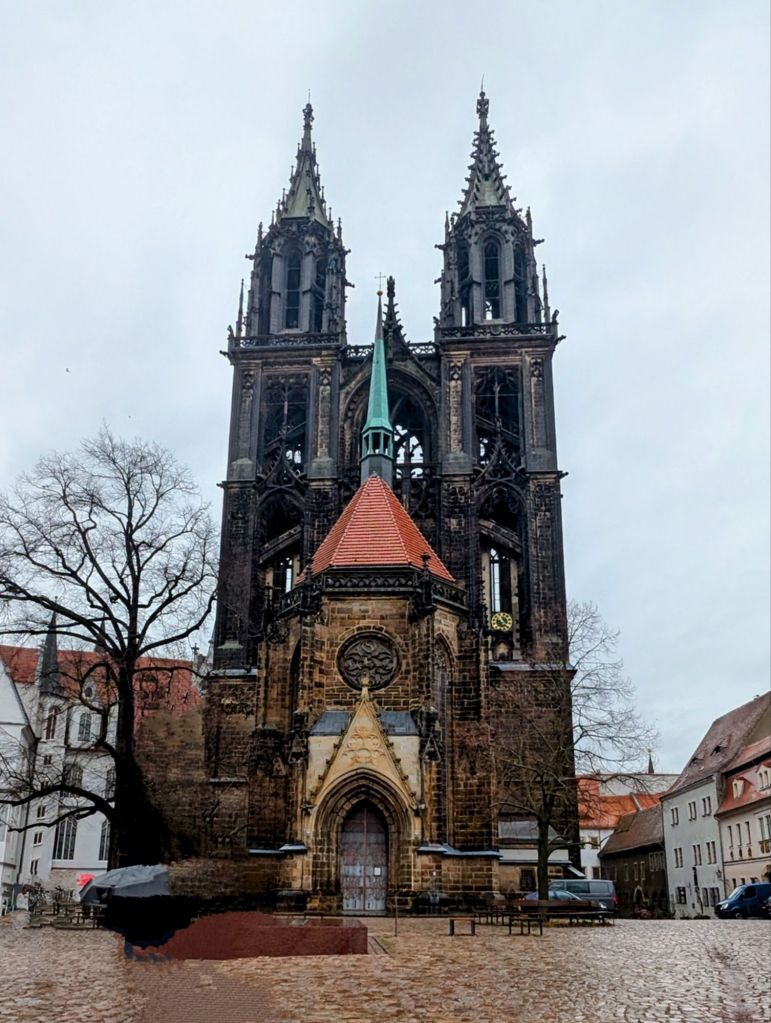
The city of Meissen is dominated by its 13th and 14th century Gothic cathedral and the breathtaking Albrechtsberg Castle. It was here, in the 18th century, that Johann Friedrich Bottger first introduced the fine porcelain that has become synonymous with the city.




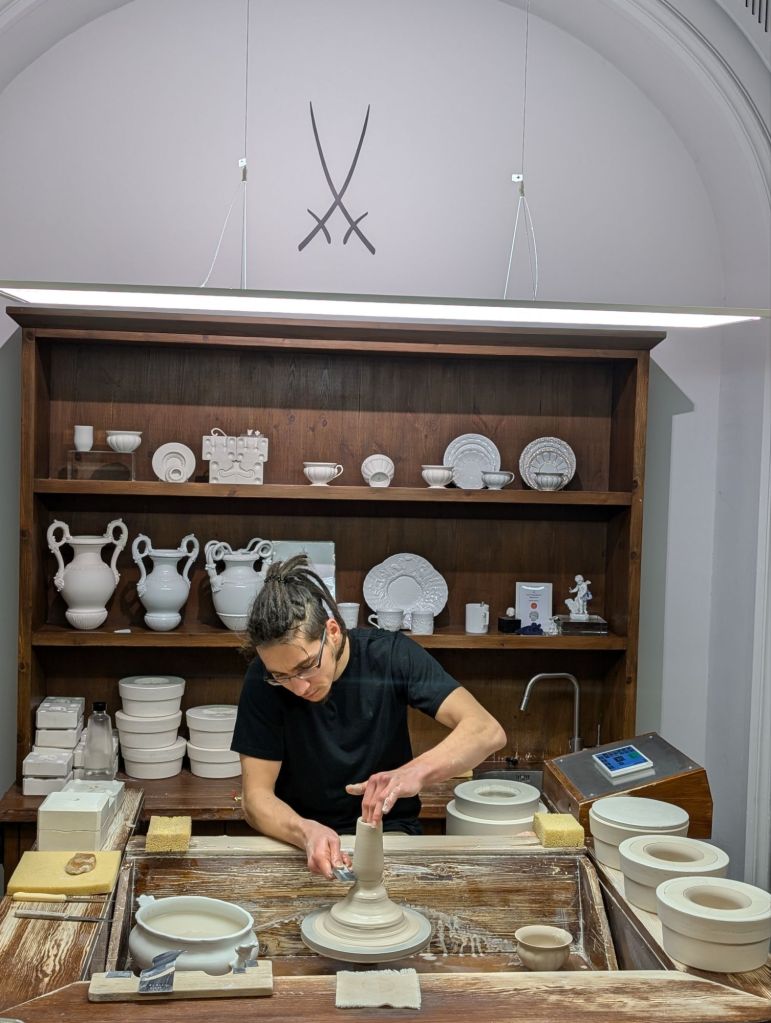
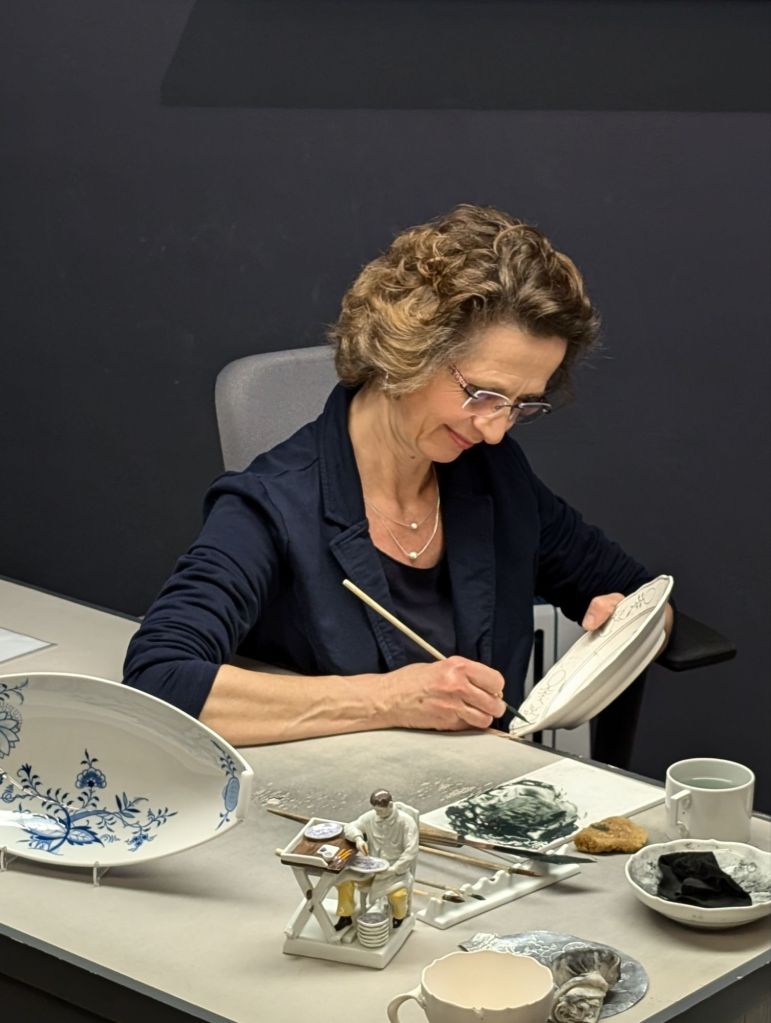
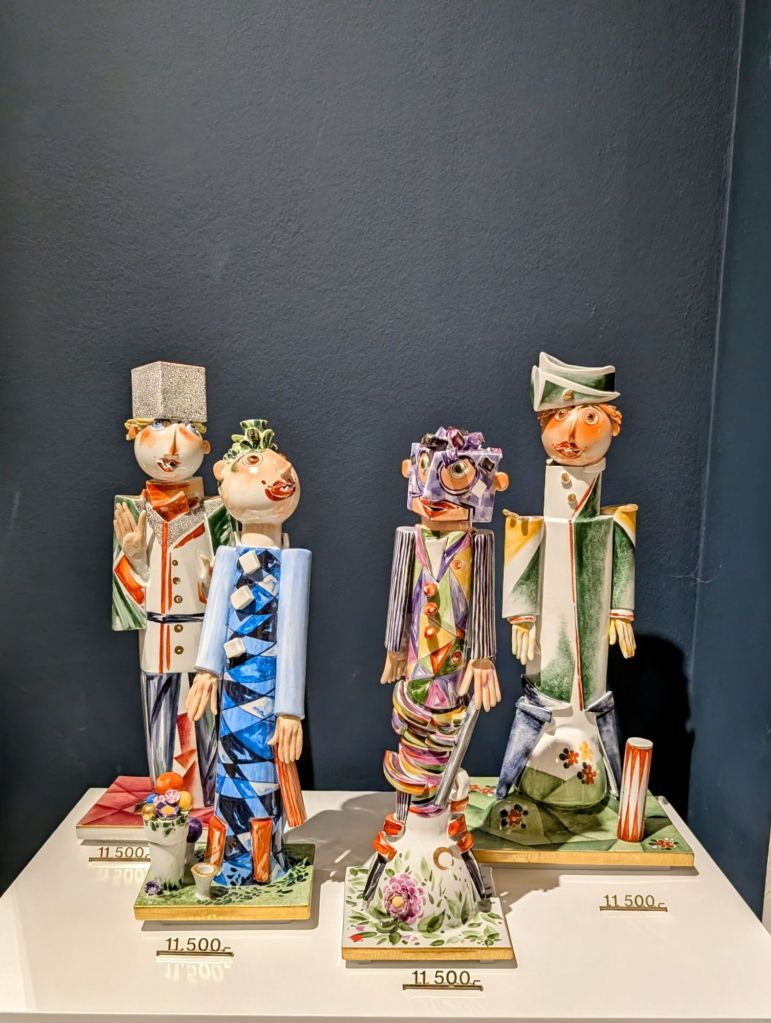
Founded in 1710, Meissen was the first hard-paste porcelain manufacturer in Europe. Each piece is a work of art and bears the blue “crossed-swords” motif. We had the good fortune to see some artists at work creating beautiful pieces of Meissenware porcelain.



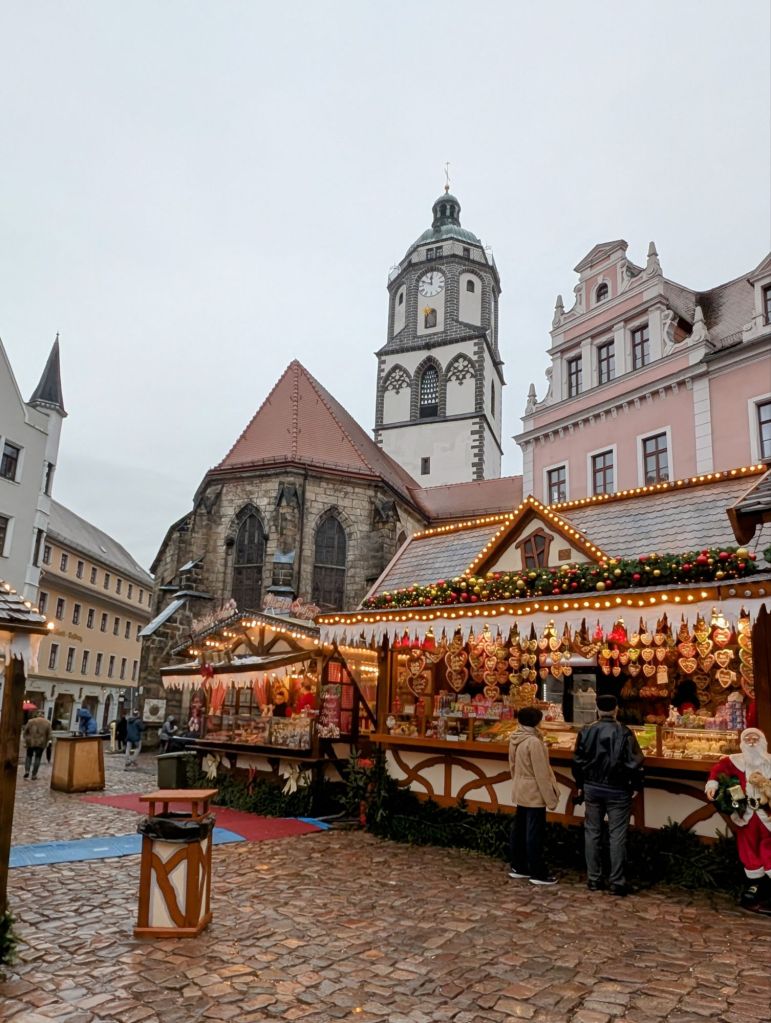
The beautiful historic Meissen buildings provide an exquisite backdrop for the Christmas Market which fills the main town square. Even the windows of City Hall are transformed into an Advent Calendar counting down the days until Christmas.


TORGAU
Our evening walk through the tiny town of Torgau provided a unique opportunity to experience a Christmas Market that was geared toward local residents. It was very traditional and not at all commercial.
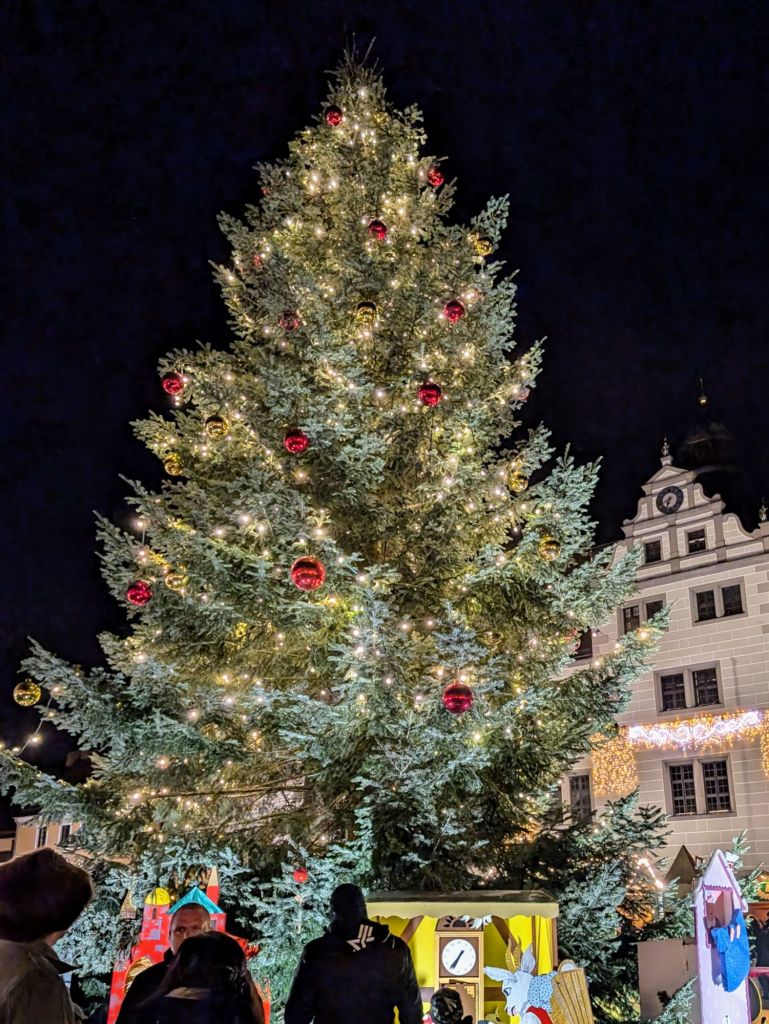
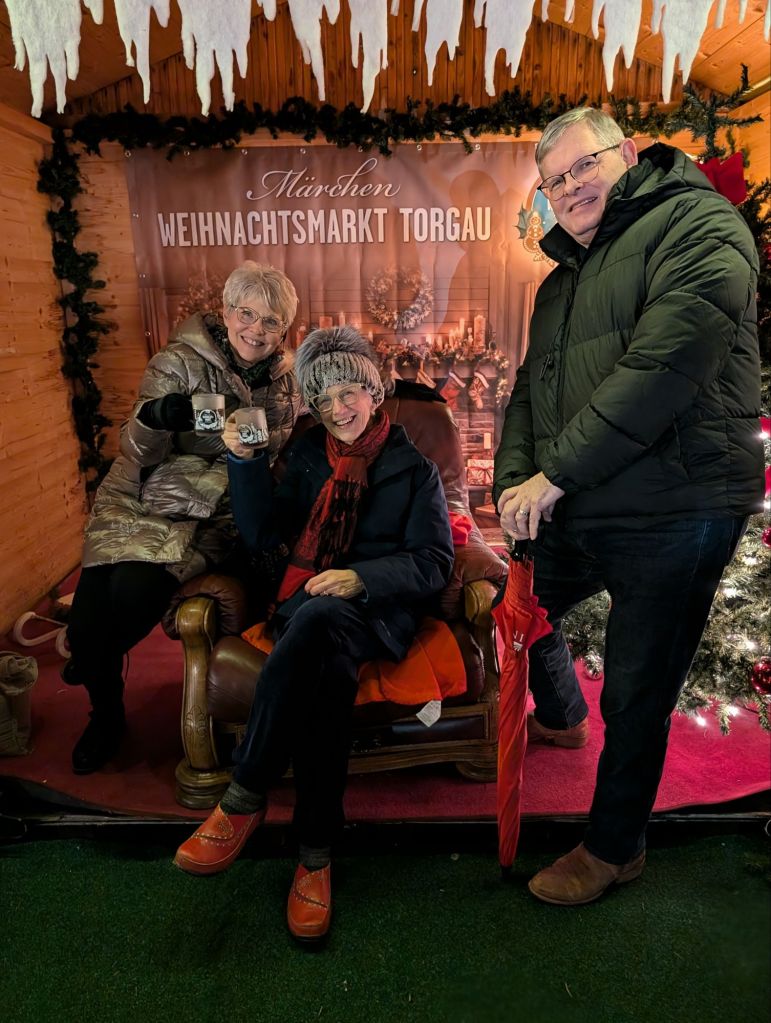


Torgau played an important role in WWII, when US and Soviet forces met on the banks of the Elbe in April, 1945.

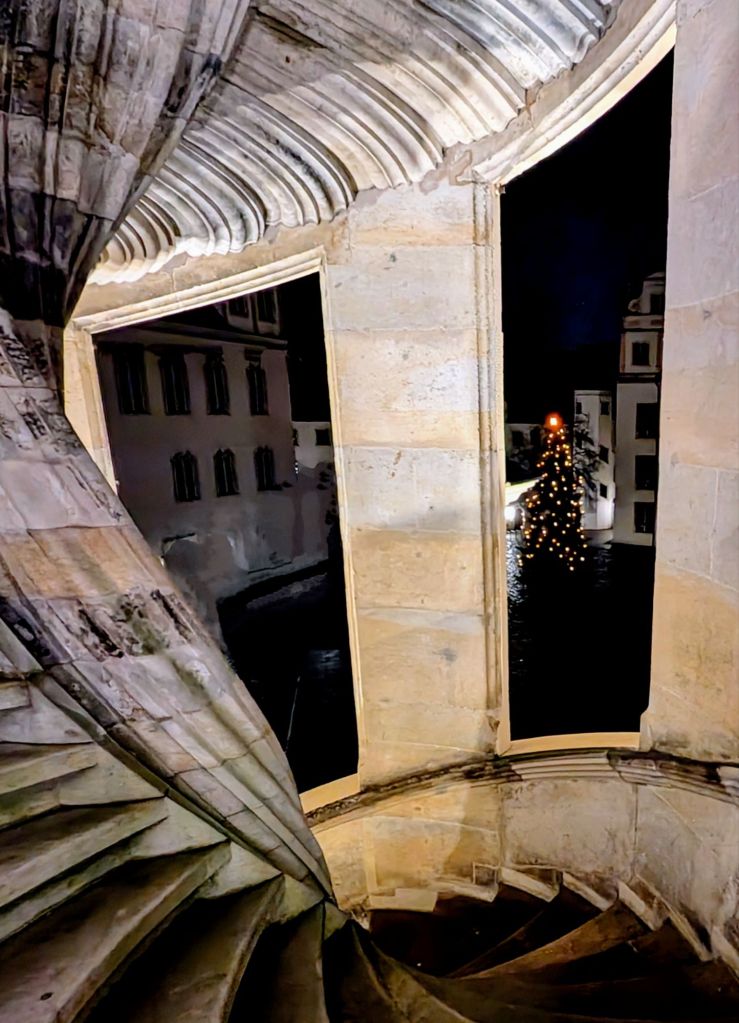
The beautiful Hartenfels Castle, built in 1533, was regarded as a masterpiece of German architecture. Designed without a central supporting column and no attachment to an exterior wall, The Big Spiral Staircase has become a unique Torgau landmark.


WITTENBERG
The final stop on the Elbe River Boat Cruise segment of our Christmas Markets tour was Wittenberg. In a city so central to the Protestant Reformation, it was well worth taking a closer look at Wittenberg’s churches. Raindrops didn’t dampen our enthusiasm nor that of our enthusiastic guide who regaled us with interesting stories.

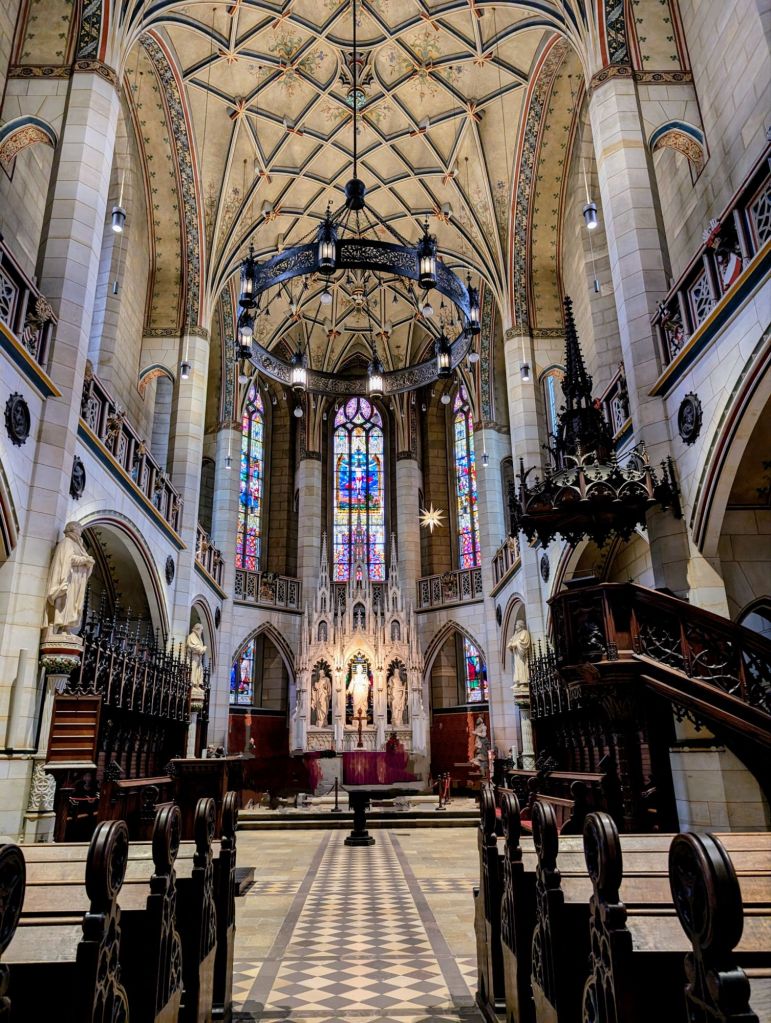


The Town Church of St. Mary is known as the first to have celebrated mass in German rather than the traditional Latin. Here also, bread and wine were first offered to worshippers, earning it a place as the “Mother Church of the Reformation.”
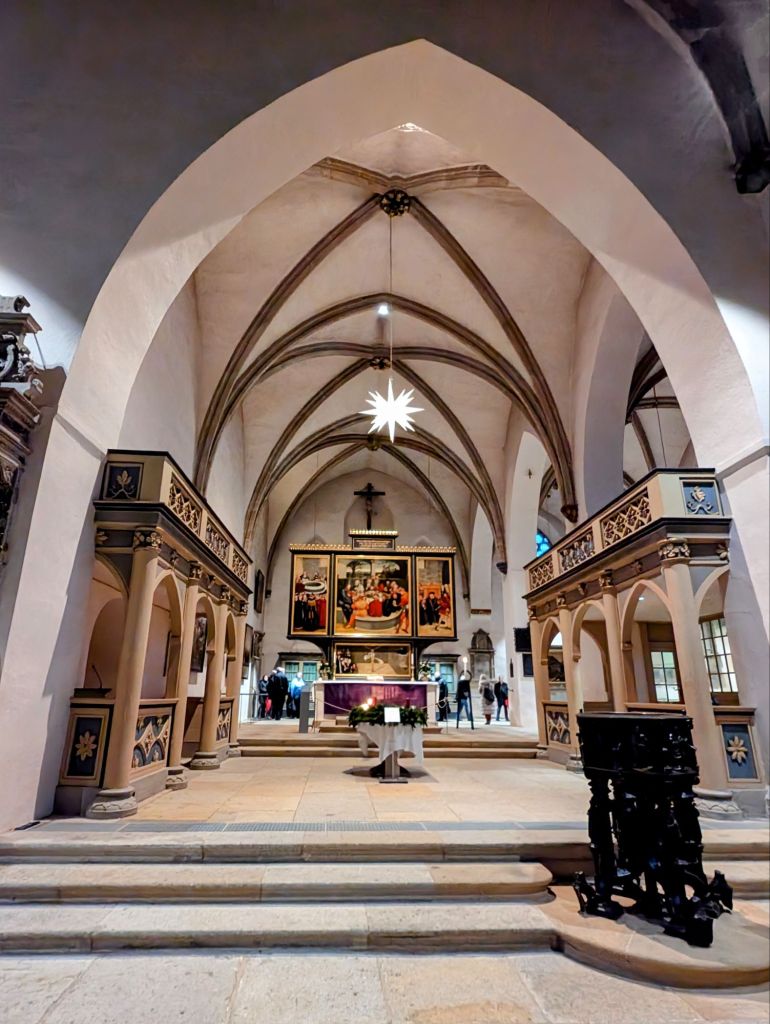
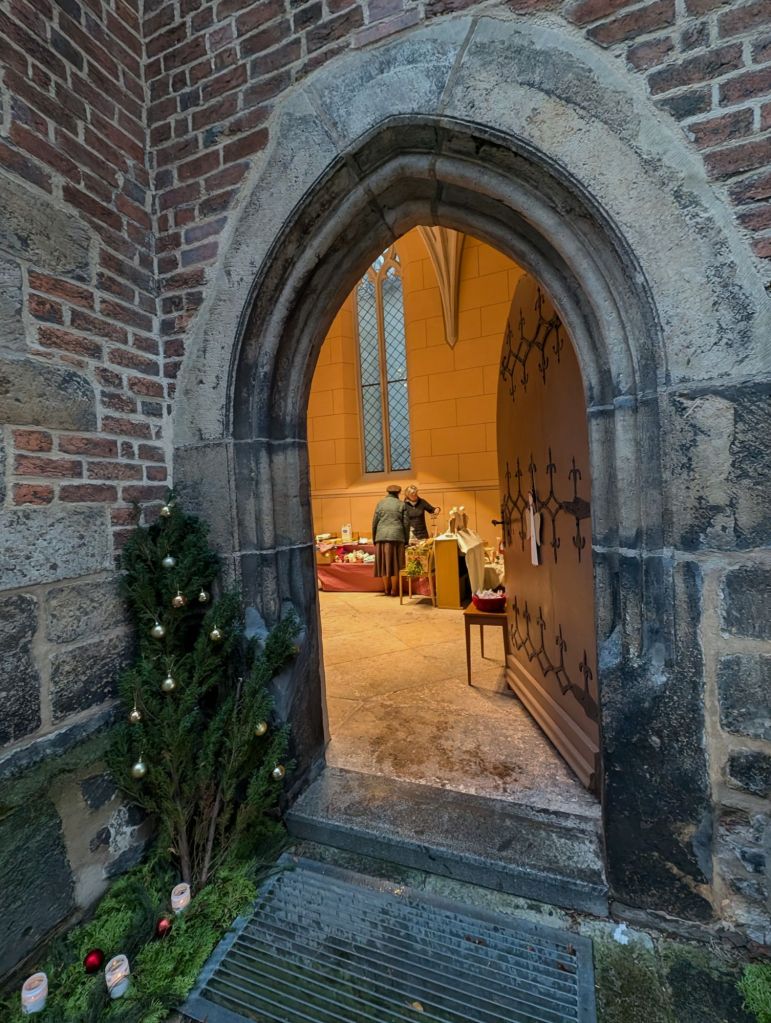

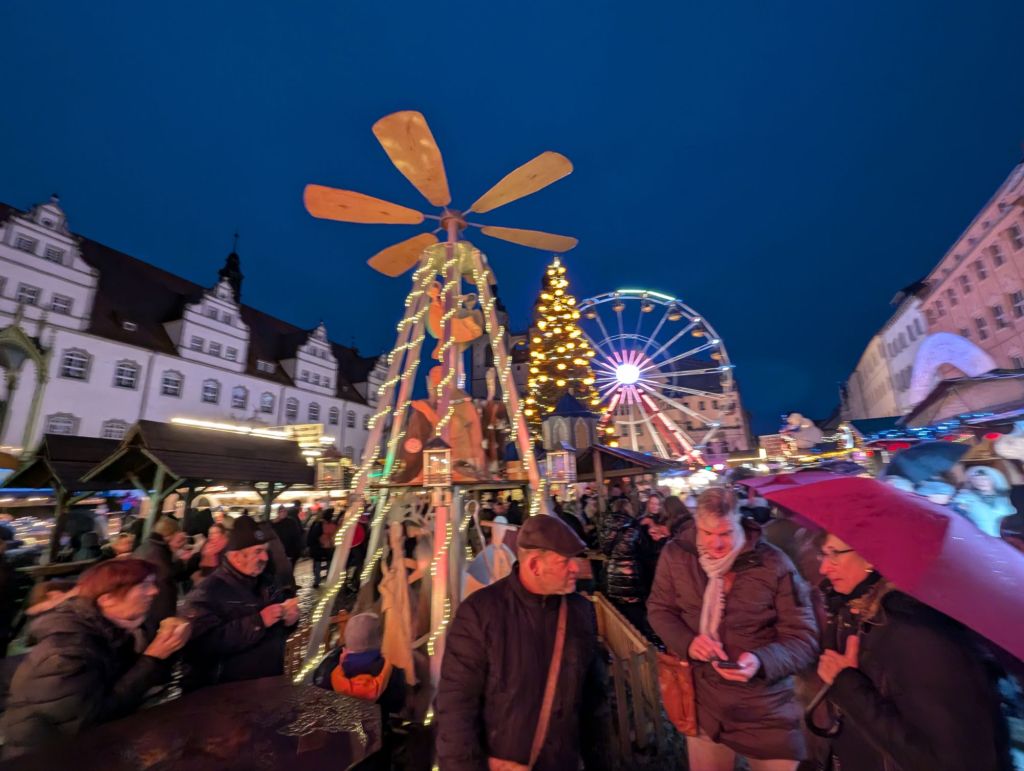
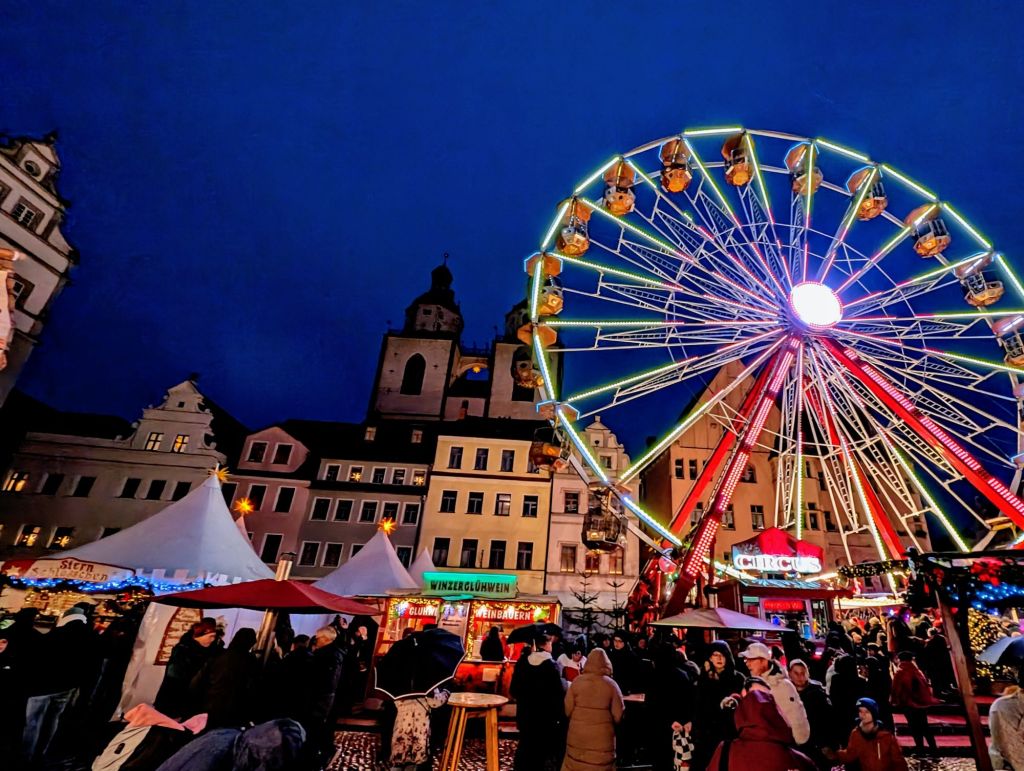
Wittenberg holds two Christmas Markets, the larger one in the town square and a smaller local market behind the church. Both were lively and crowded despite the rain.

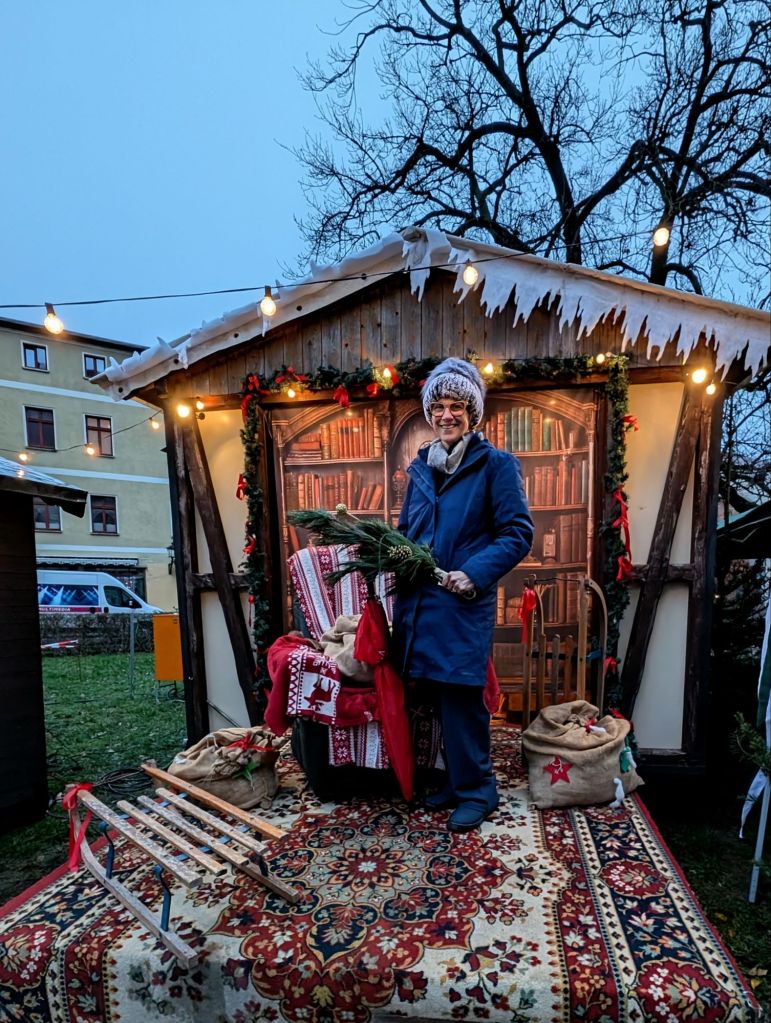

We made some lovely new friends on this cruise and we hope that our paths cross again!

 Timeless Travelers
Thank you for describing your cruise down the Elbe. The photos of the Christmas Market are beautiful! I hope to be able to make this exact trip in the coming years. Safe travels and enjoy!
LikeLiked by 1 person
What a beautiful journey, photos and blog are wonderful! Loved sharing this lovely, educational trip with you and Doug!💕👏🎄
LikeLiked by 1 person
Thank you Bev, hope to see you soon!
LikeLike
Amazingly beautiful photos. There’s so much culture to enjoy everywhere. What a remarkable trip. Sandee
LikeLiked by 1 person
What a beautiful trip!!
LikeLiked by 1 person
What an interesting journey. It’s been fun to tag along and I appreciated your educational highlights. Are you bringing that amazing hat home with you?
LikeLiked by 1 person