
After an incredible week exploring Iceland, we spent a mostly-relaxing two days sailing the Norwegian Sea.
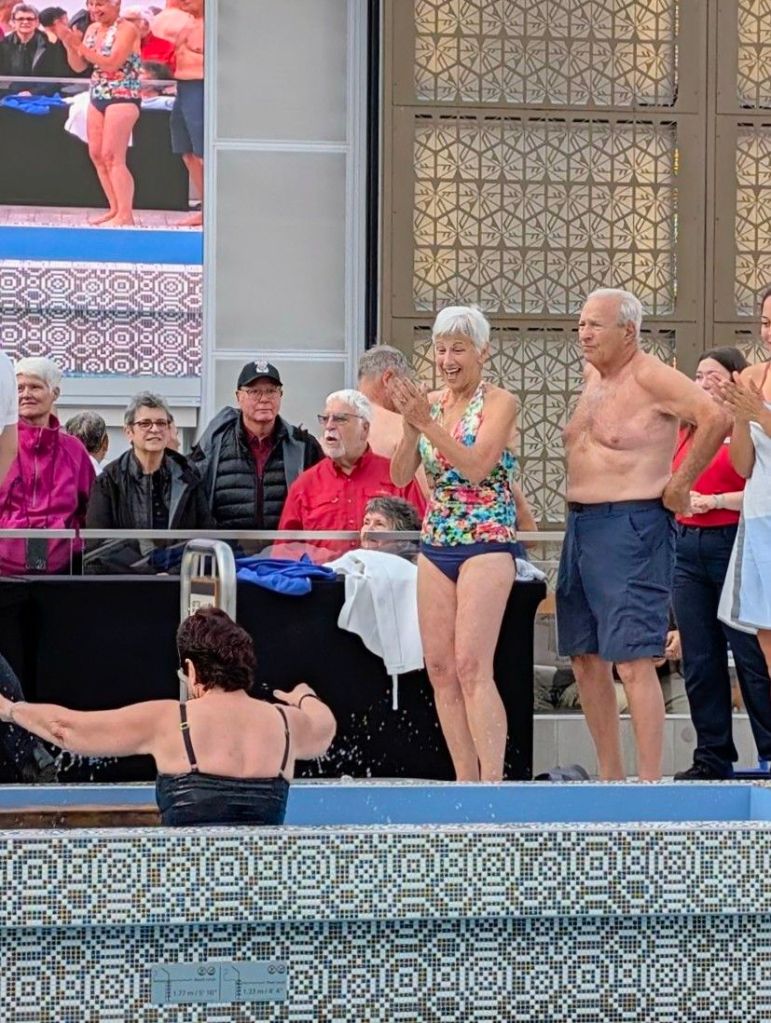
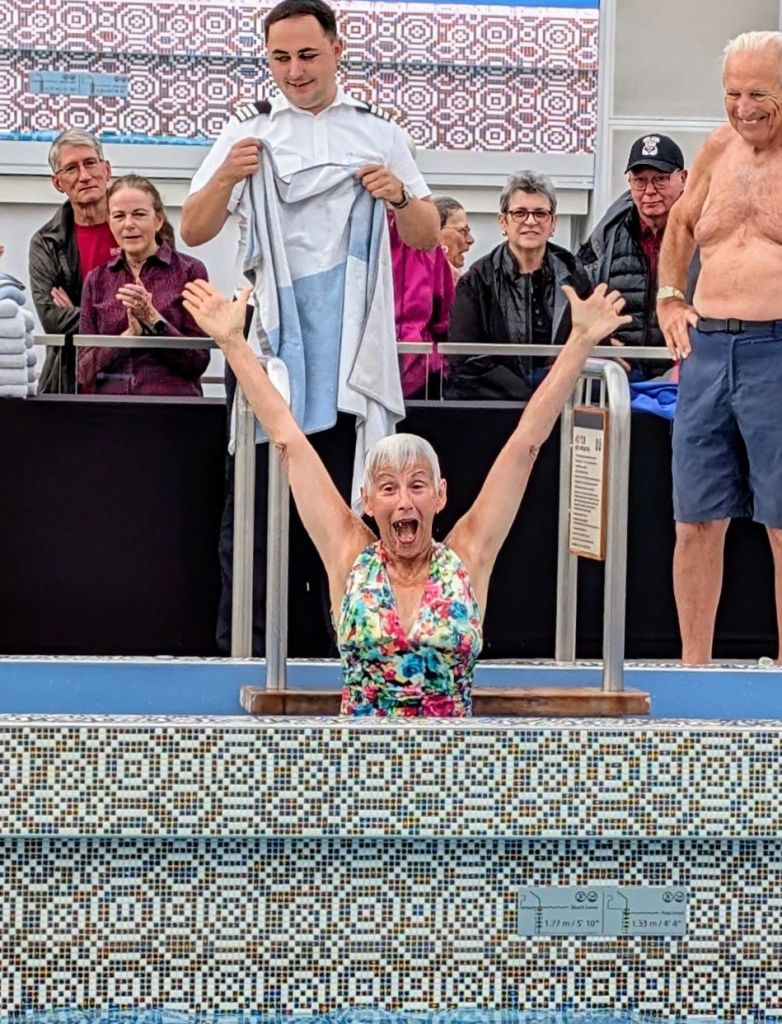
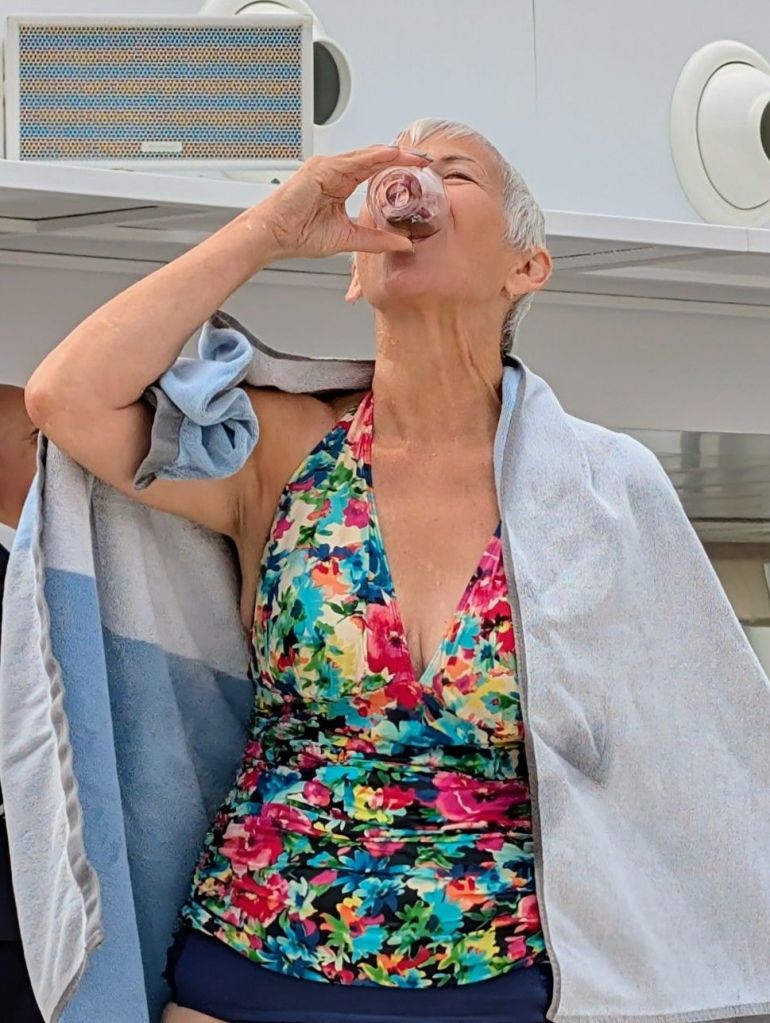
A high point during our sea journey was crossing the Arctic Circle. Although a tattoo of a polar bear with a blue nose is the traditional maritime way to celebrate this crossing, Denise opted for the ship’s initiation ceremony:



We also experienced the Midnight Sun…24 hours of sunlight that peeked through fog as well as sunshine! This area experiences roughly 113 dark days every year during the winter months, when the Northern Lights are most vivid. Since we were there in August, it was day all day! And for the next 15 days we explored much of the beautiful Norwegian coast.
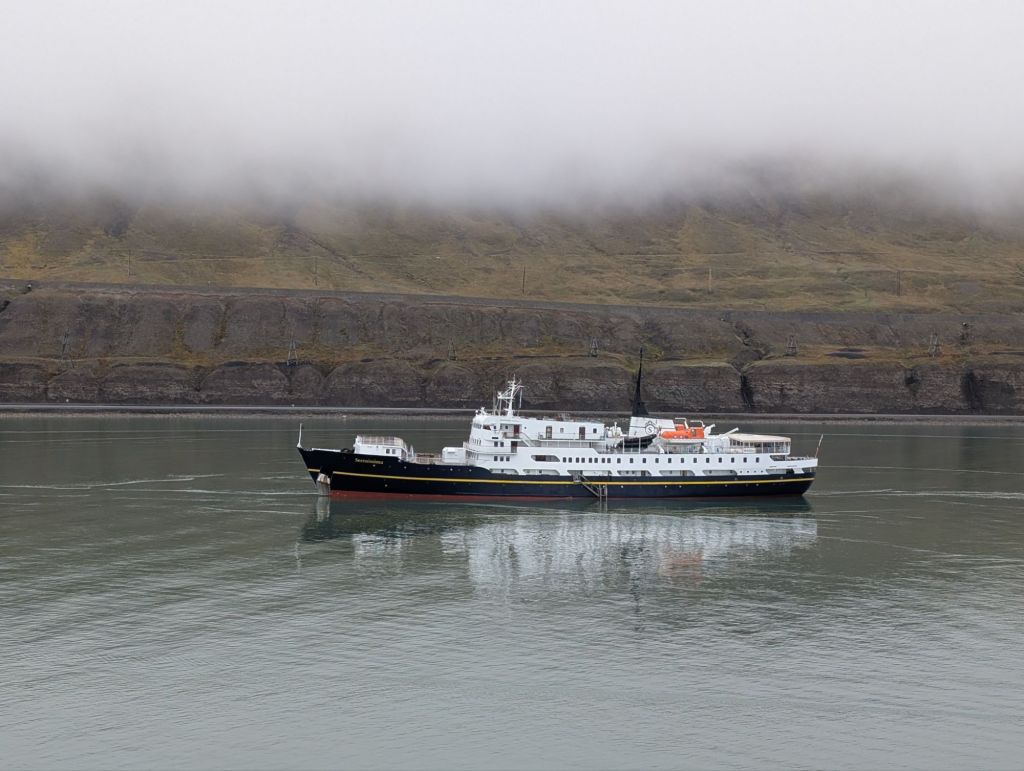

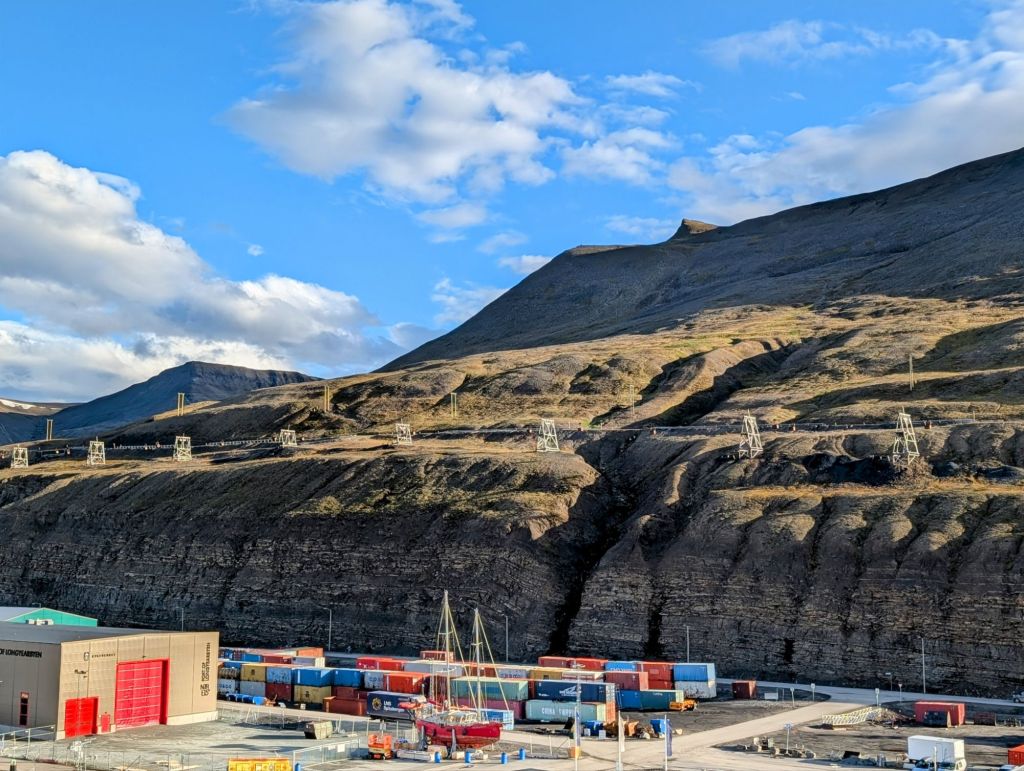
The stunning beauty of the Svalbard archipelago greeted us as we arrived in the world’s northernmost city of Longyearbyen. Svalbard is made up of hundreds of islands halfway between the North Pole and mainland Norway. Panoramic views of dramatic fjords, glimmering bays, rugged snow-capped mountains and massive glaciers create a serene yet breathtaking environment. Longyearbyen was almost completely destroyed by the German Navy during WW II, but was rebuilt after the war by its resilient residents.


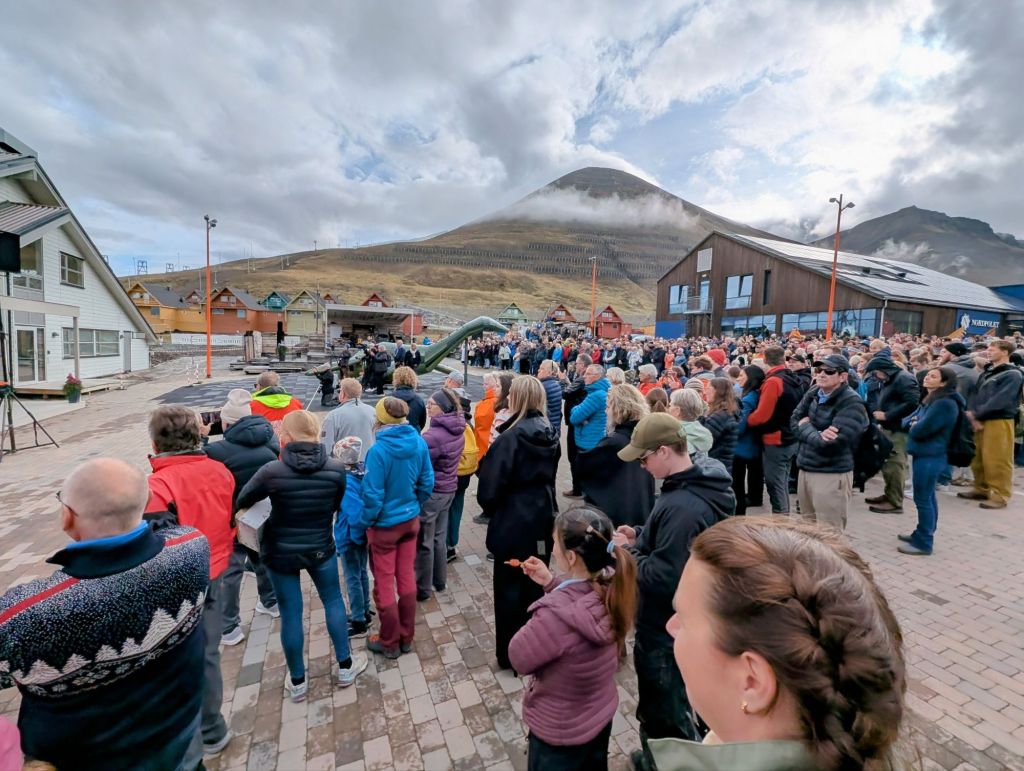
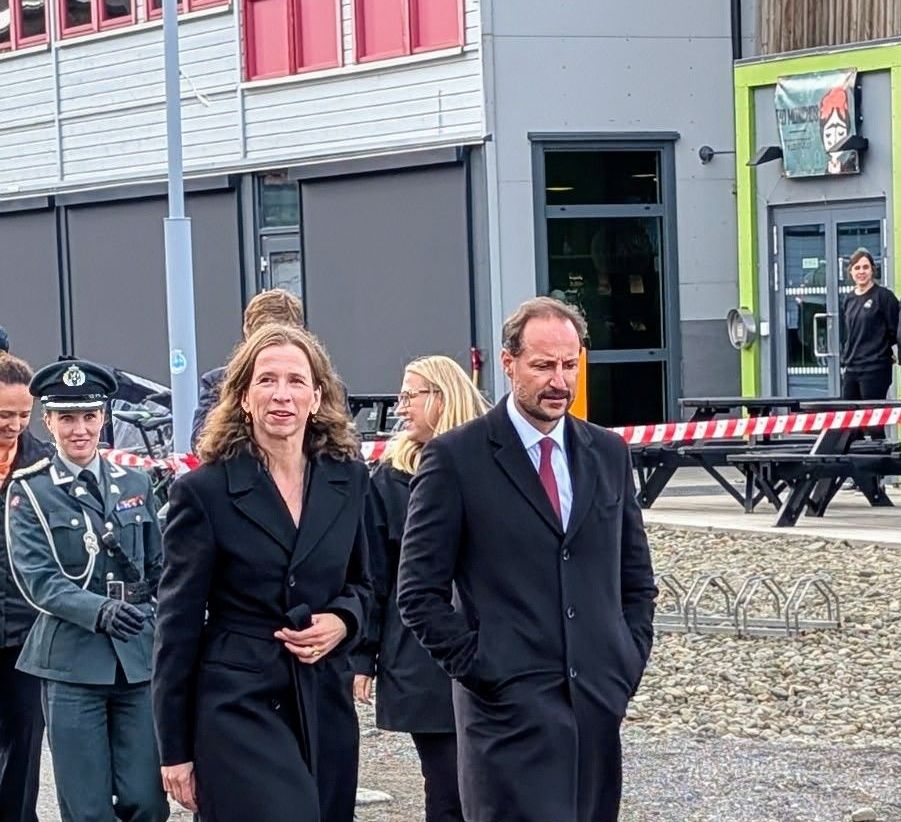
We happened to arrive just in time for Svalbard’s Centennial Day festivities, a celebration of 100 years as part of the Kingdom of Norway. A large crowd turned out to greet local and national dignitaries and enjoy a day of fun.

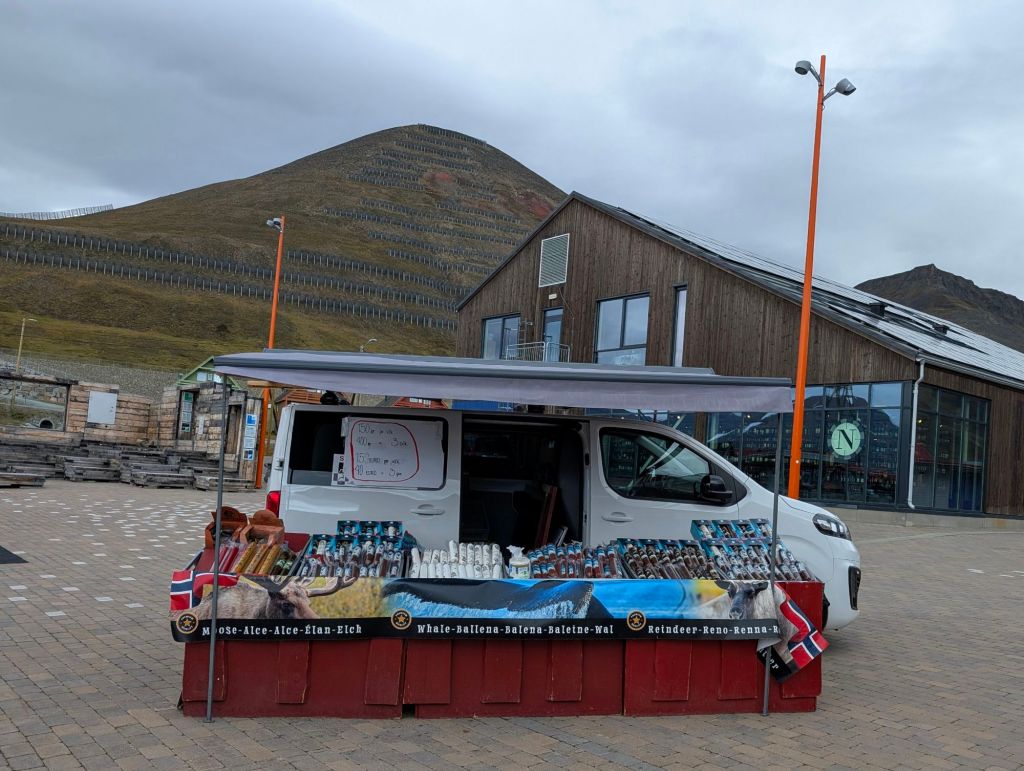
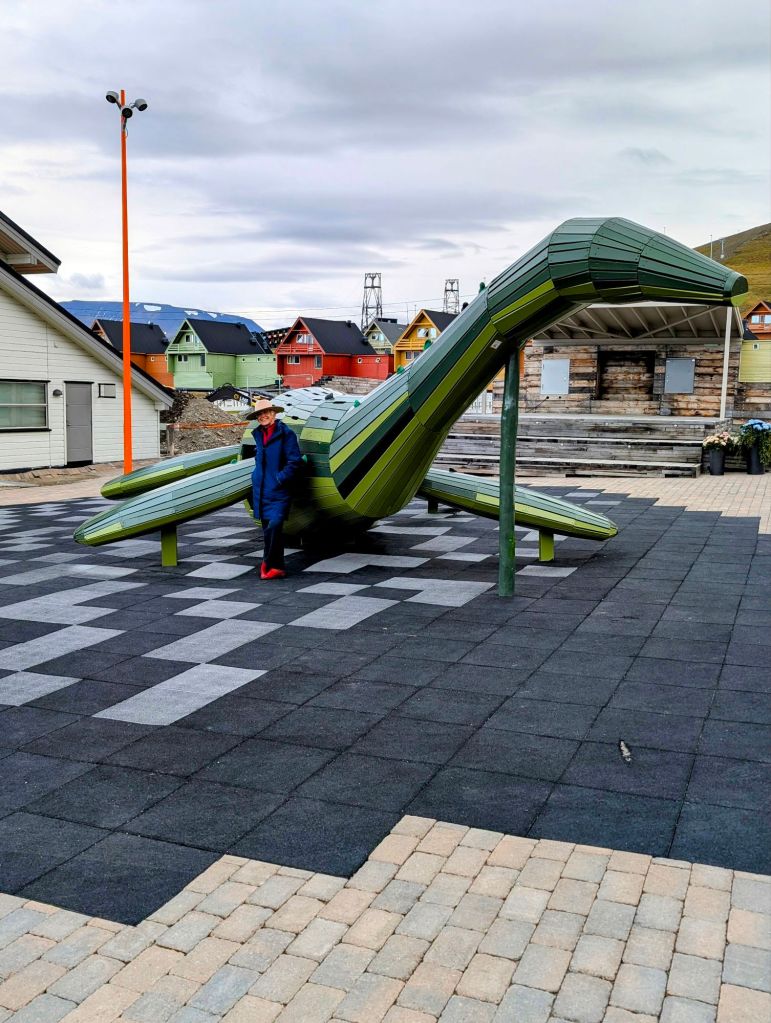
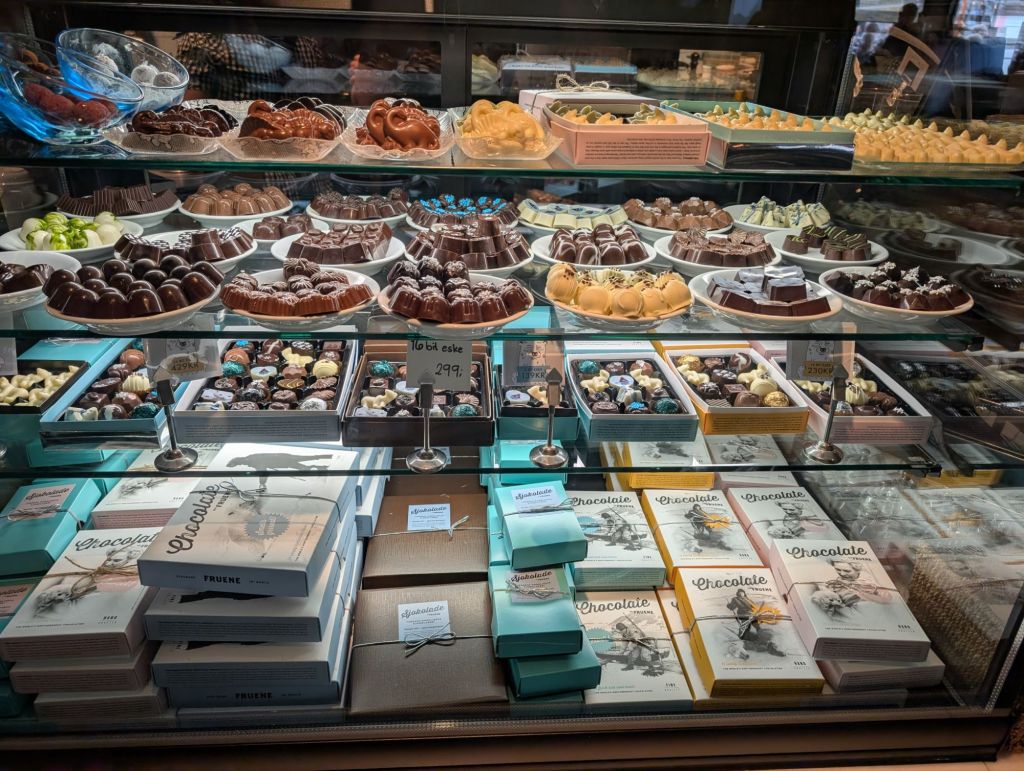
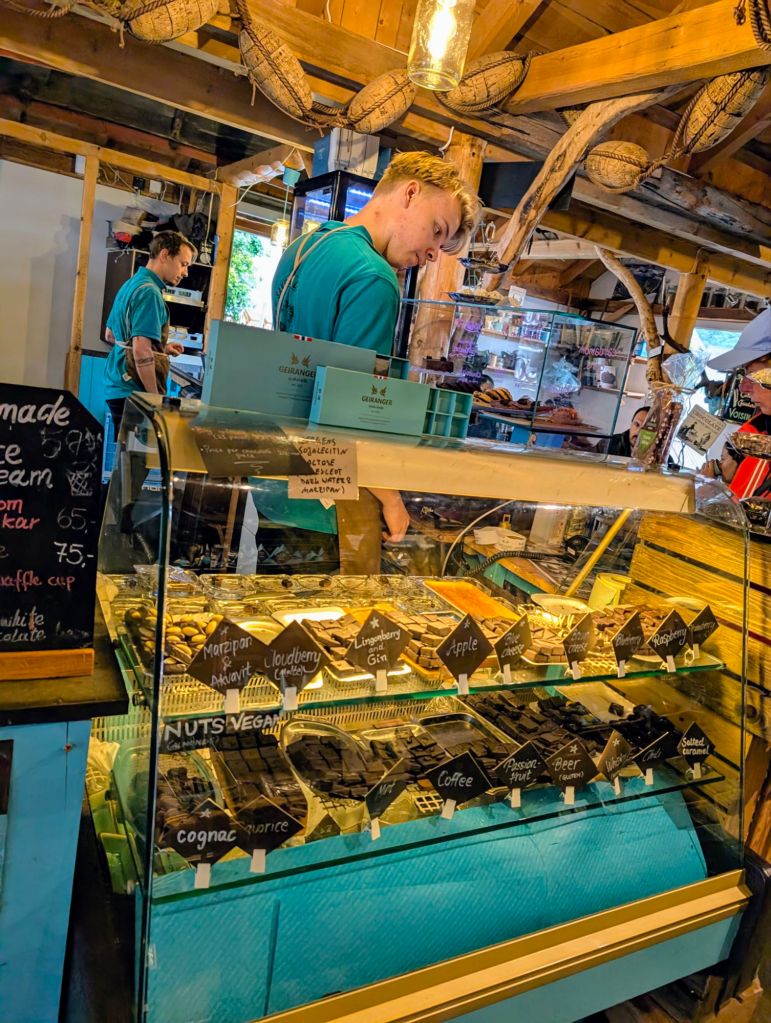
Longyearbyen has the feel of a frontier town where every direction is south! As the northernmost inhabited city in the world, it is known for having many “northernmost” amenities including the northernmost shopping mall, kindergarten, cemetery (although burials have been outlawed since the 1950s due to the permafrost), playground, church, housing development, commercial port, pop-up shops, university, gourmet restaurant offering 14 course meals, brewery, music festival (Dark Season Blues) and most importantly the world’s northernmost chocolatier!


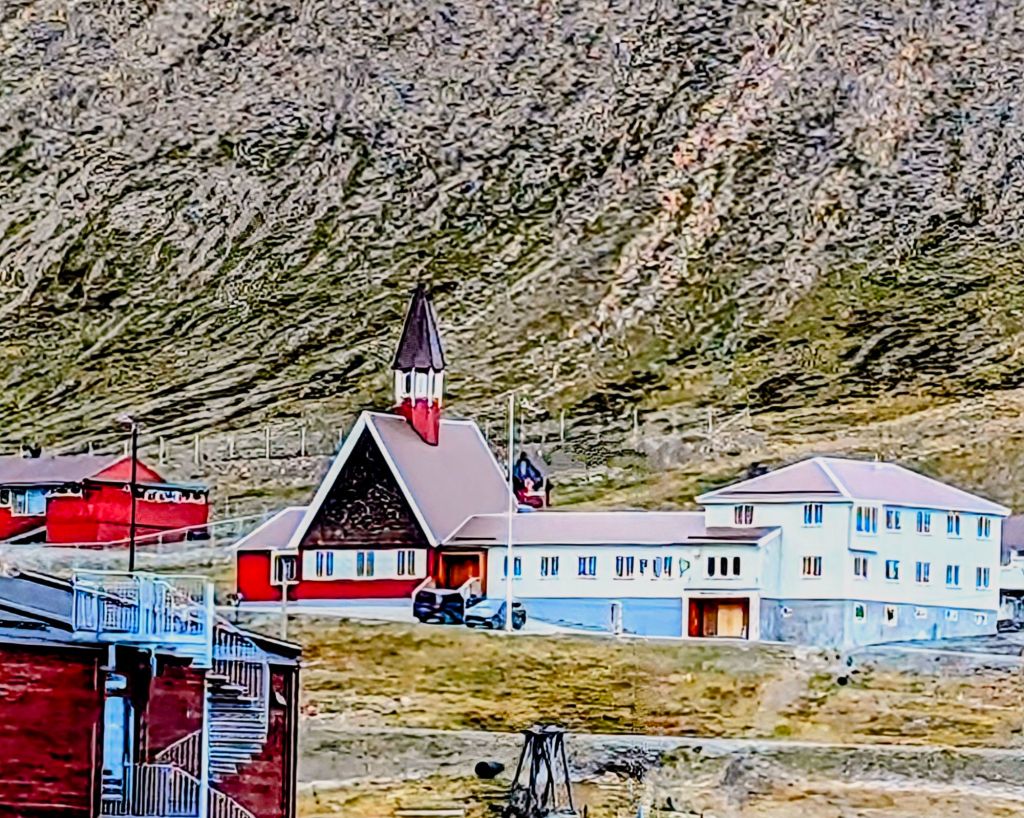

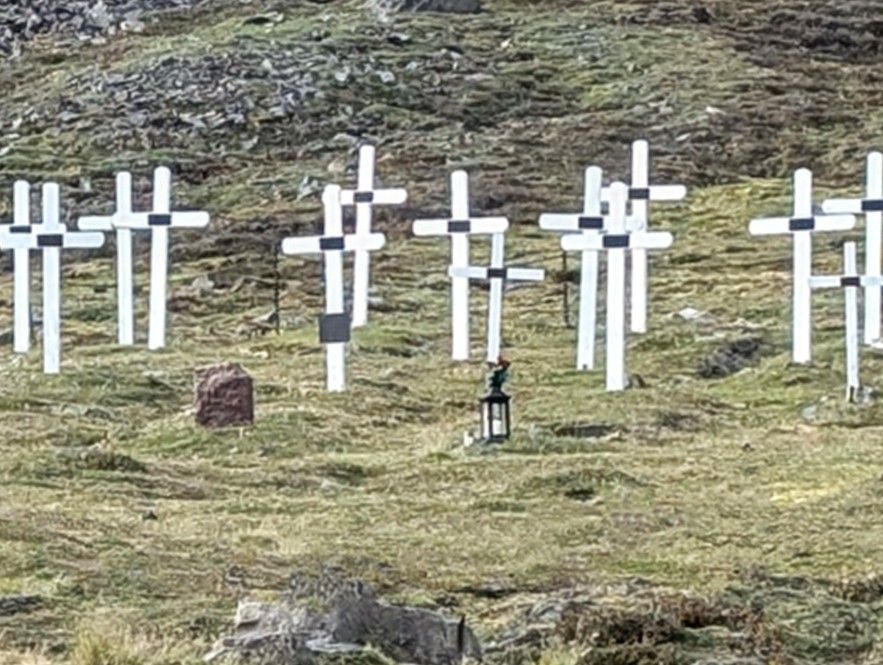
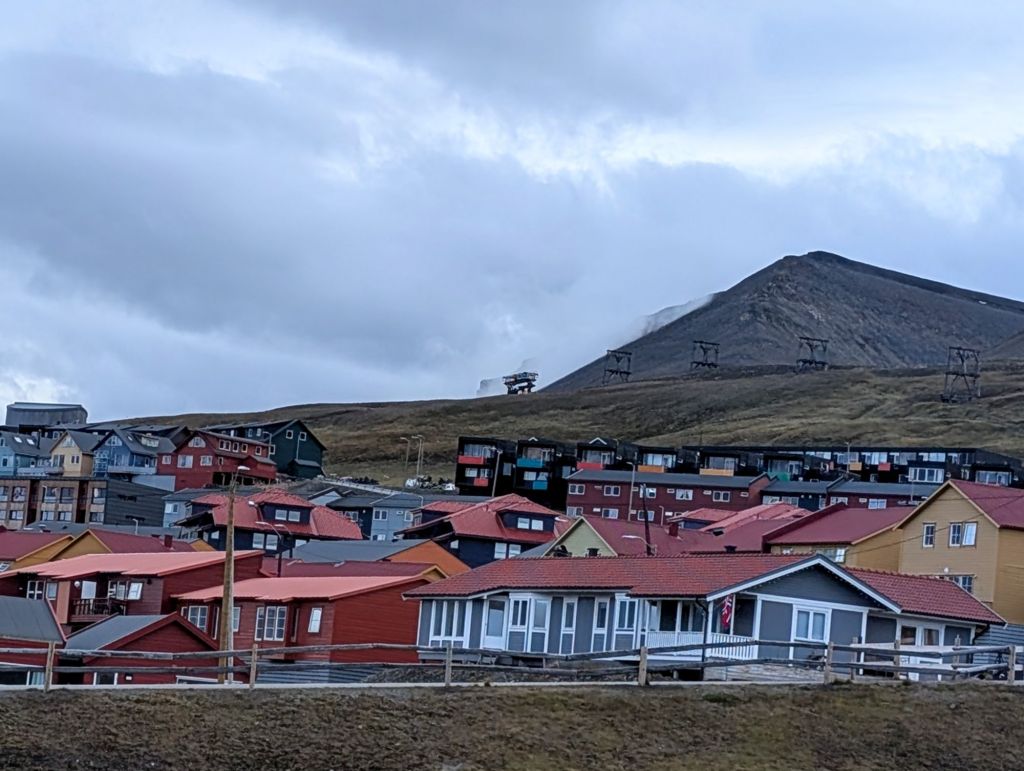

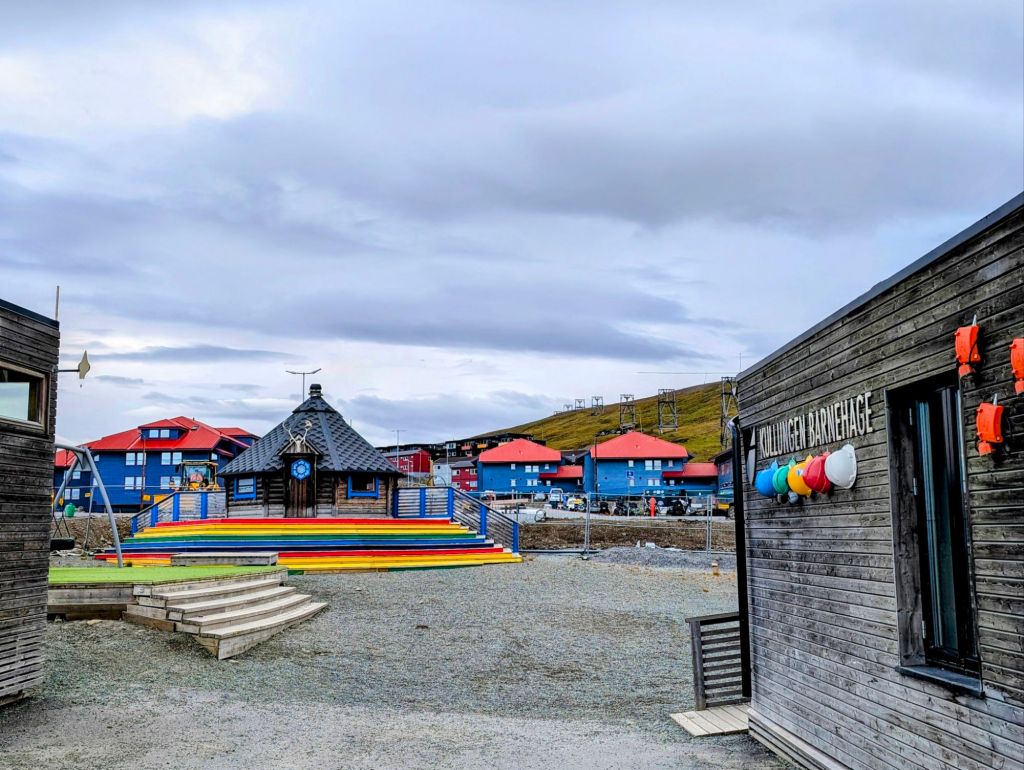
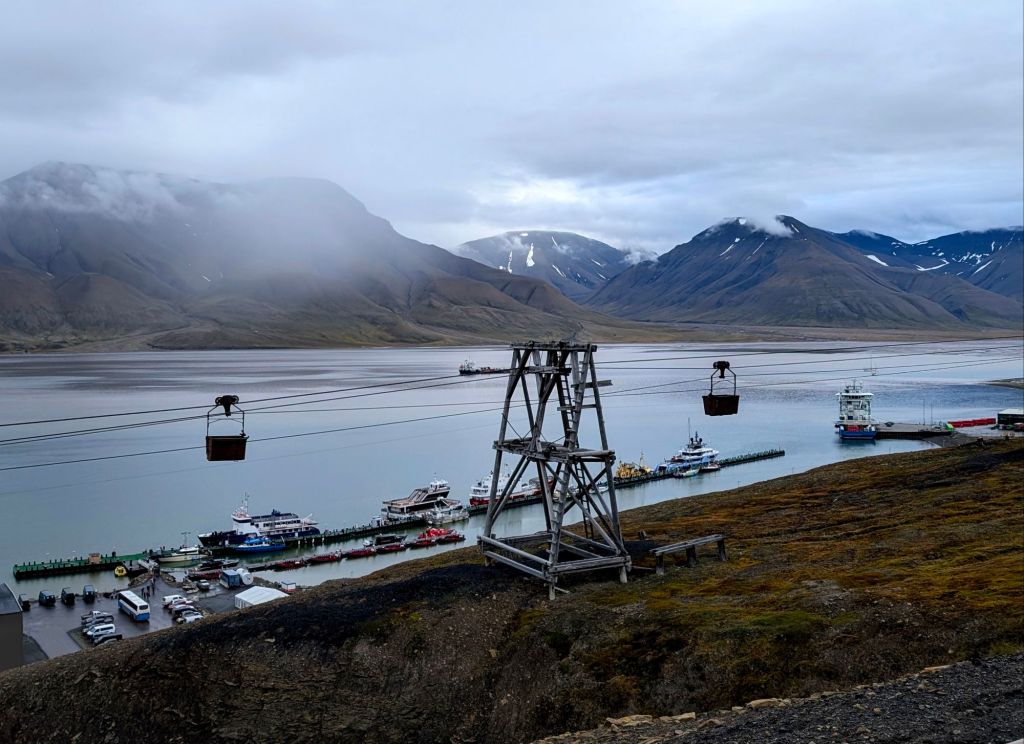
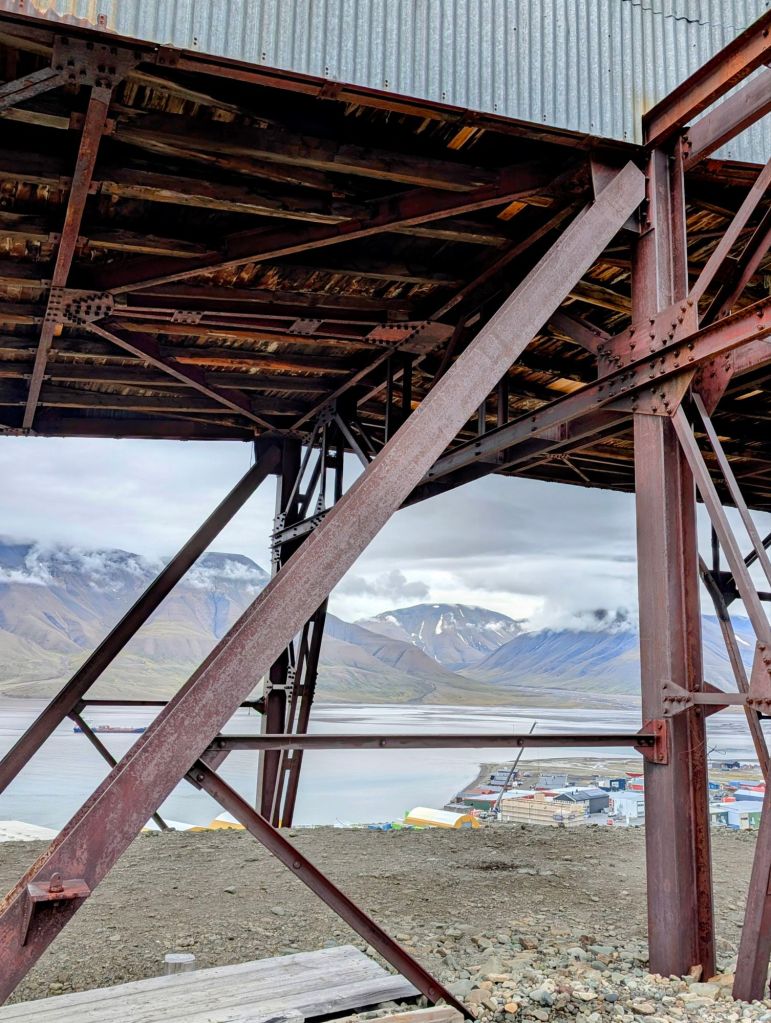
It is also a small town with a rich history of coal mining. Although the industry was wound down starting in the 1980s to make way for cleaner sources of energy, remnants of the mines reflect the importance of this industry to the area’s development. The cableway towers supported a network of cables that transported the coal from the mines to the port.


A visit to the Svalbard Museum provides an illuminating glimpse into the region’s history, culture and wildlife.

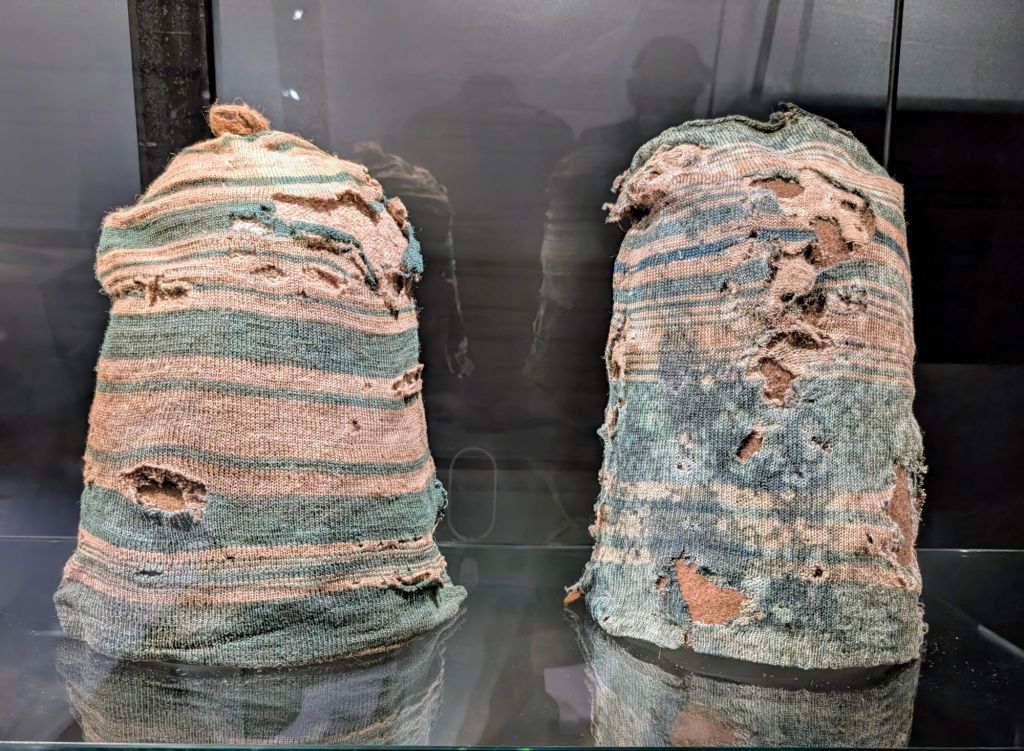
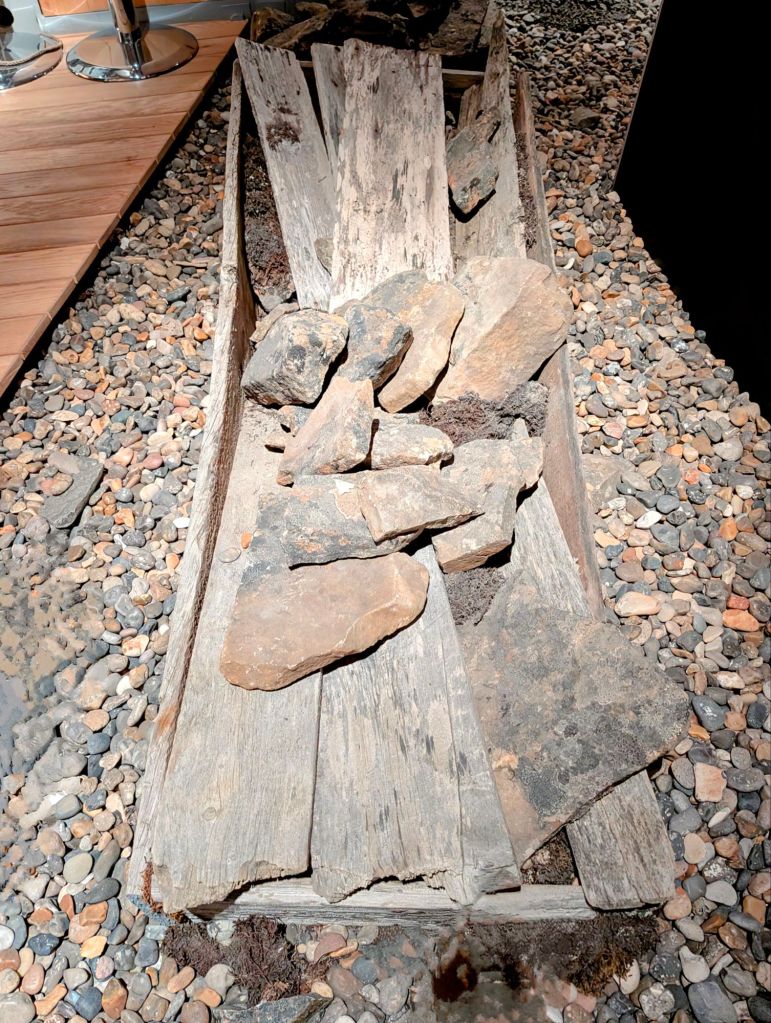
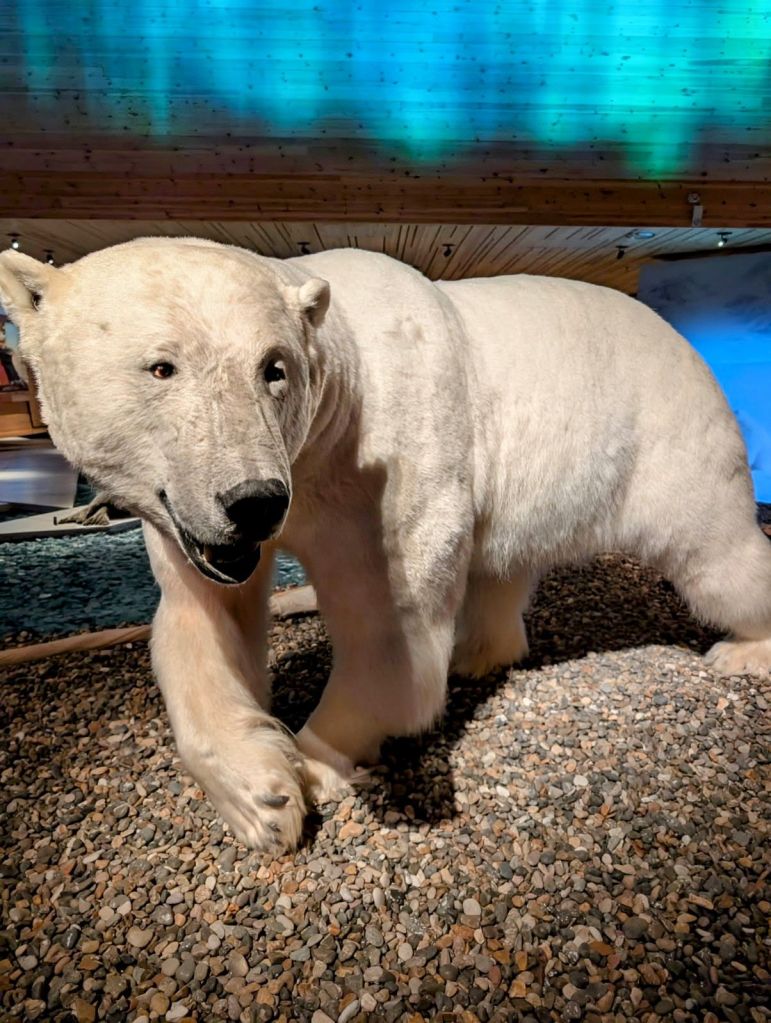
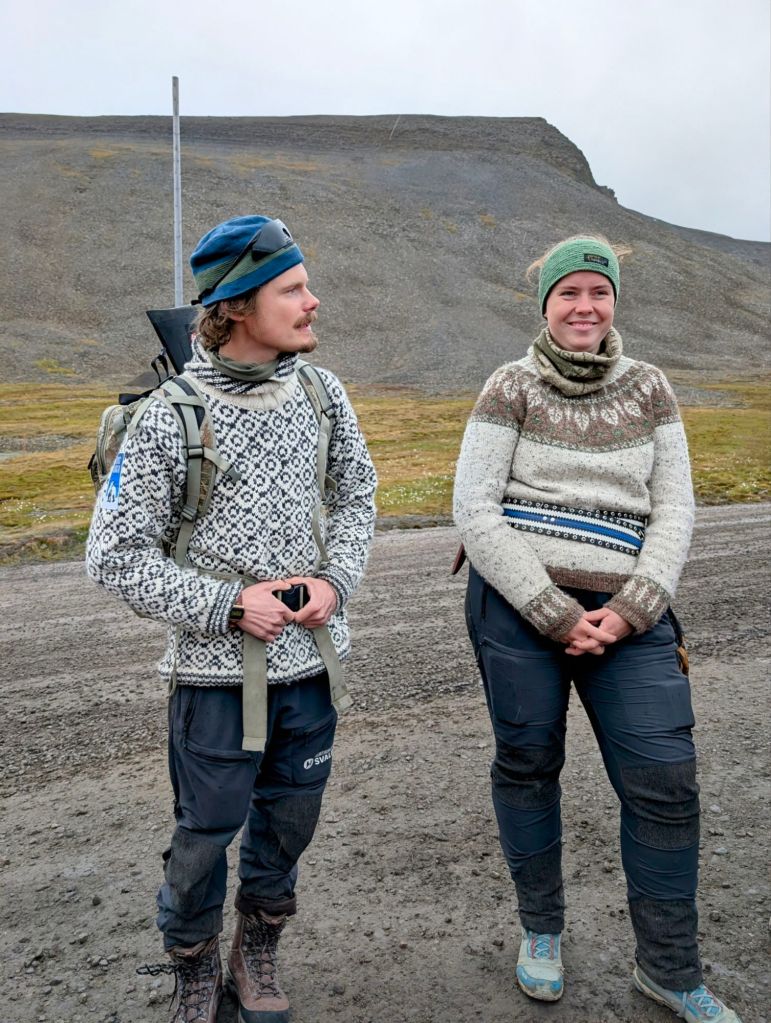
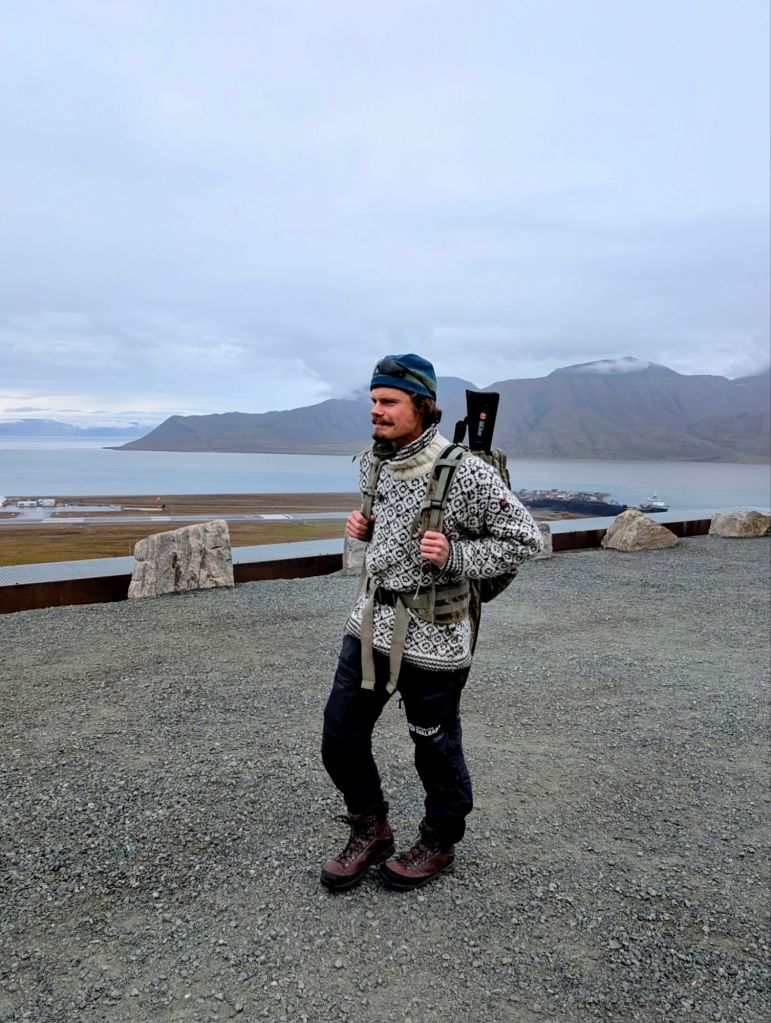
Ever since Svalbard was discovered, hunters have pursued the polar bear for its beautiful white fur as well as its meat. Today, the bears are considered an endangered species and cannot be hunted for sport; however, due to the danger they present to humans, anyone leaving city limits is required to carry protection in the form of stun gun, knife or rifle.

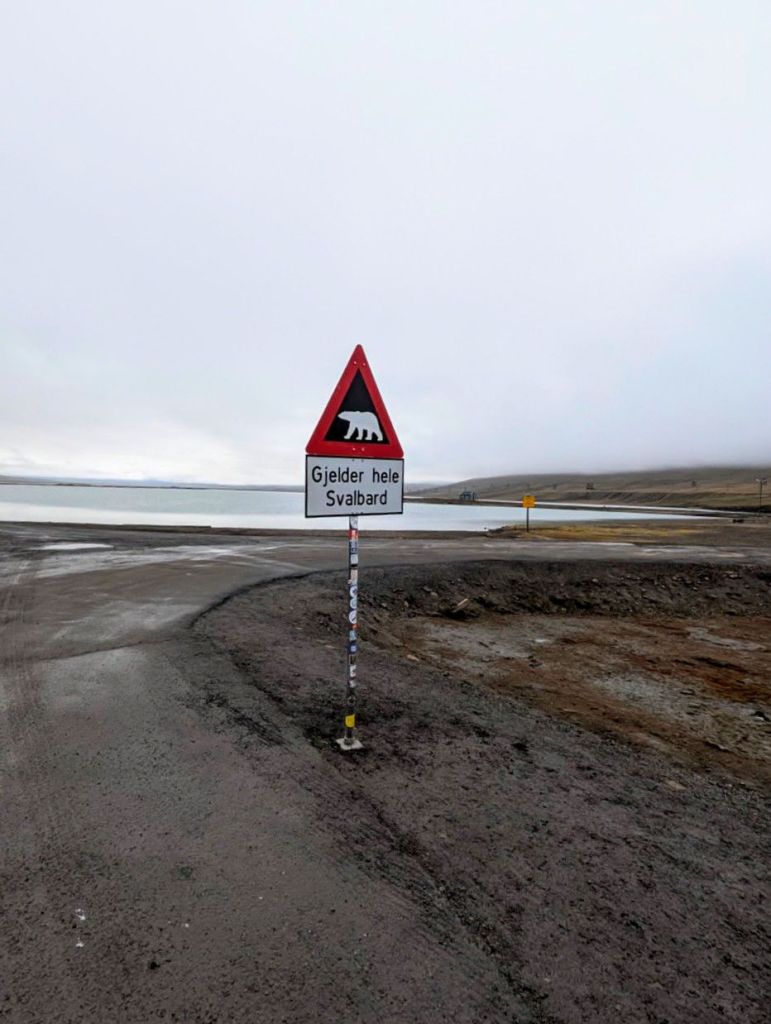

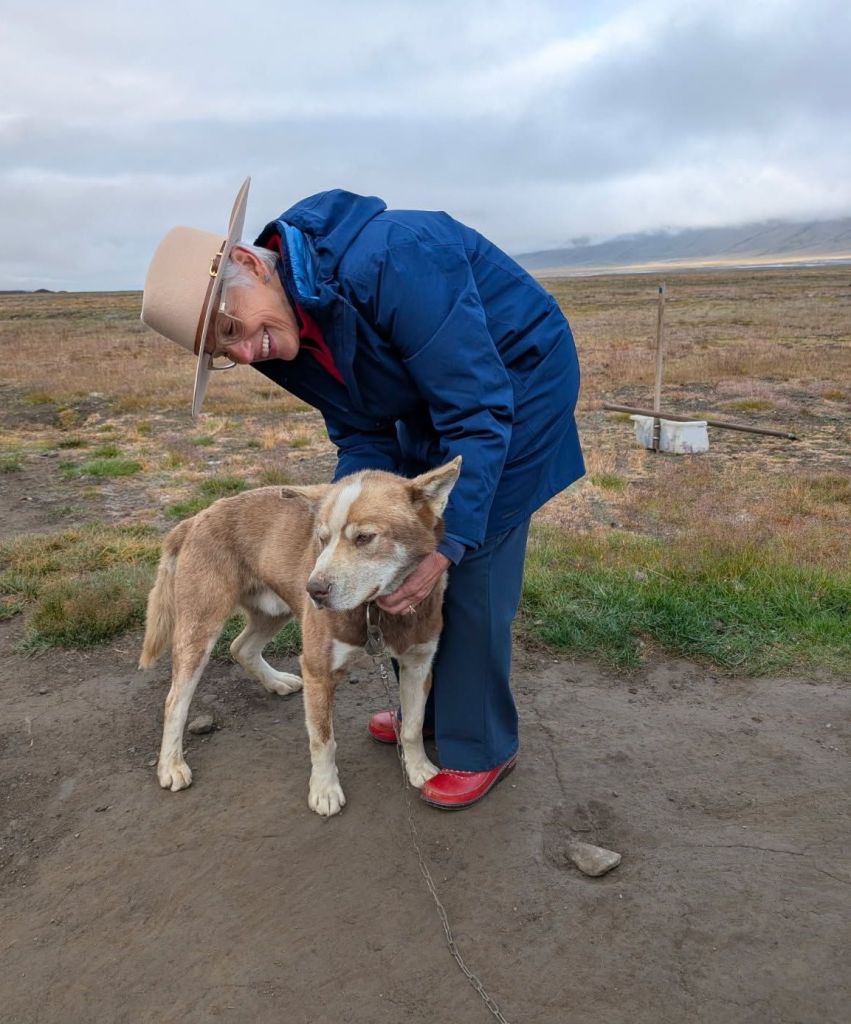
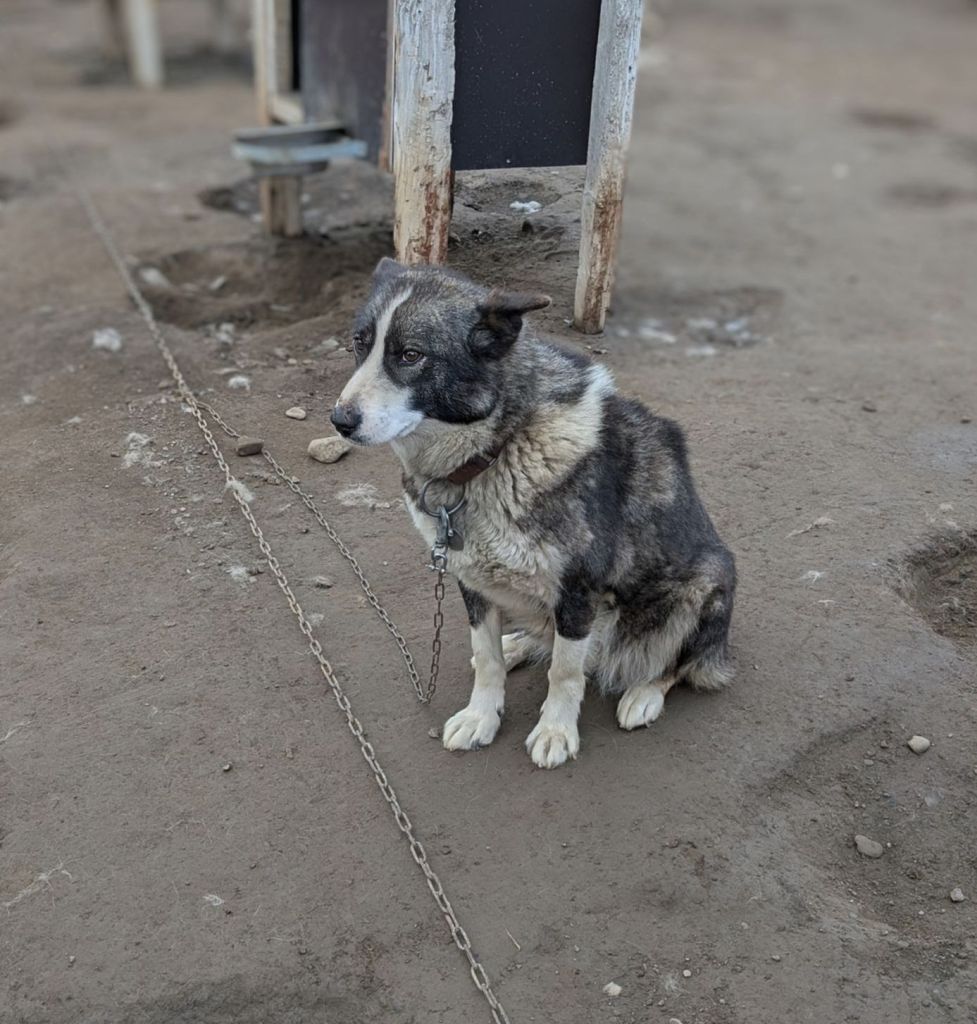
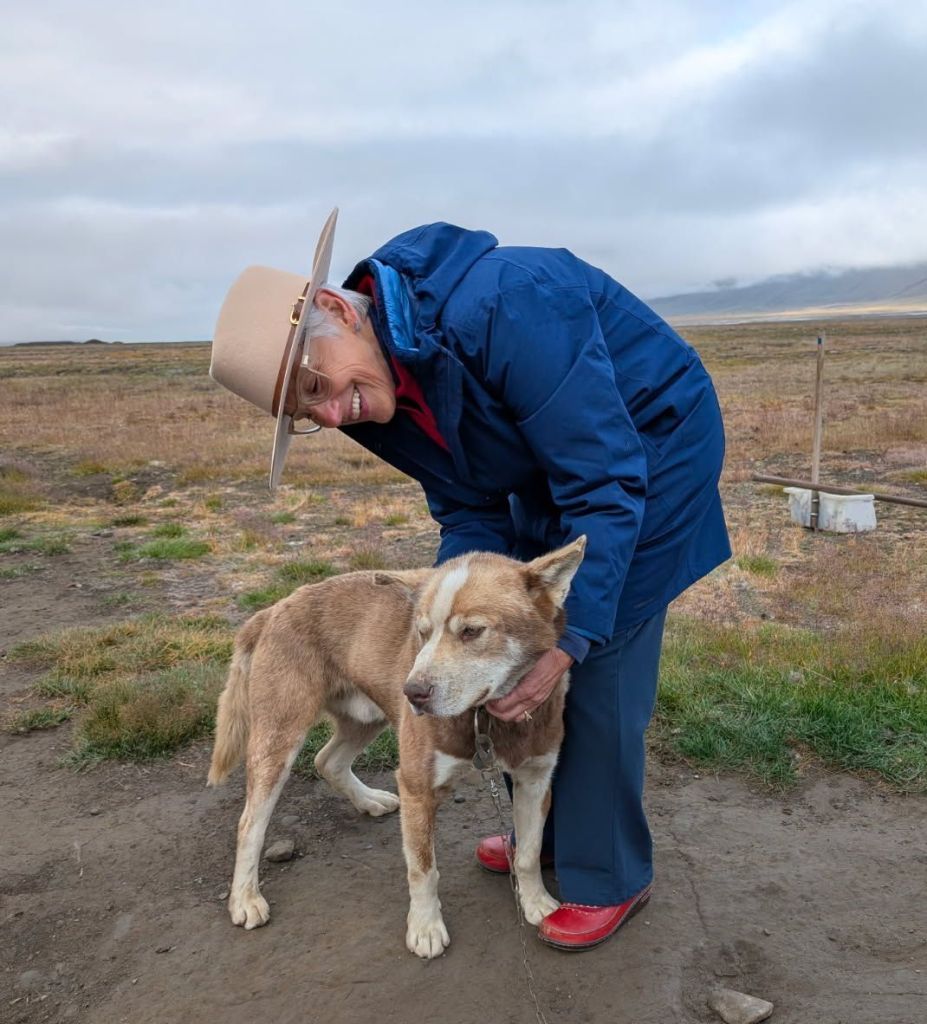
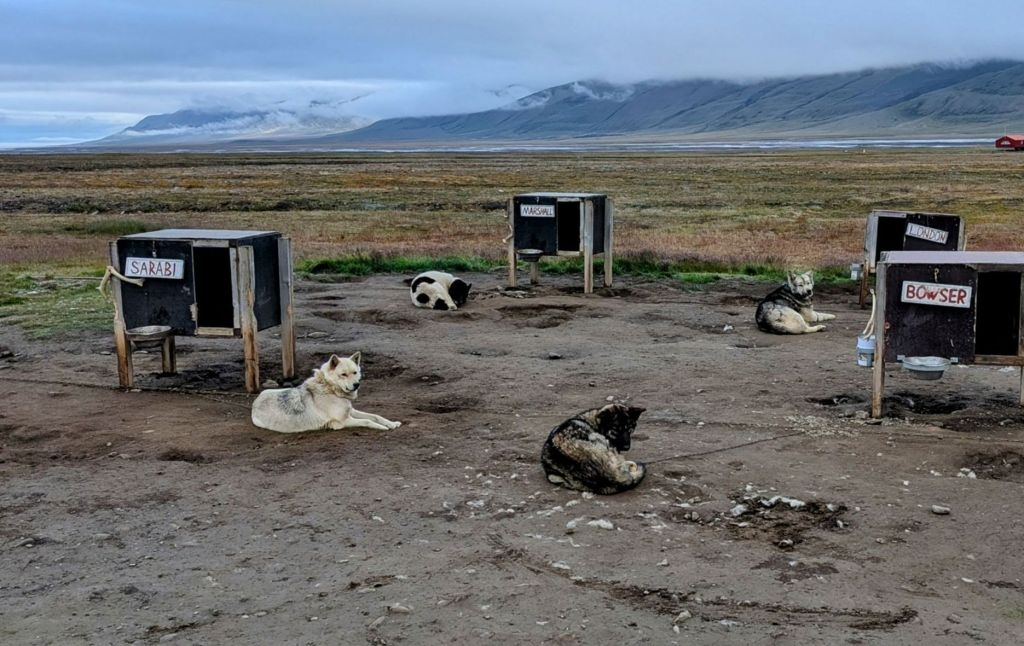
We ventured out to the remote Camp Barentz for a visit with several retired husky sled dogs.

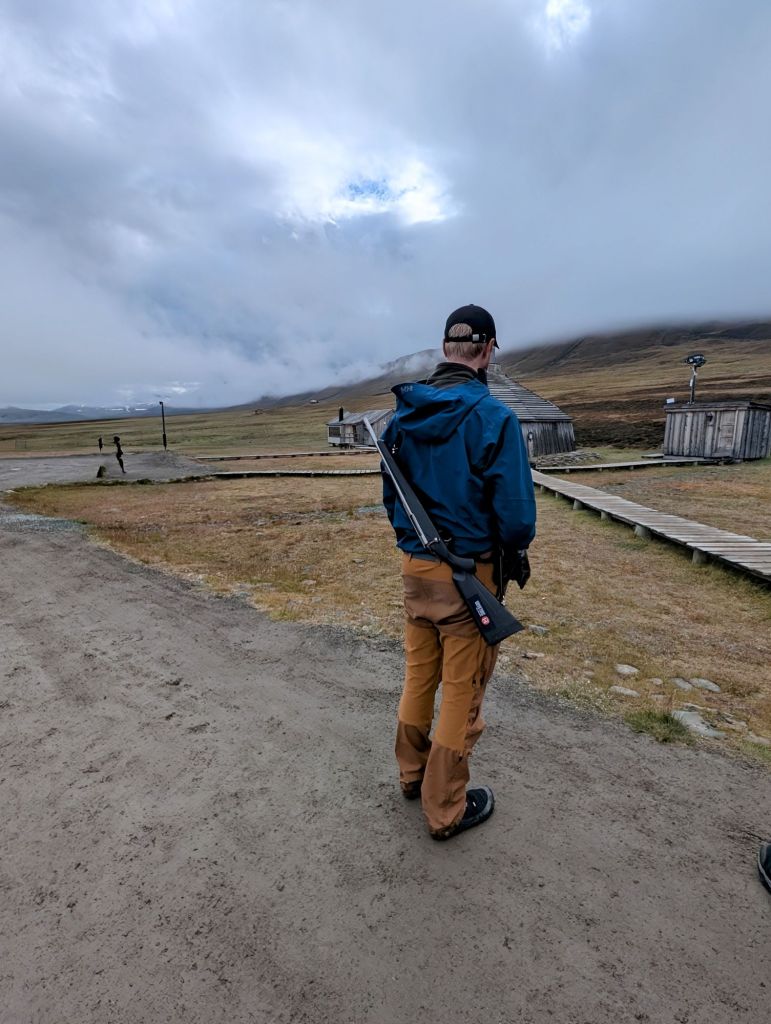




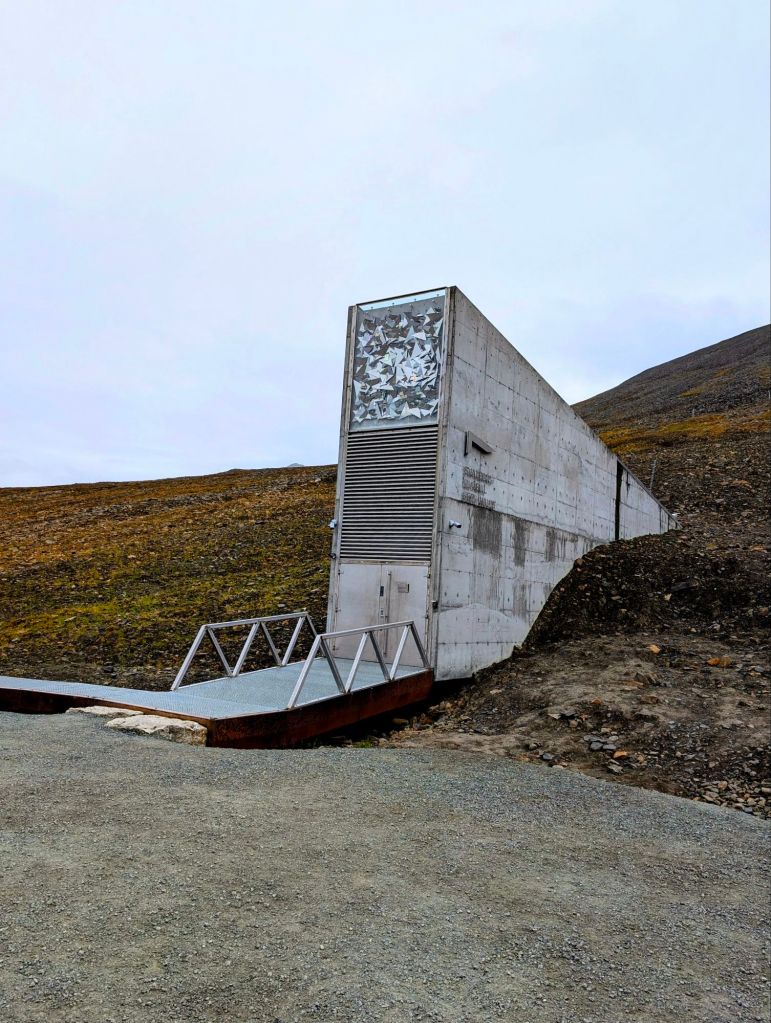
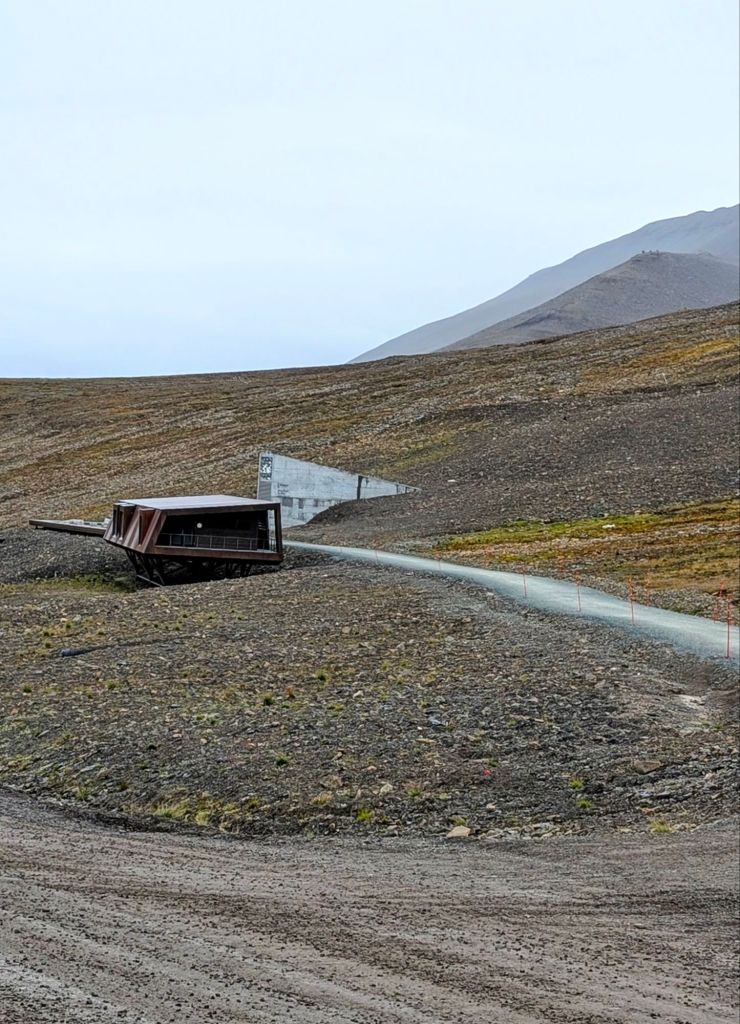
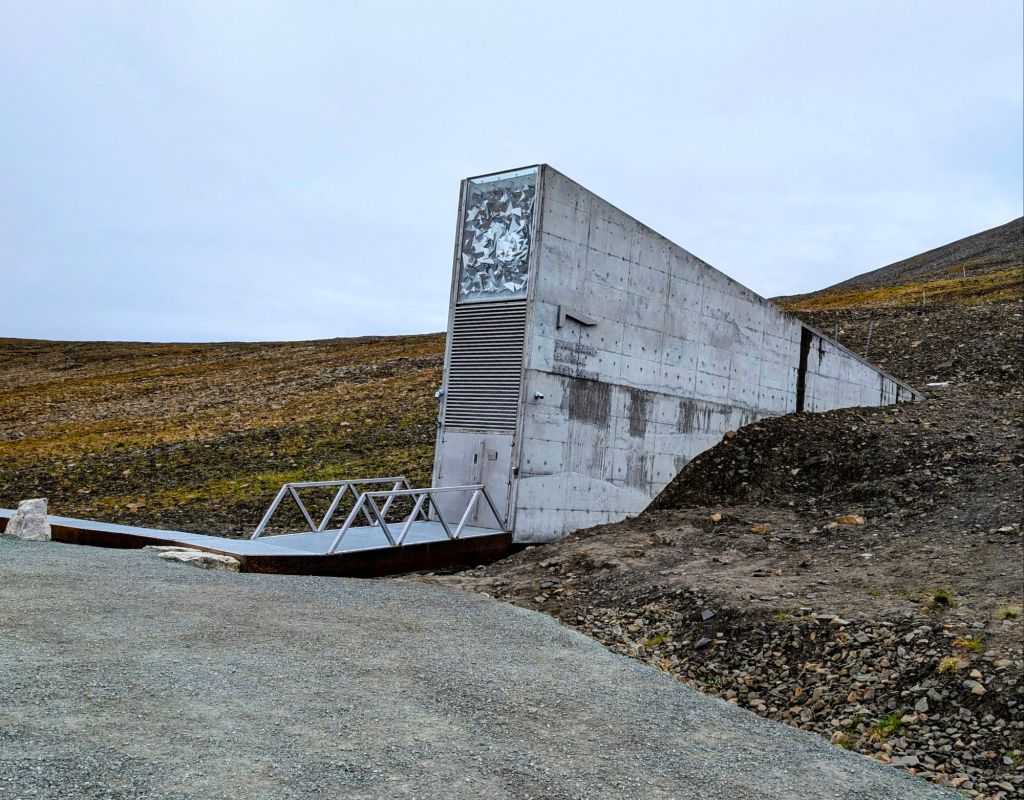
Since 2008, Longyearbyen has been home to the Svalbard Global Seed Vault. The vault, which can only be entered by scientists, provides long-term storage for seed samples from all over the world. The remote vault can be reached with an armed guide…in our case two. The vault provides long term, underground storage for 1.3 million varieties of seeds from all over the world. The permafrost and remote location ensure that the seeds will be safe in the event of global need to re-seed the earth. The adjacent building houses the vault administration.


Our two day visit to Svalbard provided endless opportunities to soak in the beauty at the top of the world, and an intriguing introduction to the rest of Norway to the south.
The following day was spent sailing the Barents Sea. Named for Dutch navigator, cartographer and polar explorer Willem Barentsz, the sea is the gateway from the Arctic to the northernmost shores of Europe. Barentsz led three expeditions in search of a northern trade passage to the East. During his first two expeditions they encountered polar bears and walruses, but their vessels were no match for the polar ice they encountered. On the third expedition, they discovered Bear Island and Svalbard. Due to extreme conditions, the crew built a primitive cabin and depleted the supplies they had carried onboard. Their camp was abandoned for over 300 years, and is now the sled dog retirement home and tourist attraction described above. On the return voyage, Barentsz died, but the maps and records he left behind advanced the quest for a north passage and earned him recognition in the naming of the sea, Barents Island, Barents Region, and the Maritime Institute Willem Barentsz. In addition, the Dutch Navy named several ships in his honor.
In the early hours of the following day, we sailed past the stunning site of Nordkapp, the North Cape.

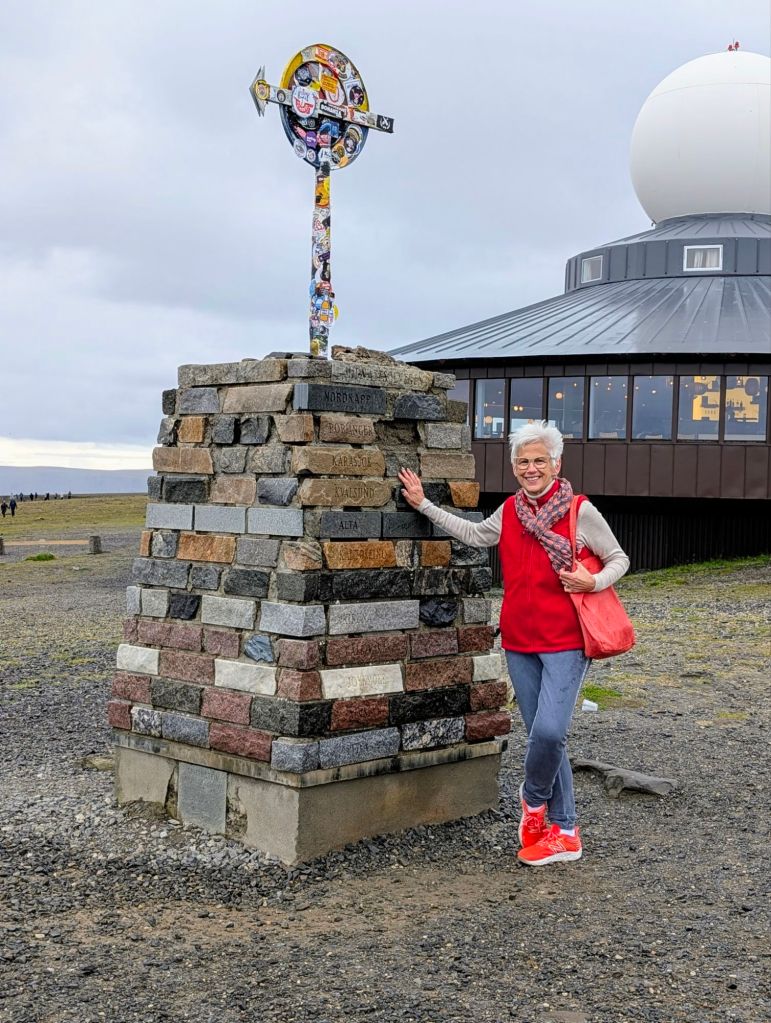
Our first port on Norway’s mainland was its northernmost island city of Honningsvad where we had the opportunity to explore the North Cape at 71°10’21”. The iconic globe, erected in 1977, is designed to be a symbolic meeting point for people from all over the world who come to experience the unique location and its dramatic scenery.

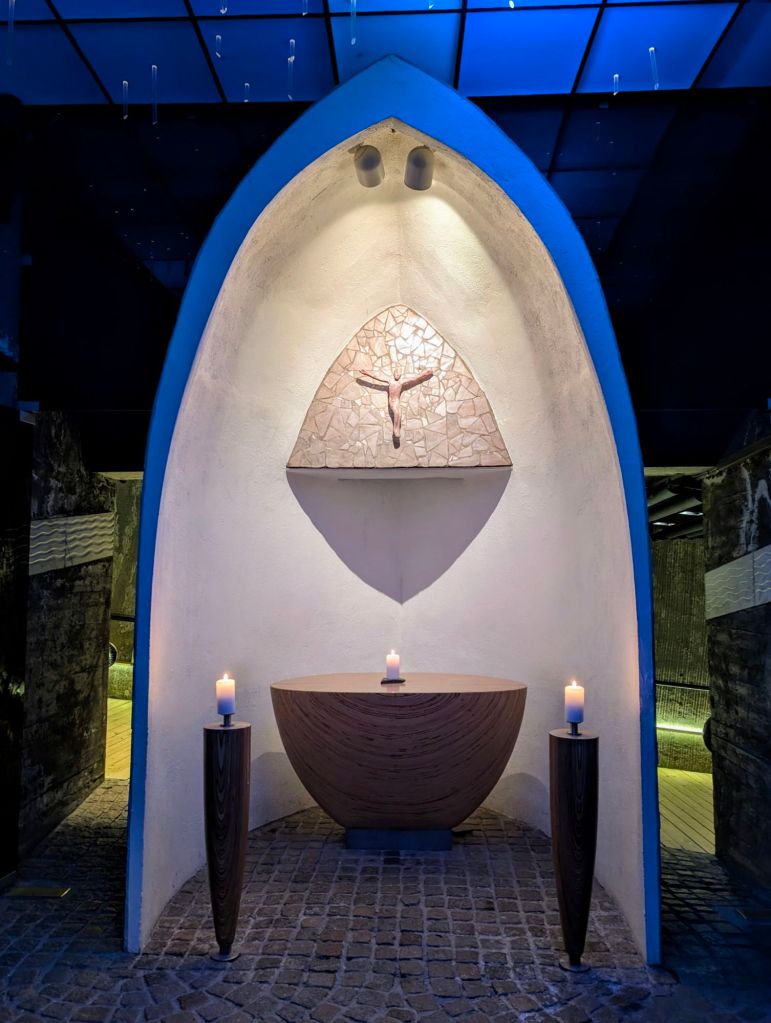
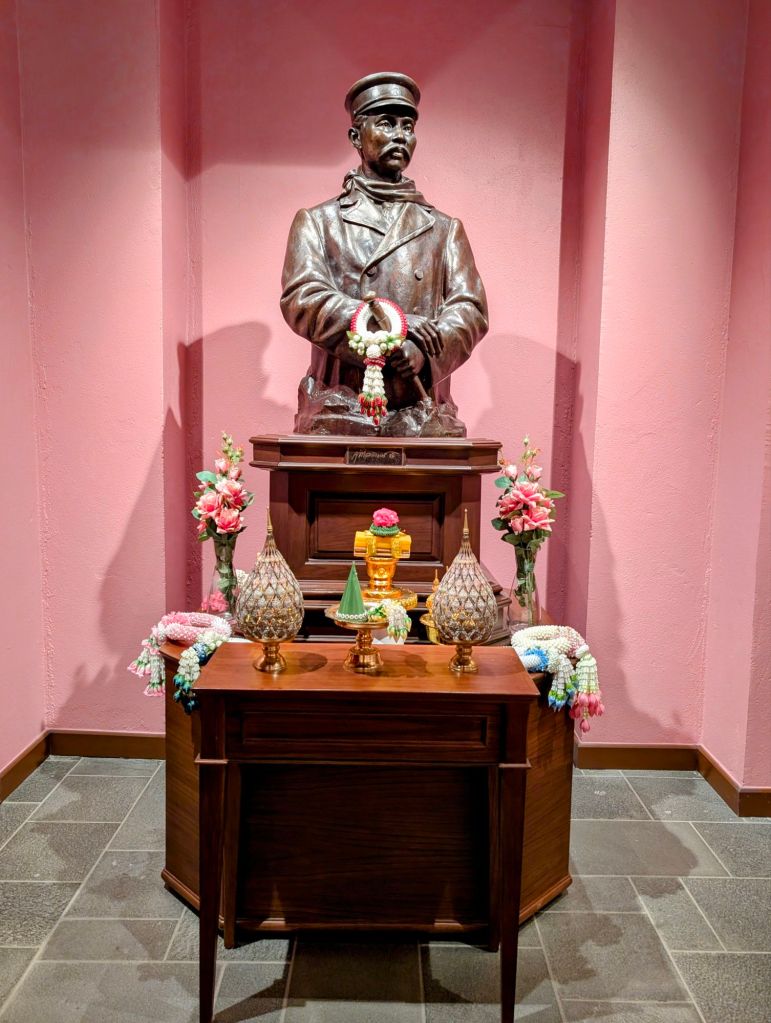
The visitor center includes various 3-D tableaus telling the story of the North Cape; a panoramic film showing the four seasons at the Cape; St. Johannes ecumenical chapel; the Thai Museum to commemorate the visit of King Chulalongkorn of Siam in 1907; as well as a gift shop, coffee shop and bar. Europe’s most northerly post office sells stamps and post marks all mail with the North Cape postmark. We might have sent a few cards to our grandkids!

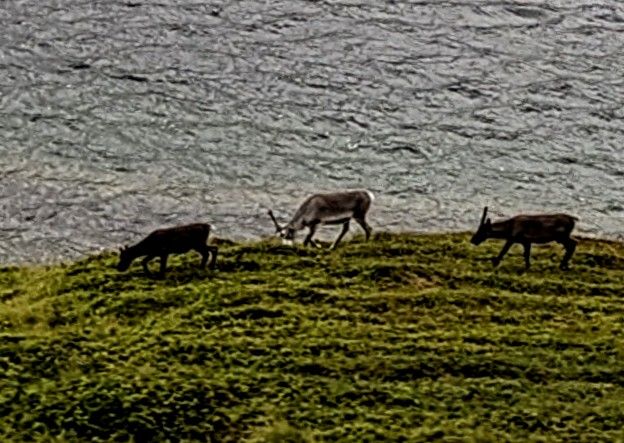
During our scenic drive back to Honningsvag, we saw lots of reindeer roaming freely throughout the countryside. Soon they will be herded south for winter. Reindeer herding and hunting rights are held exclusively by the indigenous Sami people.

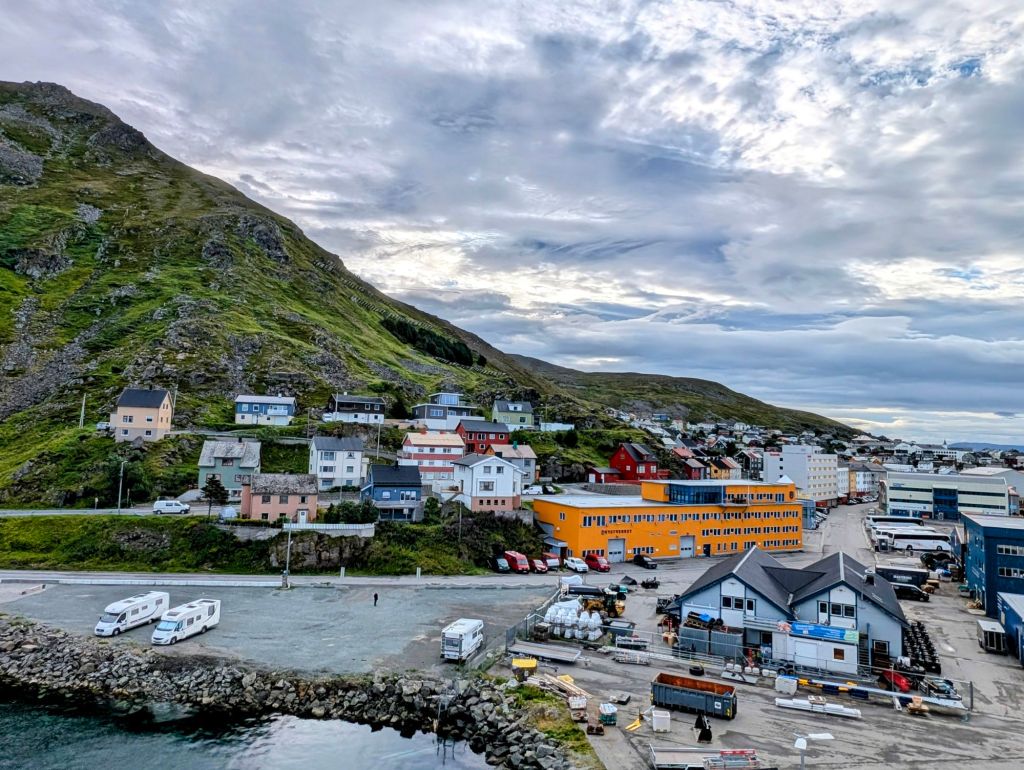
We spent the afternoon exploring the charming port town of Honningsvag, which was totally destroyed during WWII.


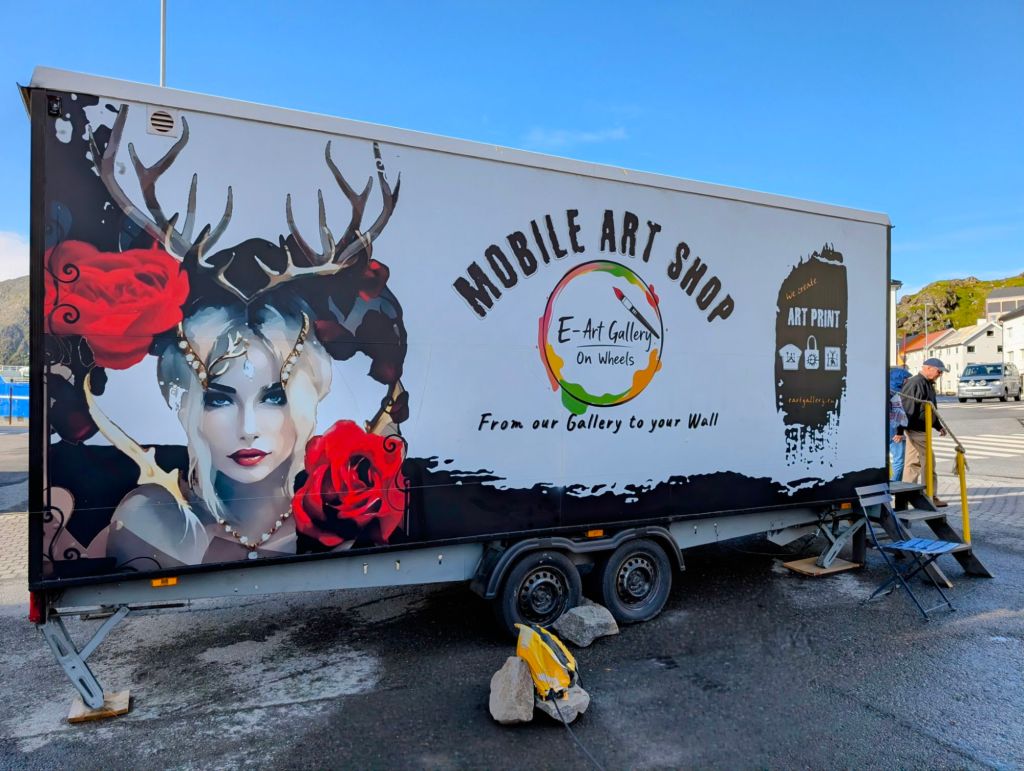
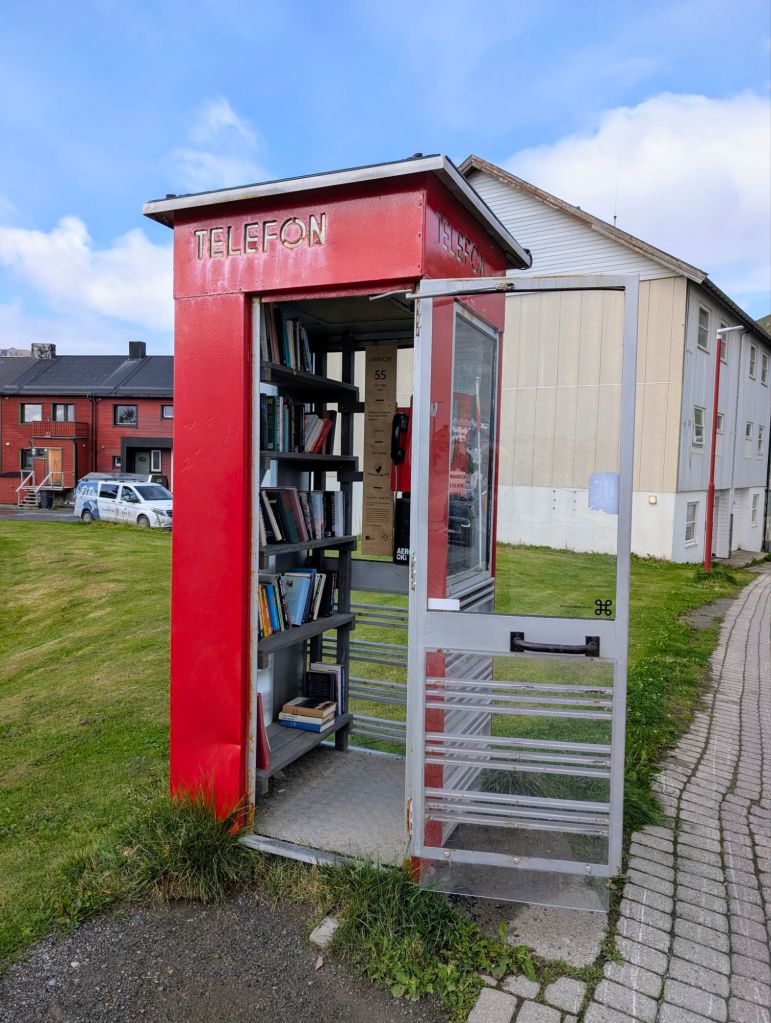
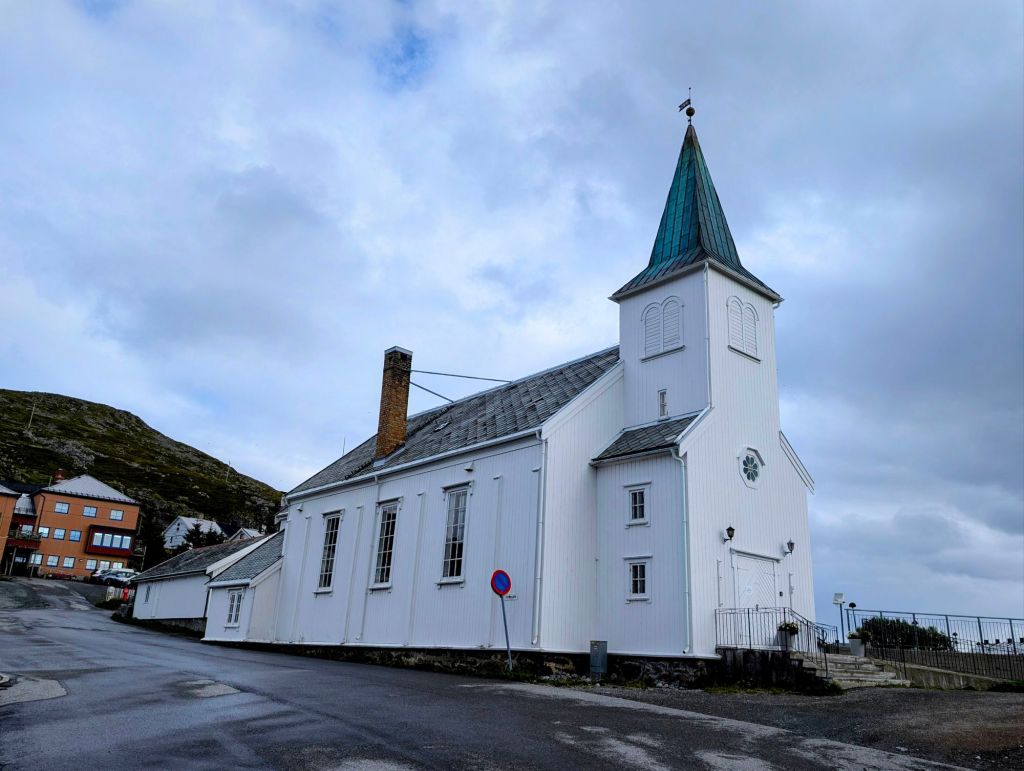
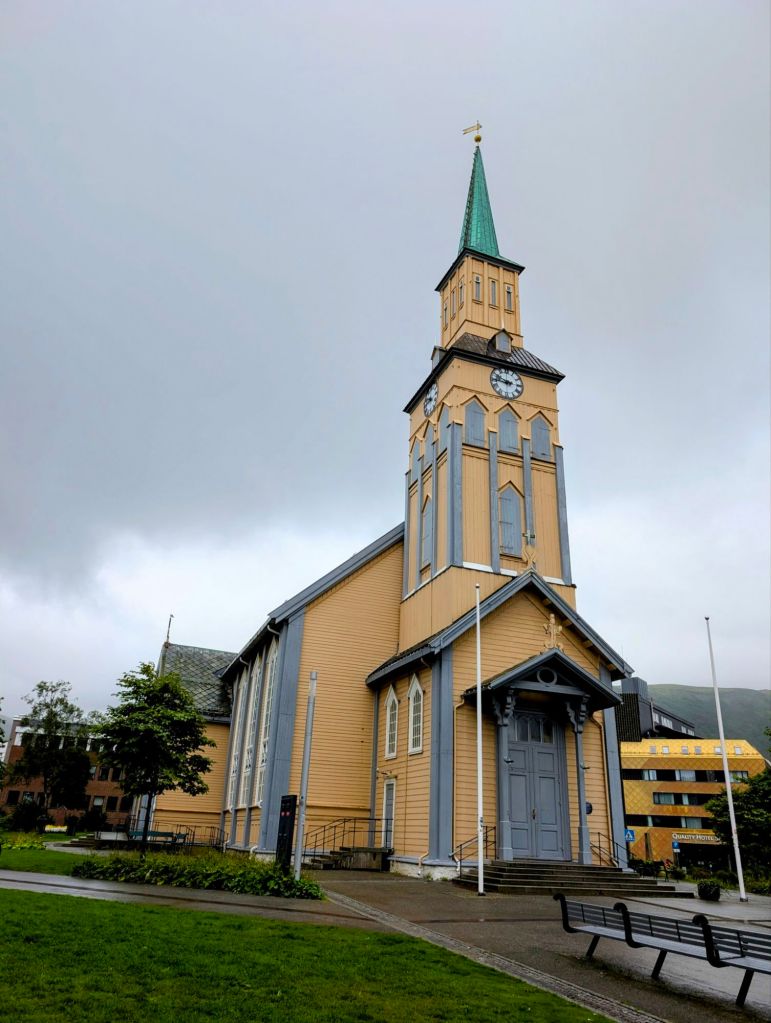
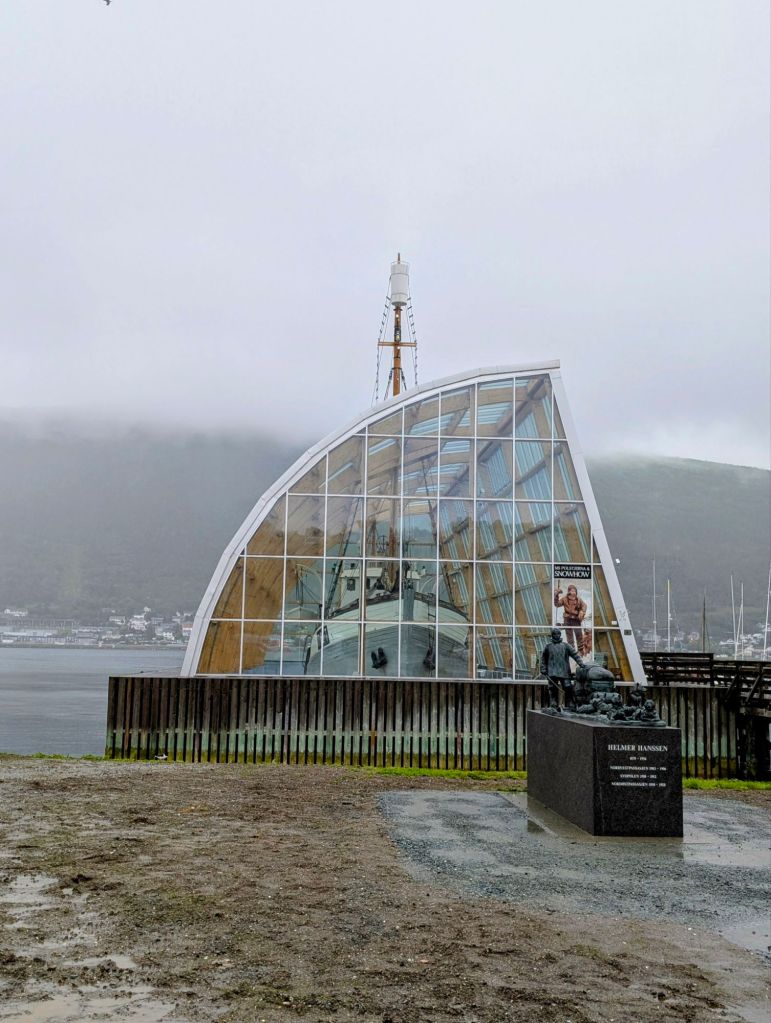
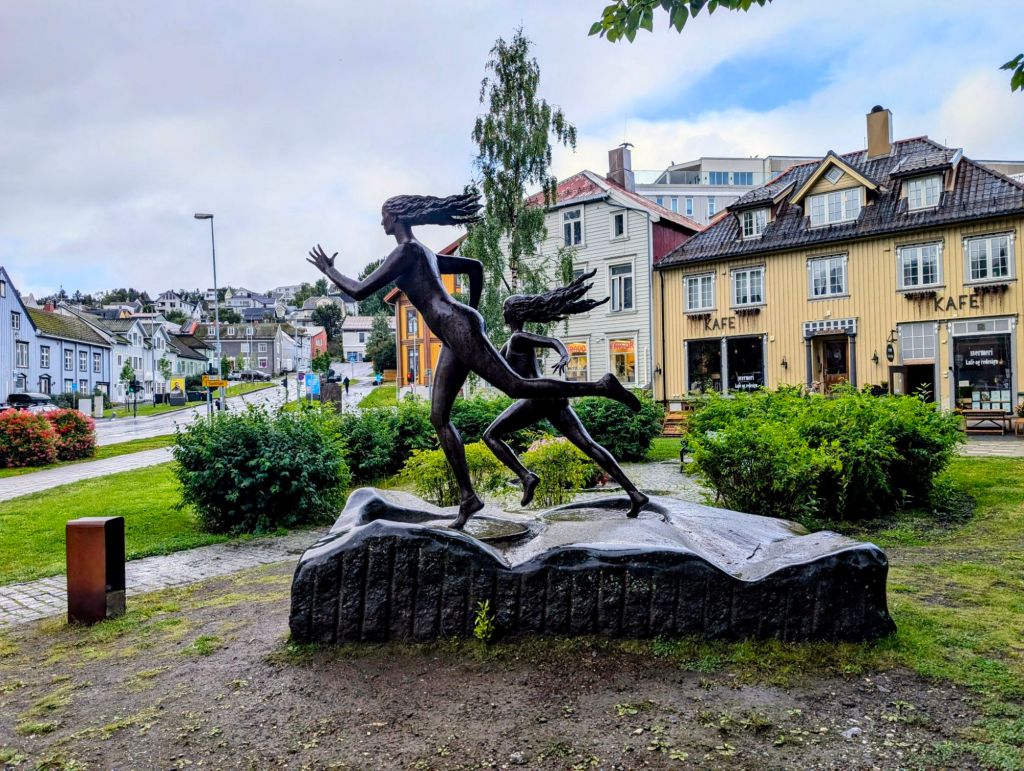
The following day in the Norwegian port of Tromso was marked by fog, rain, sunshine and was marked by fog, rain, sunshine and rainbows, all just minutes apart. Tromso is also known as “The Gateway to the Arctic” due to its location and “The Paris of the North” due to its cosmopolitan flair. It is also considered to be one of the best places to see the Northern Lights during the winter months.
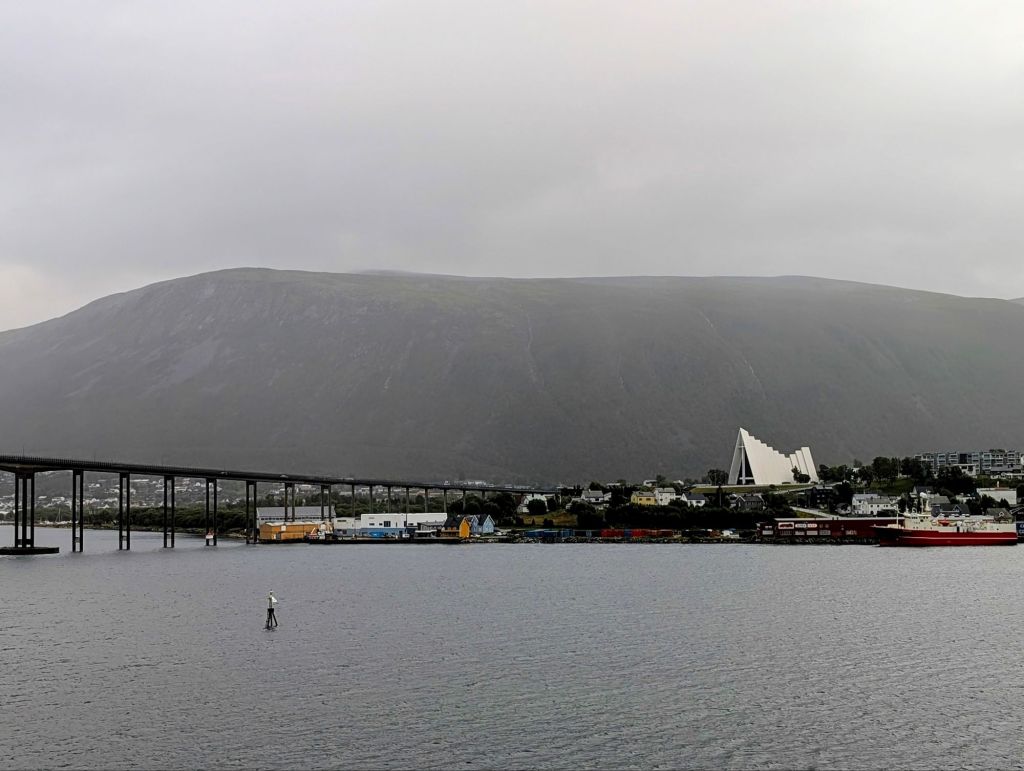
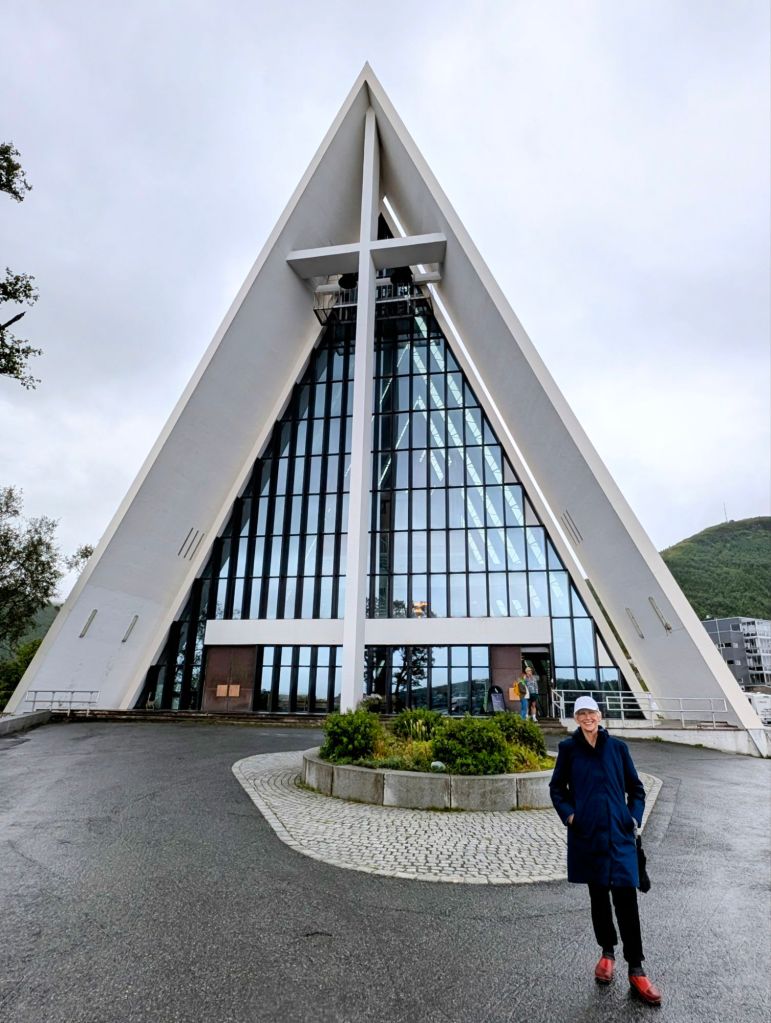
An iconic Tromso landmark is the Arctic Cathedral, an Evangelical Lutheran church just over the Tromso Bridge. We were fortunate to view the Cathedral from numerous vantage points.


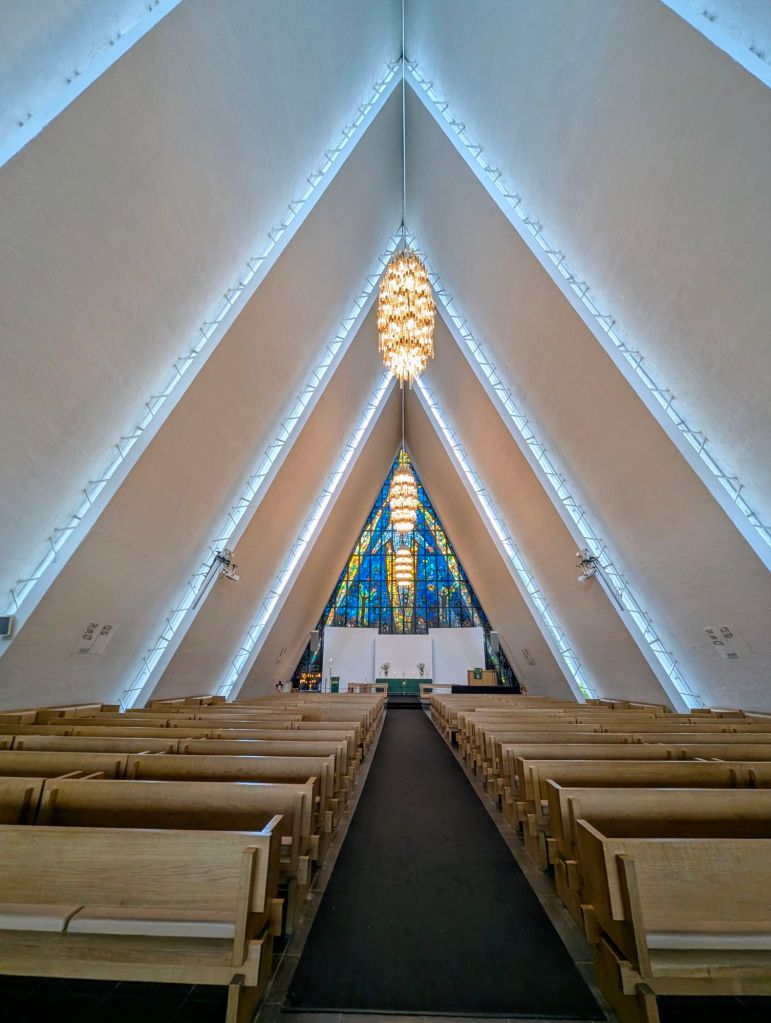


We had a delightful guided tour of this beautiful city, and some free time to literally “soak in” the local sites. The color of the historic wooden buildings reflects their value: red, tinted with cod liver oil, was least expensive; yellow, tinted with flowers, was more costly; and white which needed zinc (rare in Norway) was hardest to come by, so it was most expensive and conveyed the wealth of the homeowners.


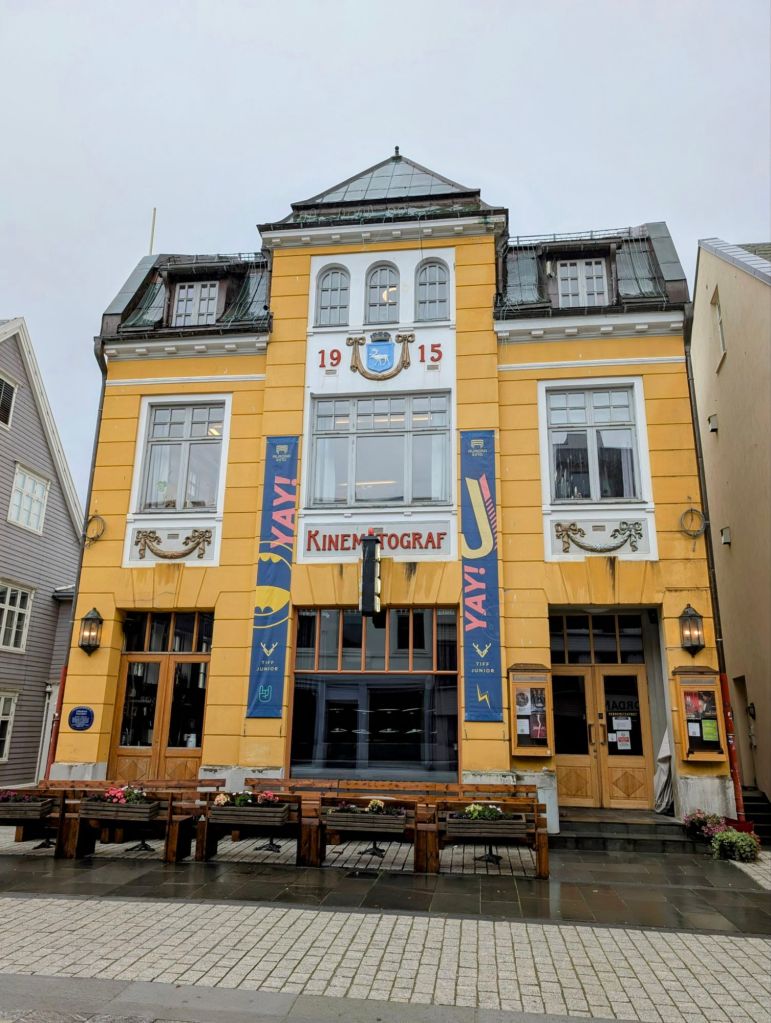

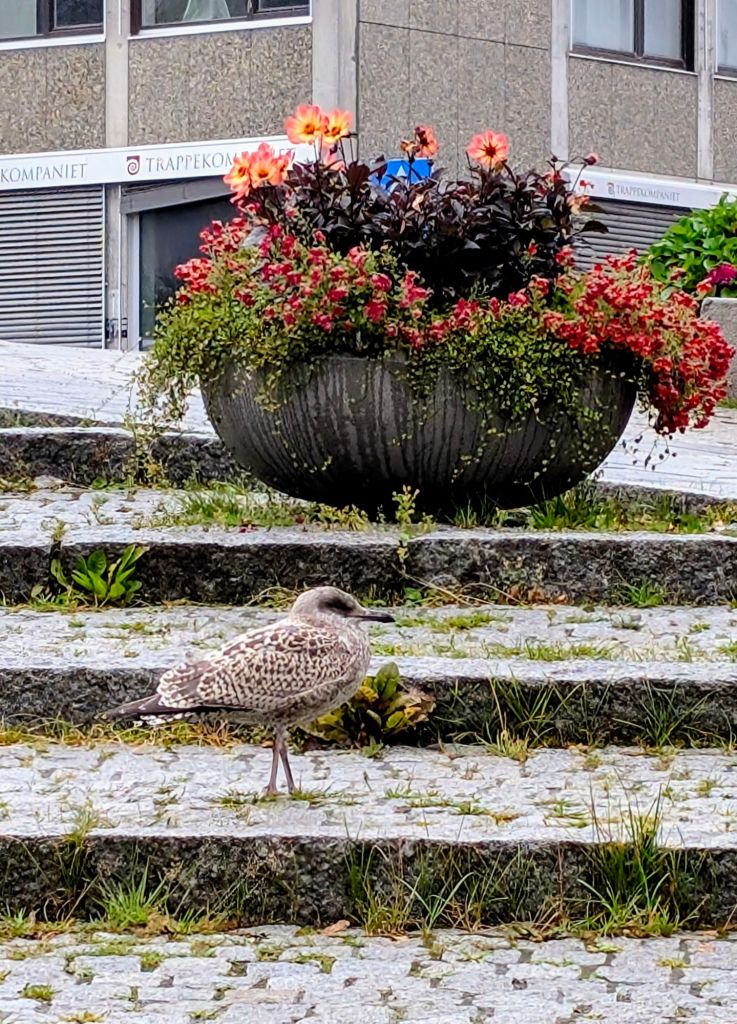
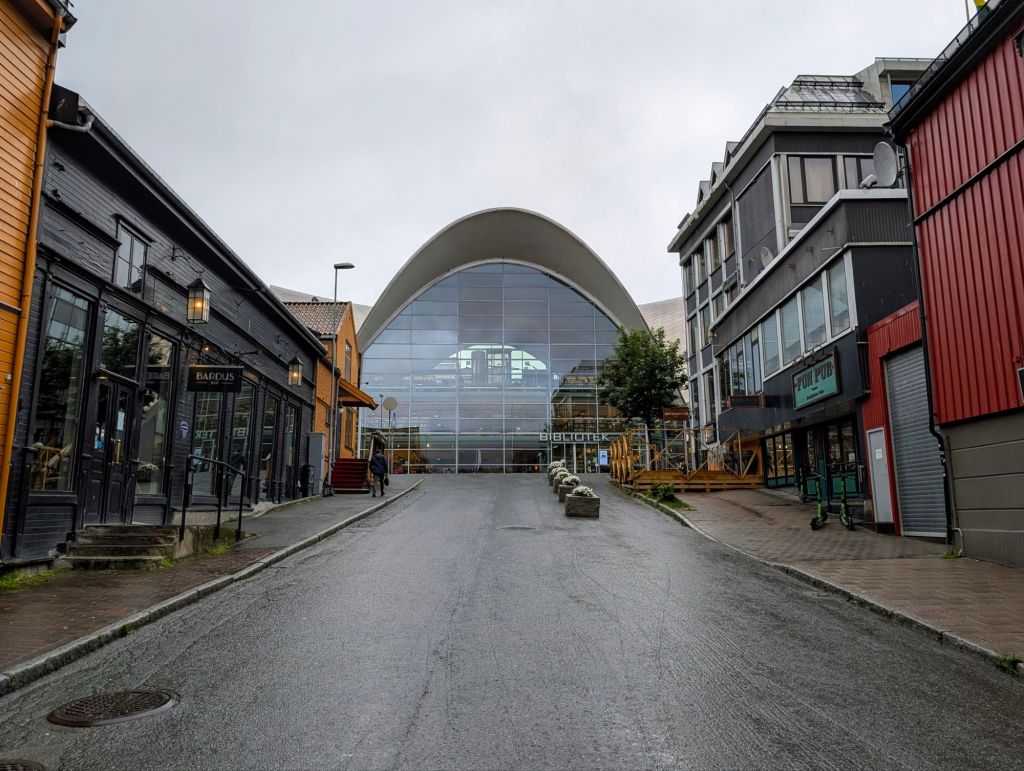

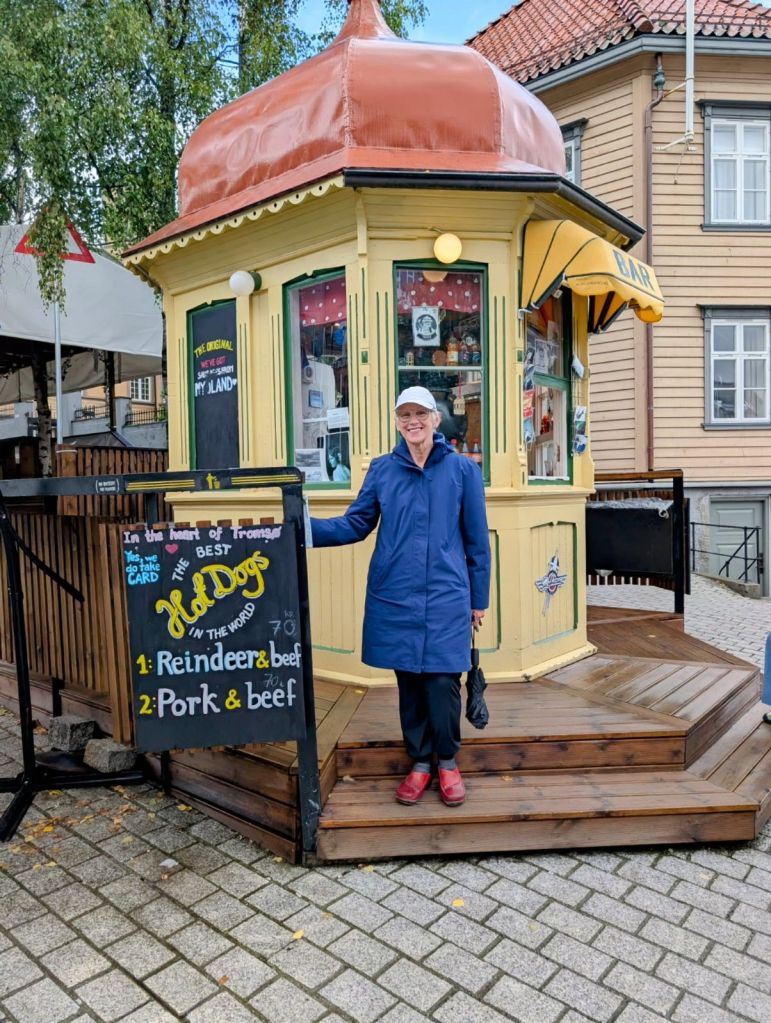
A unique Tromso culinary offering is reindeer sausage served by what claims to be the “tiniest bar in the universe.” Most days the line is at least 15 minutes long, but we got there when it first opened and enjoyed our “feast” in the small tented area behind the bar.


We ended our day with a visit to Glasshytta Blast, a gallery, workshop, and studio for beautiful glass art. The gracious and talented owner creates unique blown, etched and colorful art glass pieces. We might have sent one home!


During the night, we sailed the peaceful Ofotfjorden where picturesque towns dot the shoreline.

By morning we had reached Narvik, a small historic town surrounded by mountains in every direction and a glacier that spills right into the water’s edge.

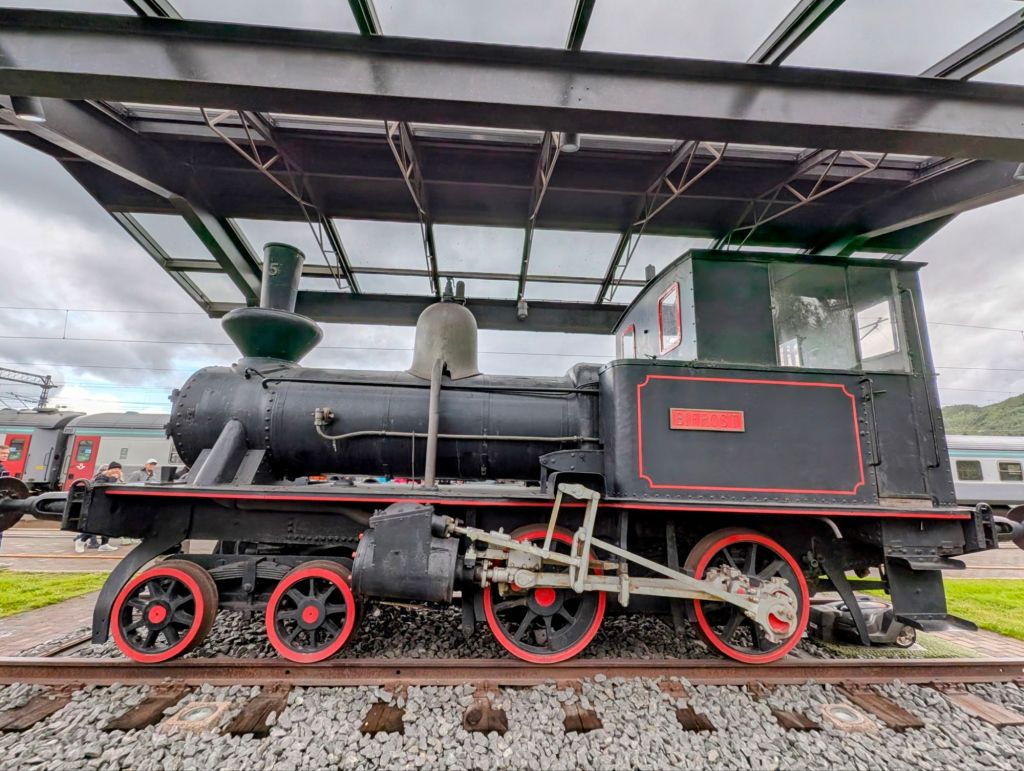
Narvik’s ice-free port and strategic location made it an important player both during WWII and in the development of the mining industry. In the 1870s, the discovery of iron ore nearby sparked the construction of a rail link from the mines to the port. Narvik remains a major exporter to this day.

Building the Ofotbanen Railroad (now called the Arctic Train) from the mines in Sweden to the port took a monumental effort by more than 5,000 men called “navvies or rallers.”
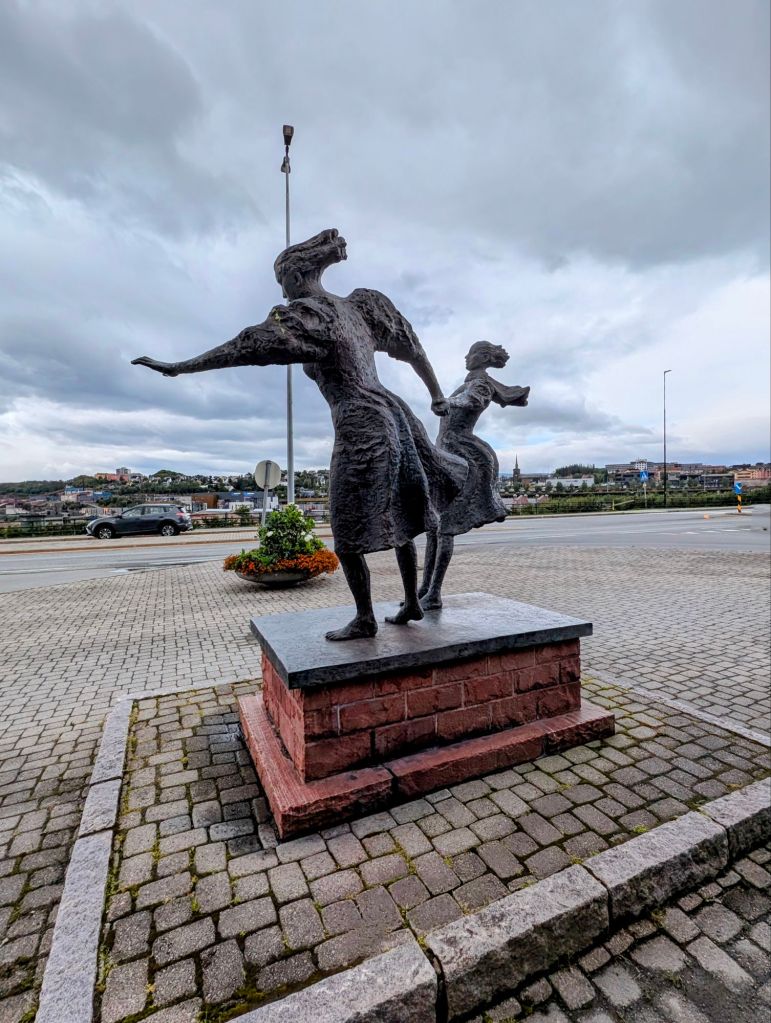
The men building the railroad needed sustenance, and Anna Rebecka Hofsad (aka Svarta Bjorn or Black Bear) led the group of local cooks who filled the bill of fare. Anna was tall, beautiful and tough with jet black hair. The men nicknamed her Svarta Bjorn (Black Bear.) She became a kind of local hero, symbolic of the strong women who provided essential support to the development of the region. In her honor, a memorial statue stands on a bluff overlooking town. She is also remembered in song and film.

Today we were entertained by part of a women’s choir that sang folk songs in the Peace Chapel. Dressed in period attire, each singer wore a brooch bearing Anna’s likeness.

Narvik’s rich history is reflected in excellent museums and poignant memorials that are scattered throughout town.


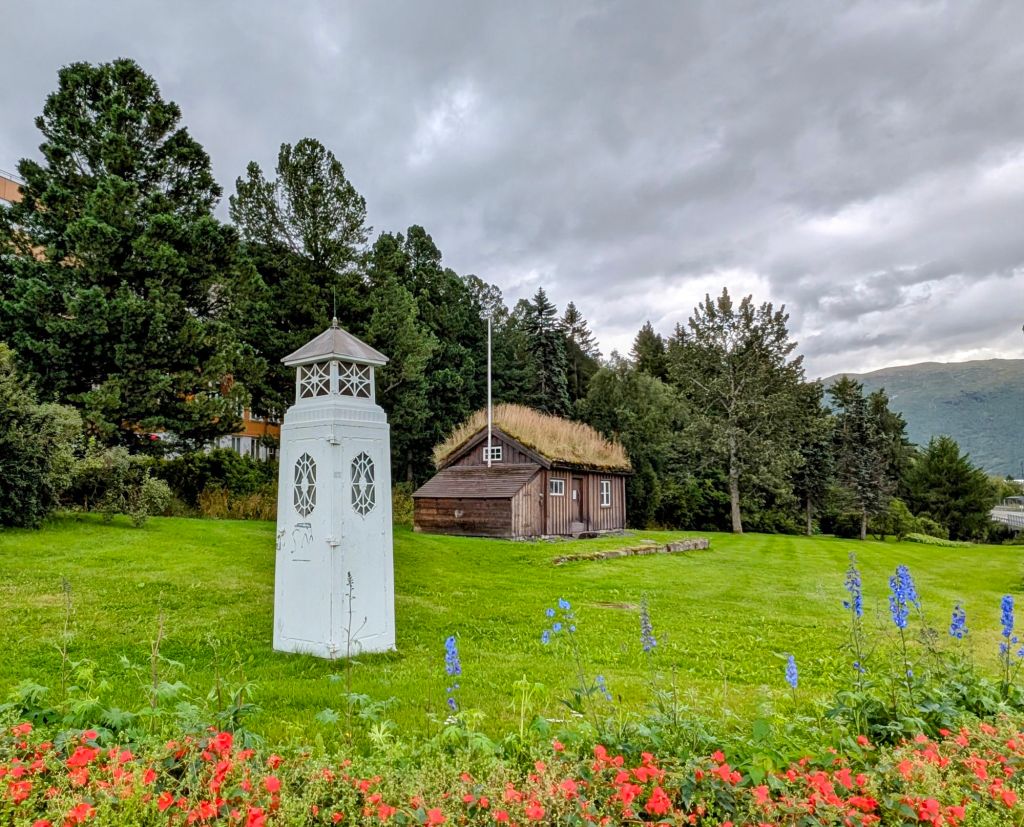

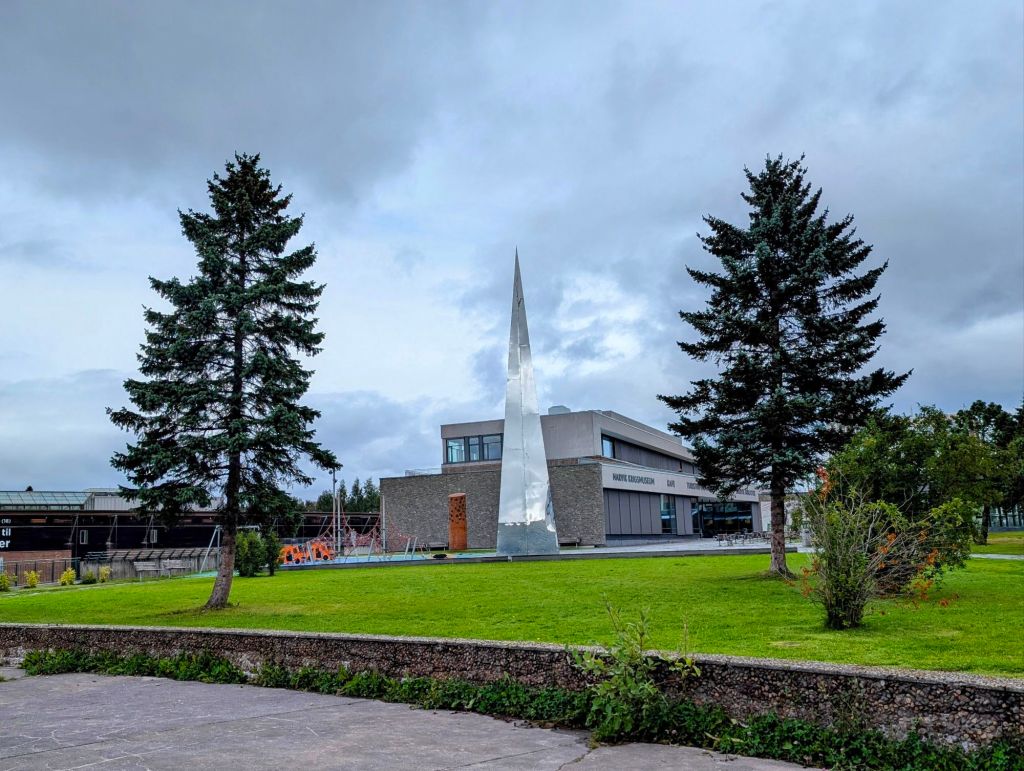
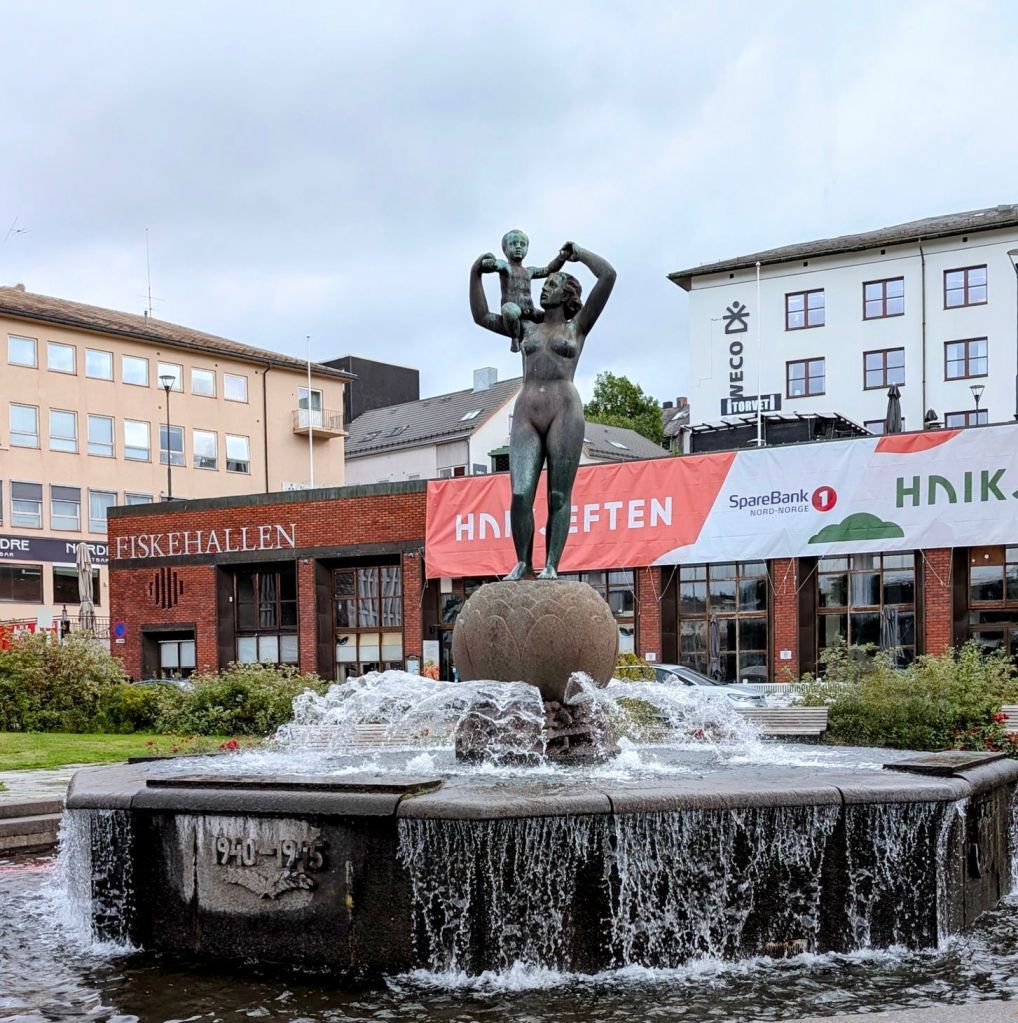

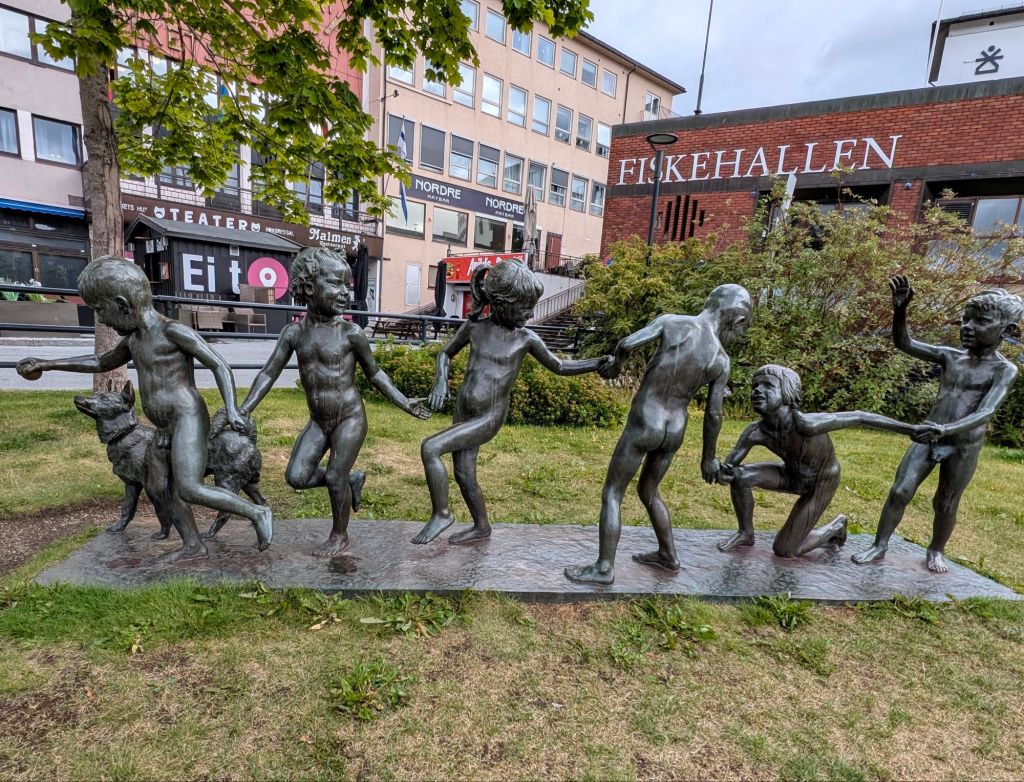

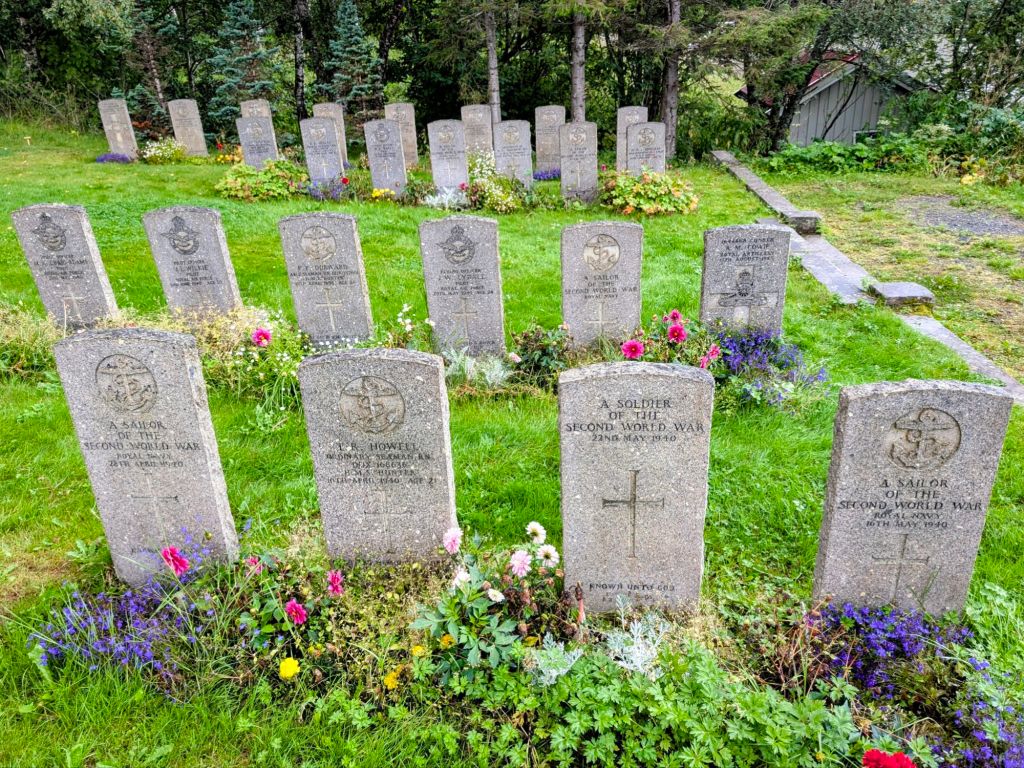
The Battles of Narvik were fought on land and sea. Hitler suffered his first defeat in Narvik. Today Narvik honors its wartime heritage and allies (England, France and Poland) with museums and memorials. The Peace Chapel and adjacent cemetery pay tribute to those who made the ultimate sacrifice so that future generations could live in peace.

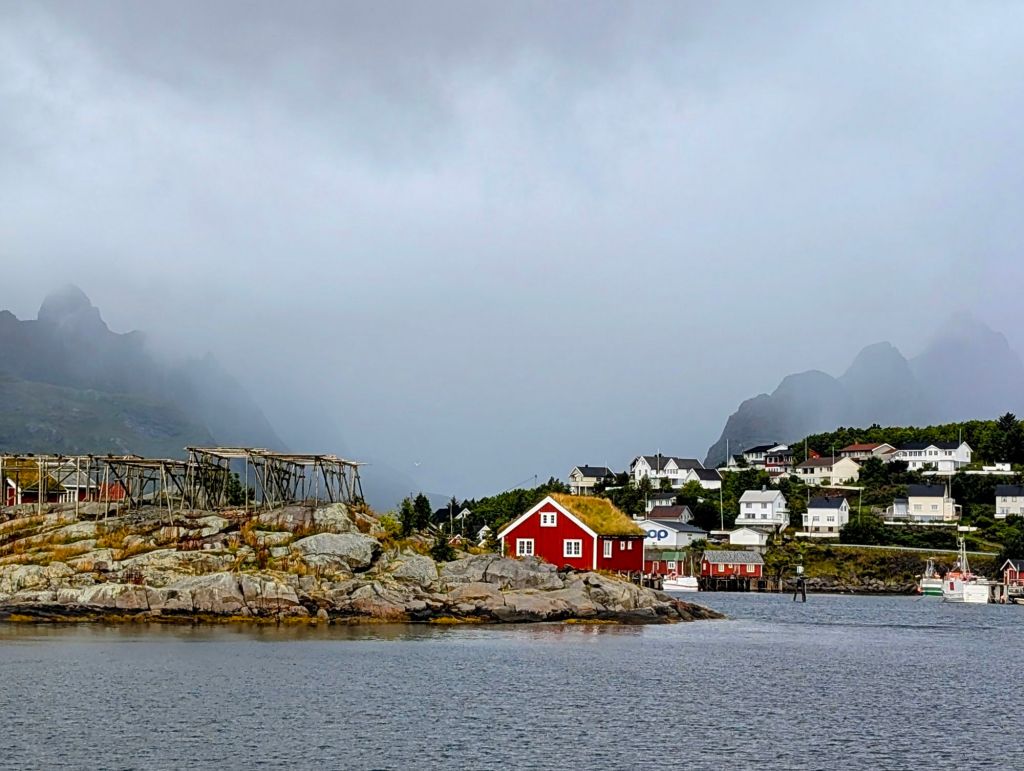
Our next Nordic stop was the town of Laknes in the Lofoten Islands. The six islands stretch 118 miles into the Norwegian Sea from the mainland. Still above the Arctic Circle but “warmed” by the Gulf Stream, they have been voted by National Geographic as one of the most appealing destinations in the world. Steep, tall mountains shoot straight up from the sea creating a stunning backdrop for most water sports and other outdoor activities. Although the fog and cloud cover obstructed our views of the majestic mountains, we agree with Nat Geo!

Cod fishing continues to be a major industry, and stockfish (air-dried cod and monk fish) provide a nutritious source of protein with an indefinite “use by” date. Tiny fishing villages dot the shorelines.

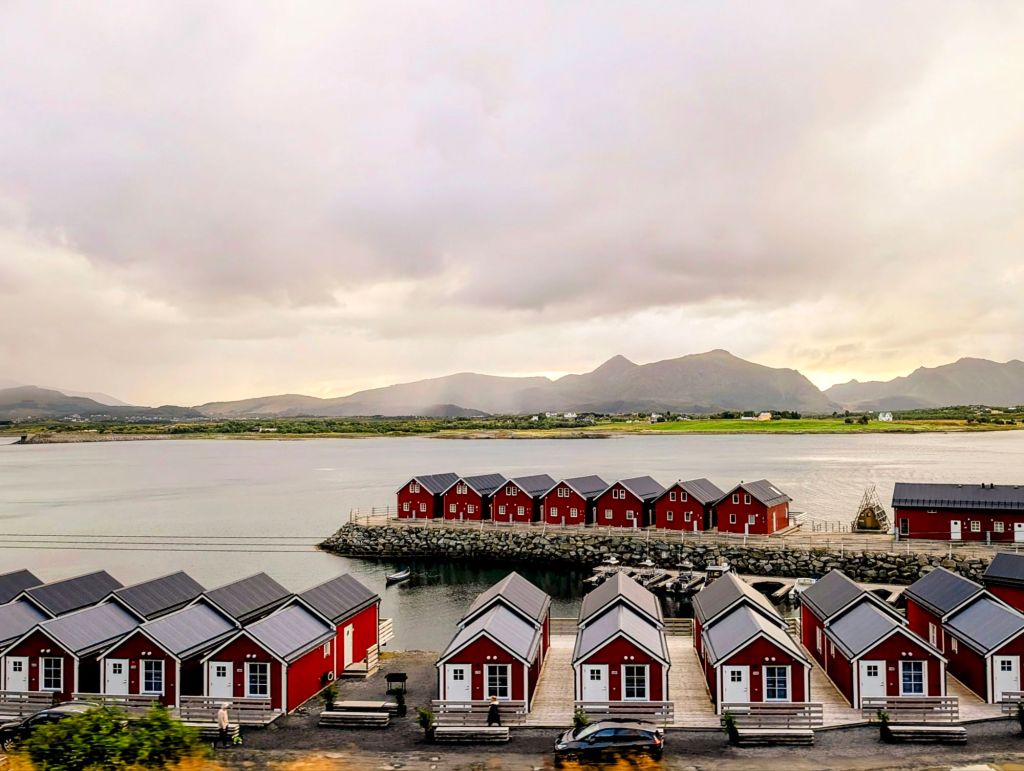
In addition to harvesting wild cod as they come here to spawn, imaginative fishermen have taken advantage of the climate to develop innovative ways of farming salmon.

With a deep commitment to creating innovative approaches to offshore fish farming, the Lofoten Bio Centre houses several companies that are on the cutting edge of the growing aquaculture industry. There is even a private high school with a focus on nurturing future leaders in the aquaculture field and beyond.

After four action-packed days ashore, we welcomed a lazy day sailing through the Norwegian Inside Passage.
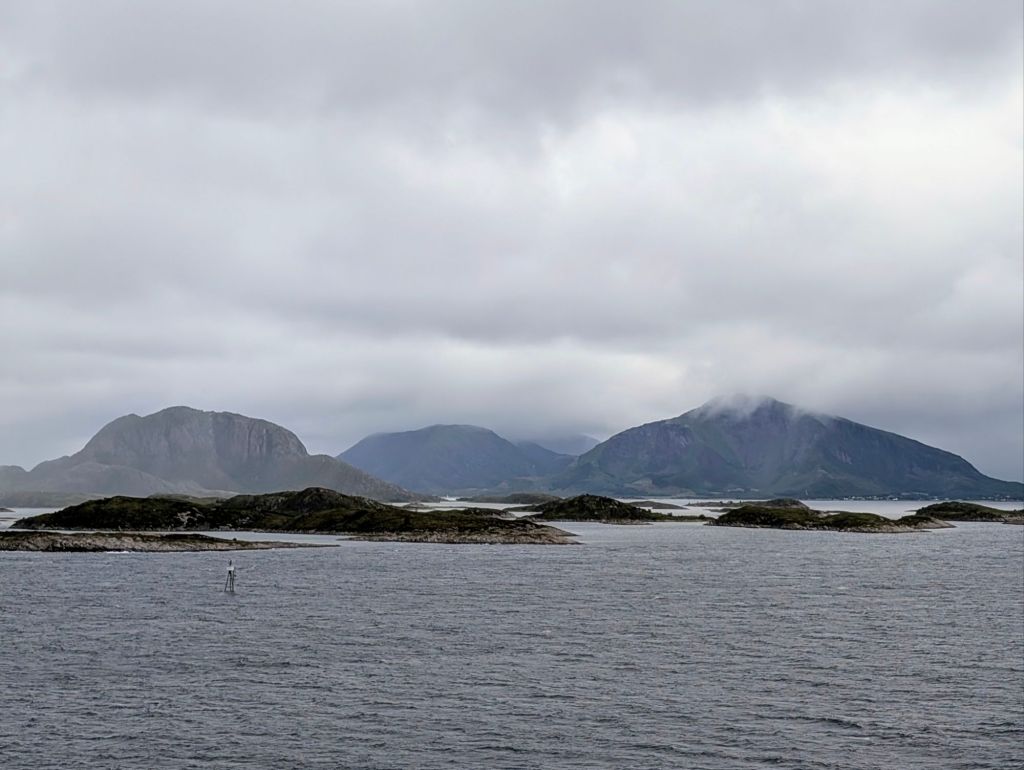
The passage is a protected shipping lane that runs from Norway’s capital of Oslo, down the Skagerrak coast and around the country’s southern tip. It continues along the coastline of the Norwegian Sea before eventually terminating in the Russian waters of Siberia. Along the Helgeland Coast we sailed past Torghatten, a mountain that has been called “an eye that keeps watching over Nordland’s people and riches – and never sleeps.” Norwegian legend attributes the hole to a troll-king who threw his hat to save a princess from an arrow.

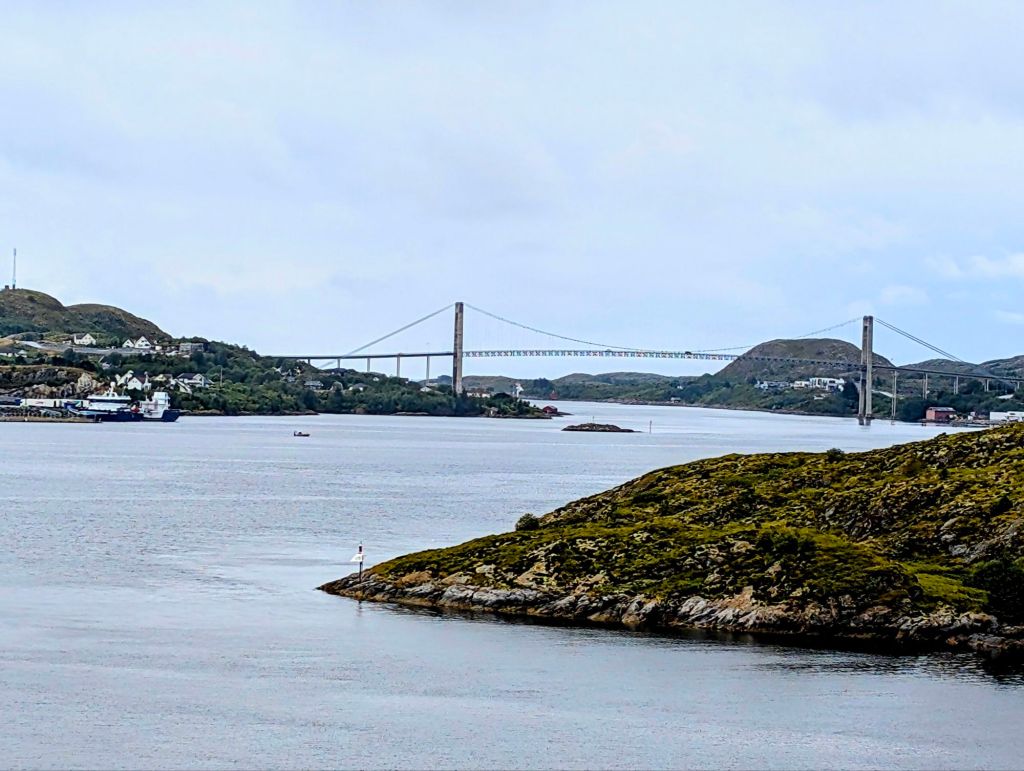
Along the way, we sailed past numerous small towns, saw evidence of a robust aquaculture industry, and a bridge that spanned the entire passage.
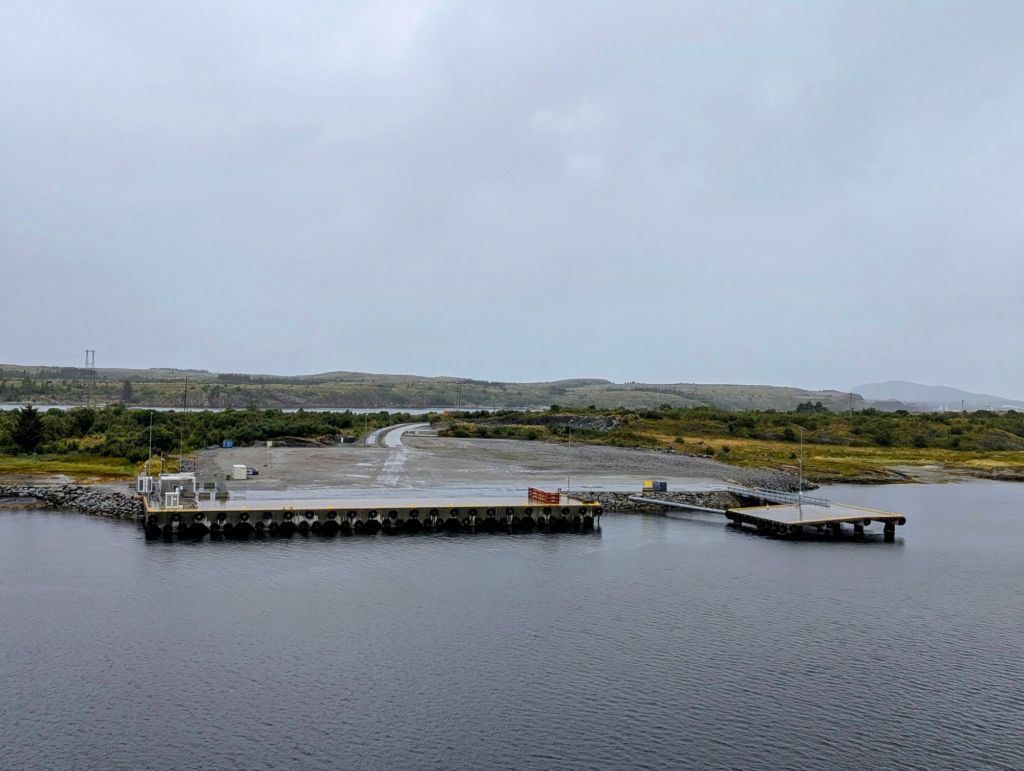

Woke up early to the promise of a first glimpse of the Geirangerfjord en route to our next destination, the picturesque village of Geiranger. 🌨️🥶
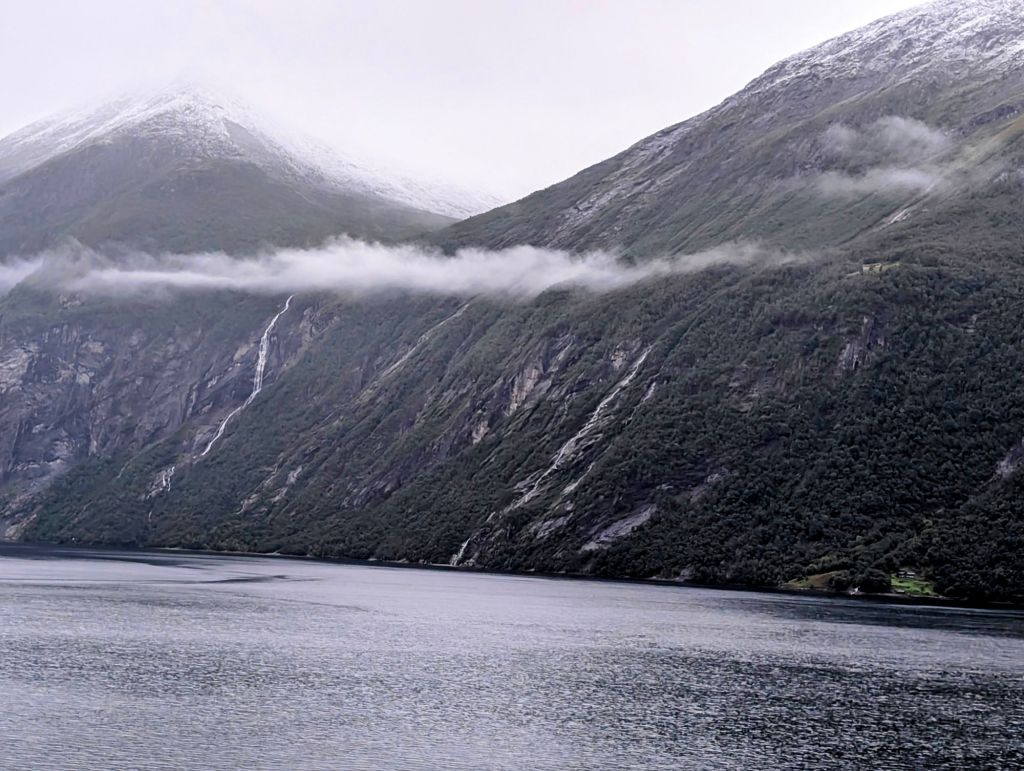
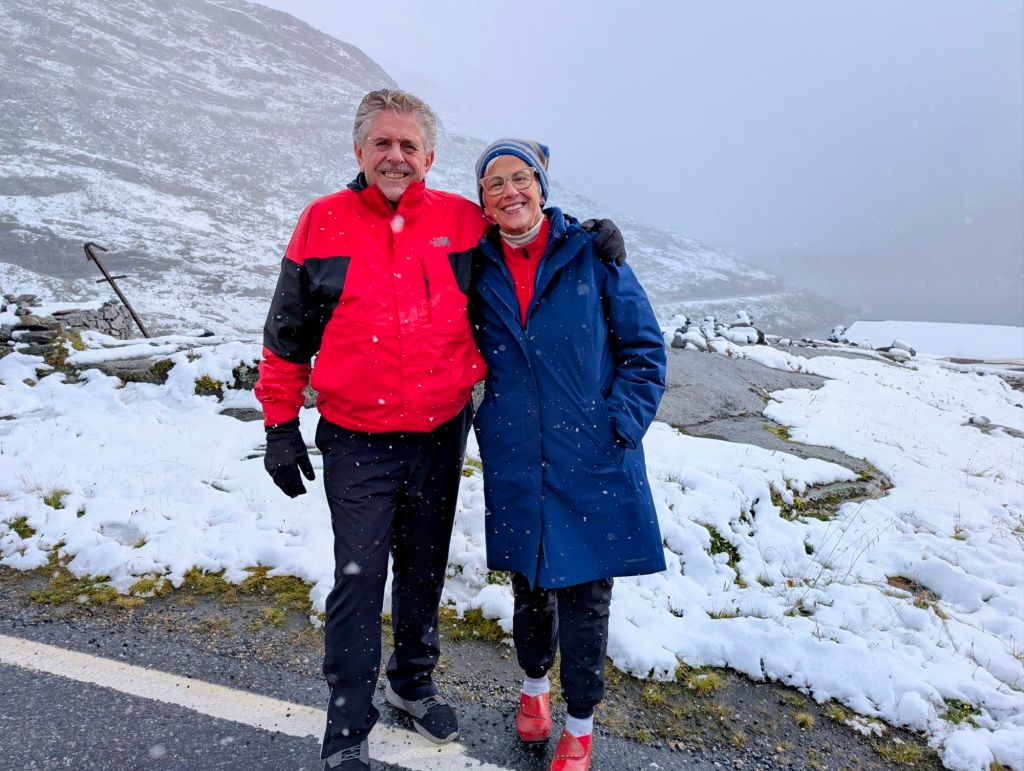
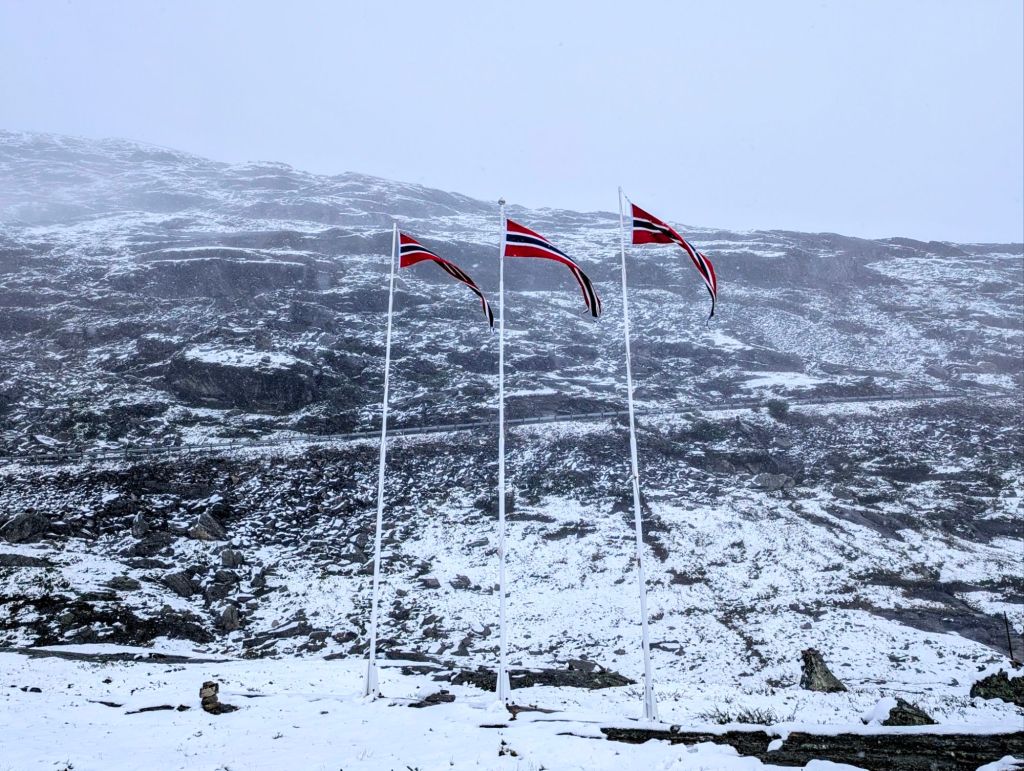
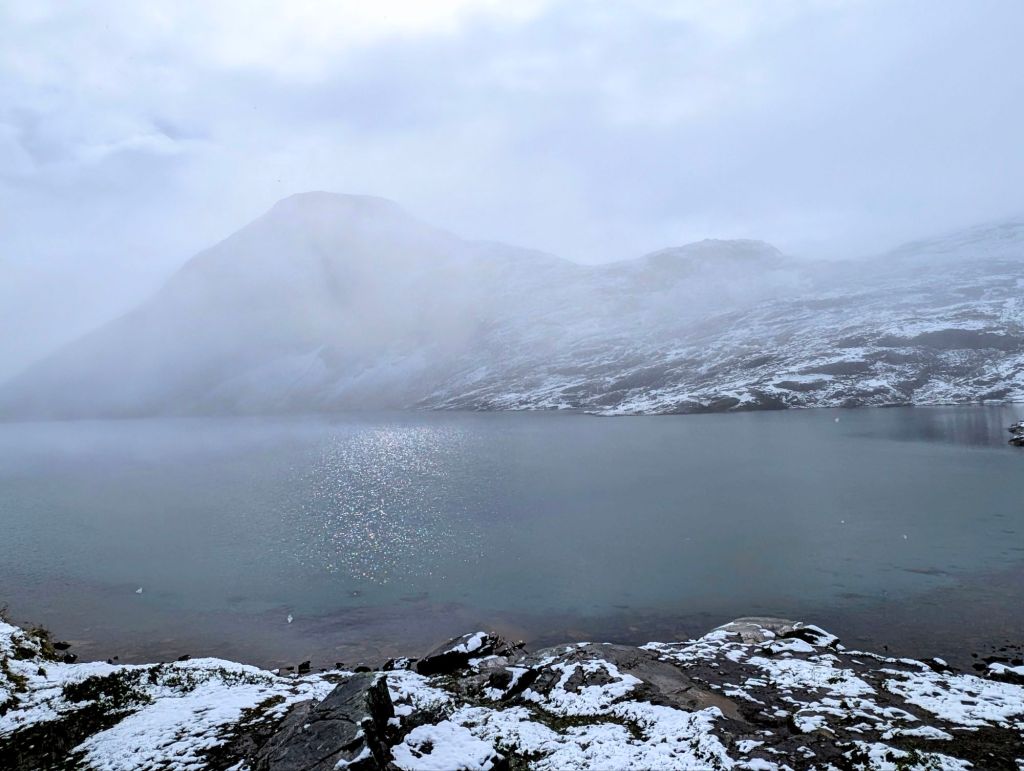
The first snow of the season fell on the day of our visit. Geiranger is said to have been the inspiration for Arendelle, the setting for Frozen. Despite the fog, it is easy to see why.

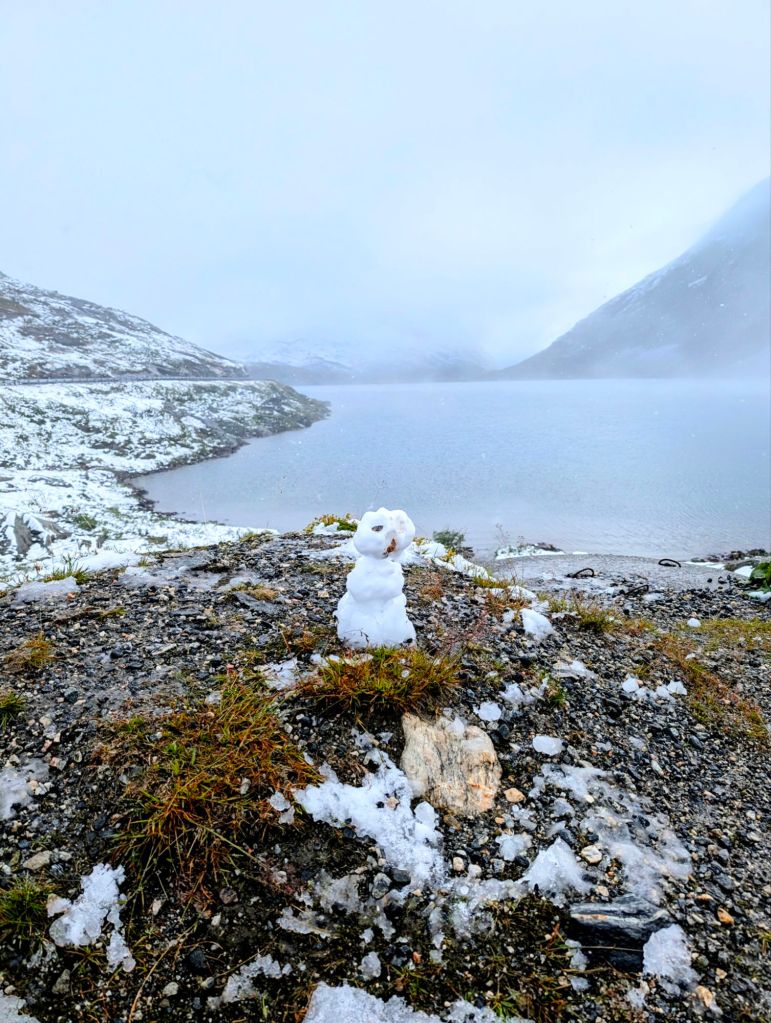
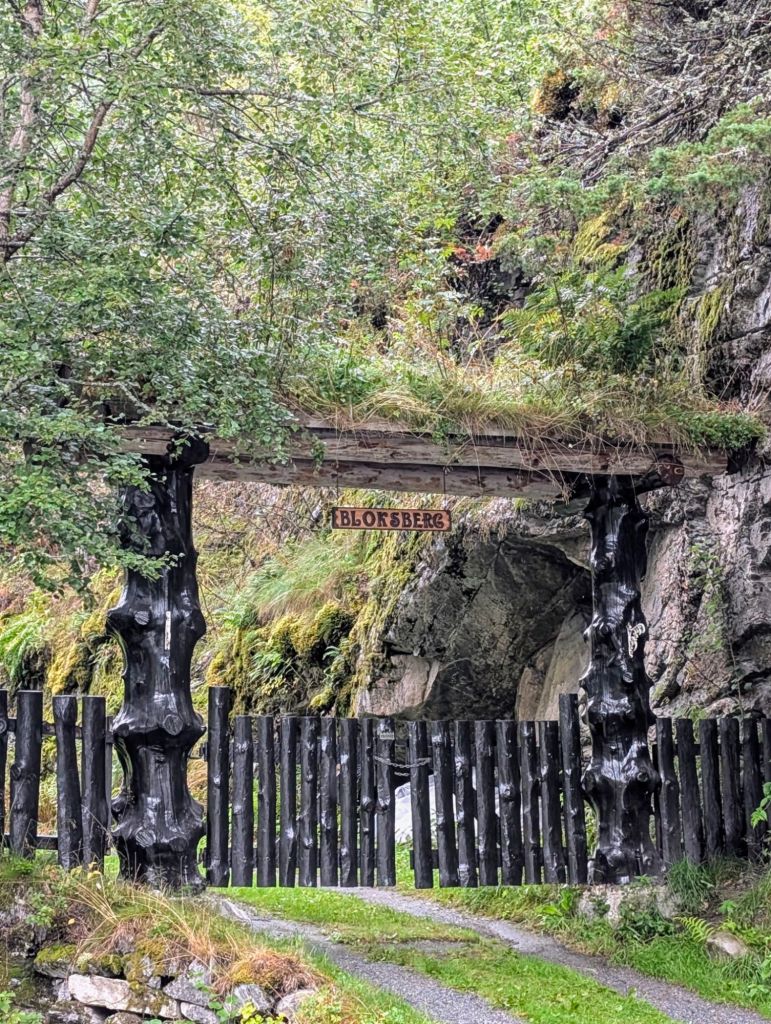
The most noted waterfalls are Seven Sisters and the Suitor. Norwegian legend tells the story of seven beautiful sisters who were the object of a young man’s fancy. Rebuffed by all seven, the suitor drowned his sorrow by taking to the bottle.


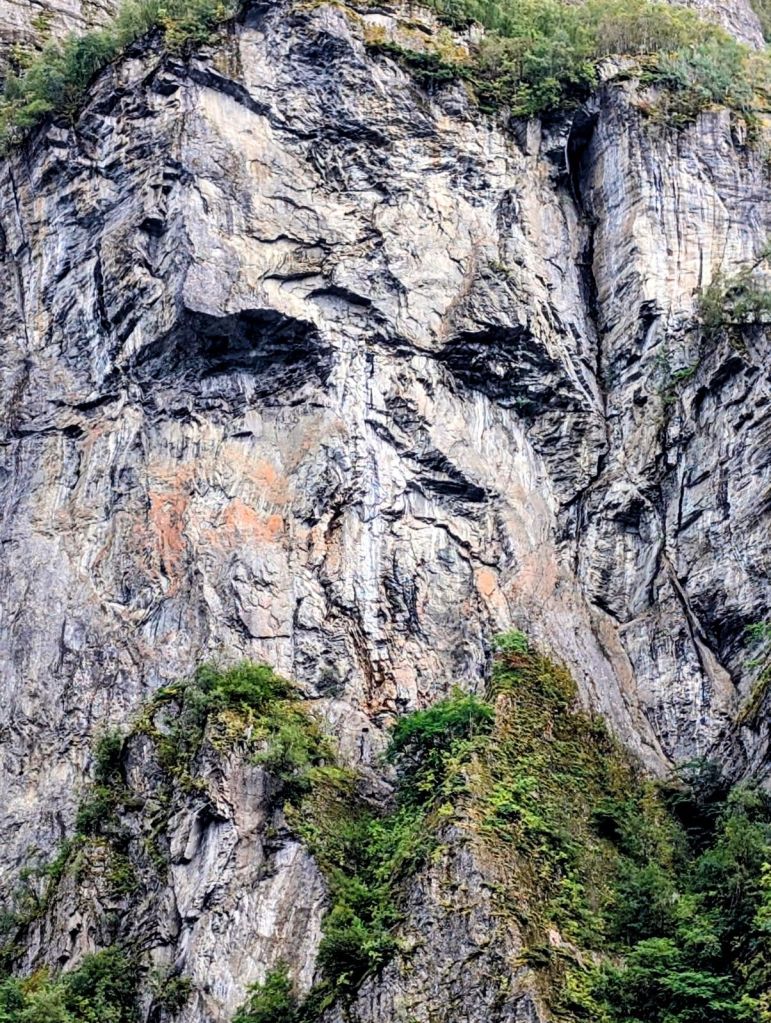
The face of a troll is etched into a large mountain face. Geologists are closely monitoring a large fissure that threatens to break off much of the mountain into the fjord. If this happens (estimated within 10 years) it would cause extreme destruction to the village.
The overlook known as Eagle’s Bend towers 2,000 feet above the village. It is accessed via a mountain road with 11 hairpin turns. Each turn has its own name to help EMS rescue stranded drivers. Goat farms dot the landscape and provide milk for the delicious brown cheese so popular in Norway.

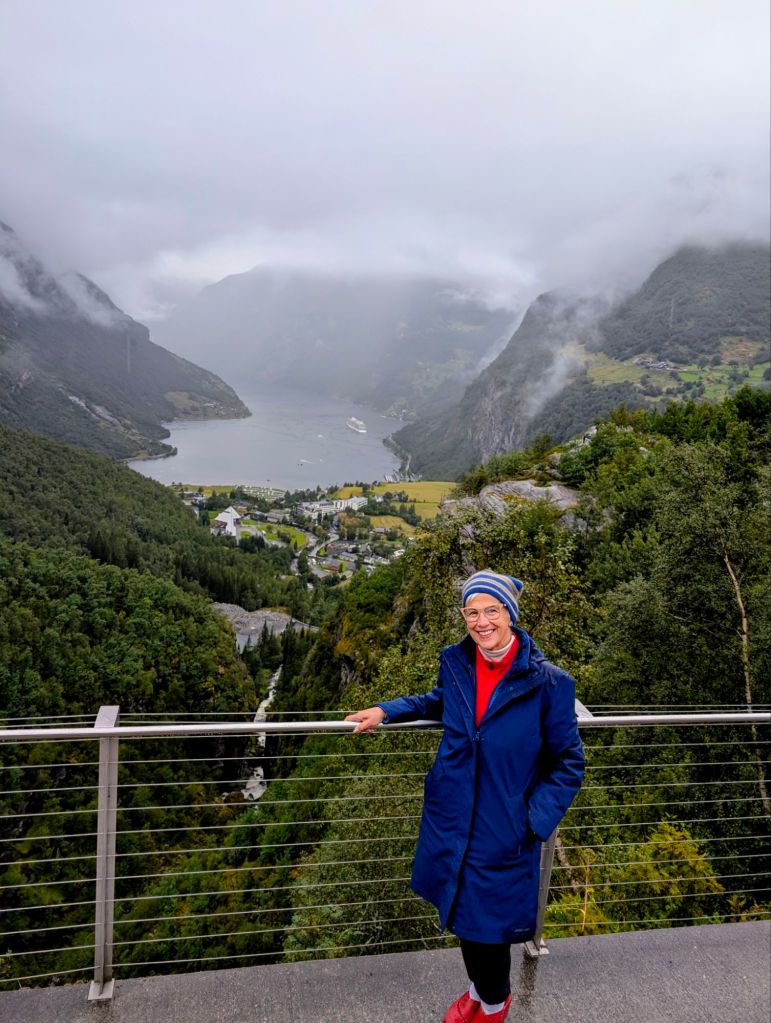


On the opposite side of the village sits a tranquil lake and the Geirangerfjord Sky Walk. Situated at the “highest fjord view from a road,” (who knew that was a thing!) it too offers some magical views.

Closer to the shore, the village’s octagonal church is a delightful gem.

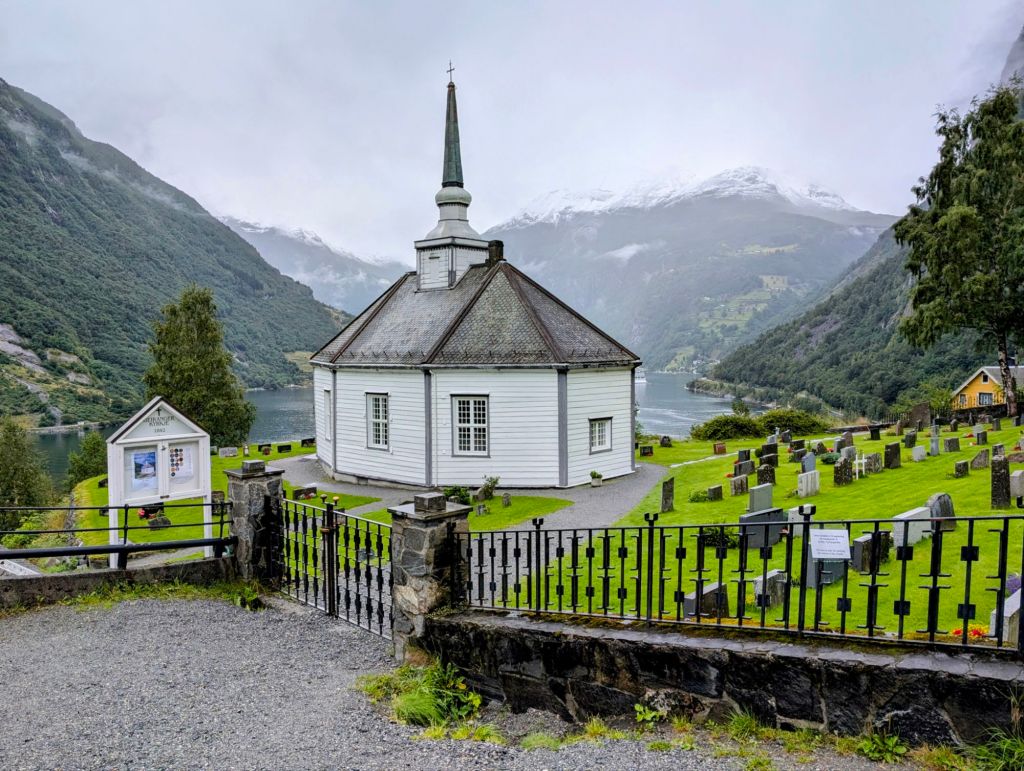

The 250 permanent village residents enjoy lovely cafes and a variety of small shops, including the ubiquitous chocolate shop! I even met a sweet puppy who calls Geiranger home.


Sailing out of the Geirangerfjord, we reflected on the beauty of nature and felt a strong sense of gratitude for this opportunity to enjoy it.

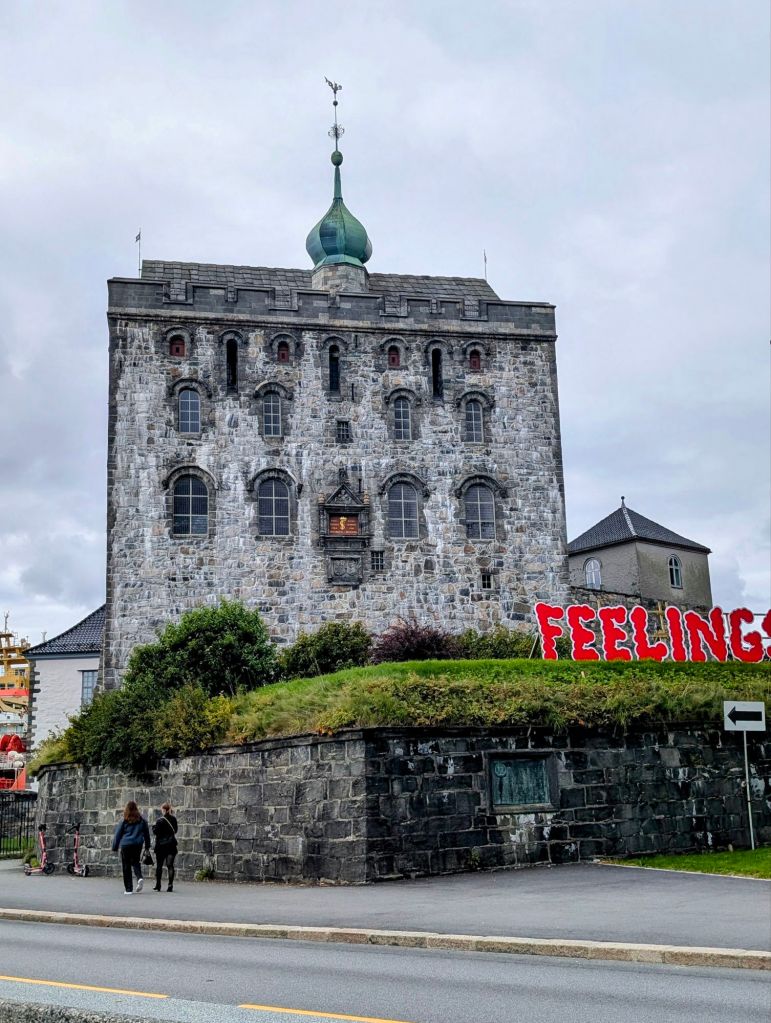
As we settled into Bergen, our “home” for the following two days, we were greeted with sunshine and blue skies, unusual for this time of year.

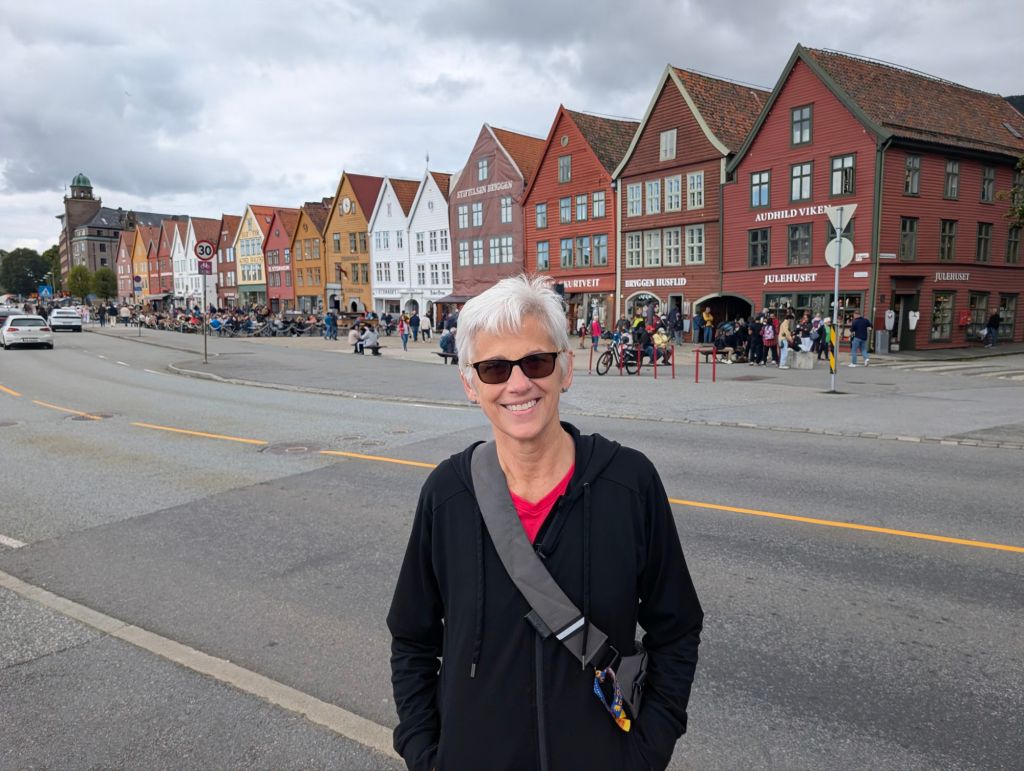
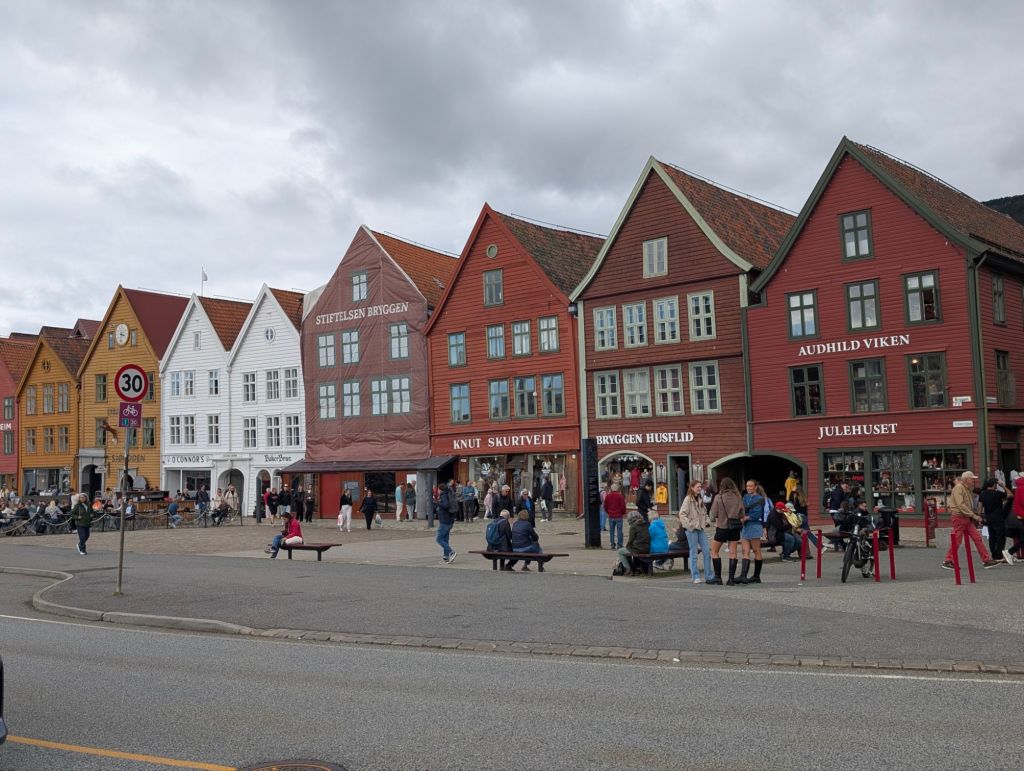
Nestled between huge snow-capped mountains, magnificent fjords and one of Europe’s largest glaciers, picturesque Bergen has a rich history as a powerful member of the Hanseatic League of merchants. The iconic Bryggen was the center of trade. Its colorful peaked wooden buildings attract visitors from near and far. Today the buildings house upscale boutiques, cafes, galleries and museums.

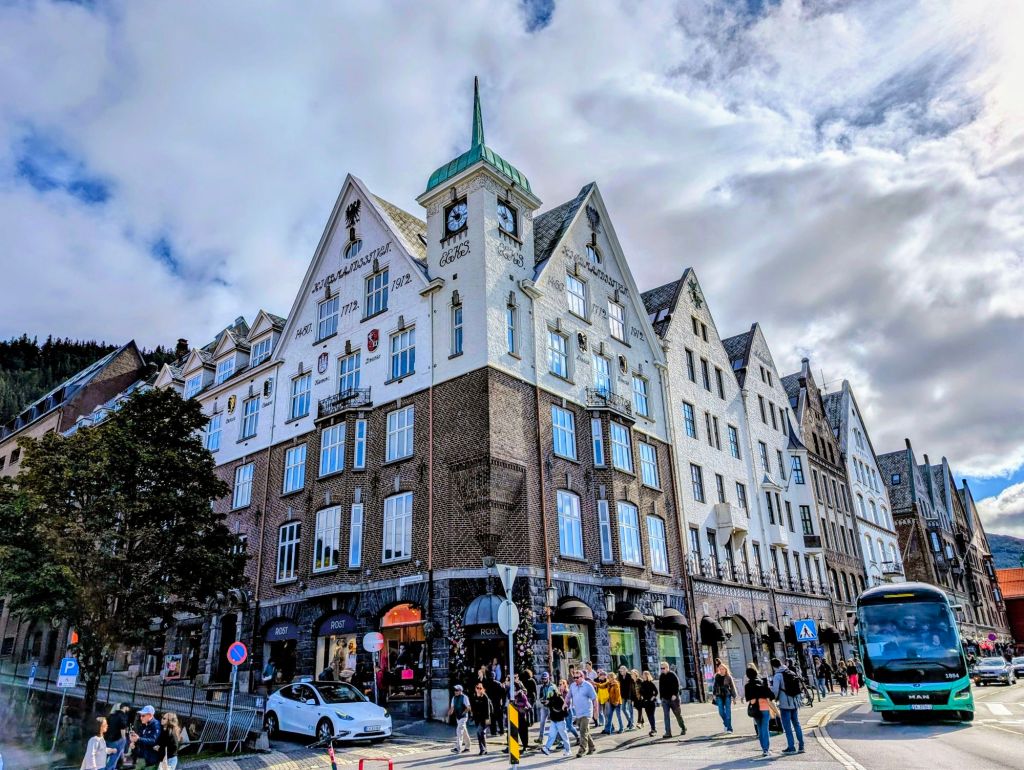


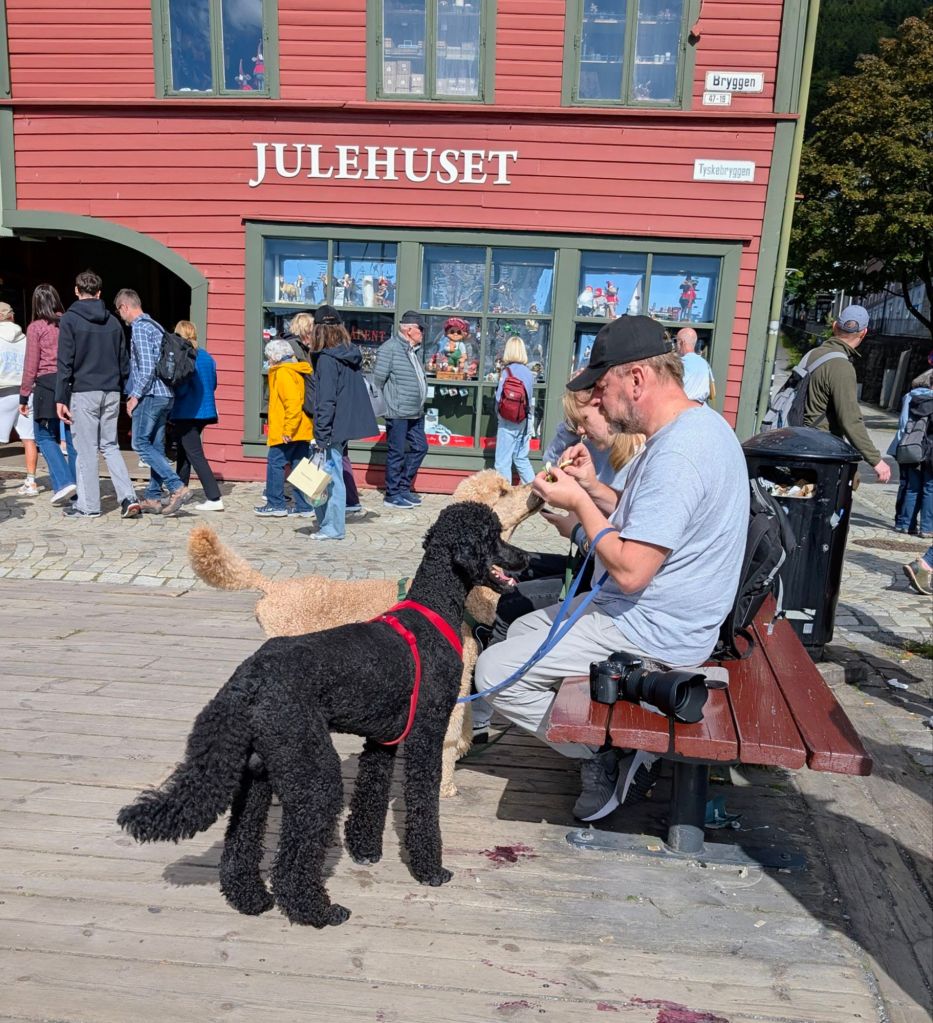
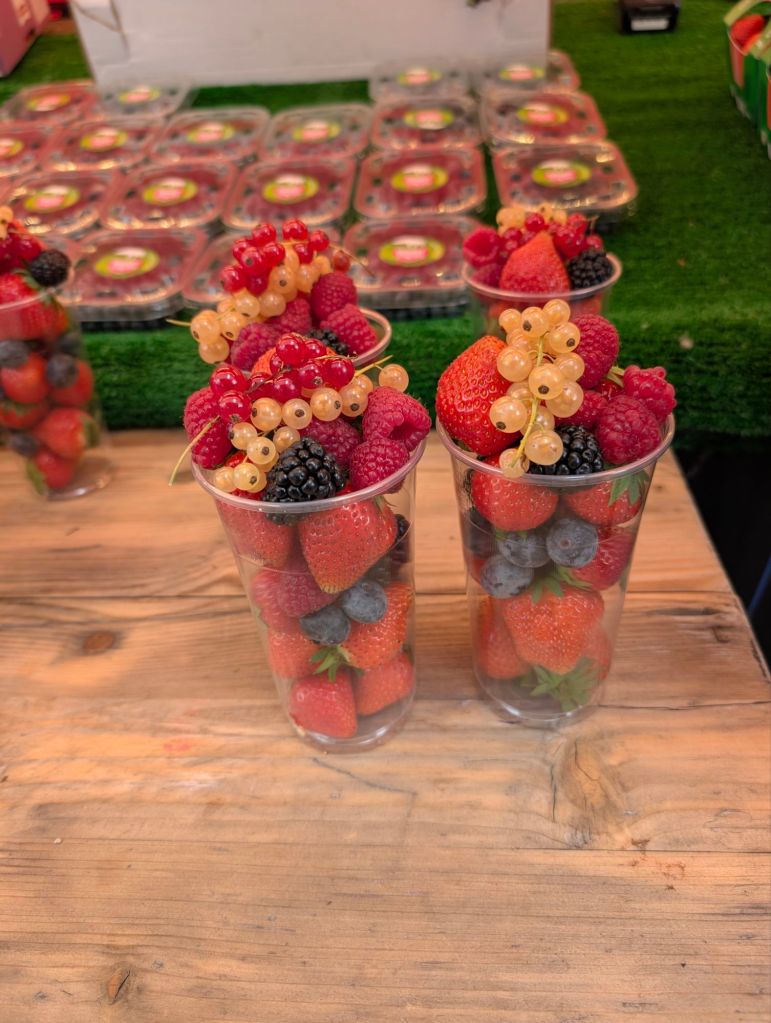
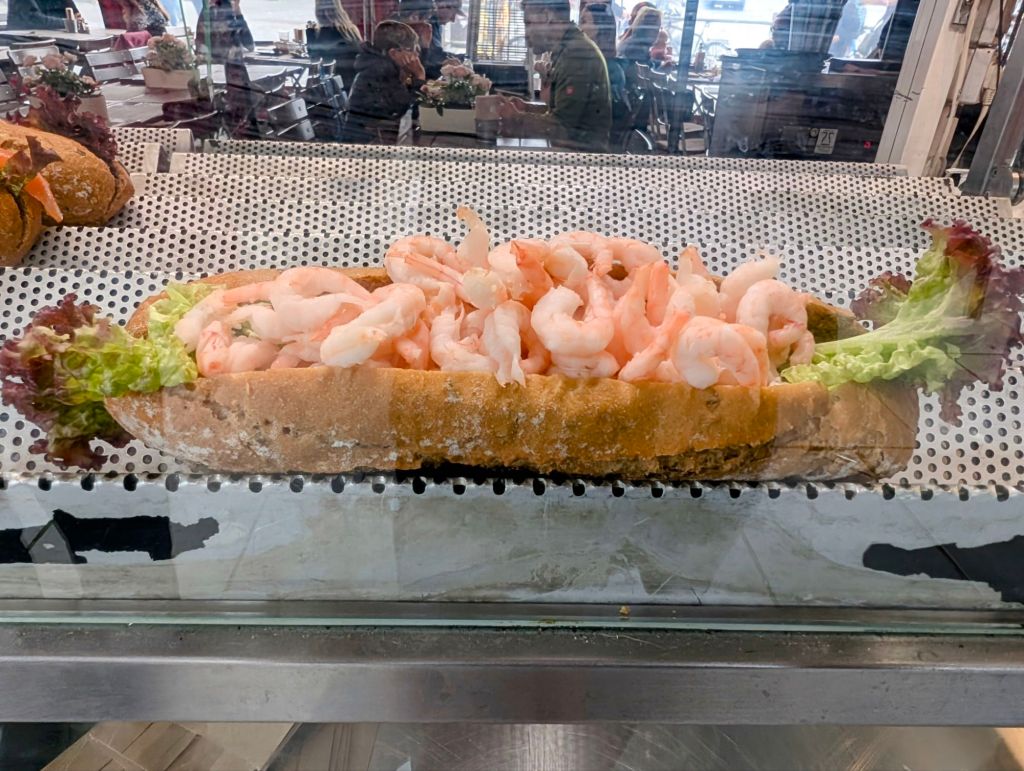
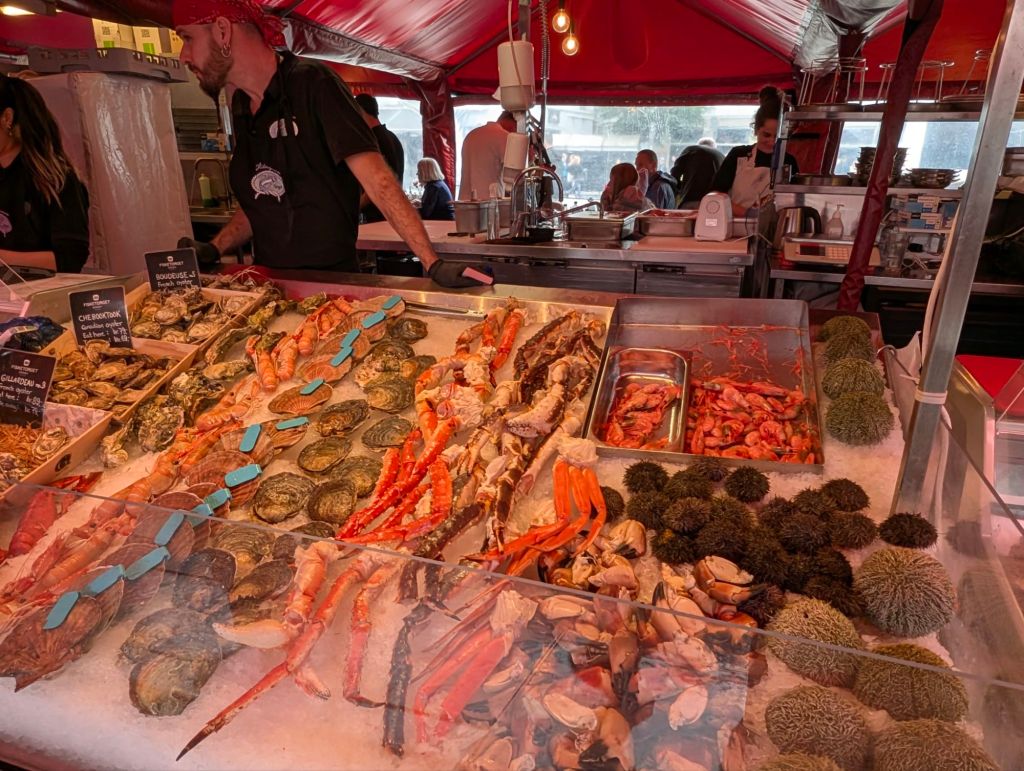
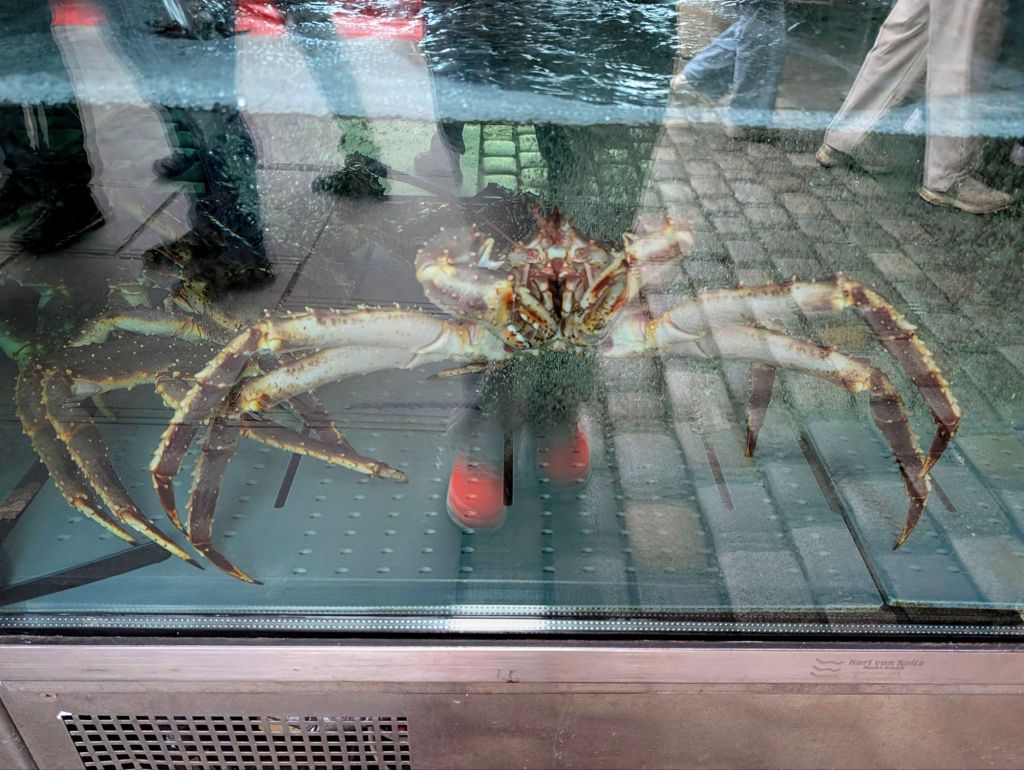
Bergen’s fish market offers a vast array of fish and other gourmet delights. You can select your fish and they’ll cook and serve it to you.



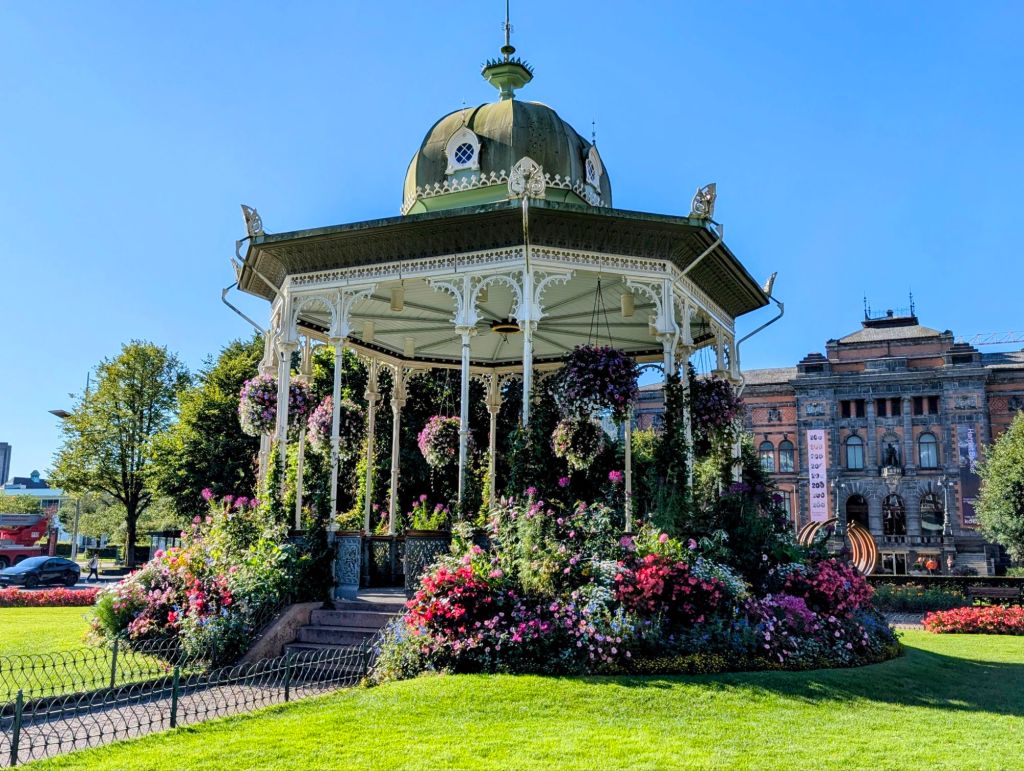
The National Stage is Bergen’s art-nouveau theater. Bergen was home to numerous playwrights and composers. A large, imposing statue of Henrik Ibsen sits in front of the theater.


Across from the theater is Fest Plassen, the vibrant city park and popular meeting spot for two and four-legged locals.


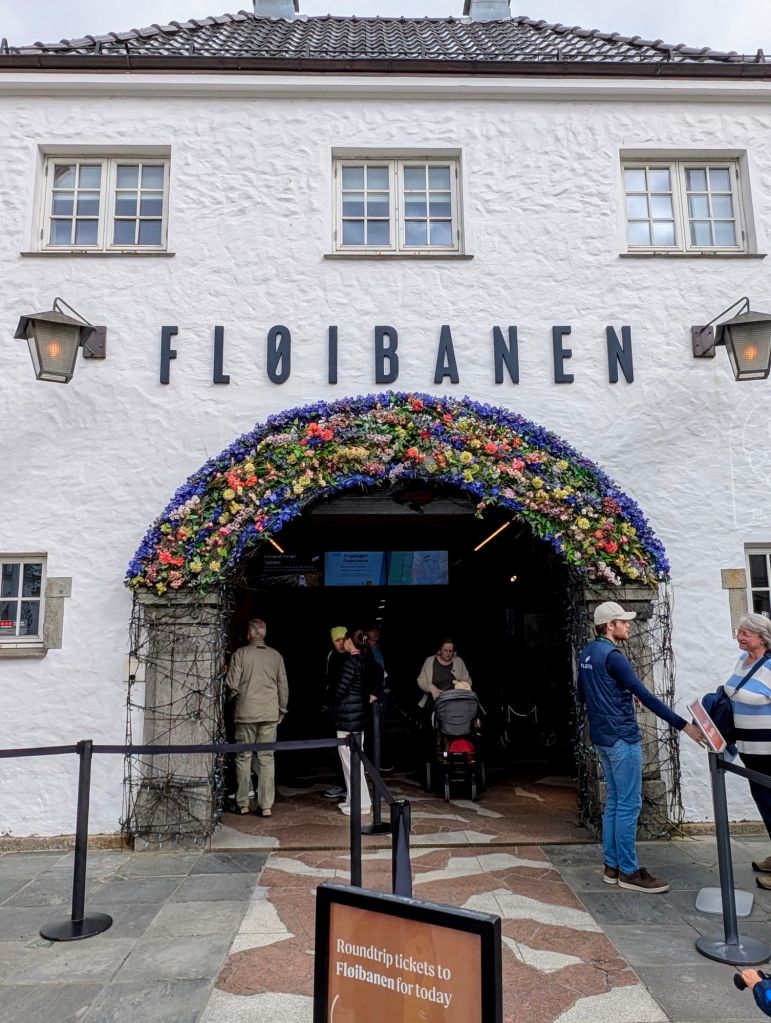
A ride on the Floyen Funicular is a quick and easy way to get to Mt. Floyen where a goat park, cafes, playgrounds and the most spectacular views await.
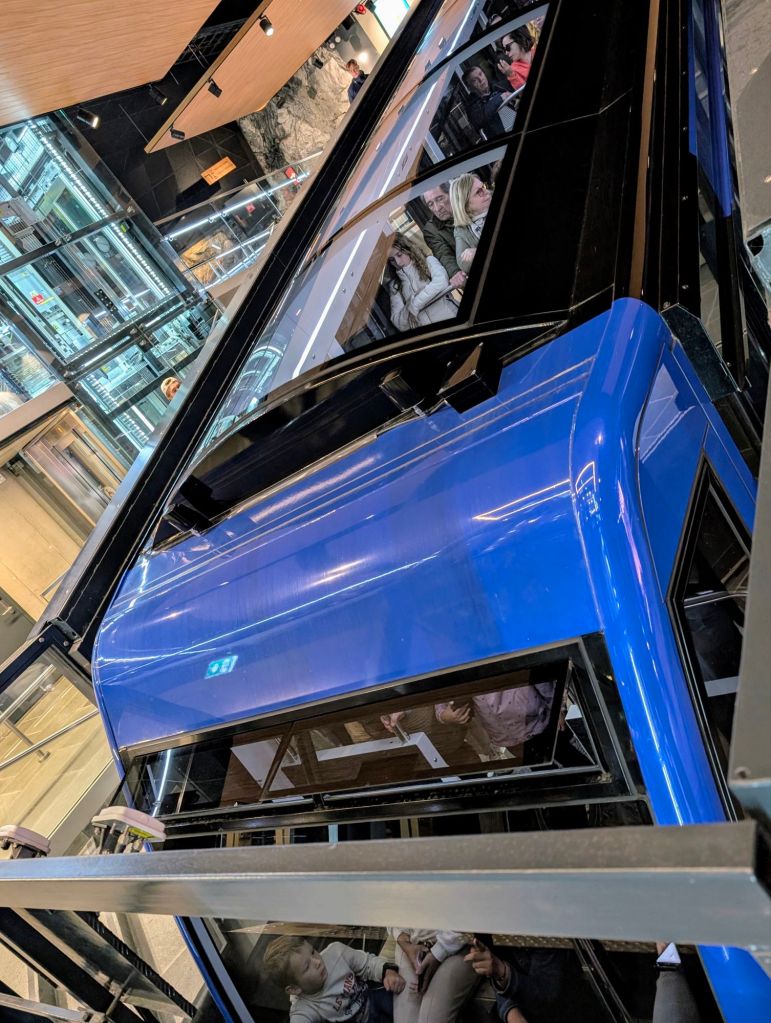
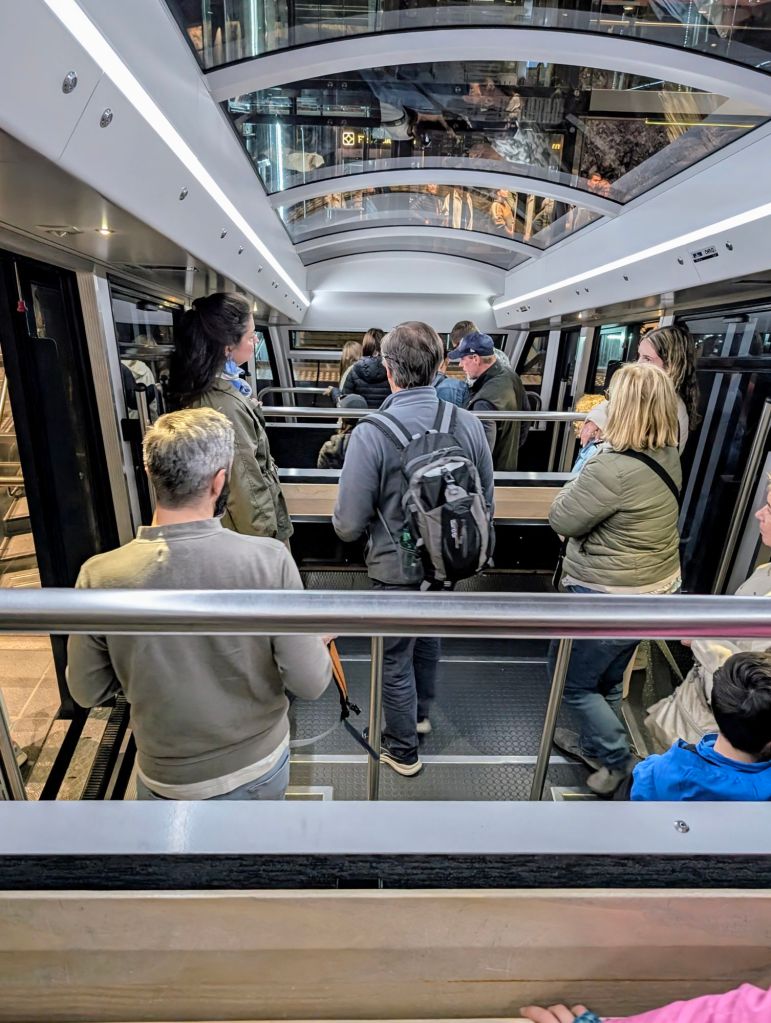


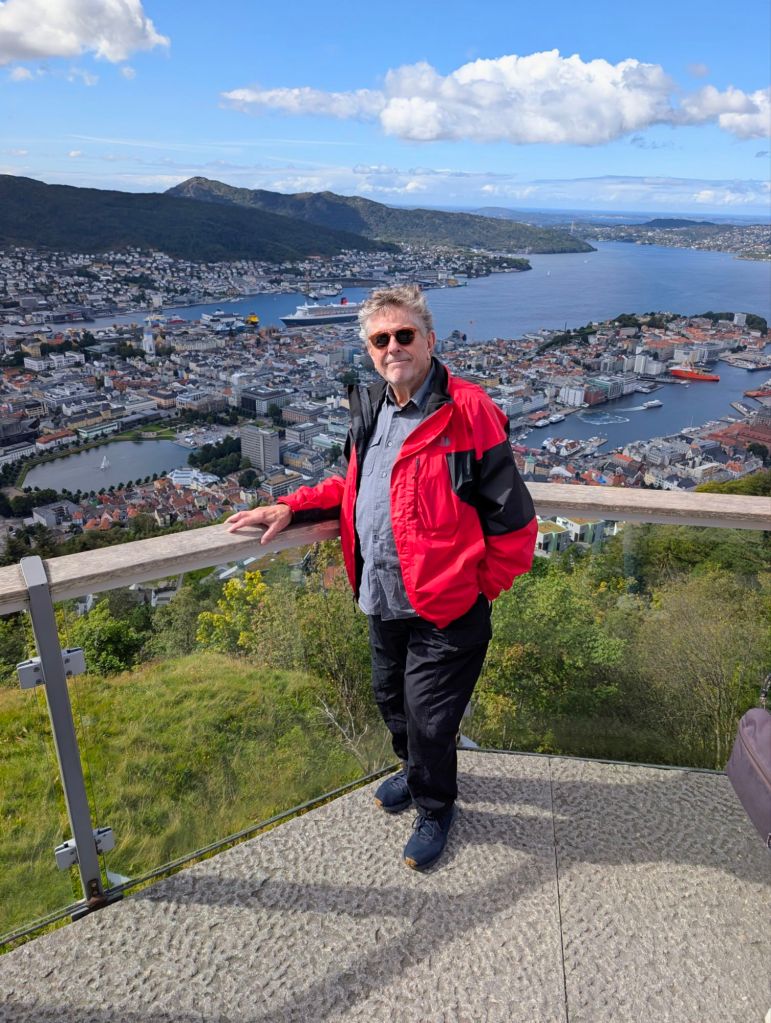

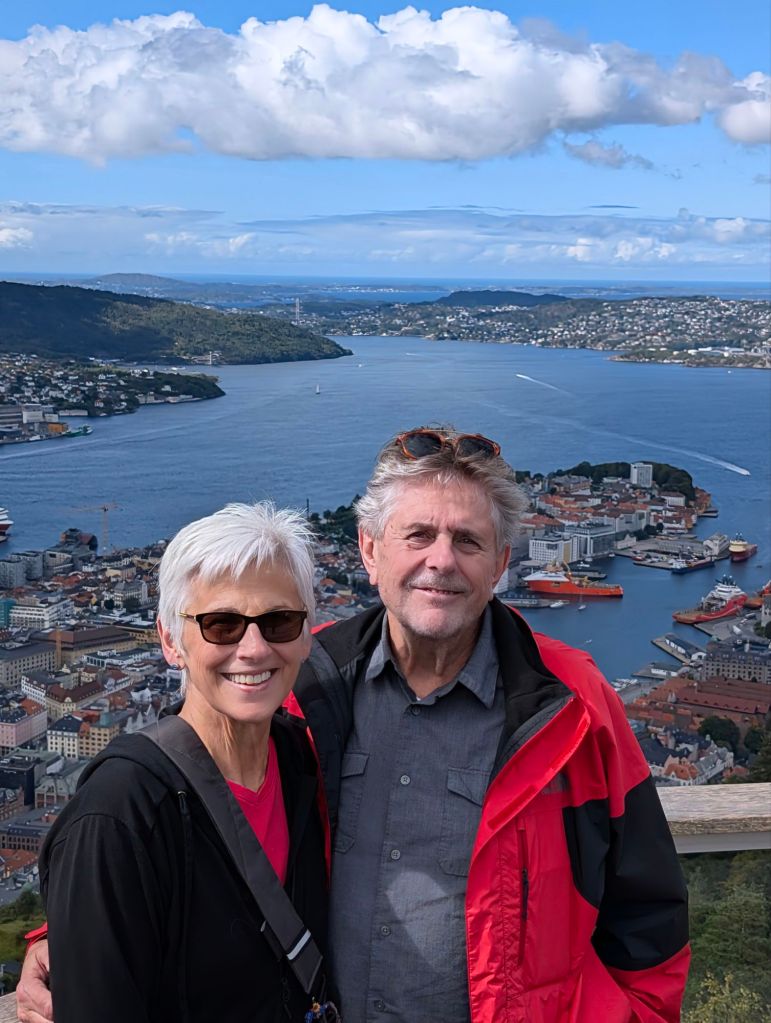

Bergen also has a rich music history. The imposing music hall is shaped like a grand piano.

Bergen is truly a beautiful city, and we enjoyed strolling around, finding coffee shops and just taking in the interesting people watching.



Continuing our journey through “Fjordland,” we arrived in the tiny village of Flam. Once again, I was up early to experience a picture perfect sail-in.

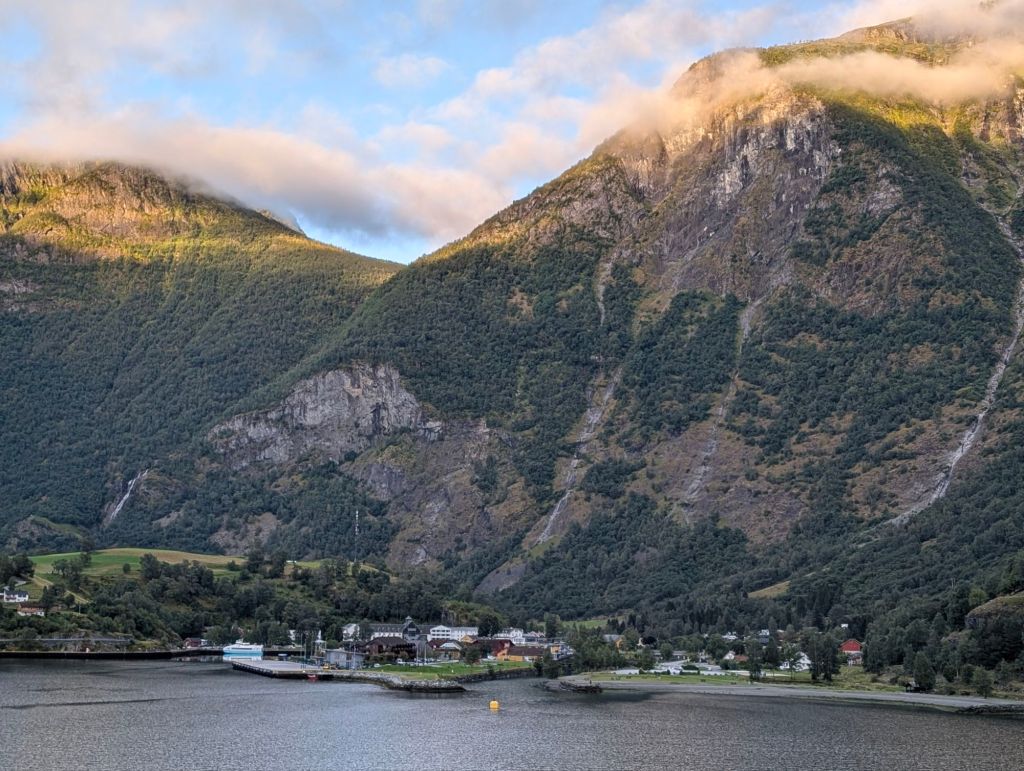
Tiny Flam (population 500) is the terminus of the world-famous Flamsbana, The Flam Railway. Although it is a very small town, Flam offers a gateway to many outdoor activities. We opted for an all-day excursion that included a bus ride, lunch in a historic hotel, and two different train rides.
Starting our day on the bus, we headed onto route E-16 (the Oslo to Bergen highway) through tranquil countryside to the Stalheim Hotel. Since 1885 the Tonneberg family has been welcoming lovers of nature and history. The hotel itself contains many historical artifacts and the sweeping terrace leads to a bunker used by Germans during their WWII occupation.

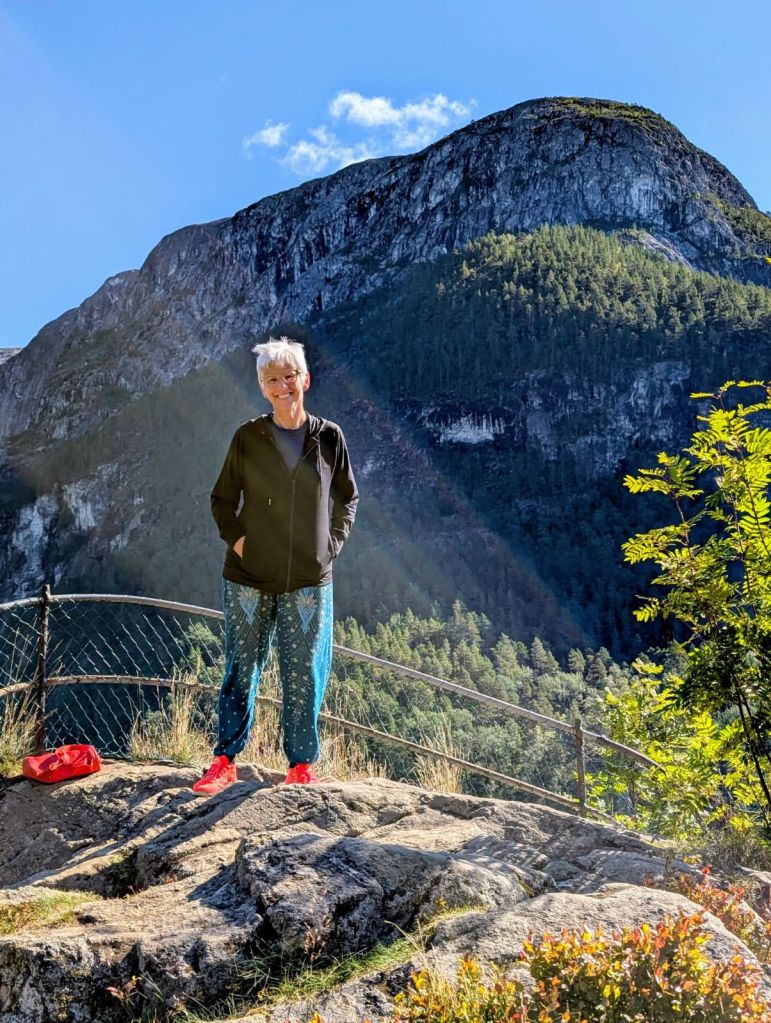
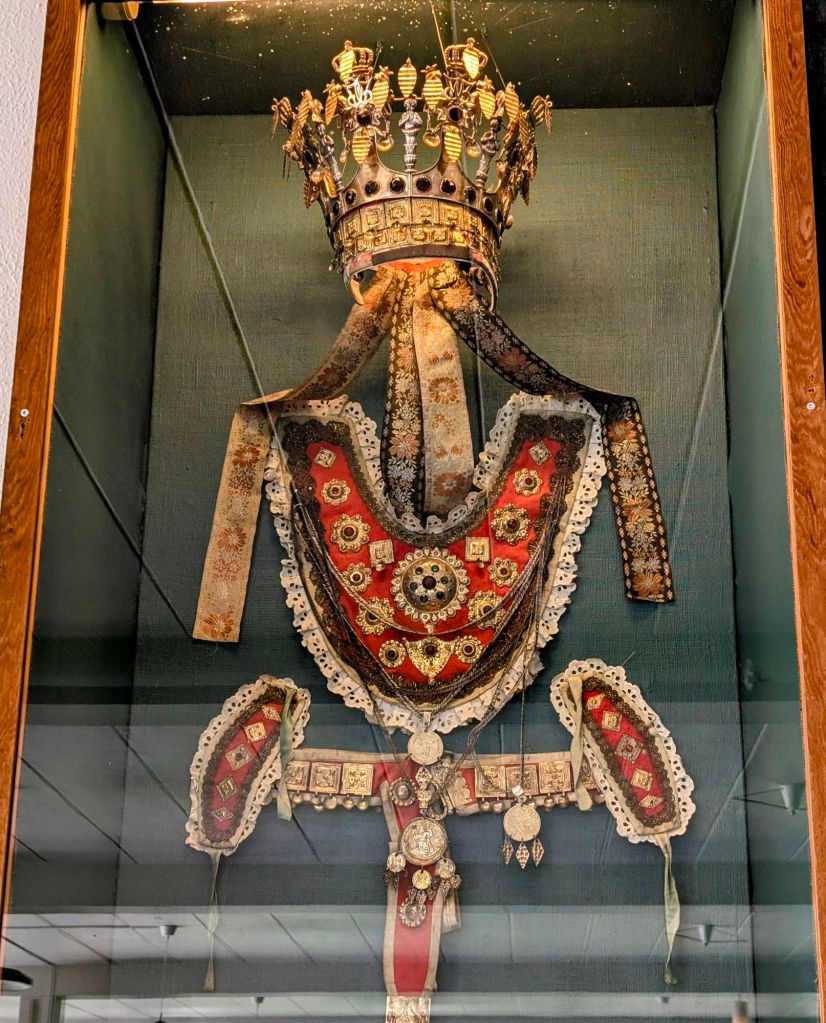


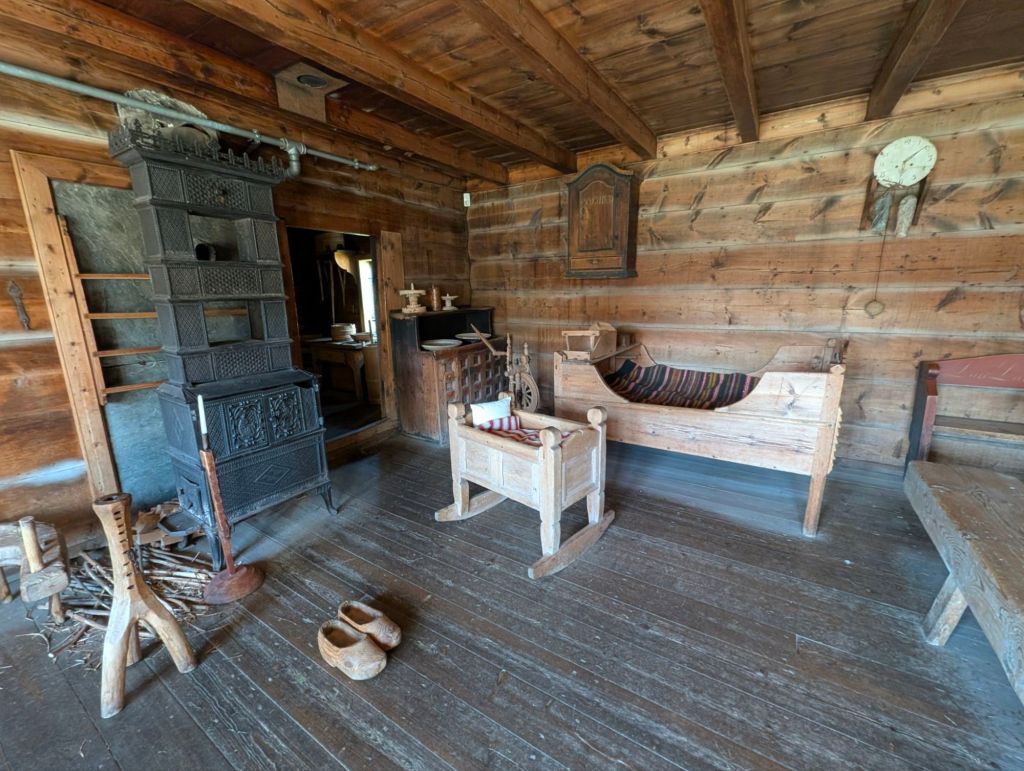
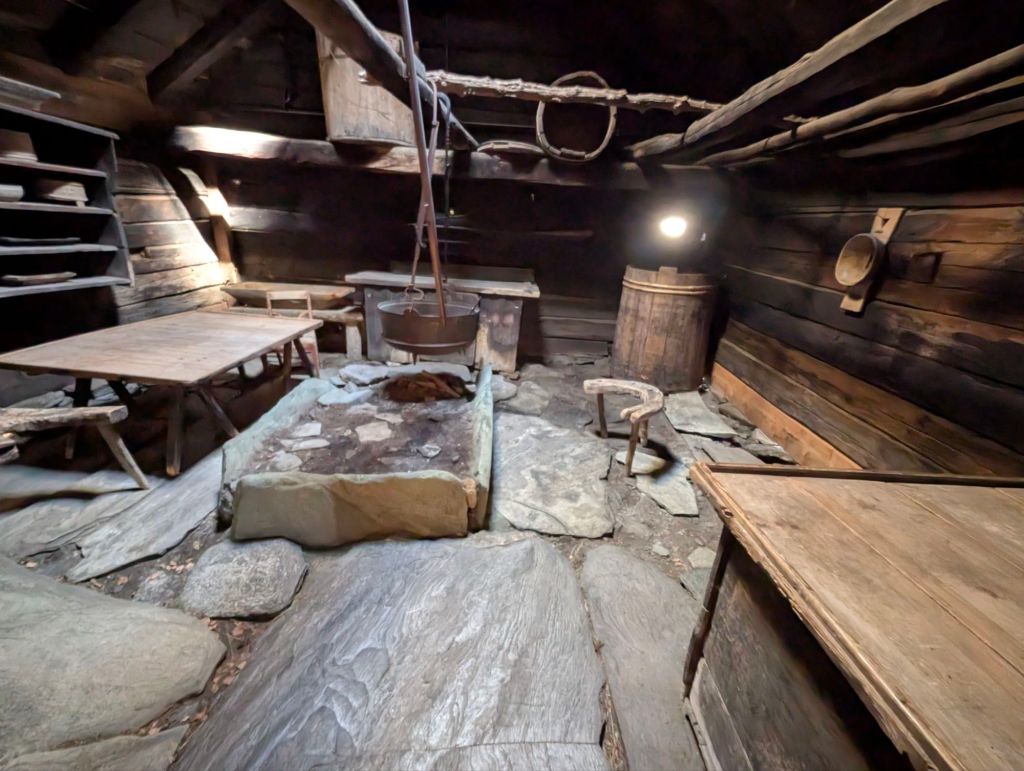
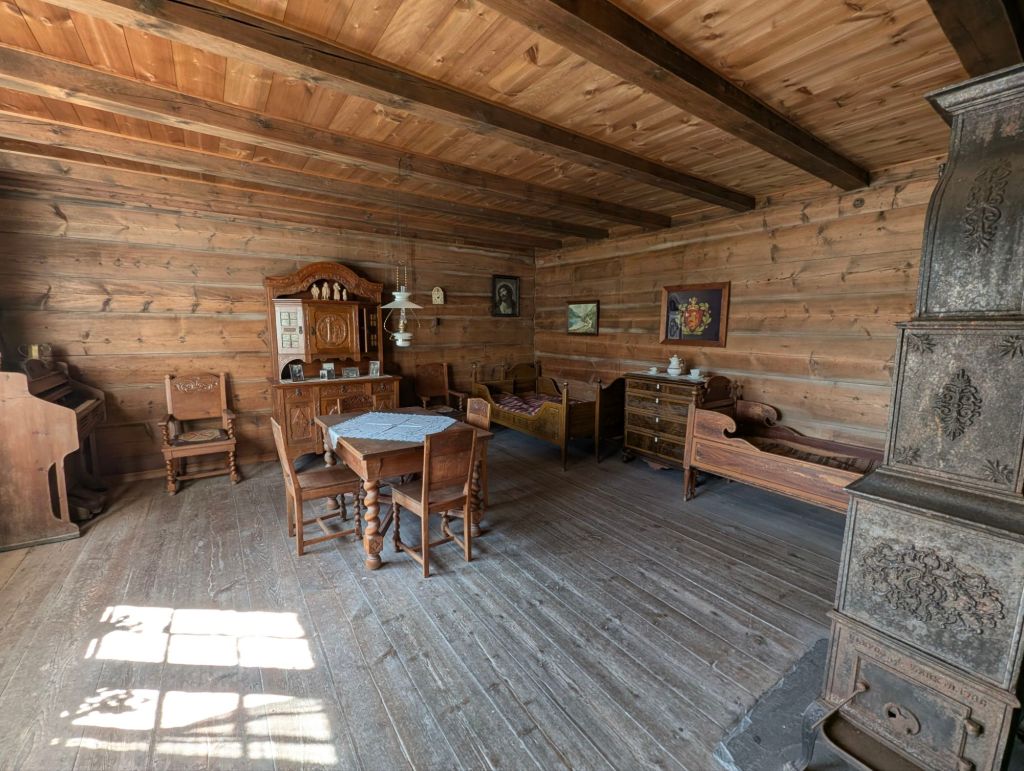
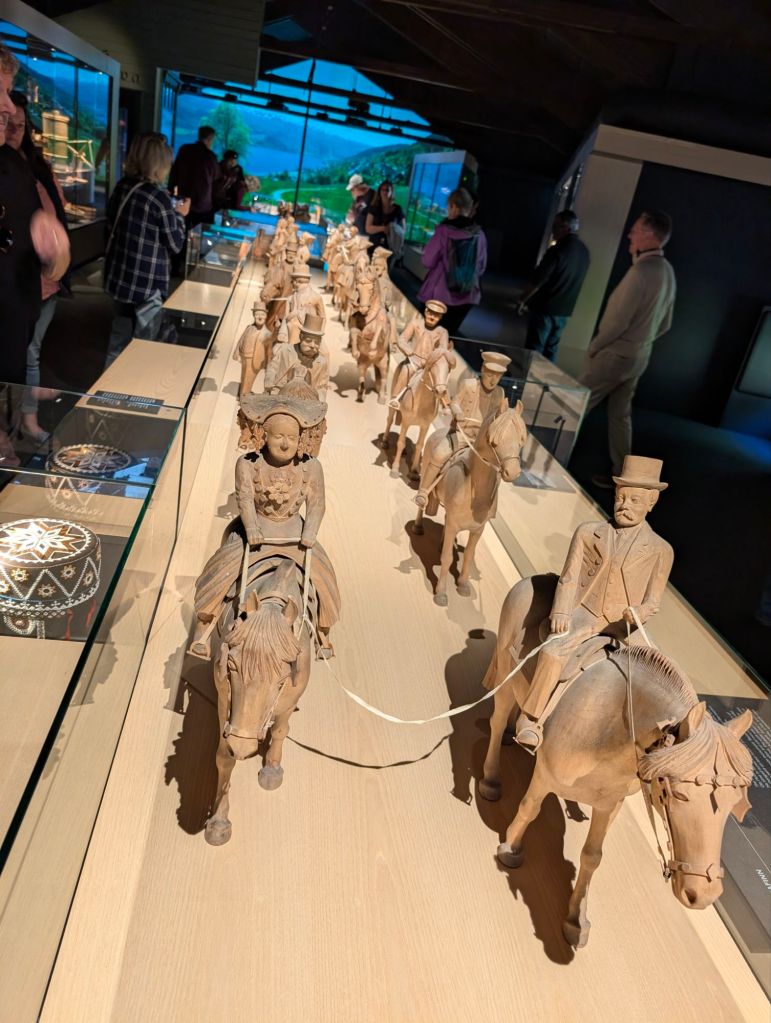
The nearby Molstertunet Folk Museum is located adjacent to the hotel and is one of Norway’s largest privately owned museums. Guests are welcome to meander through the well-preserved buildings that once housed two farms. There is also an indoor exhibit hall that tells stories of 18th century life in this region. The wooden figures depict a traditional wedding ceremony.




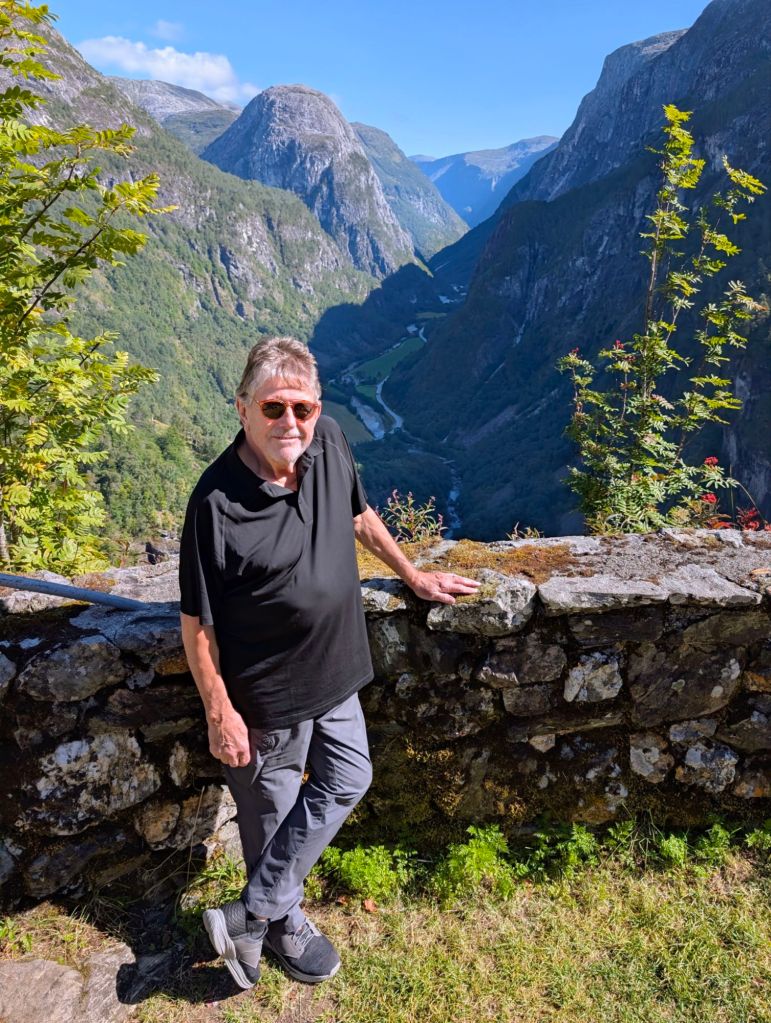
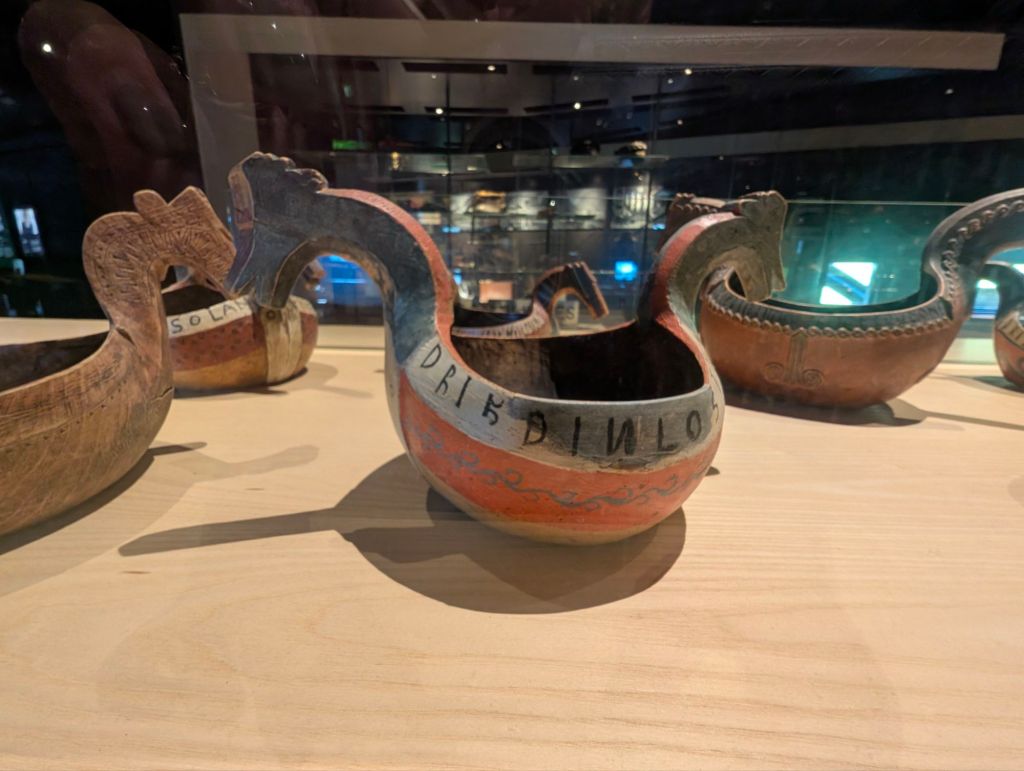
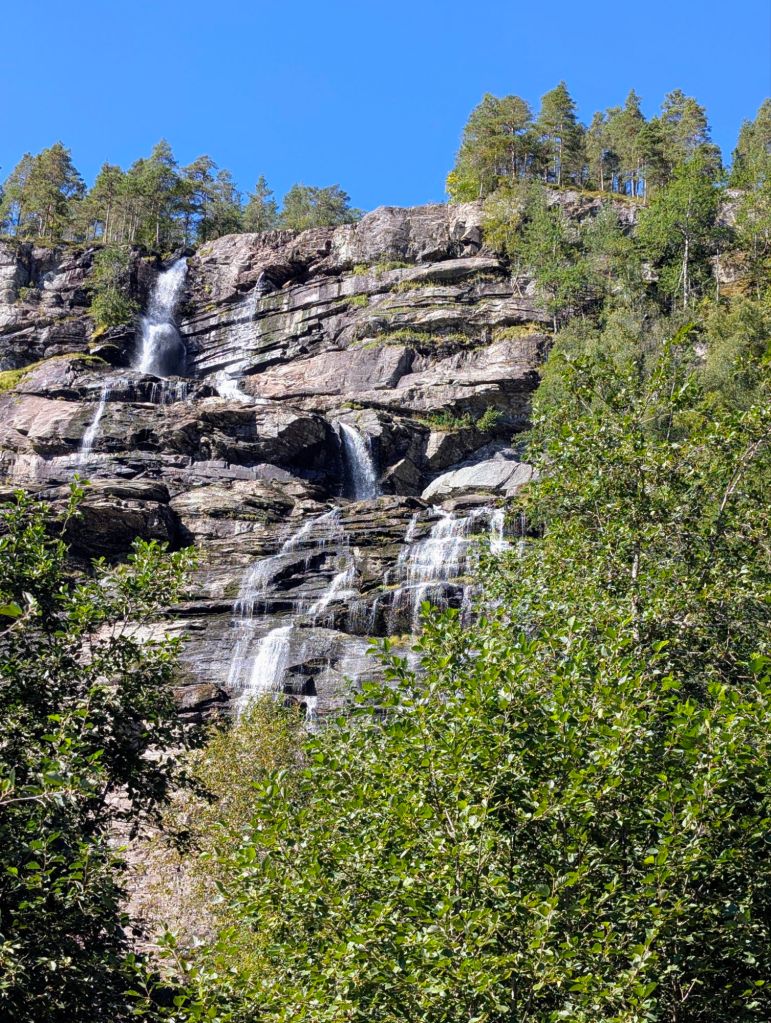
From there we drove to the modern city of Voss, where we caught the National Railroad to Myrdal, the eastern terminus of the historic Flam Railway. We made a brief stop to view the Tvindefossen waterfall.

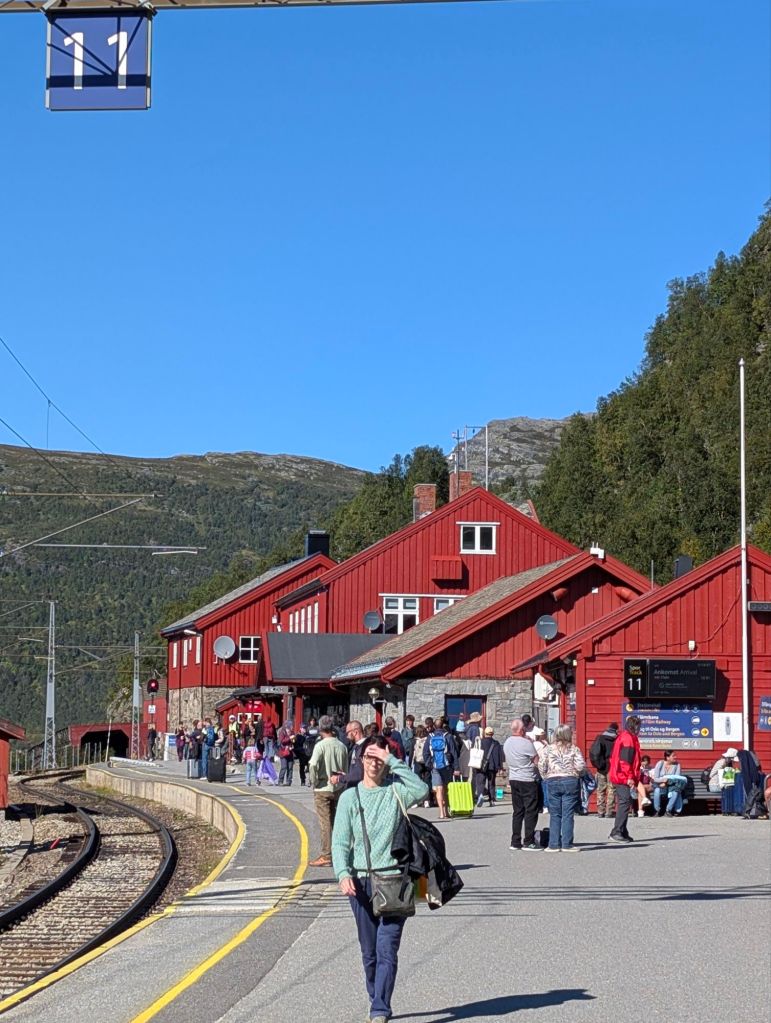
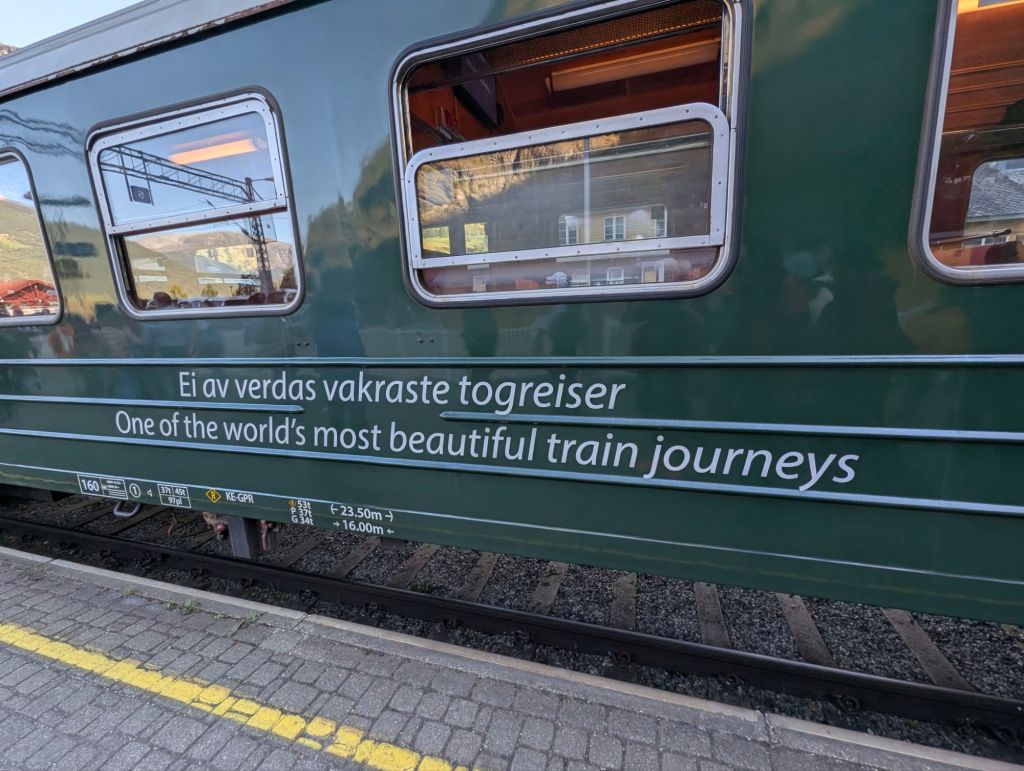
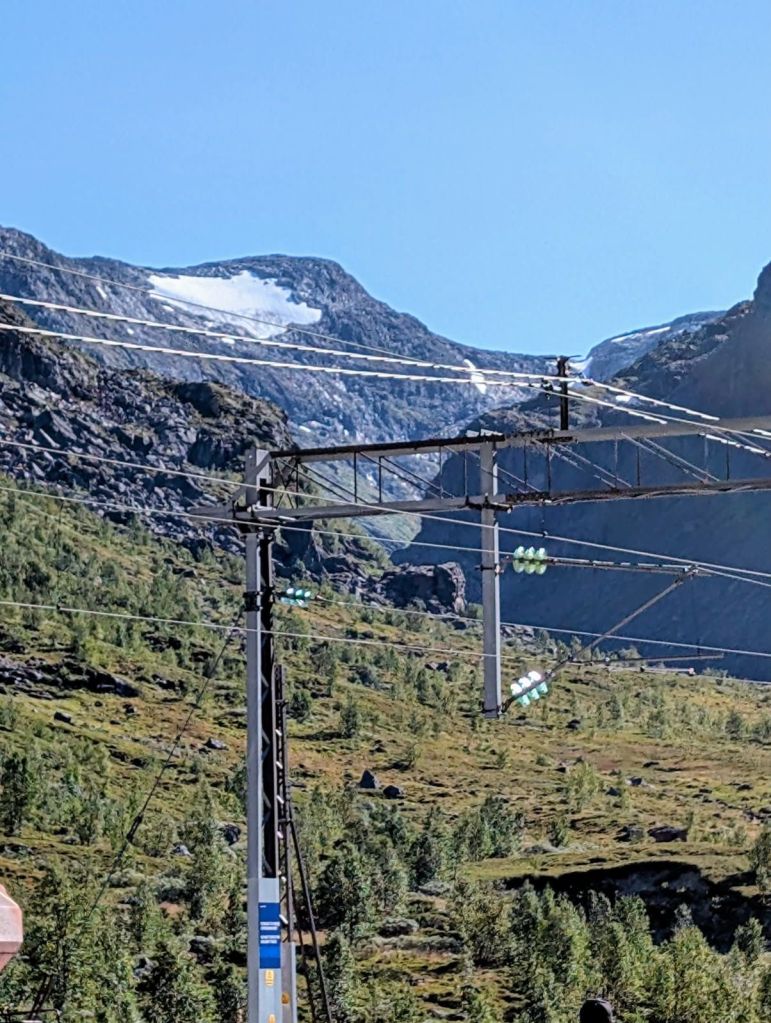
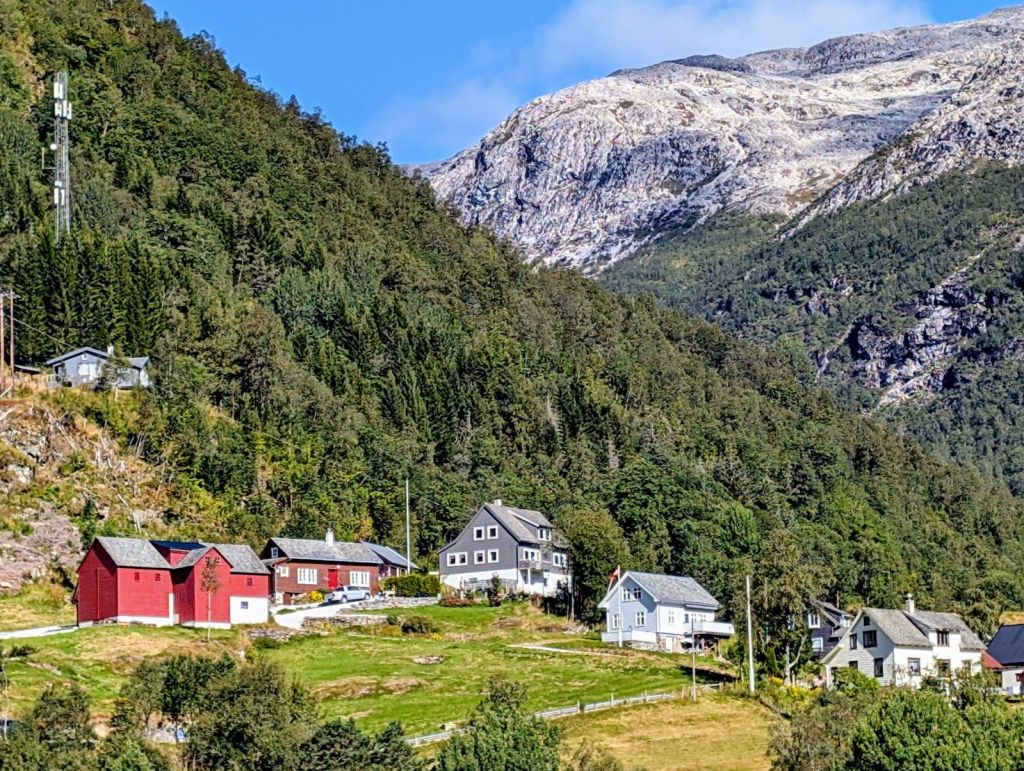
Next we boarded the historic Flamsbana Railway for a ride from the mountain station at Myrdal all the way down to the Flam station. Along the way we learned about the difficulties railway engineers faced building the tracks from the Myrdal Plateau, down the precipitous mountain sides to the bottom of the Flam Valley. The twisting tunnel, which wends its way through the mountain at several levels, took great skill and tenacity. The train takes about an hour to cover the 20 kilometer track, traveling through 20 tunnels, 18 of which were excavated by hand. Each meter took up to a month’s labor from the navvies. The journey provides a panoramic portrait view of beautiful landscapes. We were disappointed when we stopped to view the usually-roaring Kjosfossen waterfall because recent warm, dry weather had turned it into a trickle. However, we were pleasantly surprised with a visit from the Huldra! According to Norwegian legend, the Huldra is a forest spirit, a beautiful woman with a cow’s tail who lures travelers to her mountain with a haunting song and dance.

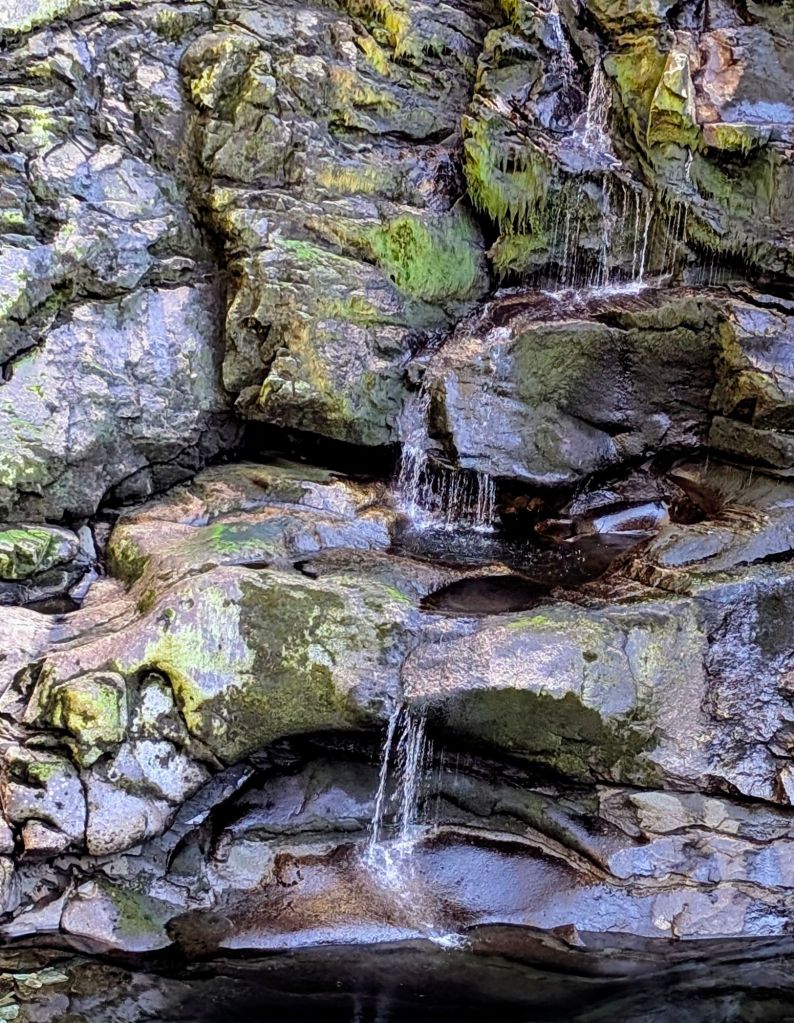

We next arrived in the southern Norwegian port of Stavanger. On the morning of our arrival, a very large MSC cruise ship had already docked, so the harbor was bustling with tourists. Nonetheless, its colorful buildings and bright sunshine provided a beautiful welcome.

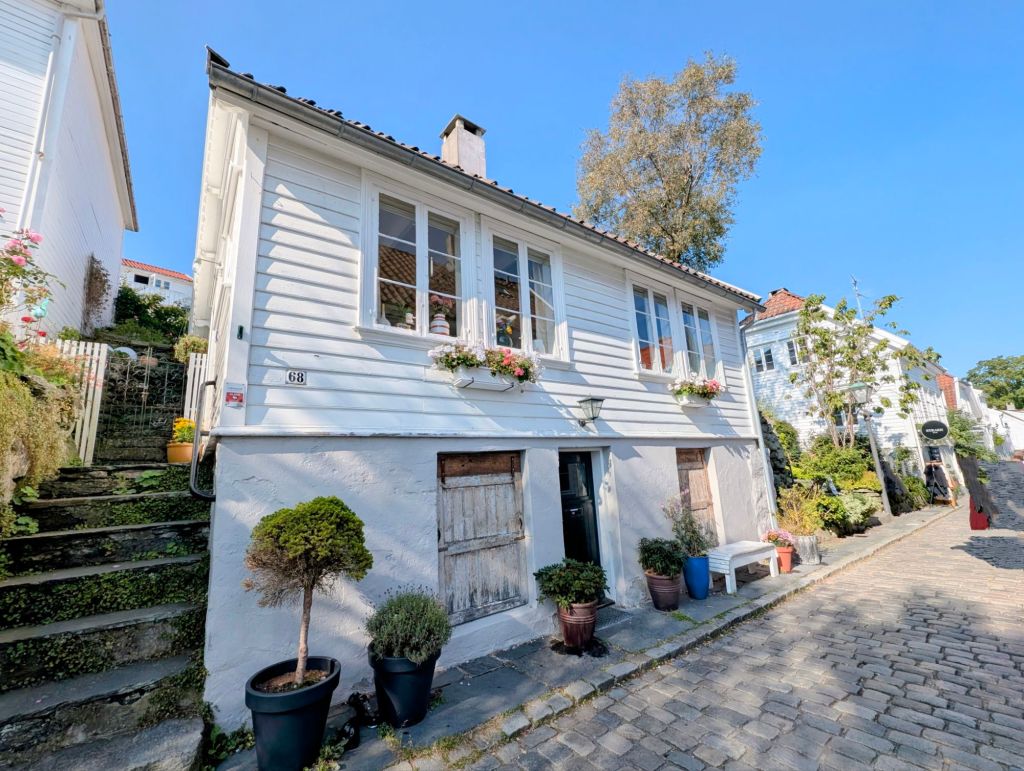
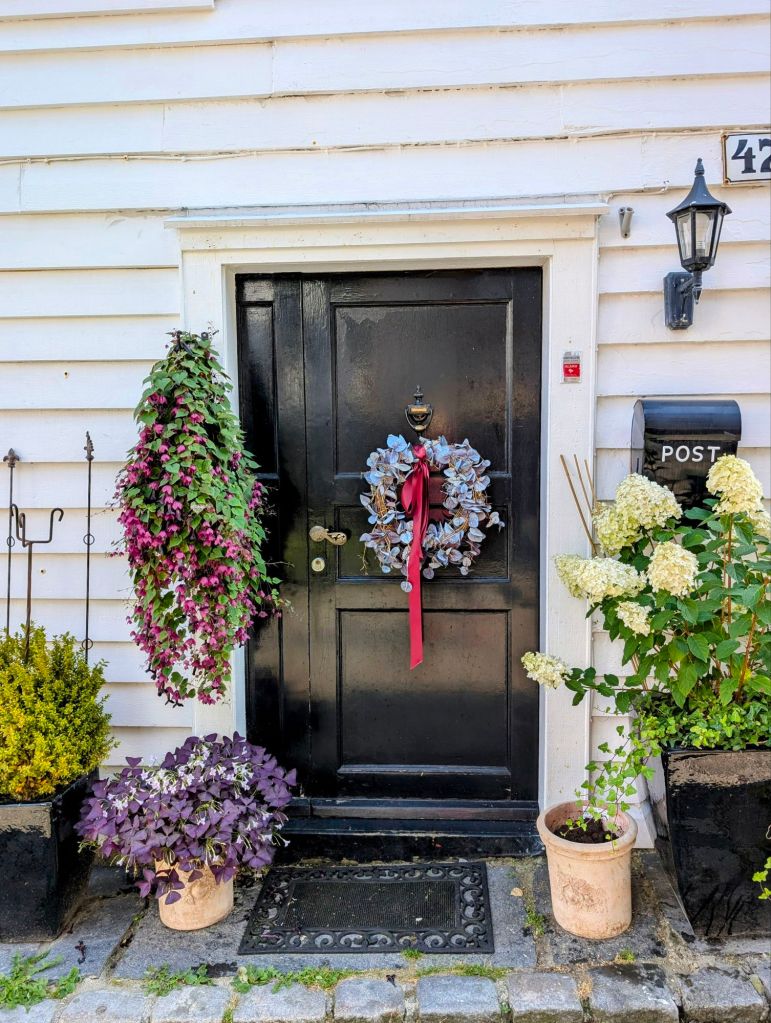
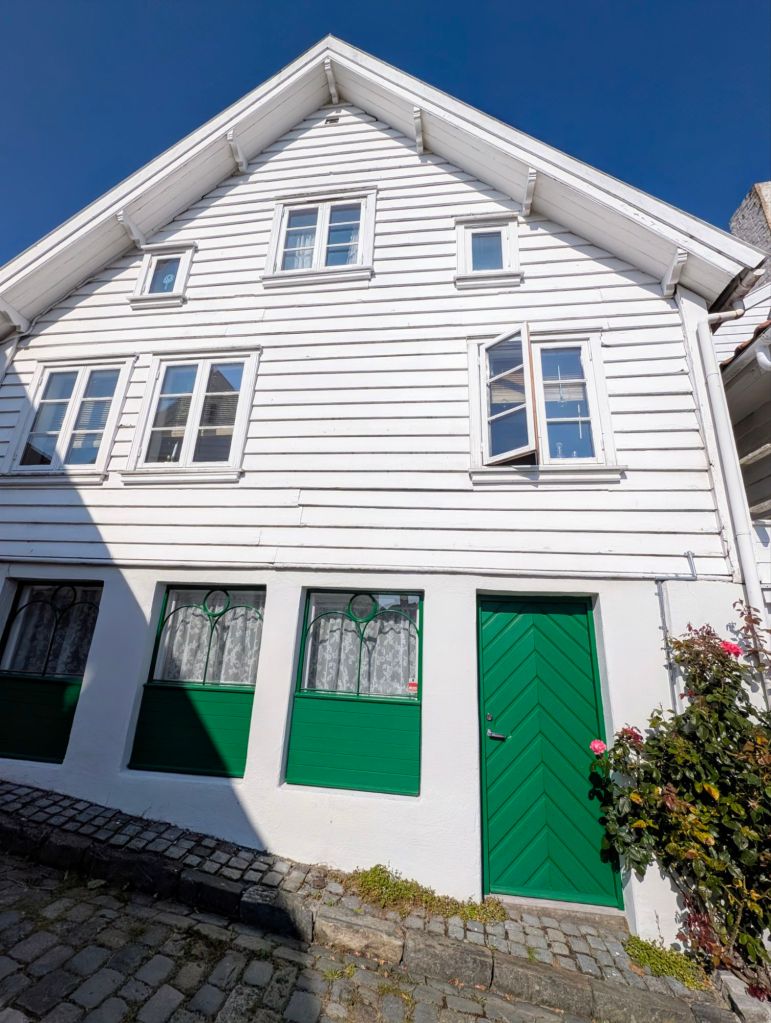
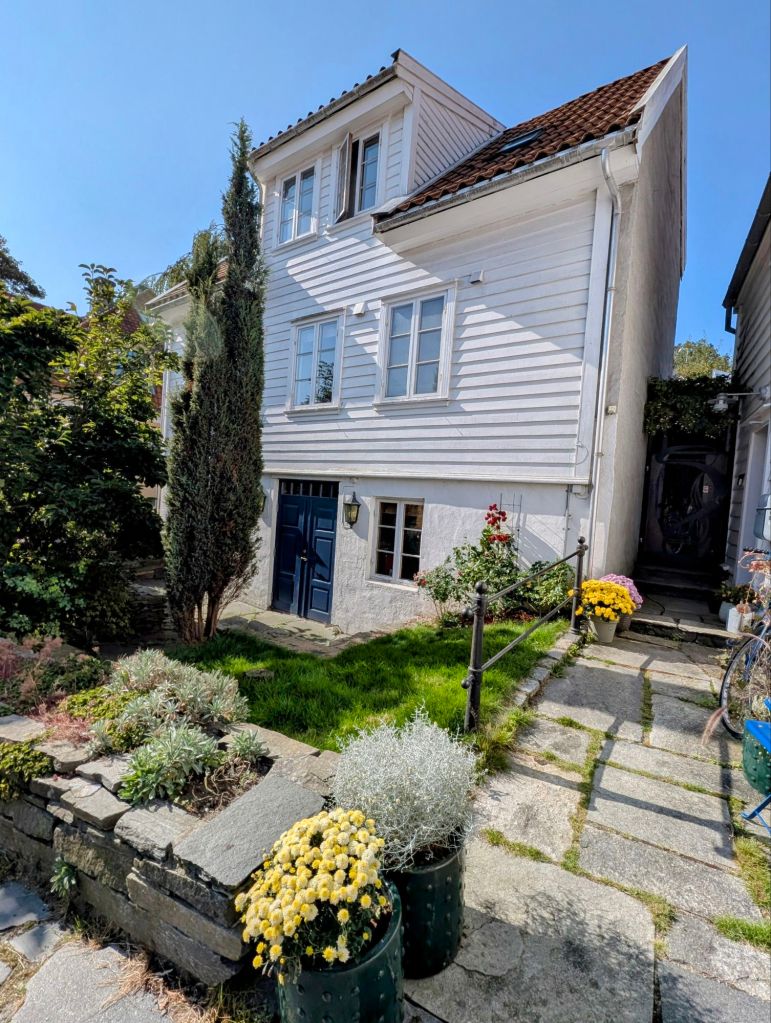
The Old Town area called Gamle Stavanger came close to demolition by developers in the 1950s. City architect Einar Hedeus stepped in and saved some 250 18th and 19th century wooden homes from the wrecking ball. Today these homes are protected by a conservancy that has strict aesthetic guidelines for the homeowners who must commit to maintaining these historic gems. In the middle of Gamle, the Einar Hedeus Plaza honors the architect’s legacy.





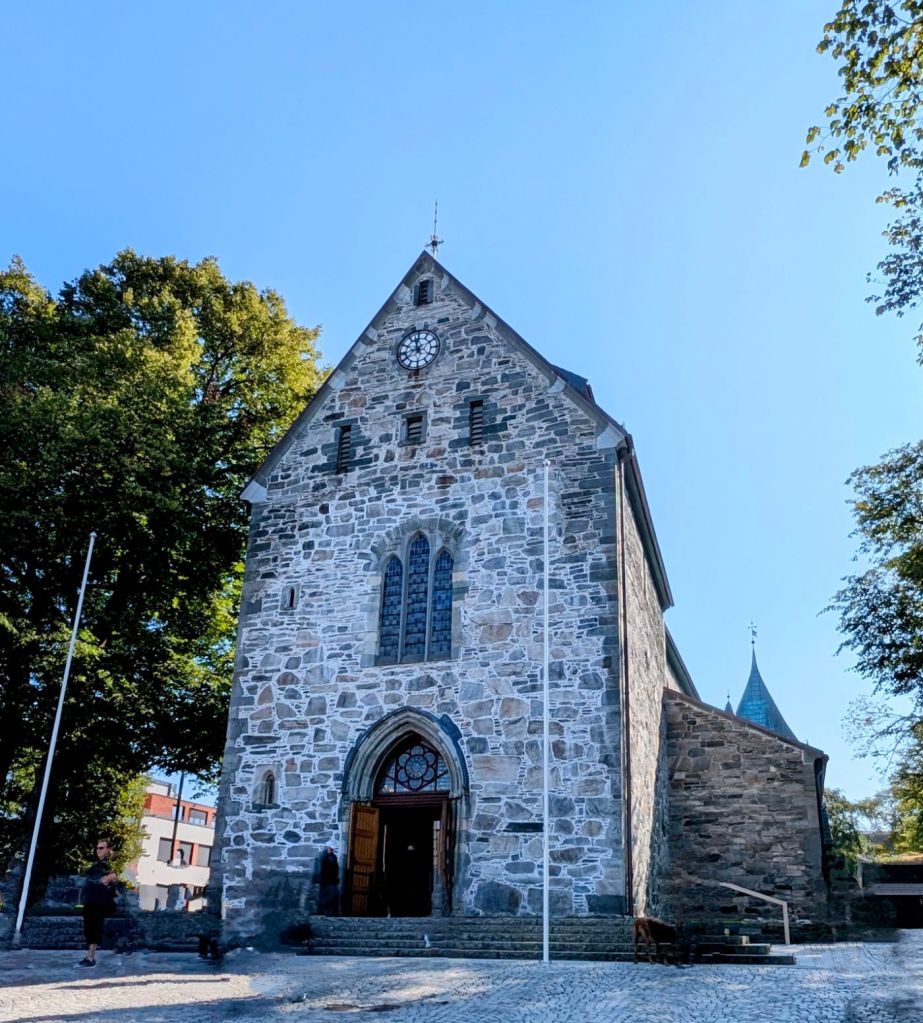
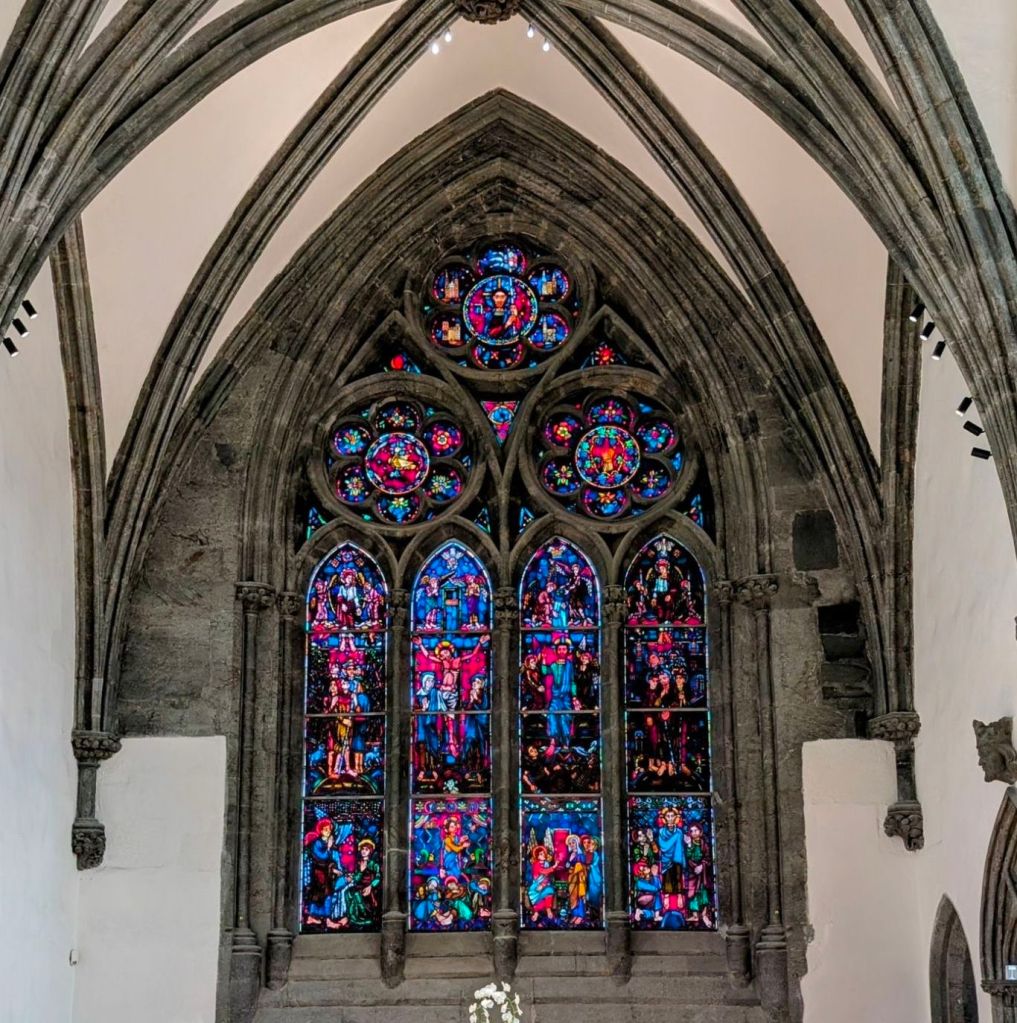
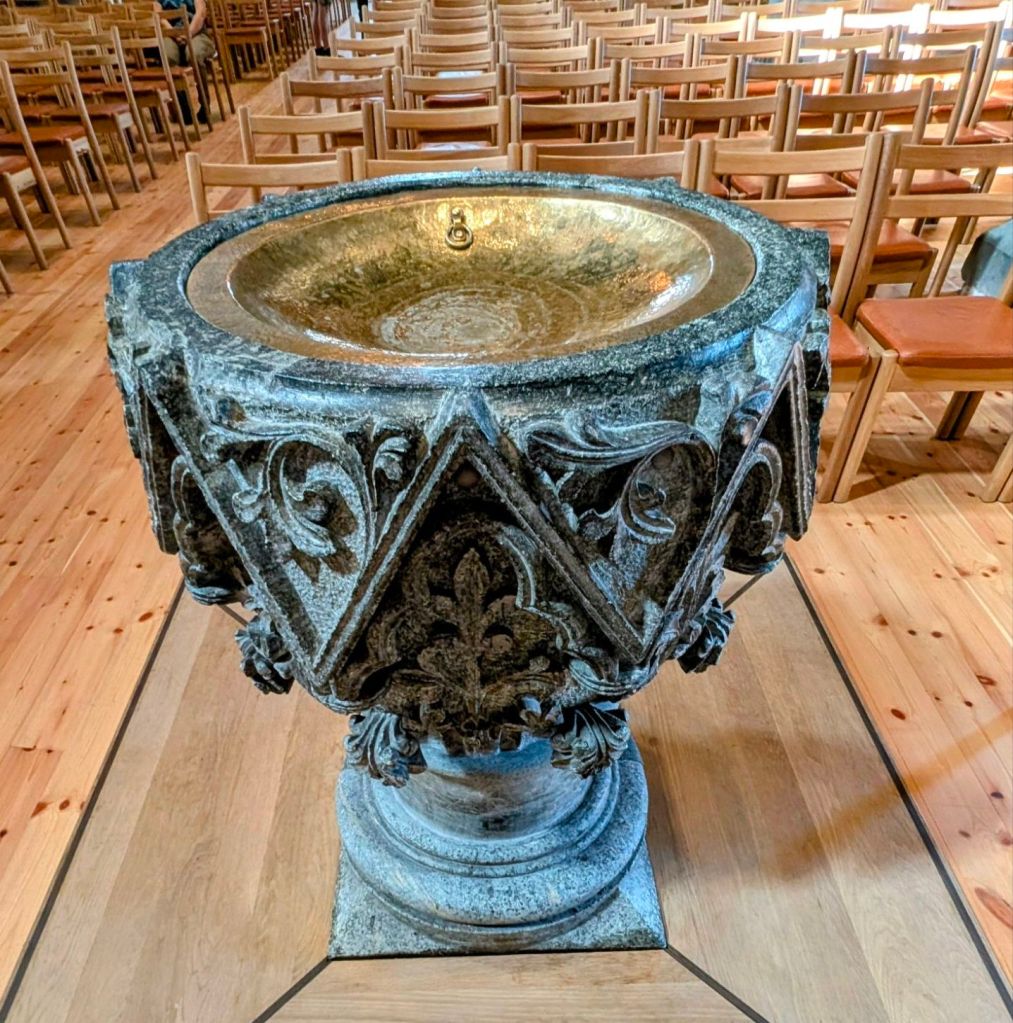
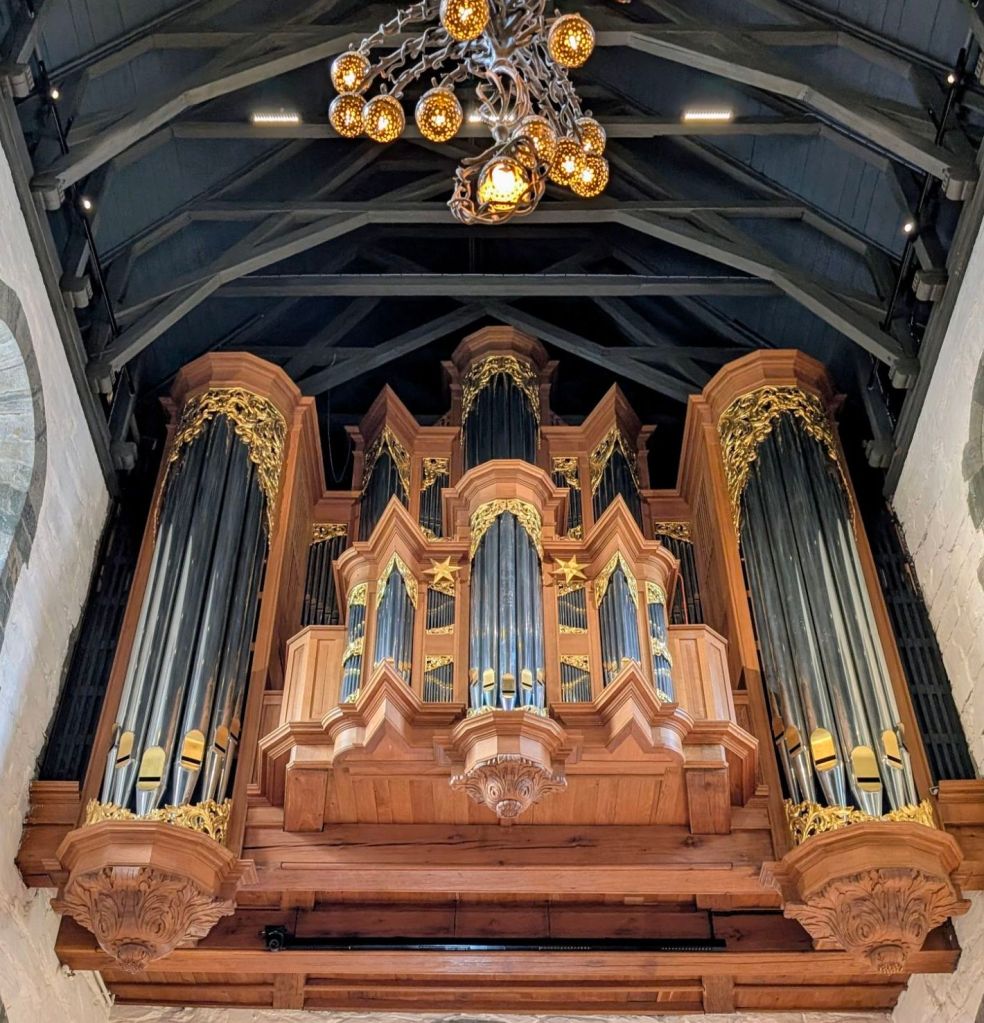
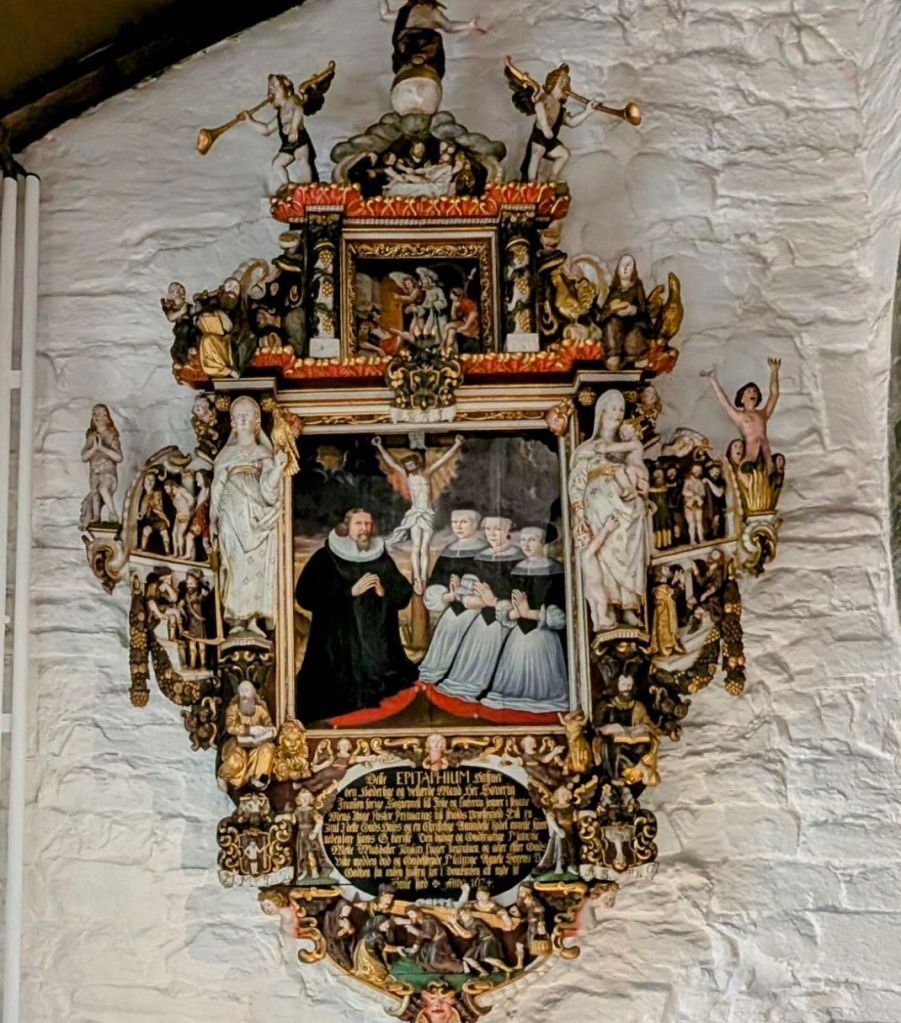
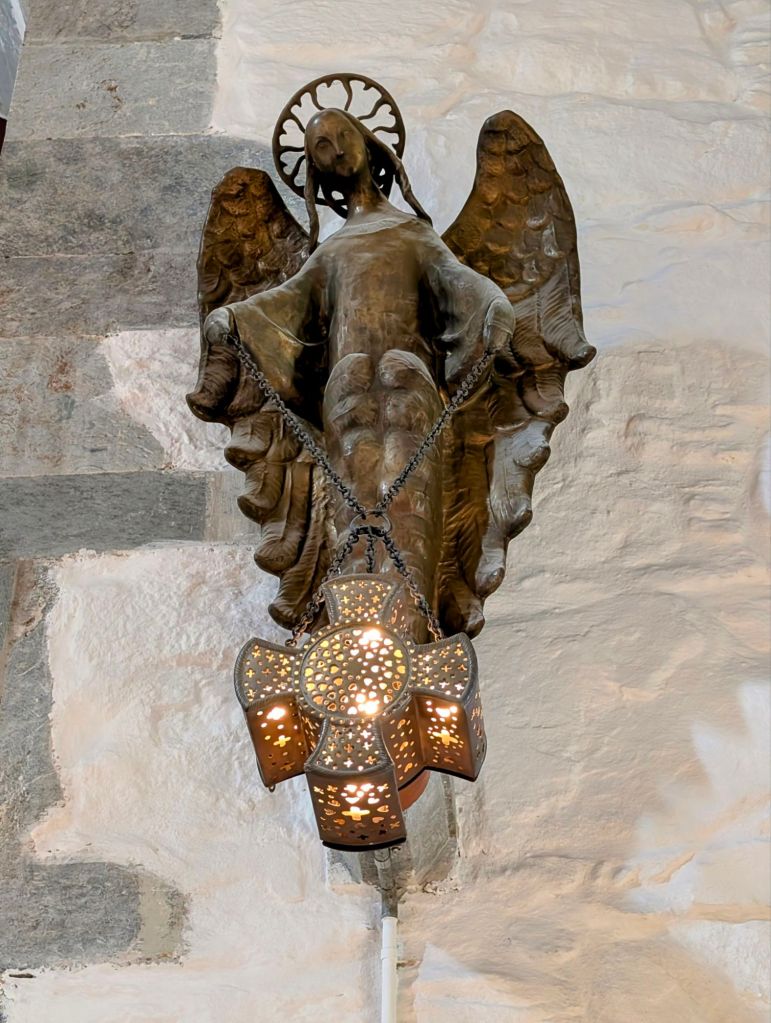
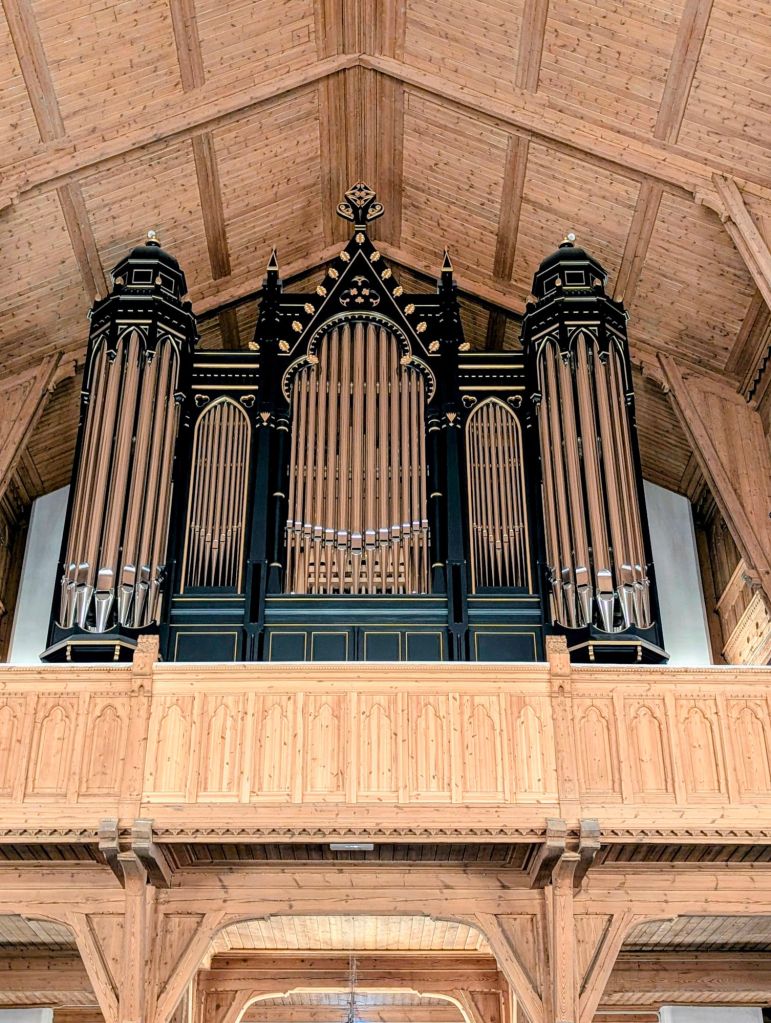
Along with the rest of the town, Stavanger Cathedral is celebrating its 900th anniversary this year. In honor of this milestone, the cathedral has undergone a complete restoration. Resting on Samson’s shoulders, the ornate pulpit tells biblical stories. The stained glass window by Victor Sparre from 1957 looks down on a new altar crafted of stone from a local quarry. Thousands have been baptized in the 14th century soapstone baptismal font. The Reil organ is from 1992. Five different epitaphs are memorial plaques from deceased parishioners. Angels holding lighted crosses provide soft illumination.



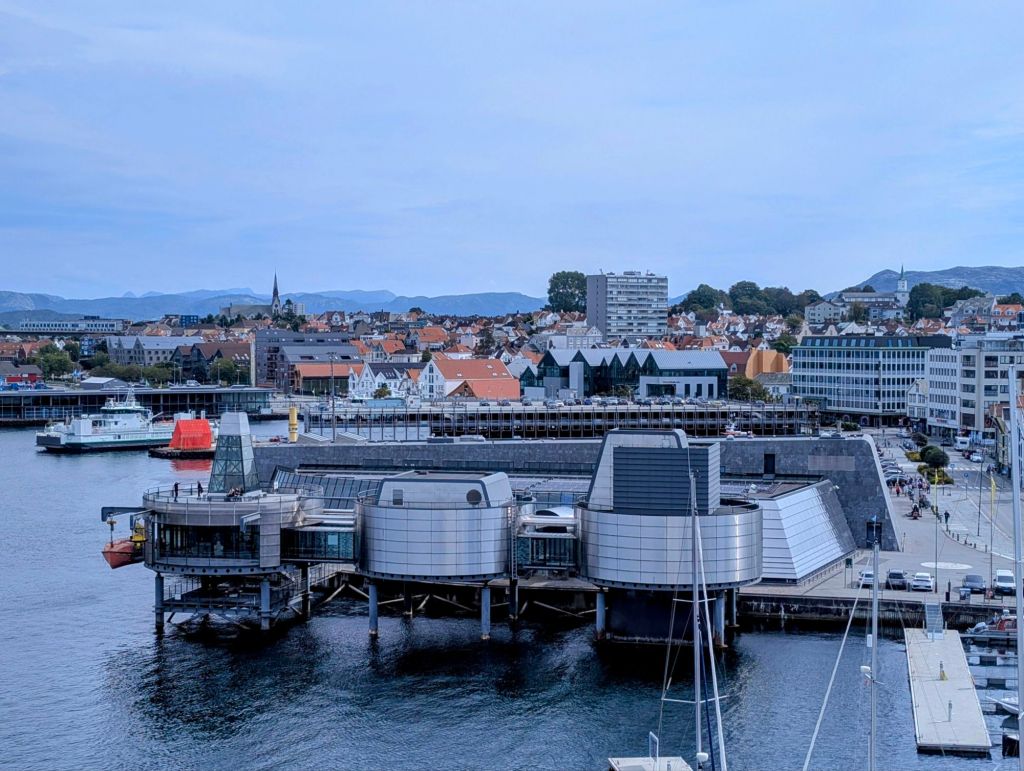
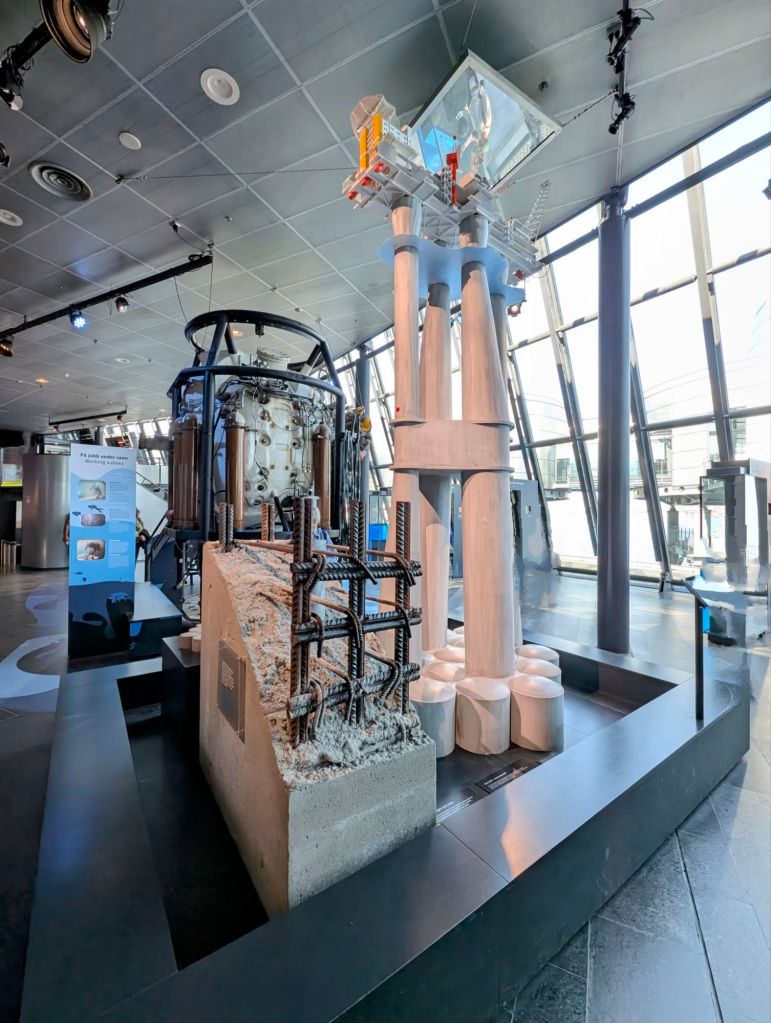
Since oil was discovered off Stavanger’s shore in 1969, the Norwegian petroleum industry has become the backbone of the national economy. The Norwegian Petroleum Museum tells the story of how Norway has used this “black gold” to stabilize the country’s economy for the benefit of its people now and into the future.
The Oil 10 Commandments, adopted by the Storting (Parliament) are prominently displayed. They later became known as “The Norwegian Model” and outline the values underpinning state control of oil operations. Key elements include state ownership of the resources and the principle that petroleum activities should benefit the whole country. A foundation is in place to ensure these commitments.


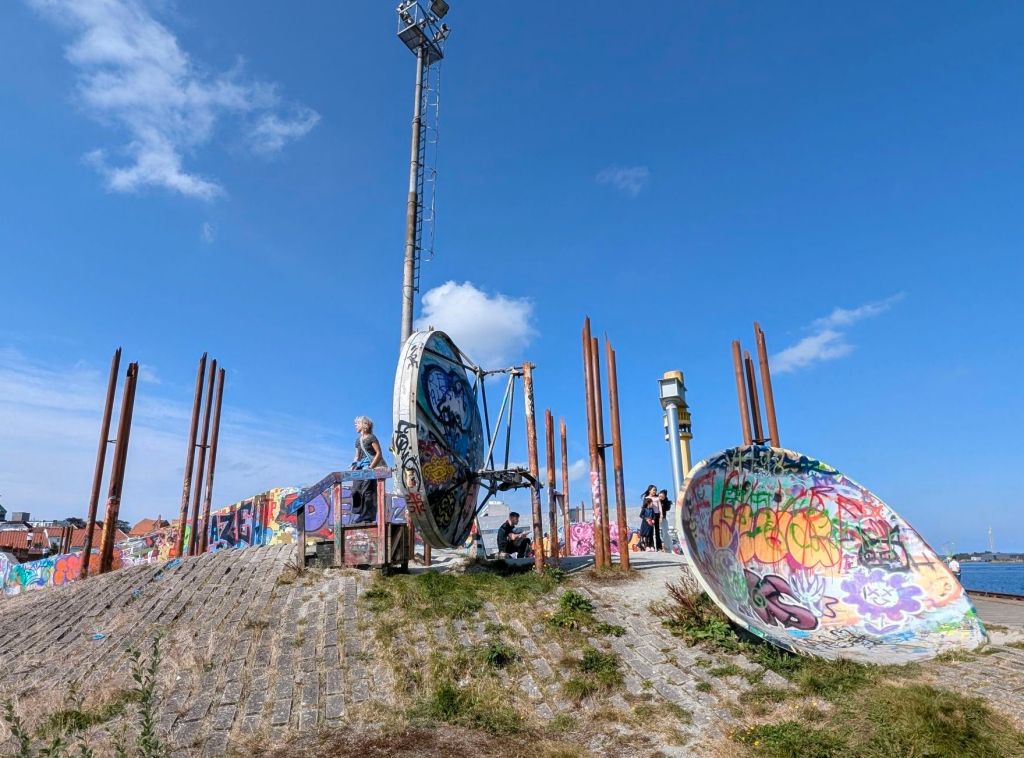
The green “oilcan” peeking out above the skyline is Valberget Utsiktspunkt. Originally used as a fire watch tower from which teams of 4-6 men worked 6 hour shifts, it now provides visitors with a 360° view of the town. The last watch was in 1922.

Stavanger is home to several museums, but other types of art can be found scattered throughout the very walkable city.
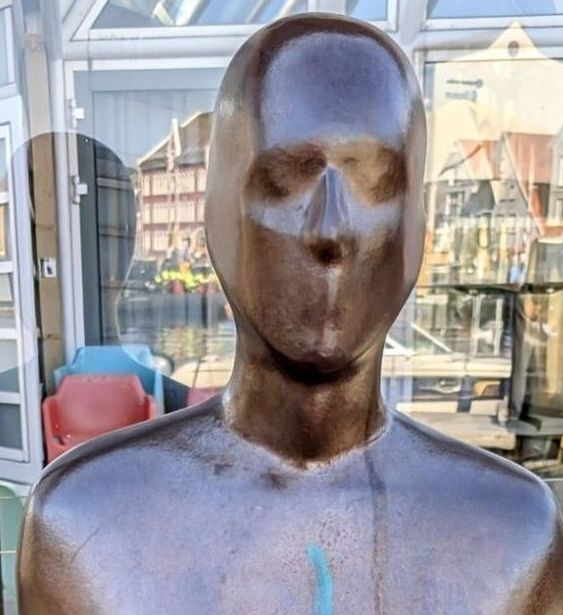
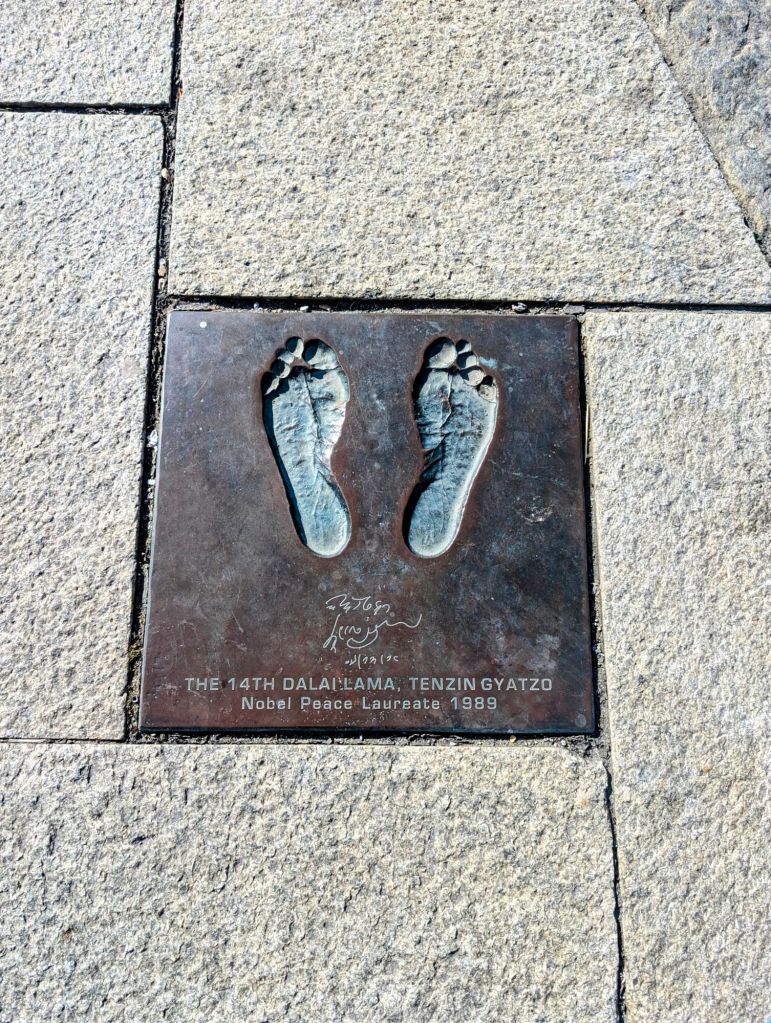
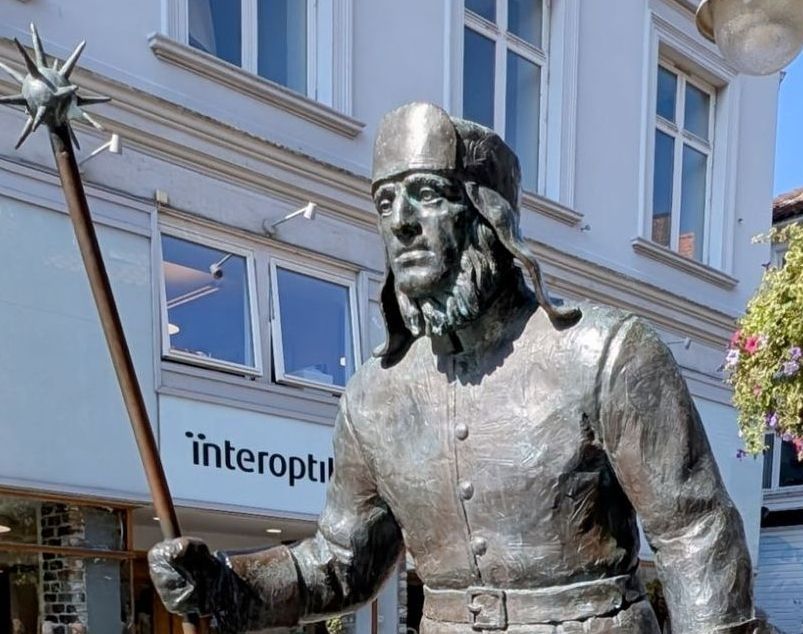
Metal statues range from historic to whimsical. Of particular note is Anton Gormley’s installation of 23 cast iron figures that reflect a stylized image of the artist himself. The first image is one of his “Broken Columns.” Nobel Prize Winners such as the Dalai Lama are invited to add their feet and signatures to the sidewalk.




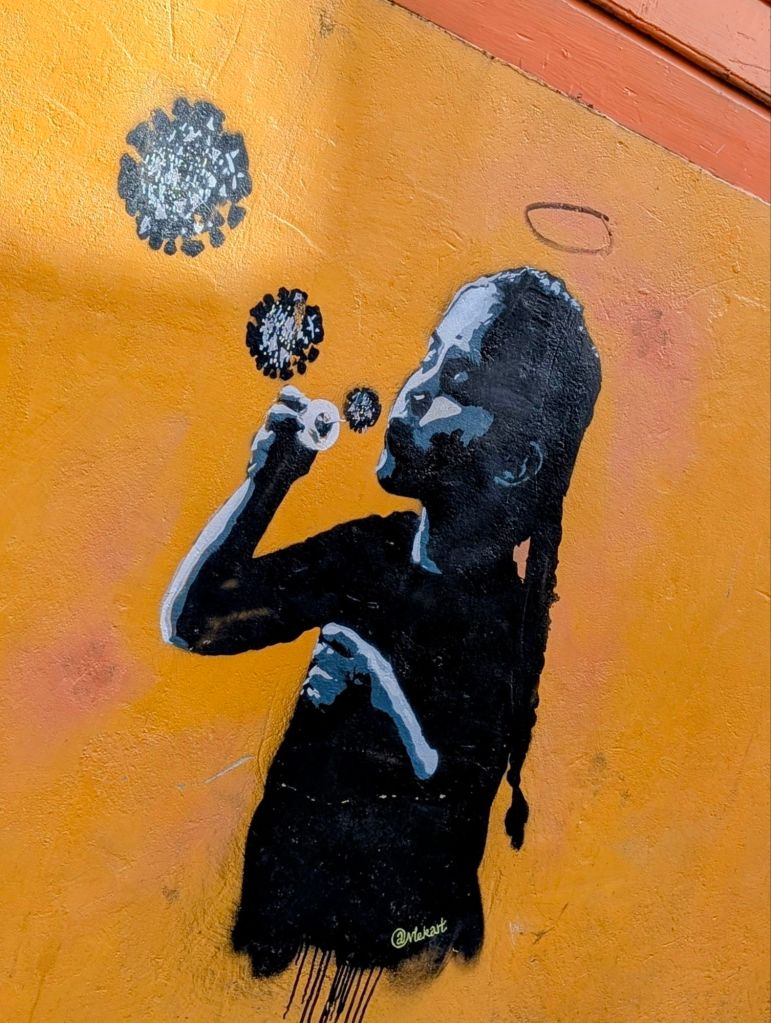
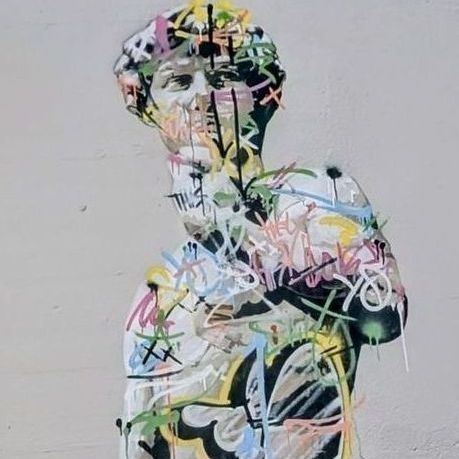
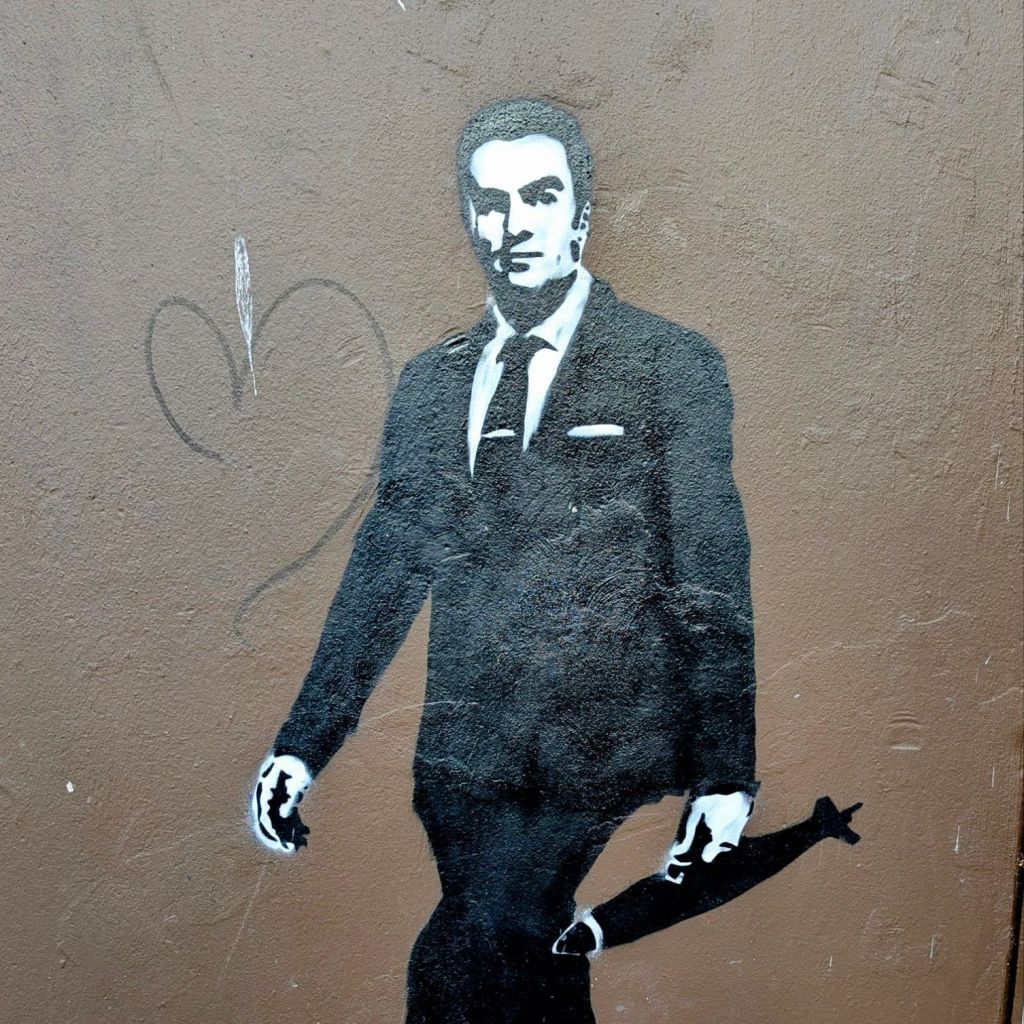
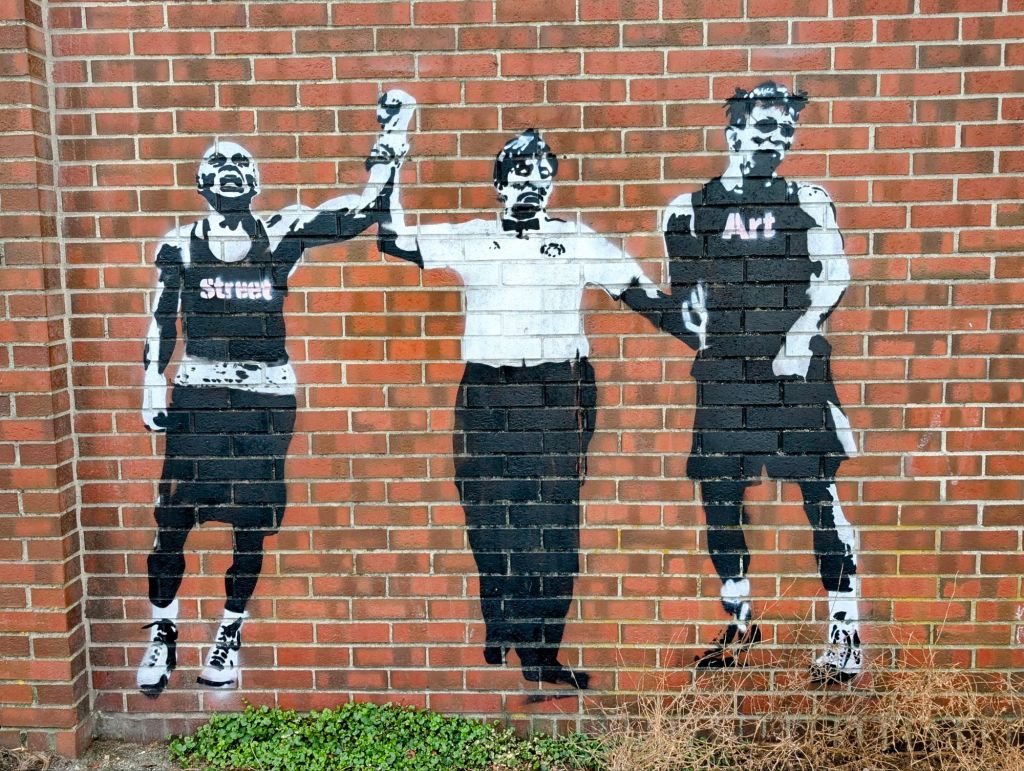
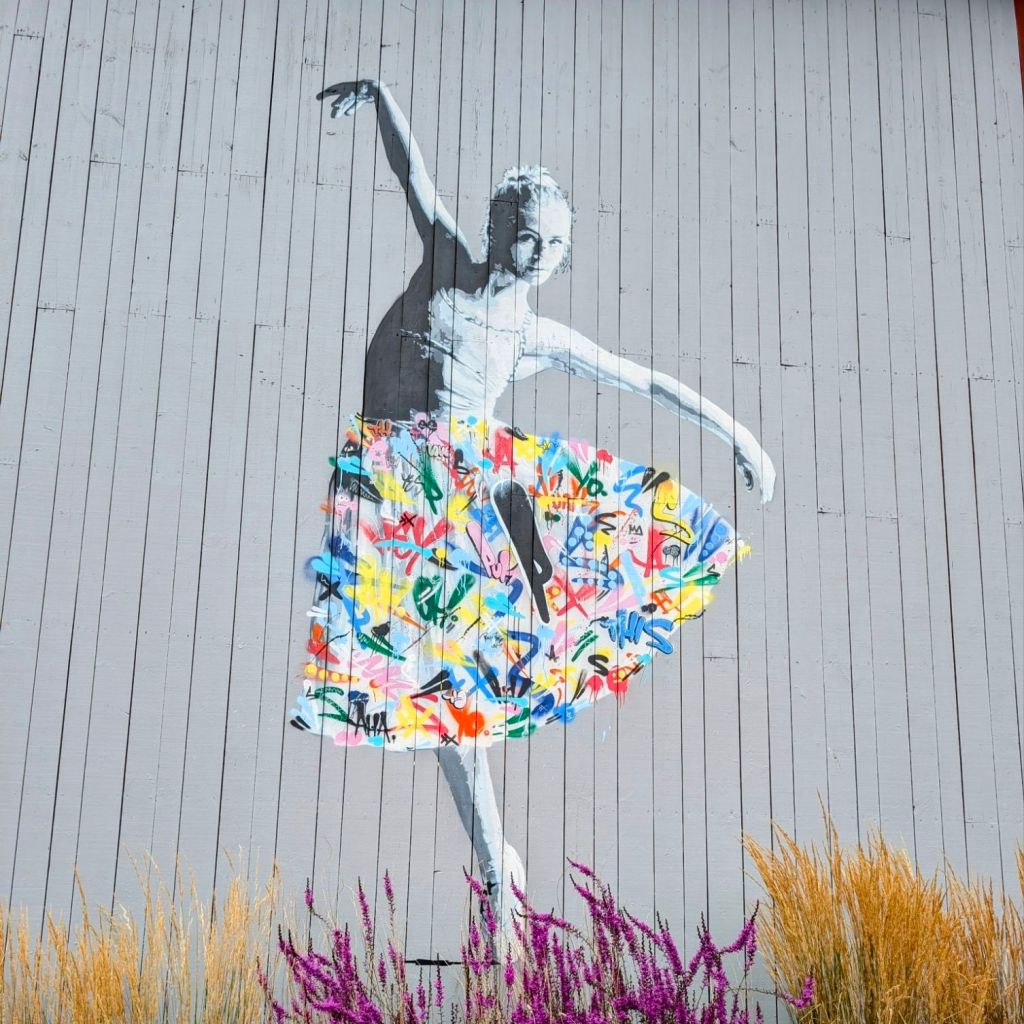
Another ubiquitous form of public art in Stavanger is graffiti.





In celebration of Stavanger’s 900th year, “Lamassu of Nineveh” (Tne Invisible Enemy Should Not Exist) by Iraqui-American artist Michael Rakowitz sits in front of the cathedral. A recreation of an ancient Assyrian protective deity destroyed by ISIS in 2015 and constructed from 10,000 recycled date syrup cans, it is a commentary on the destruction of culture caused by war and imperialism.

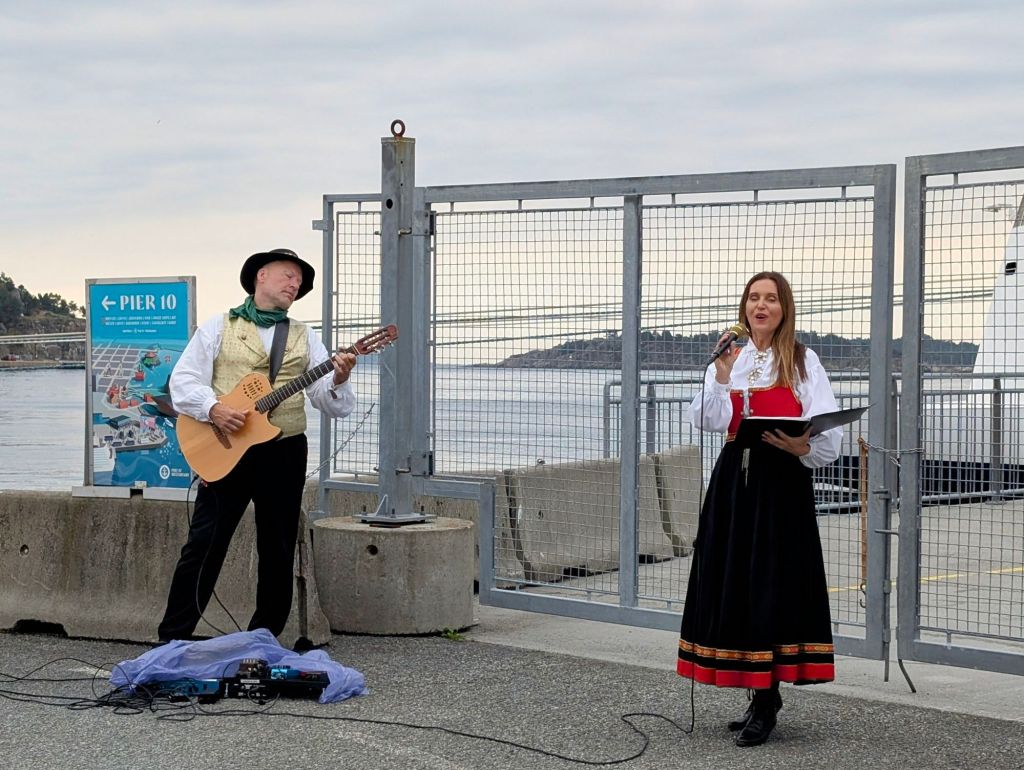
Upon our arrival in the charming southern town of Kristiansand, we were welcomed by the sweet sound of a Norwegian folk song performed by musicians wearing traditional attire.
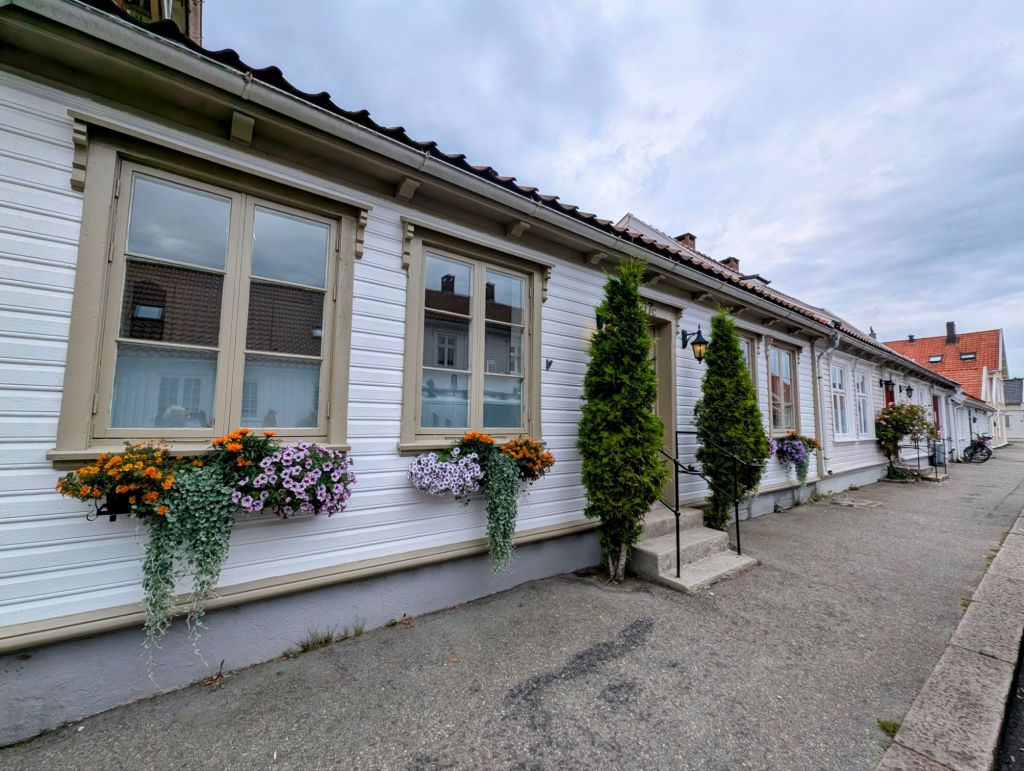
The Old Town, Posebyen, features more of the traditional white houses we’ve been seeing around Norway, but Kristiansand boasts more attached townhouses than anywhere else in Europe. There is also a Methodist Church sitting among the historic homes.



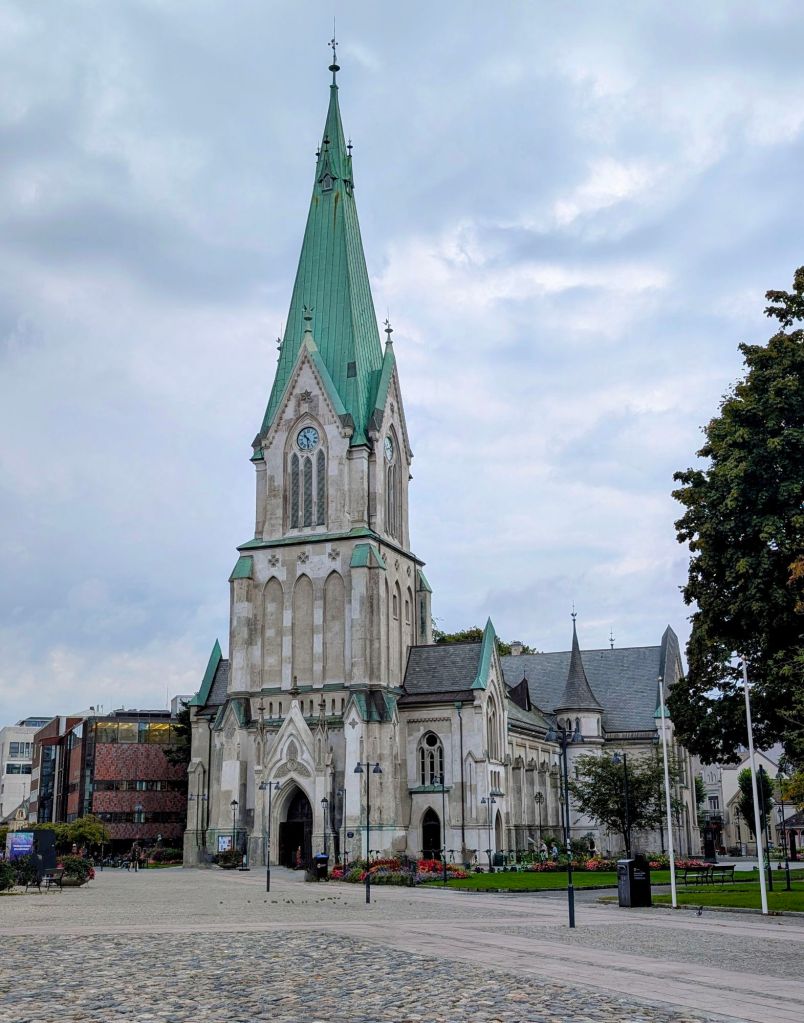
The Neo-Gothic Cathedral, built in 1885, has a commanding presence in the center of town. There we were treated to an enchanting orange recital and prayers for peace.

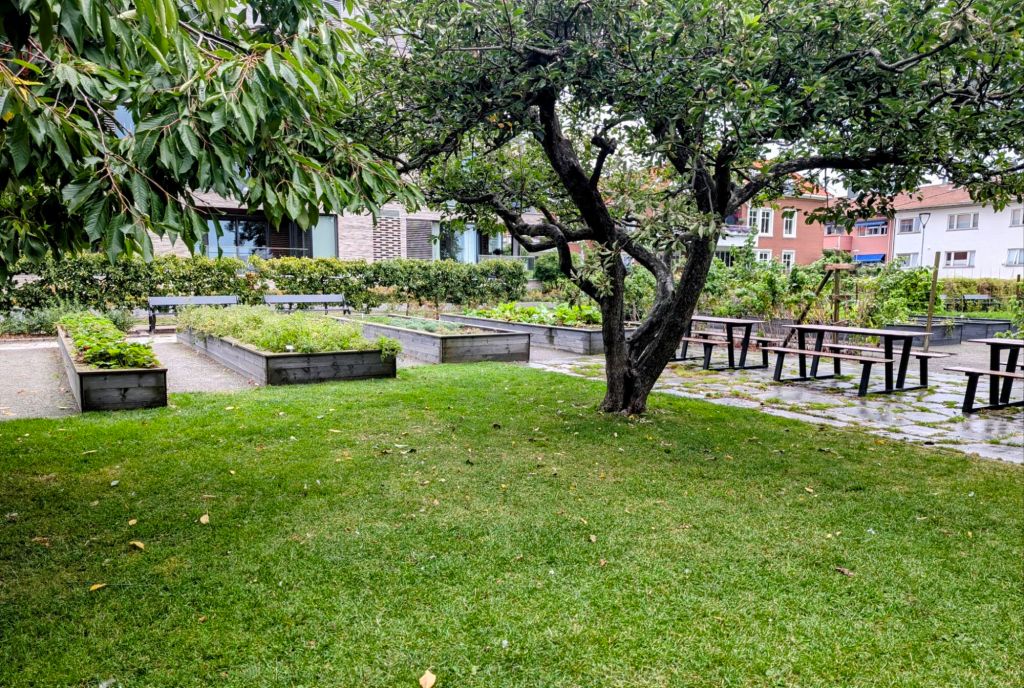
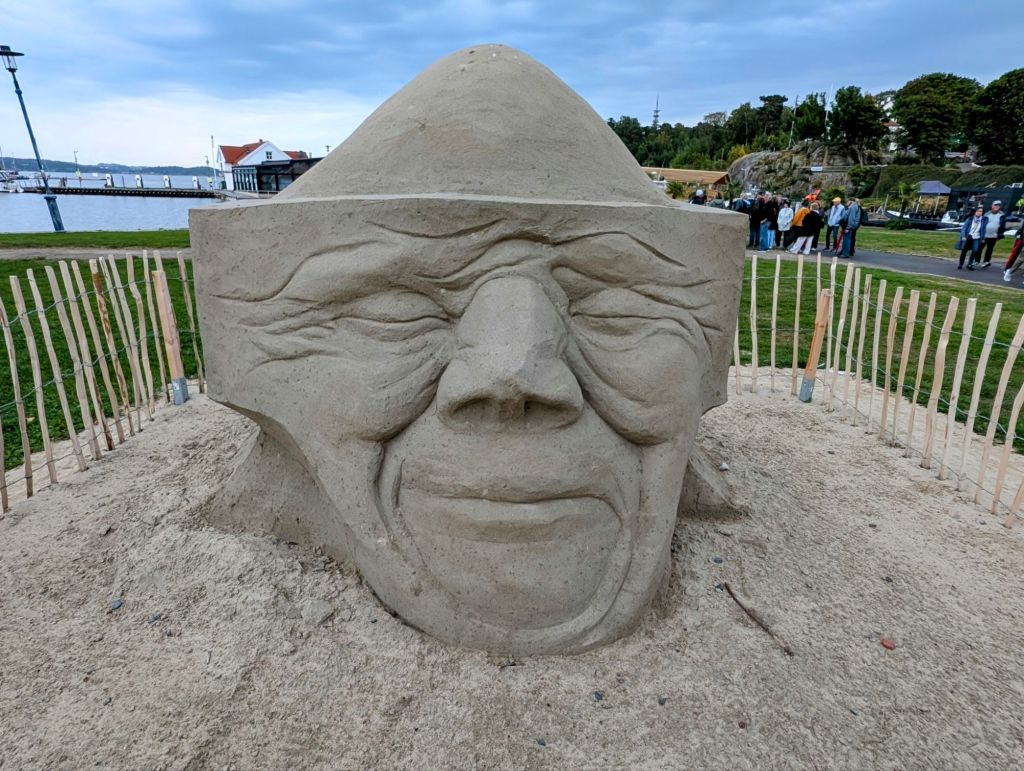
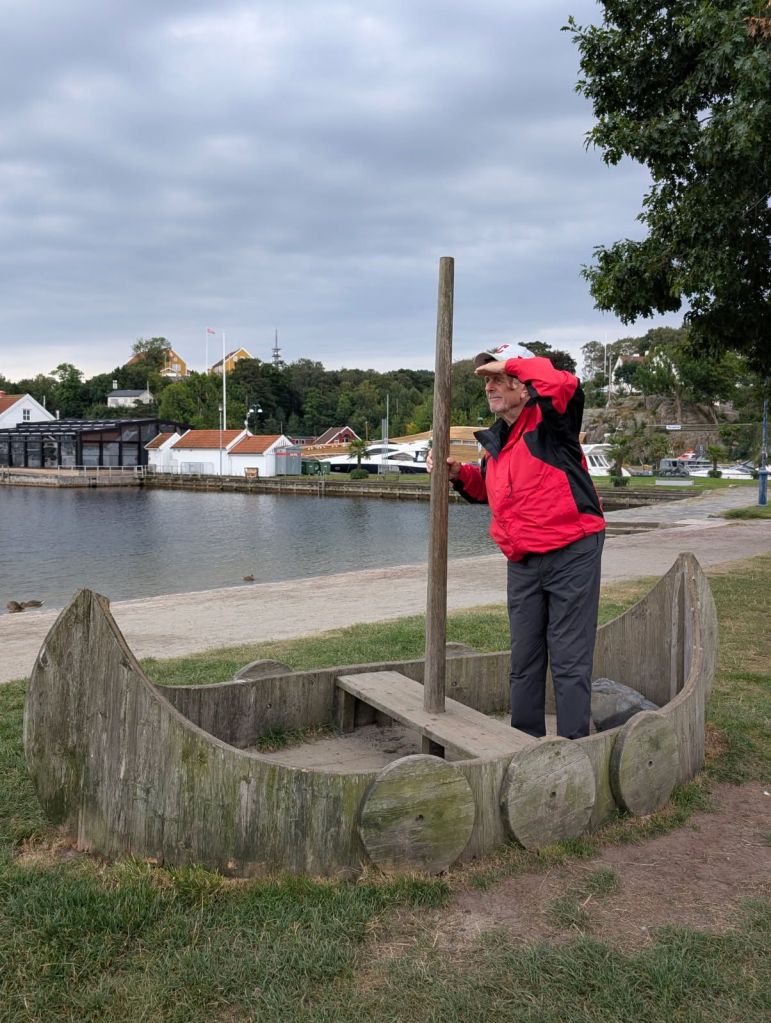
There is even a nature park, community garden for people living in apartments, and a beach in the city center. Every year artists compete for the best sand sculpture.

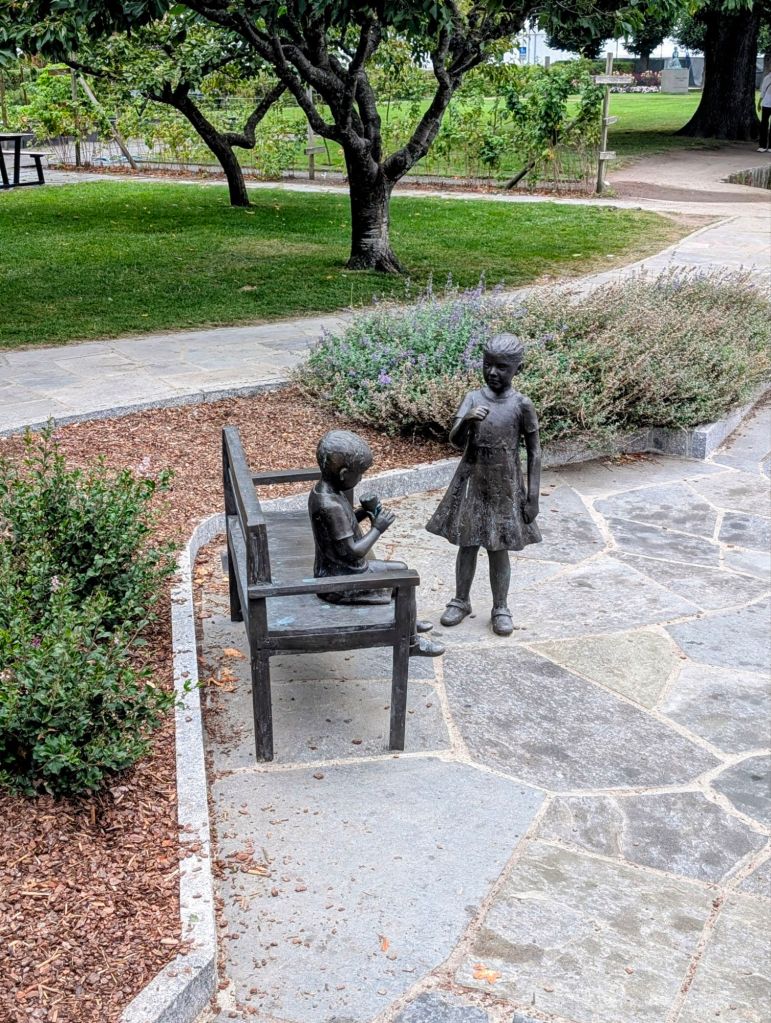
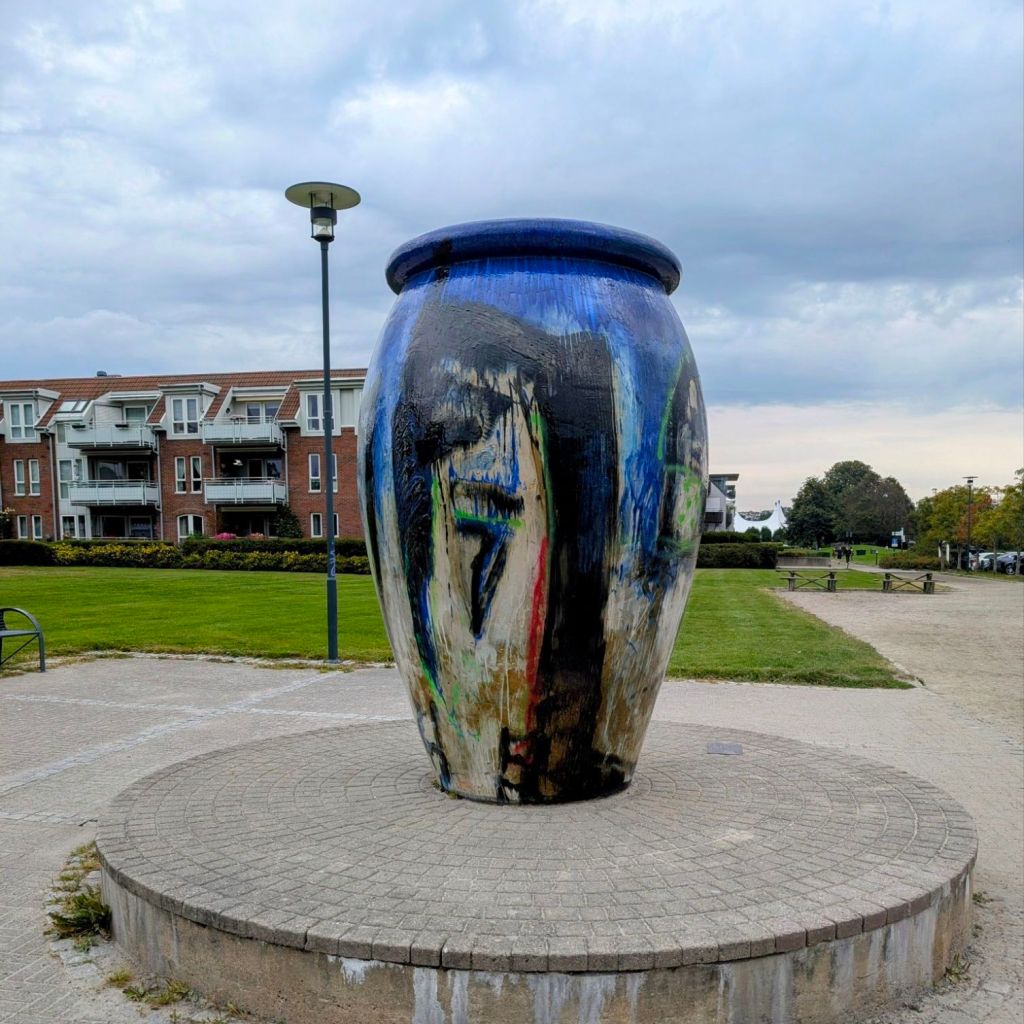
As in most of the other Norwegian port towns we’ve visited, public art abounds. Here are a few favorites:



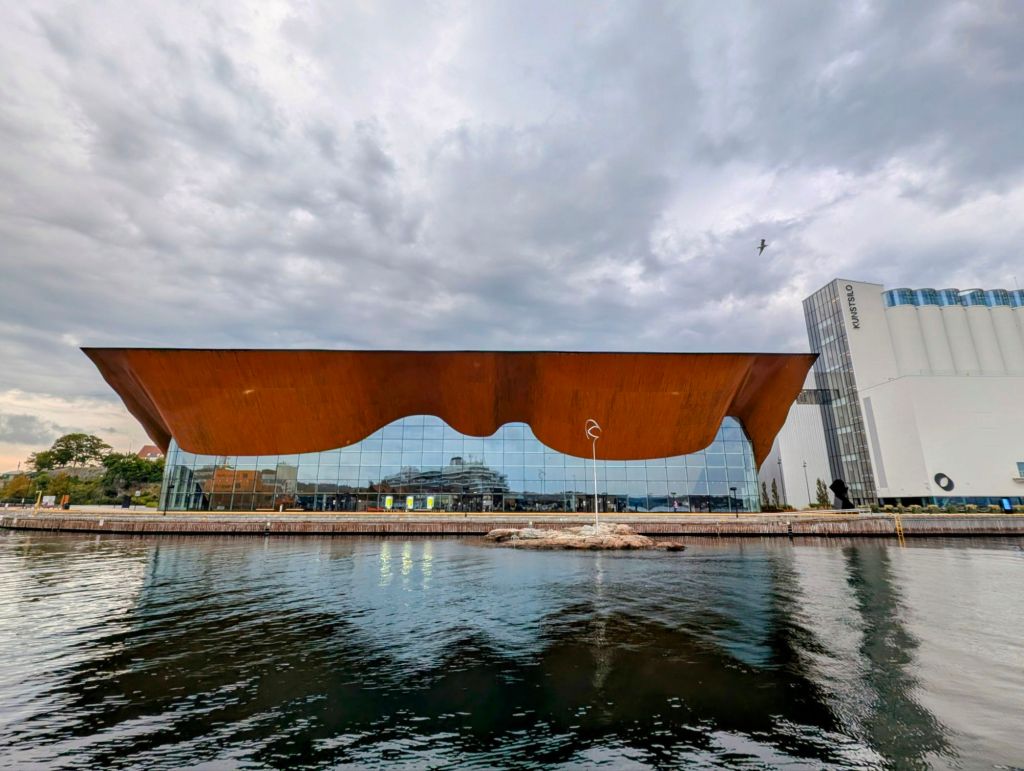
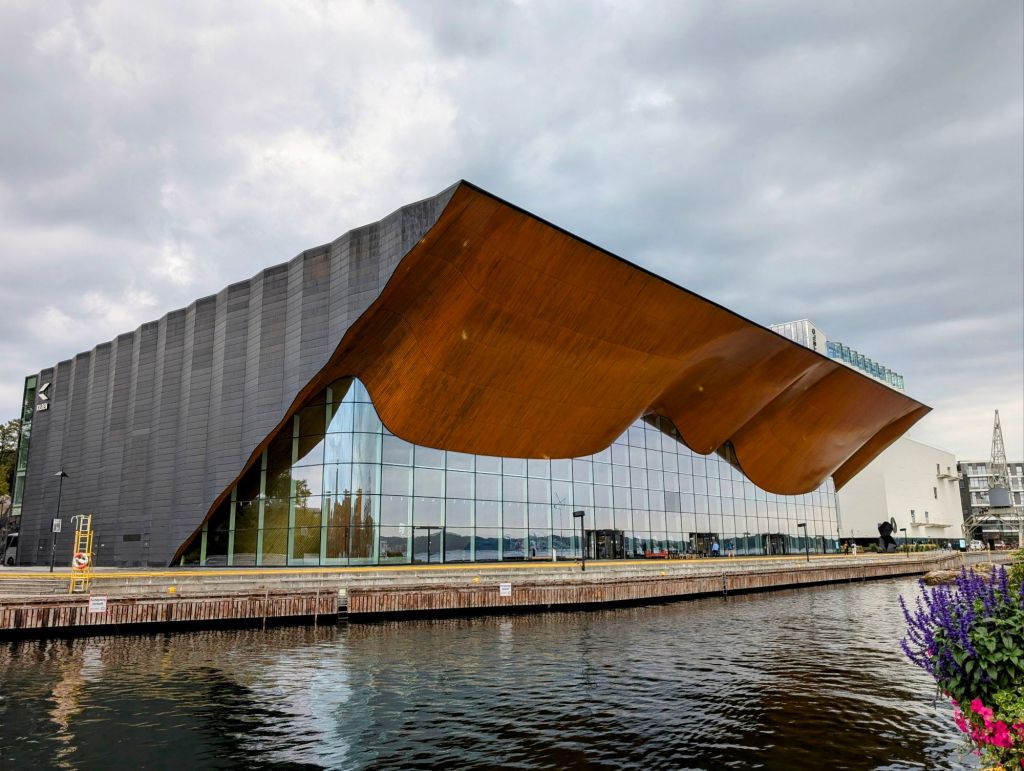
The Kilden Performing Arts Center has become a landmark with its waving roofline and bold design.
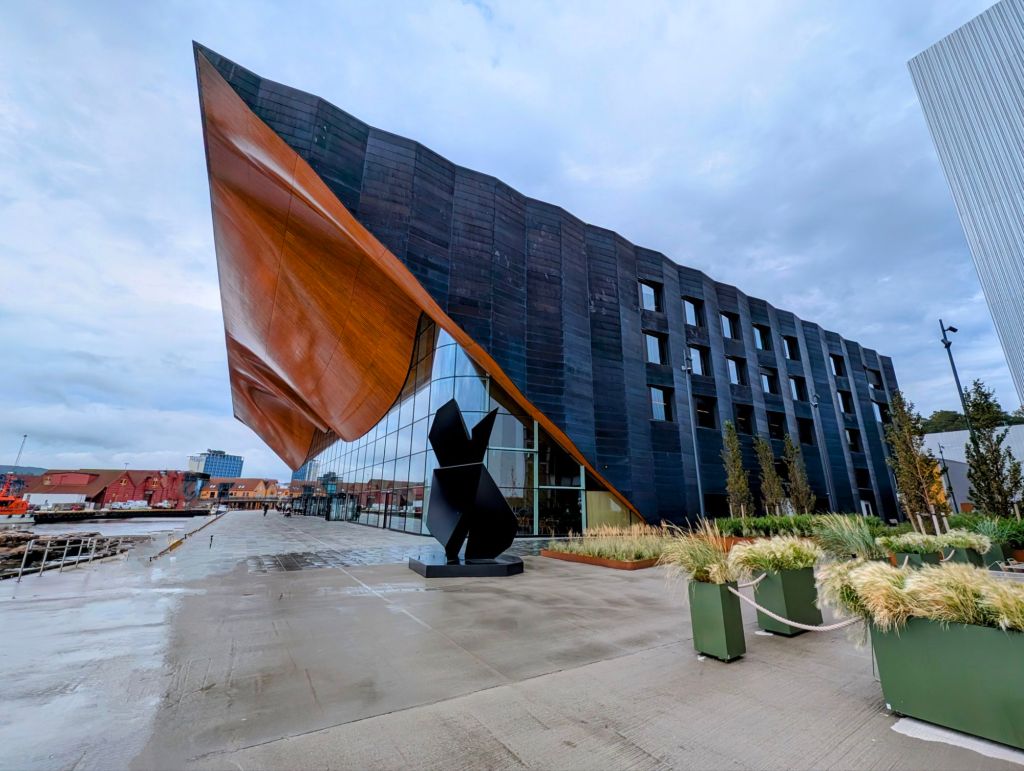
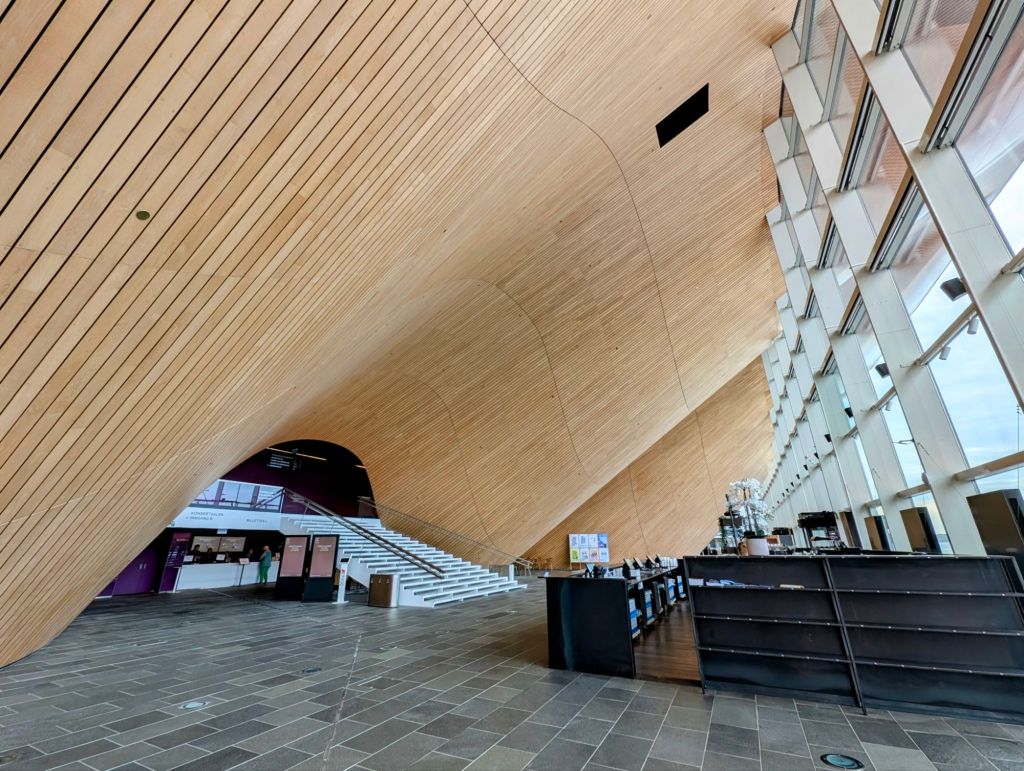
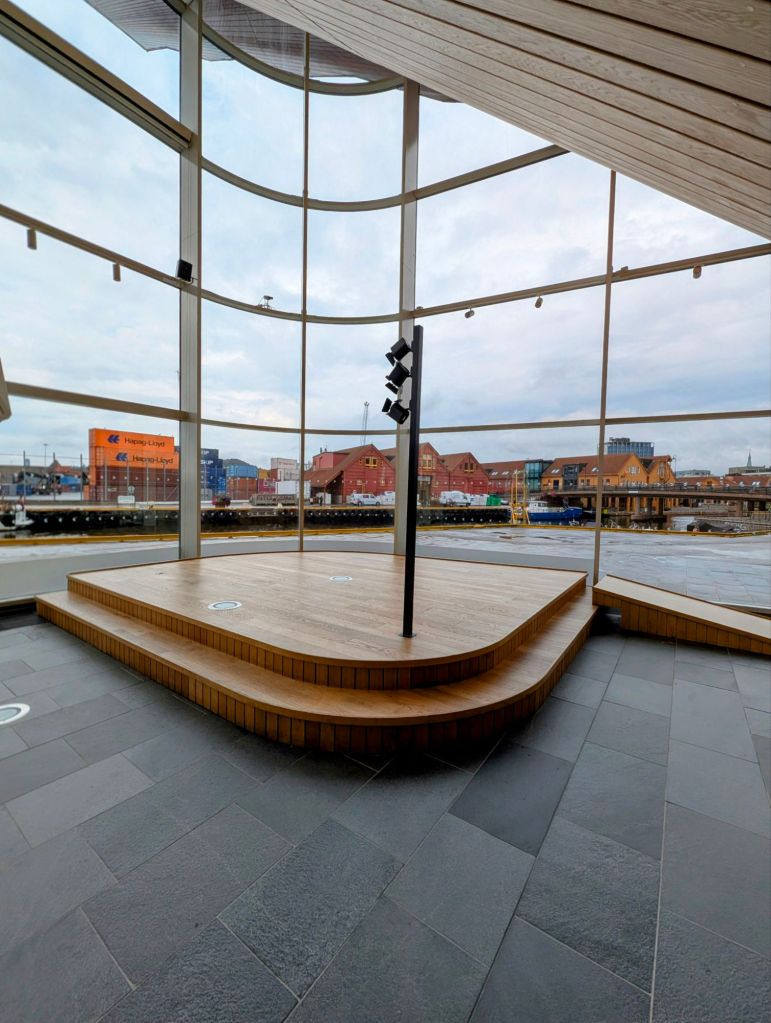

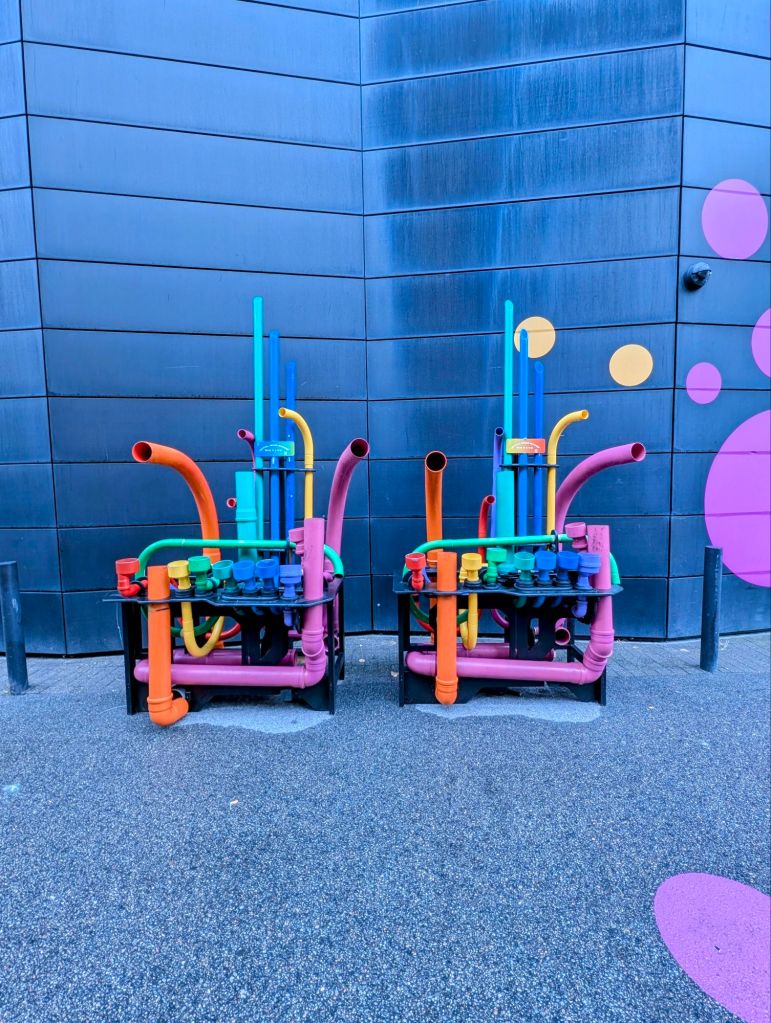
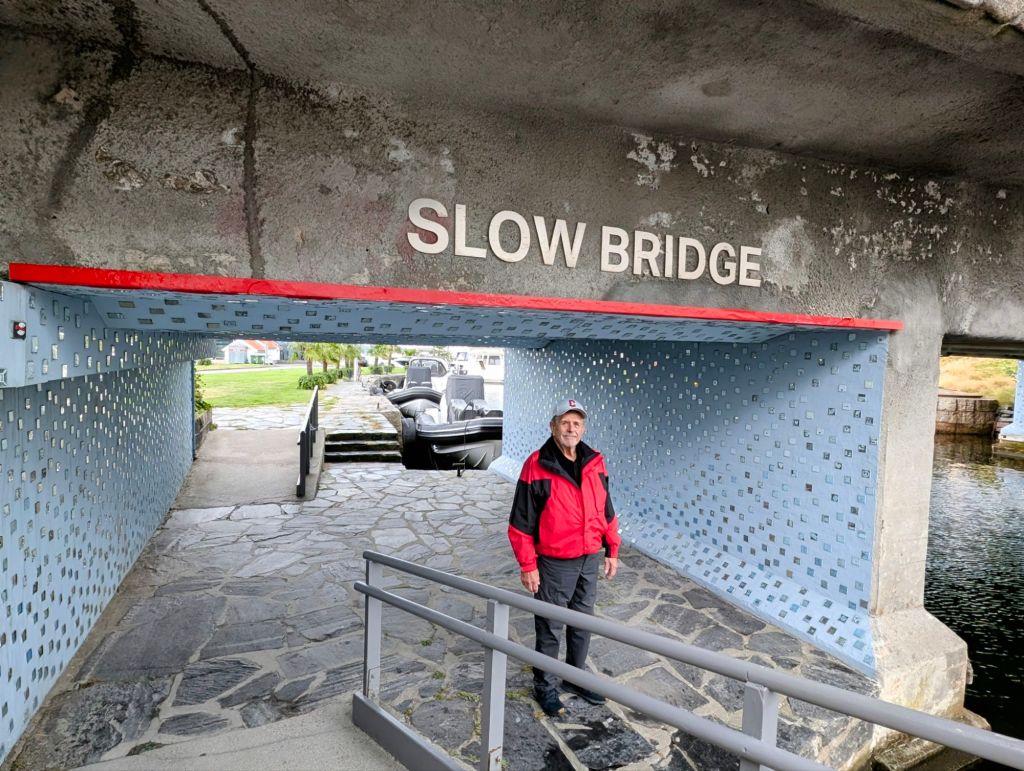
The Slow Bridge stands as a reminder to slow down and appreciate what’s truly important. The underside is decorated with mirror tiles that were decorated by school children to reflect their ideas on the slow theme.

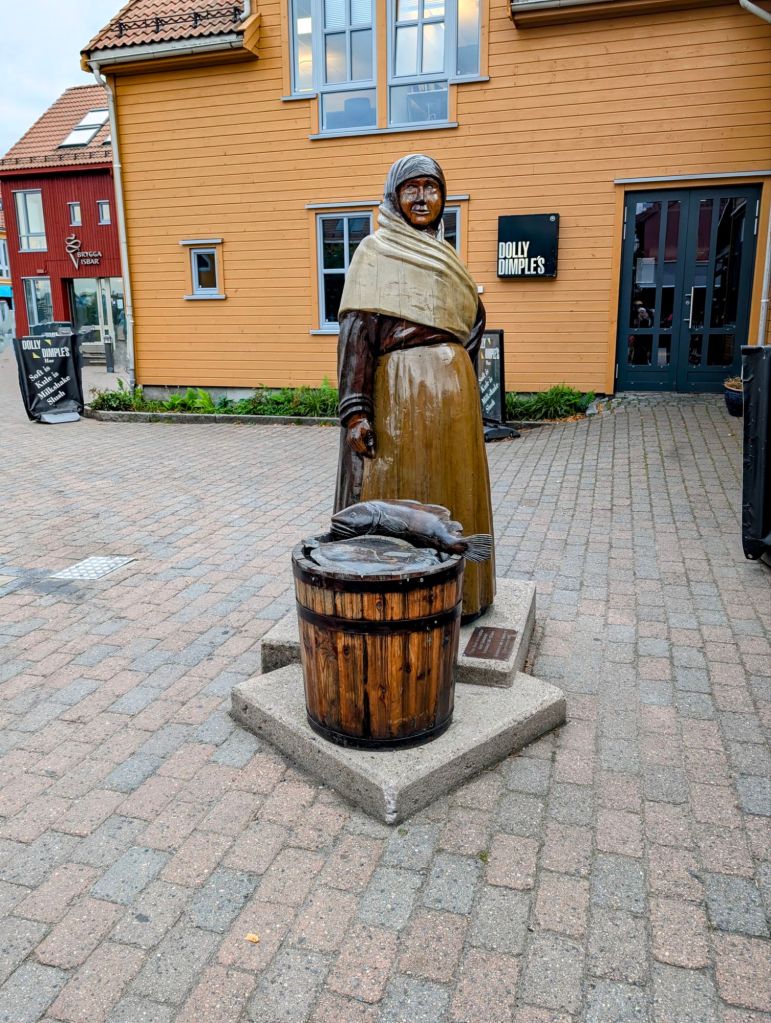
The fish market is much smaller and more modern than others we have seen, but a statue in front of it pays tribute to the women who worked in the fishing industry.

Kristiansand remembers other notable historic figures with monuments throughout town.


We ended our 15 days in Norway with a visit to Oslo. The sail-in though the Oslo Fjord was beautiful…

…but the vibrant, bustling city awaiting us at the end was magnificent! We literally could have spent a very busy week in Oslo, but with only one day, we’ll simply share some highlights.
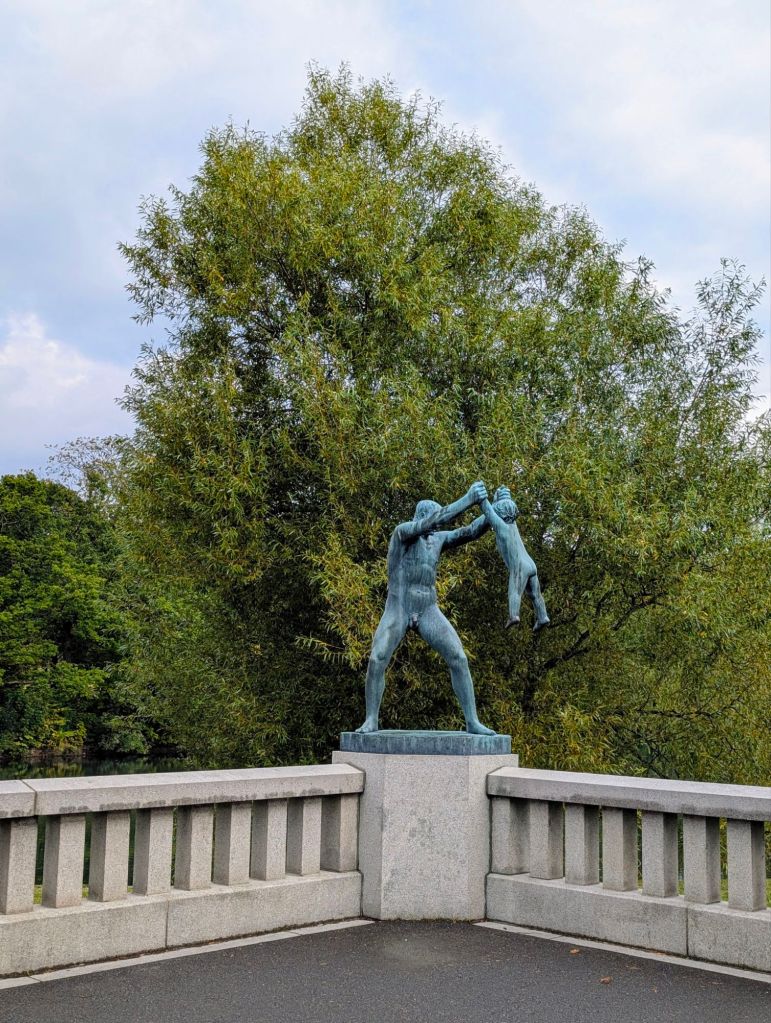
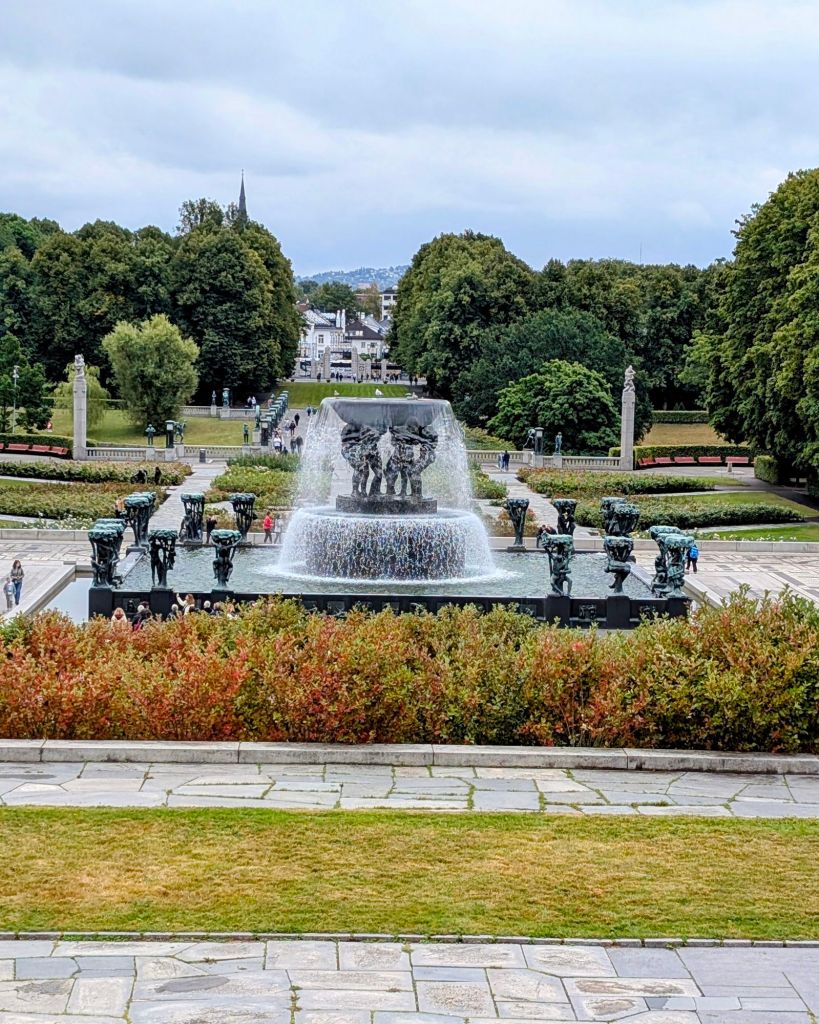
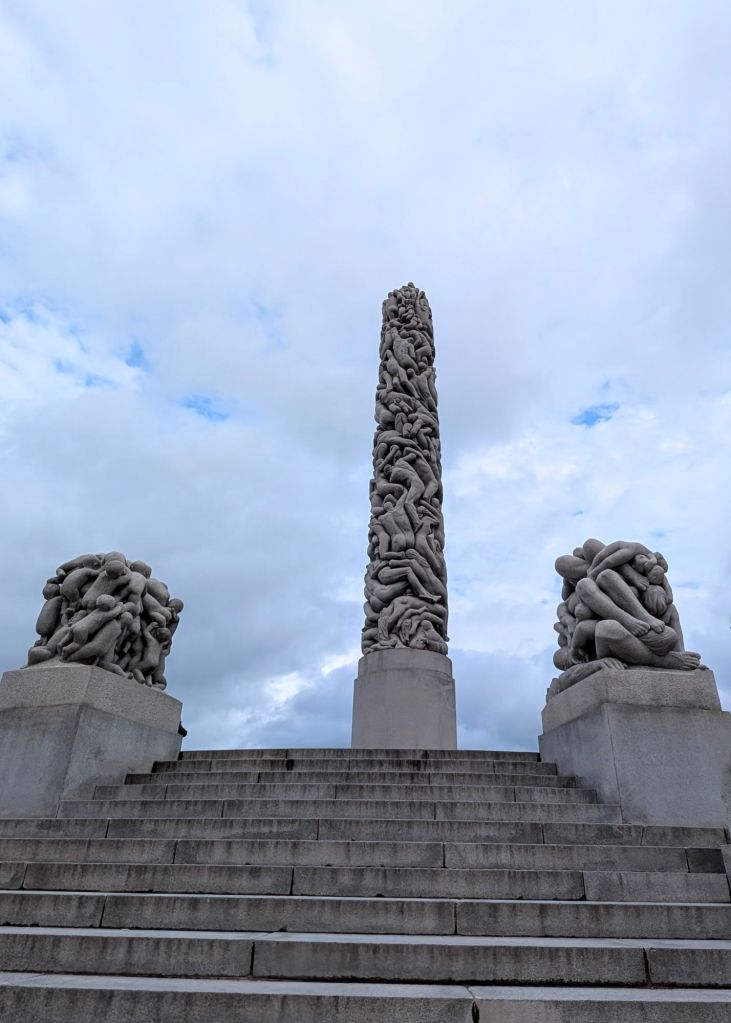
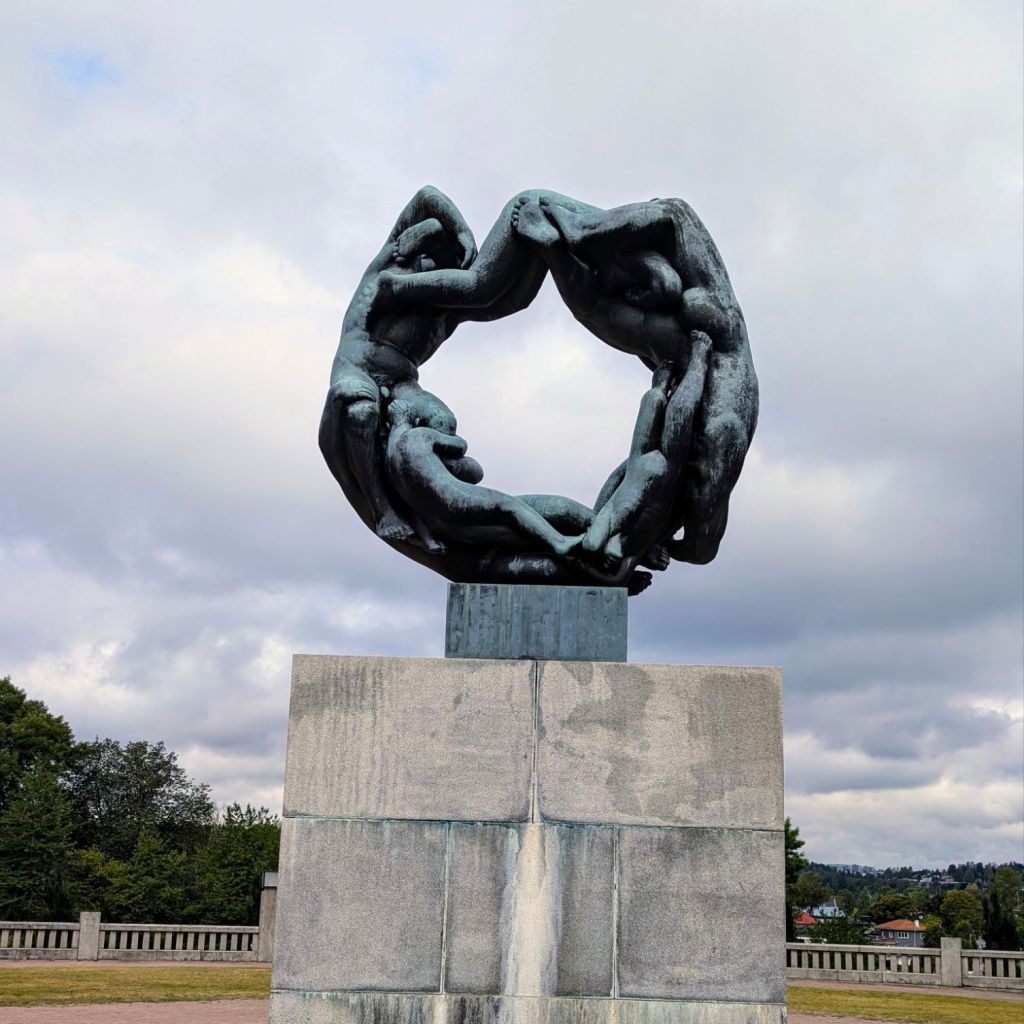
We started our day with a visit to Vigeland Sculpture Park, a magnificent open air sculpture park showcasing the life’s work of Gustov Vigeland in bronze and granite.




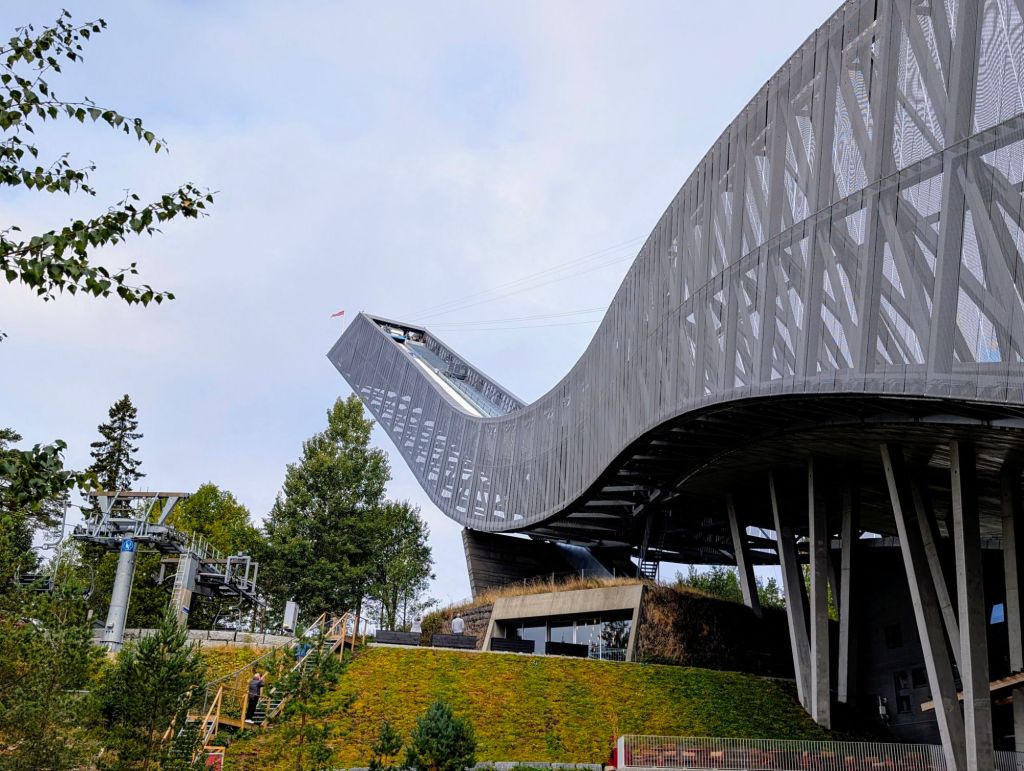
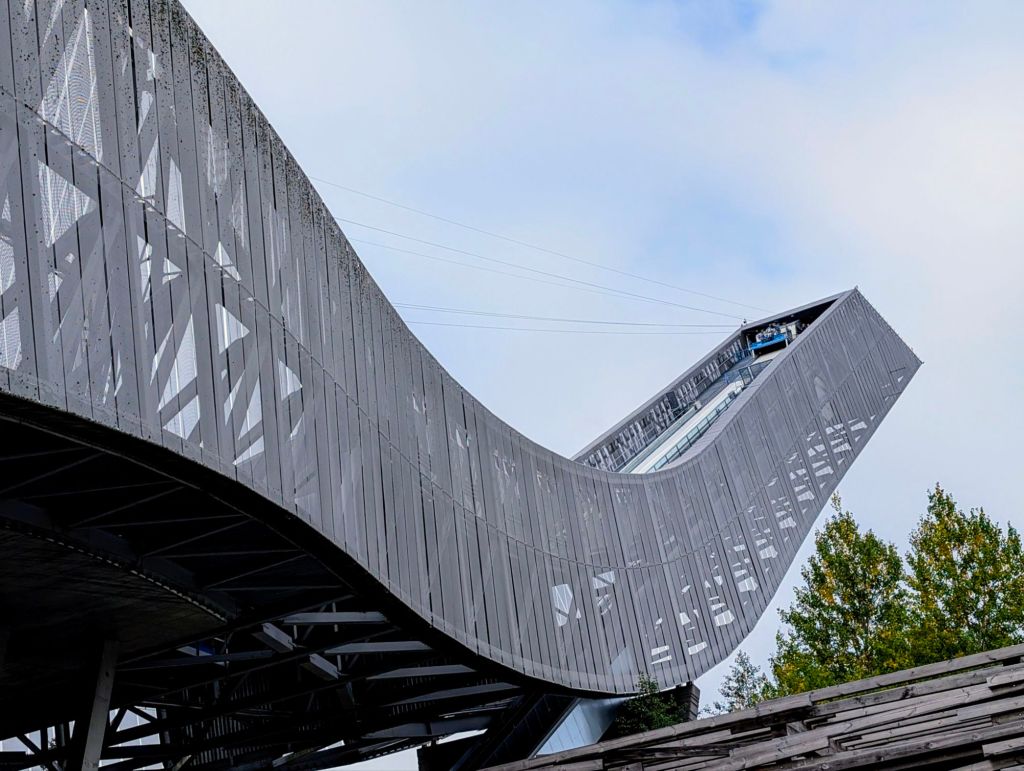
Skiing evolved in Norway from a necessary means of transportation to a beloved sport. Doug has been an enthusiastic skier most of his adult life, so we visited the iconic ski jump Holmenkollbakken. The statue of the dog is in honor of the tradition of Bikkjka Bakken (dog on the hill) who would entertain spectators by running down the hill between skiing competitions. The Olympic rings are in honor of the 1952 Oslo Winter Olympics.


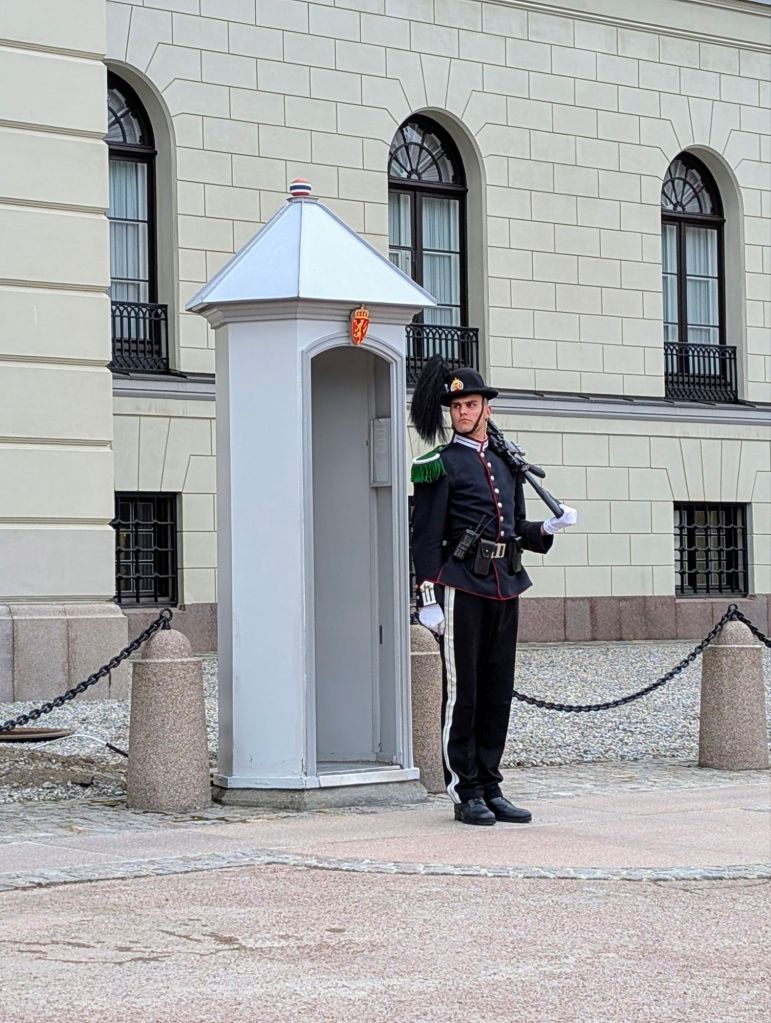
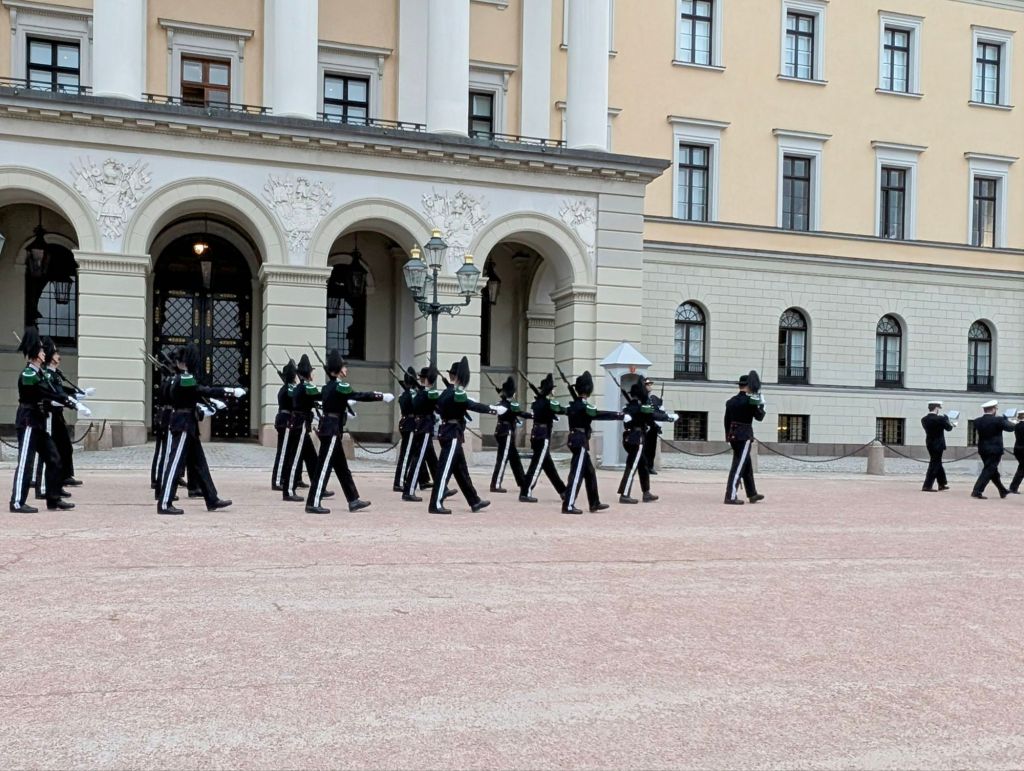
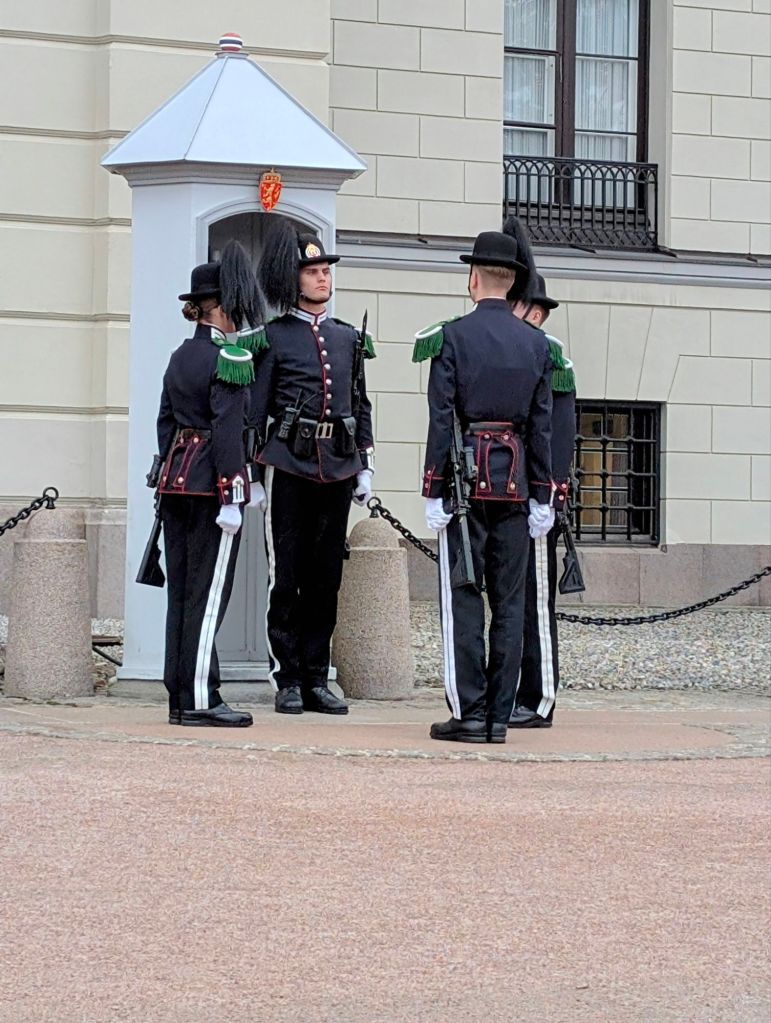
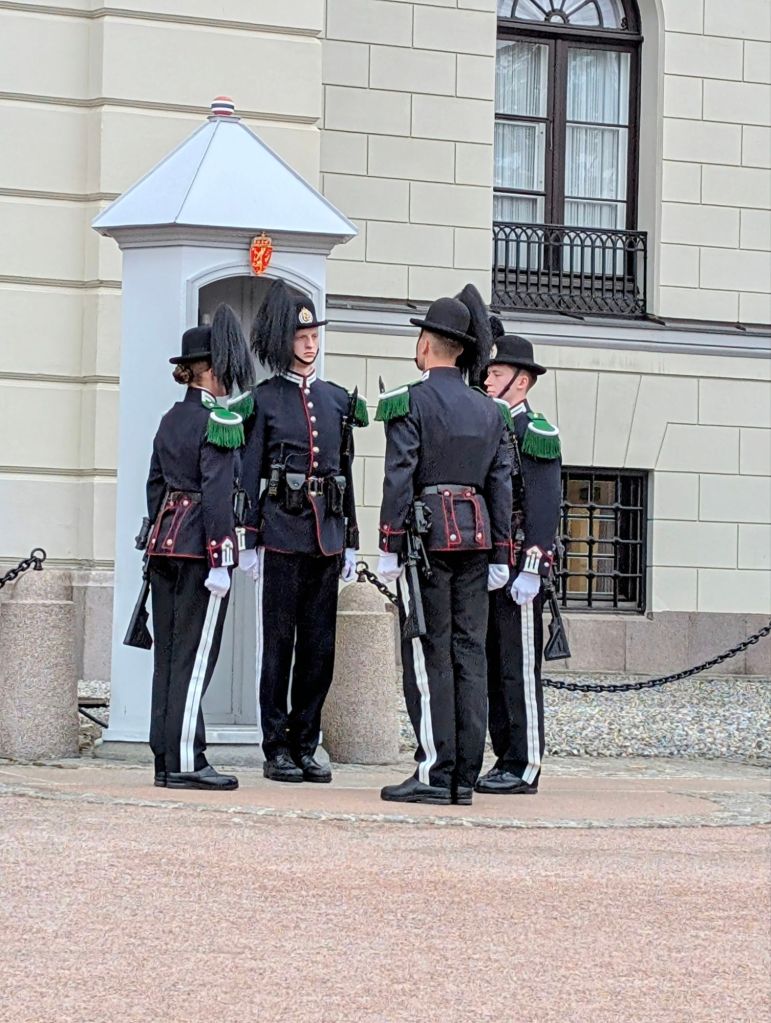
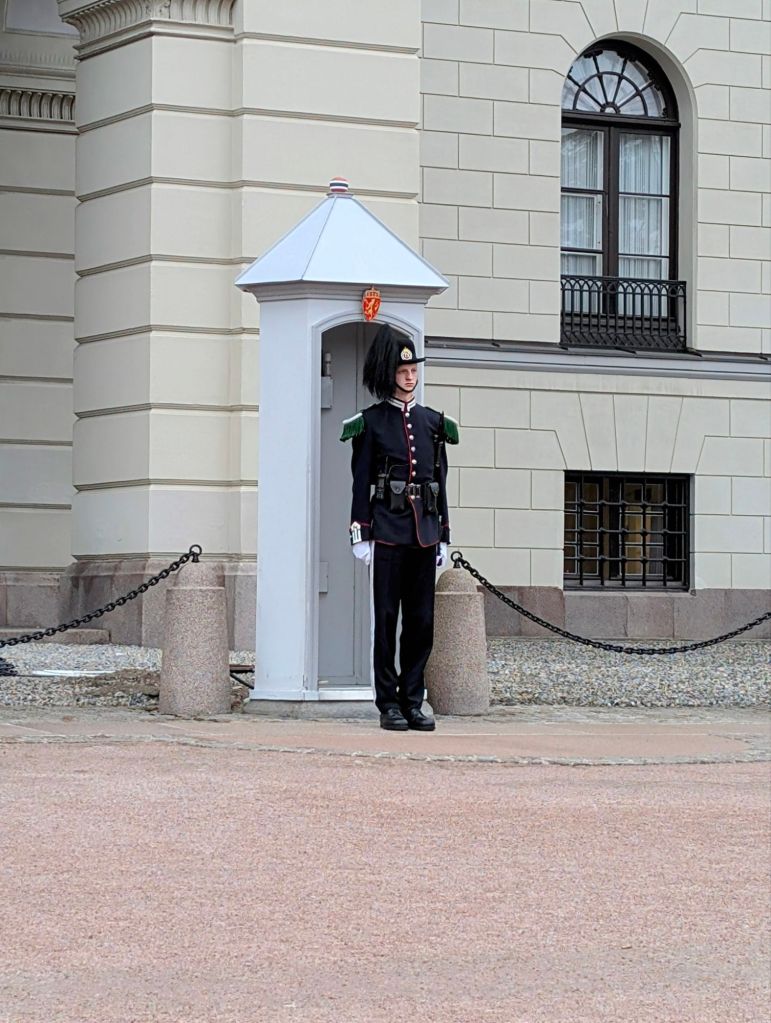
The changing of the guard at the Royal Palace is an impressive tradition that includes a parade complete with a band and marching units. Crowds gather daily at 1:30 pm for this 40 minute celebration.



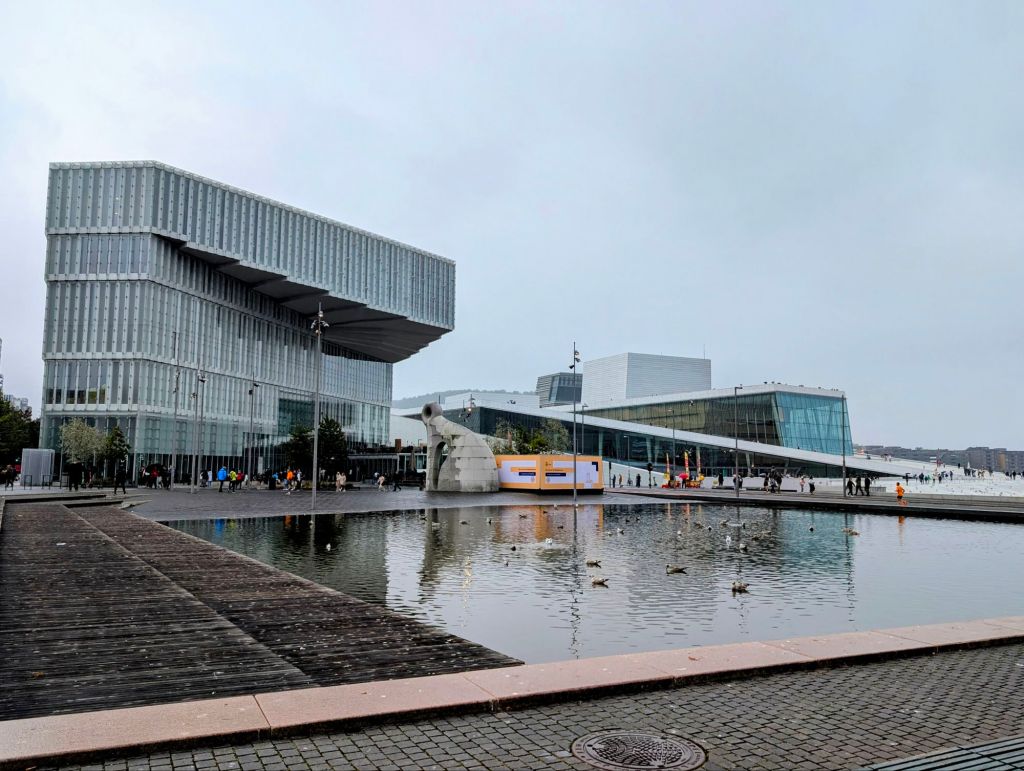
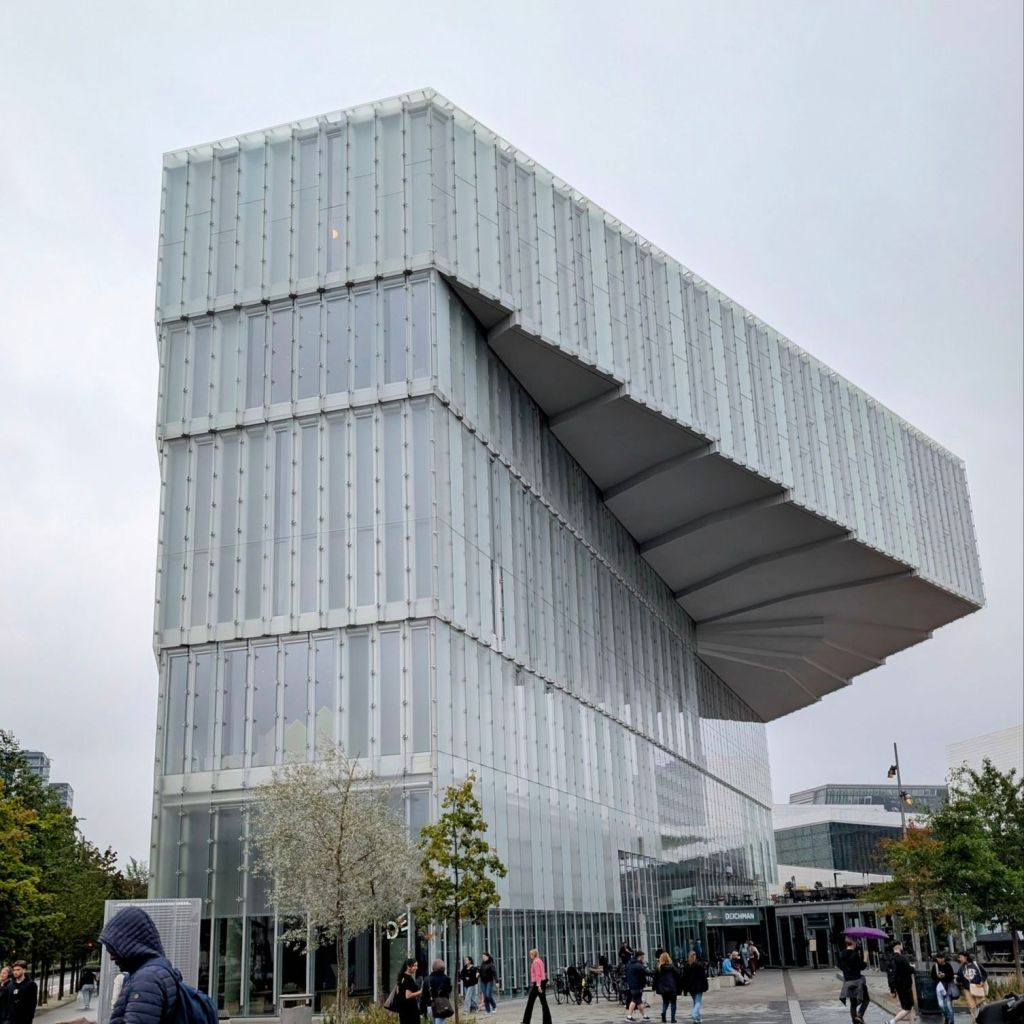
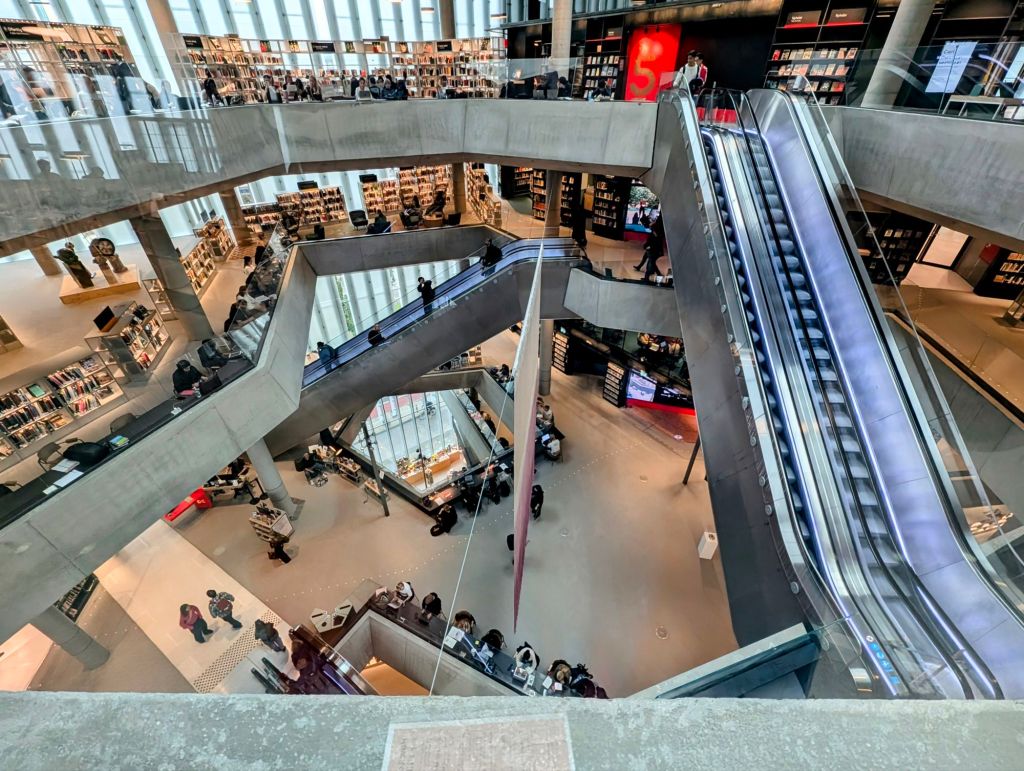
The Deichman Bjorvika Public Library boasts hundreds of events and experiences throughout the year. A contemporary reflection of the library’s 200-year legacy, it aims to chart a course for what a library can be. All five floors were filled with people! They were reading, eating, studying, gathering in large and small groups, or just hanging out. Of particular interest were gaming spaces and movie theaters as well as a sound studio. The makerspace has sewing machines, a photo/VHS digitizing station, 3D printers, vinyl cutter, graphics stations and an embroidery machine. And little people were busily engaged in the children’s section. Clearly, this library has something for everyone!

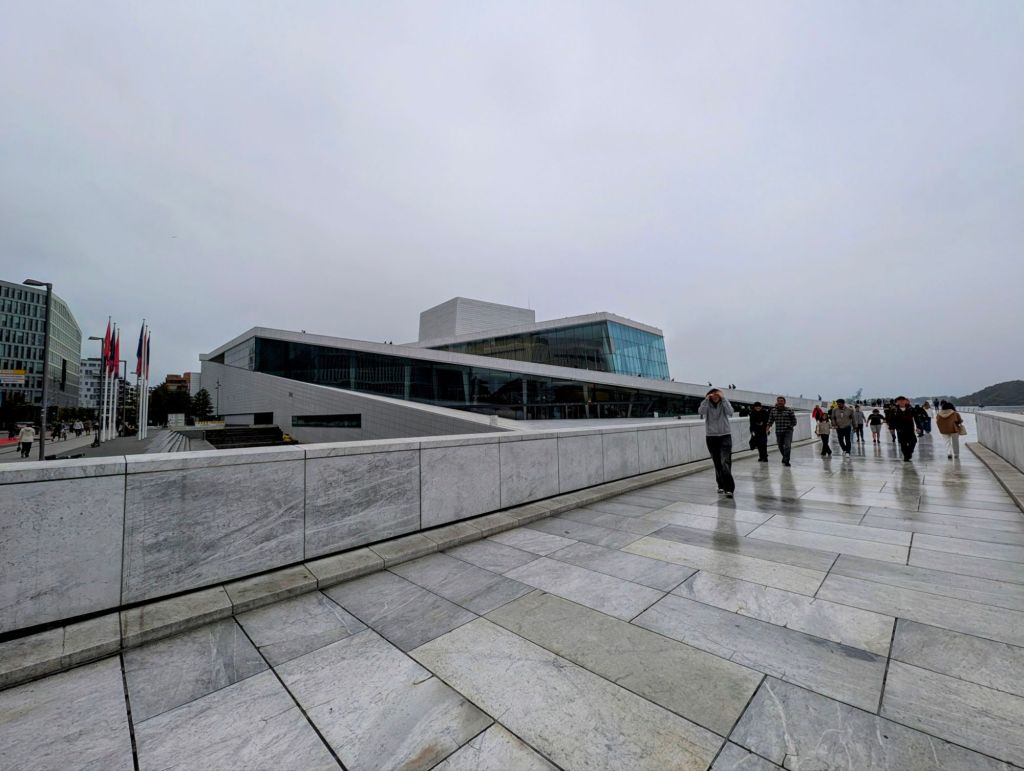
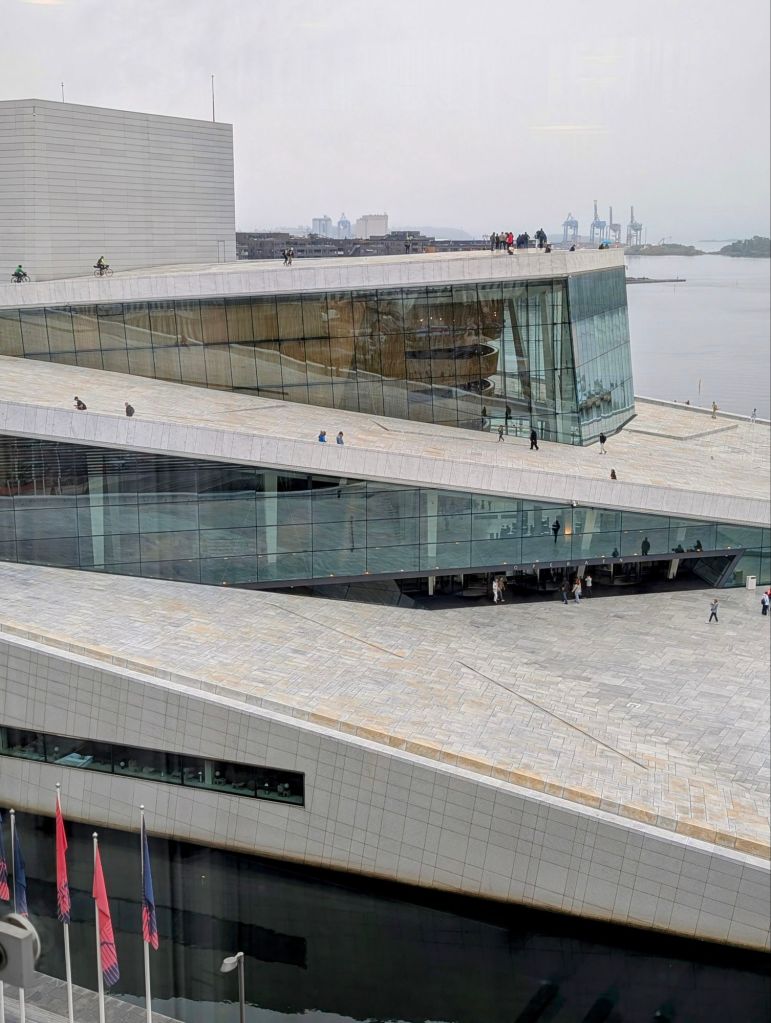
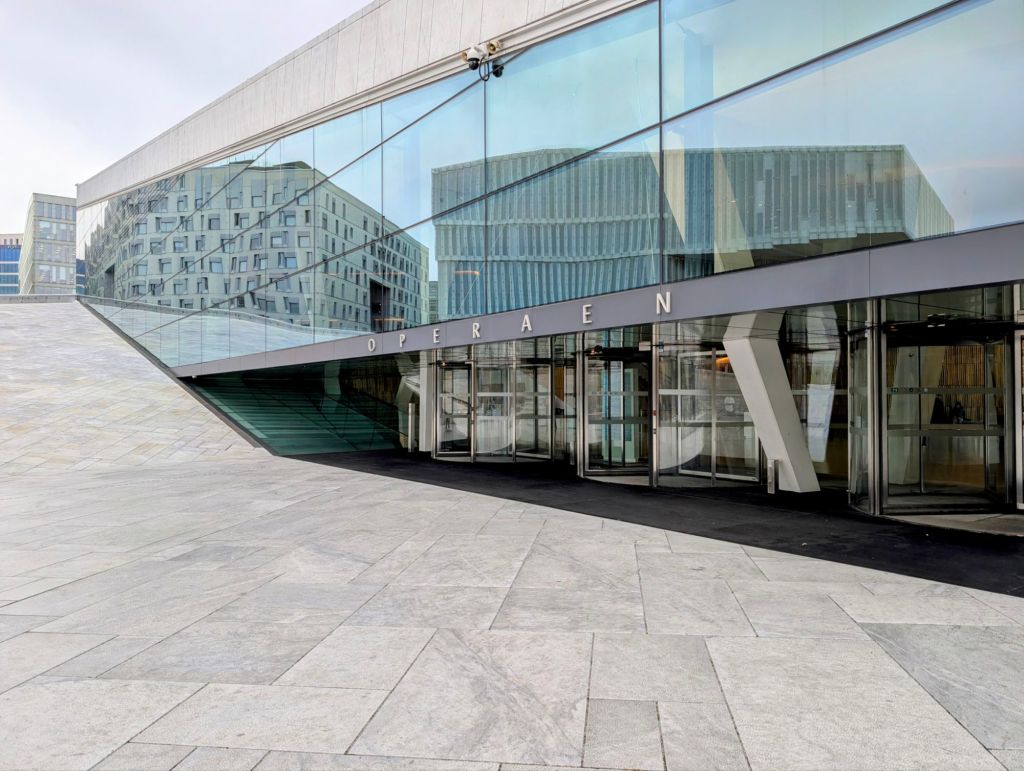
Another Oslo architectural masterpiece is the Opera House. Built in 2008, it sits at the edge of the fjord welcoming visitors to climb to the rooftop. Its white granite slopes are reminiscent of the majestic mountains of Norway.



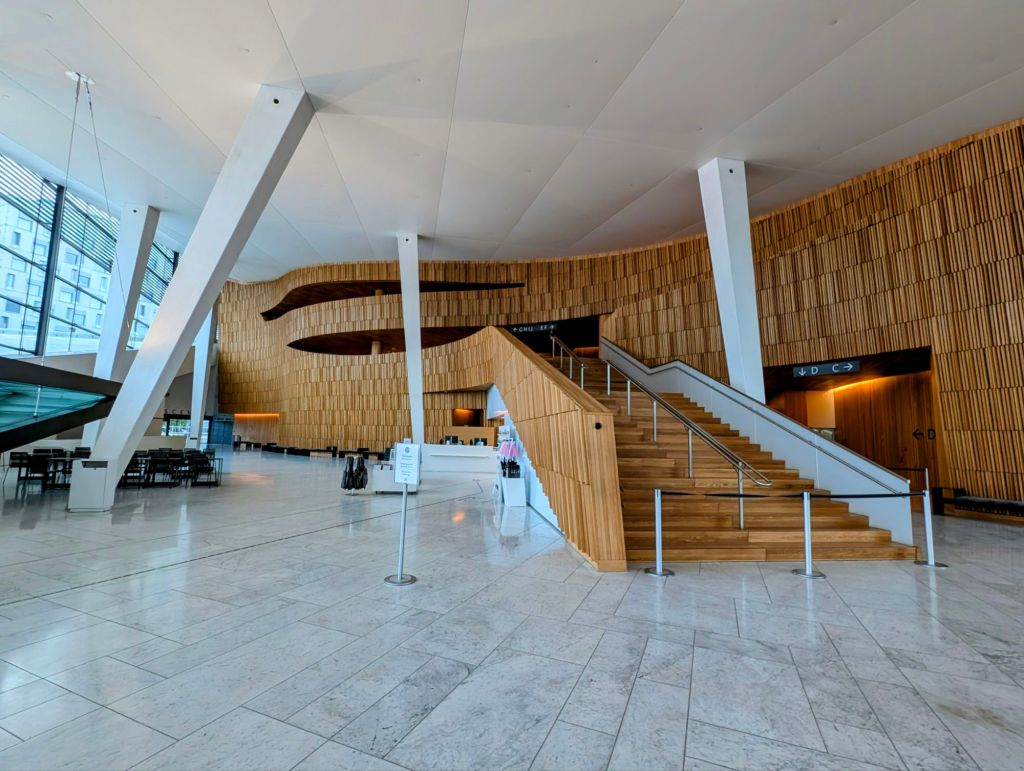


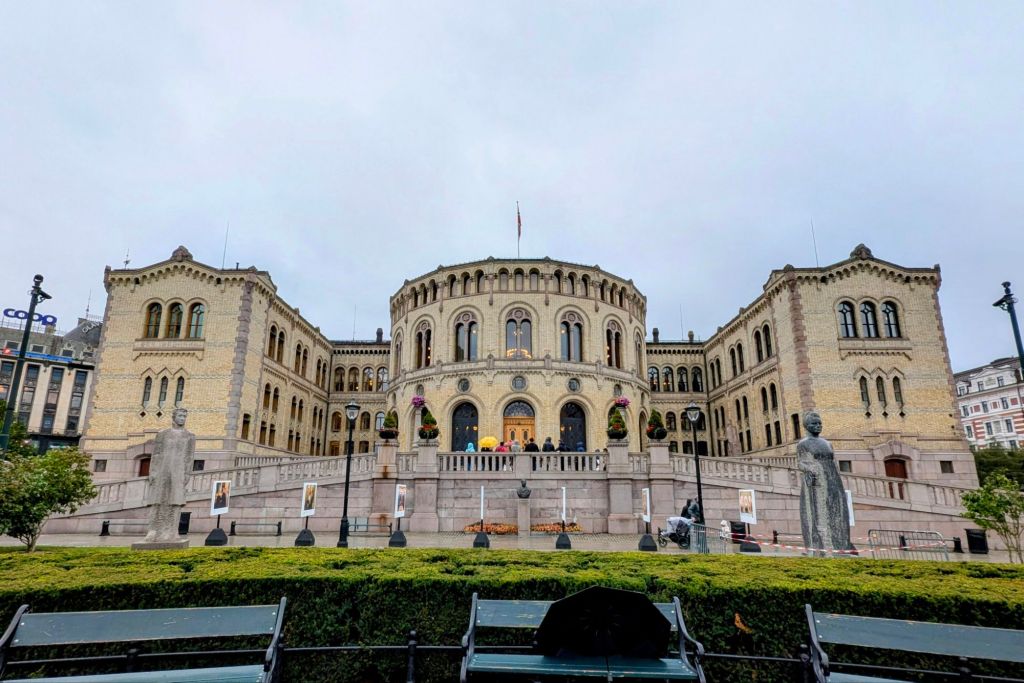
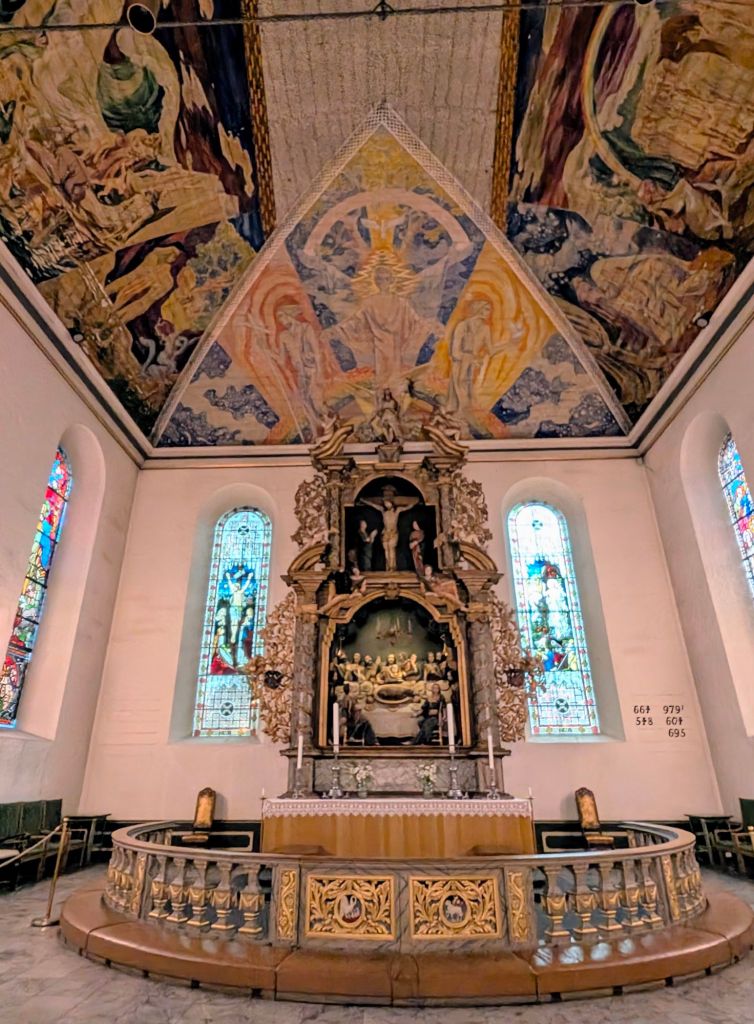
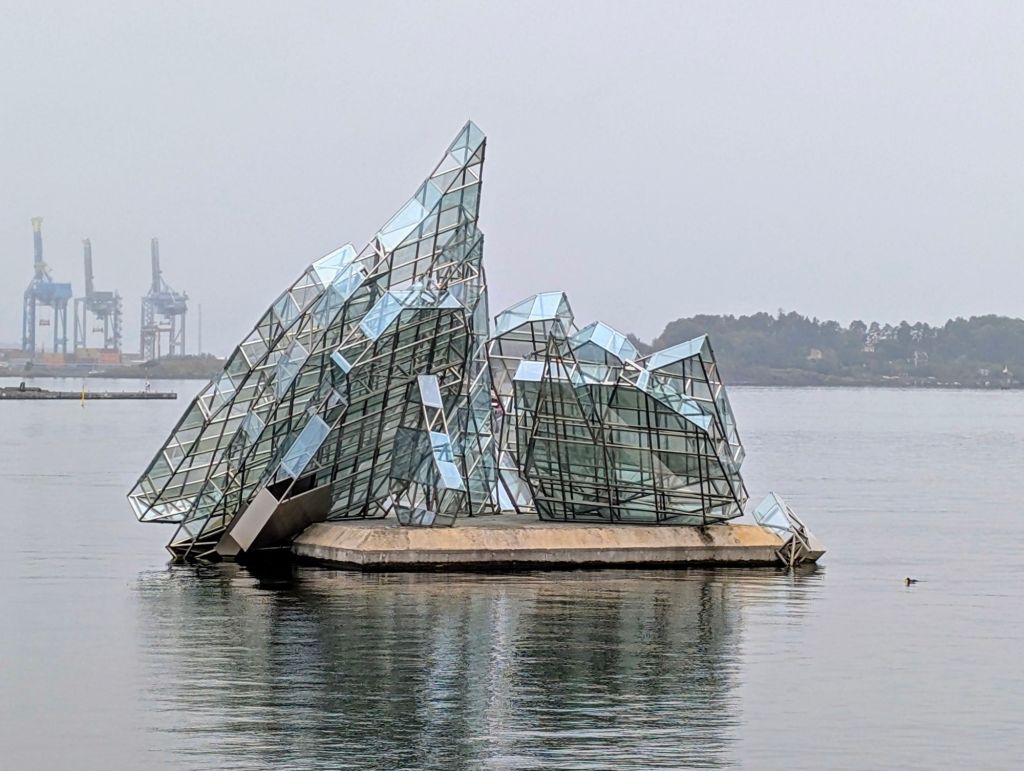
Other Oslo landmarks include City Hall, where the Nobel Peace Prize is awarded annually; Parliament; the Munch Museum housing hundreds of Munch’s treasures works; the Oslo Cathedral and a mysterious glass sculpture called “She Lies” floating along the shore.



As we sailed away , our two weeks in Norway came to an end. The following quote was projected on a screen during a violin performance of Nordic folk music. We think it aptly describes the essence of this beautiful place.

“NORWAY: 62,706 miles of rugged coast; 34 million acres of forest; deep valleys and grand mountains; dark winters and bright summers; and deep respect for the ever-changing weather.”
 Timeless Travelers
What a trip of a lifetime. Wonderful to have you share photos and dialogue explaining the trip. Safe travels home. Sandee
LikeLiked by 1 person
Fascinating trip thx for sharingSent from my iPhone
LikeLiked by 1 person
Congratulations on your initiation! As always, your pictures and comments are incredible!
LikeLiked by 1 person