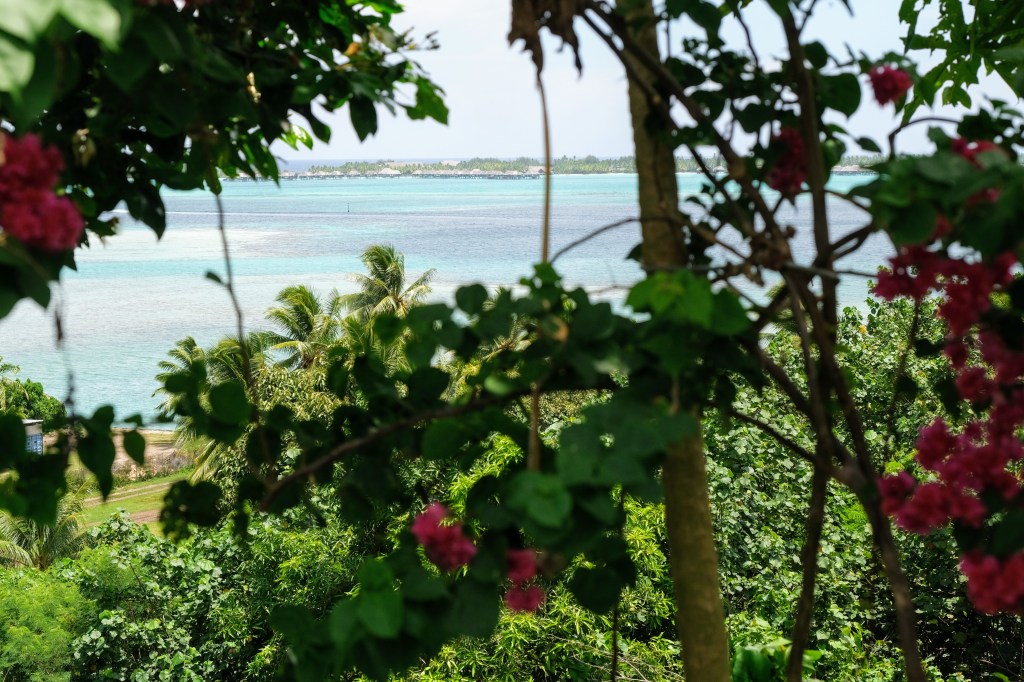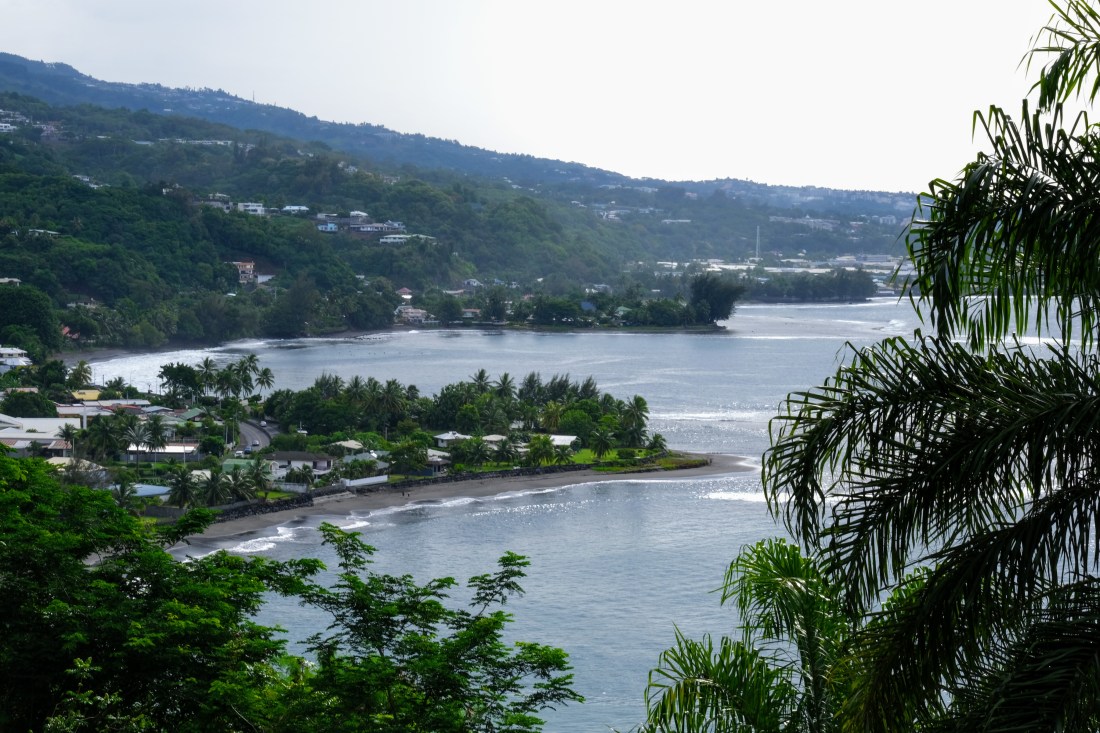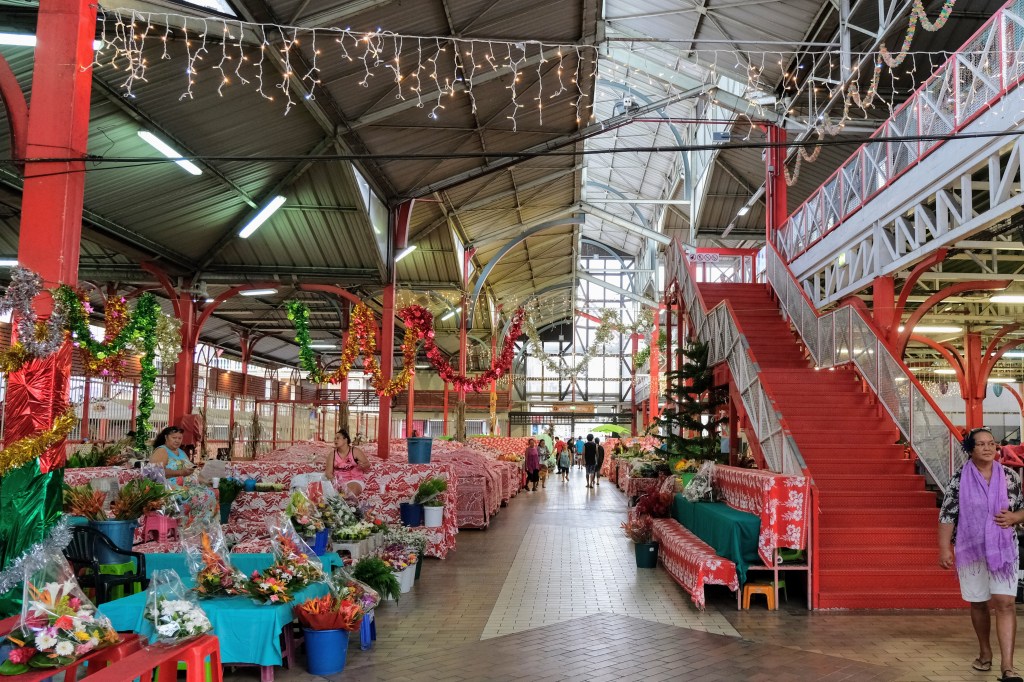
“Bula!” from Suva, Fiji

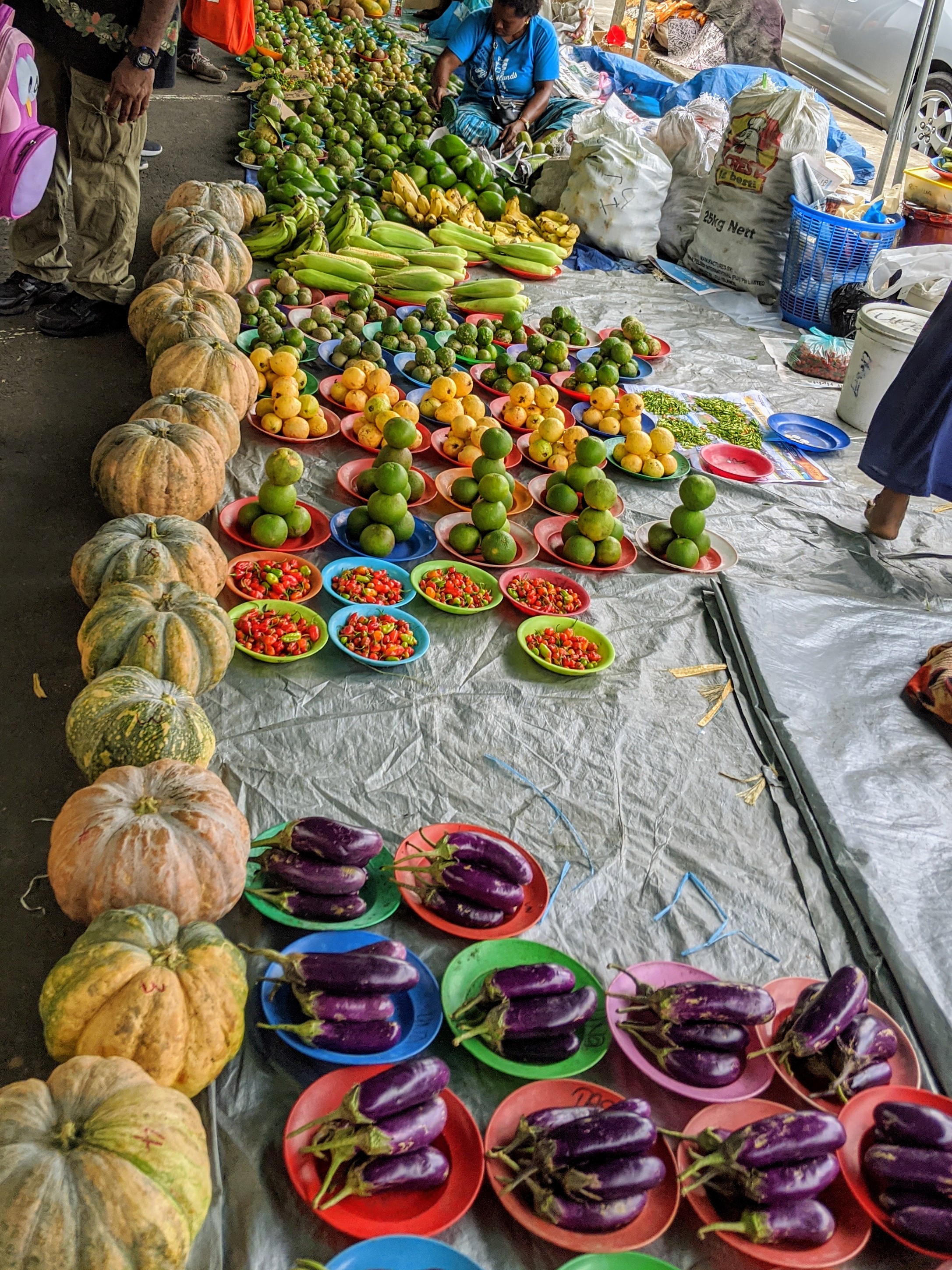
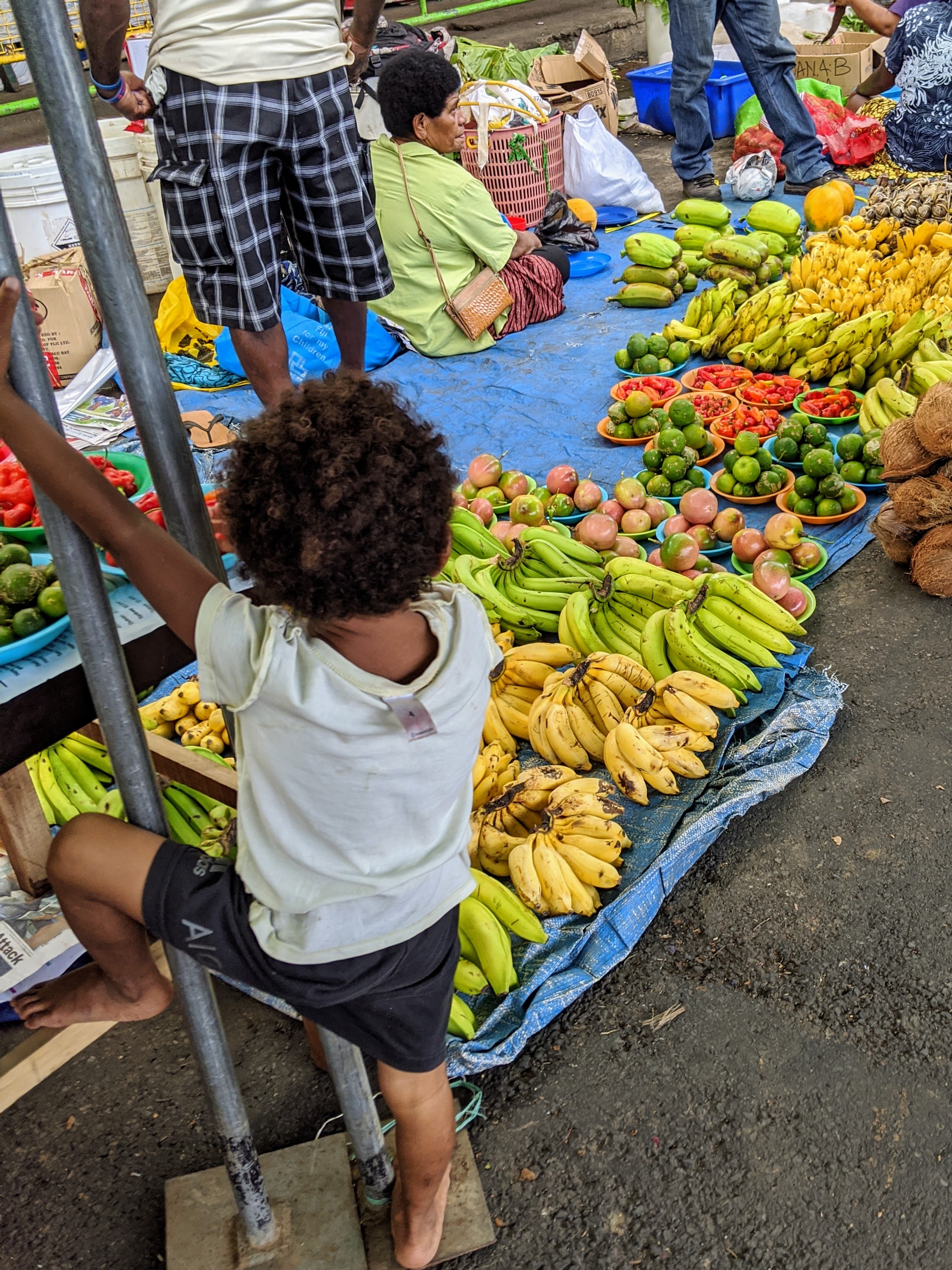
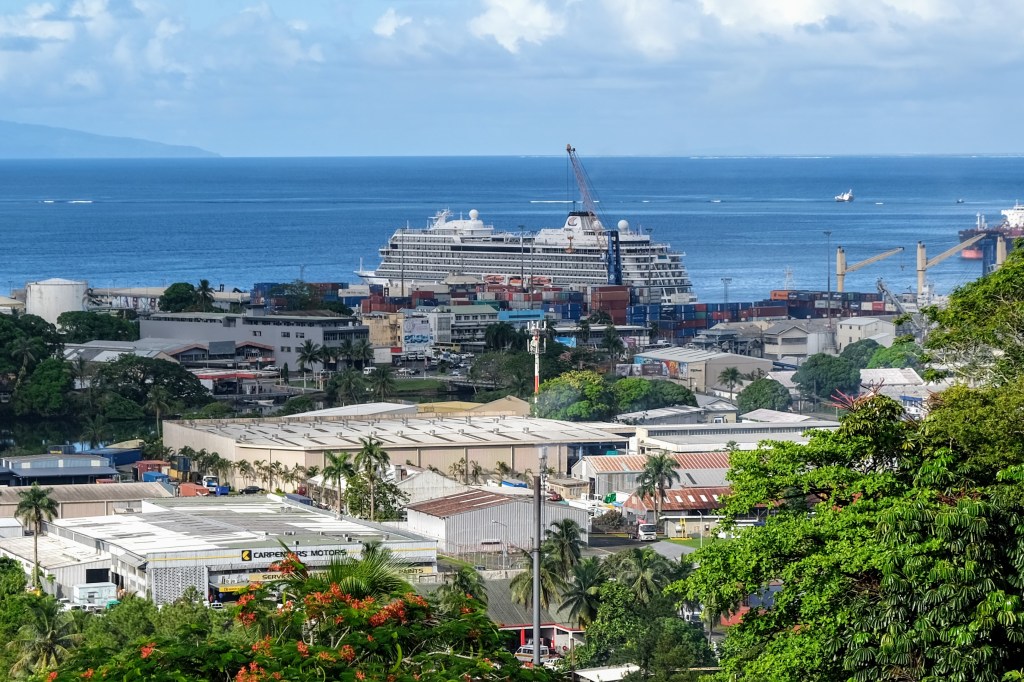
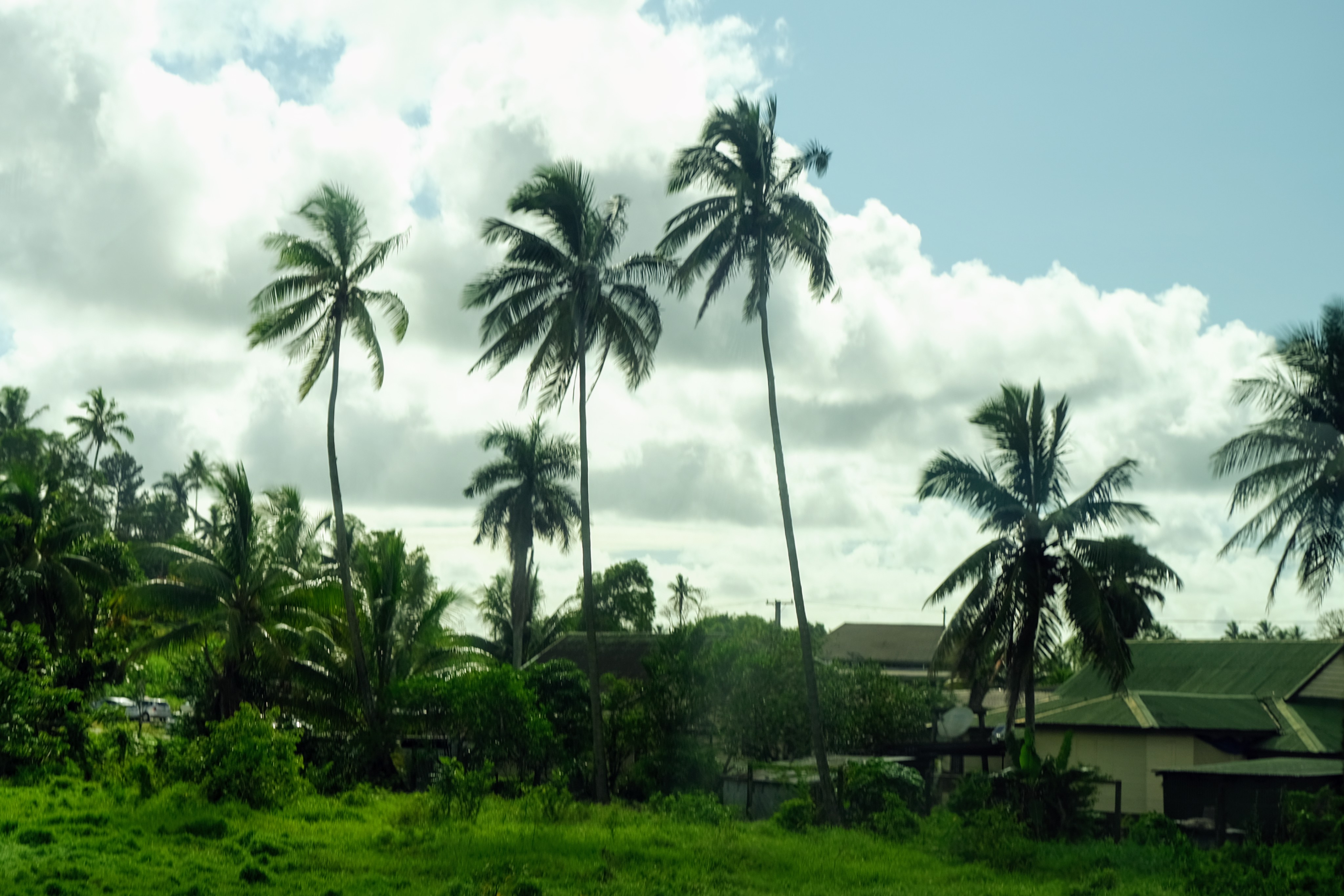
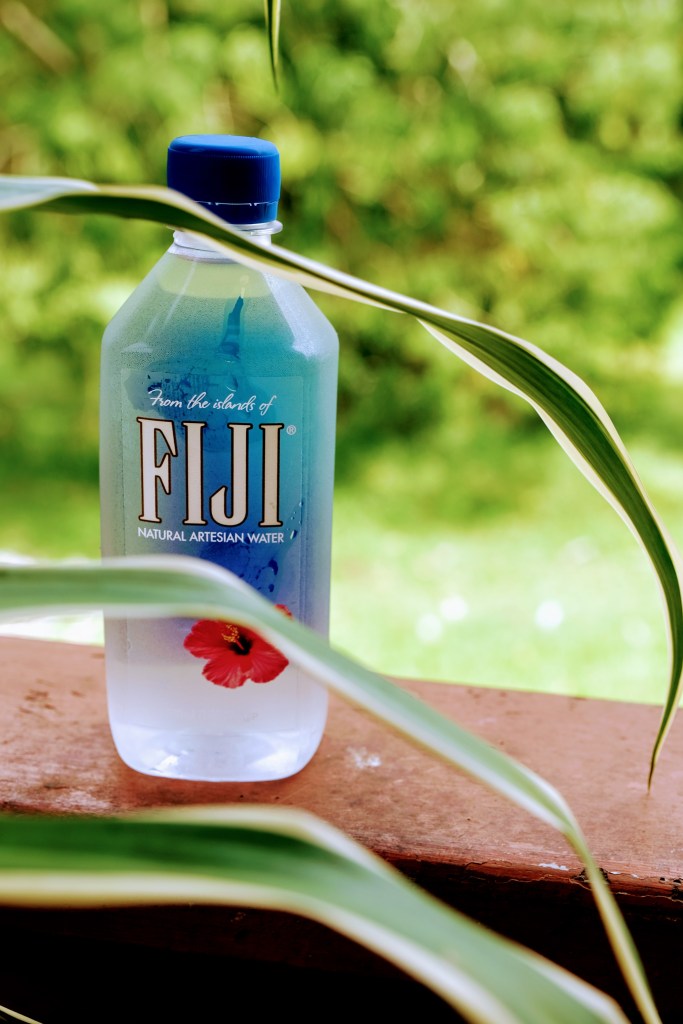
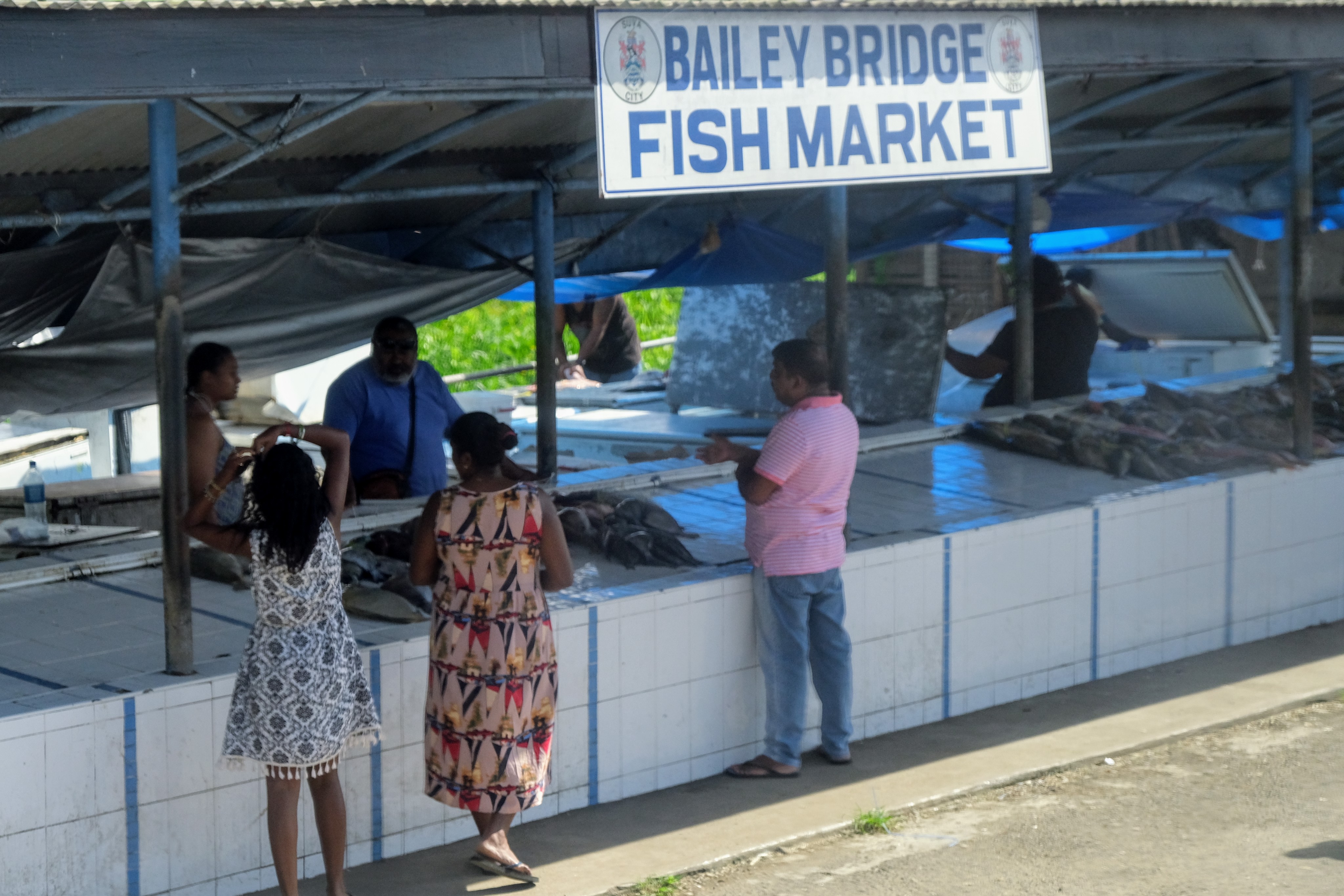
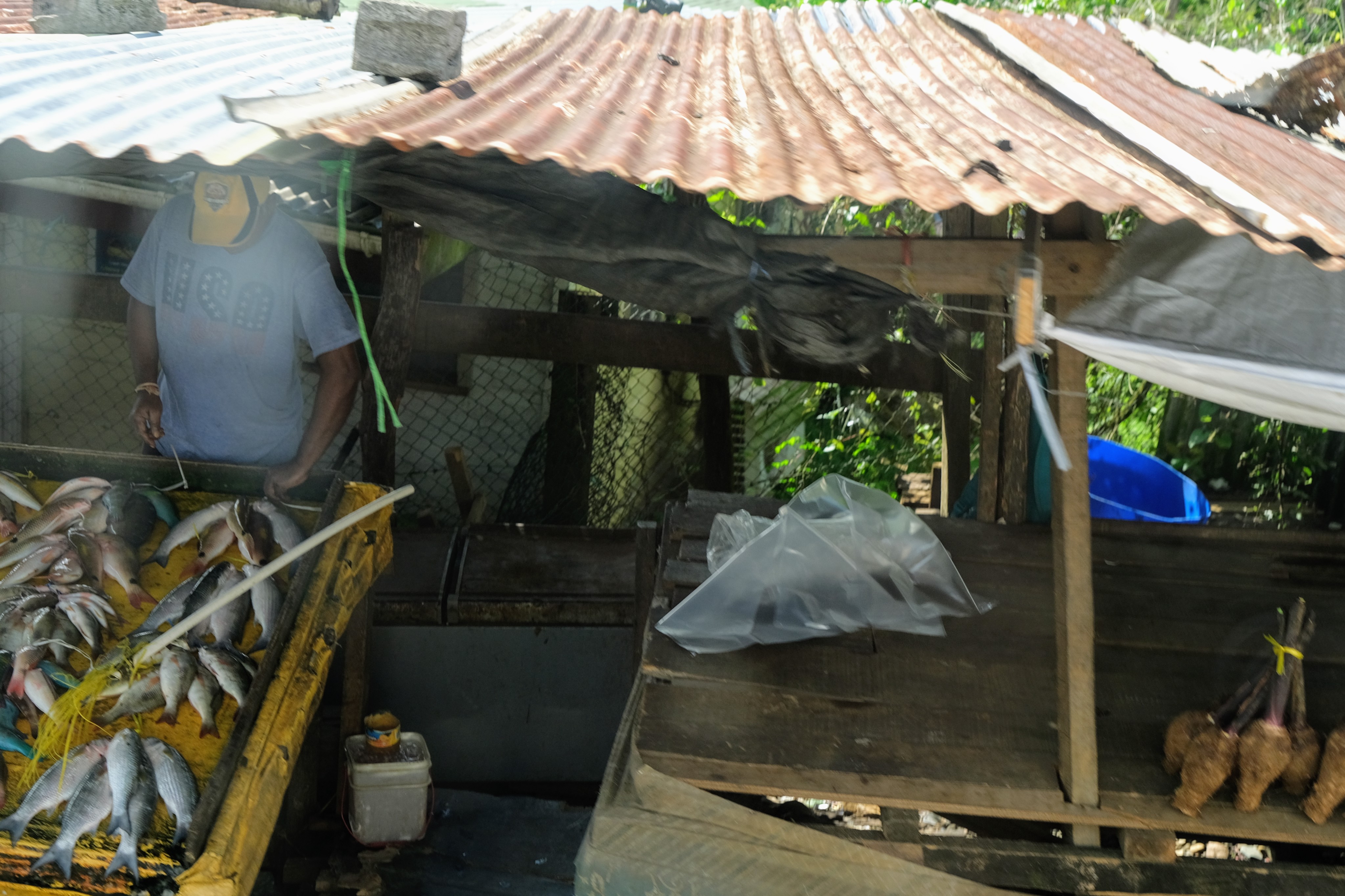
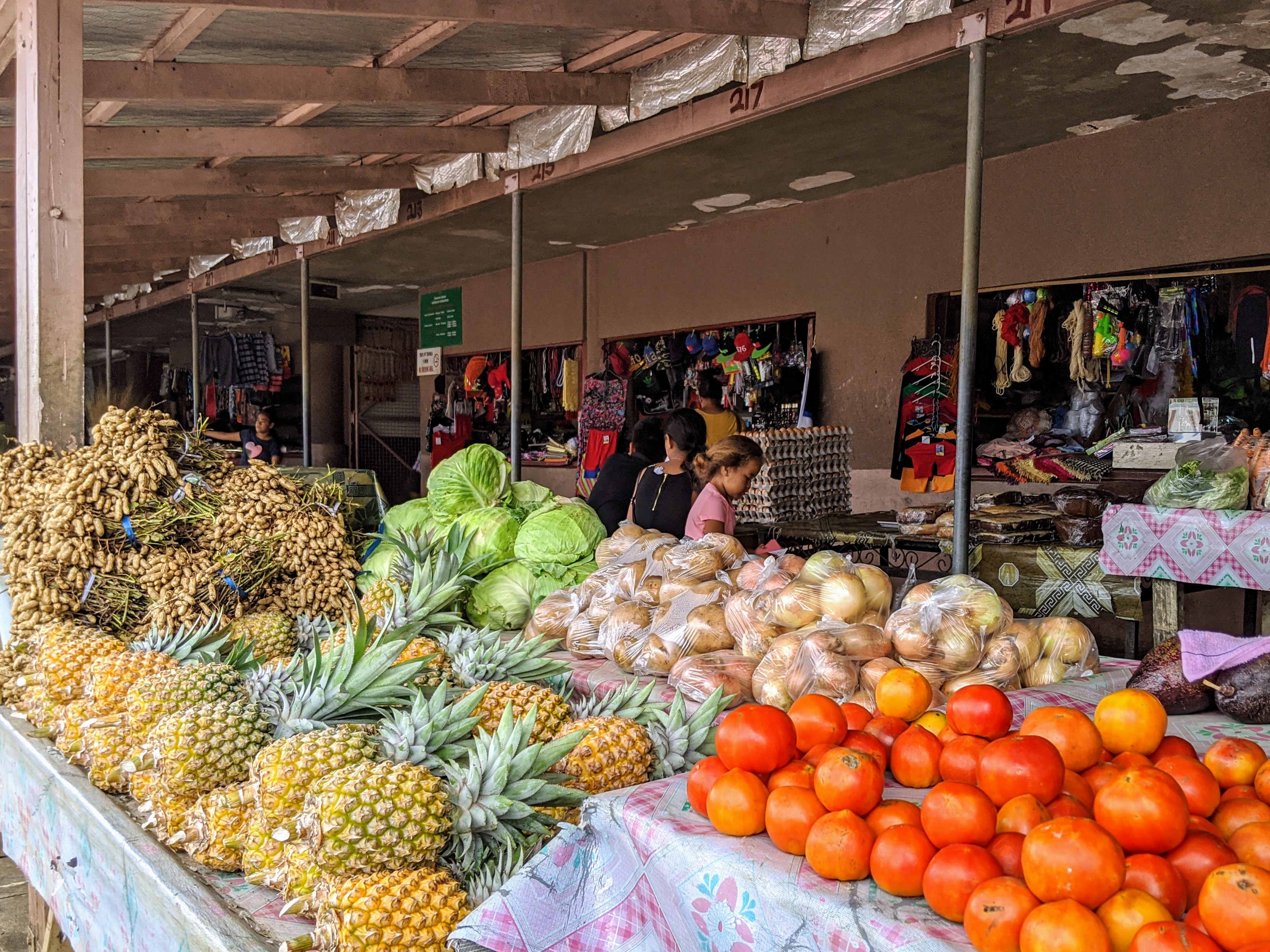
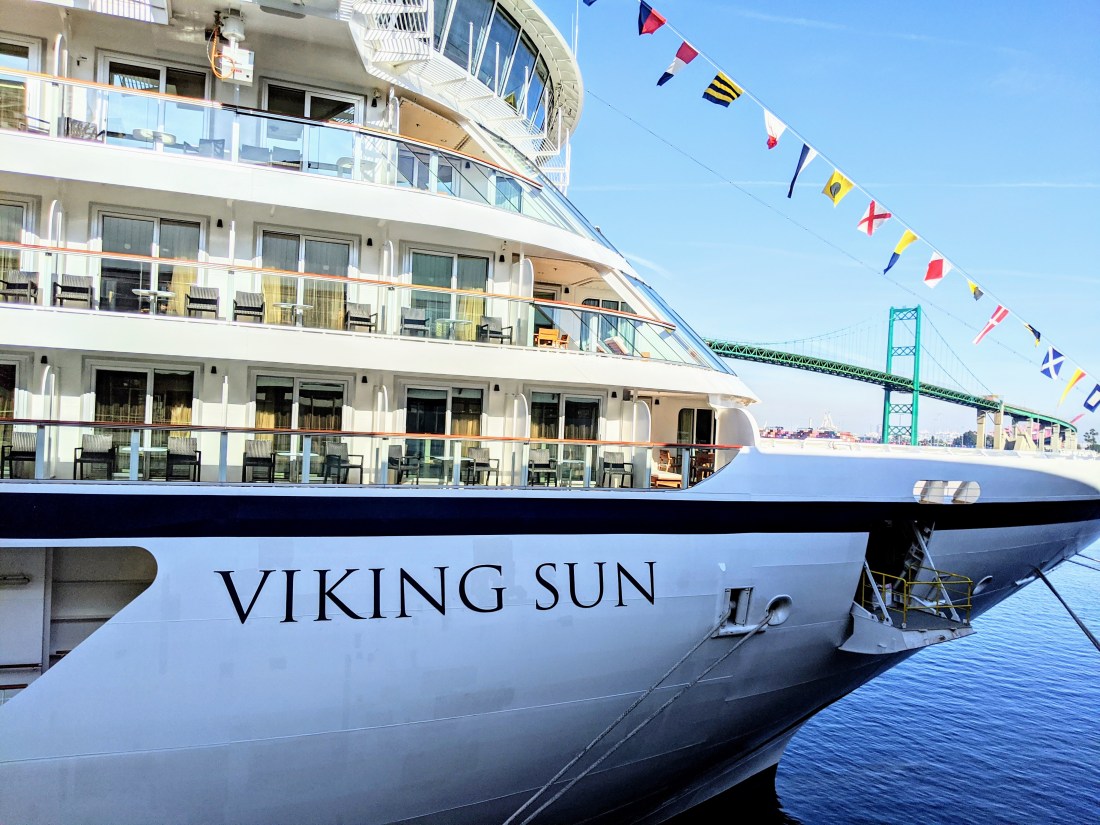
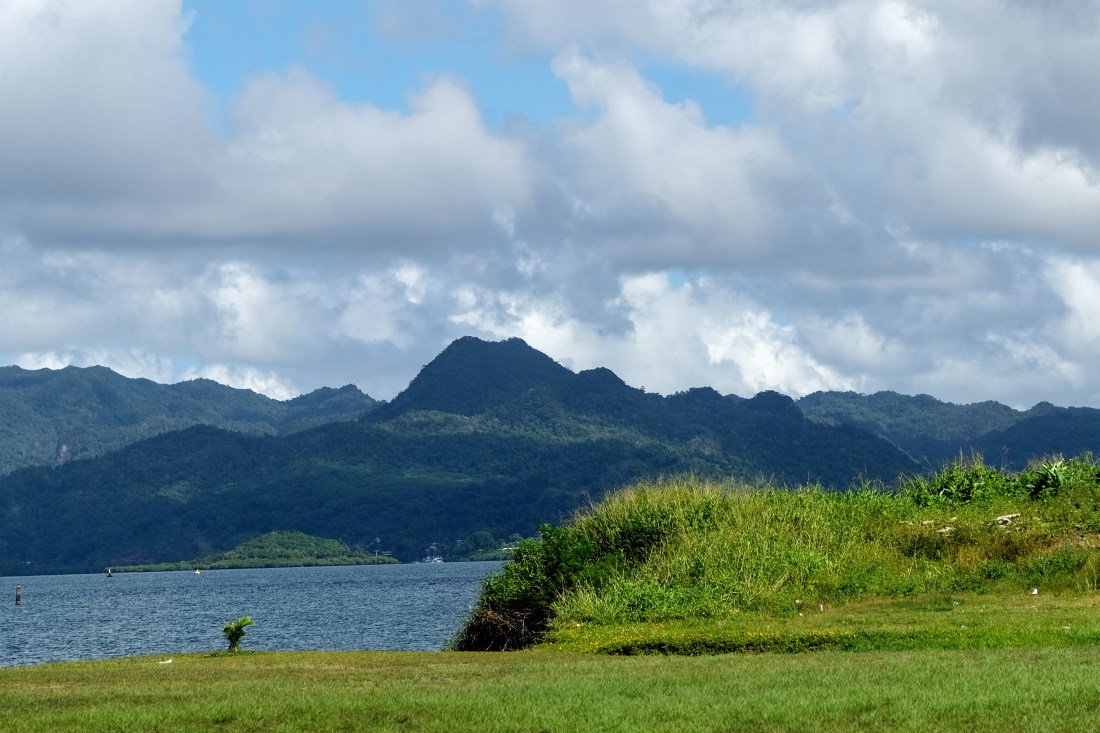
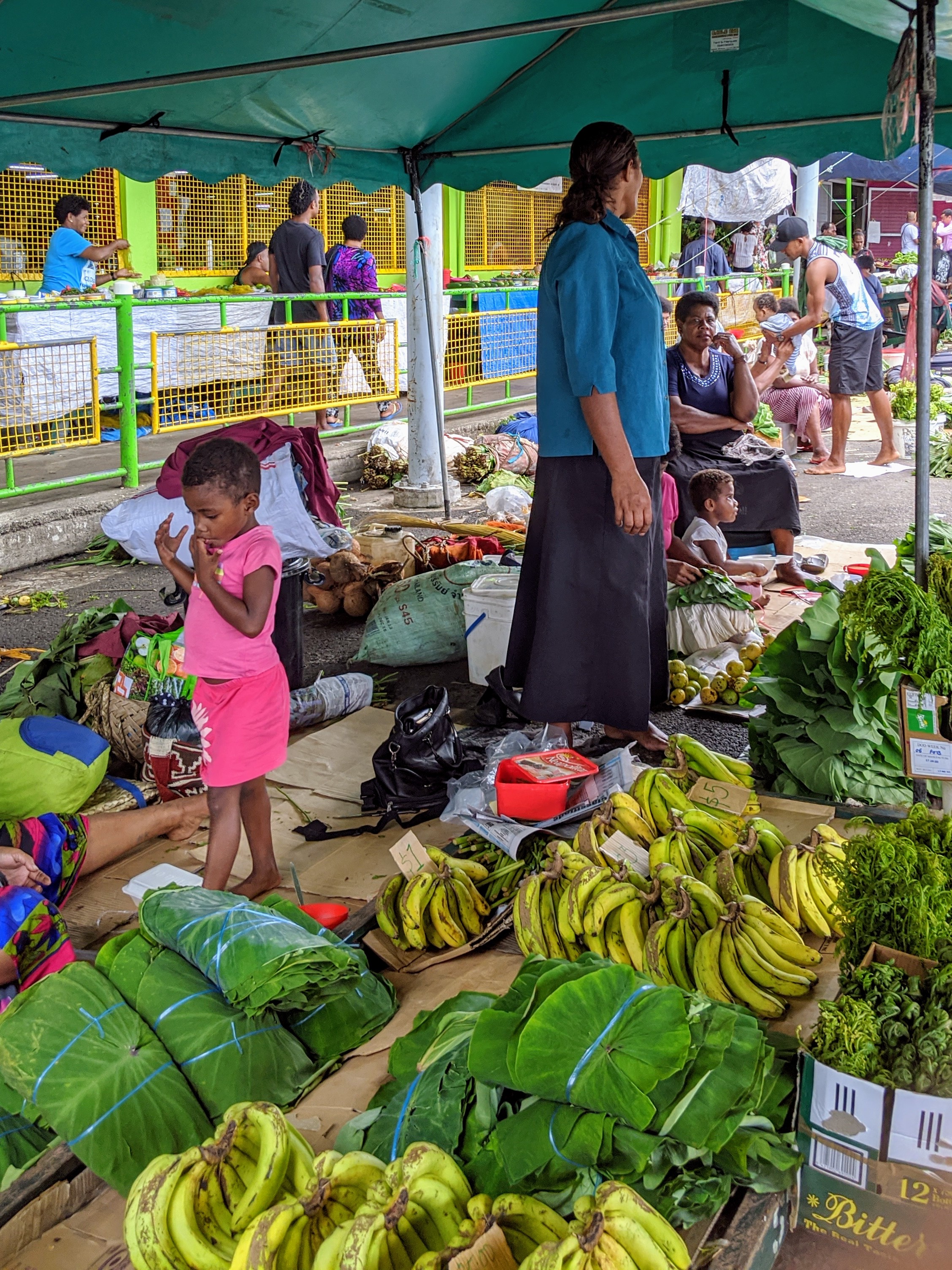
Fiji is comprised of 300 small islands, the largest of which is Viti Levu. The Viking Sun docked in the port of Suva, the largest city in the South Pacific, on a bright, sunny morning. The image of Fiji that comes to mind is one of alluring sandy beaches, magnificent emerald-clad hills, and stunning coral reefs, but the capital city of Suva looks very much like most busy port towns with a bustling shipping industry and commercial district. Just a few steps from the pier, we were greeted with friendly “bula!” the Fijian word for hello. The Fijian people seemed welcoming and eager to have us experience everything from a taxi ride, to a massage, to shopping, to touring the rain forest. We soon stumbled upon the wharf’s market where mostly women and children display row upon row of ripe produce, beautiful flowers, and the fresh catch of the day, along with a wide variety of roots, oils, and herbs. Wandering through the market was a fun way to start our day.

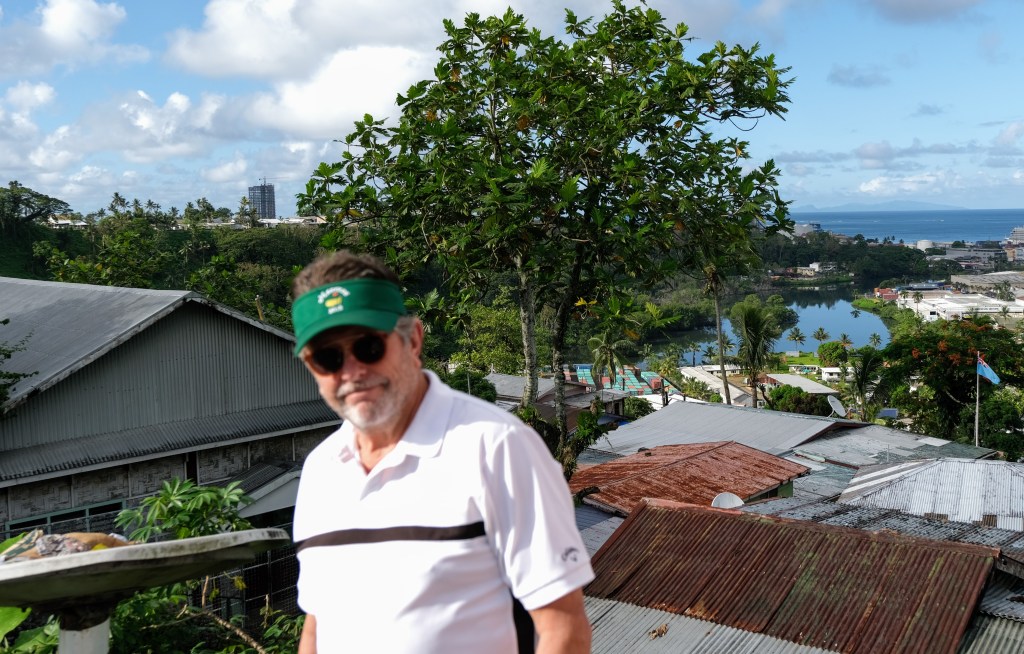
Moving on, we climbed a steep hill to catch some gorgeous views of Suva Harbor.

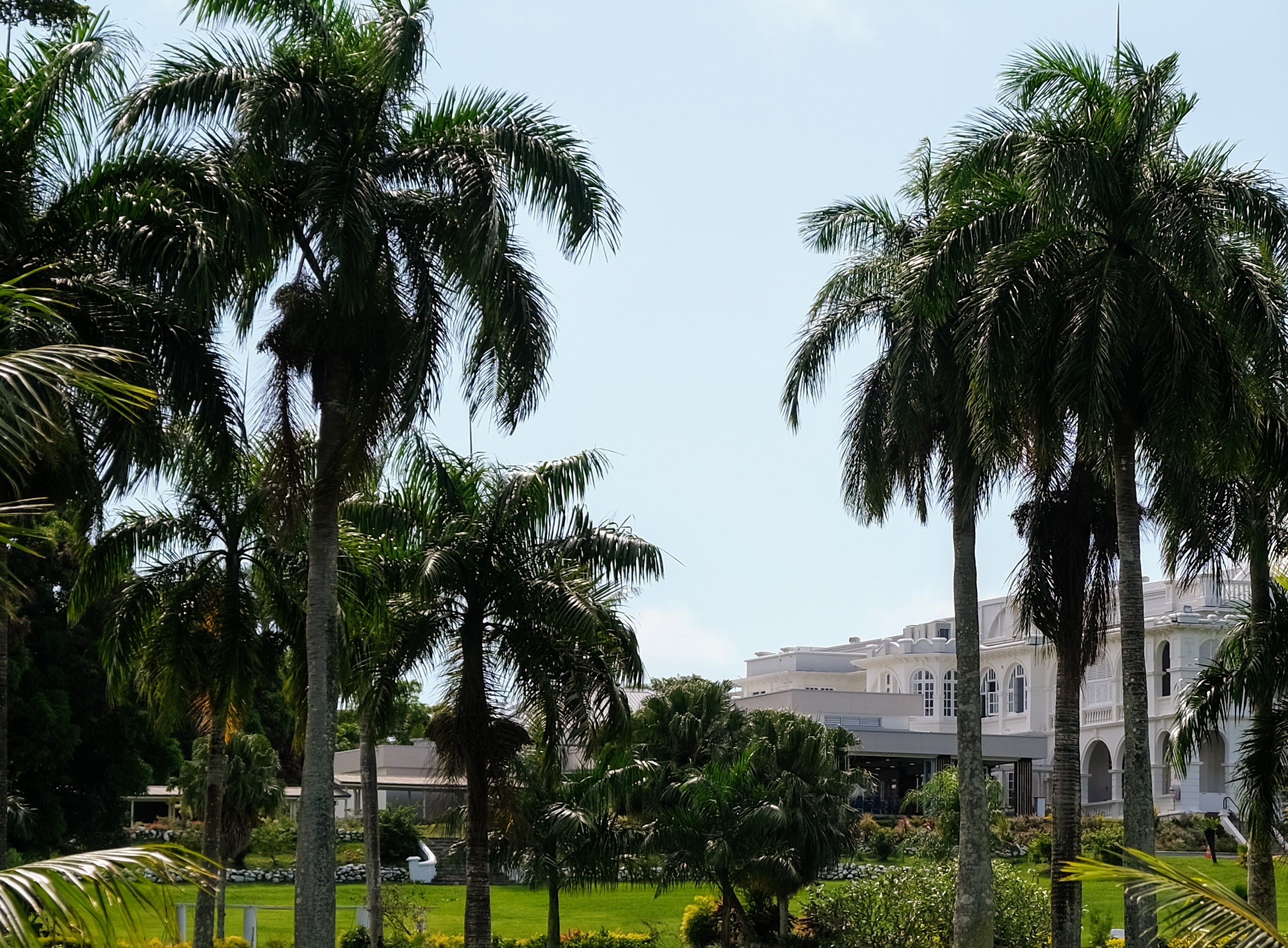
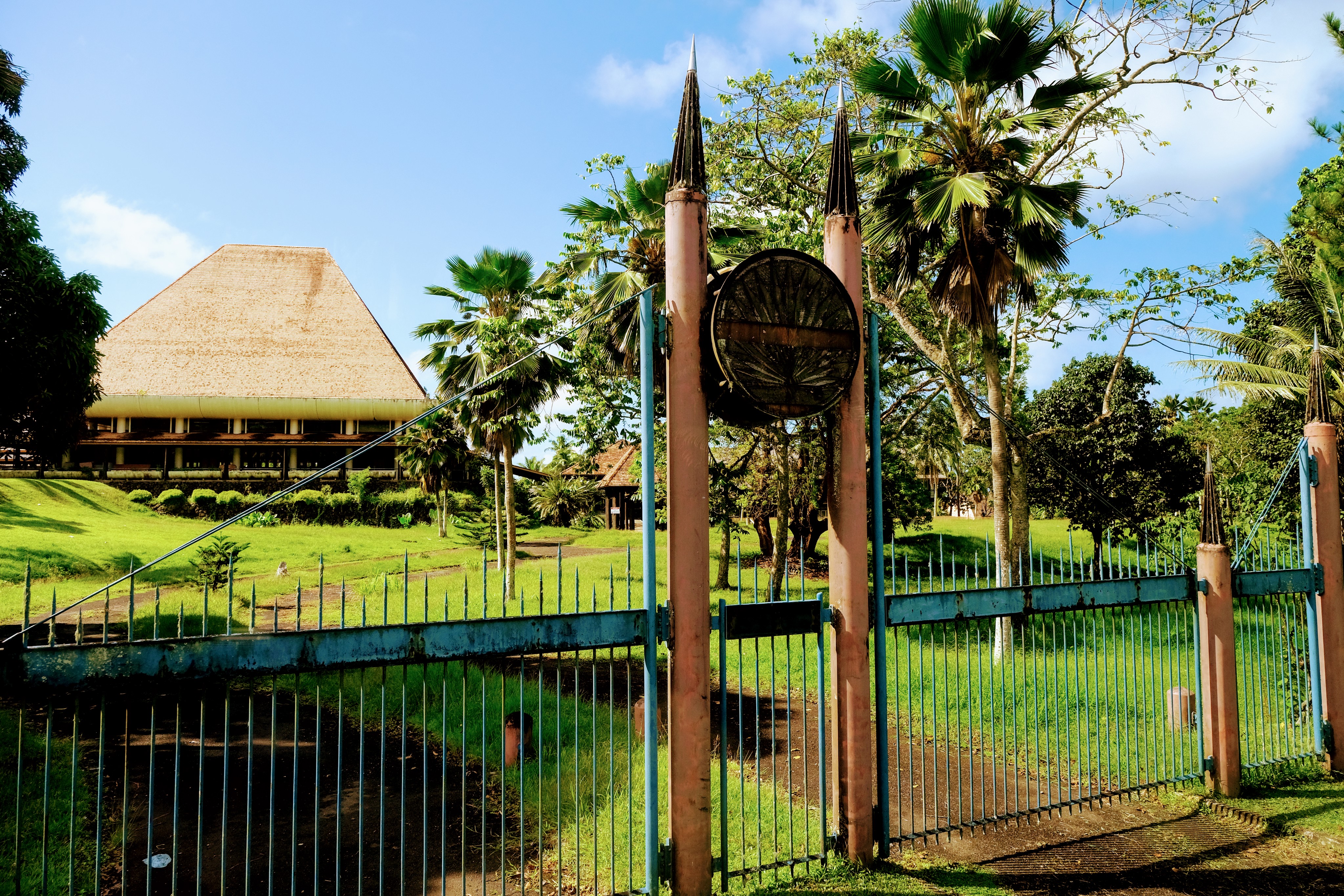
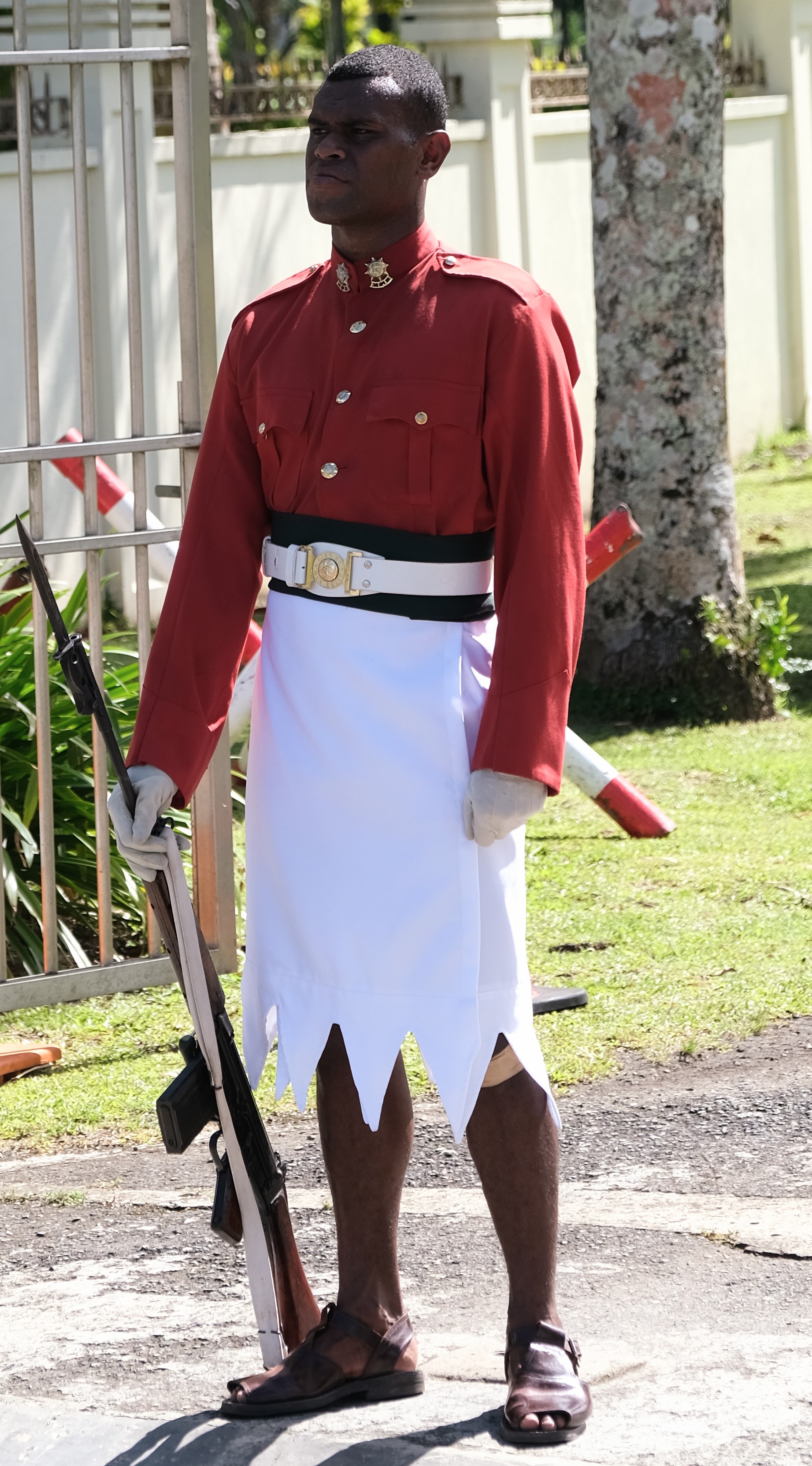
We also got to see the Great Council of Chiefs building and the colonial-style President’s Palace. The palace guards wear traditional uniforms and ensure that the president and his family are well protected.
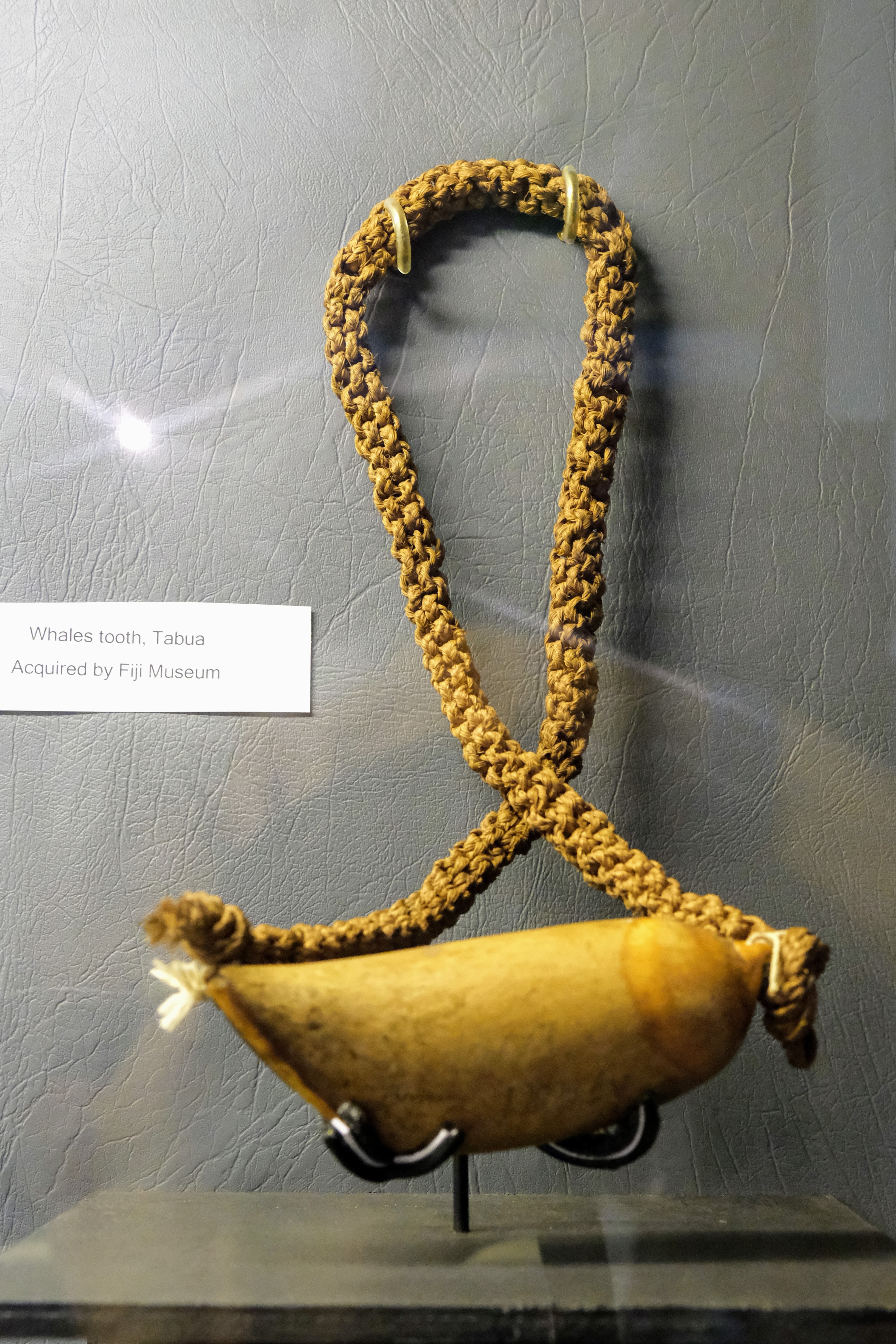
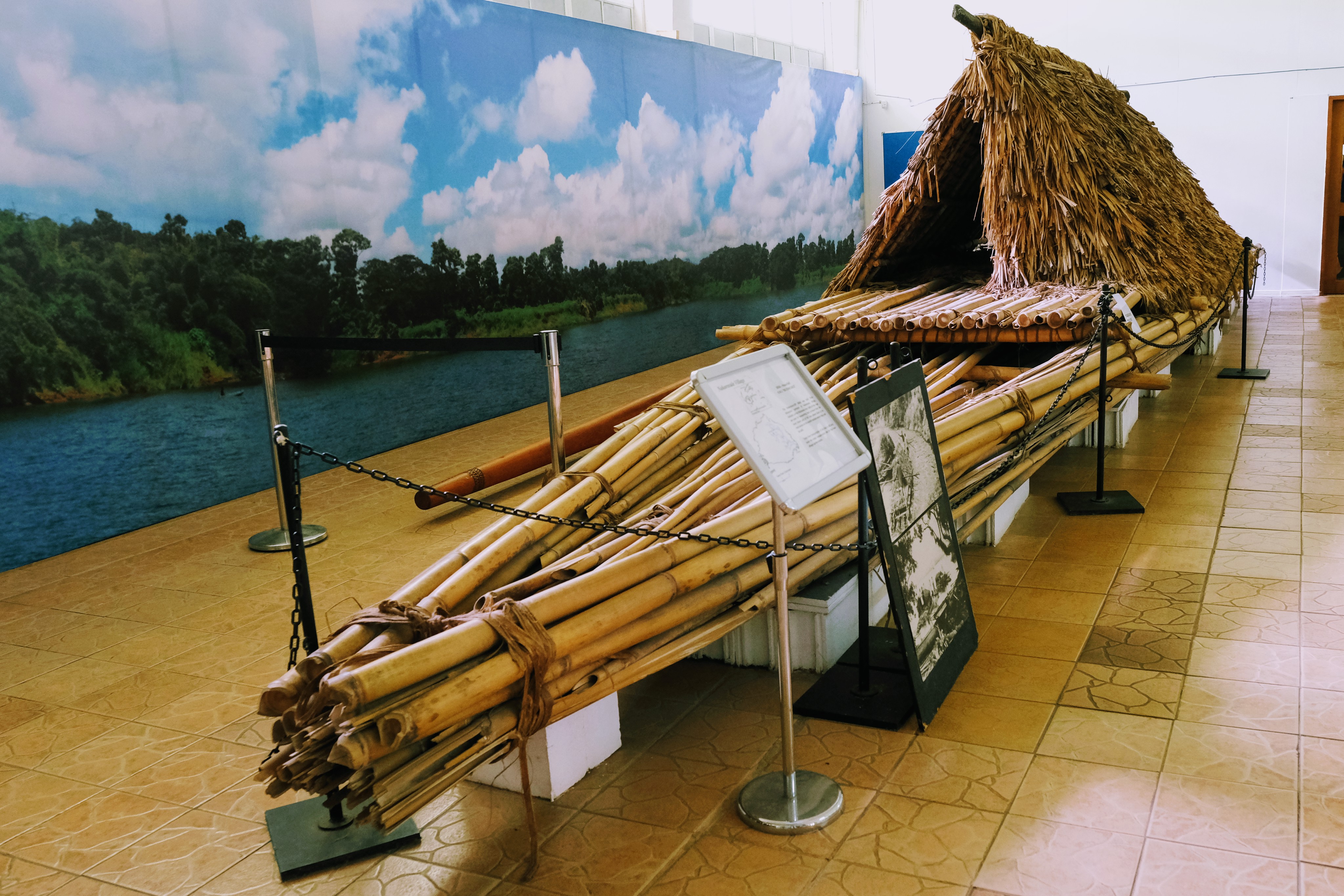
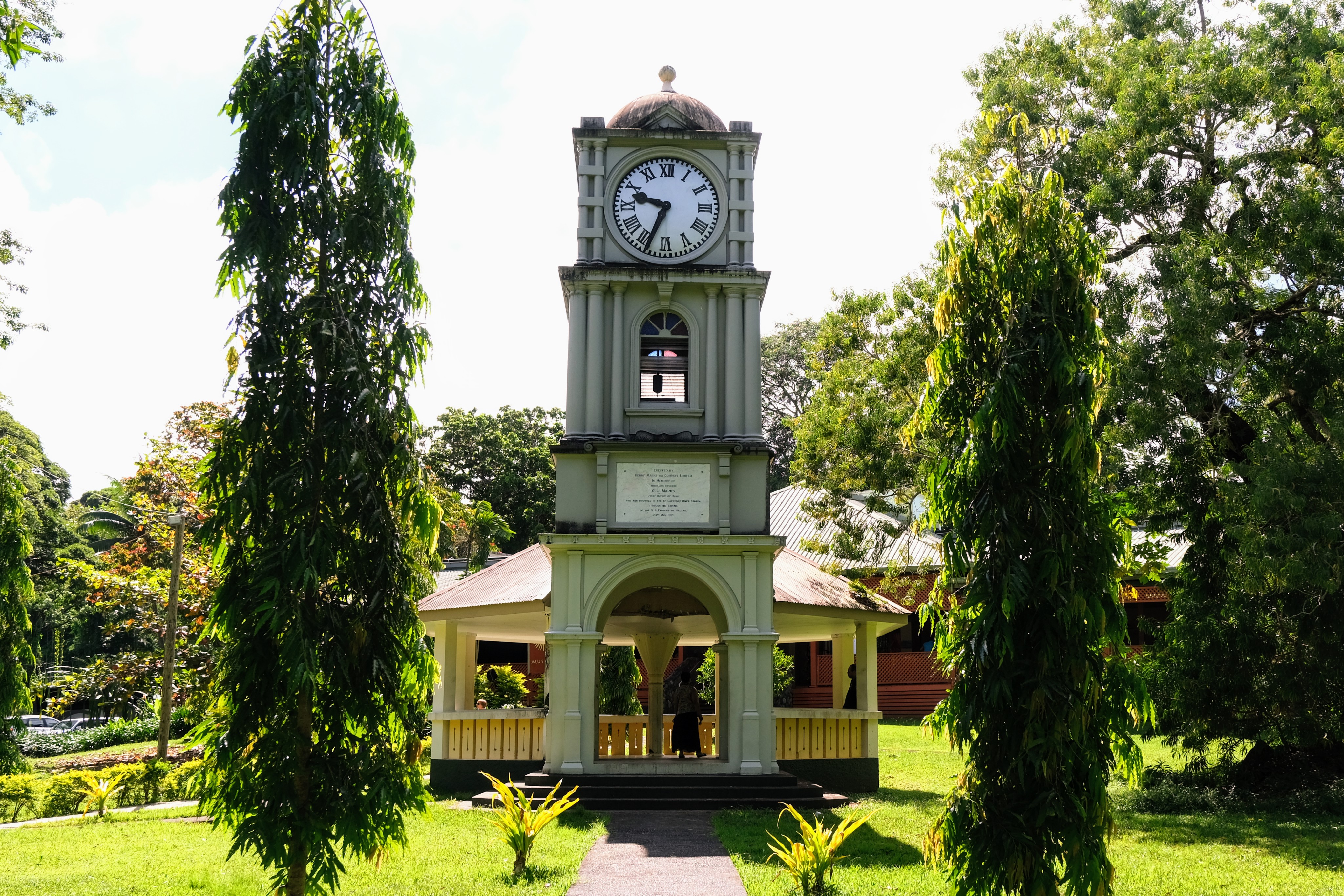
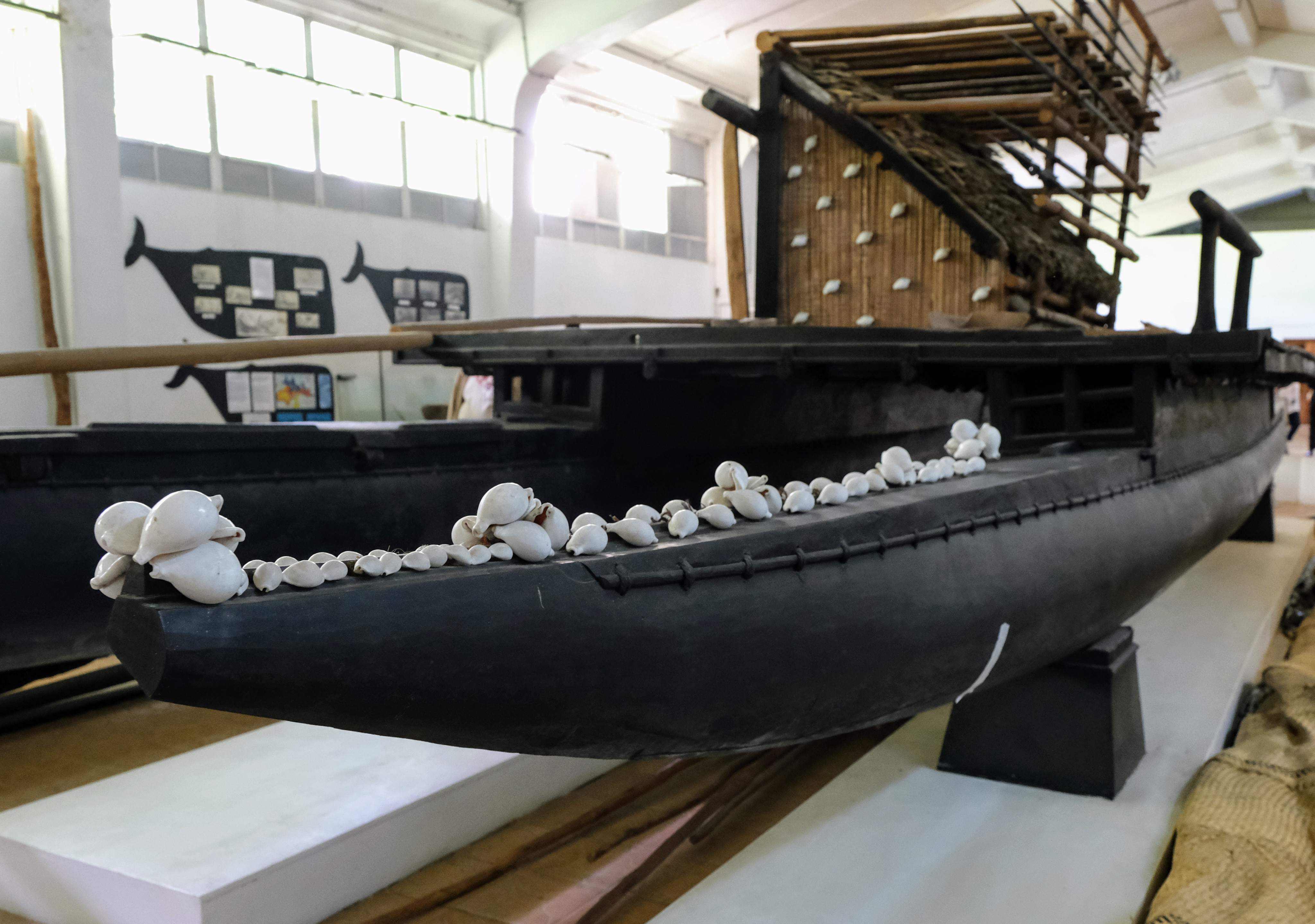
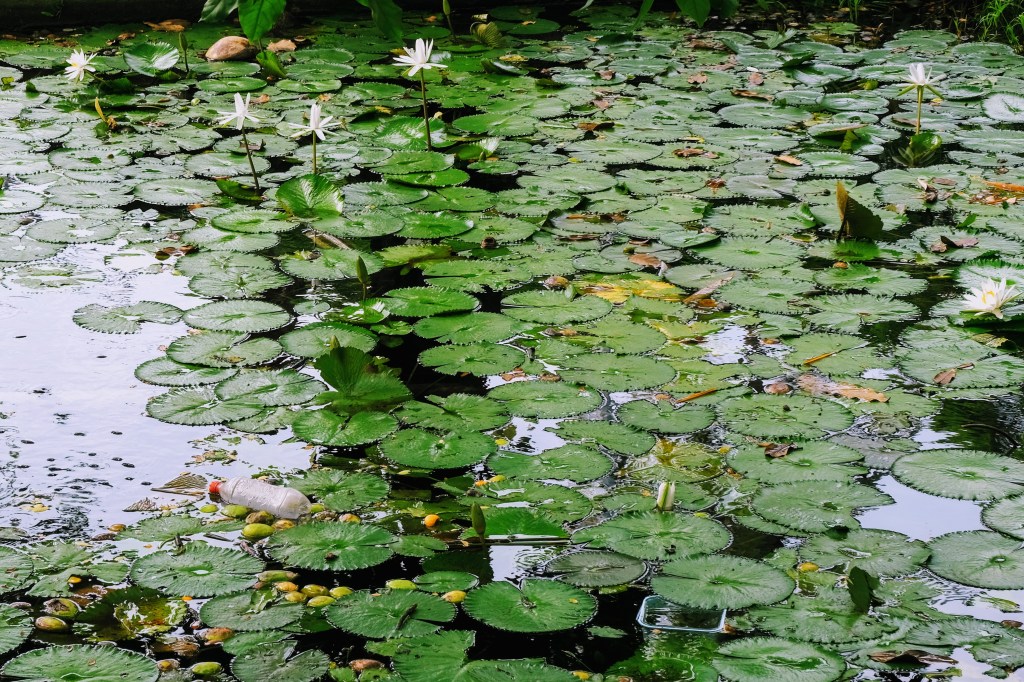
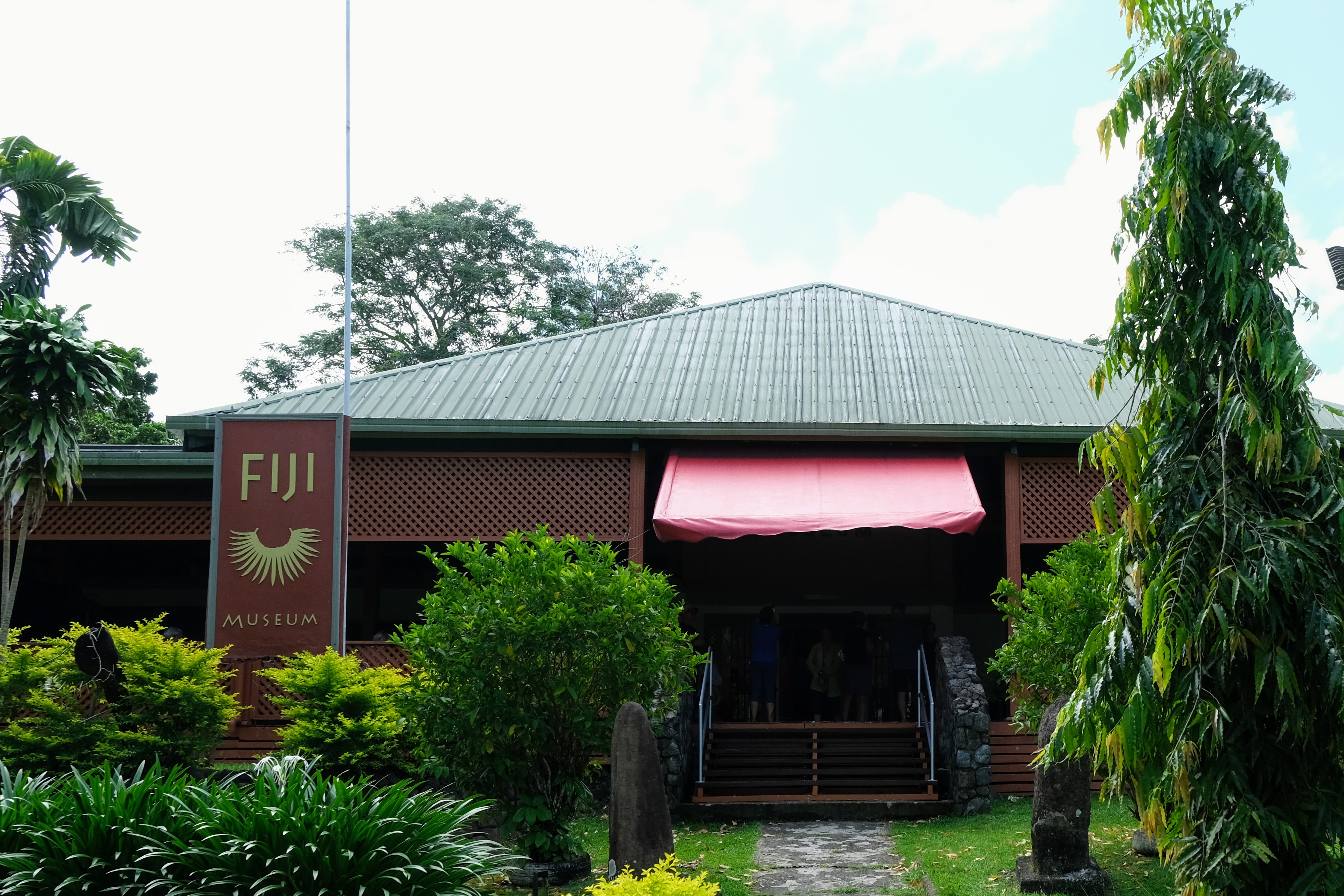
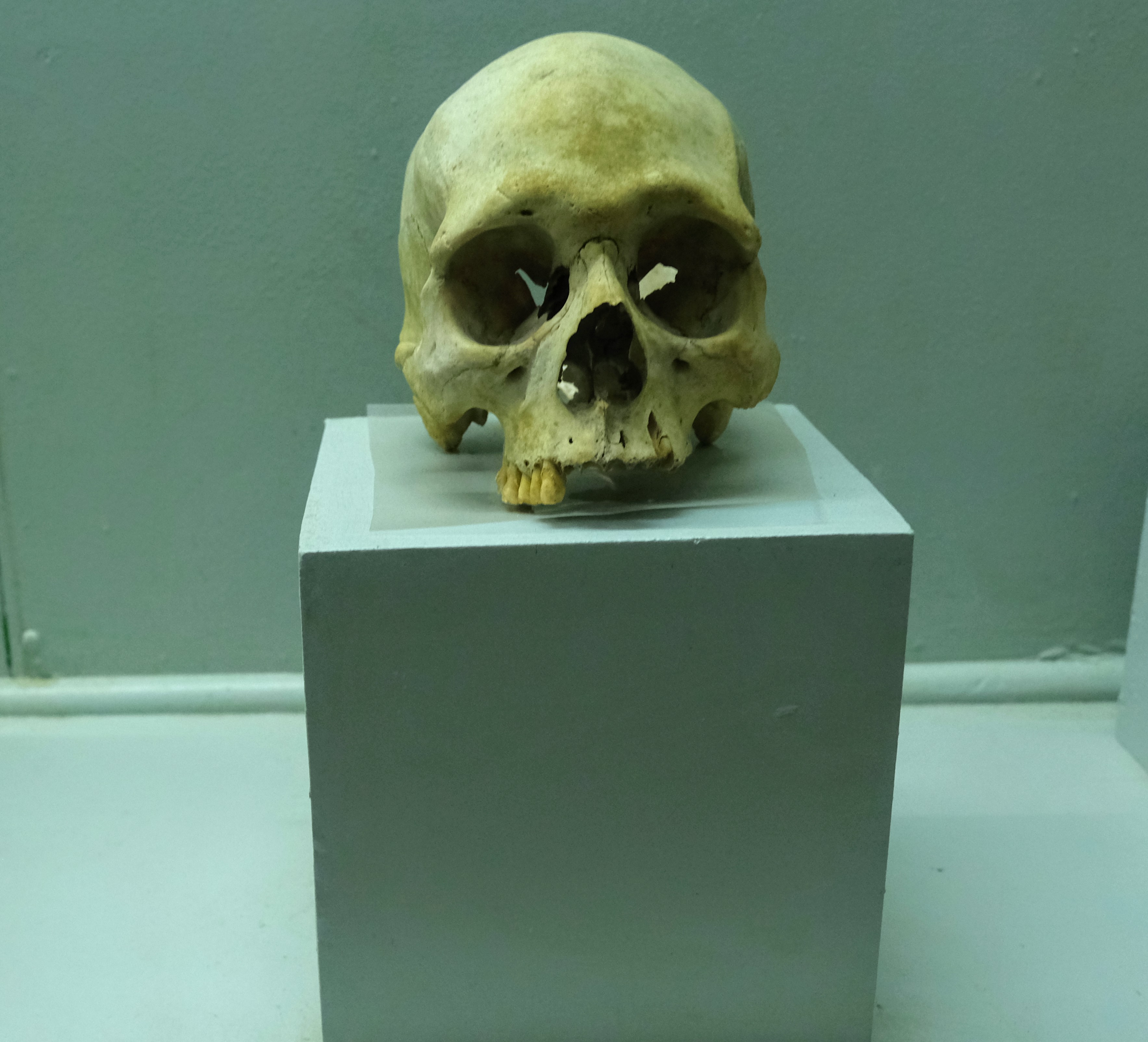
A visit to the Fiji Museum provides fascinating insight into Fiji’s cannibalism period as well as the world’s largest collection of Fijian artifacts, including relics dating back 3,700 years. And the Thurston Gardens surrounding the museum provide an idyllic setting with palm trees, water lilies, ginger trees, and other local flora. The island’s beloved clock tower sits proudly in the middle of the gardens.
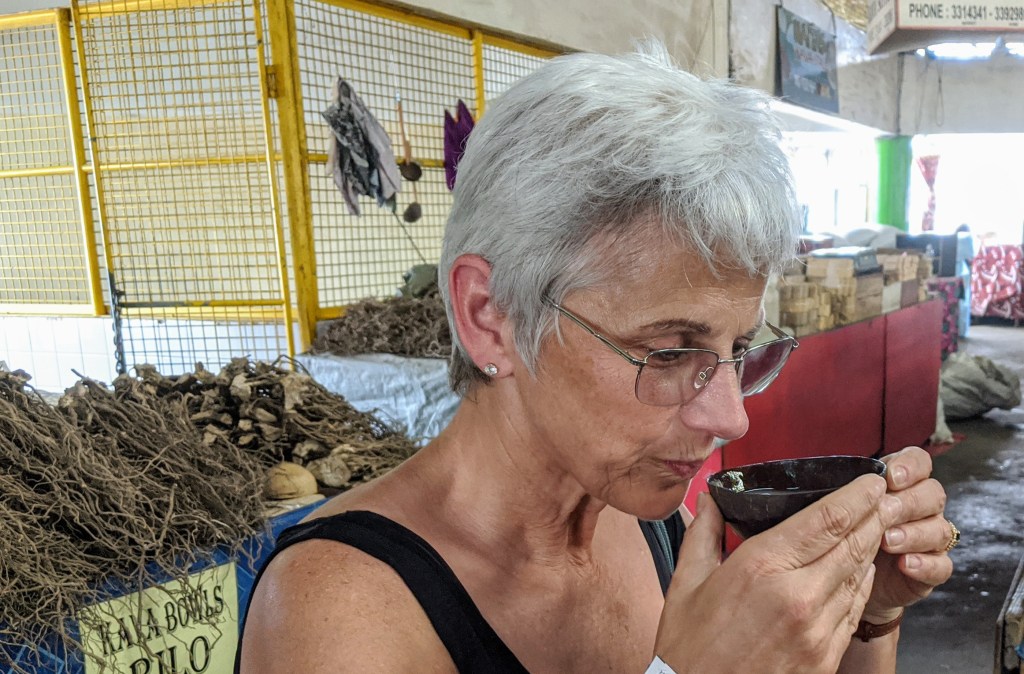
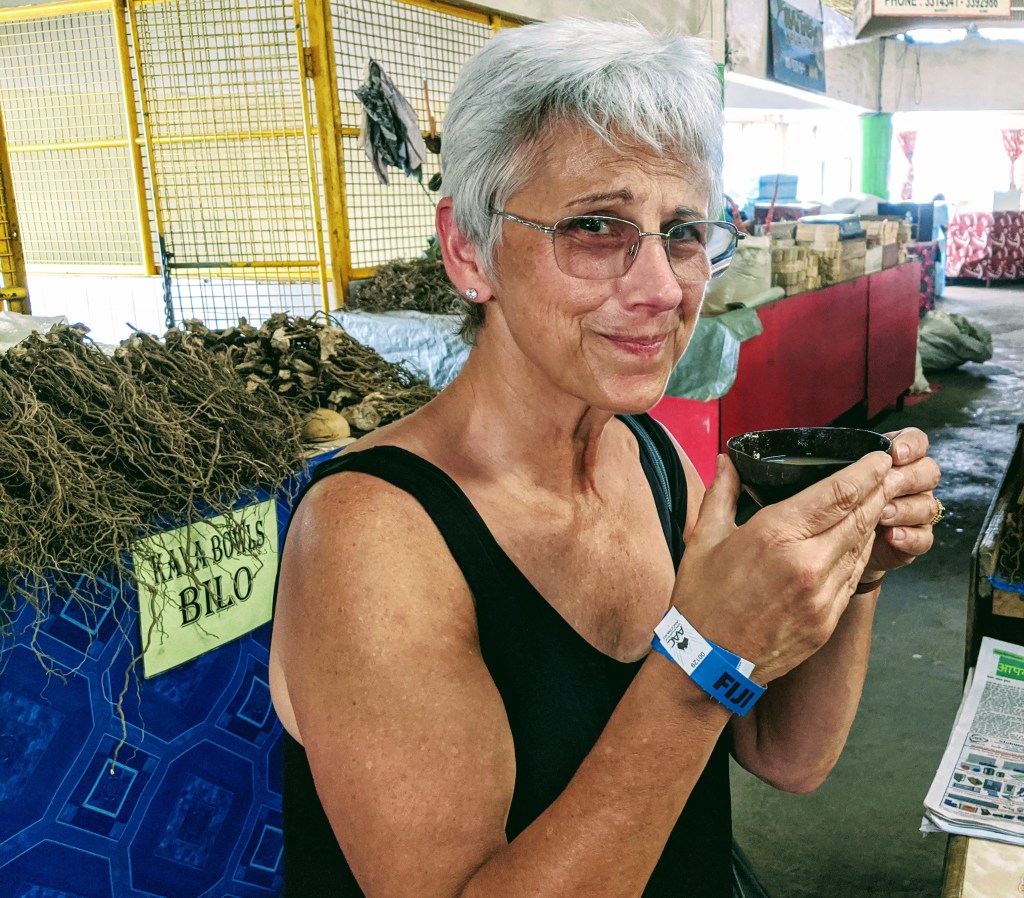
The food and beverages of Fiji range from the traditional to contemporary, but the one beverage that piqued our interest most is kava, and we wanted to try some. Kava is used for medicinal, religious, political, cultural, and social purposes throughout the Pacific. In Fiji, a formal yaqona (kava) ceremony often accompanies important social, political, and religious functions. The beverage is made by pounding sun-dried kava root into a fine powder, straining and mixing it with cold water until it takes on a muddy appearance. Traditionally, kava is drunk from a dried half-shell of a coconut, called a bilo. Kava is very popular in Fiji, especially among young men, and often brings people together for storytelling and socializing. Drinking kava for a few hours brings a tongue-numbing and relaxing effect to the drinker. Denise decided to try it…her facial expression tells it all. In the future, she’ll likely stick to the OTHER Fijian beverage.
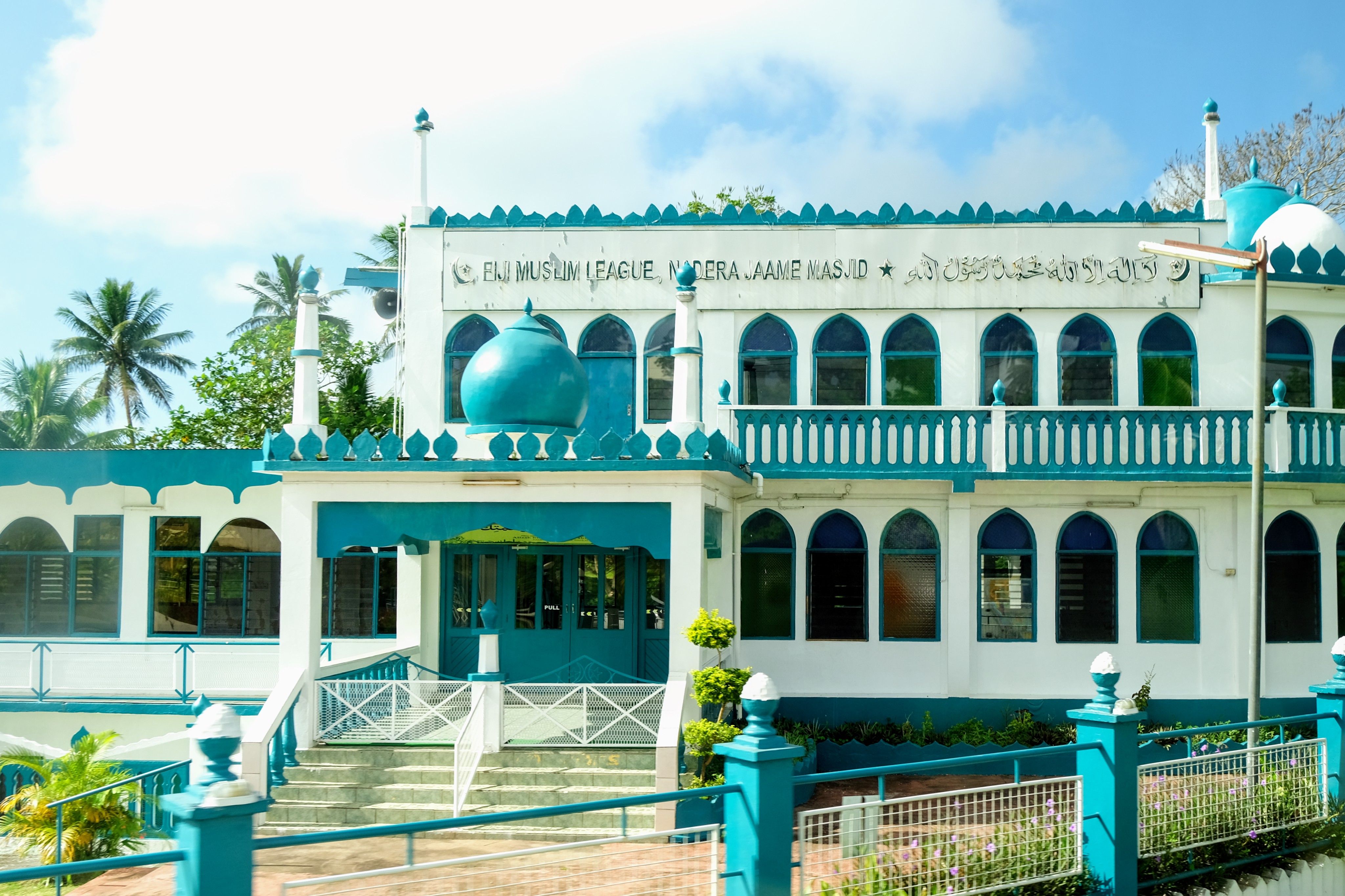
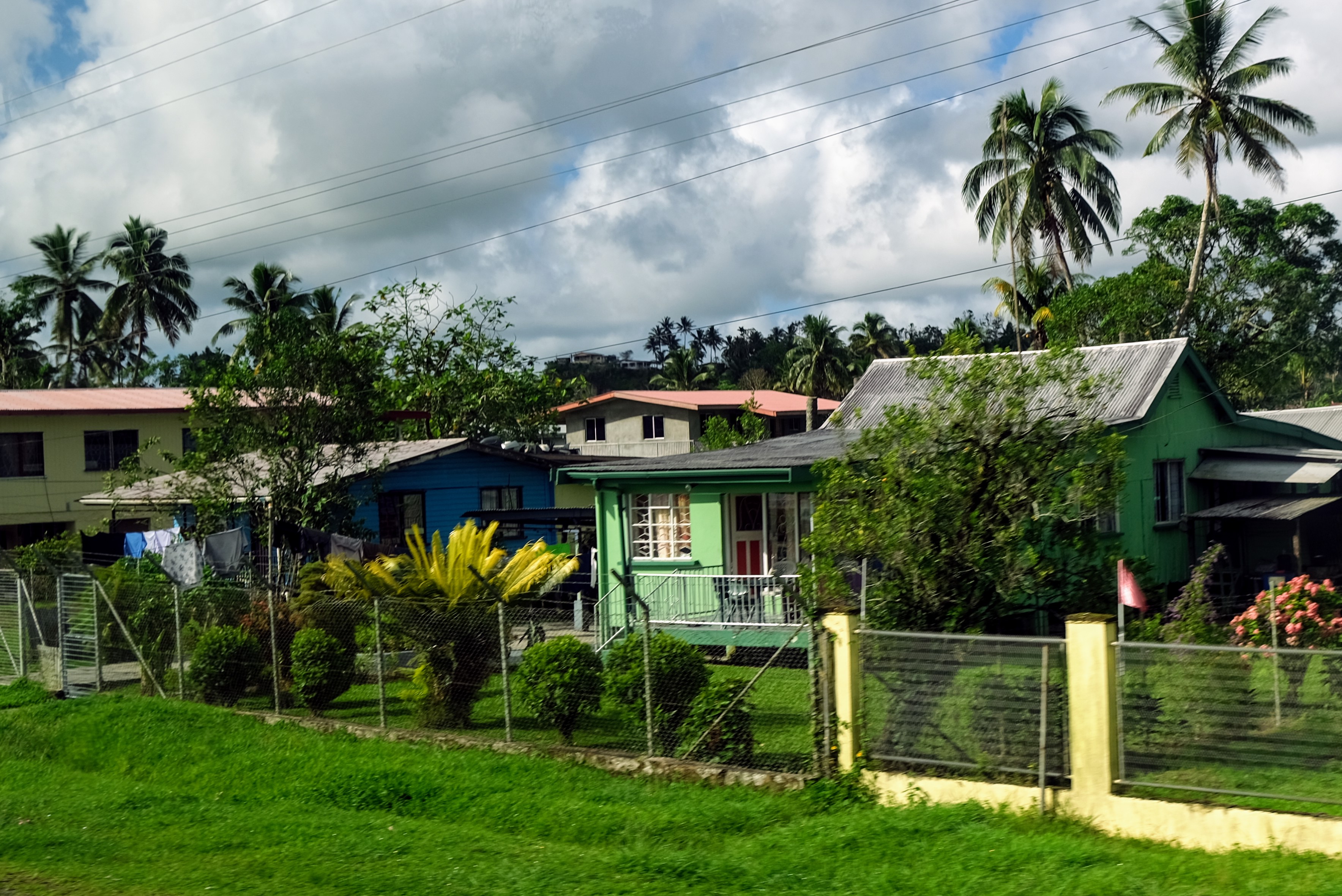
We were a bit disappointed that we didn’t have more time to get to see other parts of Fiji, but we did take a quick tour around to see where the people of Suva live, work, shop, eat, worship, and play. We learned that there is great religious freedom in Fiji, and people tend to live in tribes that are related to the work they do. Each tribe is governed by an elected chief, and our guide was quite proud to tell us that his tribe had recently elected its first woman chief.
As we sailed away from Fiji, we realized that we had only seen a small piece of this lovely island, but perhaps our travels will bring us back…we wouldn’t mind that a bit!
Tropical Tonga: The Friendly Islands

Although the Viking Sun successfully navigated around Cyclone Tino to arrive in Tonga a day early, his wrath could be felt and seen throughout the kingdom, with many places still without power. Historically called the “Friendly Islands,” Tonga’s official name is the Kingdom of Tonga. It is a Polynesian sovereign state made up of more than 170 islands, only 36 of which are inhabited.

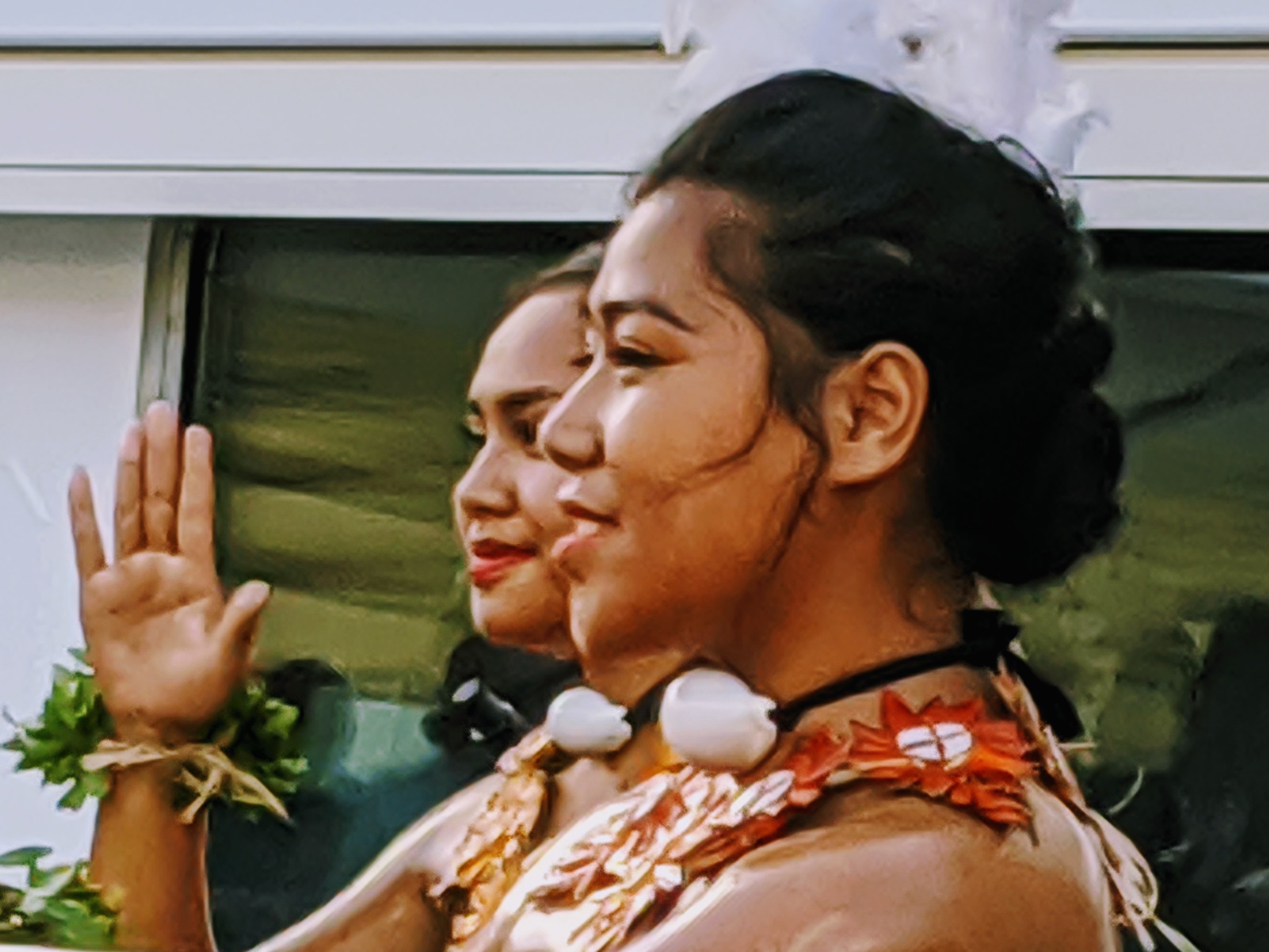
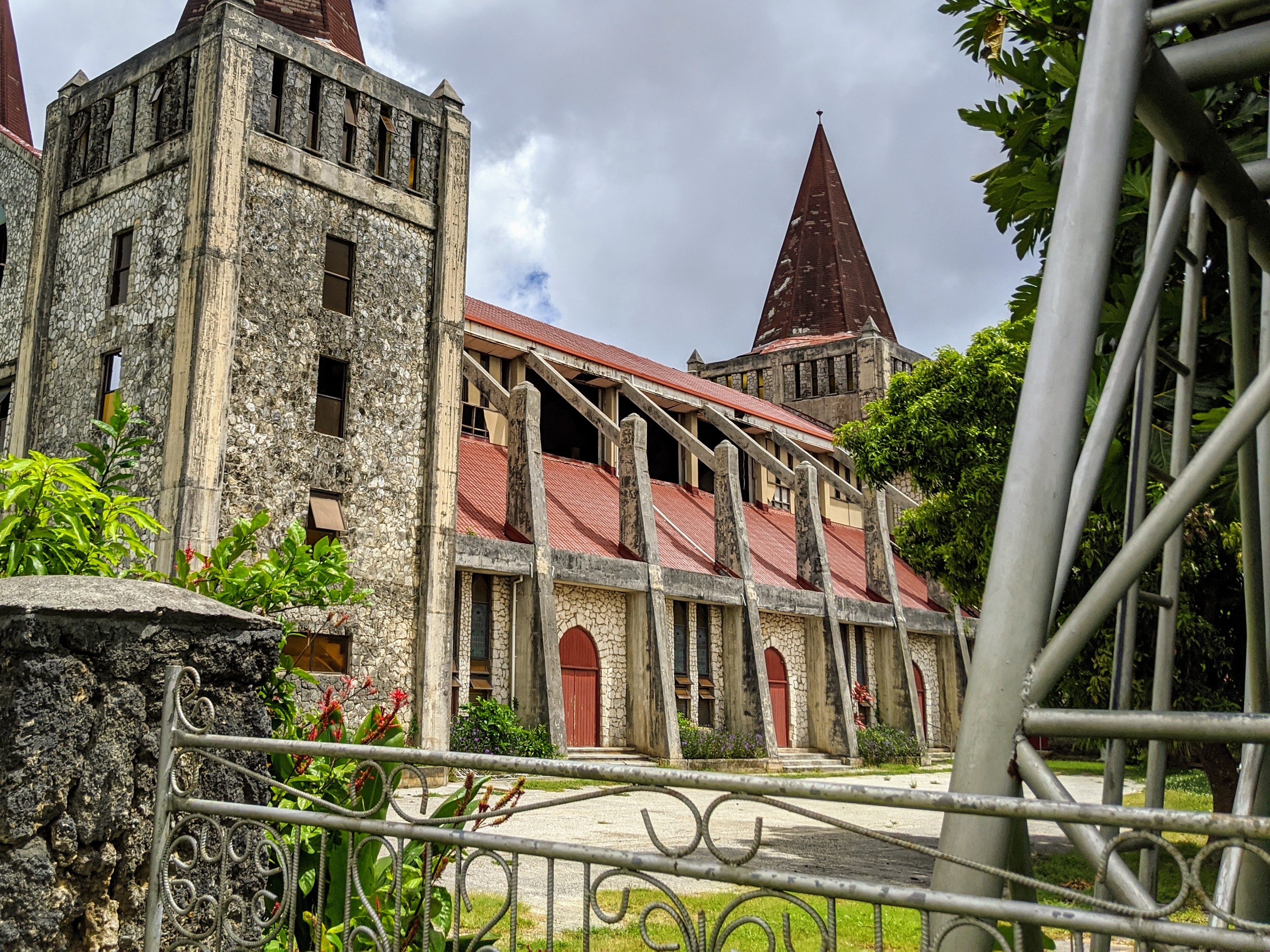
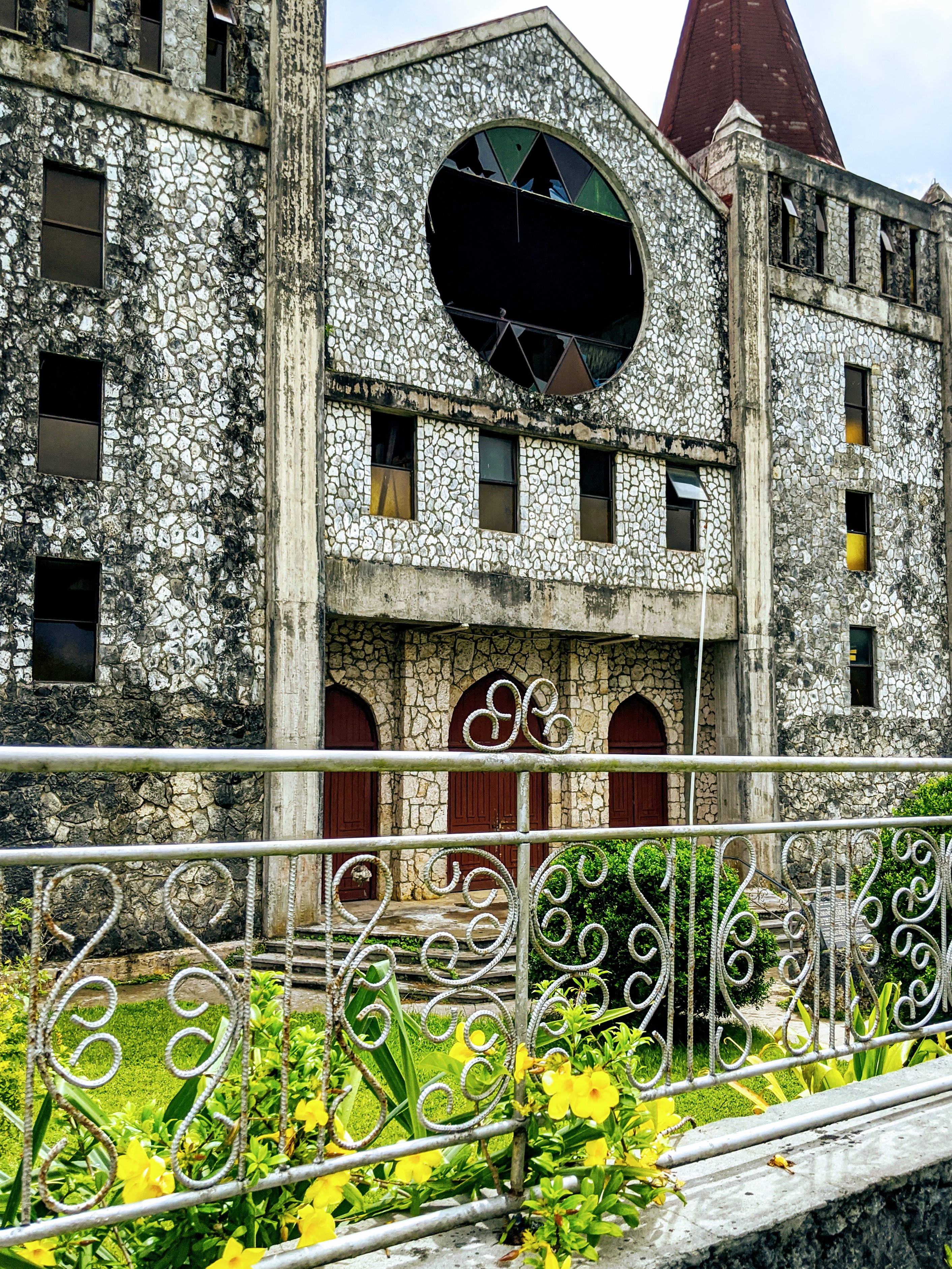
We were greeted with a warm “Malo e lelei” (hello!) by the Tonga Police Dancers, and our cruise staff arranged transfer service to Likualofa for an afternoon at the beach. Along the way, we saw the devastating effects of severe storms that have decimated mango and bread fruit crops, and buildings in varying stages of destruction and repair. The biggest cyclone to hit Tonga in 60 years was Cyclone Gita in 1918. Gita took out historic churches, communications centers, rooftops, and schools, many of which are still in the process of being re-built.

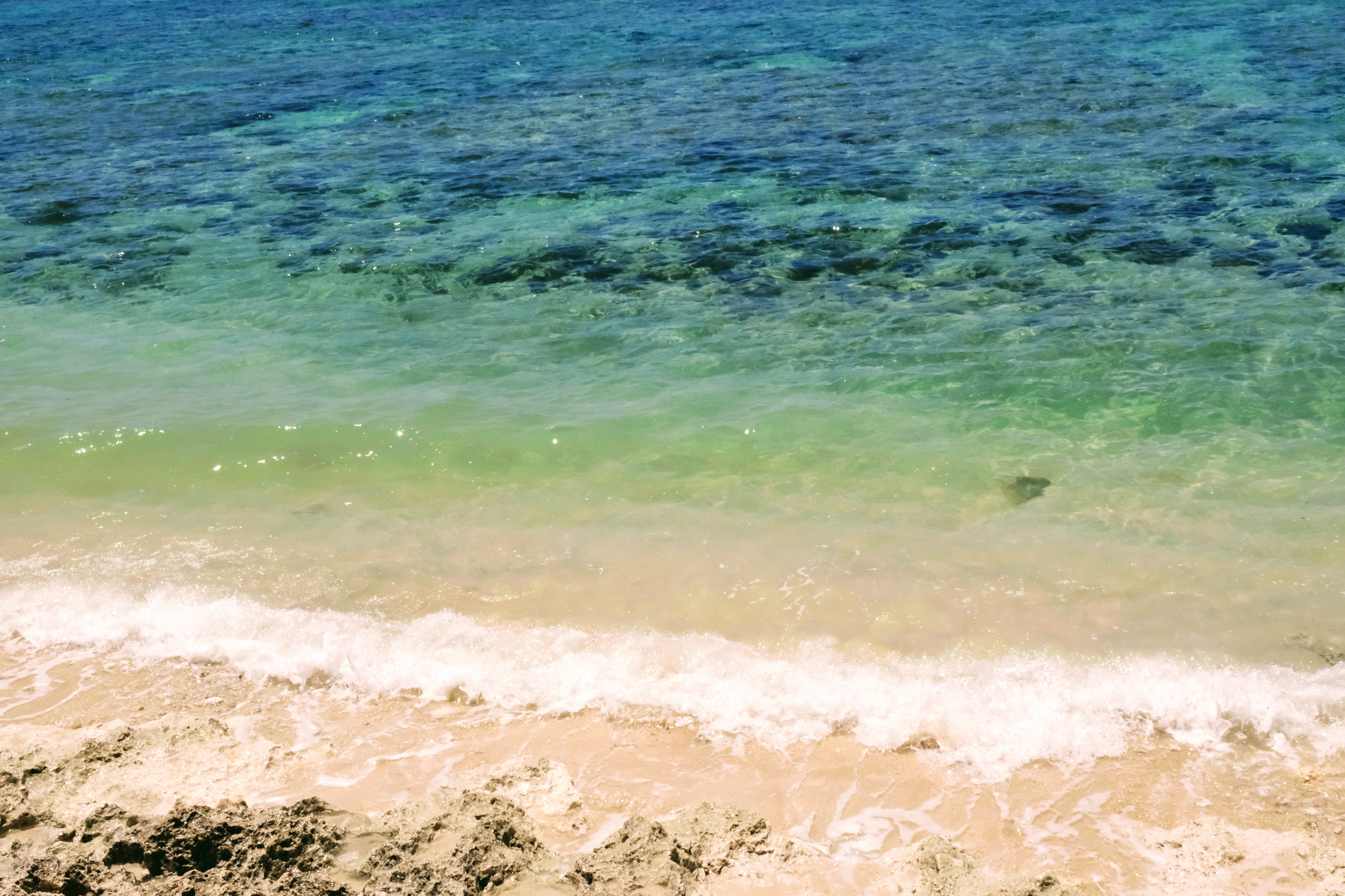
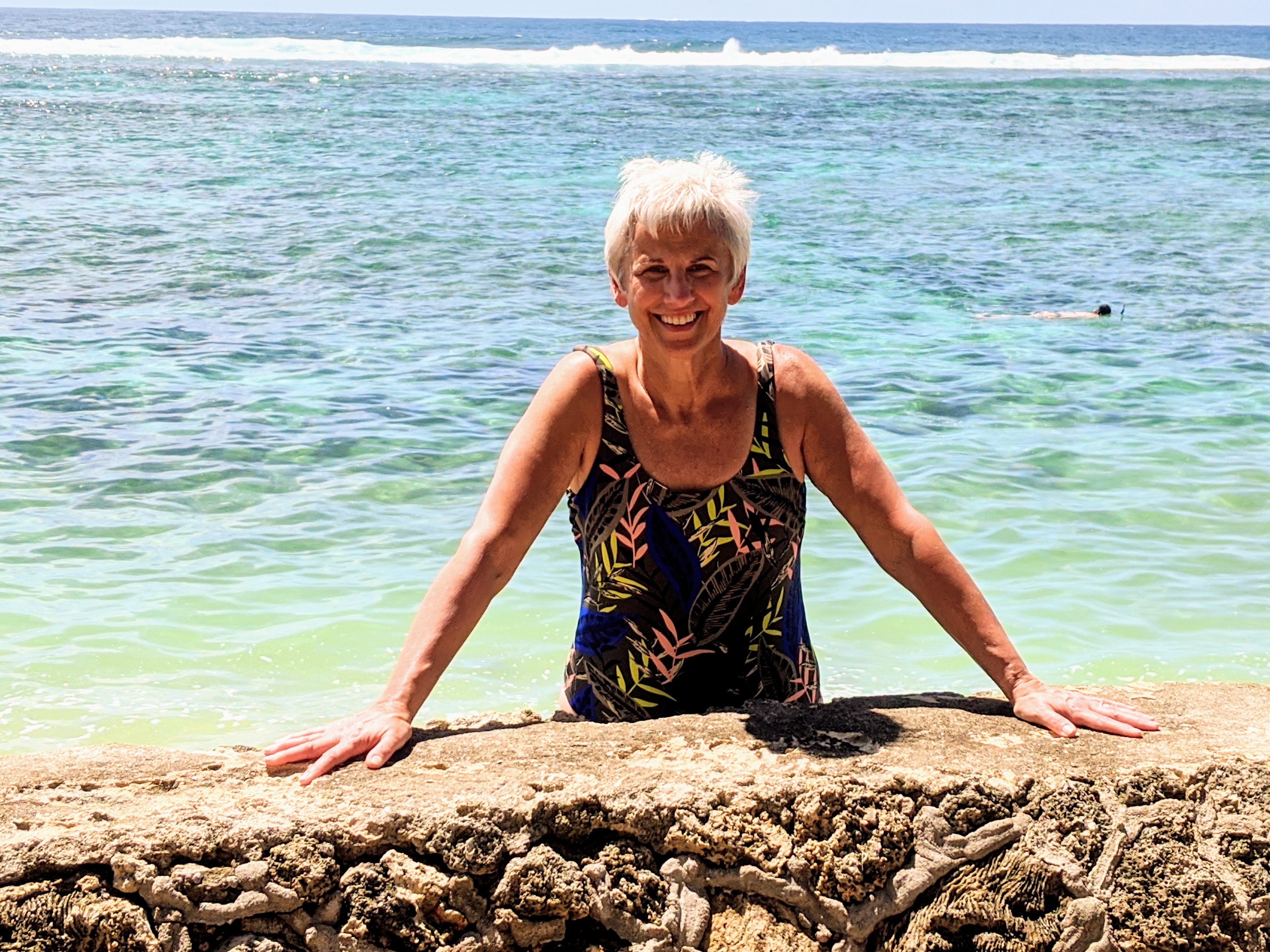
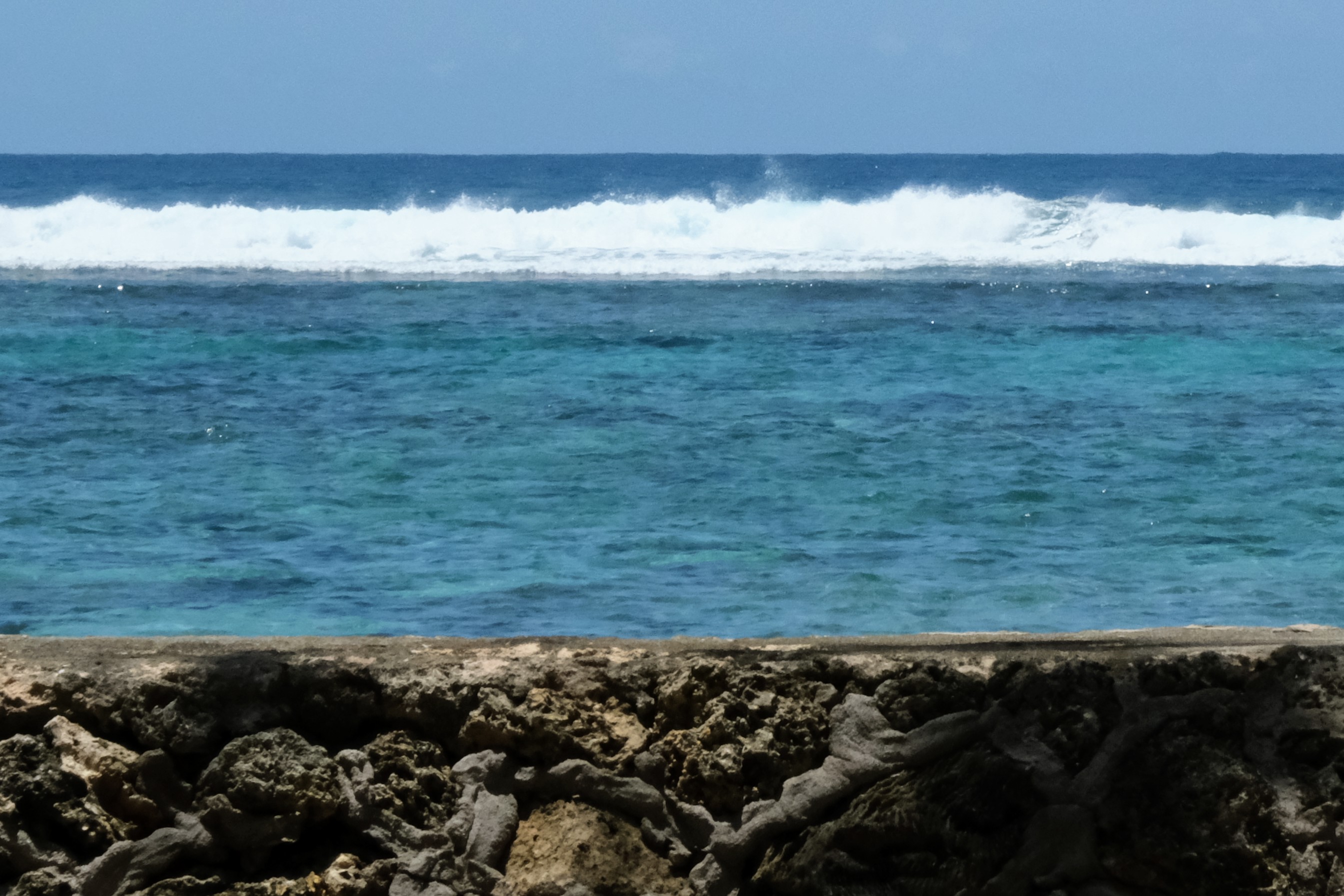
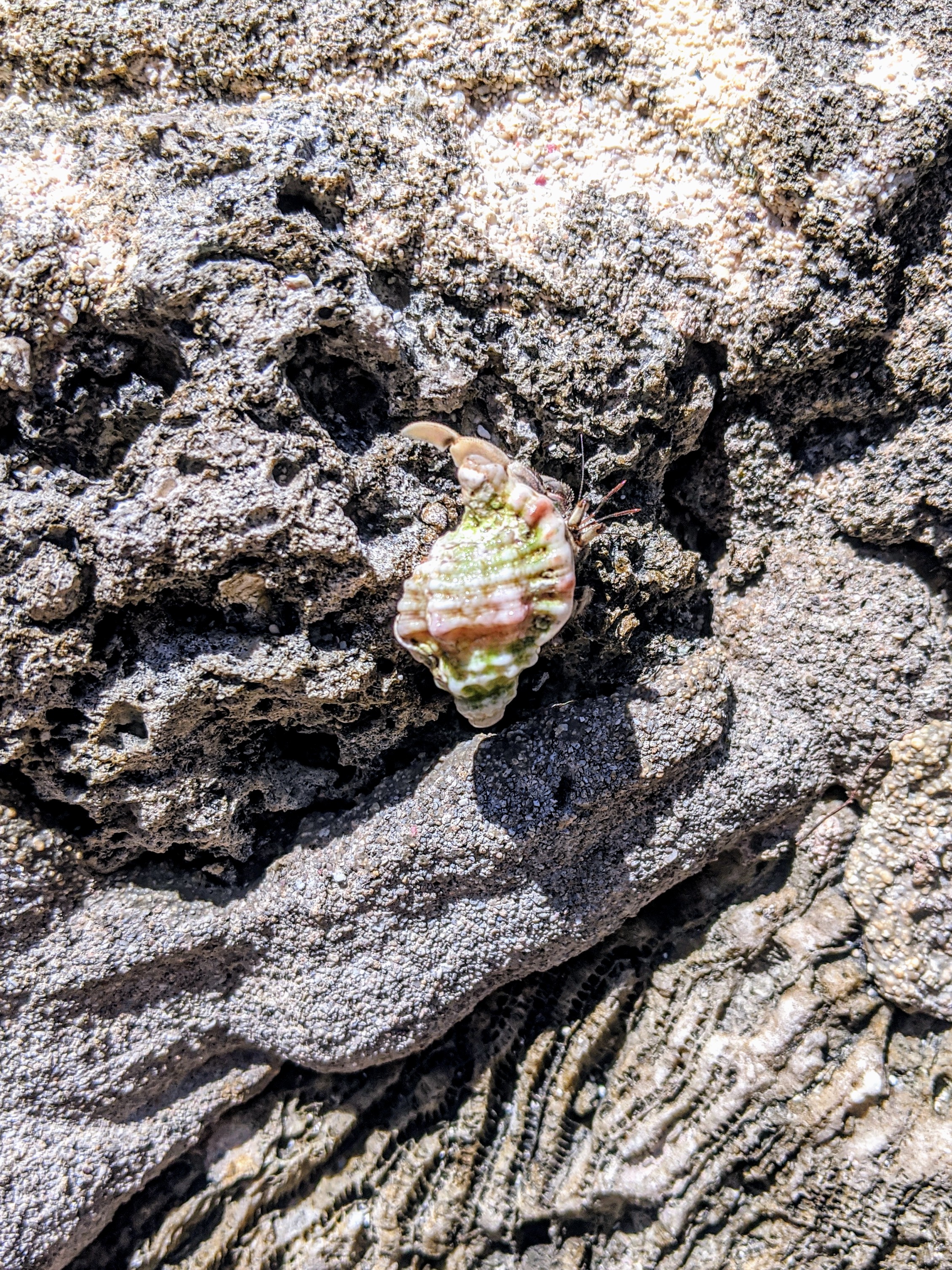
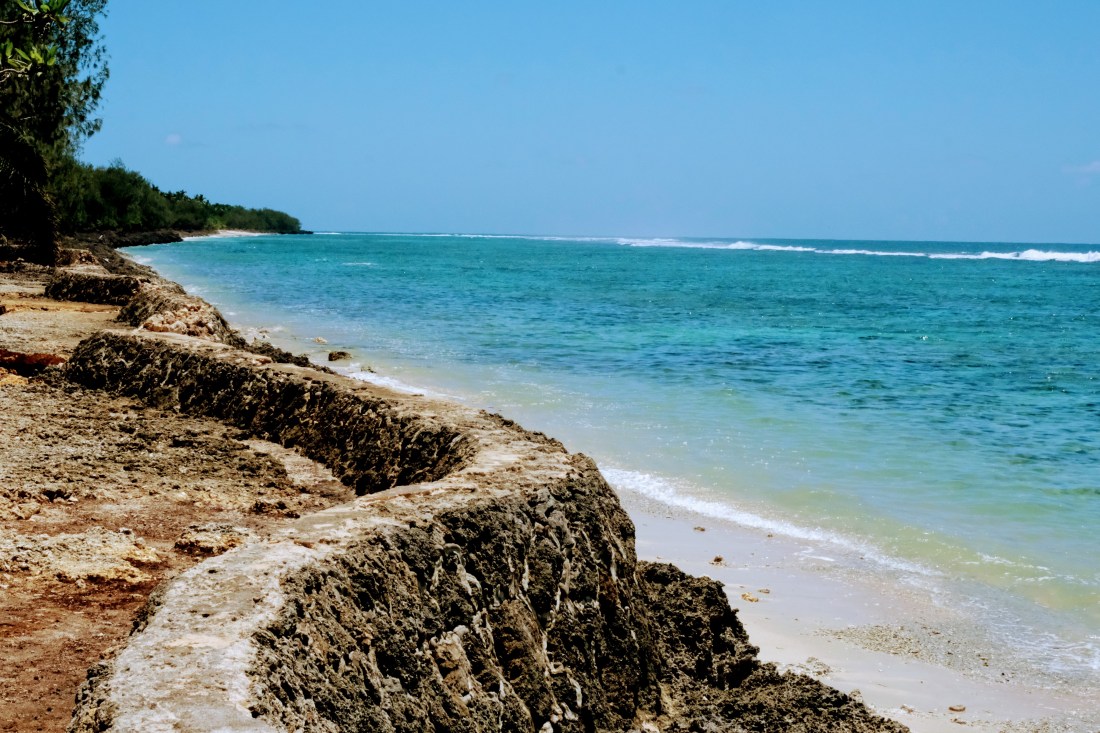
Unlike the soft, sandy beaches in Tahiti and Bora Bora, the beach at Likualofa is mostly limestone and coral, but the water is 50 crystal clear shades of blue/green. There are numerous pine trees dotting the beach, making umbrellas unnecessary. The coral and limestone make walking and getting into the ocean a challenge and the undertow makes it difficult to get out, but the water provides a welcome respite from the heat and humidity of the day. And Doug spotted an ambitious land crab blending inconspicuously on a coral reef!

The next day we explored the port town of Nuku’Alofa and learned more about life in Tonga. Tonga was united under one monarch in 1845 by King George of England. A British protectorate until 1970, they acquired their independence and became a sovereign nation, but remain an active member of the Commonwealth. Tonga has a population of just over 100,000 inhabitants, and the official languages are Tongan (spoken at home) and English (taught in schools.)

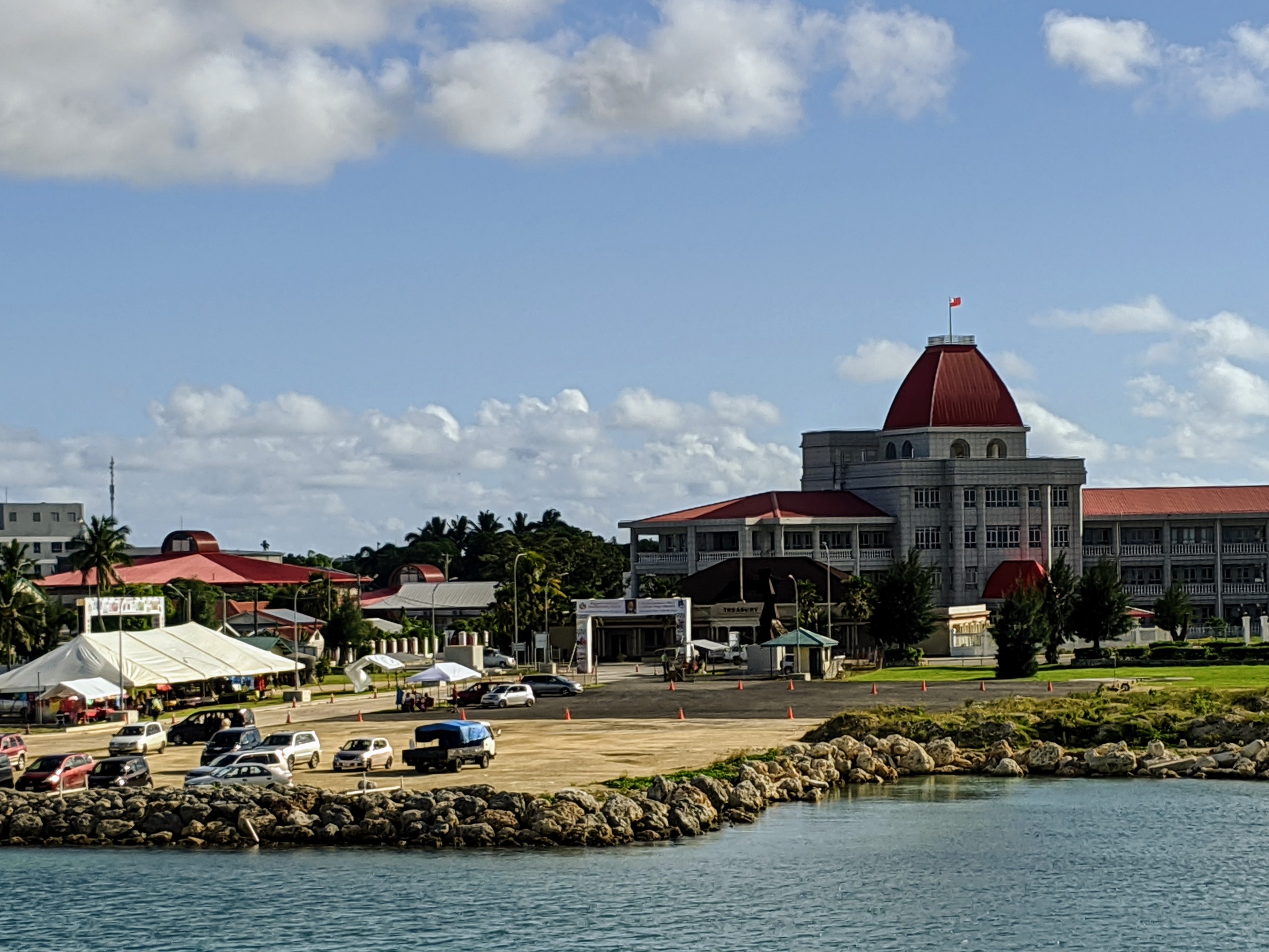
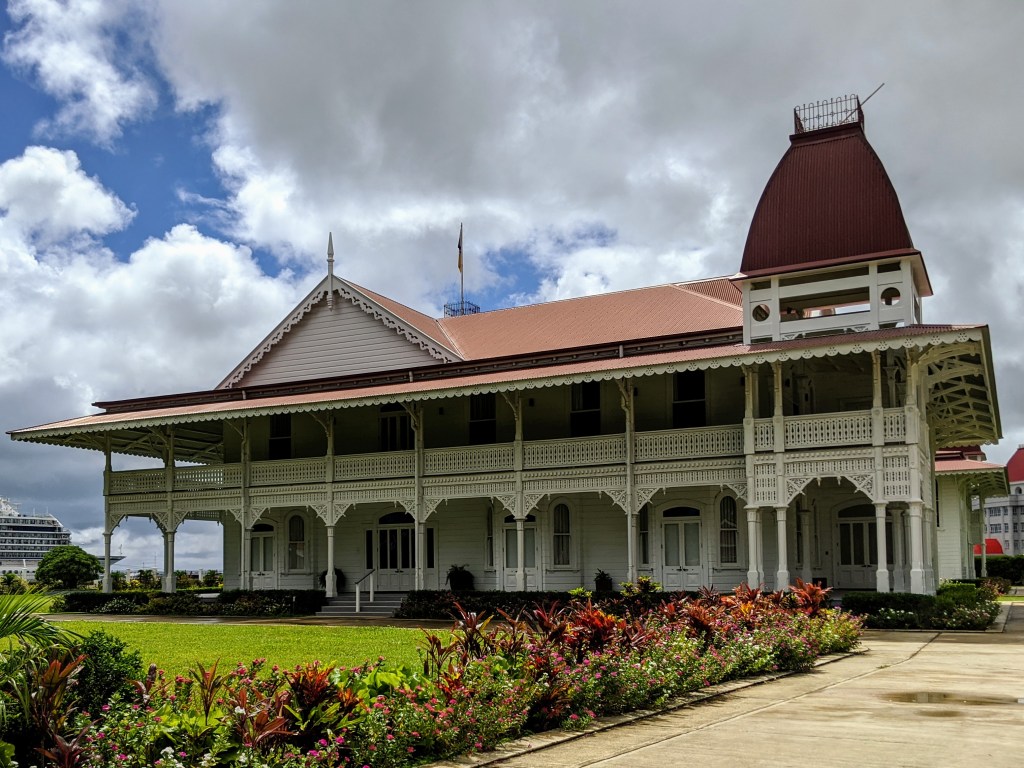
The Royal Palace is the official residence of King Aho’eitu Tupou VI and the royal family. The white Victorian wooden palace was built in 1867. The palace is not open to the public, but it is very visible from the waterfront. The royal family uses the palace for official functions, but they have another home in which they actually reside.

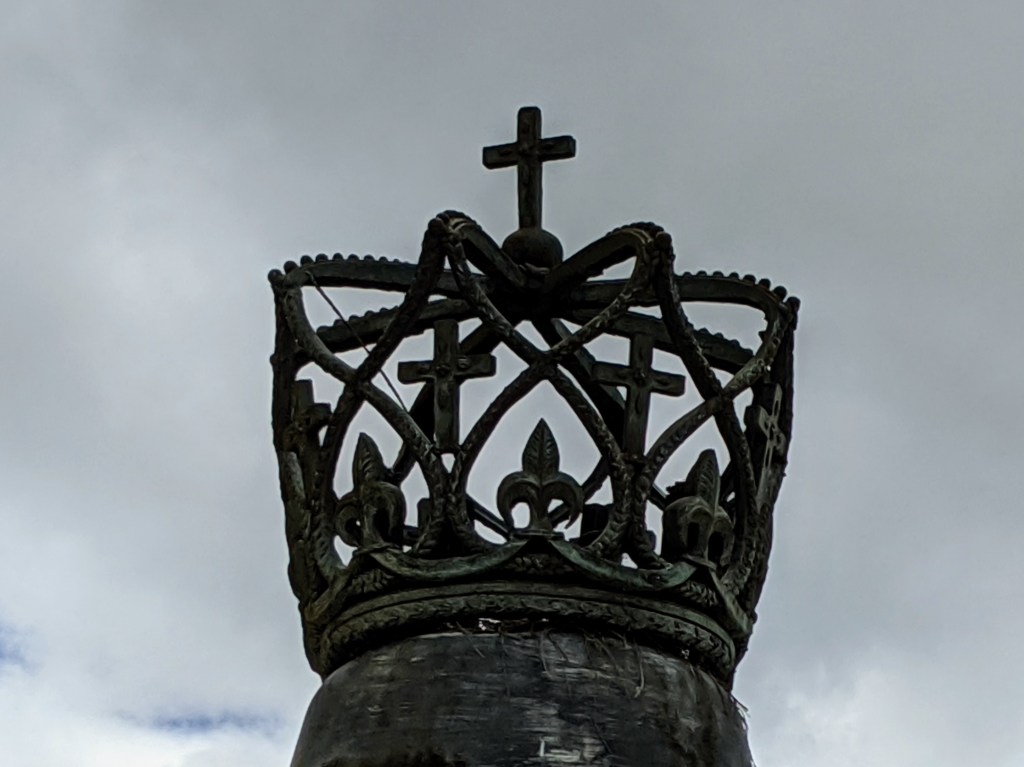
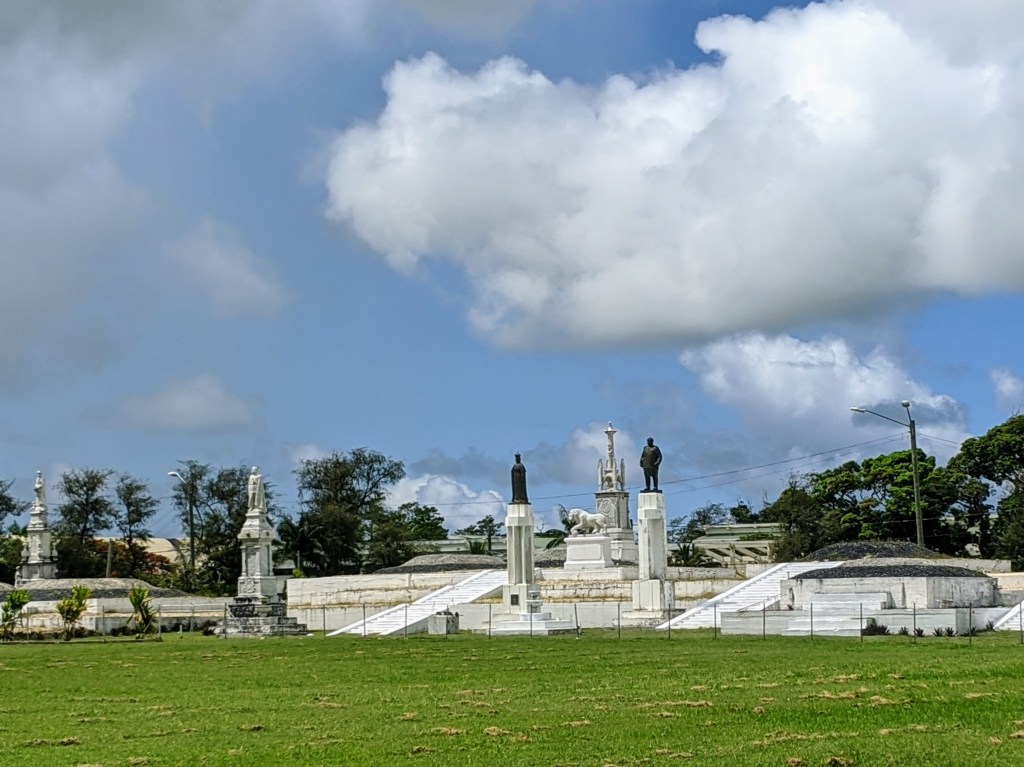
The Maia’e Kula (Royal Tombs) were built in 1893 when His Majesty King George Tupou I passed away. These are considered sacred grounds by the Tongans, and they are not open to the public. Another Tongan custom is to drape one’s house with purple and black bunting when someone has recently passed away. It is considered a sign of respect for the deceased, and we saw several draped houses and businesses.

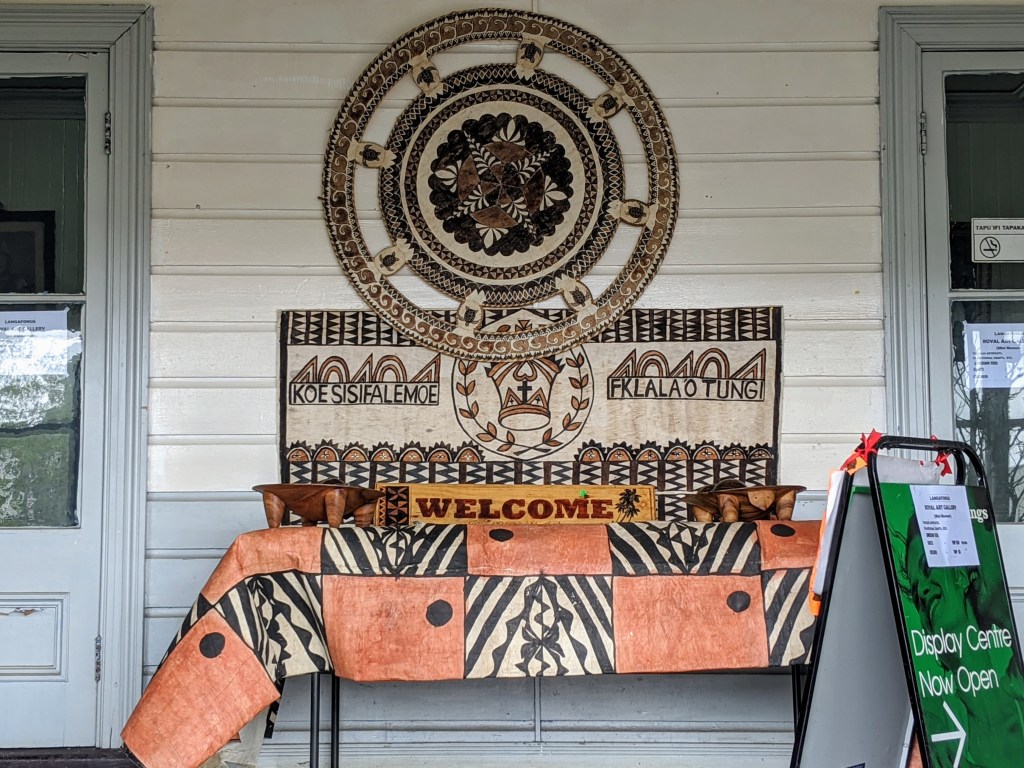
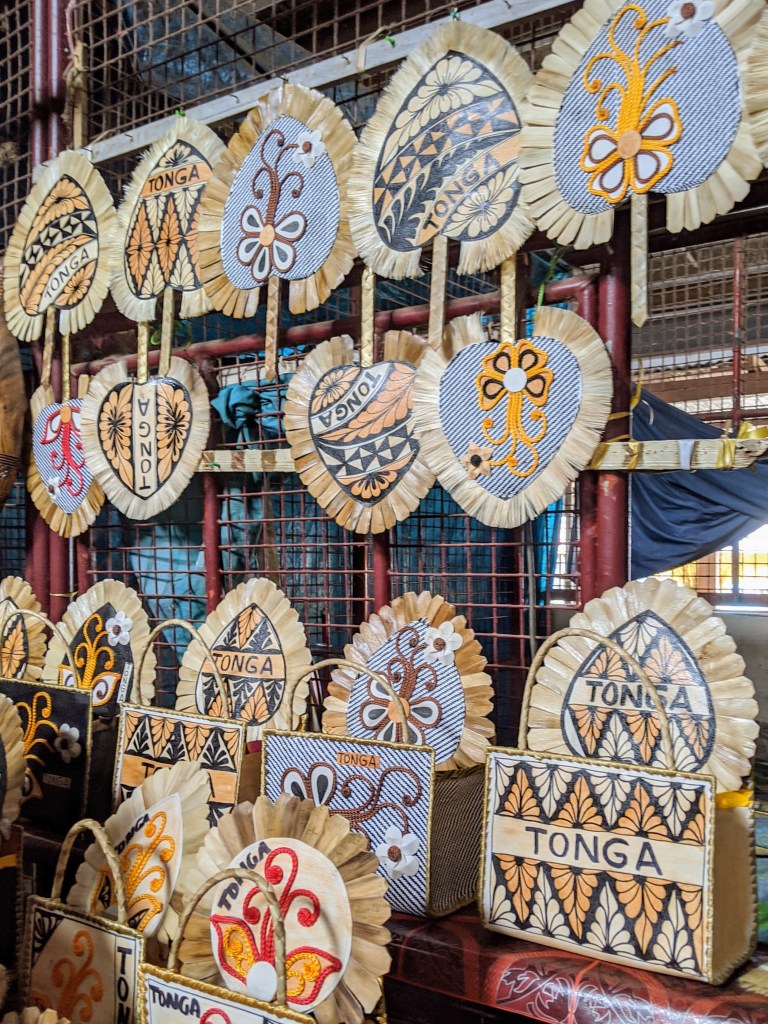
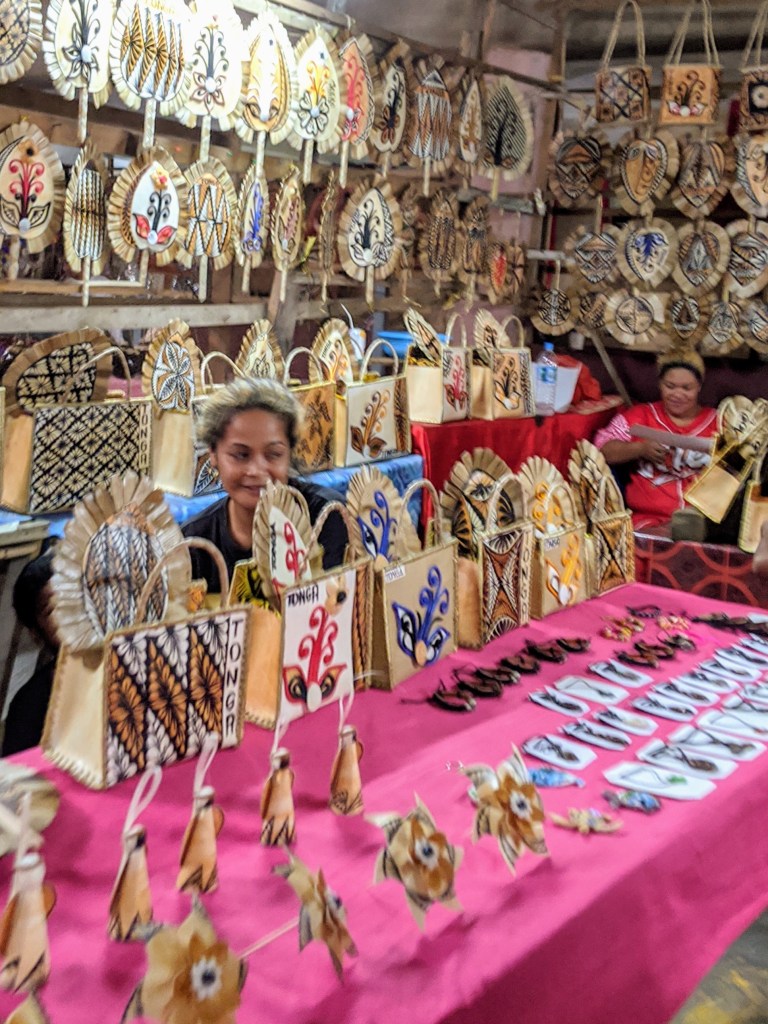
Arts and Crafts are a big source of income for Tongan women, and the Langafonua Handicrafts Center stocks the best range of traditional Tongan handicrafts and fine arts. The center was set up to preserve the ancient craft skills and promote Tongan handicrafts in 1953. Everything in the center is made locally to reflect the proud culture and heritage of Tonga.

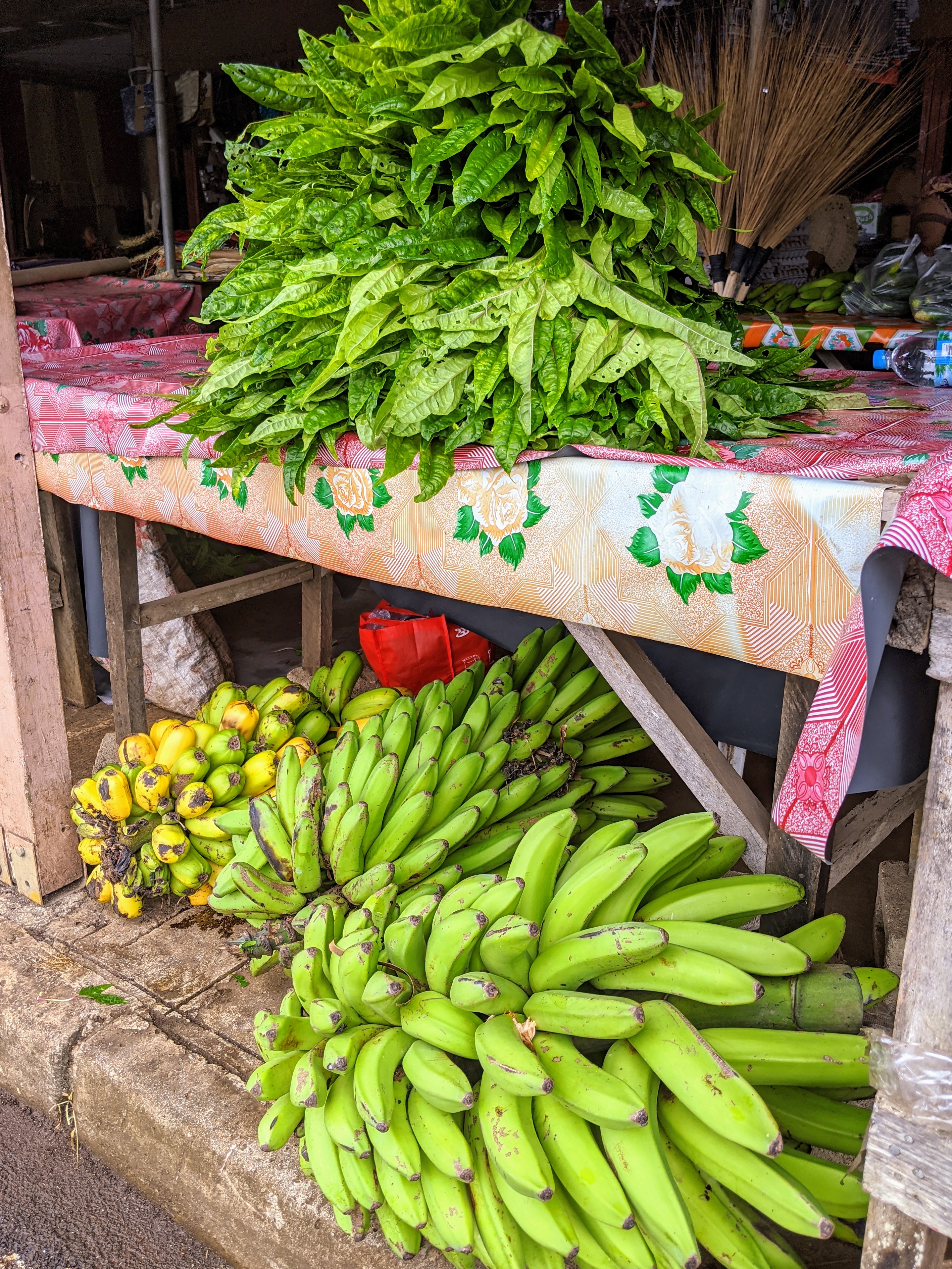
The Marketi Talamanhu is a lively produce market where vendors sell a variety of fresh, local produce ranging from huge taro roots, sweet potatoes, pineapples, and melons to string beans, greens, and tiny bananas.

The people of Tonga live up to their historic moniker as the “friendly island.” In spite of signs of poverty all around us, everyone we met was genuinely friendly and very proud of their island and heritage. For special occasions, the women and men wear traditional garlands of red flowers and handmade wrap skirts called ta’ovalas as a sign of respect. Our guides wore these skirts over their clothing to let us know how much they appreciate tourists. In fact, if one word could be used to describe the Tongan people, it would be “respectful.” Trip Advisor ranks Friends Cafe as Tonga’s best coffee shop, and we have to agree. It might not stand up to Papa Latte’s in terms of quality, but the warm, respectful service and the smiles of the Tongan people make it a cut above!

A Cyclone and a Spa Day

Circumnavigating Cyclone Tino, a Category 3 topical storm that promises “heavy rain, strong winds, and rough seas to Fiji and Tonga” (our next two ports) is the goal of Captain Olav Soevdsnes in canceling our stop in Rarotonga, Cook Islands, and taking a more northerly route to Tonga. This new route reduces the projected wind gusts from 45 down to 20 knots and seas from 16-18 feet to something closer to 6-8 feet. Nonetheless, the sea is angry as we look out our balcony window, and we’re feeling confident in Captain Olav’s judgement in keeping us safe…what option do we have at this point?

Our current situation!

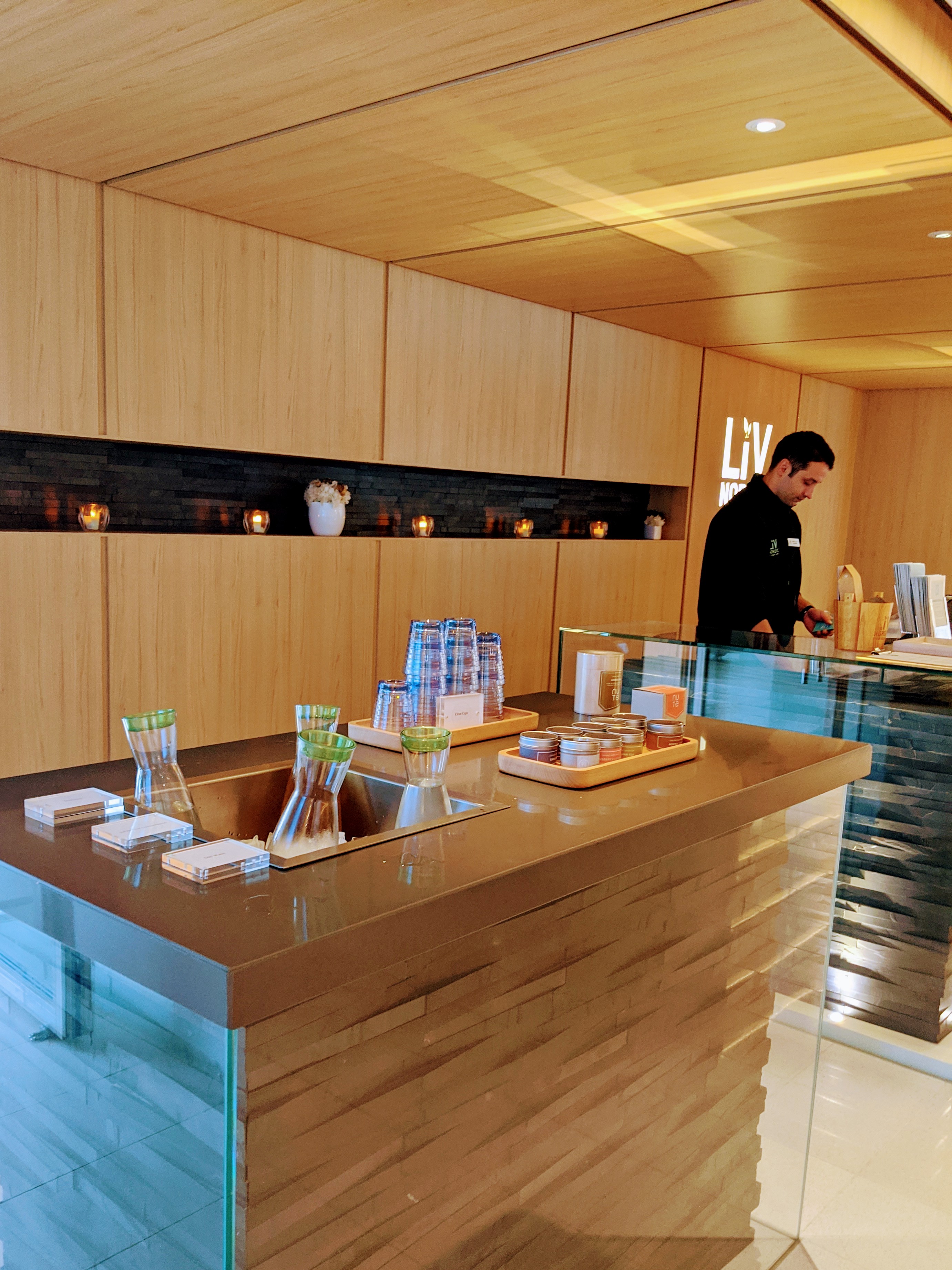
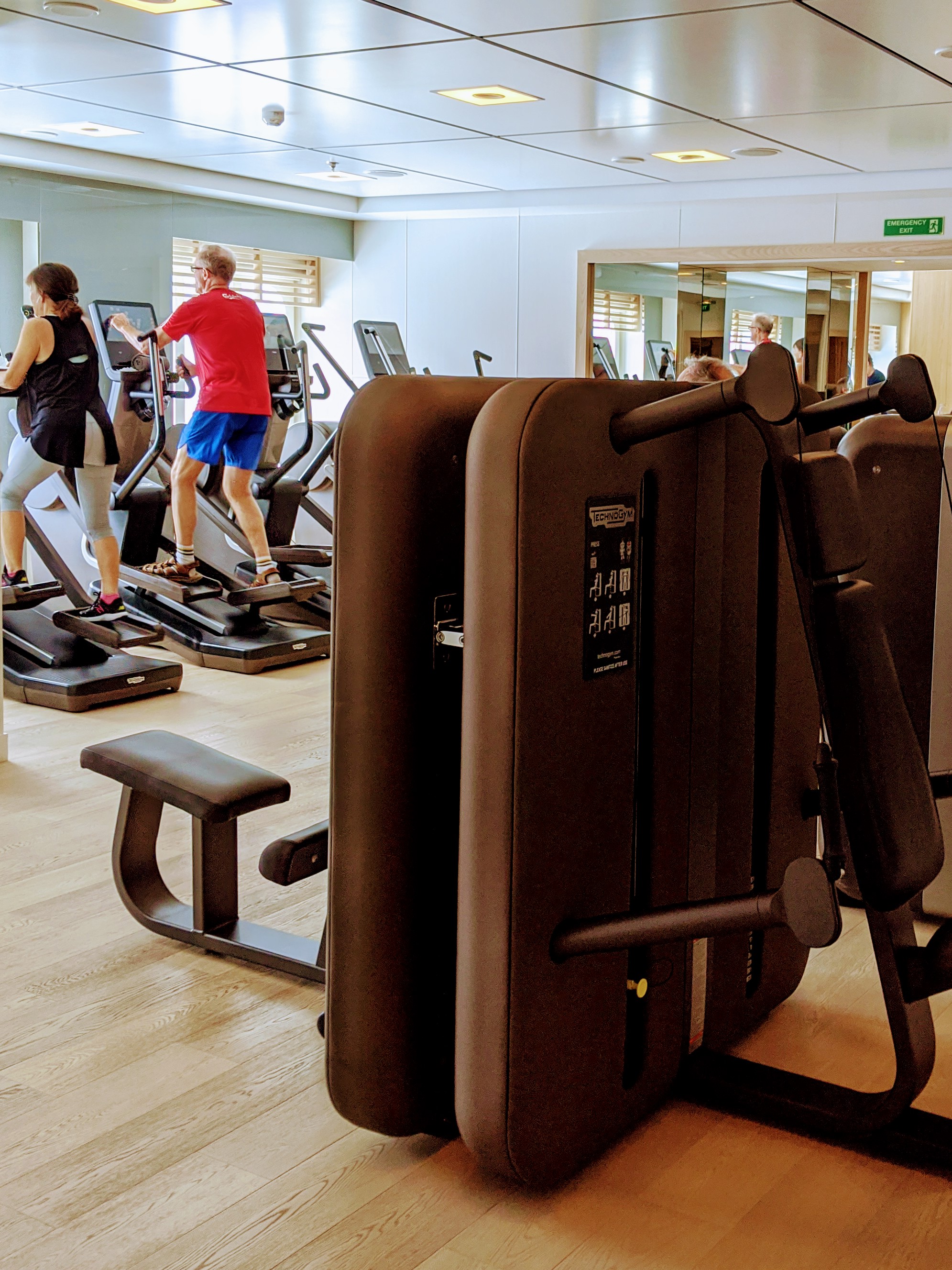
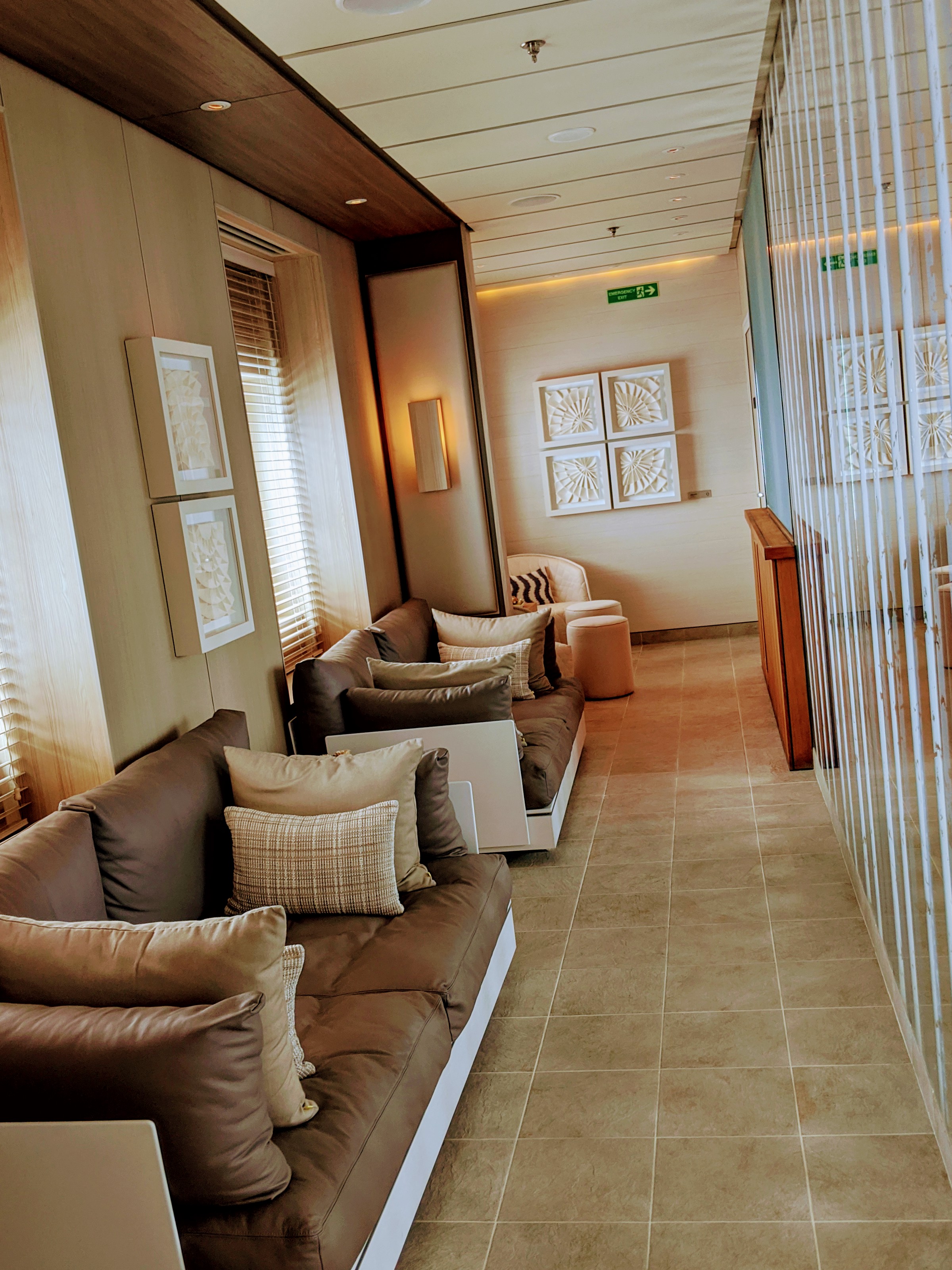
So we decide to head down to the first deck to spend the better part of our day in the beautiful Liv Nordic Spa and Fitness Center, and to take this opportunity to share more about this beautiful space with you. The well-equipped fitness center is open from 6:00 am until 10:00 pm, and includes several stationary bikes, treadmills, rowing machines, weight equipment, pulleys, free weights, and a variety of other fitness tools. Help is readily available, and personal trainers can be engaged by the hour to develop an individualized plan to counterbalance the many temptations from the kitchen.

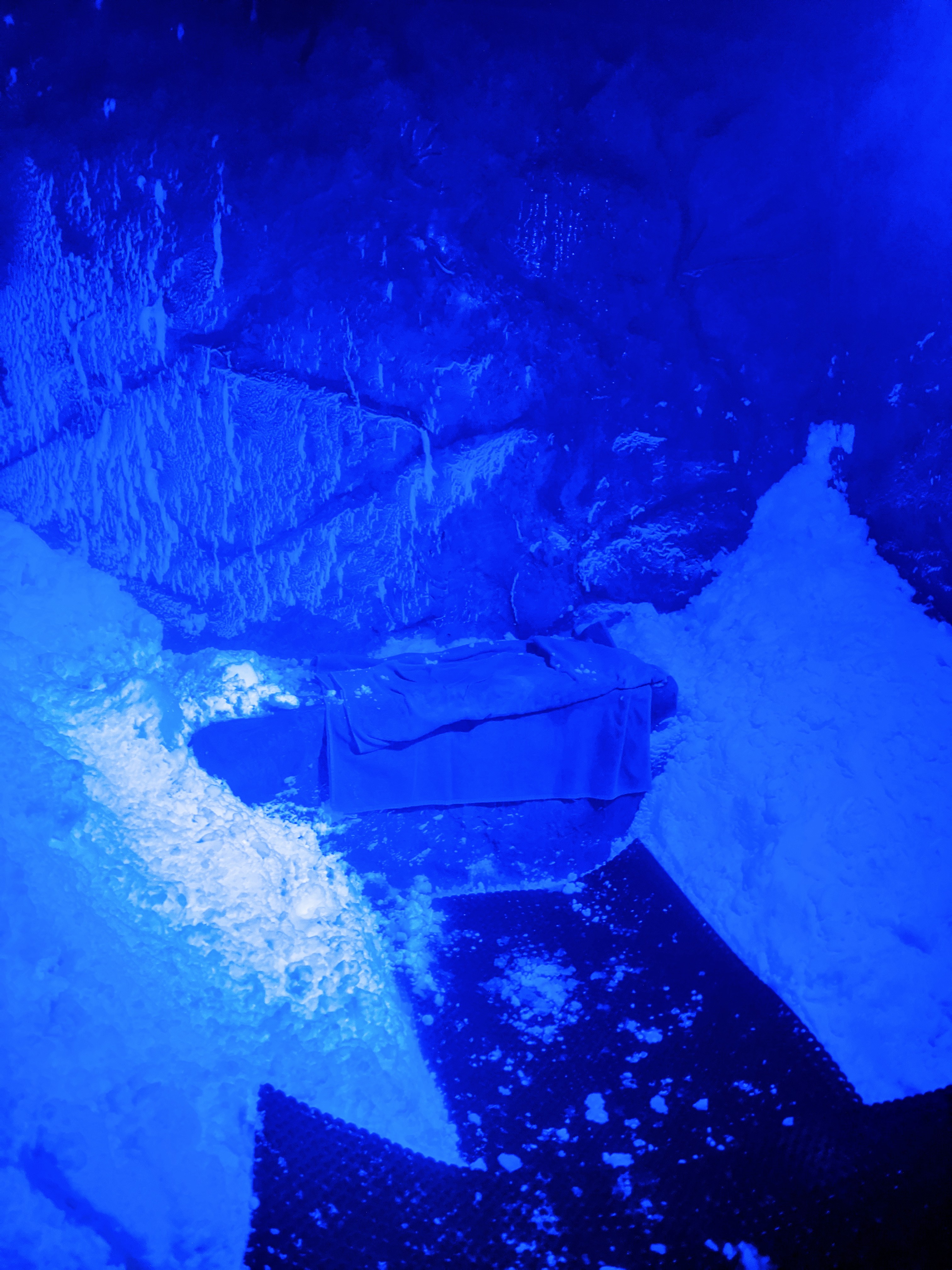
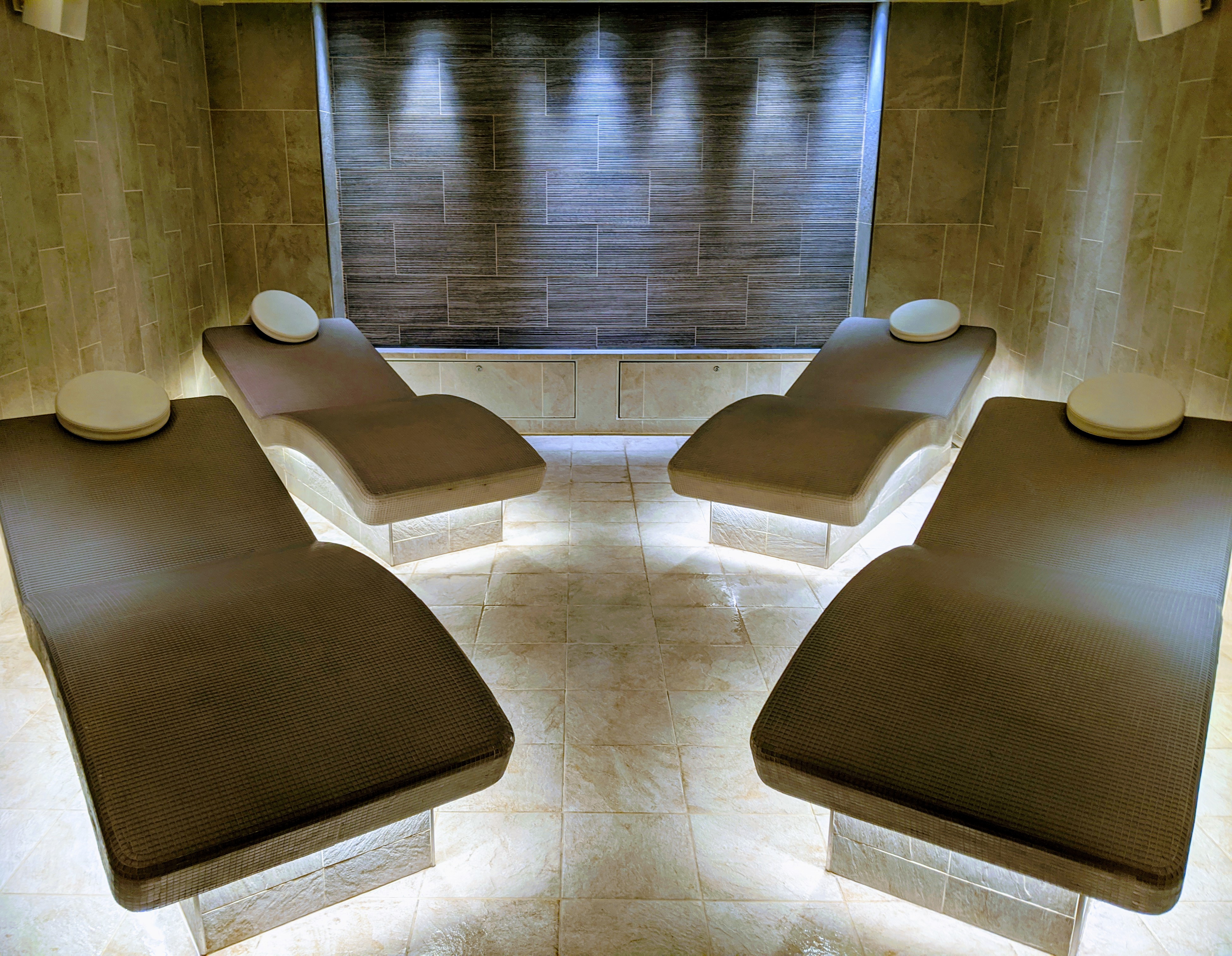
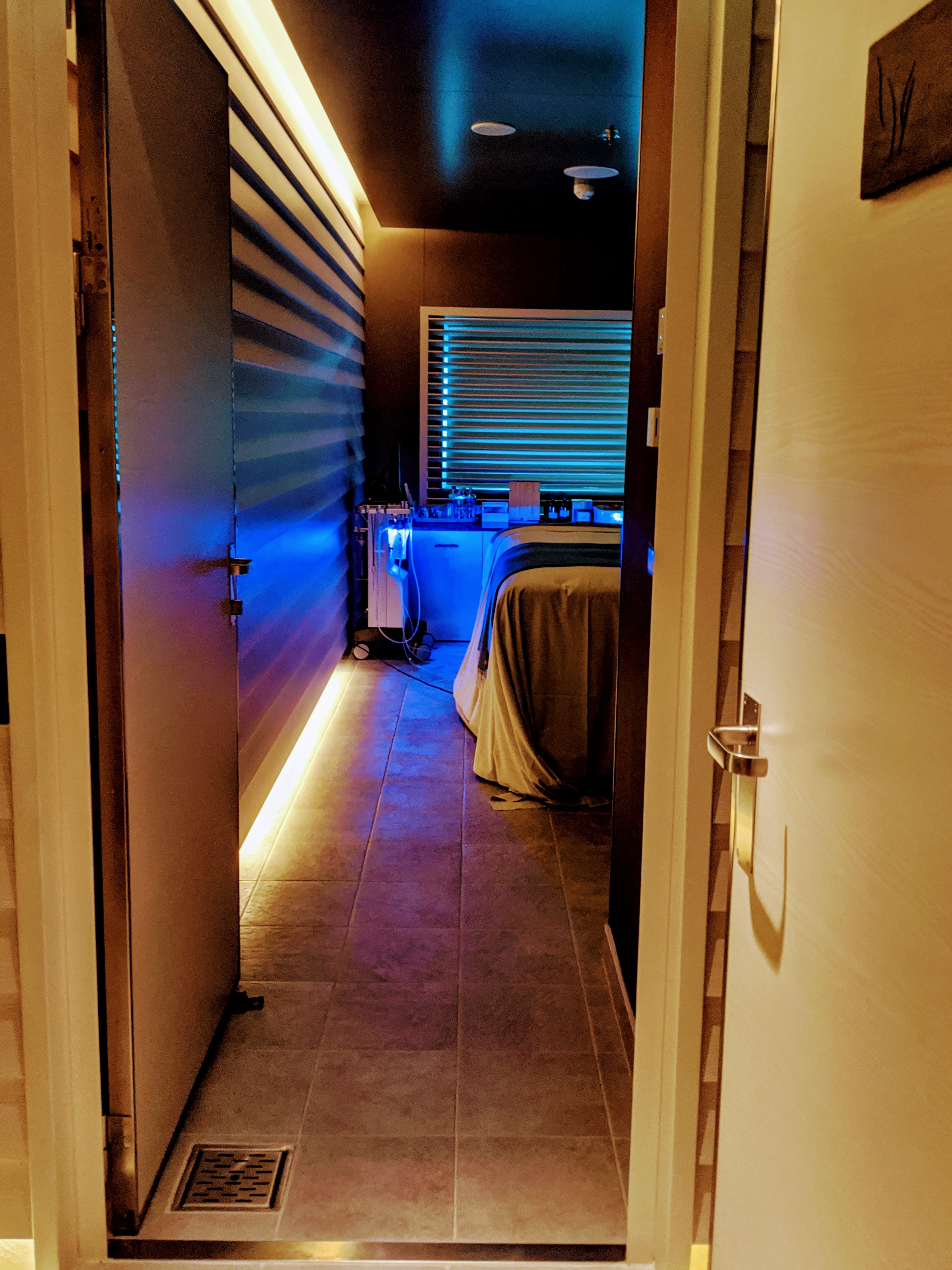
After a vigorous workout (that challenges our balance and coordination!), we head to the adjacent spa for some pampering and relaxation. The spa provides an oasis from whatever else is happening in the world. A full menu of customized spa services is available, including massage, facials, Nordic bathing rituals with contrasting hot and cold therapies, steam room to snow grotto, and mineral pools. We try them all, and can honestly say that this is time well spent while sailing AROUND a cyclone!

When all is said and done, we think this might just be our favorite spot on board. We hope you’ve enjoyed our glimpse of the Viking Sun’s fitness center and spa. We try to spend at least part of every day here, and you can see that Doug feels right at home catching up on emails and the news of the day from his poolside lounge chair while the sea continues to churn beyond these protective walls.

Breathtaking Bora Bora

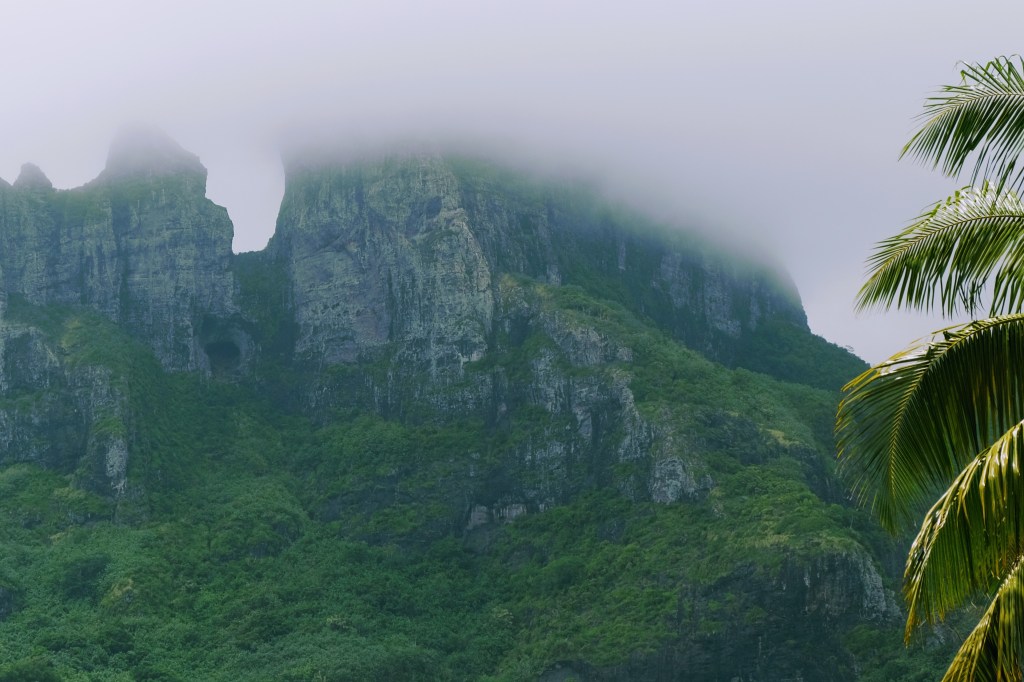
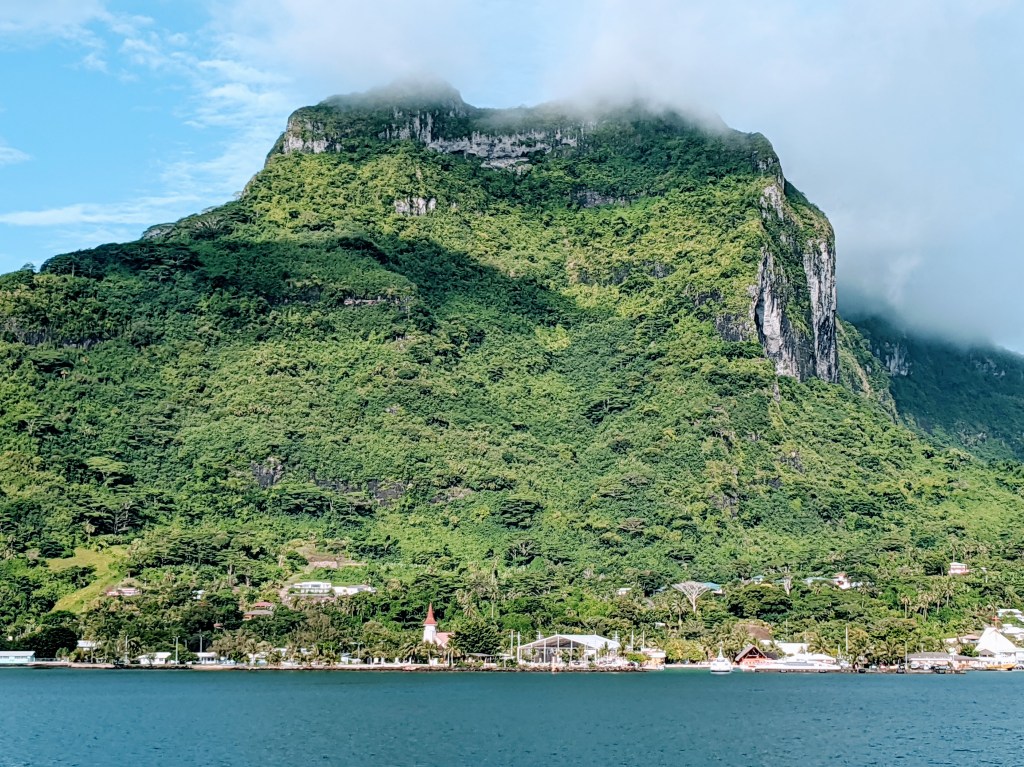
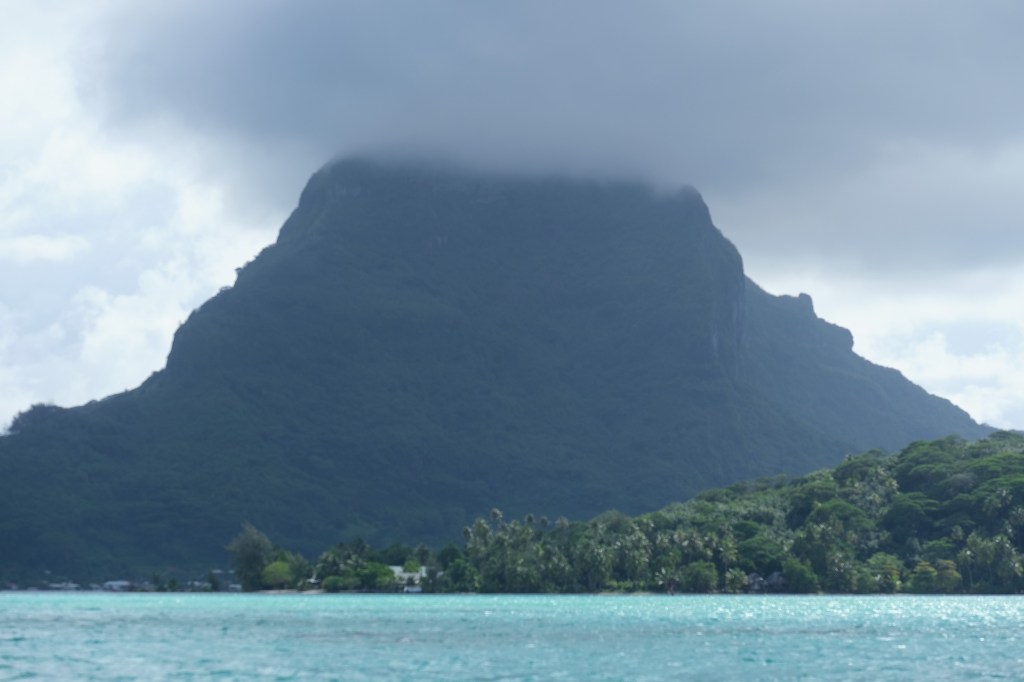
Our first look at the tiny Society Island of Bora Bora reflected how beautiful yet changeable the views can be. As the Viking Sun dropped anchor just across from the town of Vaitape, the peak of Mt. Otemanu was shrouded in thick, dark clouds that promised the outbursts of rain that would occur on and off throughout the day. Around noon, the cloud cover dissipated somewhat, revealing more of the rugged mountain, and changing the look of the crystal clear waters surrounding it. And by the time we sailed away at the end of the day, the clouds were just kissing the top of Otemanu’s 2,379 foot vertical, revealing lush vegetation almost all the way up to its rocky summit.

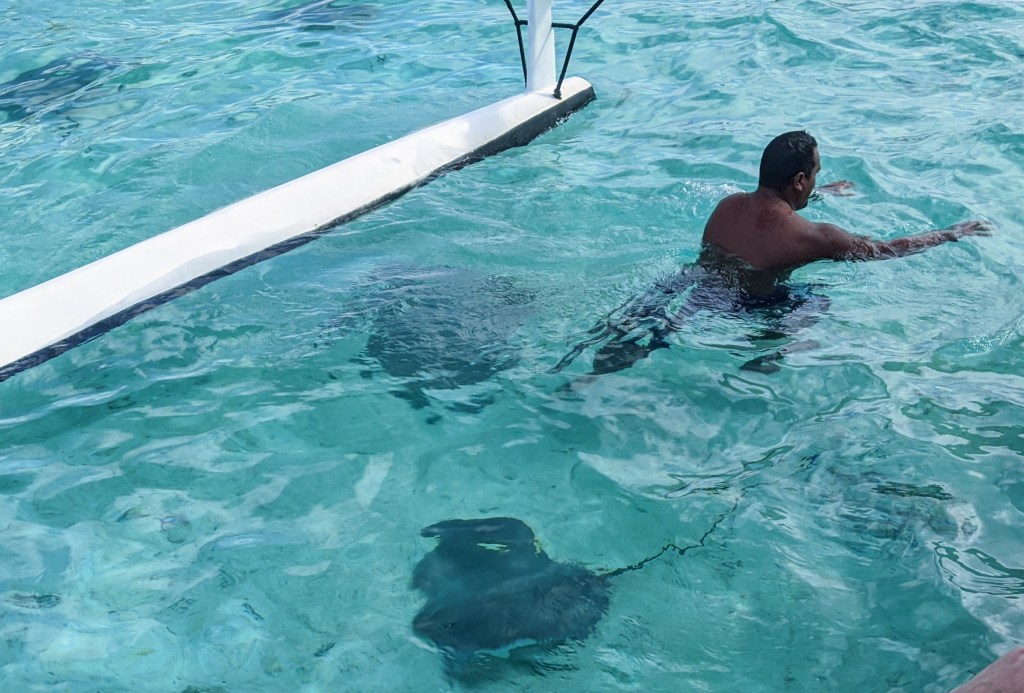
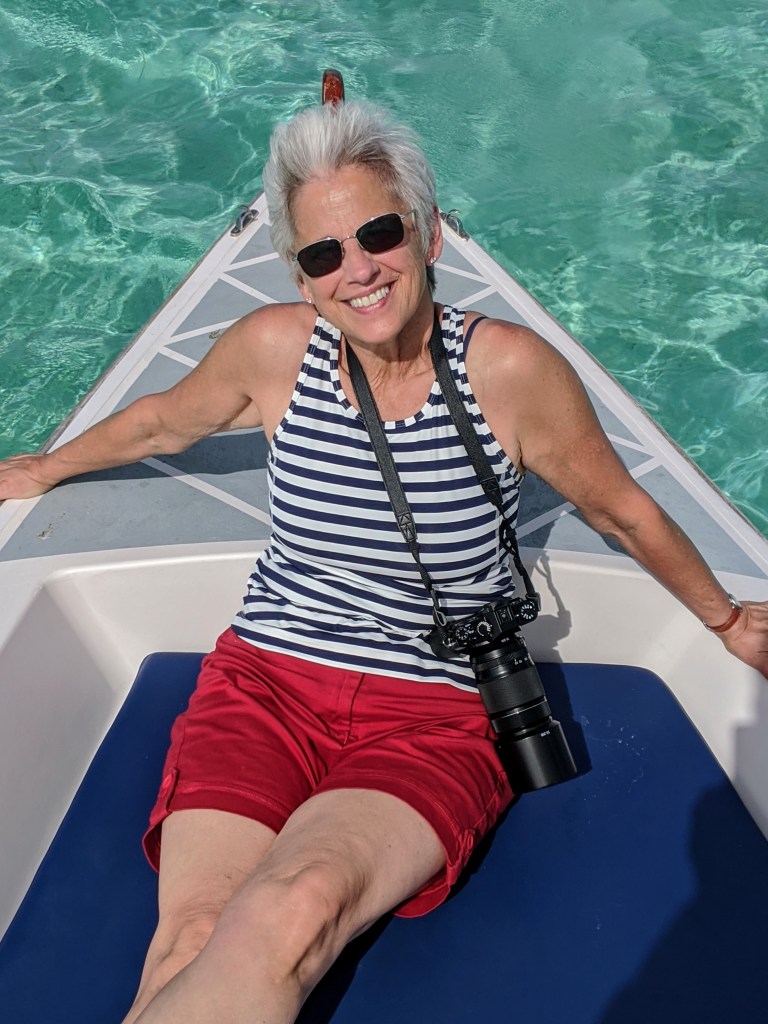
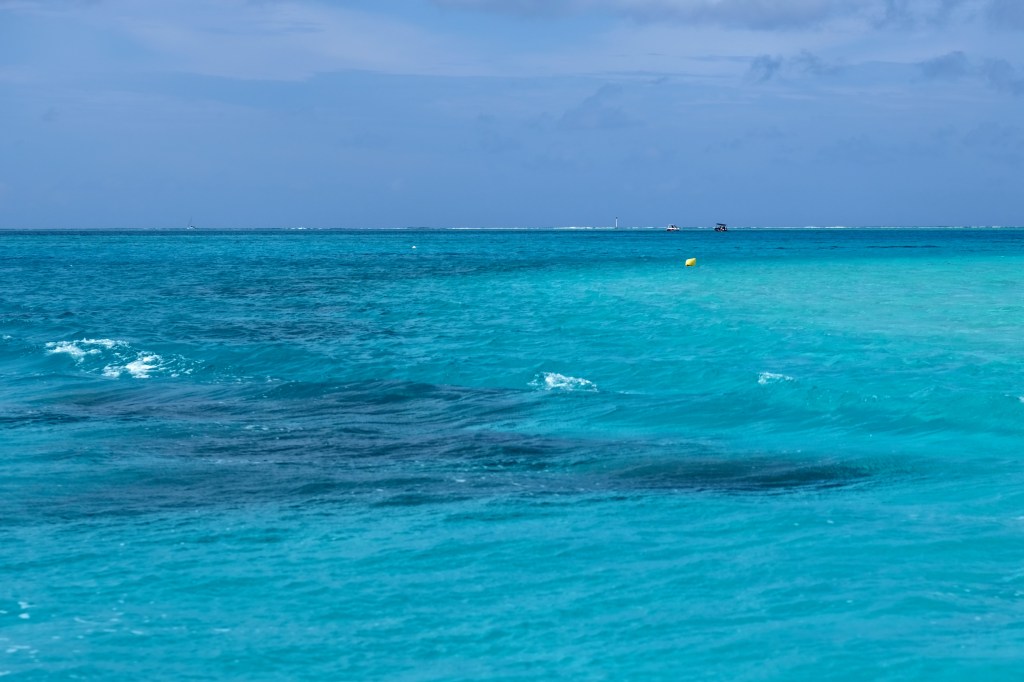
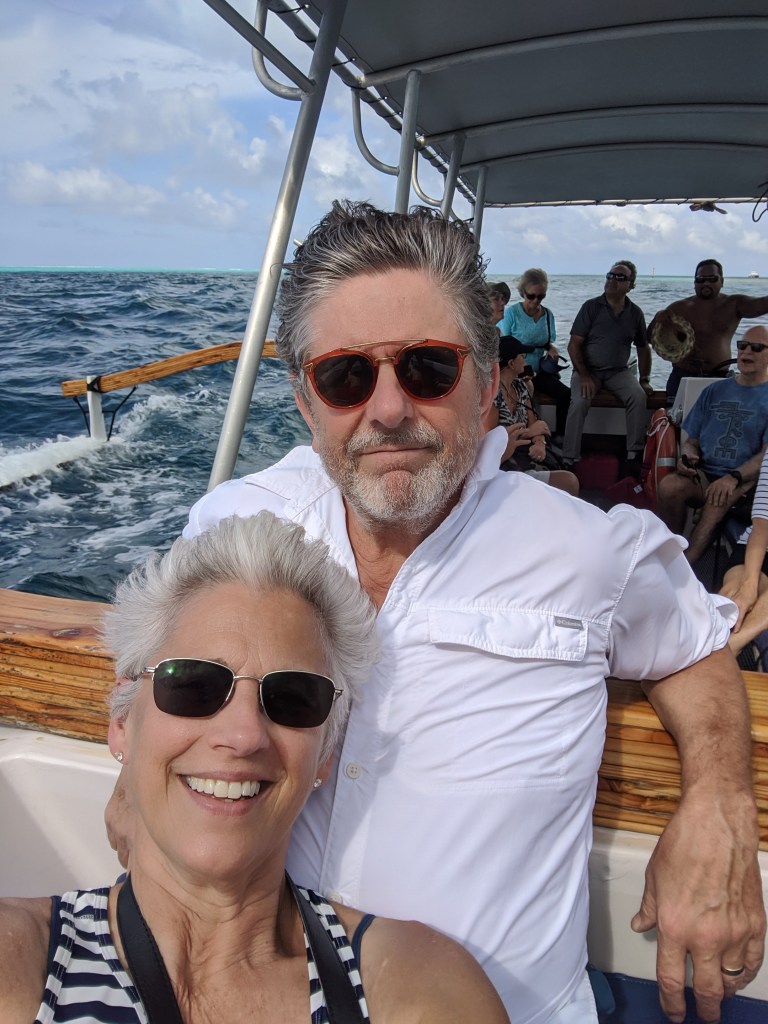
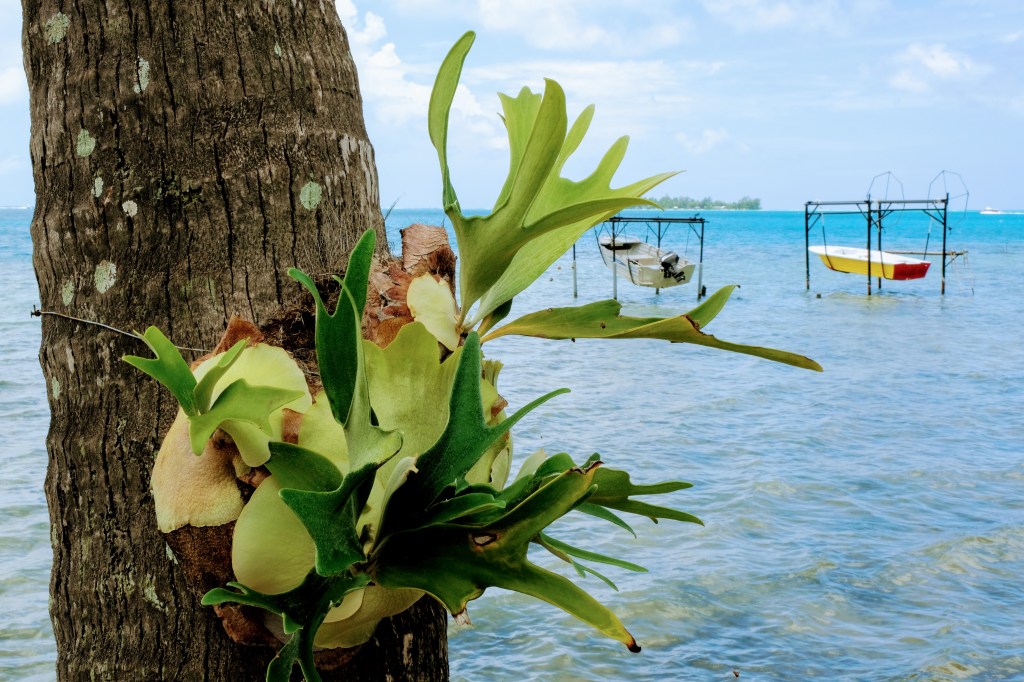
In the colorful port of Vaitape, we boarded a small motorboat and spent the next hour cruising through the crystal clear waters of this enchanting island paradise. Sailing across the turquoise lagoon, we sat back, relaxed, and admired the breathtaking views all around us. Bora Bora’s scenery is considered by many to be some of the most stunning in the South Pacific, and strains of “Bali Hai” kept crossing our minds. The shallow lagoon is home to a wealth of colorful tropical fish, and our boat captain/guide jumped out to play with a stingray! The opposite side of the island offered a slightly different perspective, and a glimpse of the second Bora Bora mountain peak, Mt. Pahia. A host of birds greeted us overhead, and the overall effect was relaxing and magical.

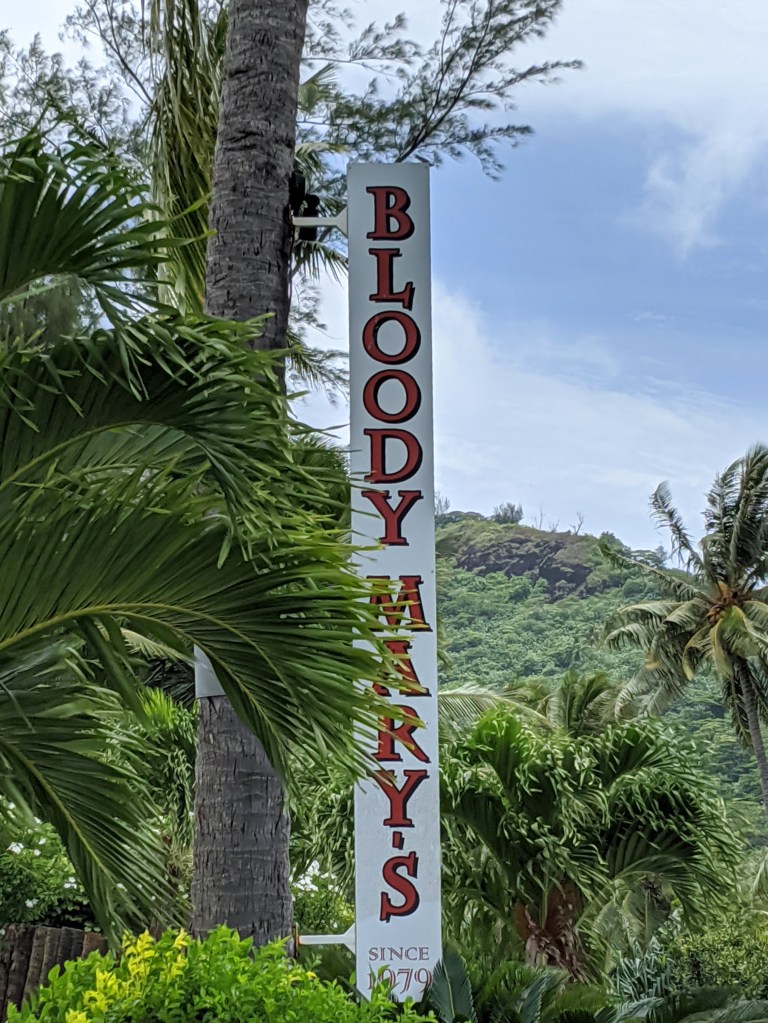
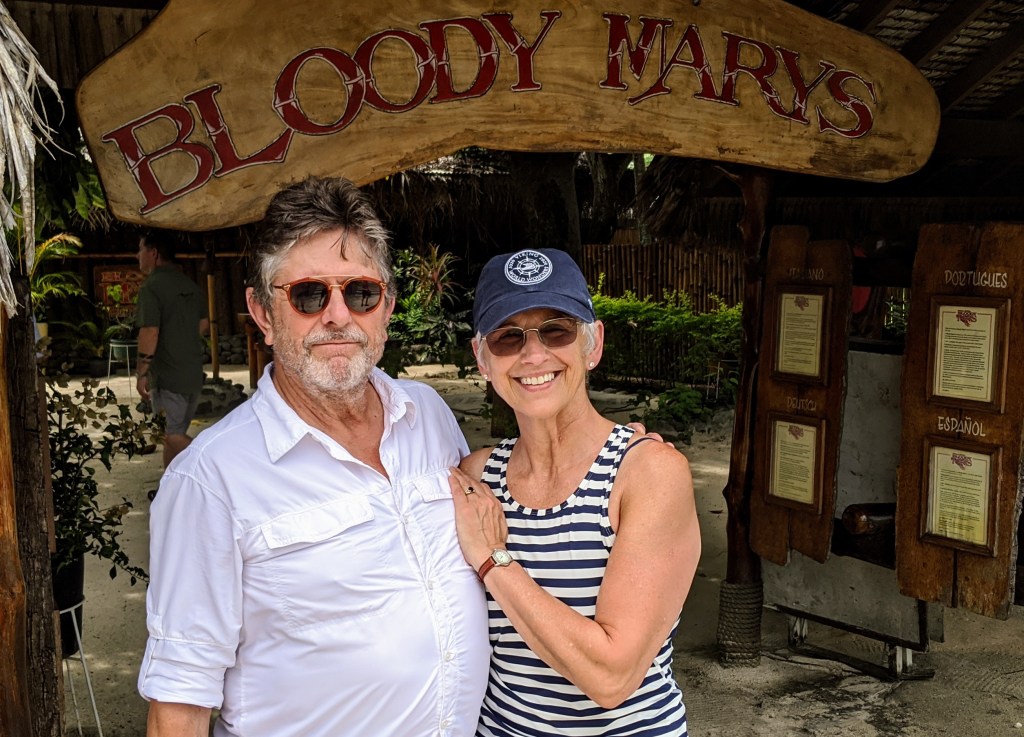
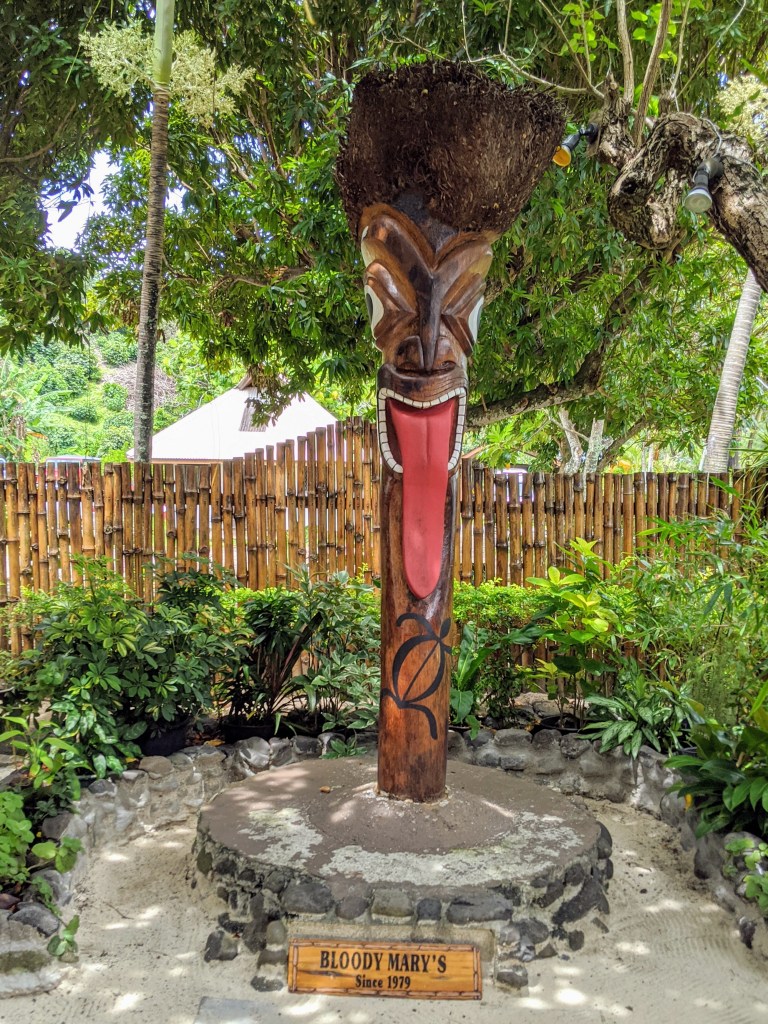
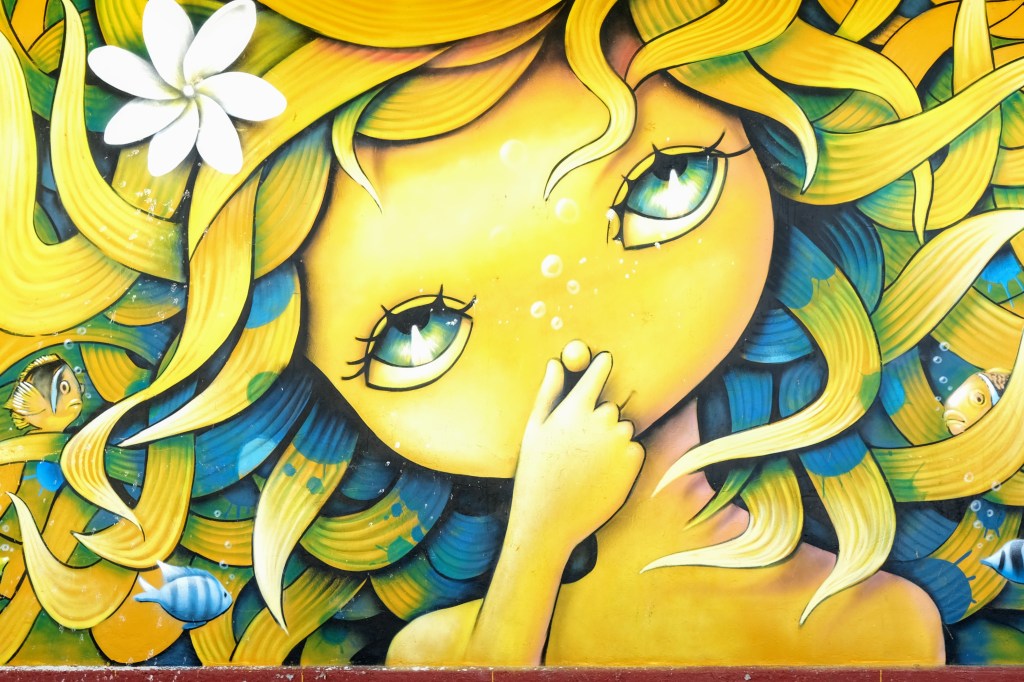
After our delightful cruise, we returned to Vaitape and hired two cab driving brothers for a delightful private tour around the island. They were rightfully proud to share the beauty of their home island, even showing us the parcel of land their grandmother “sold” them for one beer. Here four generations live together, all contributing to the family resources with a variety of jobs from driving, to fishing, to working in the public sector and in local retail establishments. Their dream is to build a small hotel some day, and we believe they’ll be successful! Although it was closed for renovations, we made a photo stop at the famous restaurant, Bloody Mary’s, and in spite of the construction going on, one could see that this must be a fun place to gather with friends. They took us to numerous, white sandy beaches, one more beautiful than the next, and introduced us to their cousin, who makes hand-made batik fabric for colorful pareos.

And no visit to Bora Bora would be complete without mentioning the ubiquitous water bungalows. Standing on stilts over the ocean, these unique resorts and residences are the quintessential answer to the dream of being at one with nature…even those with skylights and their own private piers!

American novelist James Michener brought Bora Bora to the rest of the world in the 1950s when he called it “the South Pacific at its unforgettable best.” Today, five-star resorts coexist with small beachfront properties and some abandoned hotels that are in need of some TLC. But any way you look at it, Bora Bora is truly one of the most breathtaking places we have visited to date!

Twenty-four Hours in Tahiti

We docked in Papeete, Tahiti, French Polynesia shortly after sunset, and took a leisurely stroll around this charming capital of French Polynesia. Although most businesses were already closed for the evening, dozens of Les Roulottes (Tahiti’s answer to food trucks) were busy preparing and selling fresh food of all types in a bustling park. We learned that each evening at 6:00 pm, dozens of food trucks line the Place Vai’ete park just across from the pier, and local chefs bust out griddles, grills, and bar-b-que equipment of all kinds to prepare and serve huge portions of fresh food from appetizers to crepes, all at a fraction of what one would pay for a similar meal at a restaurant or resort. It was fun to walk among the local residents and tourists enjoying this casual, al fresco dining option. The palm trees were glittering with twinkling lights, and we loved catching the tail end of the sunset from dry land.

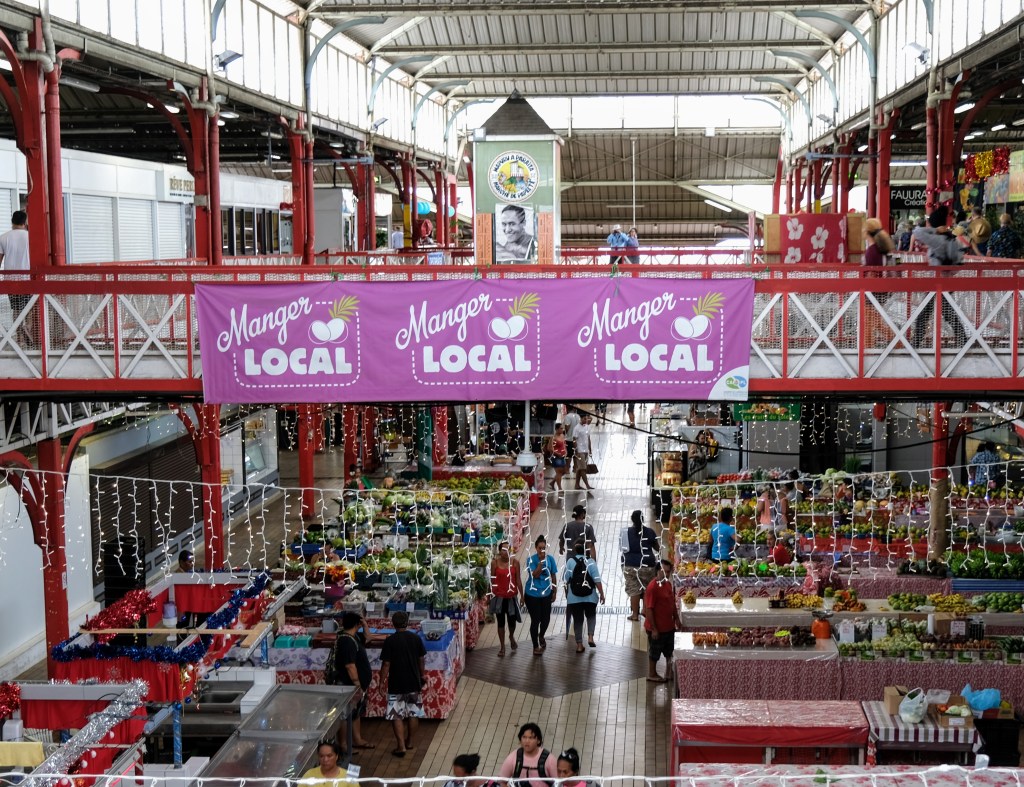
Those of you who know Denise know that she often makes insomnia work to her advantage, and today was no exception. She had learned that the Papeete Market opens at 4:00 am, so she made her way down to the market early to catch a glimpse of the vendors opening their stalls. She was delighted to see a large banner across the second floor of the market encouraging shoppers to “Manger Local.” As she made her way around the city of Papeete as it was just waking up, she heard singing coming from the open doors of the Cathedral of Notre Dame. Peeking in, she was surprised to see a packed church so she stayed for Mass and was warmly welcomed by the congregants who embraced her and one another with hugs, air kisses, and “Paix a vous!”

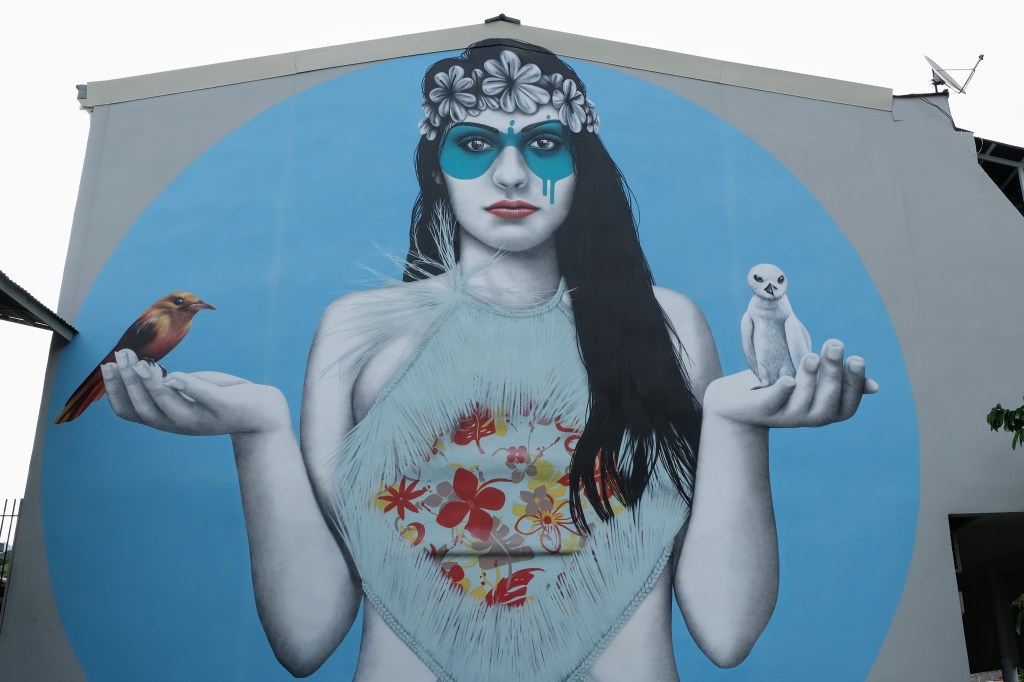
At a more reasonable hour, we took a guided walking tour around the city, where we learned more about life in Papeete and saw some beautiful public art; the Town Hall, which is a replica of the former Royal Palace with elaborate courtyards and a quaint wedding chapel; and Bougainville Garden with its lush, inviting green space and secret spring.

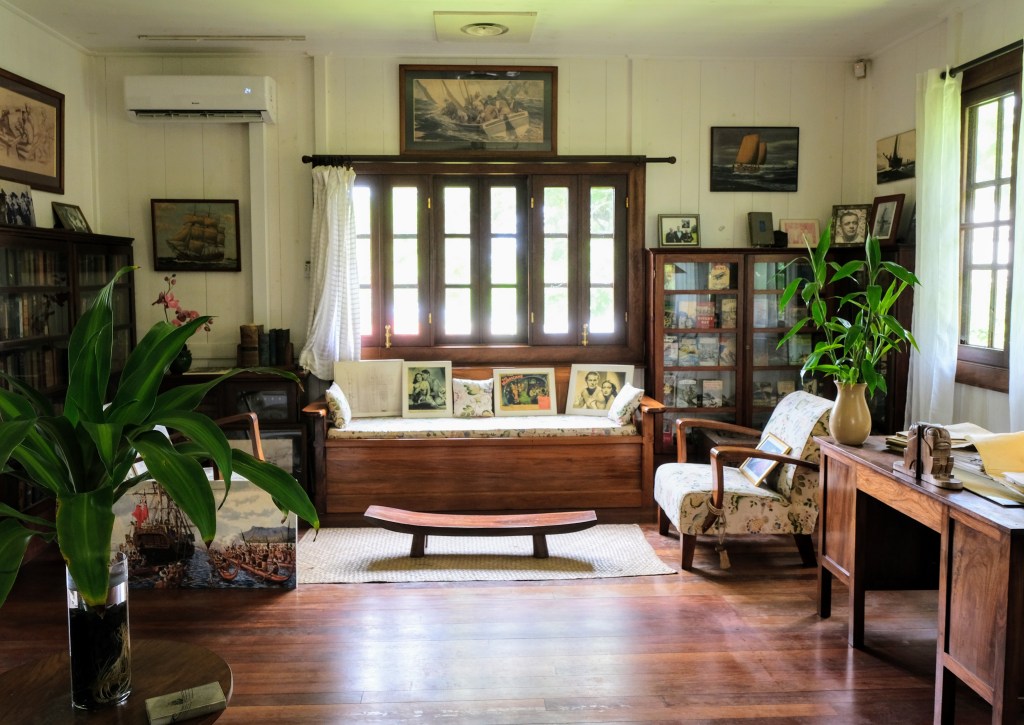
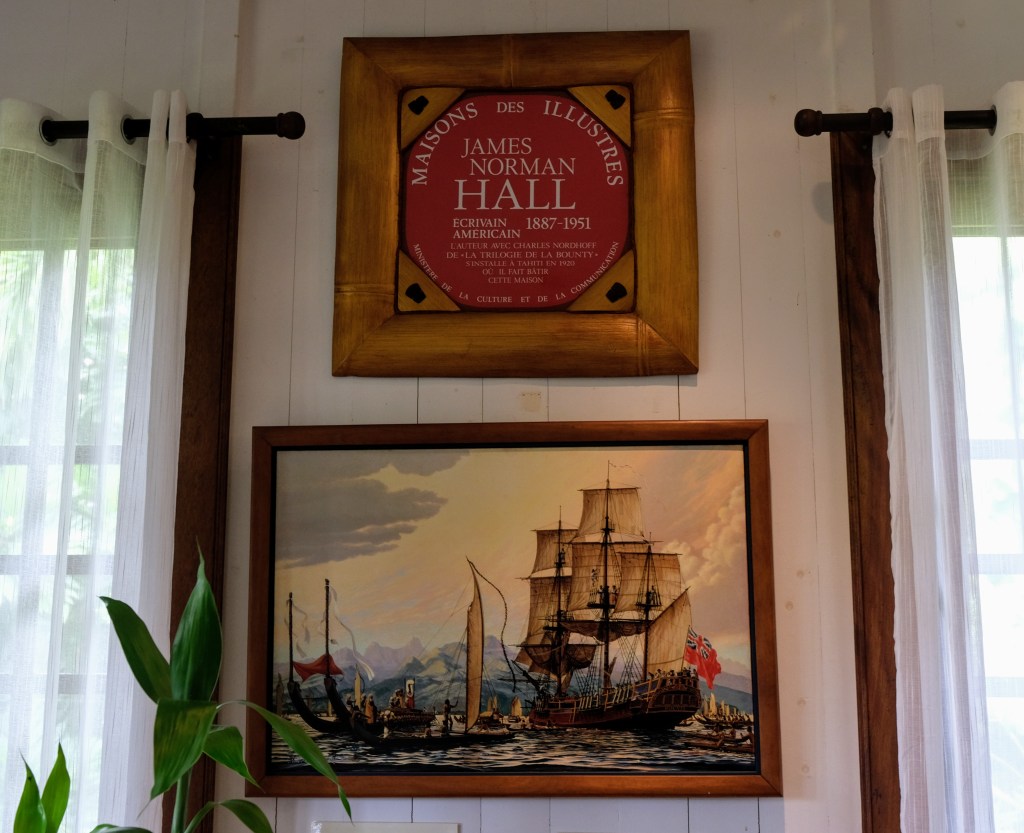
Later in the day, we took a step back in time with a visit to the historic home of James Norman Hall, decorated war hero and co-author of the “Bounty” trilogy – “Mutiny on the Bounty,” “Men Against the Sea,” and “Pitcairn’s Island.” We learned that Hall spent the happiest years of his life here, marrying a local woman, raising his son and daughter, and writing his novels and poetry. The charming home is full of memorabilia from the Hall family and the movies that were based on his stories.

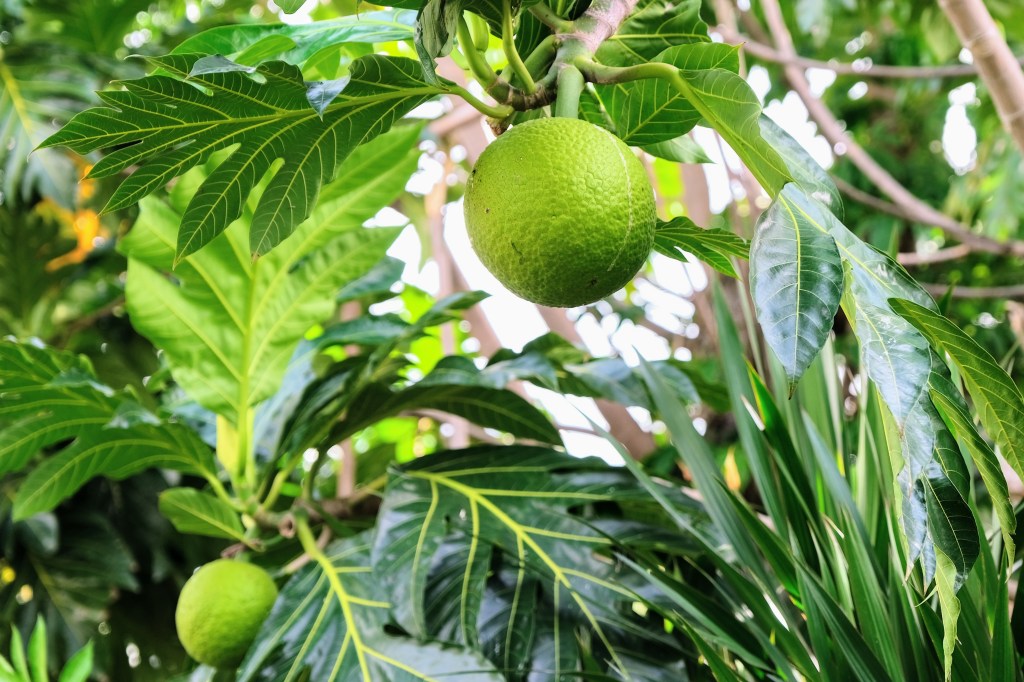
The home’s exterior and gardens reflect many of Tahiti’s local traditions. Our lovely guide talked about the origins of the Tahitian pareo, a type of sarong that she was wearing; discussed interesting local customs; and described the many uses for local produce such as coconut, mangoes, bananas, and bread fruit. We also sampled a delicious toasted coconut treat she made just for us!

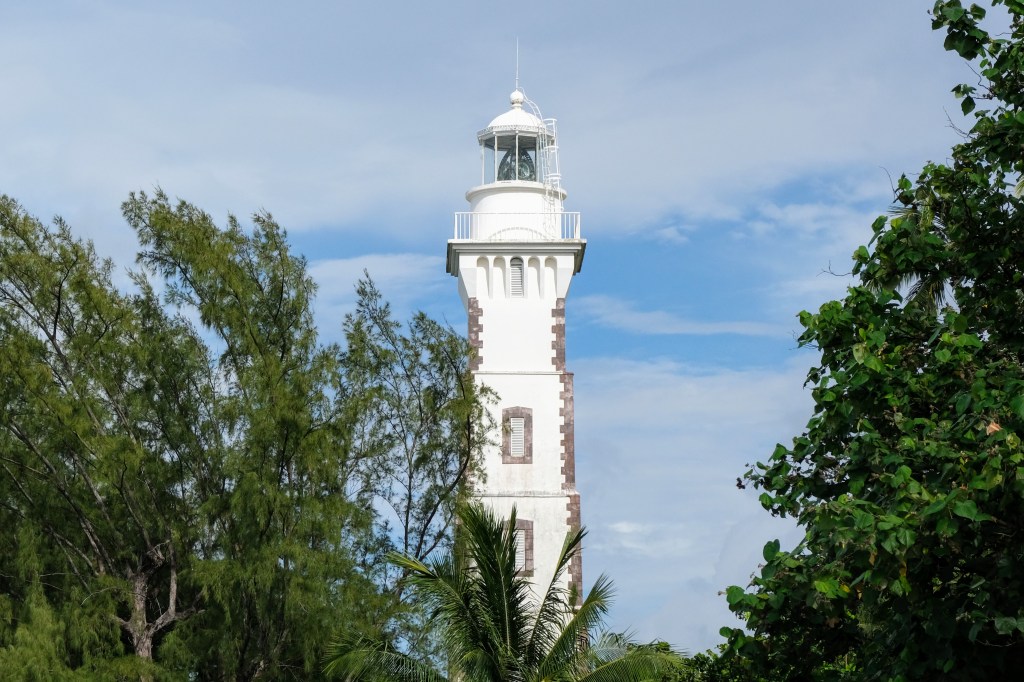
We continued our journey along Tahiti’s north coast to Matavai Bay, landing site of the island’s first European explorers, including Captain Samuel Wallis and James Cook. The bay is also home to magnificent black sand beaches and Point Venus Light House, an historic light house and monument dedicated to the mutineers of the Bounty.

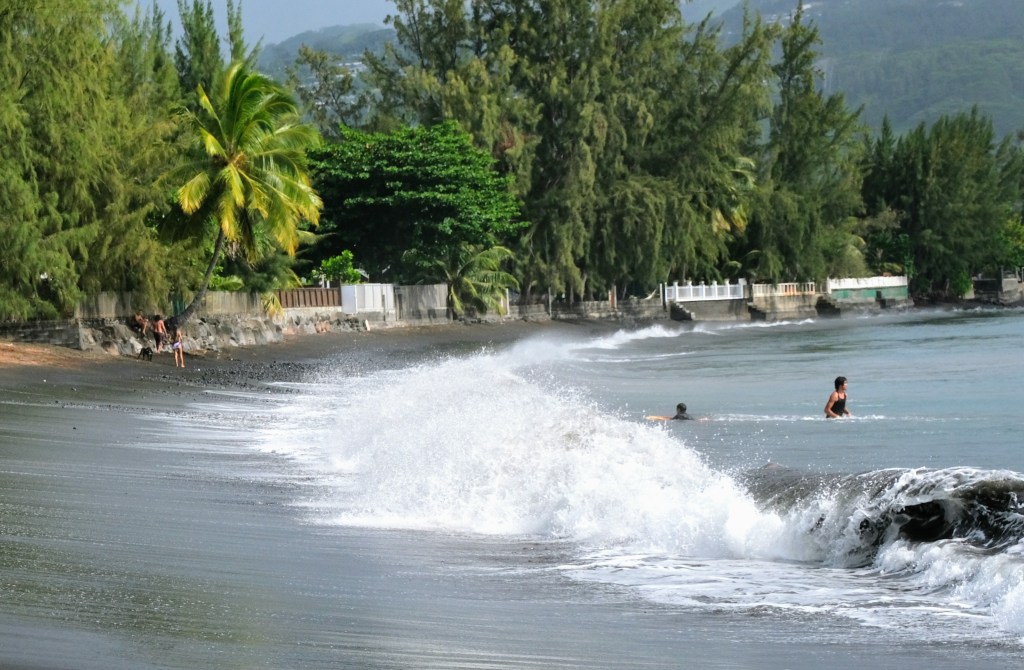
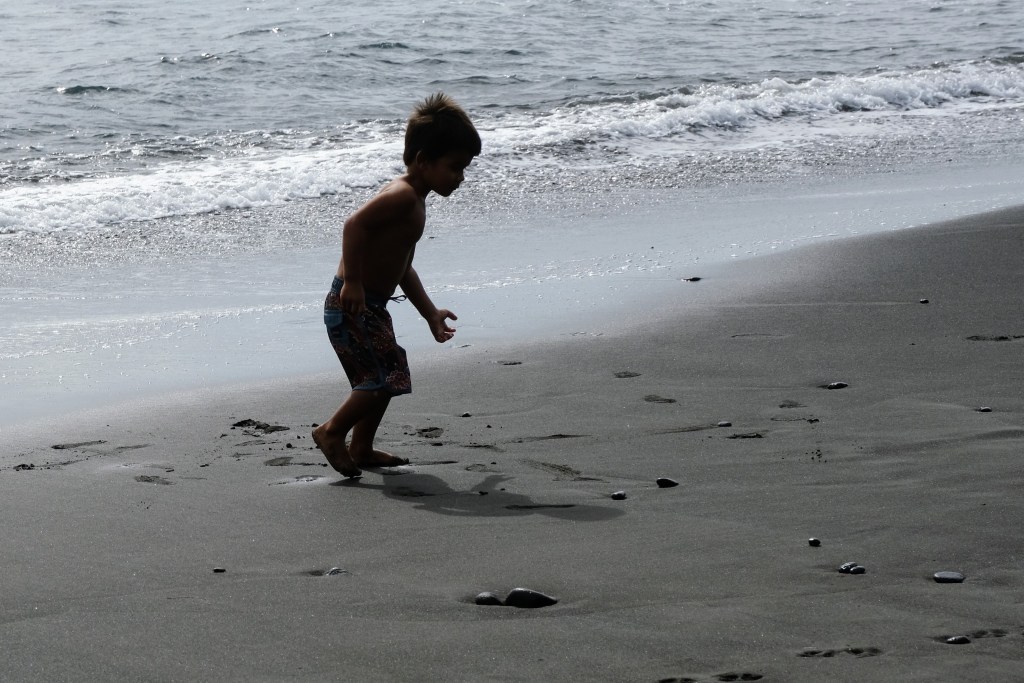
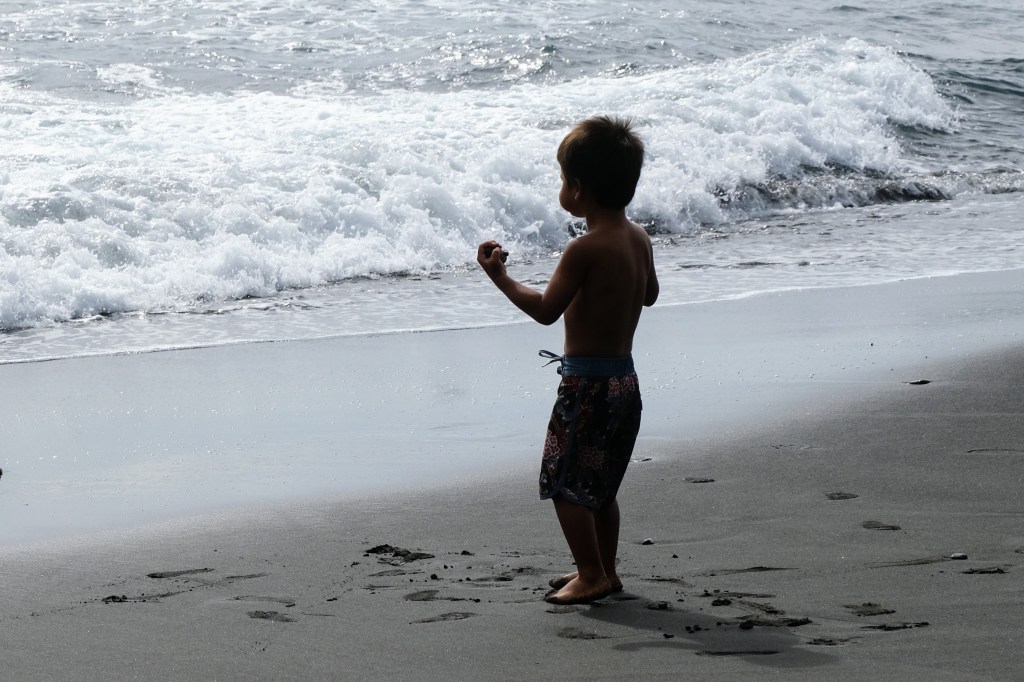
And while we were really enchanted by our entire experience in Tahiti, Denise was completely captivated by a little boy she spotted on the beach. She watched him for a long time as he challenged, teased, and fought with the gentle waves on the black sandy beach. She couldn’t imagine what he was thinking about as he played, but he seemed as delighted doing what he was doing as Denise was just watching him. Seeing him and capturing his innocent game with the waves will always be a highlight of our 24 hours in Tahiti.

The Ship’s Public Areas

With a few hours til we arrive at our next port in Tahiti, we thought we’d share some highlights of the public areas of the Viking Sun, our home-away-from-home for the next four months. All Viking ocean ships are built in Italy and utilize exactly the same footprint. With a maximum of 930 passengers and a total weight of 48,000 tons, Viking ocean ships are considered small cruising ships. The maiden voyage for the Sun was in 2017, and vigilant maintenance and a passenger to crew ratio of 1.69:1 keep her “ship shape.”

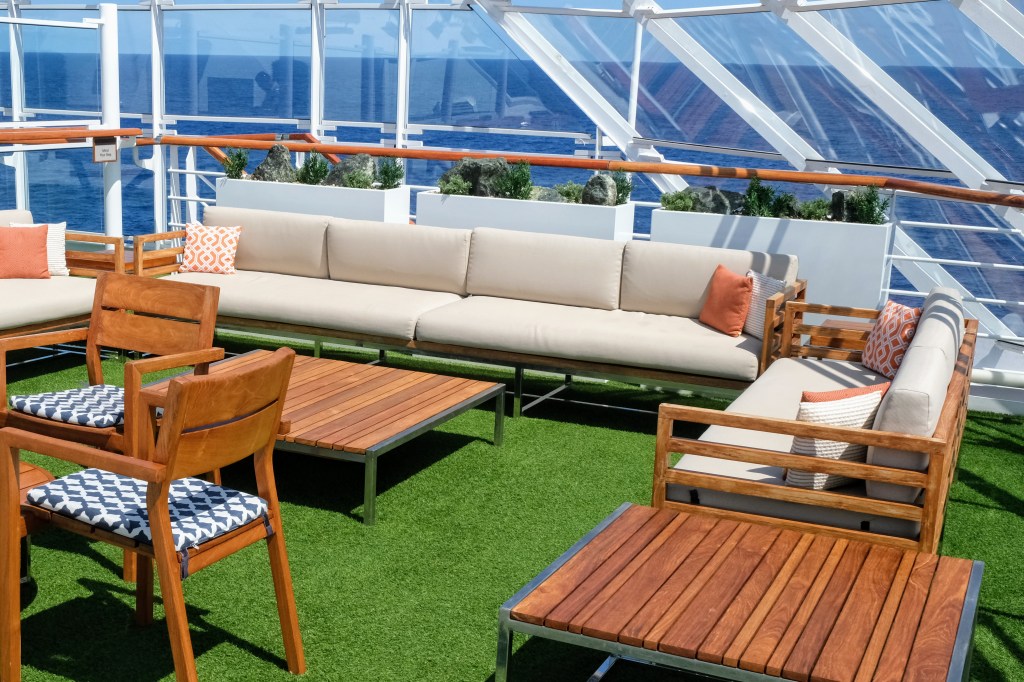
There are 9 decks on-board, so we’ll start at the top with the Sports Deck. The Sports Deck offers panoramic views in all directions from the bridge, and it’s the ideal spot for those preferring an outdoor fitness experience. There’s a walking track; lots of games such as bocce ball, shuffleboard, and ping pong; and a putting green. People enjoy practicing yoga up there, and there are plenty of nooks and crannies to just chill in/on the sun.

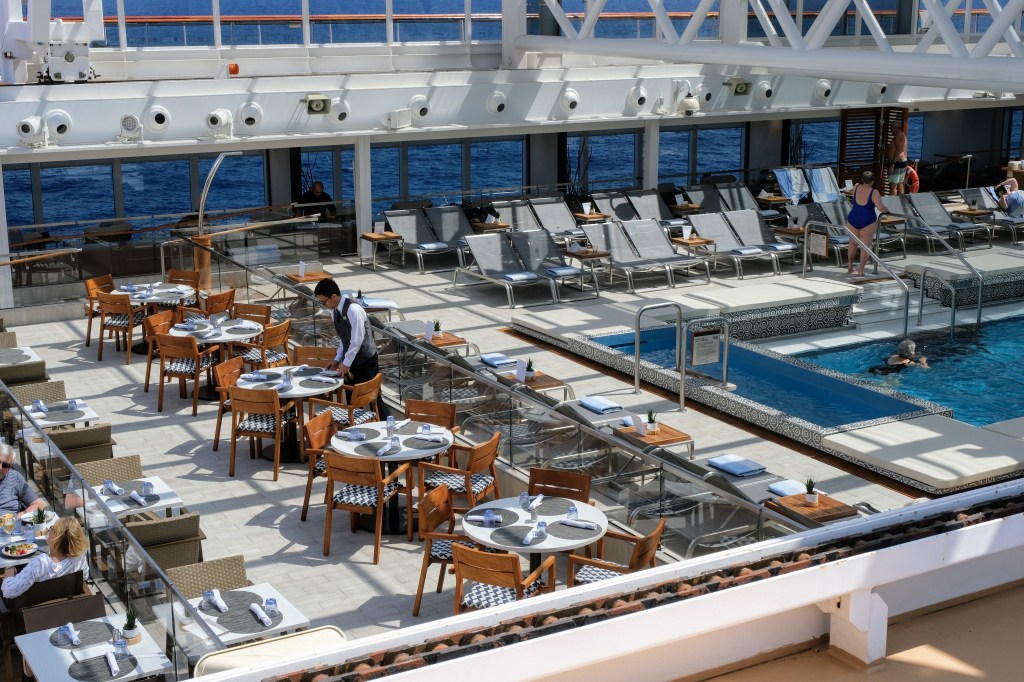
Further down, there’s a retractable roof that opens to the main pool, pool bar, and pool grill below. During inclement weather or unrelenting sun, the roof can be fully or partially closed to allow full use of the pool deck most of the time. We enjoy a casual lunch at the pool grill, which features a selection of cold salads as well as grill items such as burgers, fries, and foot-long Norwegian hot dogs topped with shrimp salad and caviar!

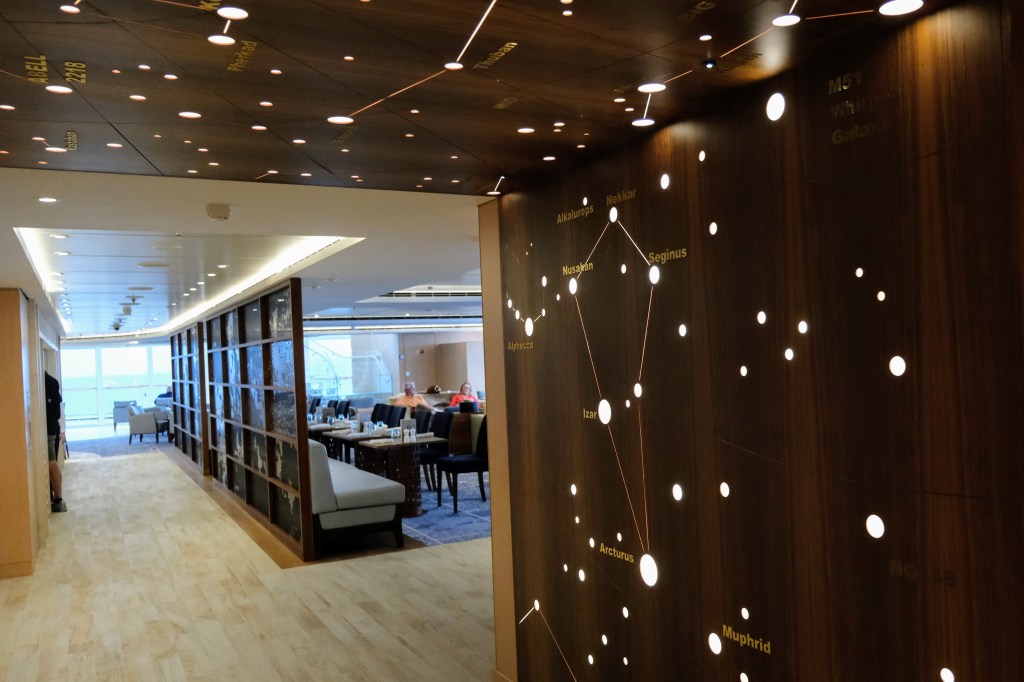
The two-story Explorer’s Lounge is one of our favorite places to watch the sunrise/sunset, enjoy casual entertainment and cocktails, or just relax. It has a galaxy theme throughout, and houses Mamsen’s, which offers early risers coffee, breakfast, lunch, and even a midnight snack. Mamsen’s pastries are an indulgence we allow ourselves only occasionally, our favorite being the success cake!

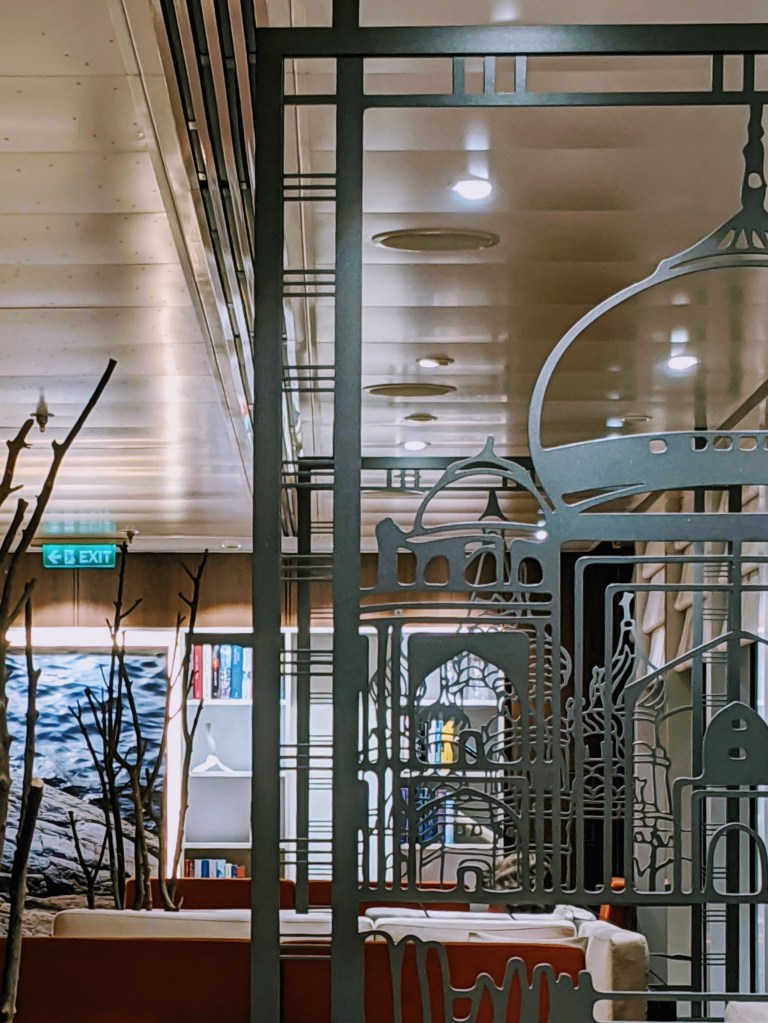
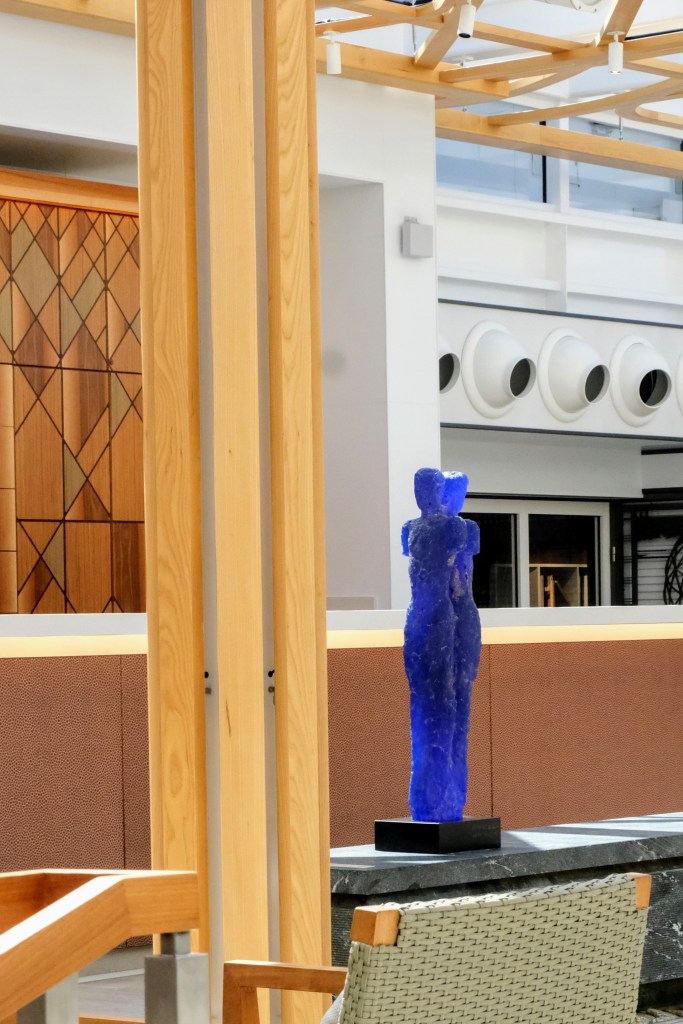
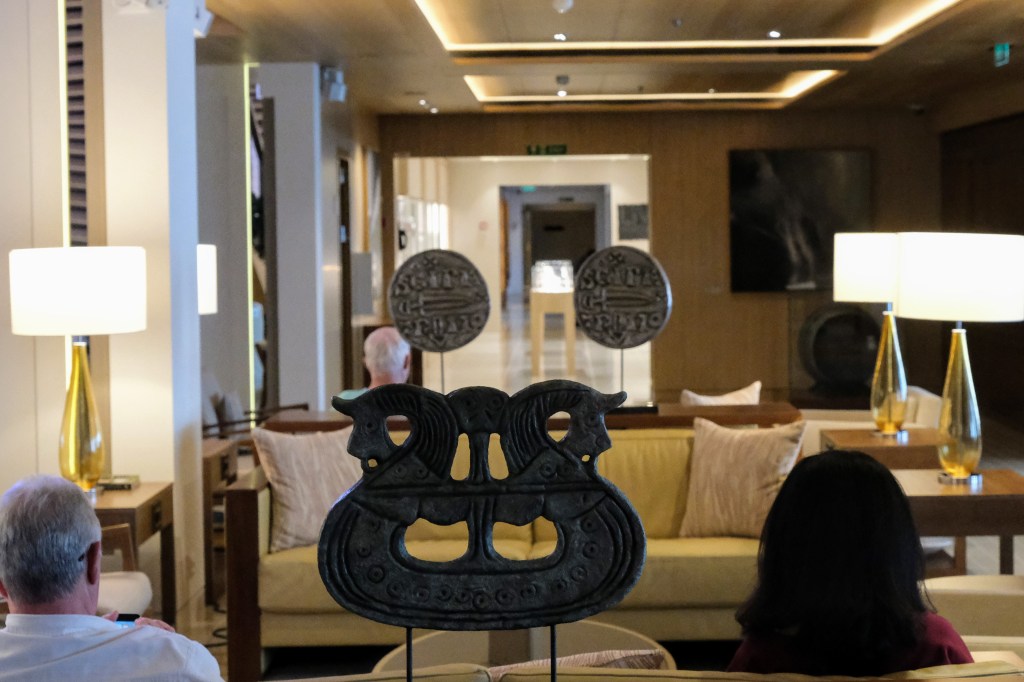
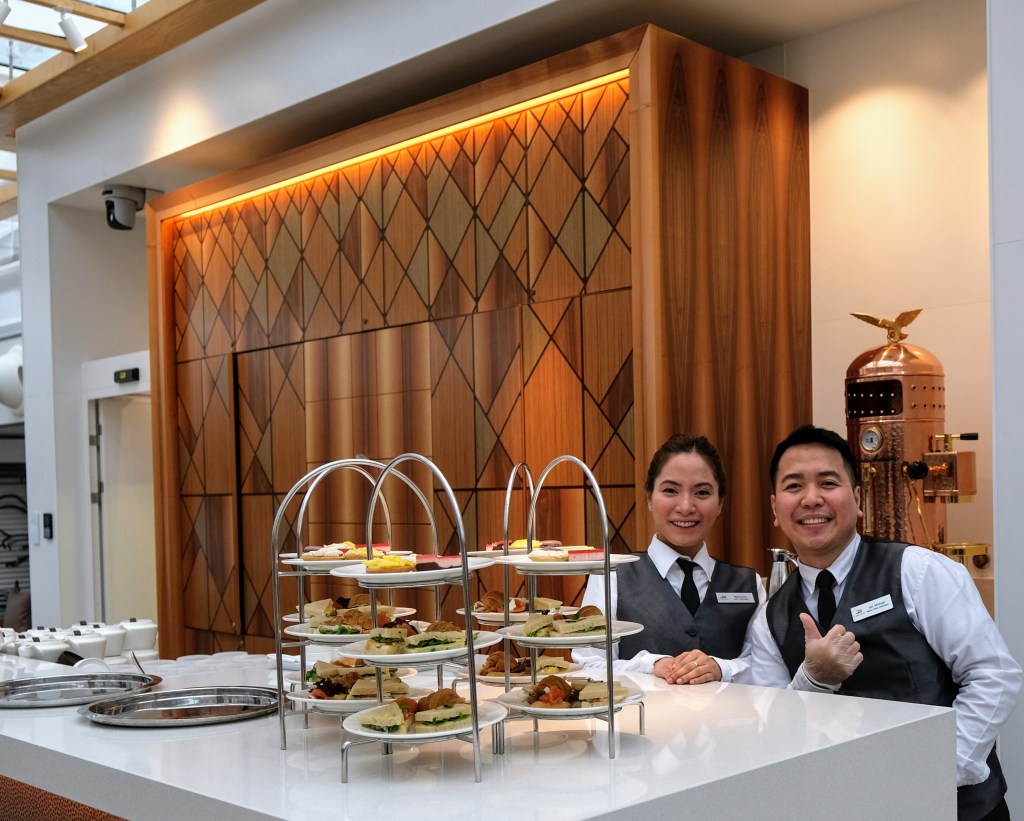
The Wintergarden provides passage between several areas of the ship, and offers daily afternoon tea as well as another restful place to relax with beautiful artwork and comfortable seating.

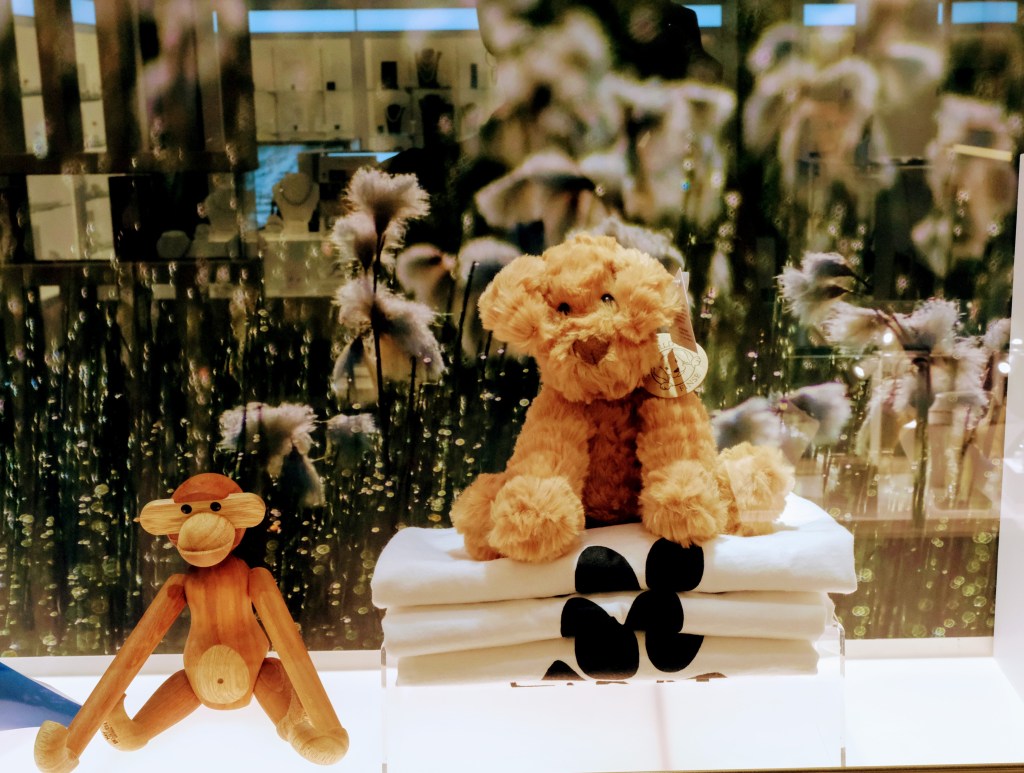
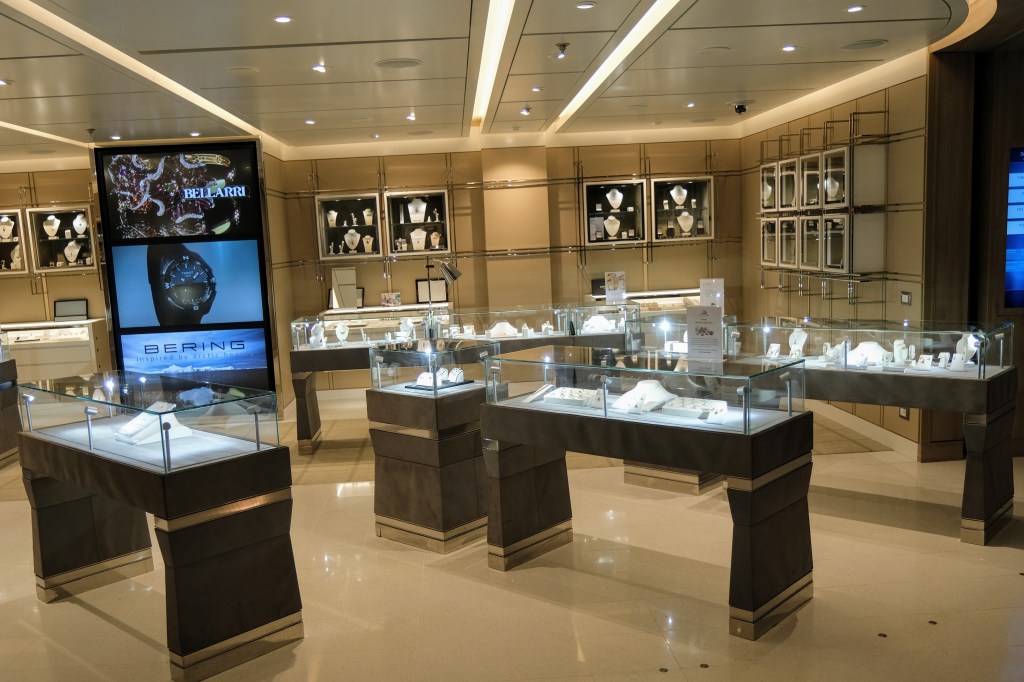
The on-board shops offer fashions, jewelry, specialty items, souvenirs, and toiletries, and the Liv Nordic Spa and Fitness Center is a haven for fitness and relaxation products and services…so much a part of the Viking experience that it will have its own post later in the cruise.

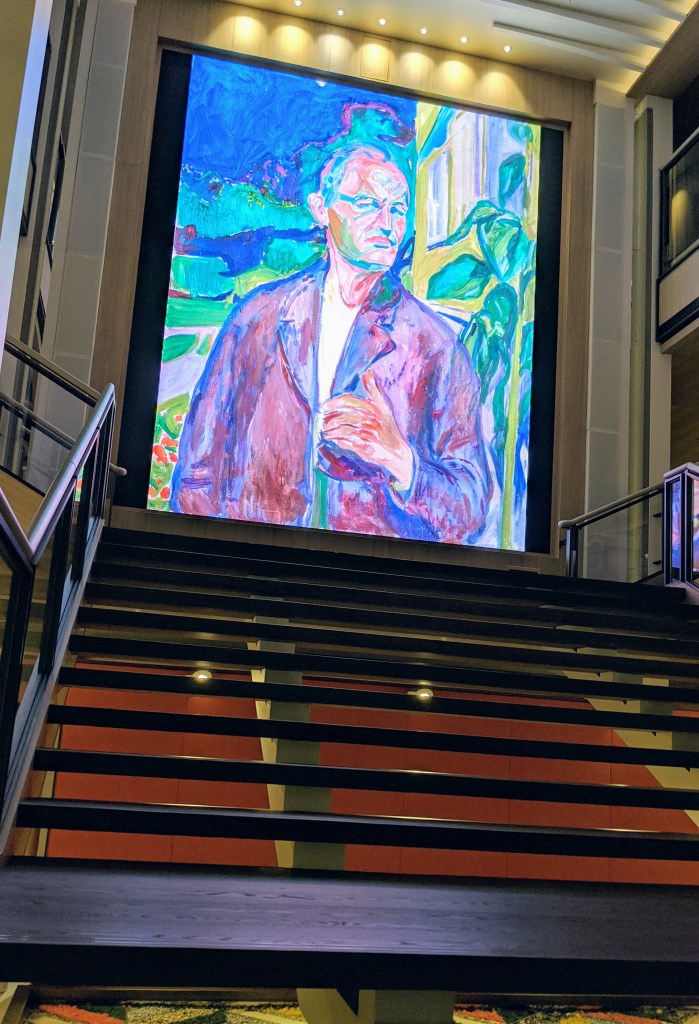
The first deck living room is the central hub of activity! Entertainment is offered throughout the day, and a bank of computers is available for guests to avail themselves of the free Wi-fi which works most of the time. There’s a lending library with a curated selection of books as well as an exchange option that allows guests to pick one and leave one. The bar offers a wide selection of beverages, specialty coffees, and snacks throughout the day and well into the evening. The grand staircase is a central meeting place, and rotating artwork is projected at the top of the stairs.

We hope you’ve enjoyed this glimpse of the more public areas of the Viking Sun. We promise to cover the restaurants and bars as well as the spa, entertainment, and our cabin in greater detail in future posts. But for now we’re heading to the Explorer’s Lounge for some music and a snack!

Taiohae, Nuku Hiva, Marquesas Islands

After 7 beautiful days at sea, we were excited to spot land, and our first stop on our Viking World Wonders journey did not disappoint!

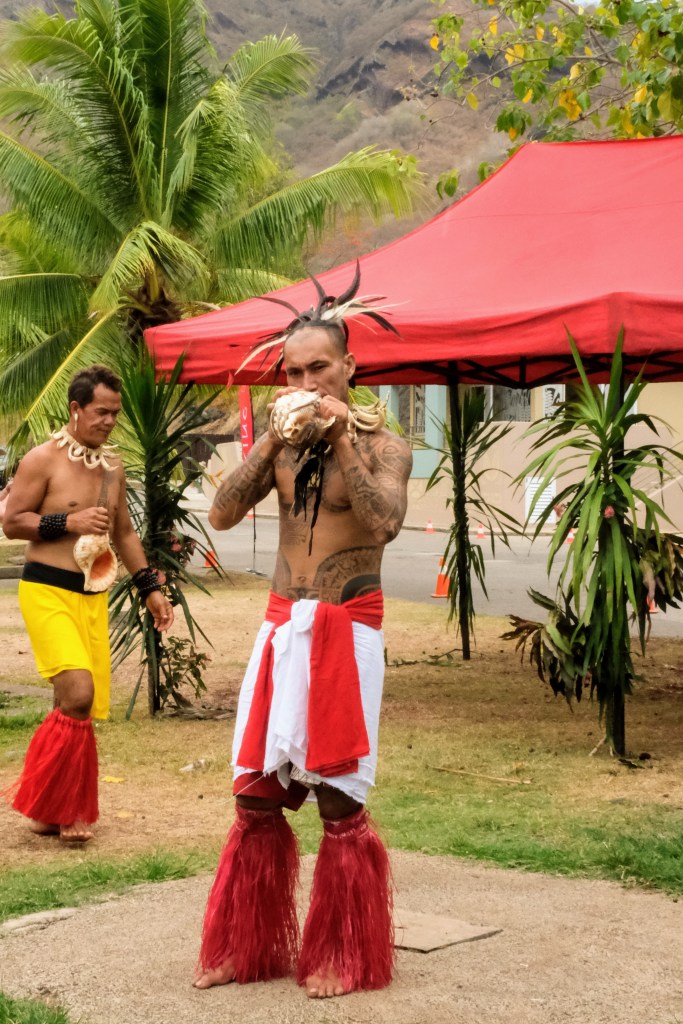
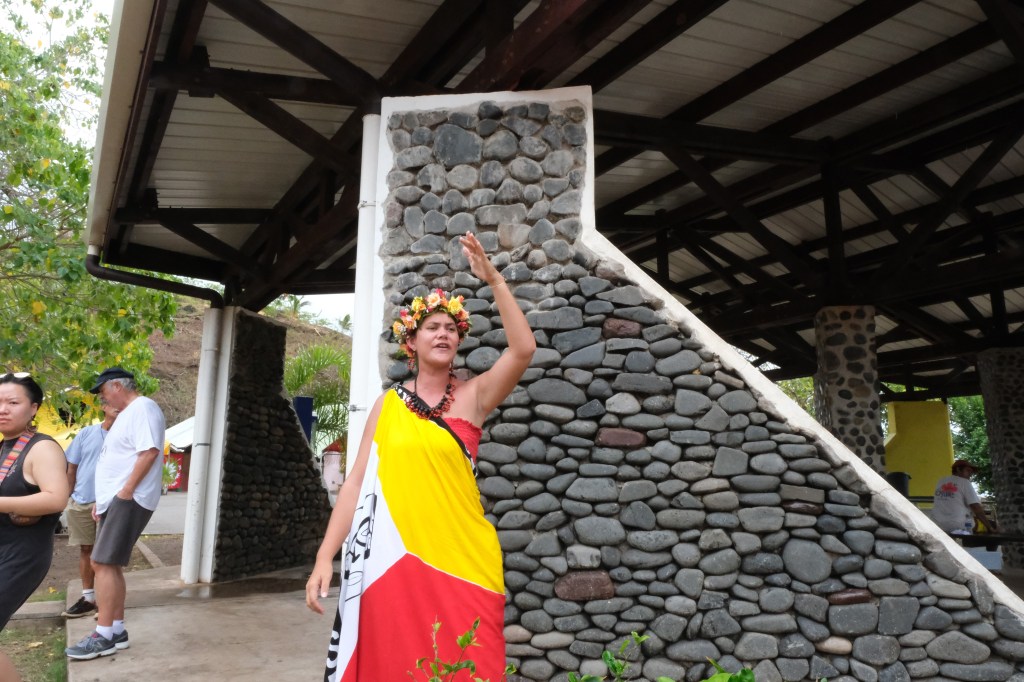
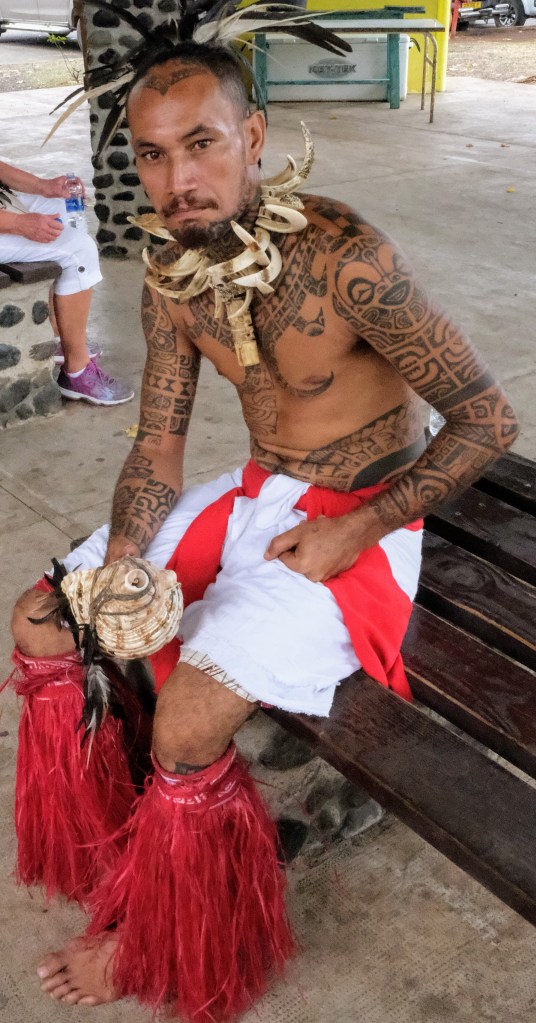
The Marquesas are a group of volcanic islands in French Polynesia, a collectivity of France in the southern Pacific Ocean. Only 6 of the 12 islands are inhabited, and we arrived in Taiohae, the capital city of Nuku Hiva, the largest of the Marquesas, early on a Sunday morning. The Viking Sun anchored in the Taiohae Bay and passengers made the brief trip to shore using the ship’s lifeboats. We were warmly greeted by the local residents with songs, dance, and drums.

These remote, exotic islands have inspired artists and writers for ages. Paul Gauguin captured the beauty of their their people on canvas; Jack London and Herman Melville described them in prose; and Jacques Brel retreated to the Marquesas to compose music.

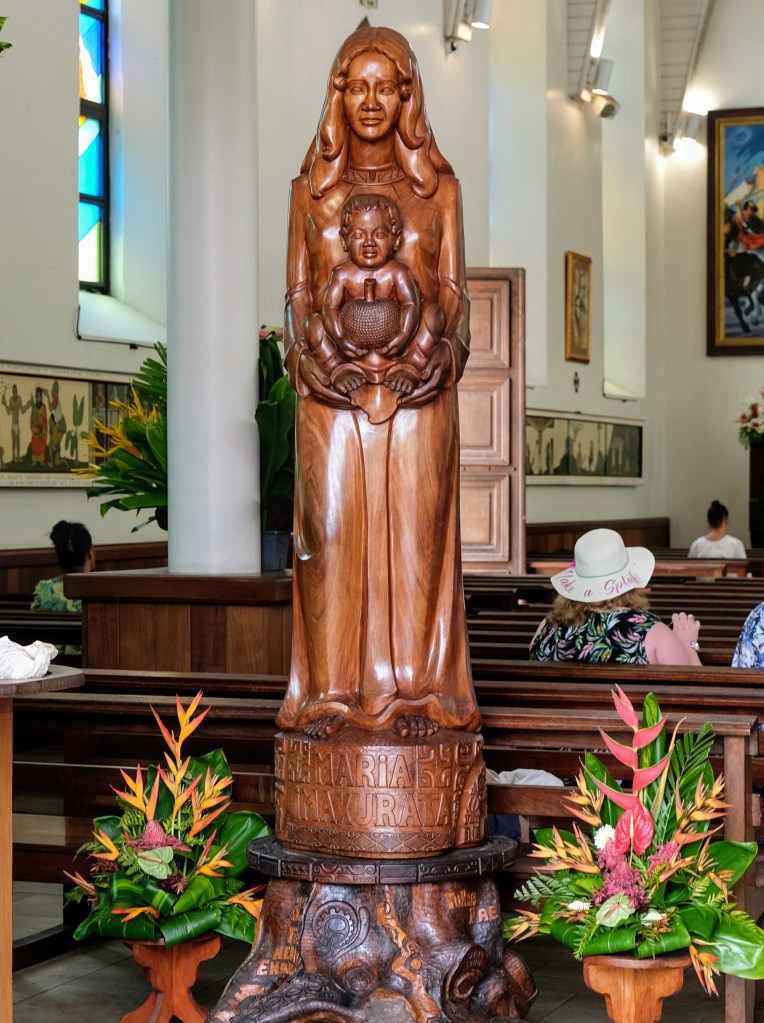
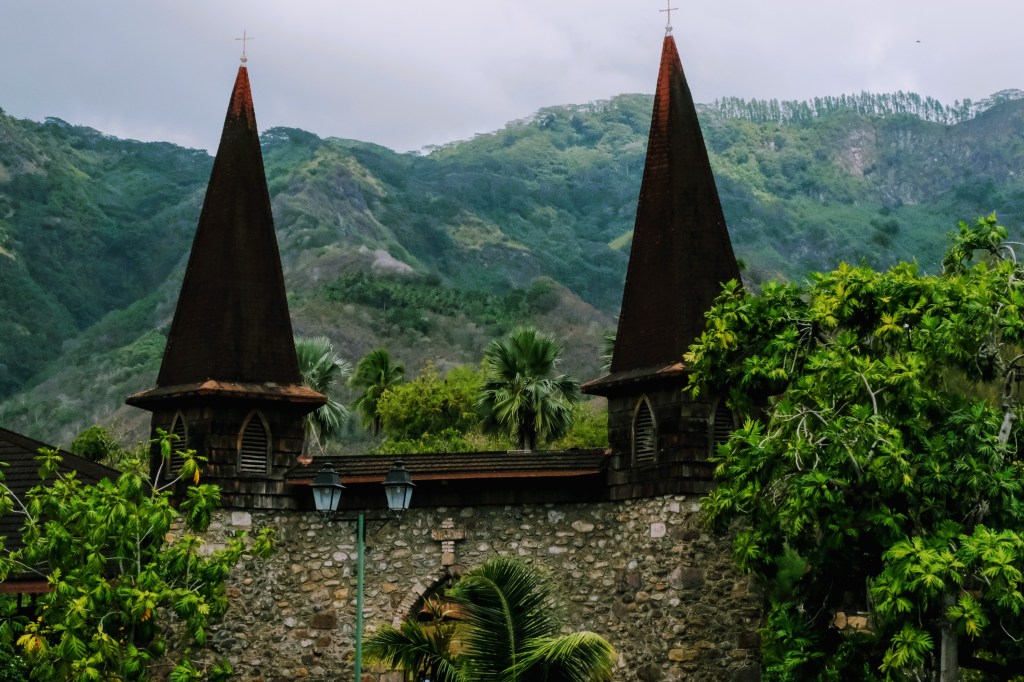
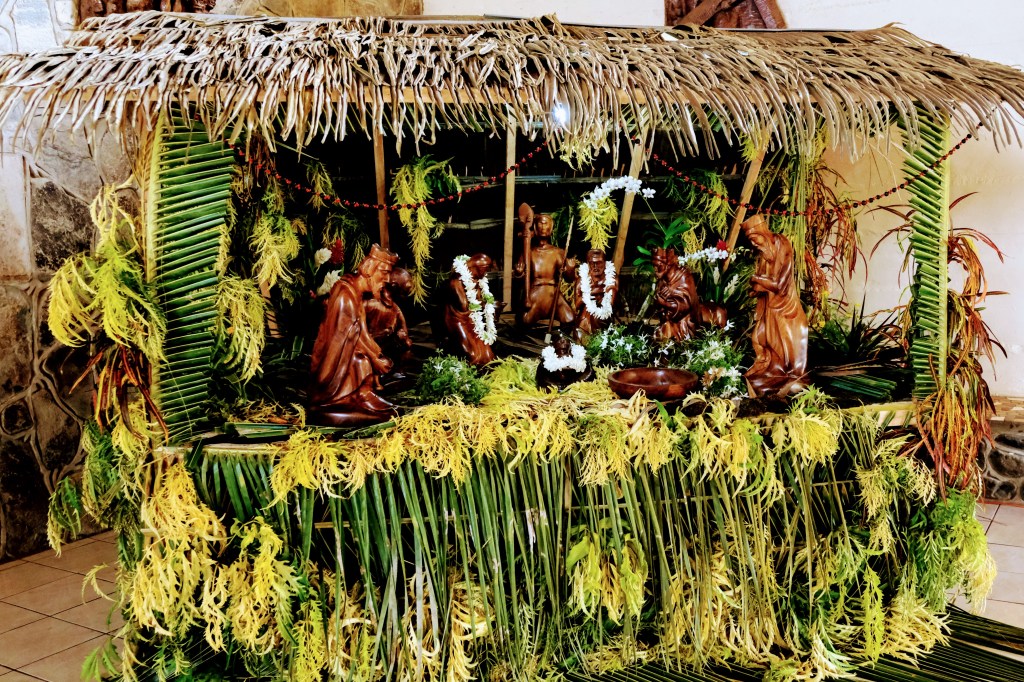
A short walk from the pier brought us to the Cathedral of Notre Dame Des Marqueses. The entrance to the cathedral is flanked by statues of Saints Peter and Paul carved from rosewood, and the exterior walls are made of stones which were donated by people from each of the six inhabited Marquesas. The cathedral’s pulpit was carved from a single tamanu tree, and the decor is reflective of the island’s culture. We were lucky to be able to view the manger as this is the last day of their Christmas holidays.

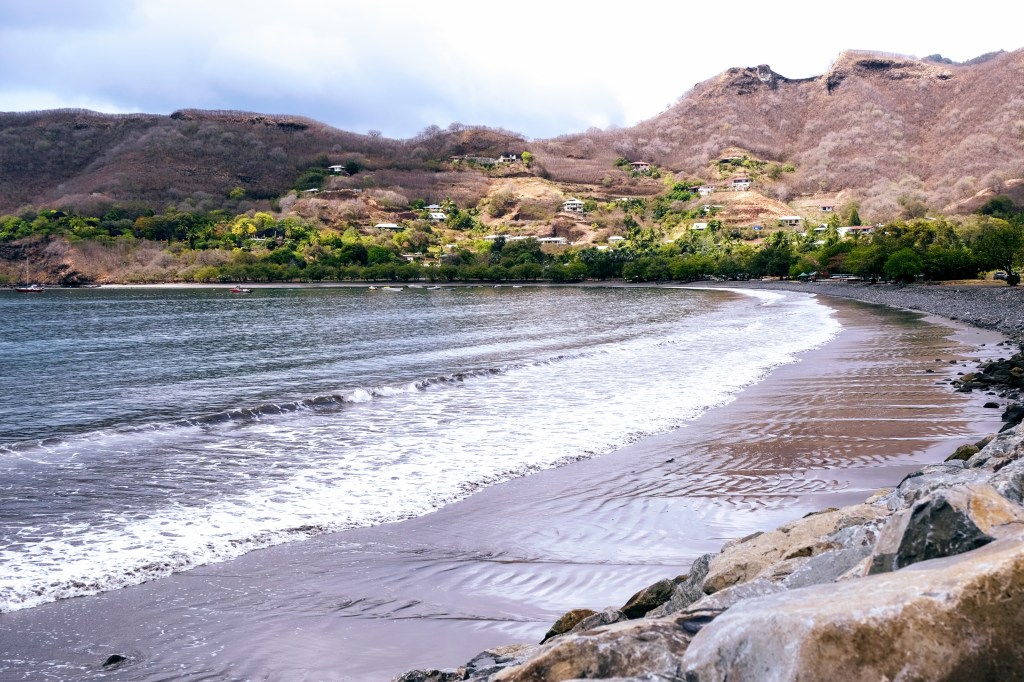
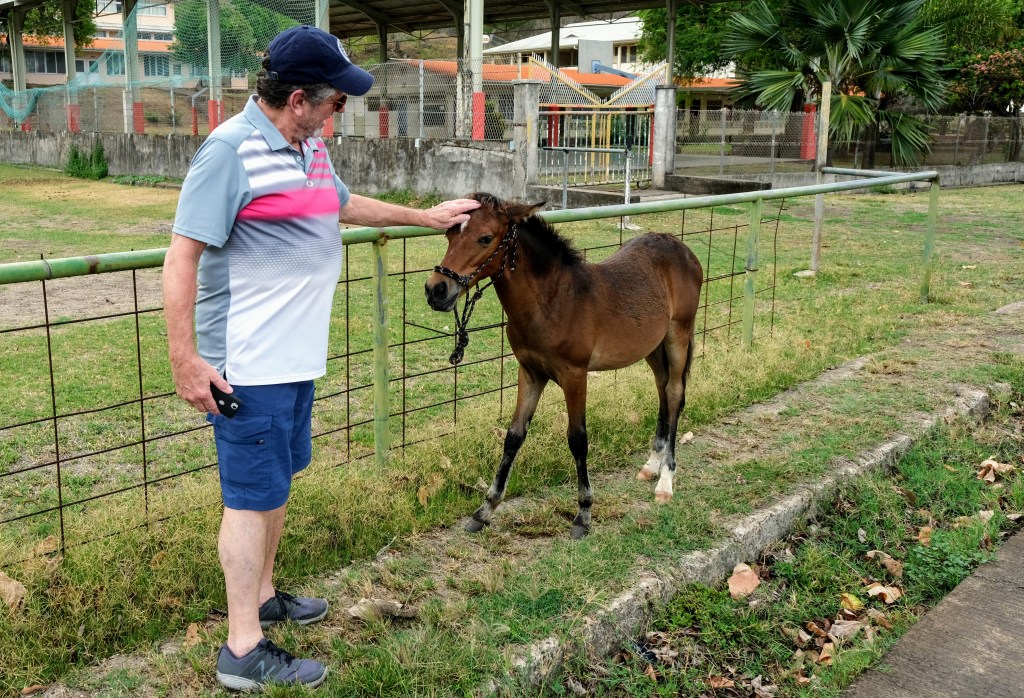
A short walk from the cathedral is the beautiful beach where children were riding bikes, horses, and scooters all around the town, enjoying the last day of Christmas break before they return to school.

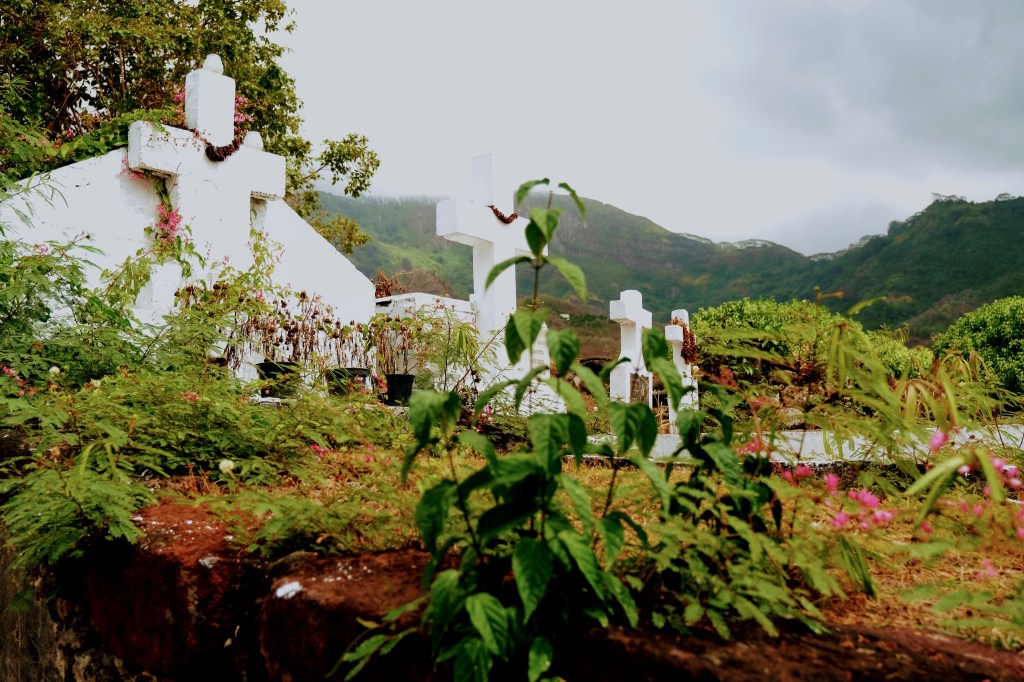
As we made our way through the sleepy town on foot, we came across numerous enchanting sculptures; a few cemeteries and shrines; and people simply enjoying the beauty of their island. We also dodged several brief downpours that came up suddenly and ended just as quickly. Next stop we’ll have to remember our umbrellas!
By the end of our visit, we felt very fortunate to have spent our first day on land in such a quiet, peaceful, unspoiled place. The pace was slow; the warm hospitality was everywhere; and we truly enjoyed this beautiful day in this lovely polynesian village.

From Pollywogs to Shellbacks

Today we crossed the Equator. To mark the occasion, we participated in the Viking Equator Crossing Ceremony (Denise directly and Doug behind the camera.)

Throughout the ages, cultures have celebrated these line crossing rituals in different ways. Generally speaking, those who have already crossed the Equator are referred to as shellbacks, and those who haven’t are pollywogs. During these rites of passage, the pollywogs are put through their paces in order to be initiated into the ancient mysteries of the deep. Most ceremonies involve some level of embarrassment, and all pay homage to the gods of the seas.

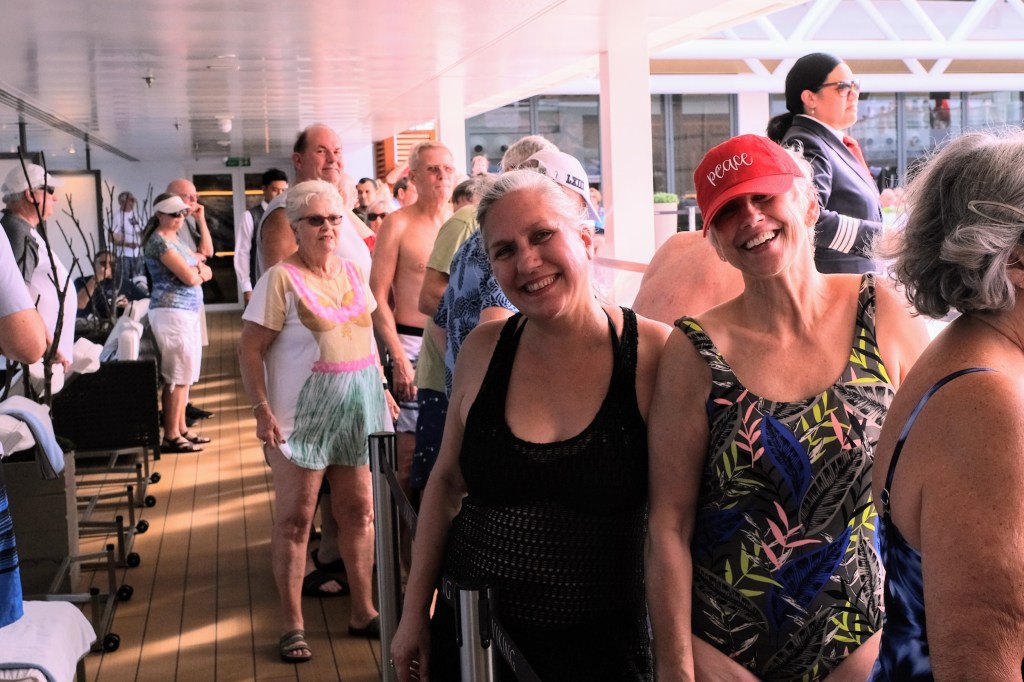
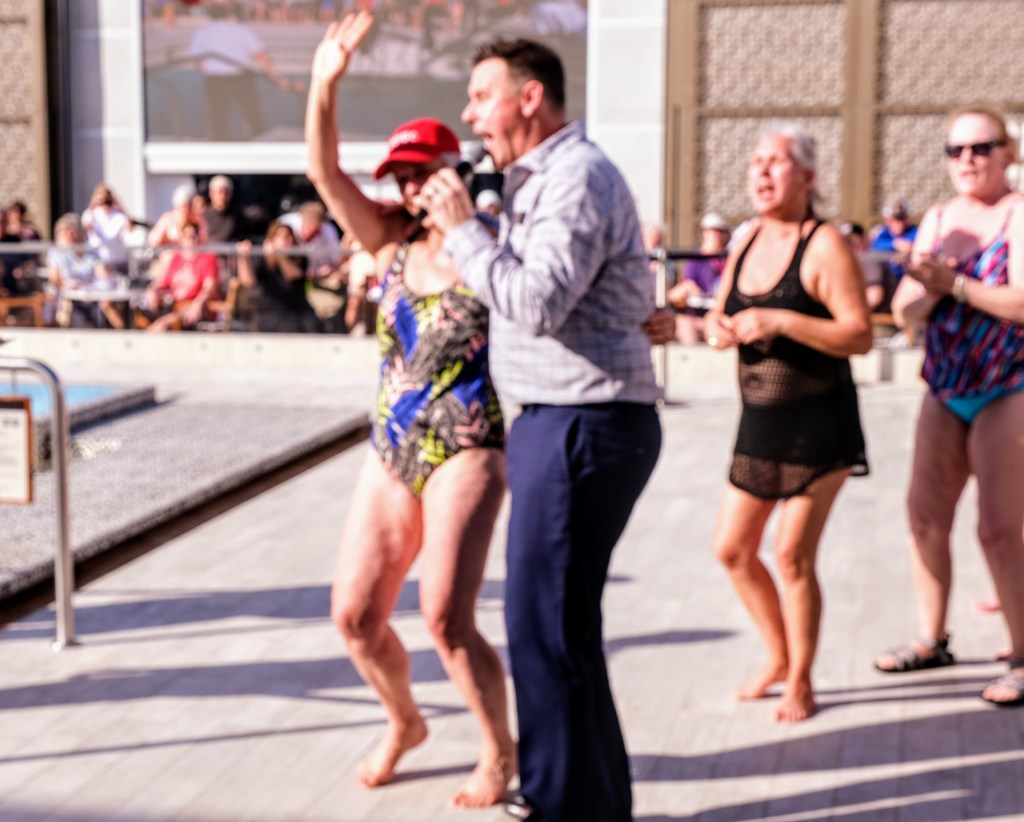
The Viking ceremony honors Aegir, Norse God of the Seas. For our ceremony, all of the pollywogs lined up and waited their turn to appear before Aegir’s court, where their transgressions were announced before the crowd that decided their fate. Denise waited patiently in line with her friend Vonda, and when it was her turn, she was found guilty of having a birthday today. When that was announced, everyone on deck burst into a rowdy rendition of Happy Birthday!

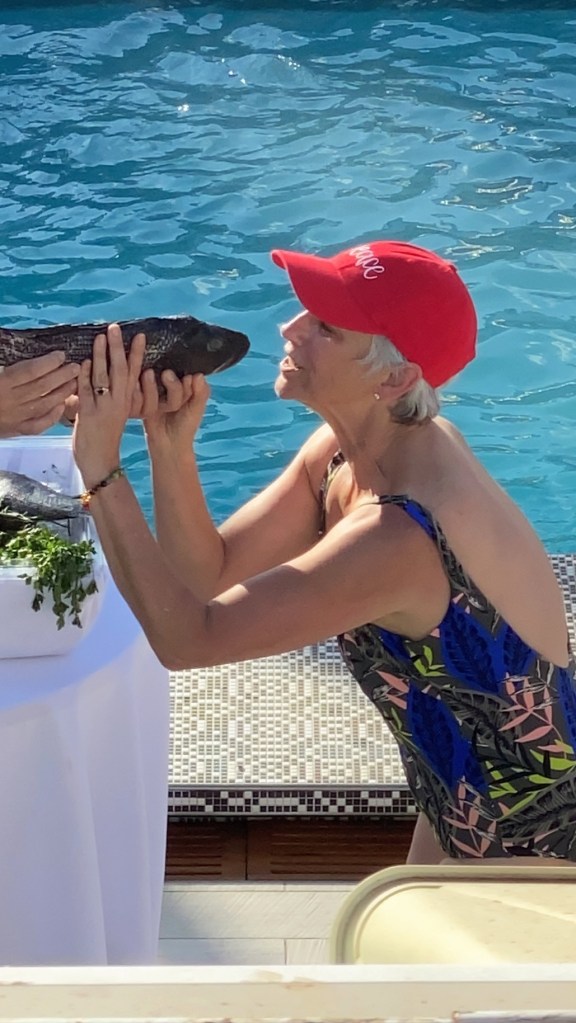
After that, her “sentence” was to kiss the dead fish and jump into the pool.

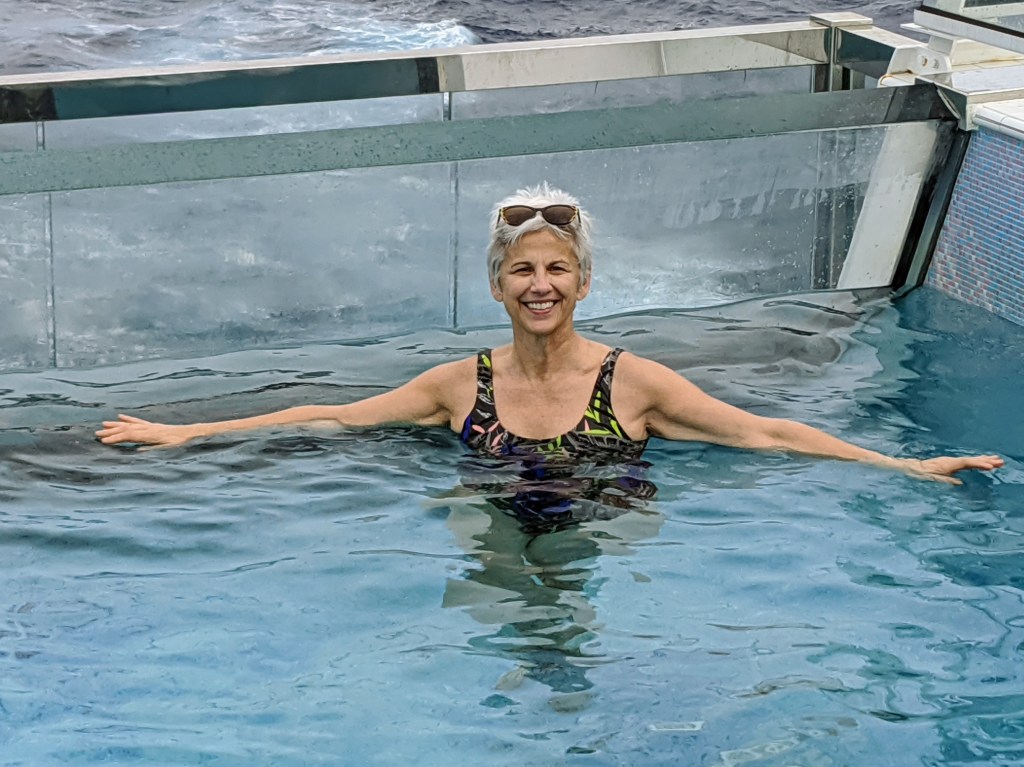
Once out of the pool, it was time to drink shots of Aquivit and claim their status as shellbacks! It was great fun and a beautiful day for crossing the line.

Official certificate for crossing the Equator

Water, Water Everywhere…

Today is the fourth of seven consecutive sea days on our Viking World Wonders Cruise. It’s our longest stretch of days at sea in our entire itinerary, and we haven’t seen a glimpse of land since heading south and west out of Los Angeles, heading for Taiohae, Nuku Hiva, French Polynesia. Every day brings us warmer temperatures and fewer waves, a welcome respite from the snow we left back home.

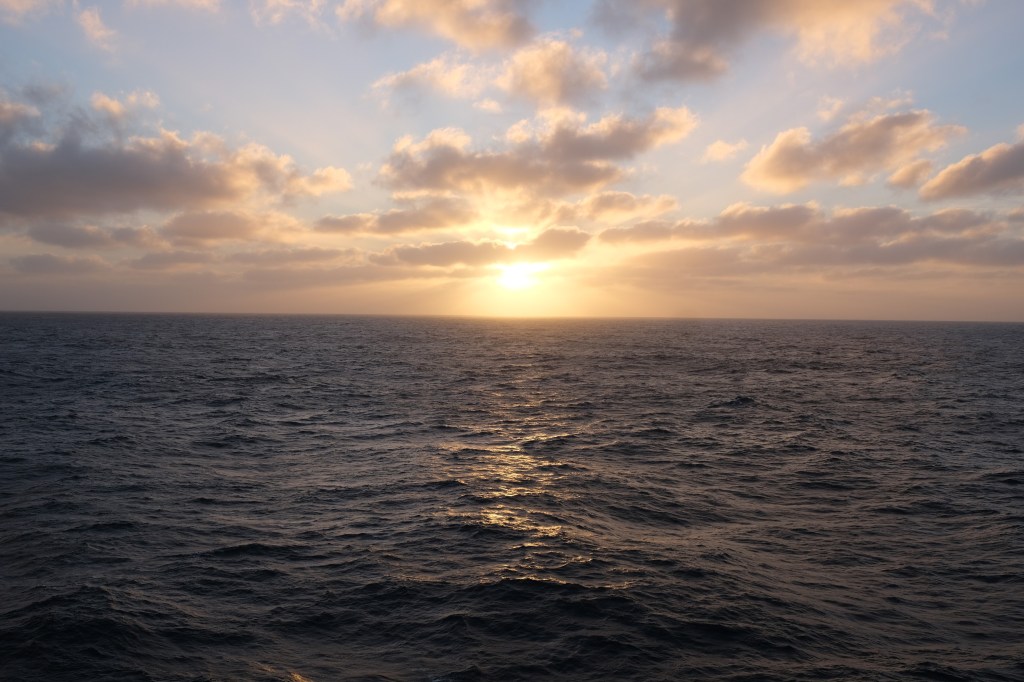
For millennia, the seas were a source of great mystery, with legend after legend revealing stories of heroes, gods, dragons, monsters, and fantastical tales from the deep. Water is also important as the universal solvent, and is revered by healers for its incredible curative powers. Today, although we know much more from scientific research, the oceans still provide us with an enormous source of energy and peace, excitement and majesty. Every window on-board rewards us with ever-changing, phenomenal water views, and we’ve been experiencing the best of the waters available to us on the Viking Sun.

There are several different pools and water venues on the Sun. The indoor Spa Pool, with its invigorating waves and warm temperatures is a welcome reward after a vigorous work-out in the adjacent gym. The Main Pool, with its retractable glass roof, is a great place to do laps, relax by the Pool Bar, or enjoy some refreshments while walking above. Our favorite is the Infinity Pool and Hot Tub at the very aft of the ship. We had the whole pool to ourselves this morning, and it’s a wonderful, peaceful place to watch the waves go by.

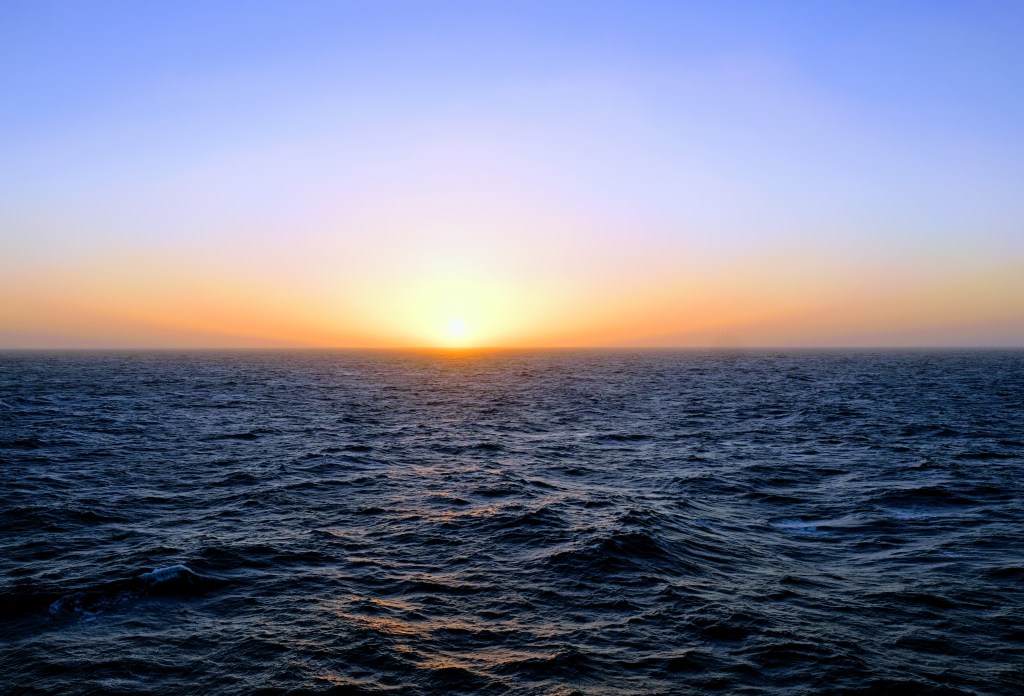
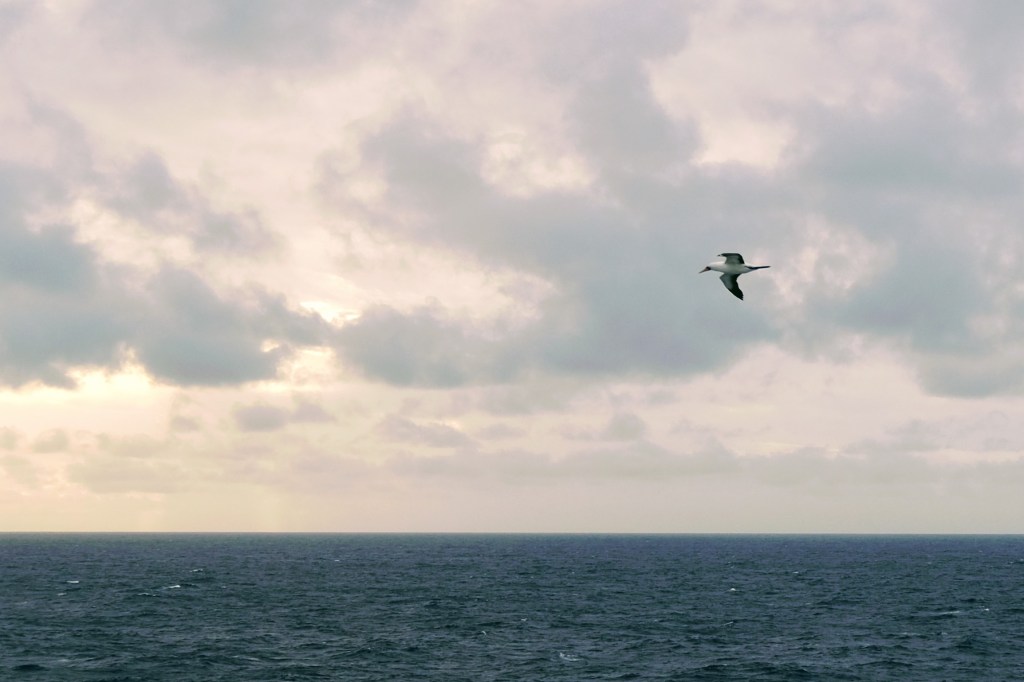
And the views of the Pacific Ocean are breathtaking morning, noon and night. We’re occasionally greeted by a random seagull, although we haven’t seen much in the way of oceanic wildlife thus far.

We’re also mindful of the importance of staying hydrated, and we’re grateful to the incredible Sun wait staff for always keeping our cabin well stocked with chilled sparkling and still water, and for making my favorite “cure” for a scratchy throat: a steaming mug of tea with lots of lemon and a shot of Maker’s Mark.

So whether we’re IN the water, ON the water, or DRINKING the water, we’re happily adjusting to life at sea, and to the great gift of an abundance of water!

Dinner at the Chef’sTable

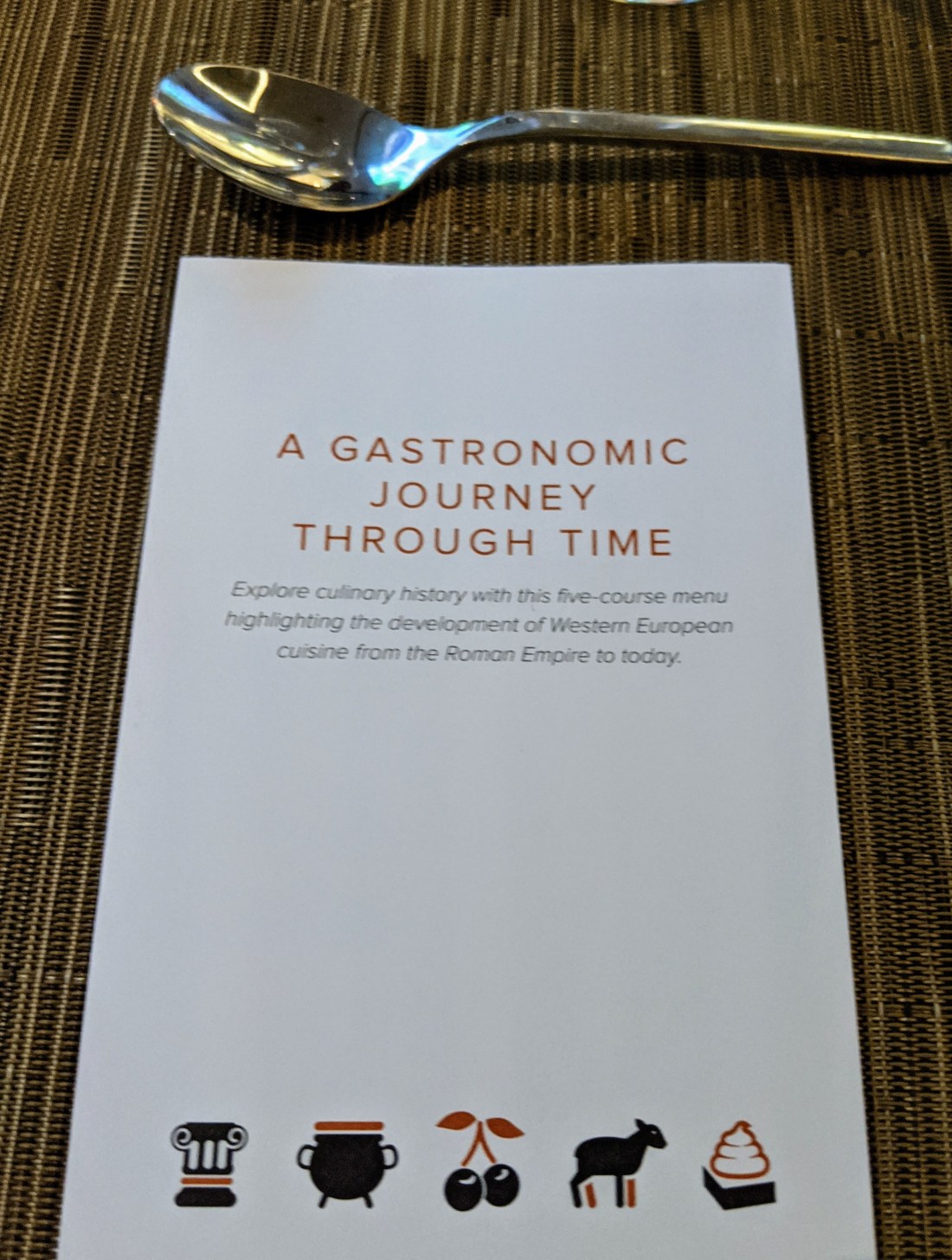
One of the many wonderful things about the Viking Sun is the food! There are numerous dining options throughout the day and evening, starting with the Early Risers breakfast in The Viking Living Room and ending with Midnight Snacks at Mamsen’s, as well as 24 hour Room Service. But my favorite of all is the Chef’s Table, one of two specialty restaurants that are available by reservation. Unlike most cruise lines, which up-charge for the specialty dining options, Viking includes these options for all guests. Last night we enjoyed a “Gastronomic Journey through Time,” during which we explored culinary history with this five-course menu highlighting the development of Western European cuisine from the Roman Empire to today. Each course was paired with a premium wine which perfectly complemented the food. As always, the Chef’s Table did not disappoint!
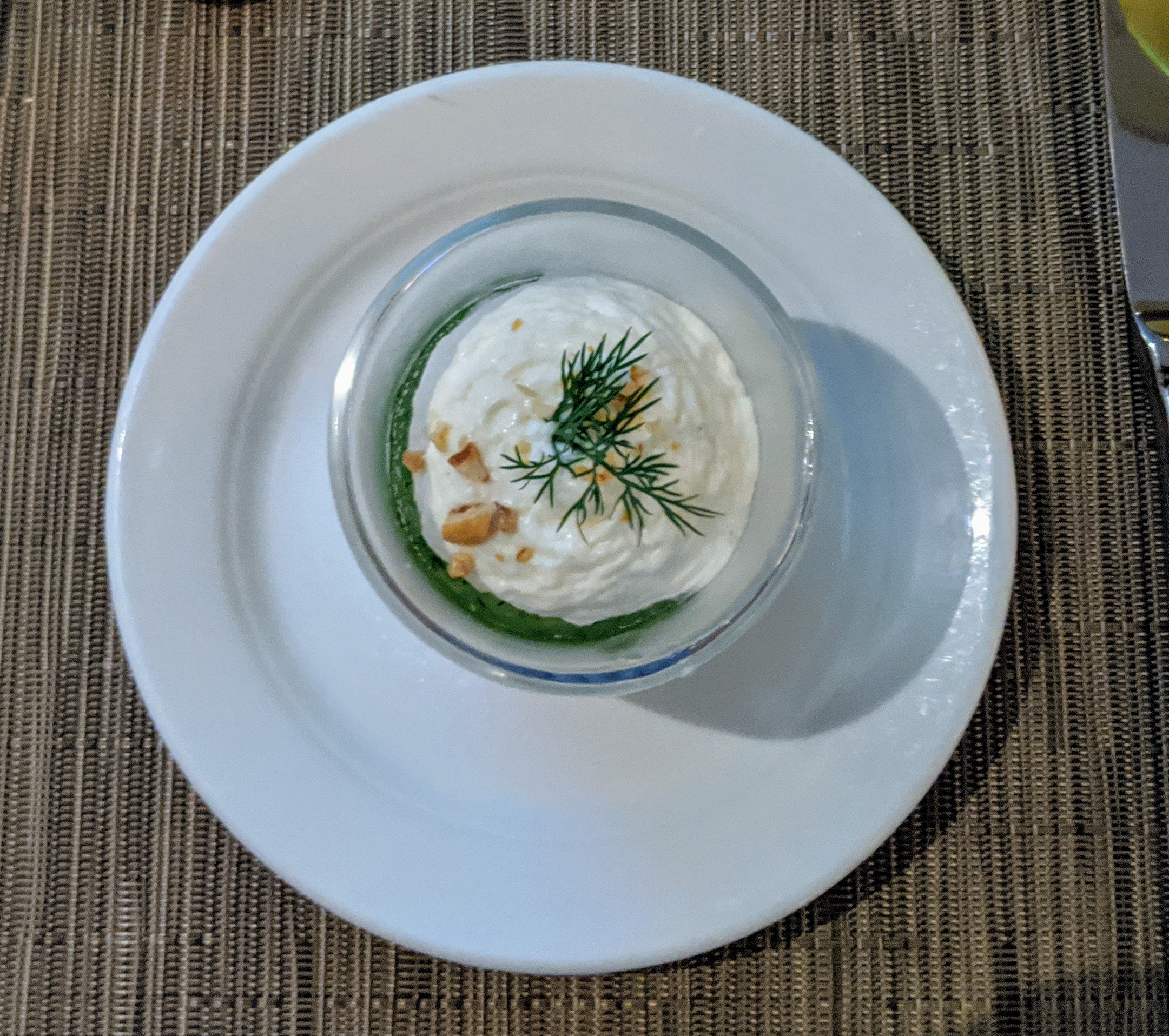
We started our journey through time in the Roman Empire with an amuse bouche consisting of a romaine and cucumber, goat cheese mousse. We learned that ancient Roman meals regularly included vegetables such as lettuces, cabbage, leeks, and cucumbers as well as herbs and spices. Wheat porridges and homemade goat and sheep cheeses were also common, and these were reflected in this antiquity-inspired hors d’oeuvre. This was paired with an Altano Branco white wine from the Duoro Valley, Portugal.

Romaine and cucumber, goat cheese mousse

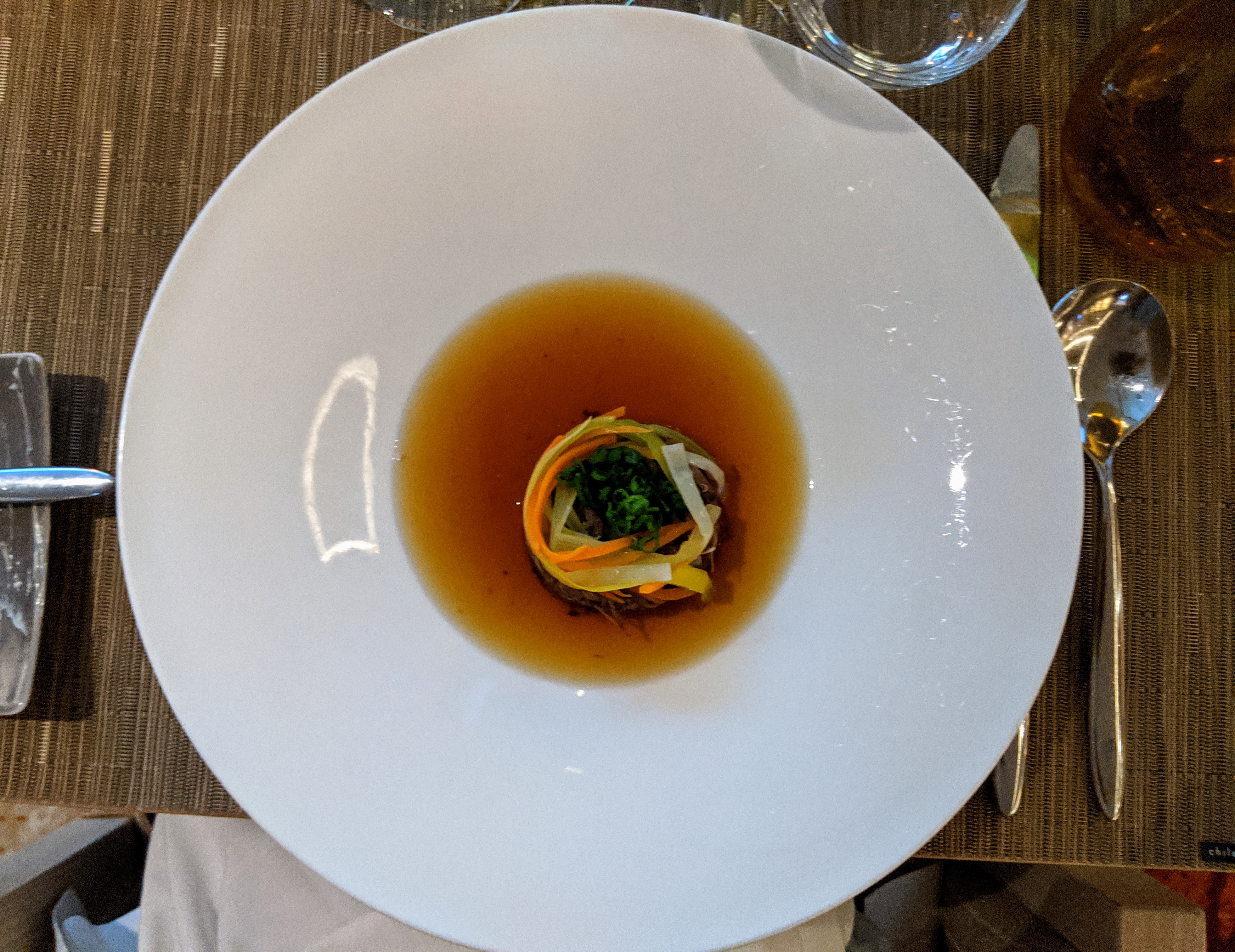
Our first course fortified us with a hearty Gallic oxtail cosomme with julienned vegetables. Early Gauls relied heavily on domestic animals like cattle, pigs, and lamb as mainstays for their livelihood as well as cuisine. A soup of oxtails, which was slow cooked in a cauldron over an open fire, was the inspiration for this hearty consomme. It was paired with a Trivento Chardonnay from Mendoza, Argentina.

Gallic oxtail consomme

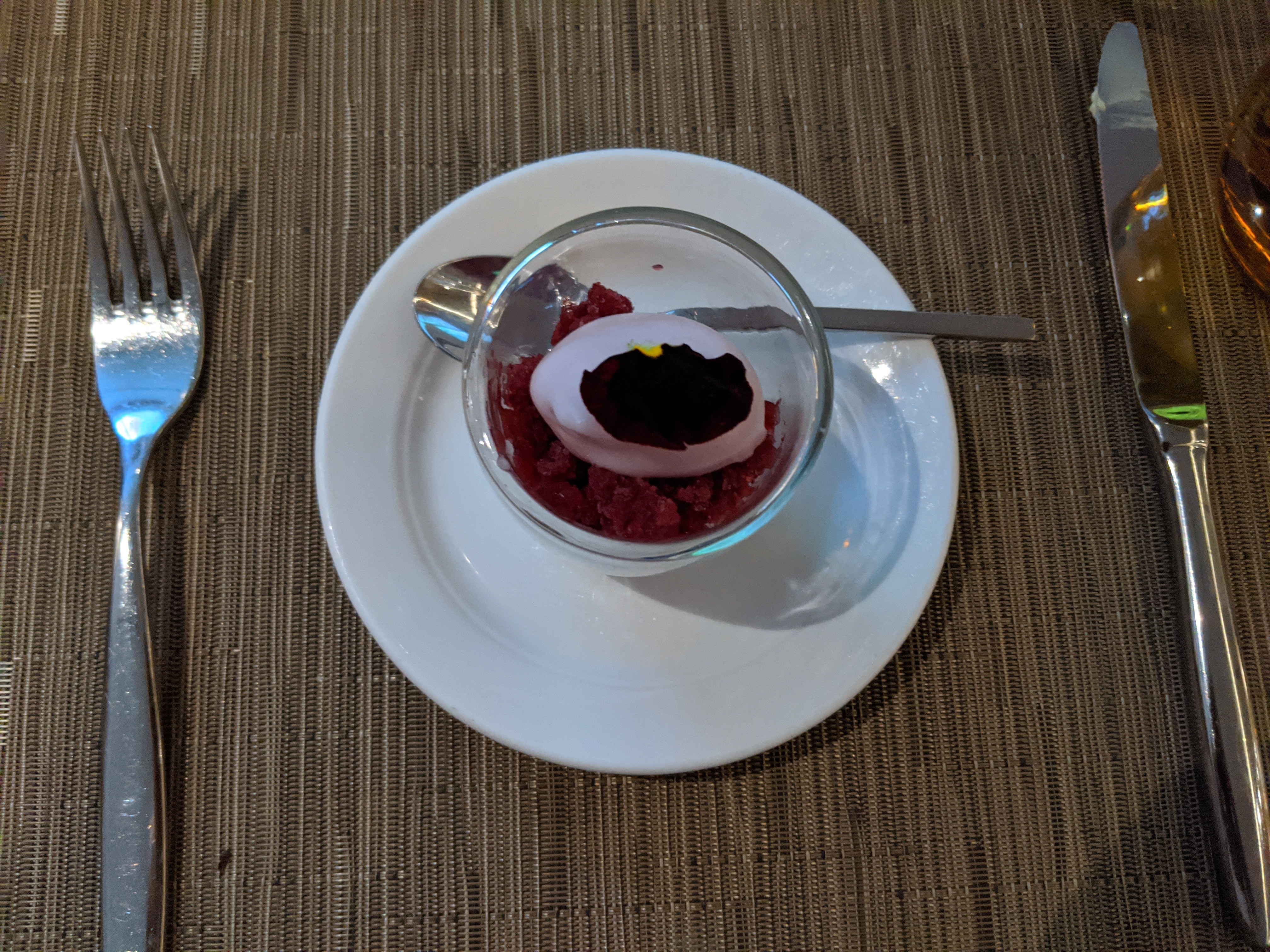
To cleanse our palate, we enjoyed an ode to the Middle Ages with a granita of mixed berries, mint, and vodka. Western Europe had little native fruit, although imports from Asia and the Middle East added variety. For the wealthy, fruit was served in pies or preserved in honey; while the poor made do with whatever fresh fruit they could find. Wild forest berries would have been a welcome fruit. This granita provided a refreshing interlude before the main course.

Medieval “Black & Blue” granita of mixed berries, mint, and vodka

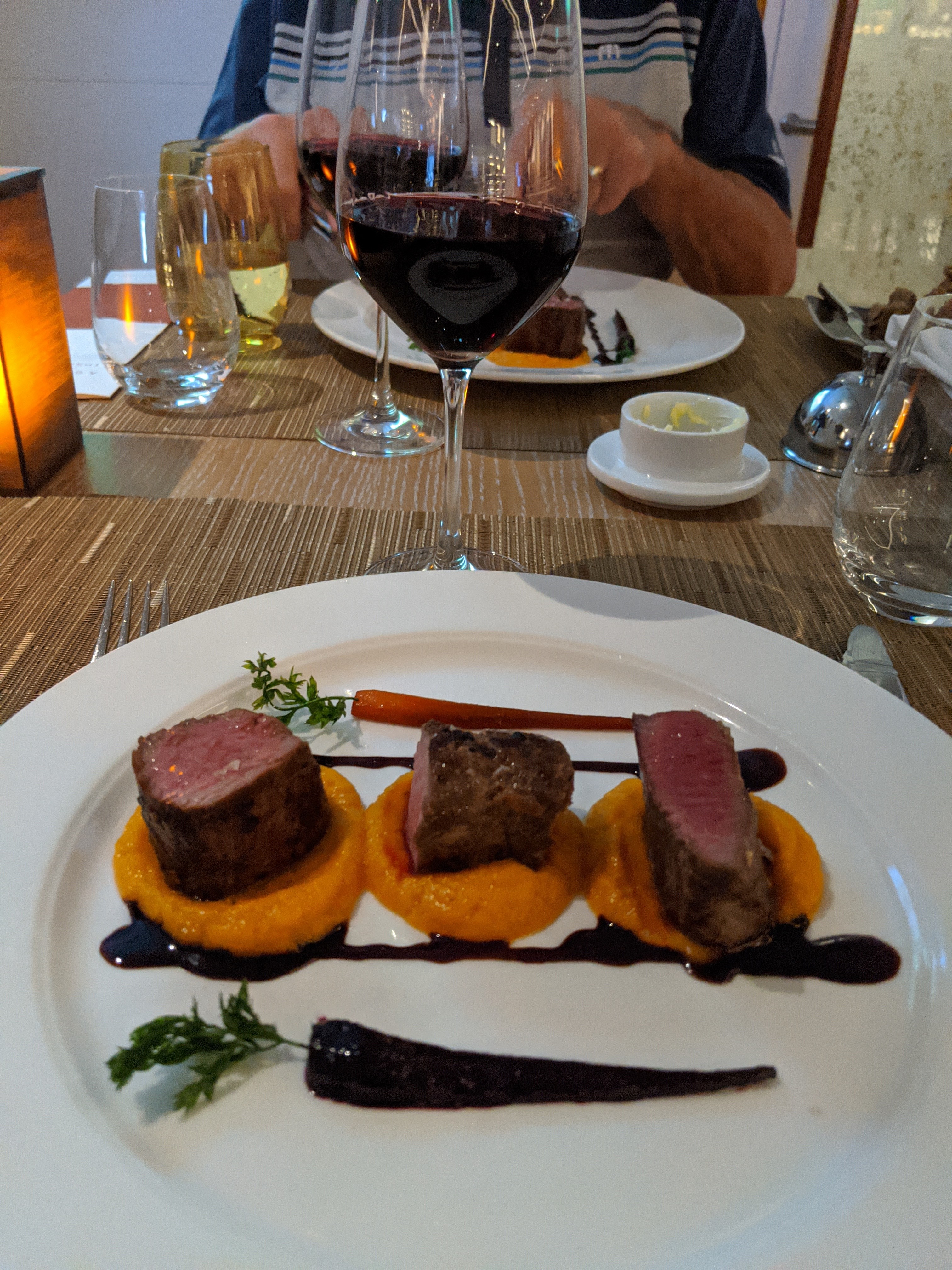
The main course was a Renaissance-style feast of lamb filet with sweet potato mash, glazed carrot medley, and quintessential jus. This was paired with a Maison Castel, Cotes du Rhone Syrah, Grenache Noir from the Rhone Valley, France. The Renaissance brought enlightenment, even to the kitchen, with a rise in the number of cookbooks and an emphasis on the real taste of food unencumbered by heavy spicing. Renaissance food was as sophisticated as the era itself, with dishes designed to delight both the palate and the eye.

Renaissance-style lamb filet with sweet potato mash, glazed carrots, and quintessential jus

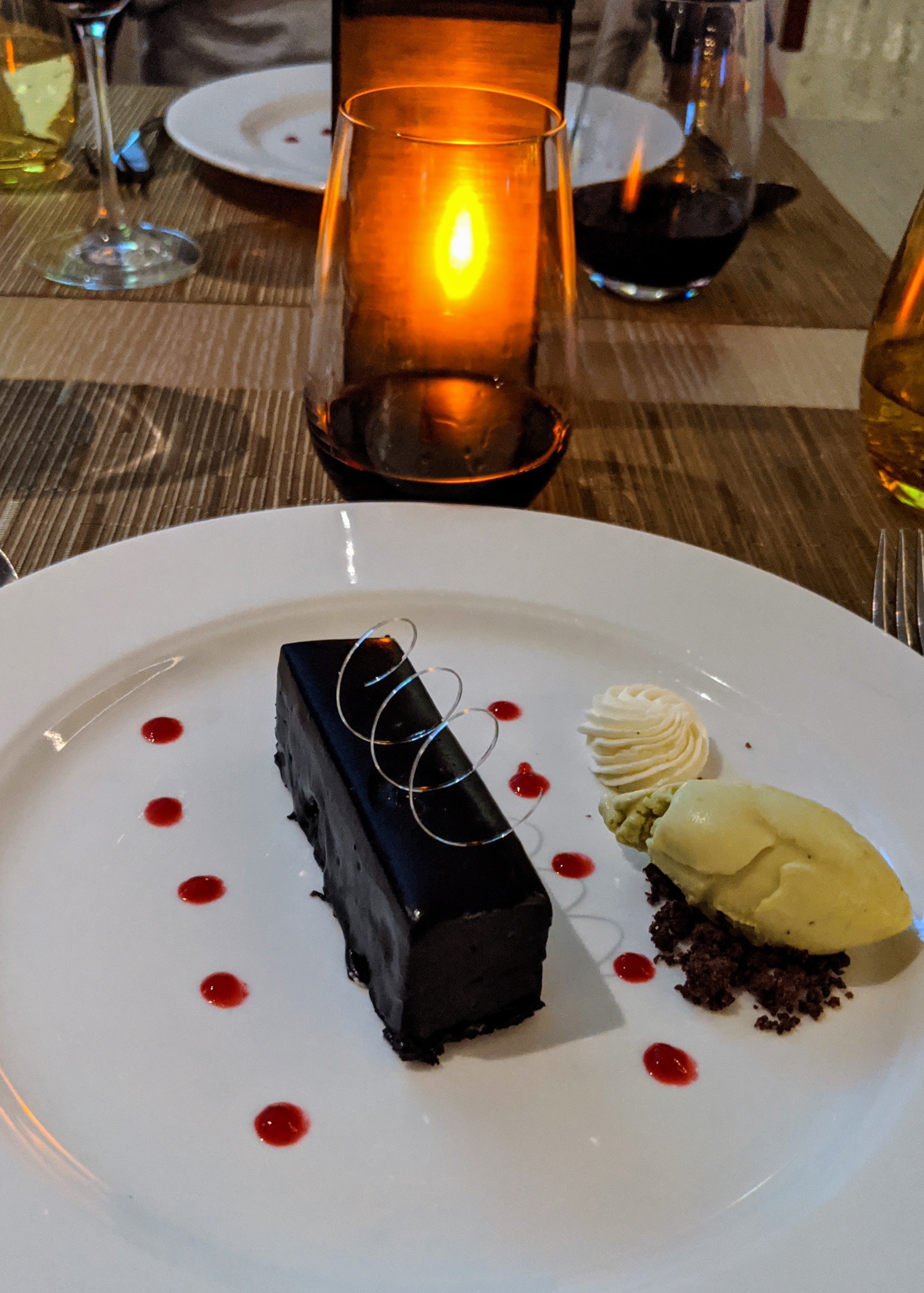
For dessert we indulged in a 21st century pecan and walnut brownie with a chocolate mirror glaze, pistachio ice cream, and mascarpone whip. This was paired with Graham’s Six Grapes Ruby Port from the Duoro Valley, Portugal. The classic brownie was developed in the United States, and popularized across North America in the first half of the 20th century. It still endures as a “top 10” favorite.

21st Century nut brownie with chocolate mirror glaze, pistachio ice cream, and mascarpone whip

After dinner we took a leisurely stroll around the promenade deck, and promised to do a more extensive workout tomorrow, but only after making reservations at the Chef’s Table for my birthday dinner in a few days!